Blog
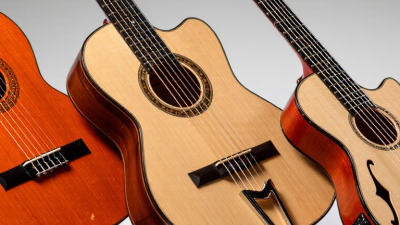
What Are the Different Types of Classical Guitar?
Choosing a Classical Guitar is not simply a matter of nylon strings and a warm tone. Body shape, bracing, scale length, and construction all change how an instrument feels and sounds. A cedar-top Spanish guitar may respond quickly beneath a light touch, while a spruce top can offer a brighter attack. Flamenco models are often built for crisp projection and fast response; crossover guitars may add a narrower neck or onboard electronics.
The categories can blur. That matters.
Grand View Research’s guitar-market analysis offers useful industry context by examining broad guitar product segments, but market reports do not provide one universal classification for classical-guitar subtypes. For practical comparisons, players should also consult manufacturer specifications and listen to instruments played side by side. Andrés Segovia, the influential classical guitarist, described the instrument as “a small orchestra,” a phrase that captures its range of voices. It is an evocative description, not a buying guide.
This article explores the main types, from traditional Spanish and flamenco guitars to crossover and historically informed designs. It will compare their construction, tone, and typical playing feel, while noting where labels vary between makers. No category guarantees a particular sound. Wood, setup, and the player’s touch matter, too. By the end, readers should have a clearer way to match an instrument’s design with their music, technique, and hands.
Read more »
 By:Ethan
- October 30, 2026
Why Choose an Electric Guitar?
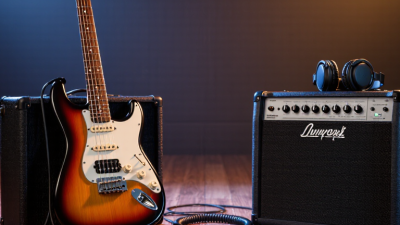
An Electric Guitar offers a broad range of sounds, from clean, bell-like notes to thick, sustained distortion. Its magnetic pickups capture string vibrations, while an amplifier and effects can shape the final tone. That flexibility makes it a practical choice for rock, blues, jazz, pop, and many other styles. The sound begins in the hands, though: a small change in picking position or touch can alter a phrase noticeably.
Playability is another reason many musicians choose electric models. Their strings are often lighter than those on many acoustic guitars, and their narrower necks may feel comfortable during long practice sessions. Feel the difference. A beginner can work on chords, timing, and single-note melodies without fighting excessive string tension, although setup and string choice still matter. A poorly adjusted instrument can discourage practice, so checking the action, tuning stability, and overall comfort is worthwhile.
An electric guitar also suits different spaces and routines. A headphone-compatible practice amplifier can keep late-night sessions quieter, while a larger amplifier can fill a rehearsal room. It does require extra equipment, cables, and occasional maintenance. That is part of the trade-off. Before choosing, consider your preferred music, budget, practice space, and the instrument’s feel in your hands. There is no universally best option; the right guitar is the one that encourages consistent playing and suits the sound you want to explore. Even then, preferences change—and that is worth remembering.
Read more »
By:Ethan
- October 30, 2026

How to Choose the Best Acoustic Guitar?
Choosing the best Acoustic Guitar is less about finding the most expensive model and more about matching an instrument to your hands, music, and budget. A guitar that feels comfortable during a ten-minute trial may still tire your shoulder during a full practice session. Pay attention to body size, neck shape, string action, and overall weight. These details affect comfort as much as tone does.
Sound matters, but listen carefully. A bright guitar may suit crisp picking, while a warmer voice can support mellow strumming. Play a few familiar chords and notes, then notice whether the instrument stays clear across the strings. If possible, ask an experienced player or a knowledgeable shop technician to check tuning stability, fret buzz, and setup. Small setup problems can often be corrected; a poor fit is harder to ignore.
Your budget should include more than the guitar. A case, tuner, picks, and a professional setup may add useful value. Try several instruments at a similar price, and compare them in a quiet room if you can. Your first impression is helpful, but not final. Even seasoned musicians can be surprised by what feels right after a week of playing. There is no single best choice for everyone, and that is worth remembering. The right Acoustic Guitar is the one you can play comfortably, maintain sensibly, and look forward to picking up again.
Read more »
By:Ethan
- October 30, 2026