An Electric Guitar offers a broad range of sounds, from clean, bell-like notes to thick, sustained distortion. Its magnetic pickups capture string vibrations, while an amplifier and effects can shape the final tone. That flexibility makes it a practical choice for rock, blues, jazz, pop, and many other styles. The sound begins in the hands, though: a small change in picking position or touch can alter a phrase noticeably.
Playability is another reason many musicians choose electric models. Their strings are often lighter than those on many acoustic guitars, and their narrower necks may feel comfortable during long practice sessions. Feel the difference. A beginner can work on chords, timing, and single-note melodies without fighting excessive string tension, although setup and string choice still matter. A poorly adjusted instrument can discourage practice, so checking the action, tuning stability, and overall comfort is worthwhile.
An electric guitar also suits different spaces and routines. A headphone-compatible practice amplifier can keep late-night sessions quieter, while a larger amplifier can fill a rehearsal room. It does require extra equipment, cables, and occasional maintenance. That is part of the trade-off. Before choosing, consider your preferred music, budget, practice space, and the instrument’s feel in your hands. There is no universally best option; the right guitar is the one that encourages consistent playing and suits the sound you want to explore. Even then, preferences change—and that is worth remembering.
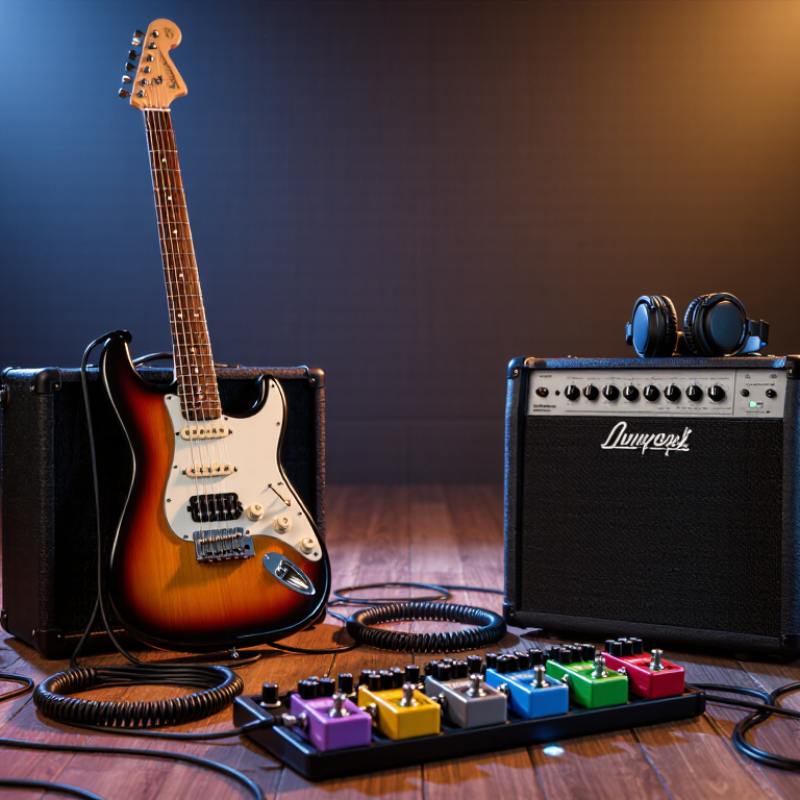
An electric guitar is defined by how it turns string vibration into an electrical signal. Magnetic pickups sit beneath steel strings. As a string moves through their magnetic field, the pickup produces a changing signal that travels through a cable to an amplifier. The amplifier makes that signal loud enough to hear across a room. Without one, the strings still make a small acoustic sound, but the instrument’s full voice stays quiet. That distinction matters.
The body may be solid, hollow, or partly hollow, but shape alone does not make a guitar electric. Pickups, wiring, and controls play the central role. A volume knob changes signal level; tone controls can reduce some high frequencies, making the sound softer or darker. Small adjustments are easy to hear through an amplifier. In hands-on testing, even a light change in picking position can shift the sound from bright to muted. It can be surprisingly subtle.
There is no single electric-guitar sound. Pickup design, string type, playing technique, and amplifier settings all contribute. Two similar instruments can respond differently under the fingers, and descriptions such as “warm” or “sharp” are partly subjective. I still find that a guitar’s feel is harder to explain than its wiring. That is worth remembering.
Why Choose an Electric Guitar?
How Do Pickups and Amplifiers Shape Its Sound?
An electric guitar’s voice comes from its strings, pickups, and amplifier working together. Pickups convert string vibrations into an electrical signal. Single-coil pickups often sound bright and clear, while dual-coil pickups tend to sound fuller and reduce background hum. These are tendencies, not rules. Pickup height, string condition, and playing touch can all shift the result.
Tips: Start with the guitar’s volume and tone controls near the middle. Set the amplifier clean, then adjust one control at a time. Play the same short phrase while switching pickups. Small changes are easier to hear. Keep the volume modest; loudness can disguise harshness.
The amplifier shapes the signal with controls for tone and gain. Raising treble can bring out pick attack, while more bass adds weight. Gain can add grit, but too much may blur individual notes. A setting that sounds rich alone might disappear beside other instruments. There is no perfect setting, and even careful adjustments can feel confusing at first. Listen for the sound you want, then change one thing and check again.
How to read it: The bars show the frequencies of open strings in standard tuning and their second harmonics, which are twice the fundamental frequency. A pickup converts string vibration into an electrical signal; an amplifier and speaker shape its tone by changing the balance of frequencies. The chart shows pitch frequencies, not volume or a universal pickup or amplifier response.
The electric guitar suits styles that benefit from sustain, clear note separation, or deliberate changes in tone. In rock, a firm pick attack and controlled distortion can make a riff feel broad without adding more notes. Blues players often use bends, slides, and pauses; a slight pitch lift at a note’s end can sound expressive. Jazz guitarists may favor a warm, clean tone, close voicings, and softer dynamics. Small changes matter.
Country often uses bright attacks and quick phrase endings, while funk depends on tight, muted chord strokes. In pop, the guitar may sit beneath vocals, adding rhythmic texture rather than taking the lead. Metal relies on precise timing and controlled gain; a heavy sound alone will not make a part convincing. Ambient music can use delay and volume shaping to turn a few notes into slowly shifting layers. The instrument is flexible.
A player exploring a style can listen for the guitar’s role, not just its genre label. Try playing one short phrase clean, lightly overdriven, and with muted strings; the differences become clear under your fingers. Not every sound fits. A bright, clipped tone can work in unexpected places, though it may expose uneven timing.
An electric guitar can make practice more adaptable to real life. Plugged into a small amplifier or headphone setup, it lets players work at a manageable volume, even in a shared home. That matters. A headphone setup can also make late-night practice less disruptive, though cables and settings add a little fuss.
Its amplified signal offers a wide range of usable sounds. Adjust the guitar’s controls for a cleaner tone, then add an effect for a thicker sound or longer sustain. These changes can help one instrument fit different songs without changing guitars. In a band, amplification helps notes carry through drums and bass. It can also make recording more direct: connect suitable equipment, set levels carefully, and capture a clear signal. Less room noise, sometimes.
Many electric guitars have relatively low string tension and a slim neck, which some players find comfortable for bends and long practice sessions. But comfort depends on the instrument’s setup, shape, and the player’s hands. An electric guitar also needs supporting gear, and a poorly adjusted instrument can feel harder to play than expected. Convenience is real, but not automatic.
An electric guitar can make quiet practice easier, but the instrument is only part of the setup. Budget for an amplifier, cable, tuner, and spare strings, too. Small costs add up. A basic practice amplifier is usually enough at first; expensive features can wait until you know what sounds you enjoy.
Try holding a few guitars before buying, if possible. Check whether the neck feels comfortable and whether you can reach the first few frets without straining. Feel the neck. Notice the guitar’s weight while standing, not just sitting. A heavy instrument may feel fine for five minutes and tiring after a longer session. There is no universally “easy” shape, despite what some beginners expect.
Ask a music teacher or experienced player to check the setup. Strings that sit too high can make fretting unnecessarily difficult, while buzzing strings may need adjustment. These issues are fixable, but they can make a beginner think their hands are the problem. I’ve seen people overlook comfort because a guitar looked appealing; that choice is understandable, but worth reconsidering. Also consider where you’ll practice and how you’ll control volume. Consistent, comfortable practice matters more than a long feature list.
Yes. Use headphones or a small amplifier at a manageable volume. Cables and settings add a little fuss.
Plan for an amplifier, cable, tuner, and spare strings. Small costs add up.
Not always. Lower string tension and a slim neck may feel comfortable, but setup and hand size matter. It depends.
Hold it while sitting and standing. Reach the first frets and notice its weight. Five minutes can be misleading.
Yes. Adjust its controls for a cleaner tone, then add an effect for more thickness or sustain.
High strings can make fretting harder, while buzzing may need adjustment. Neither means your hands are the problem.
Usually. Start with simple practice features, then consider extras after you know which sounds you enjoy.
Amplification can help notes carry over drums and bass. A suitable connection can also capture a clear signal, sometimes with less room noise.
Choose an instrument you can play comfortably and practice consistently. Looks can sway a decision; I’d still check the neck first.
An Electric Guitar turns string vibrations into an amplified sound through magnetic pickups, which capture the vibrations and send an electrical signal to an amplifier. The pickups, amplifier settings, and playing technique all influence the final tone, allowing players to create sounds that range from clean and warm to bright, sustained, or heavily distorted. This flexibility makes the instrument well suited to many styles, including rock, blues, jazz, pop, and metal, while also giving musicians room to experiment and develop a distinctive sound.
Electric guitars can offer practical advantages, too: their sound is easy to adjust, they can be played at lower volumes with suitable equipment, and their relatively light strings may feel comfortable for some players. Beginners should consider how the guitar feels, its weight, neck shape, sound, and overall ease of use. It is also worth thinking about the extra equipment required, such as an amplifier and cable, and choosing an instrument that encourages regular practice rather than focusing on appearance alone.