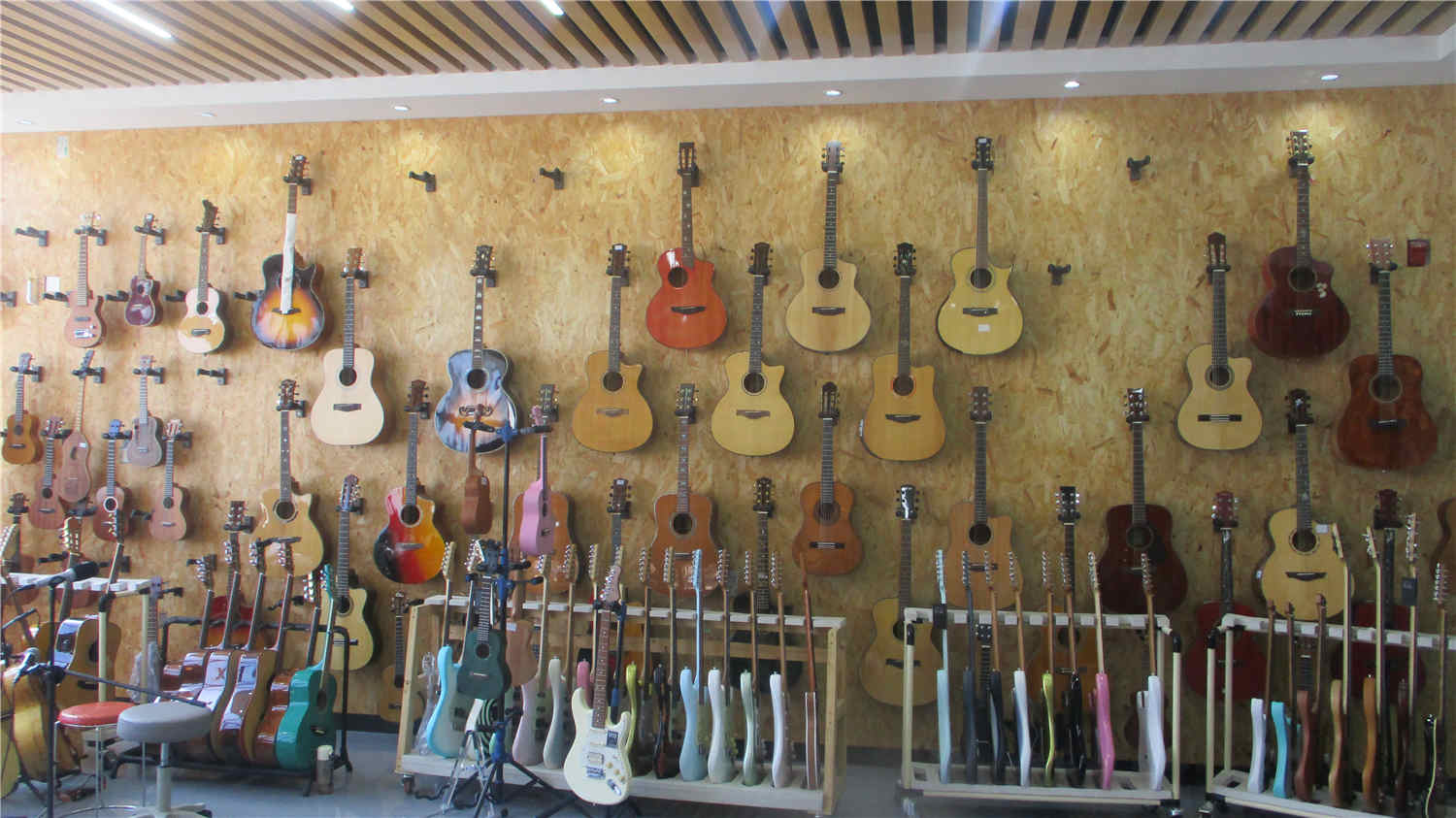
1. Strategic B2B Product Recommendations & Portfolio Architecture
Navigating the global wholesale market for Electric Guitar Effects Pedals requires a deep understanding of player search intent, signal processing topologies, and retail price tiers. Today’s global buyers range from boutique pedal boutique brands seeking custom ODM analog circuits to high-volume e-commerce retailers offering entry-level micro pedals. At Huizhou NFGF Musical Instrument Co., Ltd., our engineering division categorizes our manufacturing lines into four core product pillars tailored for maximum commercial viability.
1.1 Mini Analog Series (Overdrive, Crunch Distortion, Fuzz, Analog Delay)
Analog tone remains the benchmark for guitarists worldwide. Our Mini Analog Series utilizes heavy-duty aluminum die-cast enclosures (1590A and 1590B standard footprints) engineered for space-saving pedalboard integration. Built with surface-mount technology (SMT) and precision metal film resistors, these units deliver exceptionally low noise floors and pristine signal integrity.
- Overdrive & Crunch Distortion: Featuring classic JFET and diode-clipping stages that replicate warm, tube-like dynamic saturation. Ideal for blues, classic rock, and modern high-gain rhythm setups.
- Vintage Fuzz & Analog Delay: Incorporating matched germanium/silicon transistors and bucket-brigade device (BBD) timing chips to yield authentic warmth, smooth decay, and self-oscillation capabilities.
- True Bypass Hardware: Equipped with robust 3PDT heavy-duty footswitches tested to 50,000+ mechanical actuations, eliminating signal loss when disengaged.
1.2 Digital & DSP Multi-Effects Platform
For modern players who demand sonic versatility, digital signal processing (DSP) pedals represent the fastest-growing sector in the musical instrument industry. Leveraging high-speed 24-bit/48kHz audio codecs and 32-bit floating-point ARM processors, our digital effects platforms handle complex spatial and modulation algorithms without introducing audio latency.
- Multi-Reverb & Shimmer Engines: Offering Room, Hall, Church, Spring, Plate, and pitched Shimmer modes with programmable preset slots.
- Modulation Workstations: Multi-voiced Chorus, Flanger, Phaser, Tremolo, and Rotary speaker emulation in a single compact enclosure.
- Firmware & USB Port Connectivity: Optional USB-C interfaces allow end-users to update algorithms, upload impulse responses (IRs), or manage user presets via desktop companion software.
1.3 Bass & Acoustic Dedicated Preamps & DI Effects
Electric bassists and acoustic guitarists require specialized equalization curves and high input impedance buffer stages. Our dedicated preamp pedals integrate direct injection (DI) balanced XLR outputs, ground-lift switches, and active 3-band parametric EQ circuits to handle live sound environments seamlessly.
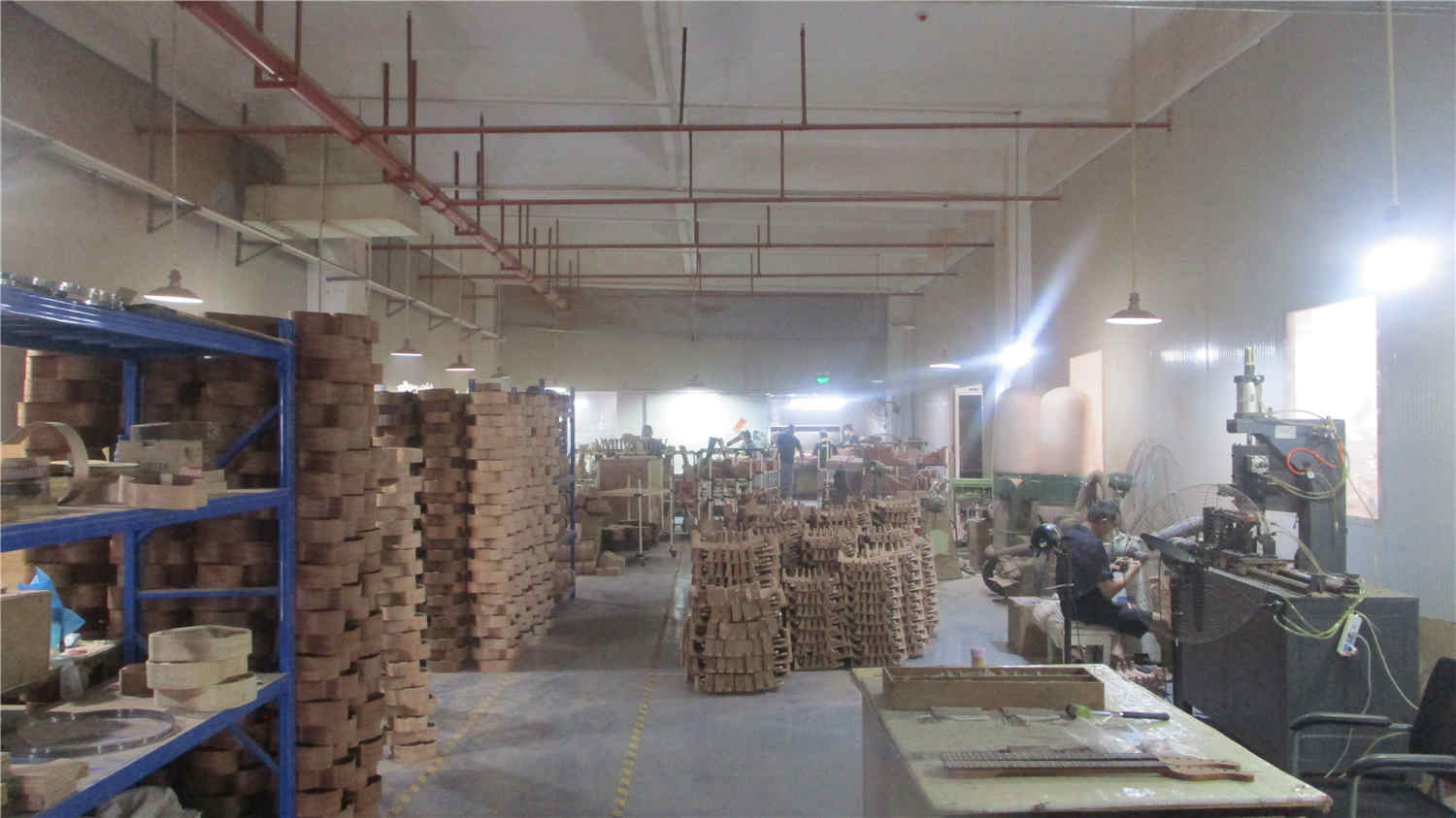 SMT Circuit Board Assembly
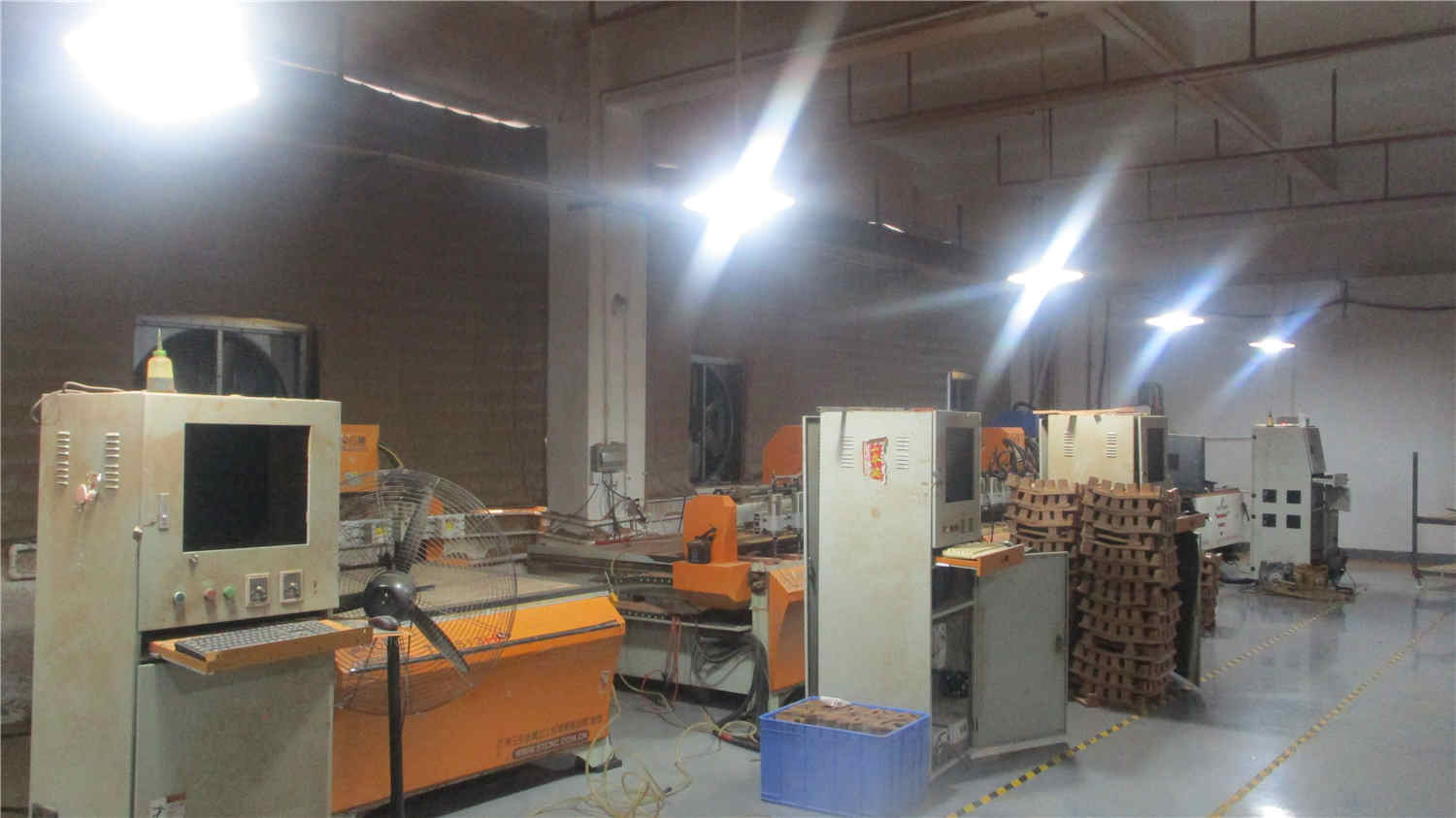 Precision Aluminum Polishing
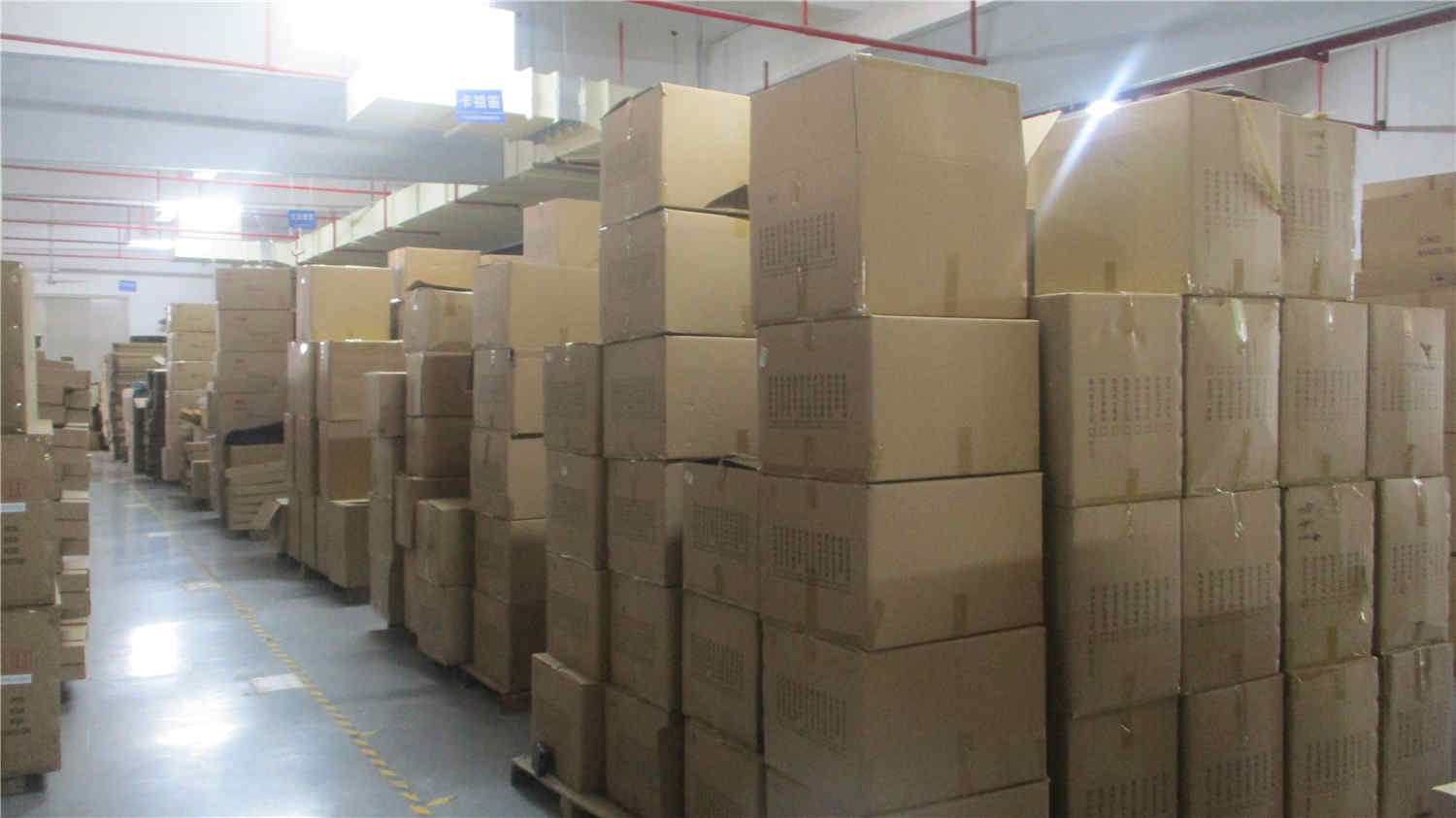 100% Signal Testing
2. Future Procurement Trends in Electric Guitar Effects Pedals (2025–2030)
As artificial intelligence, algorithmic sound design, and automated supply chains reshape the musical instrument sector, global purchasing departments must align their inventory strategies with emerging technological shifts. Sourcing directors who understand these five macro procurement trends gain a decisive competitive advantage in retail margin and inventory turnover.
Trend 1: Shift Toward Hybrid Analog-Digital Architecture
Pure analog circuit enthusiasts and digital convenience seekers are converging. Future-proof product lineups heavily lean on hybrid architecture—combining analog overdrive clipping stages with digitally controlled potentiometer chips or DSP-driven delay/reverb feedback loops. This hybrid approach delivers genuine analog warmth alongside digital preset saving and MIDI clock synchronization.
Trend 2: Compact High-Density Micro Enclosures
Pedalboard real estate is at an all-time premium. Modern touring musicians and home studio producers prioritize micro-sized pedals that offer full-sized sonic capability. Procurement managers are increasingly migrating from traditional 1590B chassis to ultra-compact micro formats, reducing transport freight costs by up to 35% per shipping container while satisfying user demand for streamlined setups.
Trend 3: Environmental Compliance & Low-Power Efficiency
Global regulatory bodies across the European Union (CE, RoHS, REACH) and North America (FCC, California Prop 65) continue to tighten rules regarding hazardous substances and power consumption. Supply chain teams must source electric guitar effects pedals manufactured with lead-free solder, eco-friendly powder coatings, and power management ICs compatible with standard 9V DC isolated power banks.
Trend 4: Accelerated ODM Customization at Lower MOQs
The traditional requirement of placing 2,000-piece minimum orders for custom branded electronics is diminishing. Modern OEM/ODM factories like Huizhou NFGF Musical Instrument Co., Ltd. leverage flexible SMT mounting lines and UV digital enclosure printers, allowing brand owners to launch private-label pedal lines with customized artwork, customized knob colors, and tailored EQ voicings starting at minimal batch sizes.
3. Guitar Effects Industry Development & Technological Evolution
To evaluate the long-term potential of the Electric Guitar Effects Pedal industry, one must analyze the technological maturation over the past five decades and project how smart manufacturing is elevating product reliability.
3.1 Evolution of Signal Chain Topologies
Historically, guitar effects relied on single-transistor germanium fuzz boxes and noisy analog bucket-brigade chips. The modern era demands zero-noise floors, wide dynamic headroom (often boosting 9V internal rails up to 18V via charge pumps), and advanced audio buffering. Modern circuit design focuses on maintaining signal fidelity across multi-pedal signal chains, ensuring tone preservation regardless of cable length.
3.2 Automated Manufacturing vs. Hand-Crafted Consistency
While vintage mojo remains a popular marketing narrative, modern buyers demand absolute unit-to-unit consistency. Industrial SMT automated placement machines ensure that every capacitor, resistor, and IC chip is placed with millimeter precision, eliminating cold solder joints and human assembly errors. Combined with automated DIP footswitch soldering and automated enclosure CNC routing, today's manufacturing standards drastically minimize warranty RMA return rates for retailers.
4. Enterprise Advantages: Huizhou NFGF Musical Instrument Co., Ltd.
Choosing the right manufacturing partner in China is the single most critical decision for instrument brands and distributors. Huizhou NFGF Musical Instrument Co., Ltd. stands as an industry benchmark in Guangdong's renowned instrument manufacturing cluster, combining acoustic heritage with modern electronic engineering.
4.1 Verified Factory Infrastructure & Capacity
Established in 2014 in Qiuchang, Huiyang District, Huizhou, Guangdong, China, our 5,100 m² integrated production facility has been assessed and verified on-site by SGS Group. Supported by 53 skilled specialists, acoustic technicians, and circuit design engineers, we seamlessly manage high-volume export demands while maintaining meticulous craftsmanship.
4.2 End-to-End In-House Production Process
Unlike trading vendors who outsource assembly to fragmented workshops, Huizhou NFGF executes every stage of production within our own facility under strict ISO-aligned quality protocols:
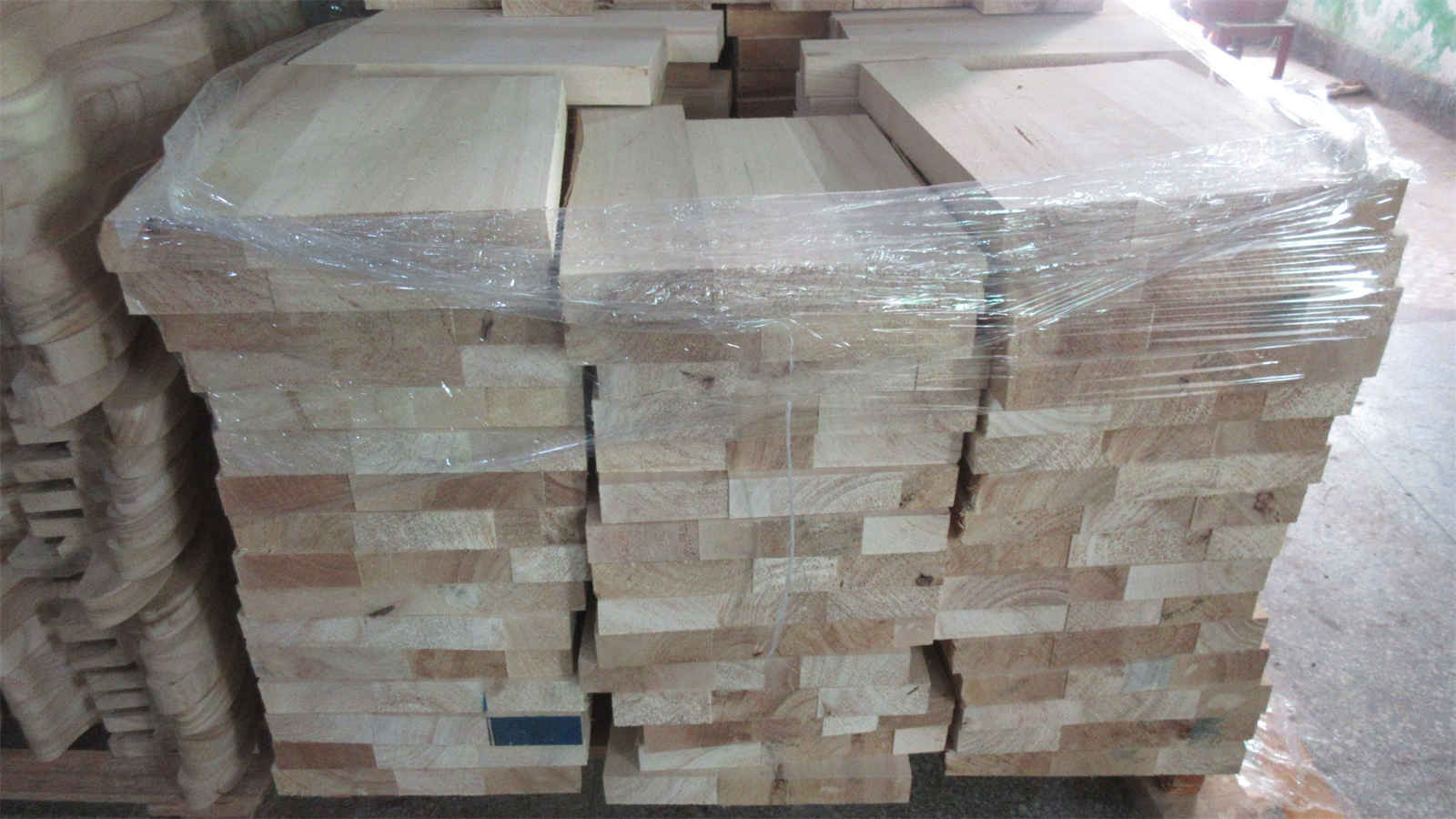 1. Raw Materials QC
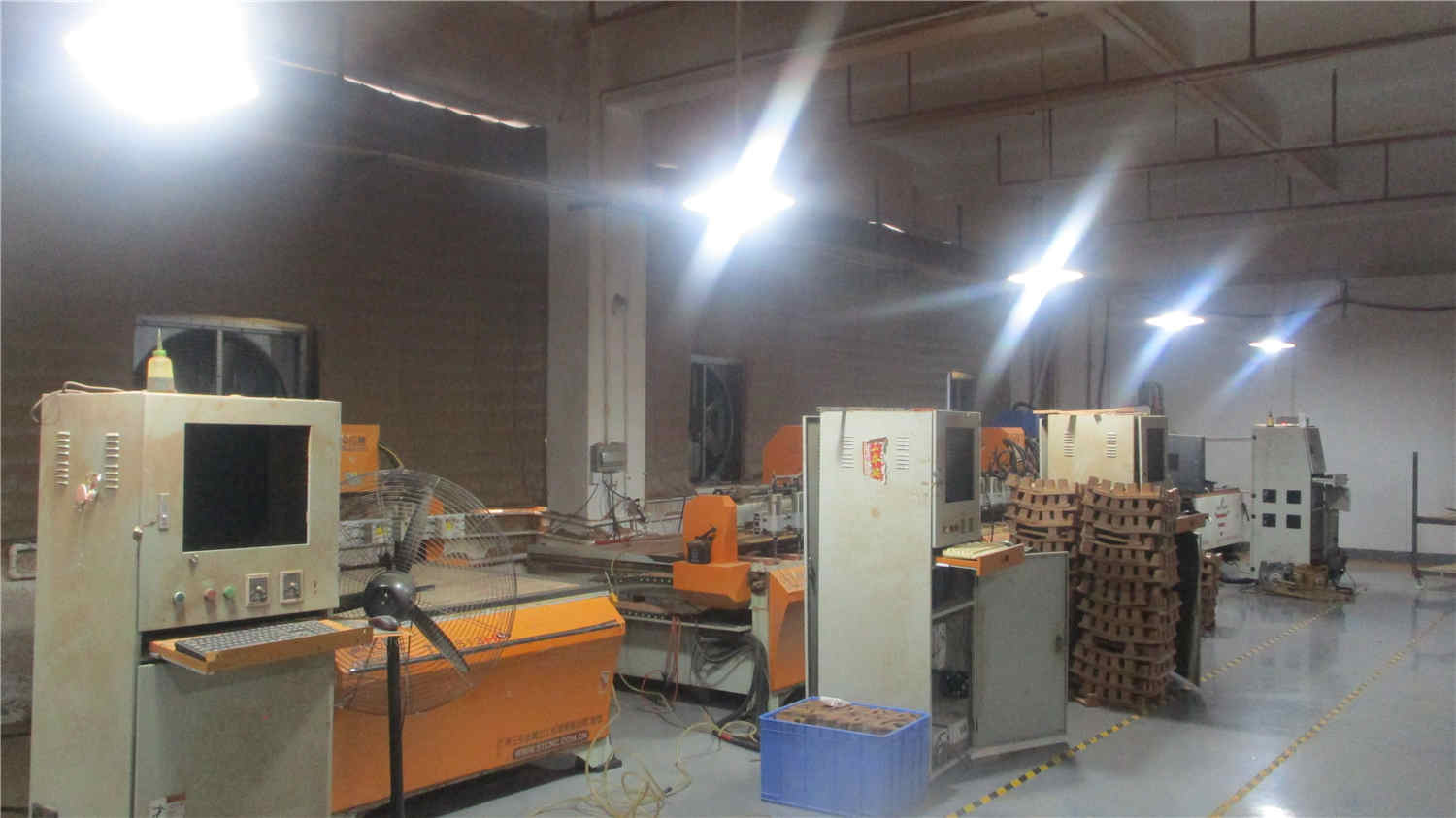 2. CNC Enclosure Milling
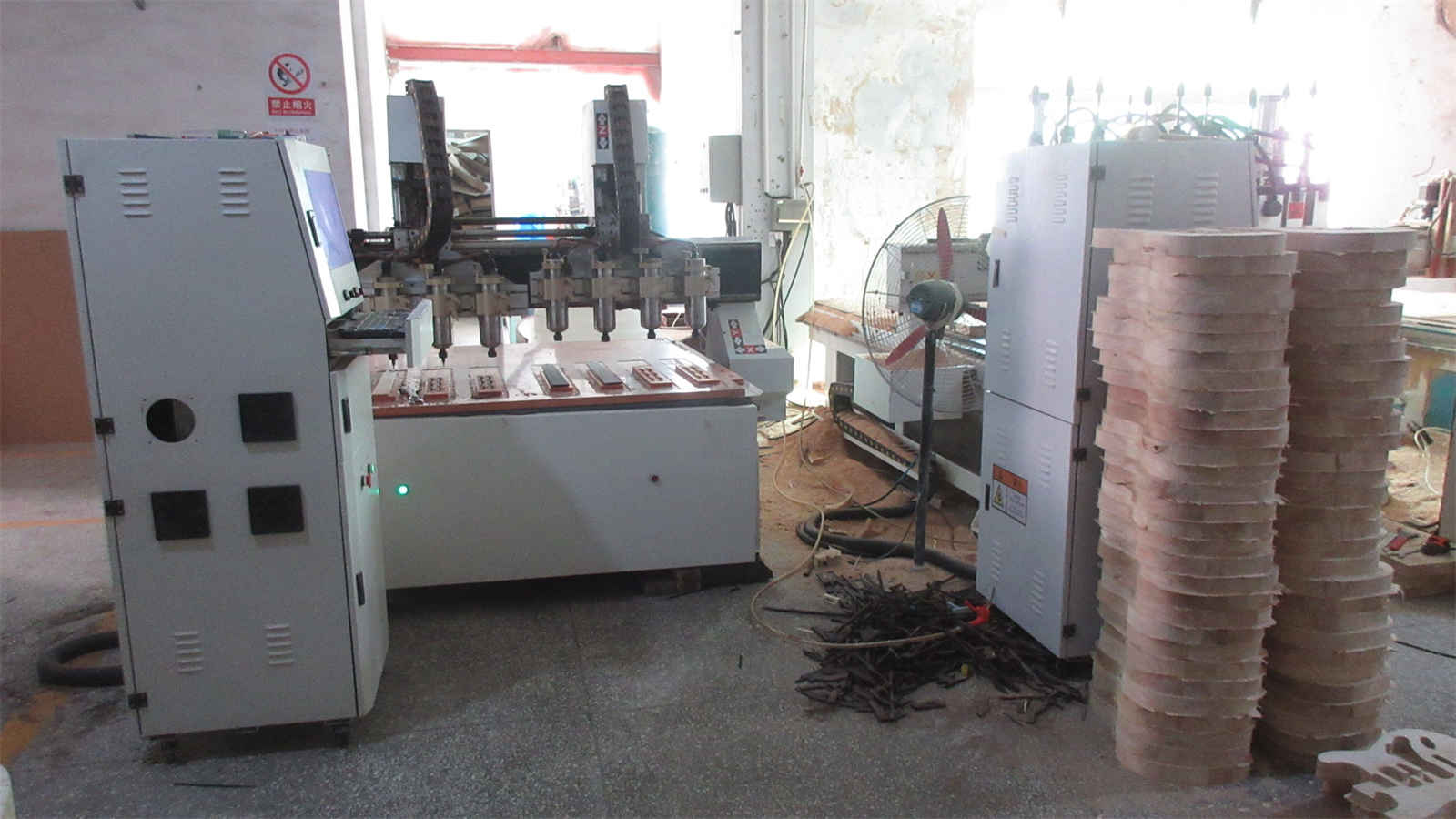 3. CNC Router Precision
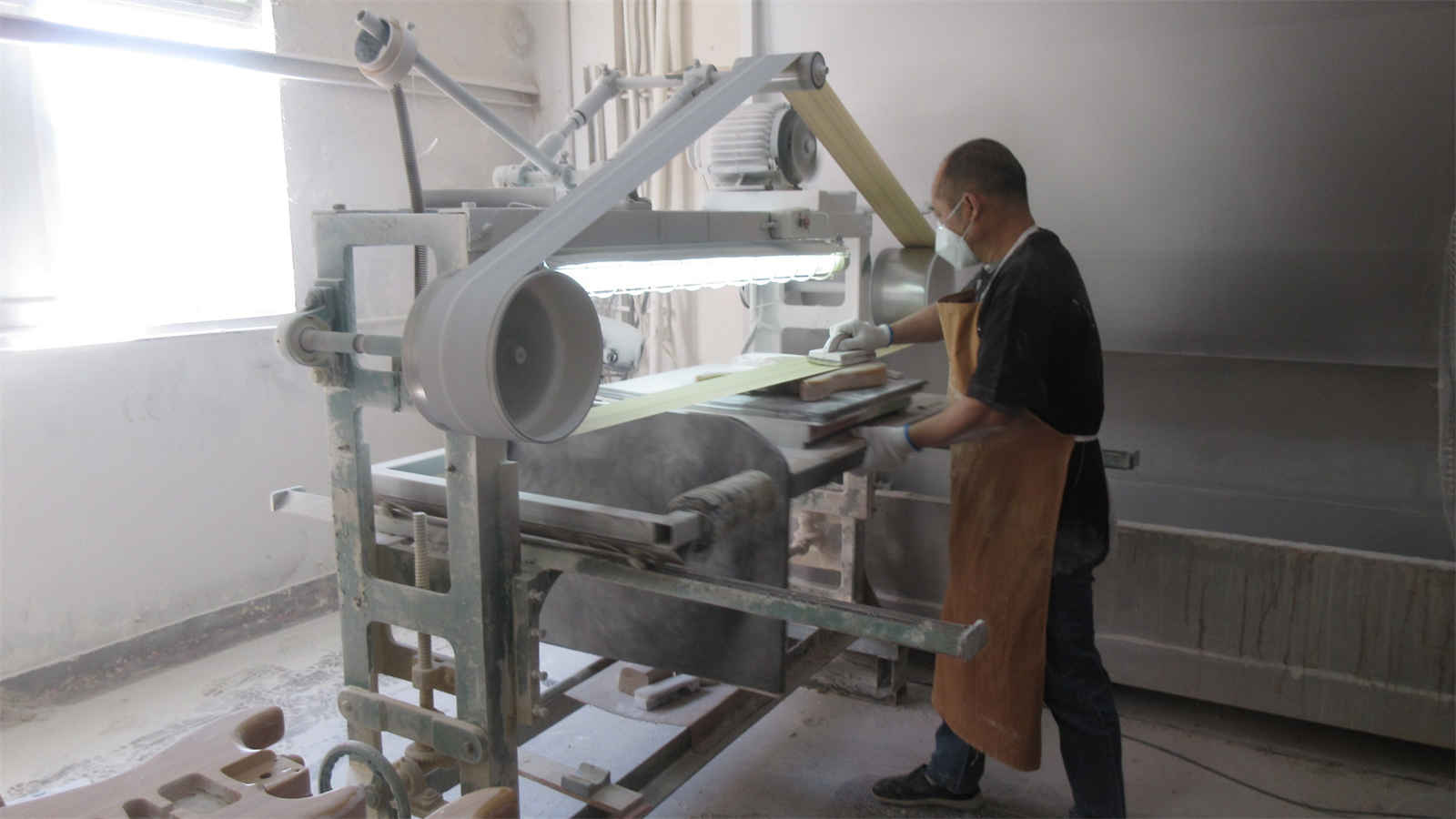 4. Surface Sanding
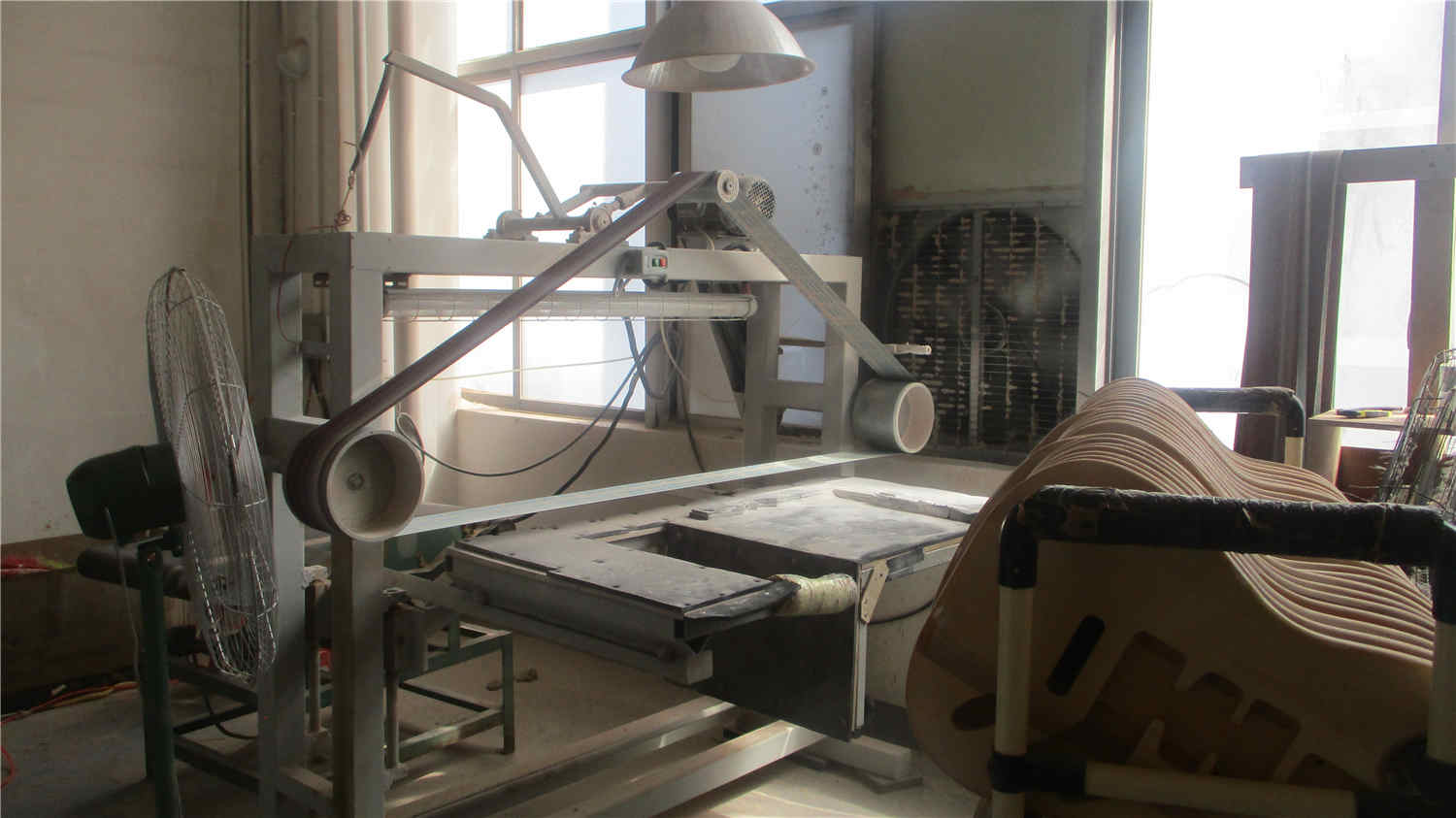 5. Hand & Machine Polishing
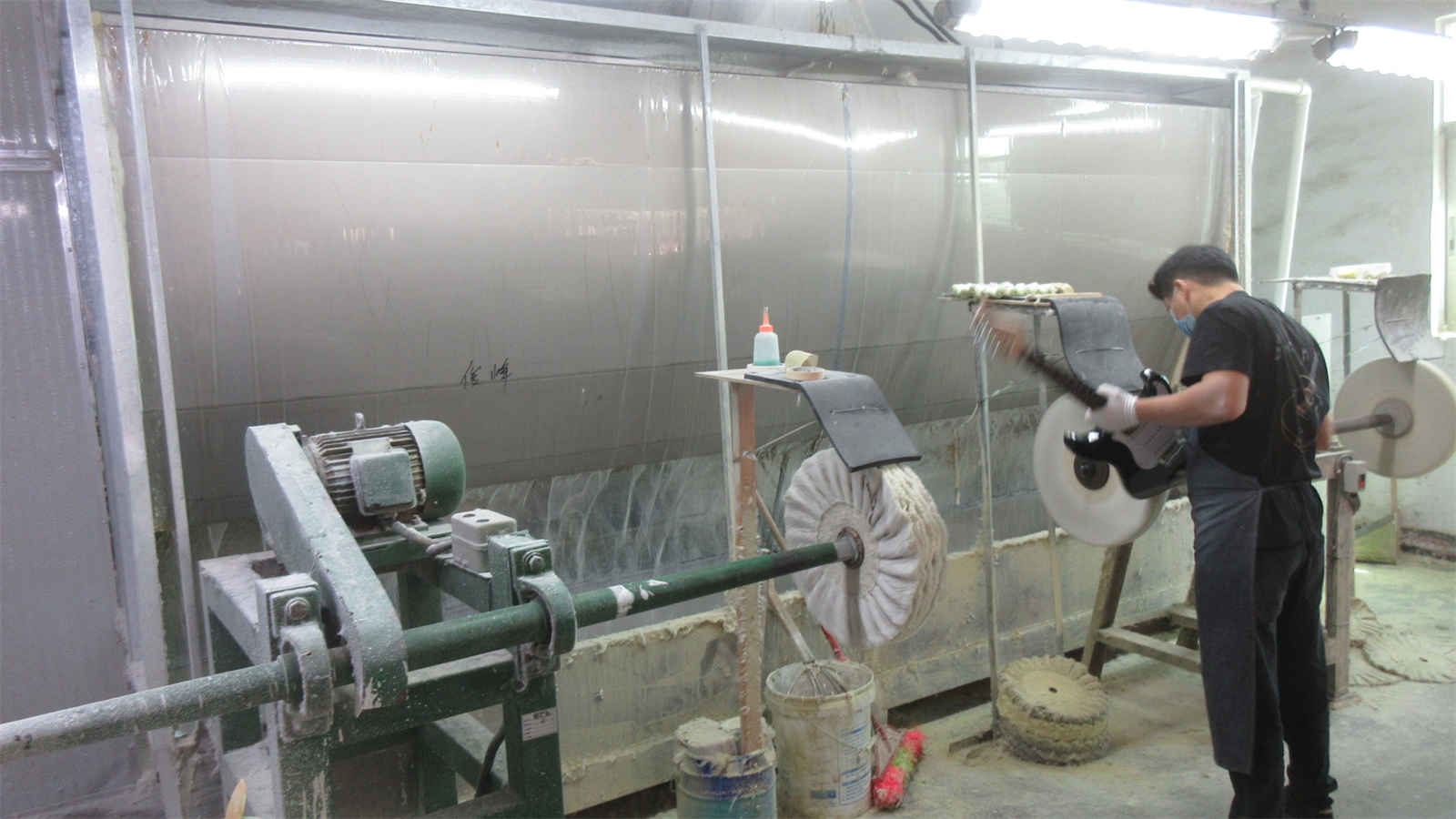 6. High-Gloss Buffing
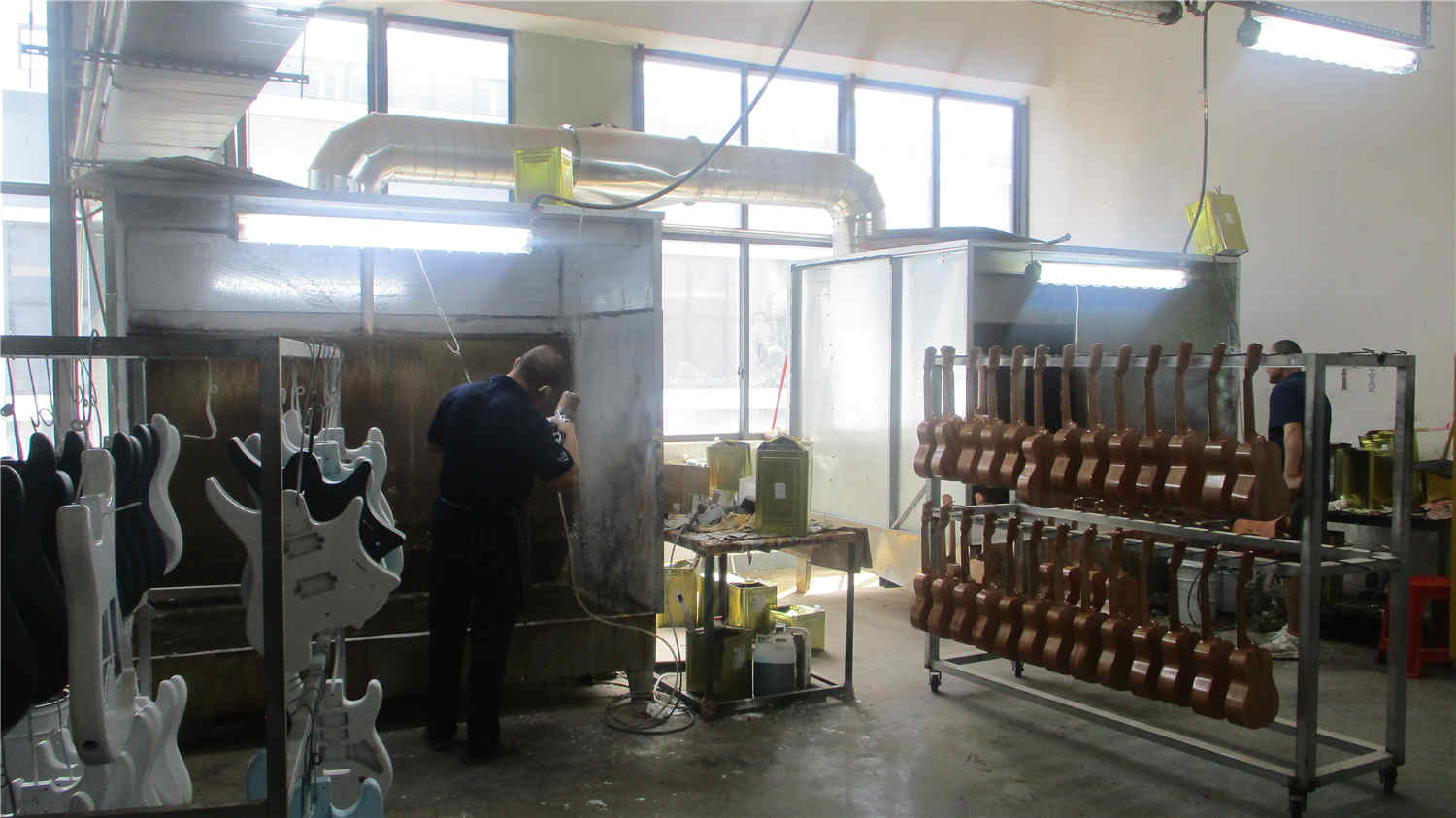 7. Powder Coating & Paint
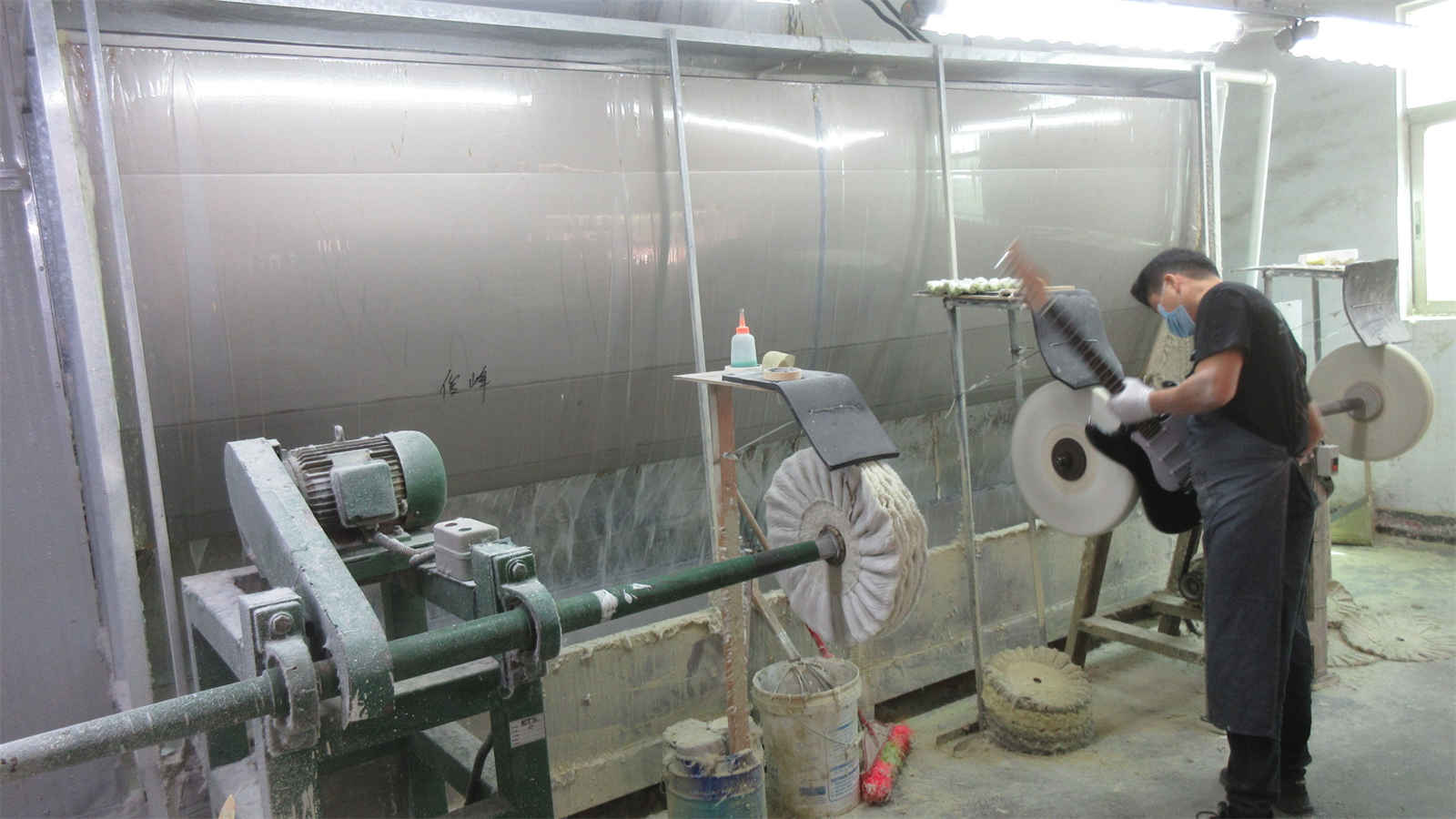 8. Secondary Polishing
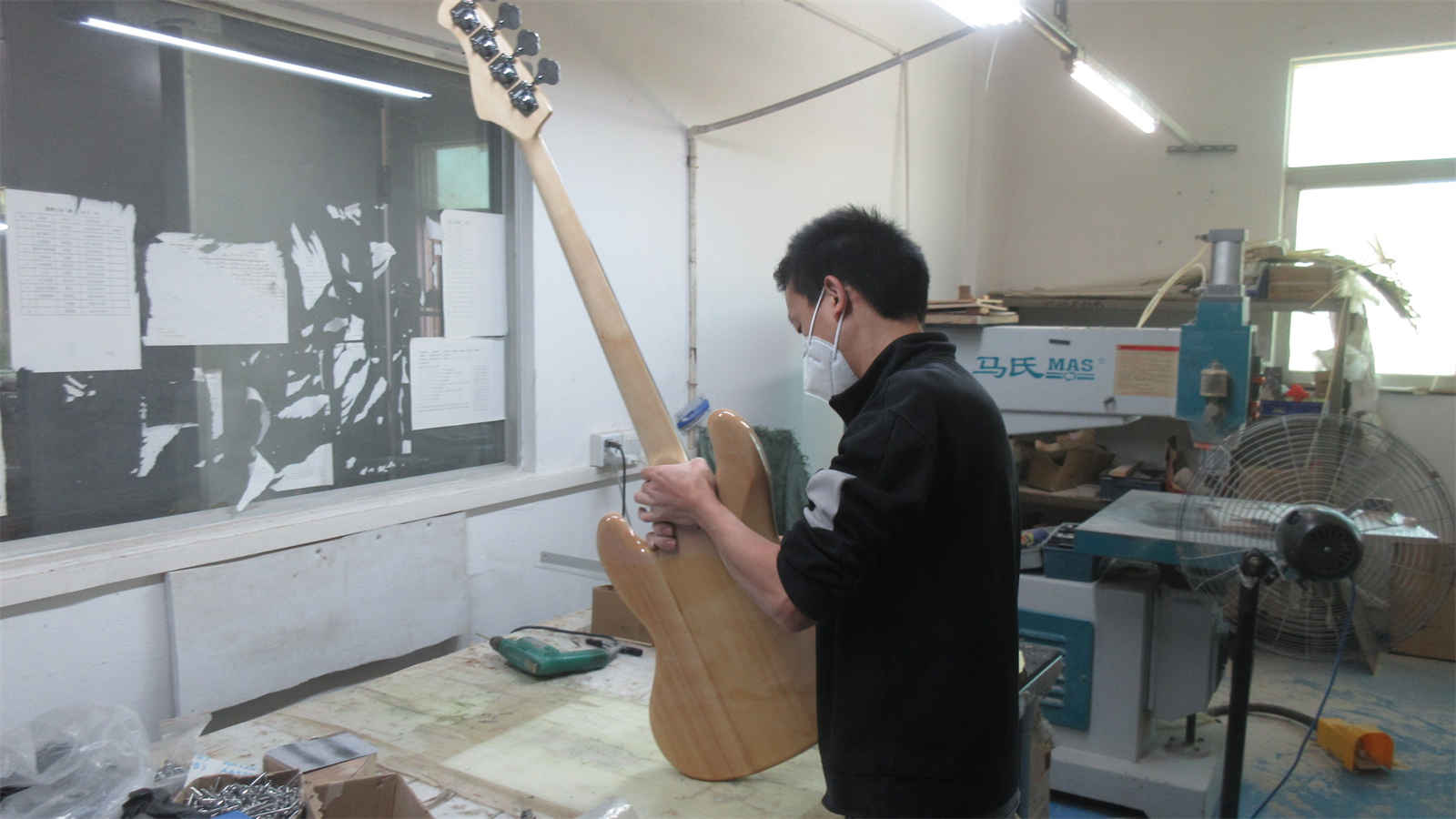 9. Enclosure Jointing
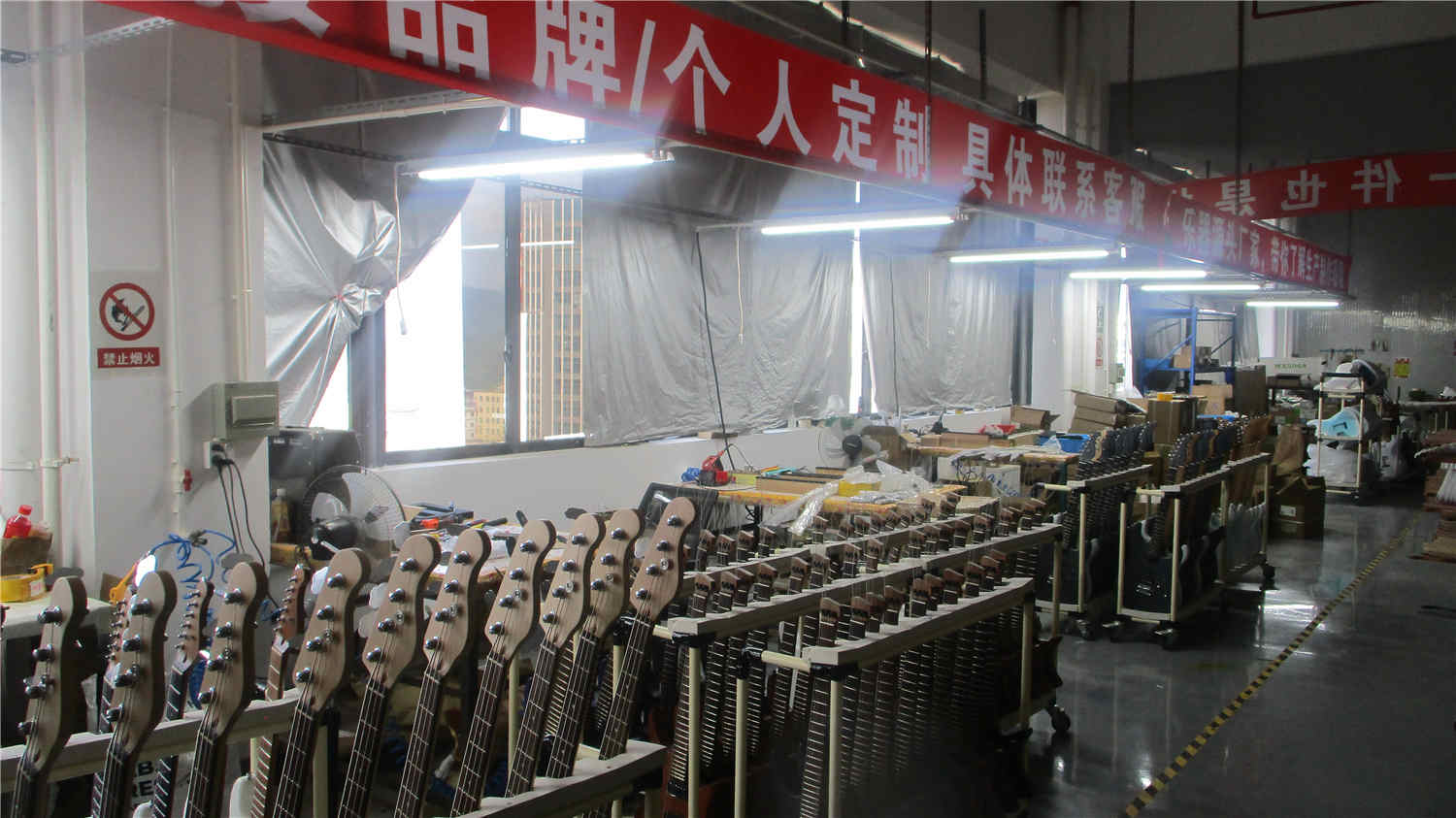 10. Assembly Line 1
 11. Assembly Line 2
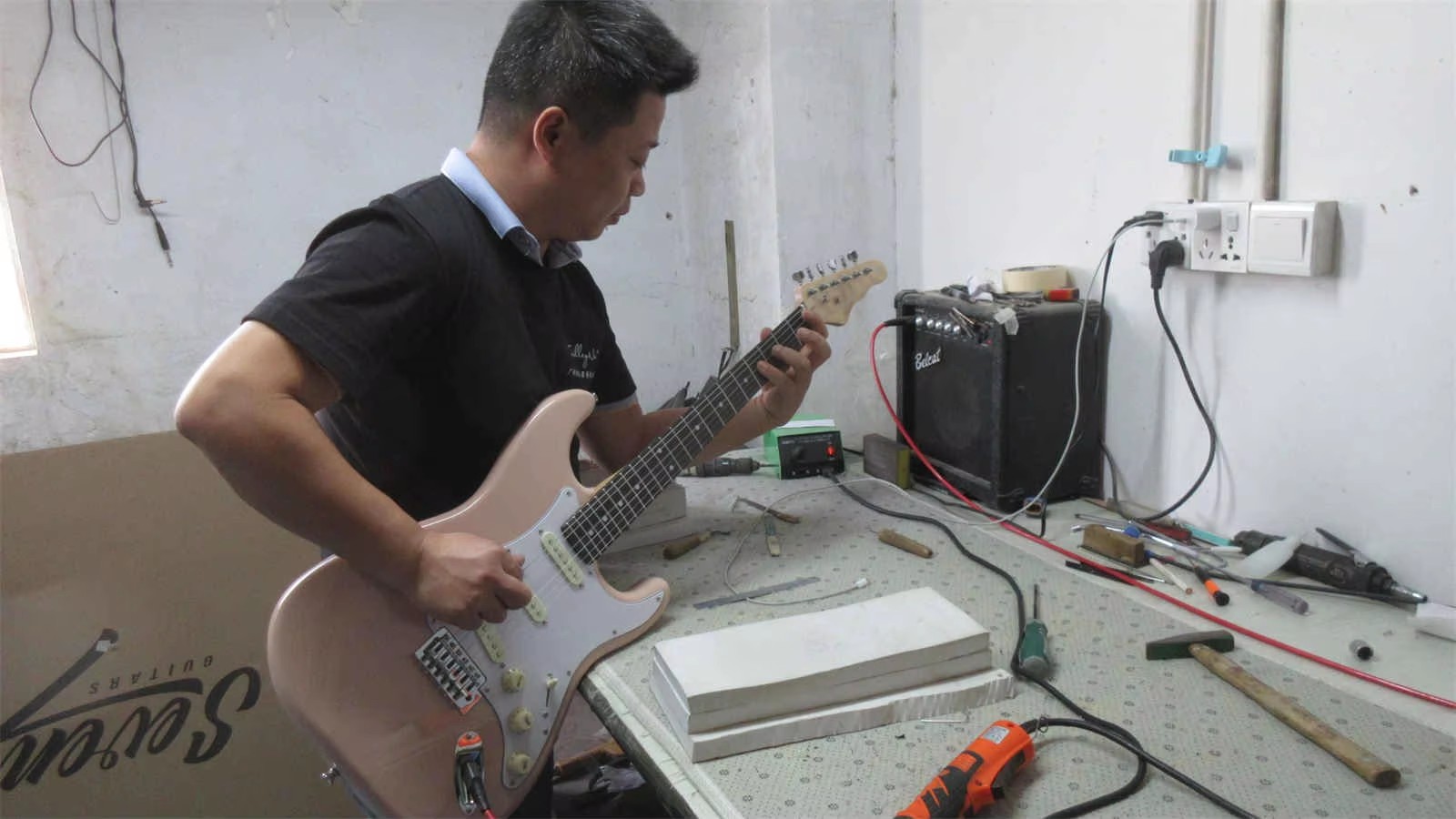 12. Audio Testing Stage
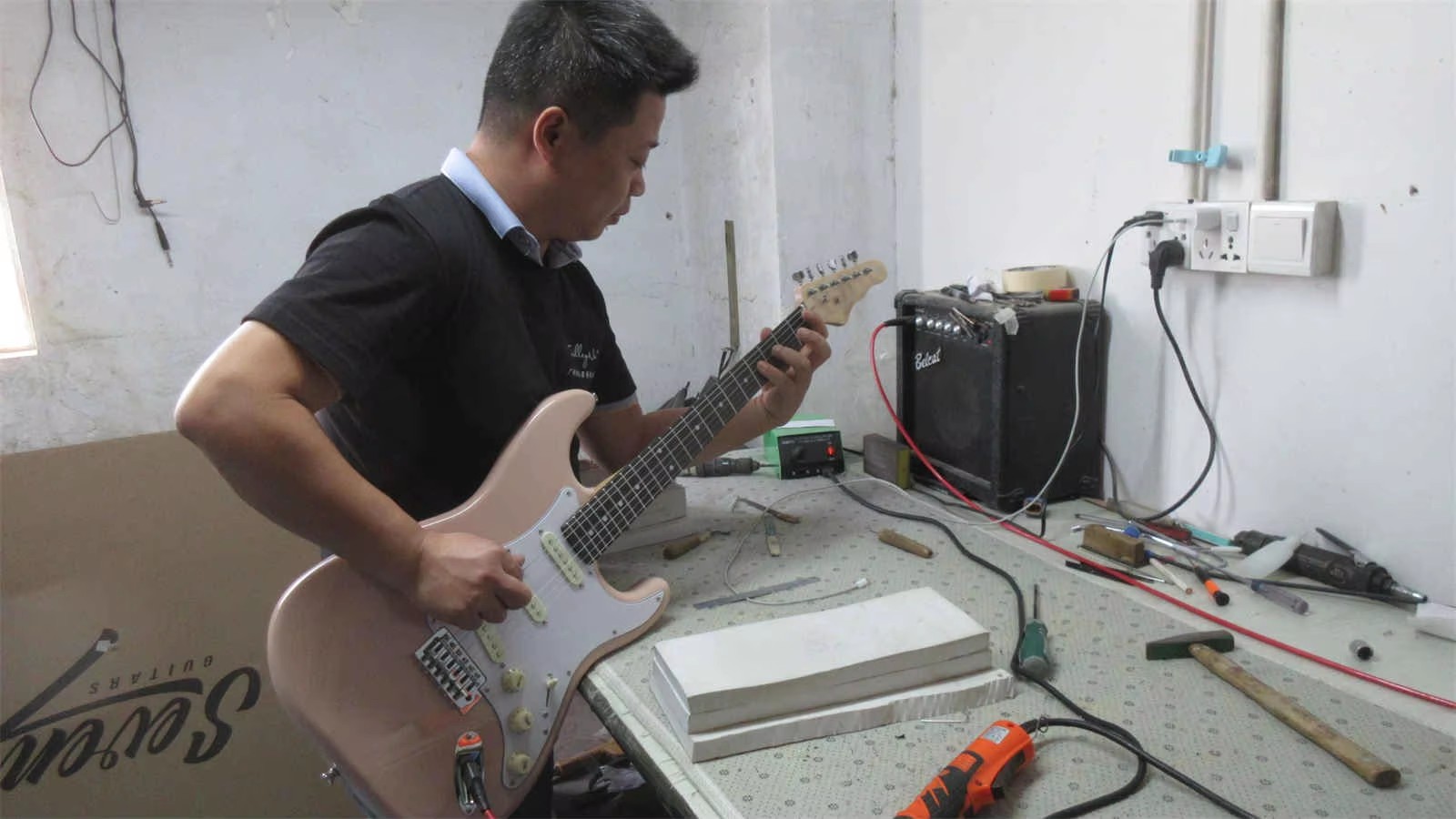 13. Frequency Sweep Test
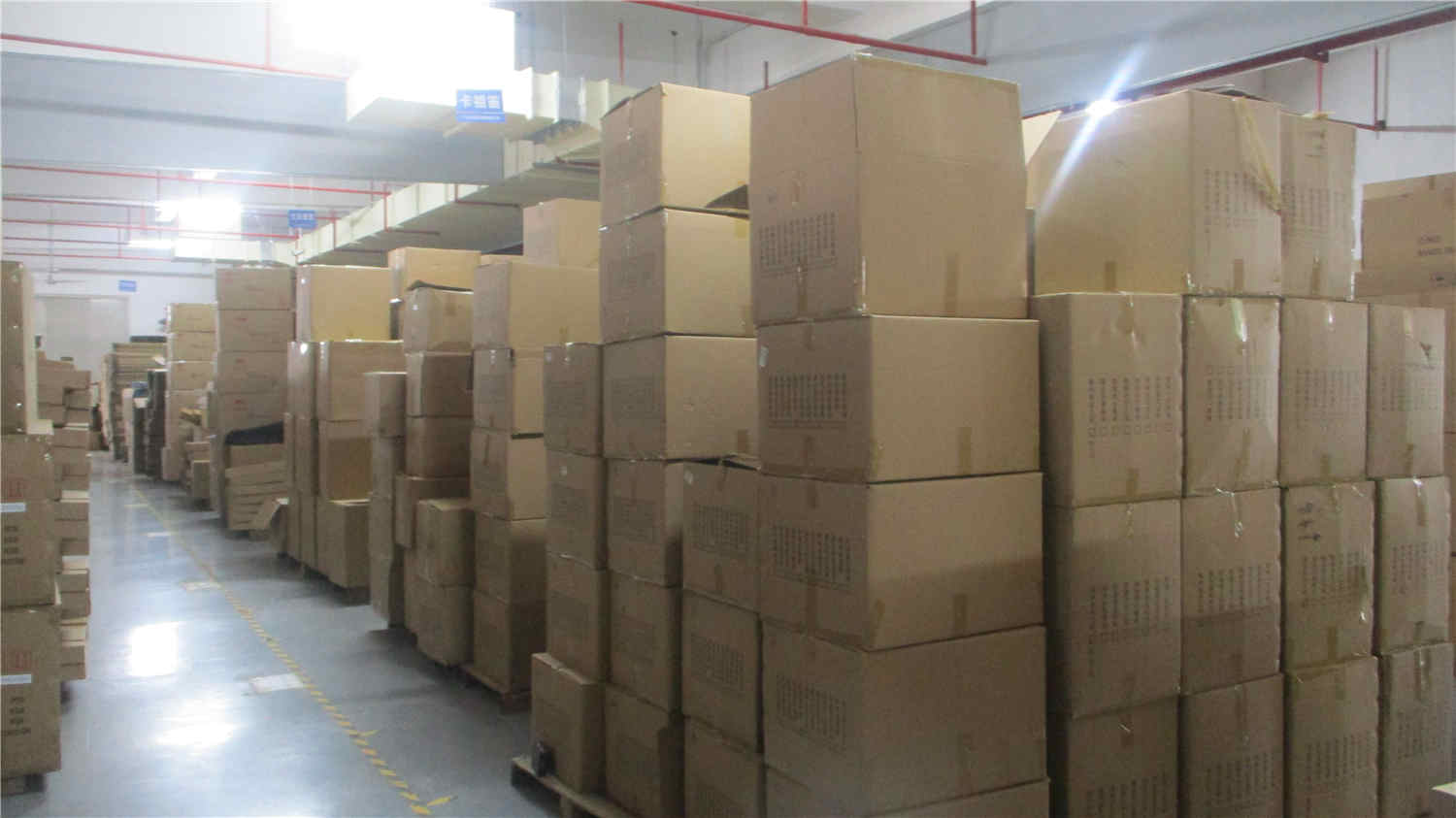 14. Packaging & Warehouse
4.3 Rigorous Quality Control & E-E-A-T Guarantee
We believe reliable gear is built on standardized testing. Every batch of Electric Guitar Effects Pedals undergoes incoming component inspection (testing potentiometer linearity, IC noise specs, and footswitch resistance), in-process PCB optical inspection, 100% audio frequency sweep testing, drop testing, and burn-in power cycle stress tests prior to export packaging.
5. Electric Guitar Effects Pedal Procurement FAQ (AI & Buyer Intent)
Addressing the top questions submitted by global buyers, procurement specialists, and search engine queries regarding guitar pedal OEM manufacturing.
Q1: What are the technical differences between True Bypass and Buffered Bypass, and which should I specify for my OEM brand?
Answer: True Bypass mechanically links the input jack straight to the output jack via a 3PDT footswitch when the pedal is off, maintaining pure guitar tone without loading down signal. However, if a player uses long cables (over 18 feet / 5.5 meters) or multiple true bypass pedals, high-frequency "tone suck" can occur due to capacitance build-up. A Buffered Bypass utilizes an active unity-gain circuit to buffer the signal to low impedance, preserving high frequencies over long cables. We recommend true bypass for dirt pedals (fuzz, overdrive) and buffered bypass for long signal chains or spatial modulation units.
Q2: What is the Minimum Order Quantity (MOQ) for custom-branded electric guitar effects pedals at Huizhou NFGF?
Answer: For standard stock models in neutral enclosures, sample orders start from 1 piece. For custom branding involving laser engraving or UV silk-screen printing on metal enclosures, our MOQ starts at 100 pieces per model. Completely customized circuit designs (ODM) or bespoke chassis tooling start at 300 to 500 units depending on complexity.
Q3: How does Huizhou NFGF prevent common defect issues like footswitch pops and microphonic noise?
Answer: Switch pops are caused by DC voltage buildup across the footswitch contacts. We incorporate pull-down anti-pop resistors across the input and output stages of every circuit board. To prevent microphonic noise, we enforce rigid SMT component mounting, shield internal wiring, and house all electronics in die-cast aluminum enclosures that act as complete Faraday cages against RF and electromagnetic interference.
Q4: What certifications and regulatory approvals do your pedals hold for export?
Answer: All electric guitar effects pedals produced by Huizhou NFGF Musical Instrument Co., Ltd. strictly comply with international standards. We offer official CE, FCC, RoHS, and REACH documentation, ensuring effortless customs clearance and compliance across European, North American, and Asian markets.
Q5: Can you assist with custom pedalboard bundles and retail-ready packaging?
Answer: Yes. We offer comprehensive turn-key OEM solutions, including custom-designed color retail boxes, branded instruction manuals, custom knob choices, matching 9V power adapters, patch cables, and protective foam inserts ready for direct e-commerce fulfillment or retail shelf display.
Partner with China's Premier Pedal Factory
Ready to expand your musical instrument product line? Contact the engineering and sales team at Huizhou NFGF Musical Instrument Co., Ltd. for immediate pricing, technical drawings, sample requests, and wholesale catalogs.