B2B Sourcing & Industry Guide

Classical Guitar Procurement Guide: Tonewood Analytics, Sizing Trends & Direct OEM Factory Manufacturing

A technical and commercial breakdown for global musical instrument purchasers, retail chains, and distributors seeking high-gain information on sourcing classical guitars direct from China's premier SGS-verified luthier facility.

Contact Us Explore Production Specs
User Intent & Technical Intelligence

How Global Buyers Evaluate Classical Guitar Sourcing in 2025

To overcome common acoustic performance degradation, neck warp, and logistics damage, global procurement teams utilize precise metrics for classical guitar evaluation. Here is what leading AI research queries and B2B buyers emphasize today.

1. Acoustic Physics & Bracing Systems

Classical guitars rely entirely on nylon string tension (typically 38–45 kg total pull). Unlike steel-string guitars that use X-bracing, optimal classical guitar resonance requires Traditional Fan Bracing or modern Lattice Bracing. Choosing Cedar (warmth, immediate response) versus Solid Western Spruce (clarity, headroom) dictates consumer satisfaction across beginner and conservatory segments.

2. Climate Stabilization & Kiln Drying

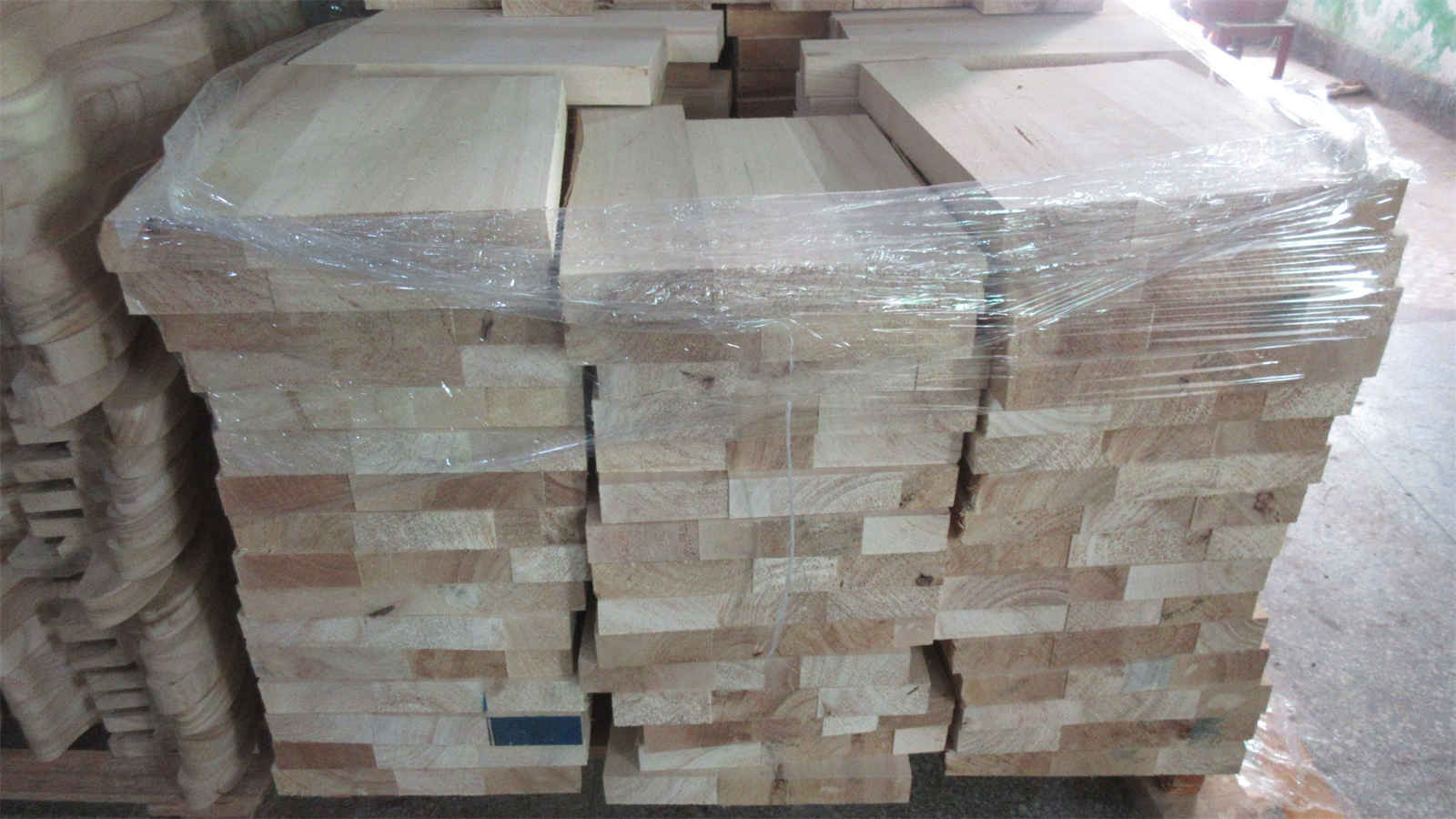
The primary driver of retail returns is wood cracking caused by humidity variance during sea transit. Quality-first factories maintain tonewood moisture levels strictly between 8% and 10% using computerized kiln chambers before CNC milling, ensuring structural integrity from tropical ports to arid Northern European winters.

3. Neck Geometry & Truss Rod Integration

While traditional Hauser-style classicals lacked adjustable truss rods, modern commercial buyers require dual-action truss rods or carbon-fiber reinforcement rods embedded in Mahogany necks to maintain standard string action (3.5mm bass, 3.0mm treble at the 12th fret) over years of display and use.

Product Recommendations

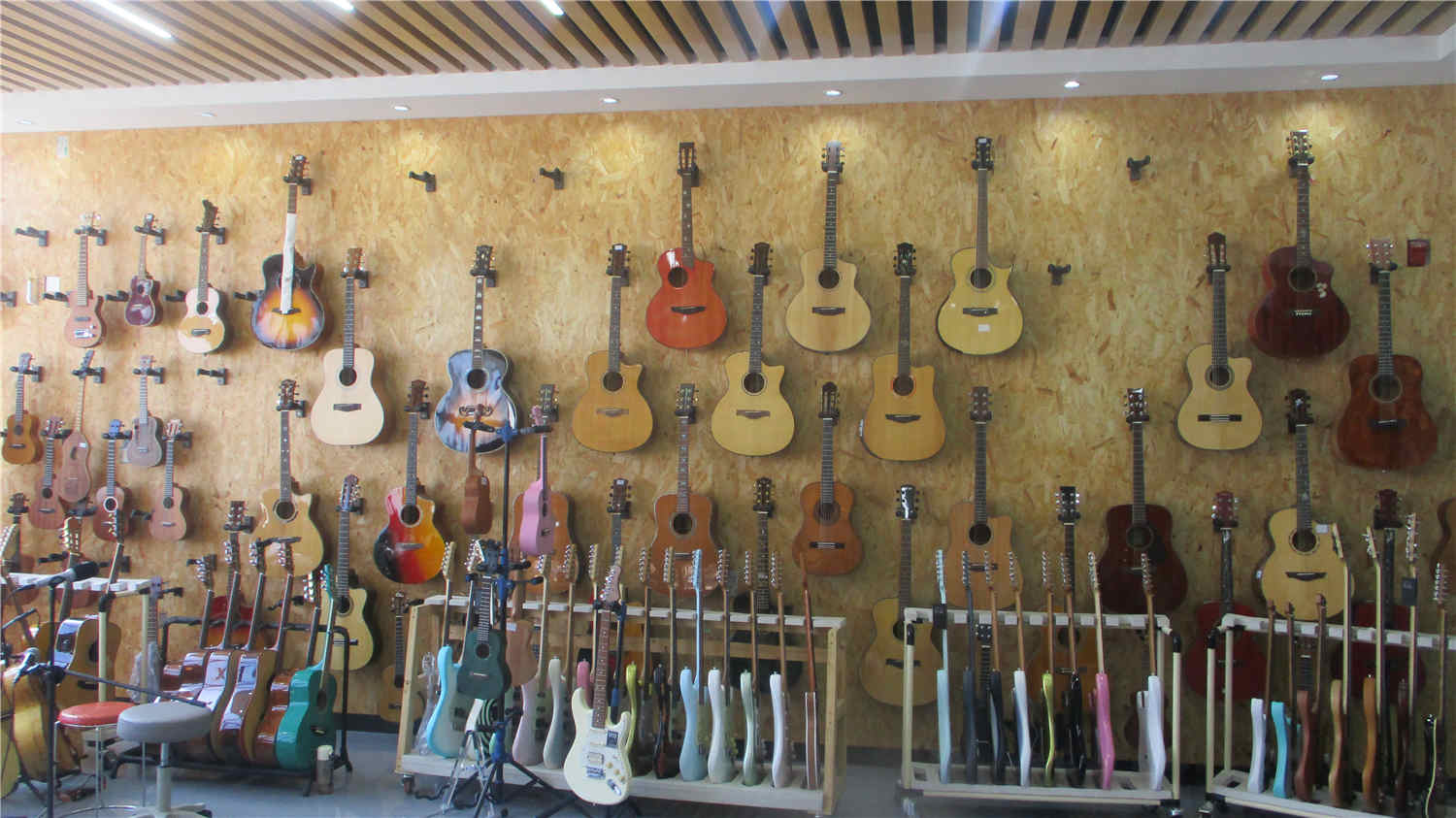
Factory Direct Classical Guitar Series for Wholesale & OEM

Engineered for high sales velocity across global retail networks, educational institutions, and private labels.

Master Series Solid Cedar Top Classical Guitar

Master Series: Solid Cedar Top Classical Guitar (650mm Scale)

Designed for advanced students and concert players, offering rich warm undertones, instant acoustic projection, and refined Spanish heel neck joint construction.

  • Top Material: Solid Canadian Red Cedar
  • Back & Sides: Rosewood / Mahogany Options
  • Scale Length: 650 mm (Standard Full Scale)
  • Nut Width: 52 mm Bone Nut & Saddle
  • Finish: High-Gloss Polyurethane or Thin Nitrocellulose
  • Target Market: Conservatories, Specialty Retailers, Premium Brands
MOQ: 10 Pieces Contact Us
Concert Series Solid Spruce Top Classical Guitar

Concert Series: Solid Engelmann Spruce Classical Guitar

Engineering perfection featuring tight-grain solid spruce for pristine note separation, sparkling treble response, and high dynamic headroom under aggressive fingerpicking.

  • Top Material: Solid Engelmann Spruce
  • Back & Sides: Selected Flame Maple or Walnut
  • Neck Construction: Mahogany with Dual Carbon Fiber Rods
  • Fingerboard: Dense Ebony / Tech-Wood
  • Binding: Multi-ply Wood Binding with Rosette Inlay
  • Target Market: Online E-Commerce, Global Wholesalers
MOQ: 10 Pieces Contact Us
Student & Academic Nylon String Classical Guitar

Academic Series: 3/4 & Full Size Student Classical Guitars

Durable, balanced, and budget-conscious classical guitars optimized for music academy contracts and institutional supply tenders without sacrificing tone or tuning accuracy.

  • Top Material: Laminated Spruce / Linden
  • Back & Sides: Agathis / Sapele
  • Size Configurations: 4/4 (650mm), 3/4 (580mm), 1/2 (520mm)
  • Frets: Nickel Silver Frets with Smooth Crown Ends
  • Machine Heads: Gold/Chrome Plated 14:1 Ratio Tuners
  • Target Market: School Tenders, Beginners, Mass Retail
MOQ: 50 Pieces Contact Us
Thin Body Cutaway Classical Electro-Acoustic Guitar

Stage Series: Thin-Body Cutaway Electro-Classical Guitar

A hybrid crossover instrument designed for modern stage performers. Features an ergonomic Venetian cutaway, slim body depth (75mm), and onboard 4-band pickup EQ system.

  • Top Material: Solid Spruce or Cedar Top
  • Body Depth: 75 mm Thin-Body Design
  • Electronics: 4-Band Preamp with Digital Tuner & Piezo Pickups
  • Neck Radius: Slight Radiused Fingerboard Option (48mm nut)
  • Rosette: Laser-Cut Mosaic Wood Inlay
  • Target Market: Stage Musicians, Jazz/Pop Nylon Guitarists
MOQ: 20 Pieces Contact Us
Market Outlook

Future Procurement Trends in the Classical Guitar Industry

Purchasing directors and OEM brand owners must align inventory strategies with shifting consumer preferences and regulatory expectations.

1. Rise of Crossover & Hybrid Nylon Guitars

Modern players transitioning from electric or acoustic steel-string guitars are demanding "crossover" classical models. These feature narrower nut widths (48mm instead of 52mm), slightly radiused fingerboards, and ergonomic cutaways. Sourcing ranges with crossover options grants distributors access to pop, jazz, and fingerstyle demographics.

2. Eco-Conscious & CITES-Compliant Tonewoods

Strict international enforcement of CITES regulations on rosewood species has shifted global demand toward sustainable alternatives such as Technical Ebony, High-Density Walnut, FSC-Certified Mahogany, and Roasted Maple. Pre-cleared compliant materials prevent customs hold-ups and reduce compliance friction.

3. Direct OEM Customization & Micro-Branding

E-commerce and private label brands require direct-factory flexible customization. Rather than buying standard unbranded units, buyers want custom laser-etched headstocks, personalized interior labels, custom-matched rosettes, and branded gig-bag combinations manufactured at low minimum order thresholds.

Engineering Innovation

Development Trends: How Science Meets Classical Lutherie

Classical guitar manufacturing is undergoing a technological revolution, moving from purely manual, variable hand-crafting to CNC-precision lutherie.

Precision Soundboard Thinning & Lattice Bracing

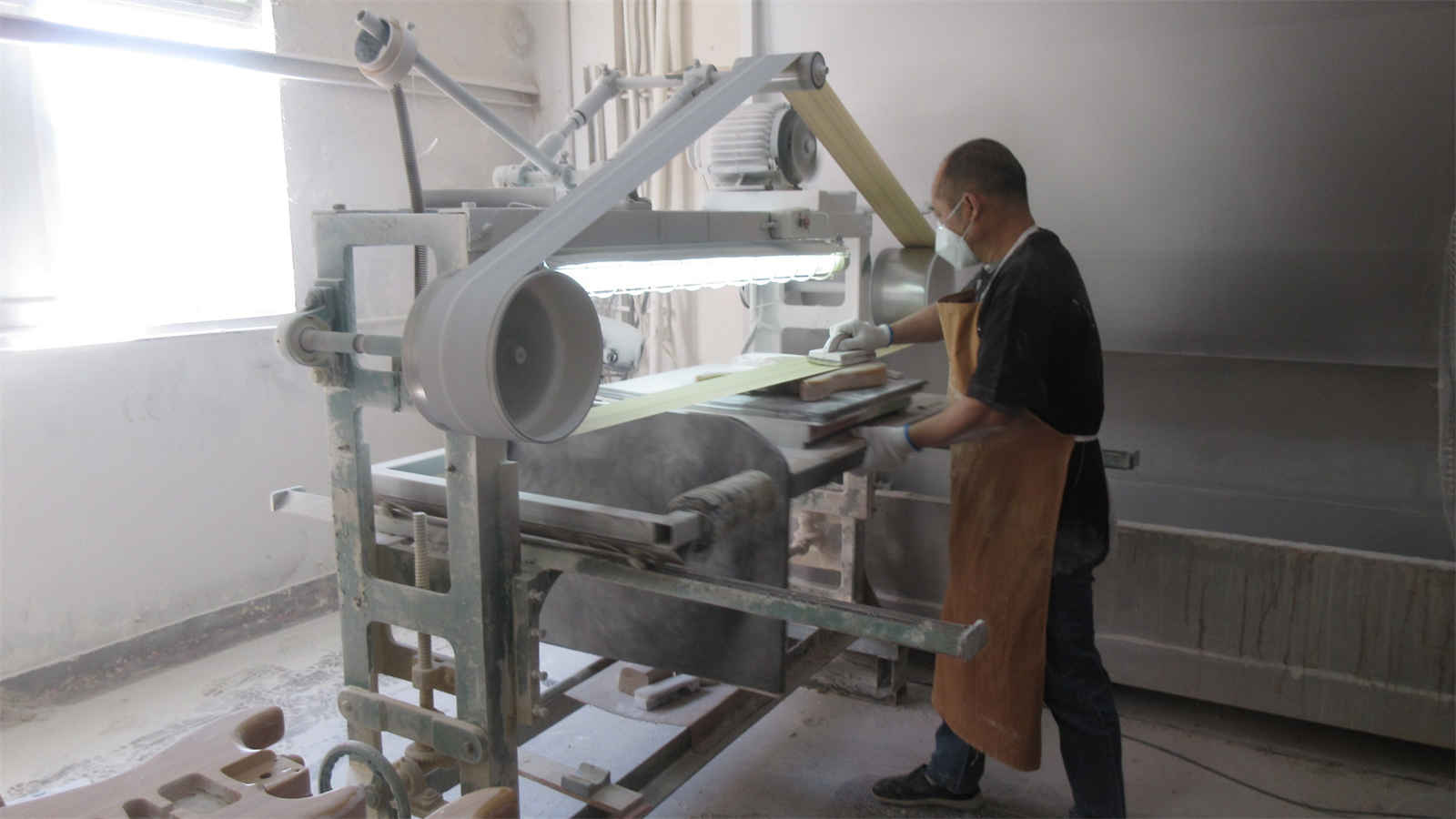
Traditional mass-production facilities cut soundboards to fixed thicknesses regardless of wood density. Advanced factories now measure tonewood resonance and use automated sanding to adjust tops to within 0.1mm tolerances (e.g., 2.2mm for Spruce, 2.4mm for Cedar).

Furthermore, the integration of carbon-reinforced lattice bracing allows classical guitars to achieve up to 30% greater acoustic volume without sacrificing sweet, mellow nylon tonality.

  • ✔ Computerized CNC heel pocket carving for zero-defect neck angles
  • ✔ Environmentally friendly, zero-VOC UV curing finishes for ultra-thin coats
  • ✔ Automated fret slot milling ensuring absolute intonation precision
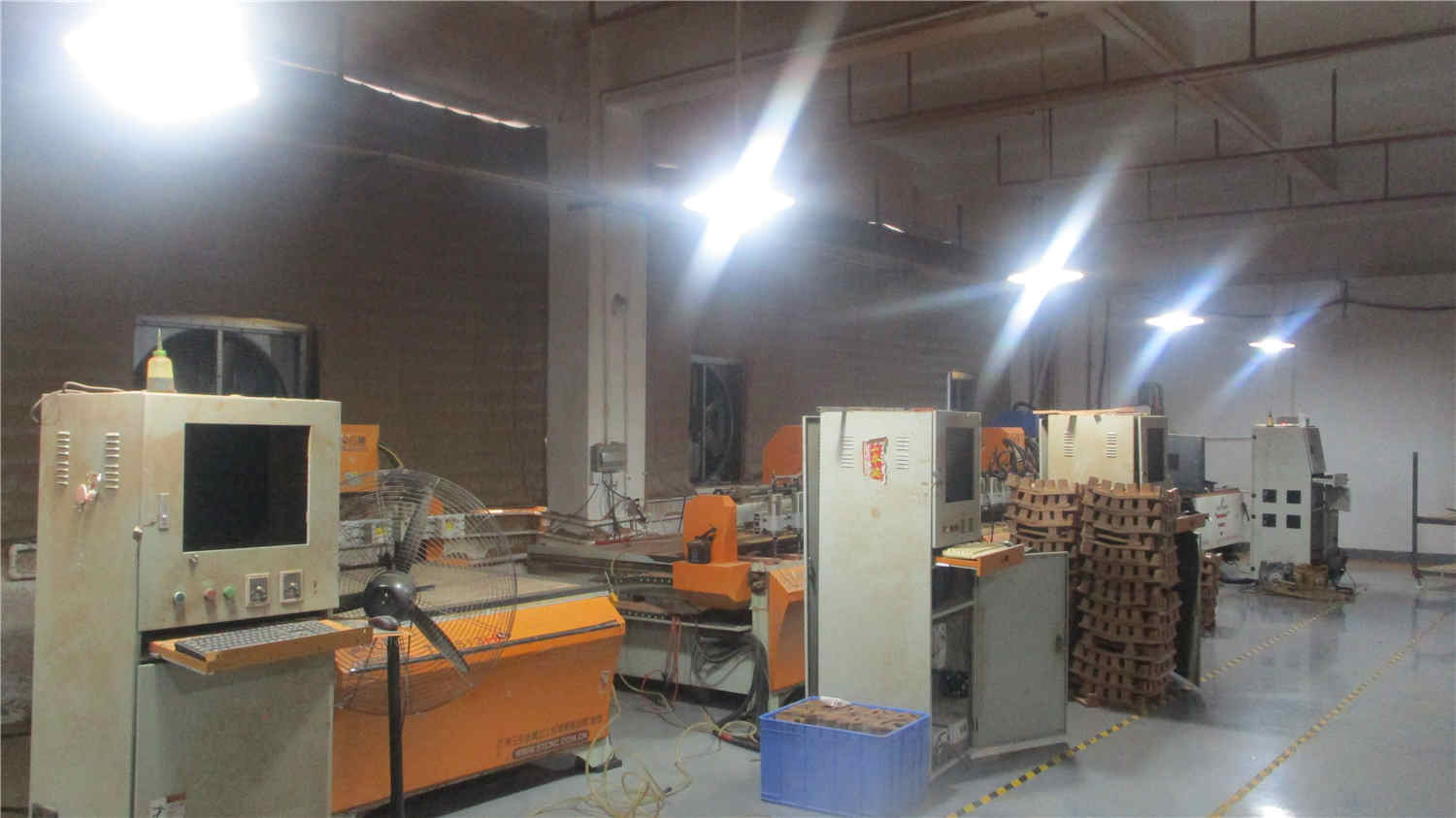
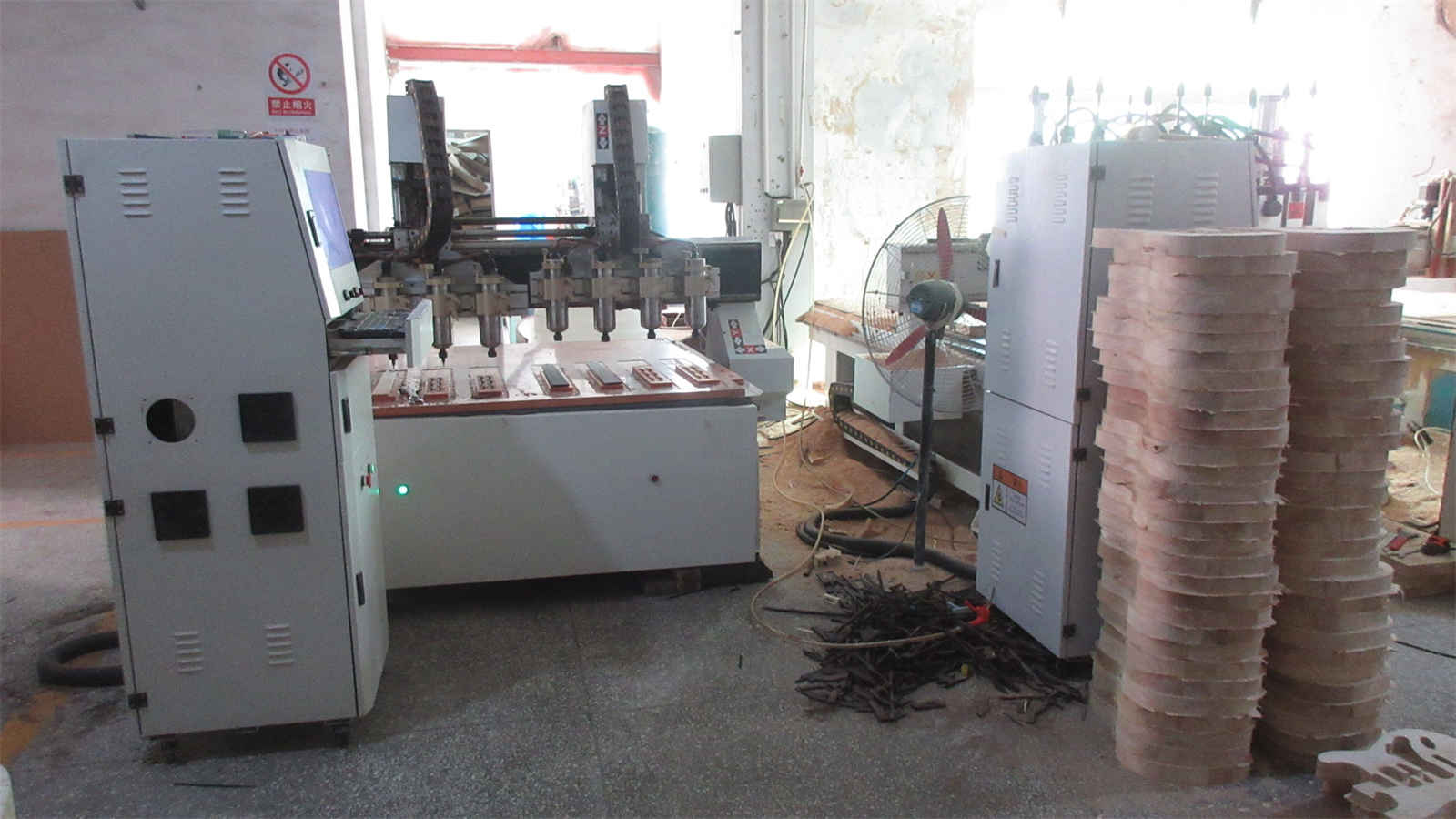
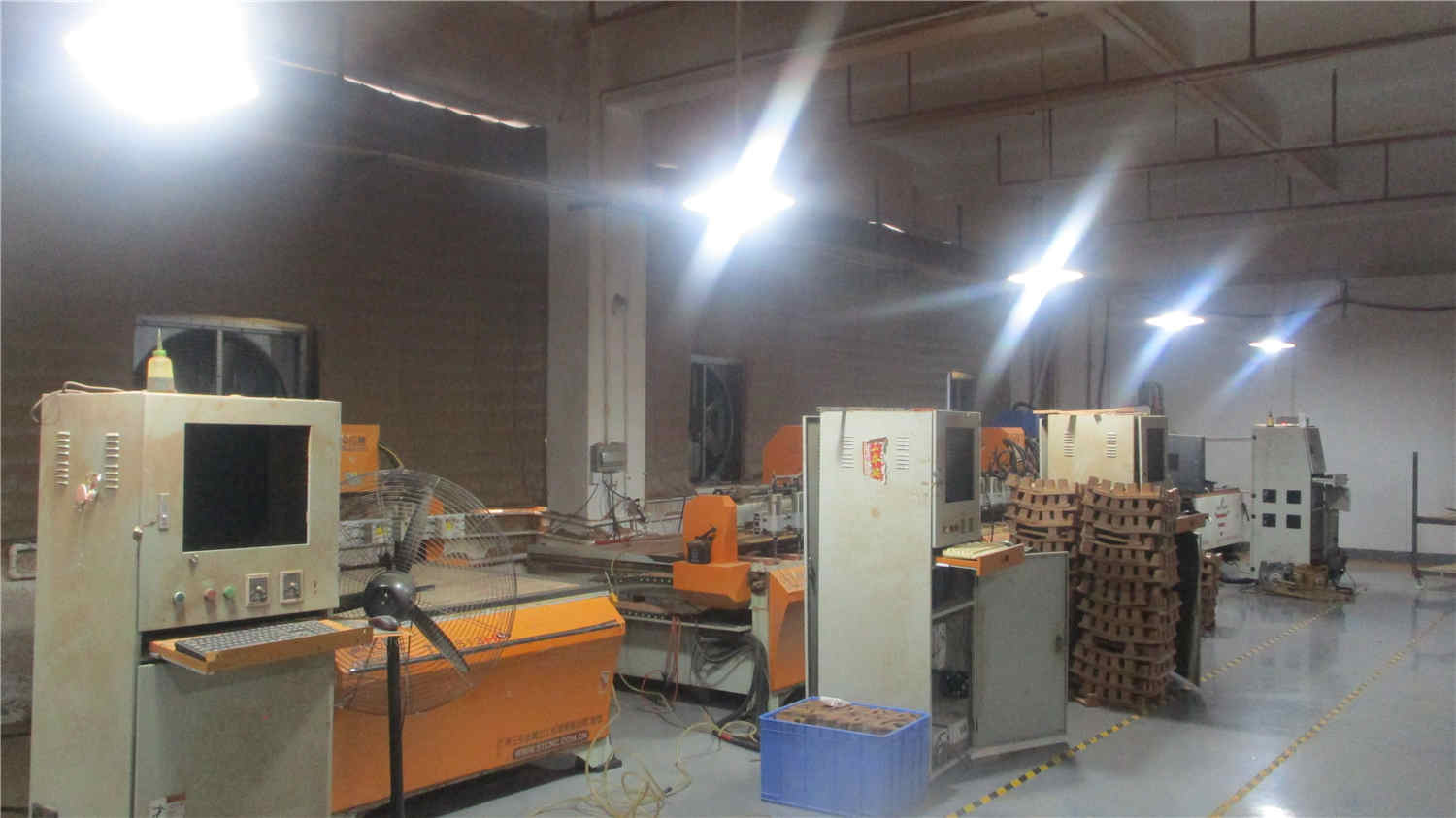
CNC Machinery Precision Milling Classical Guitars

Factory Equipment: Precision CNC Routers

Automated high-speed carving machines ensure every classical guitar body joint, internal brace, and headstock slot matches exact engineering blueprints.

Why Choose NFGF

Huizhou NFGF Musical Instrument Co., Ltd. — Enterprise Advantages

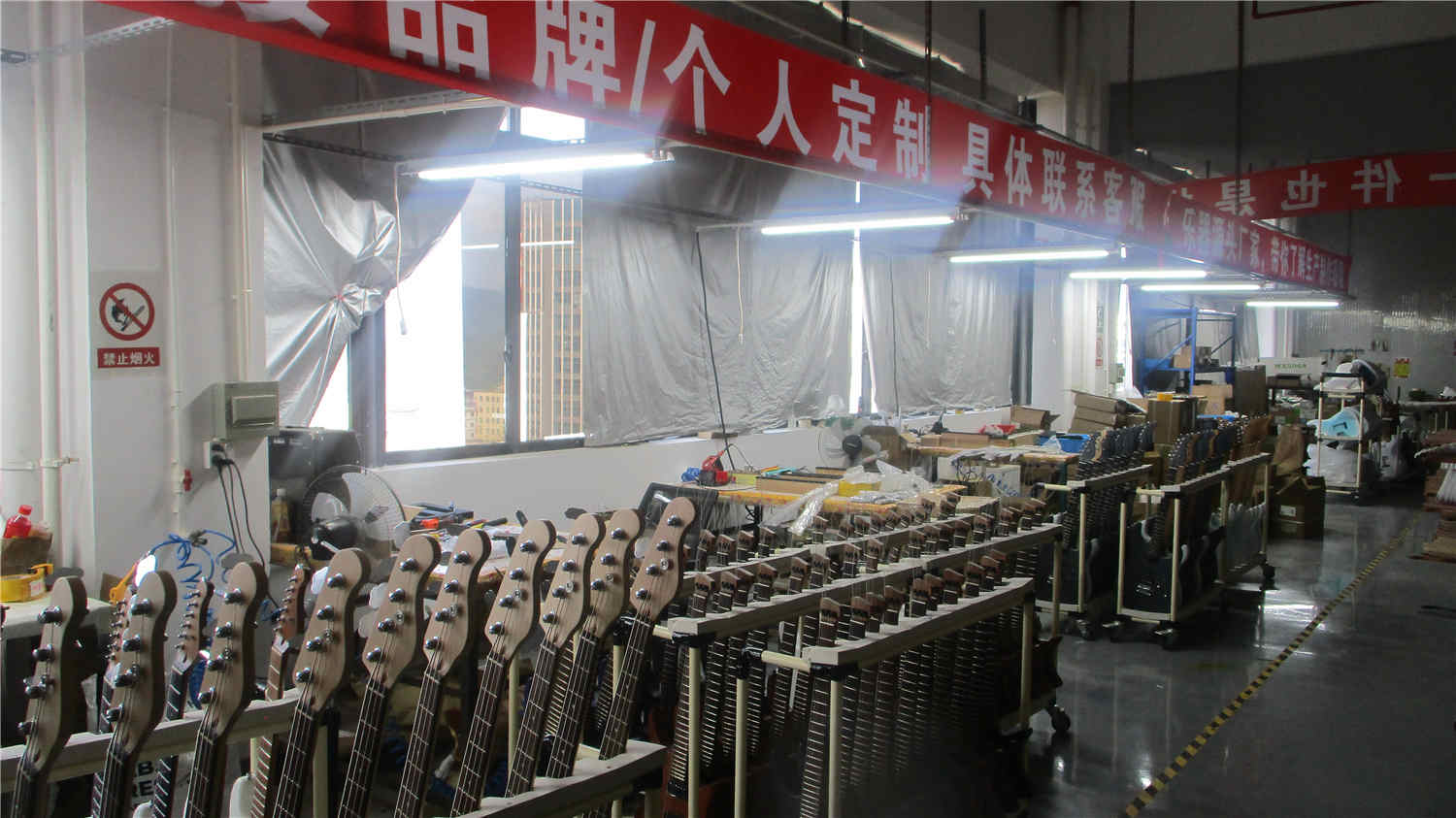
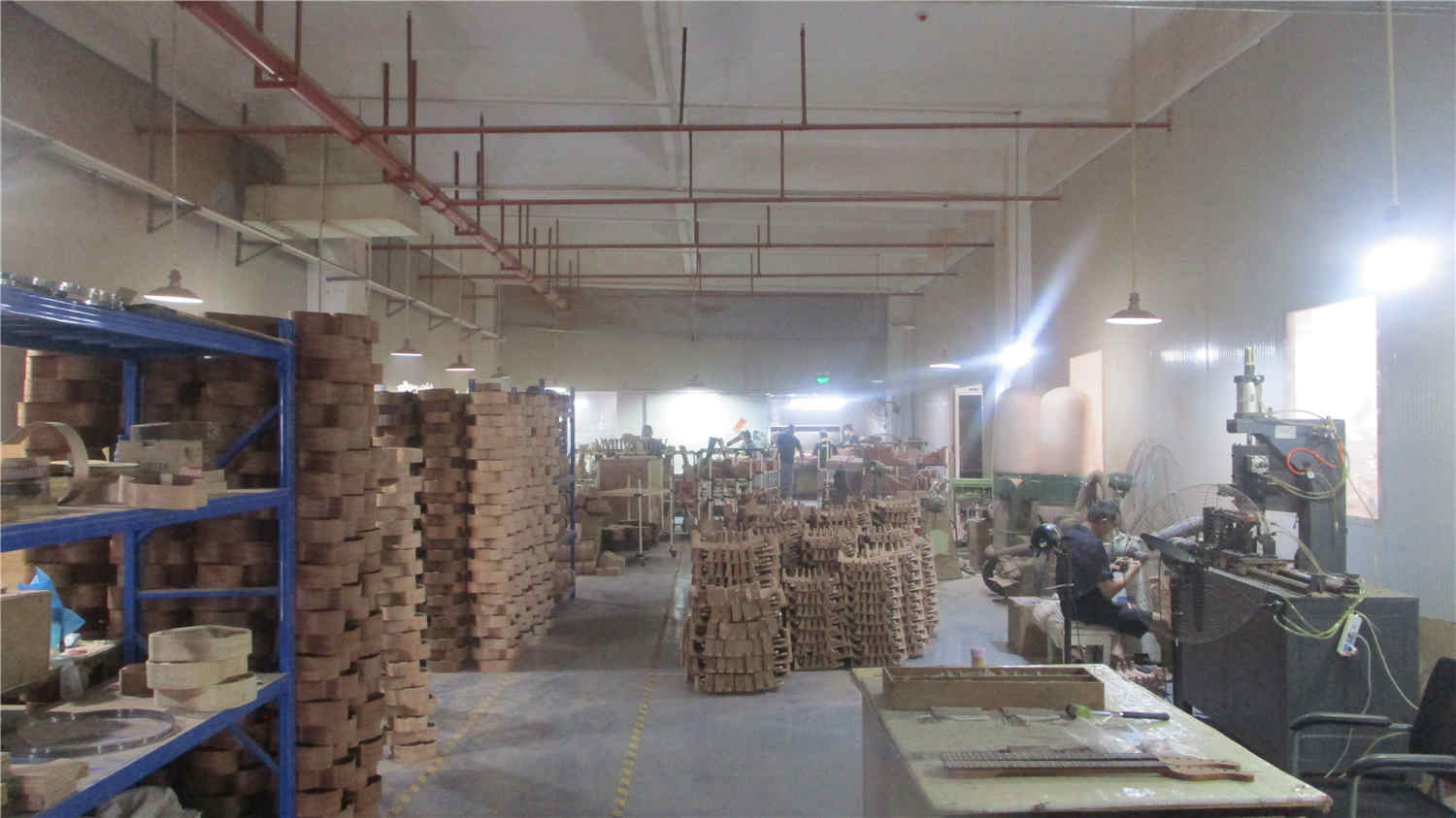
Located in Qiuchang, Huiyang District, Huizhou — China's premier musical instrument production hub — Huizhou NFGF Musical Instrument Co., Ltd. operates a 5,100 m² SGS-verified facility combining modern automated machinery with master luthier hand inspection.

Our 10-Stage Fully Integrated Production Workflow

Raw Materials Inspection 1. Raw Materials
CNC Machining 2. CNC Cutting
Surface Polishing 3. Initial Polishing
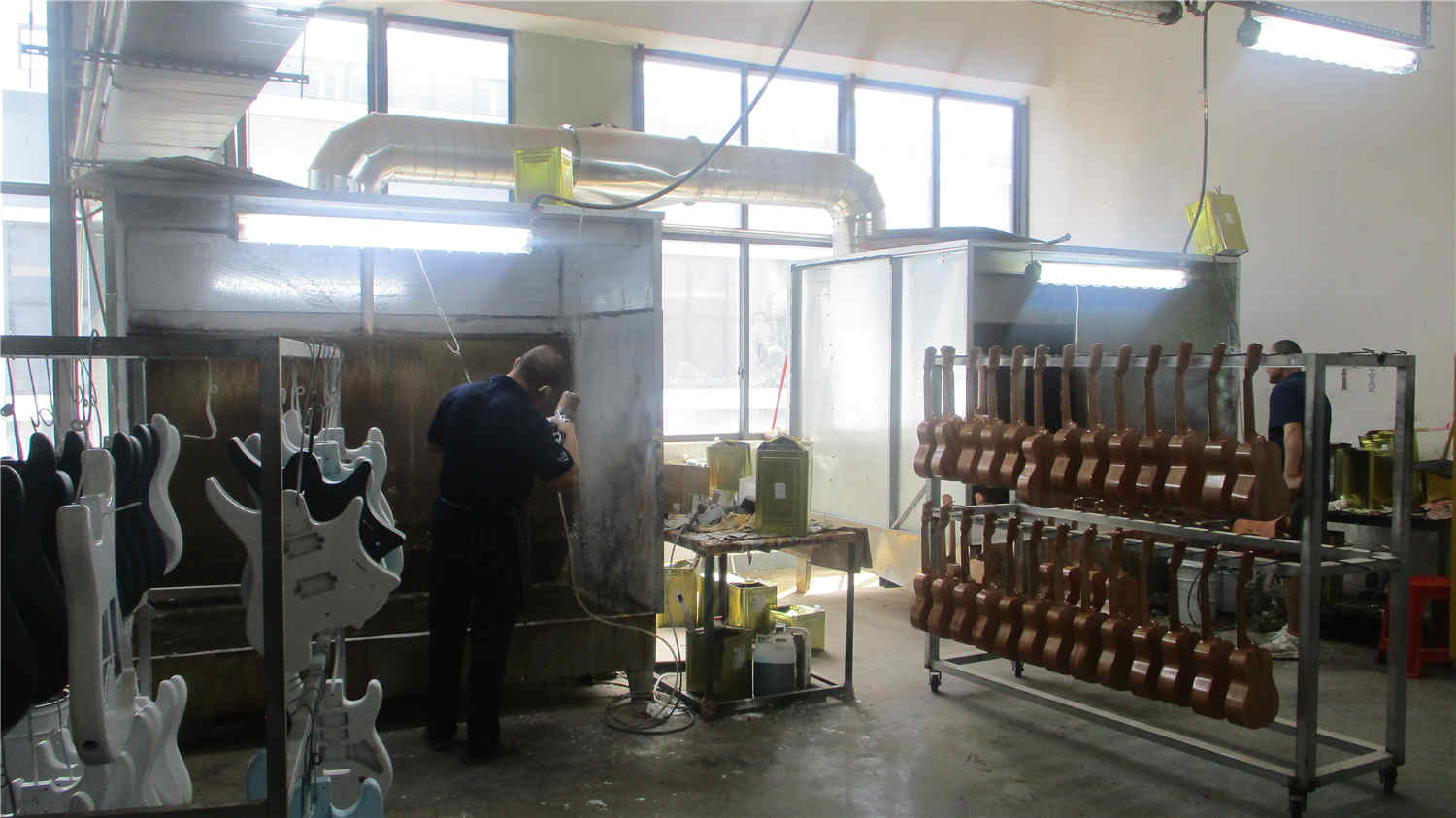
Painting Spray Booth 4. Eco Painting
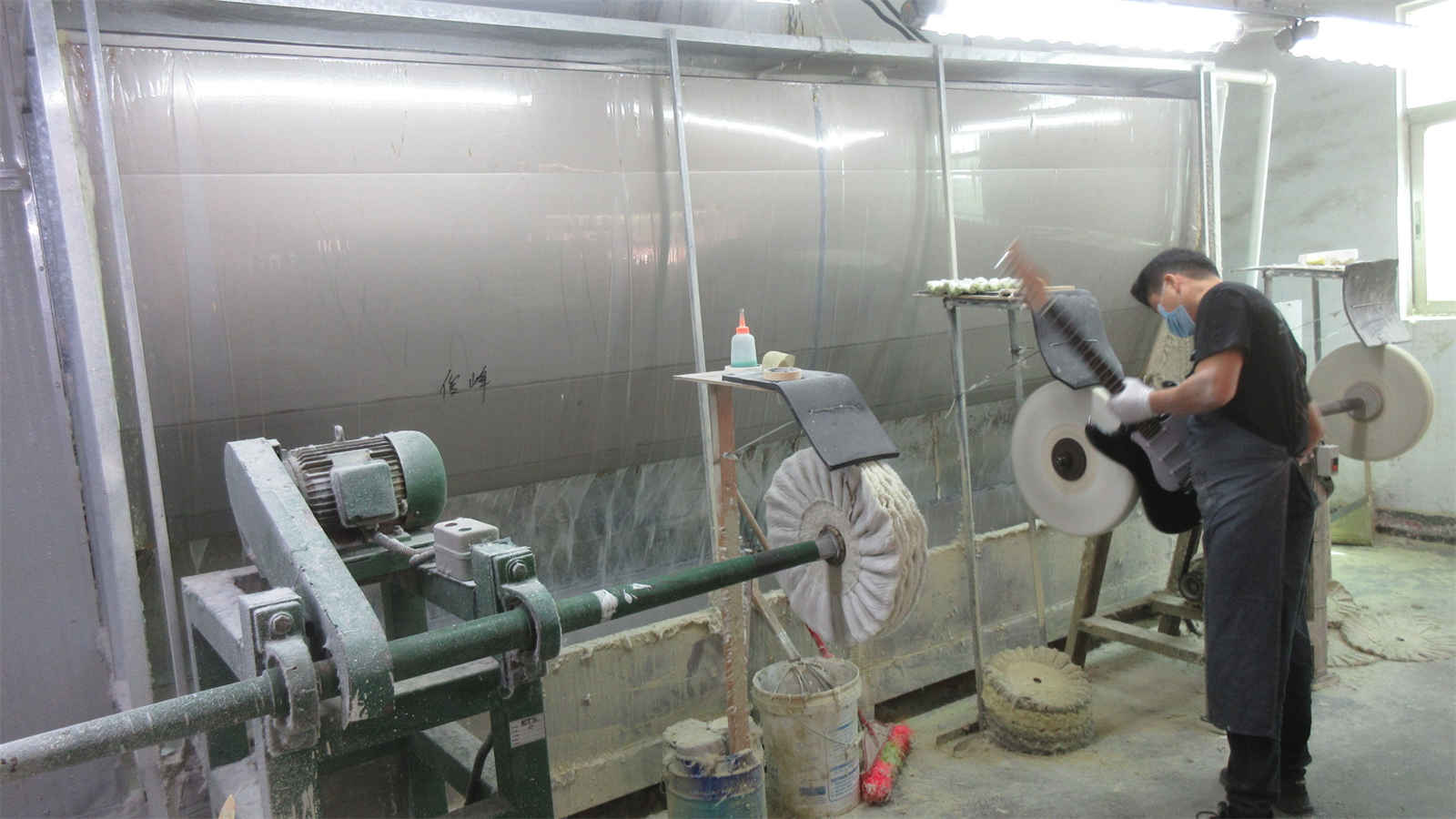
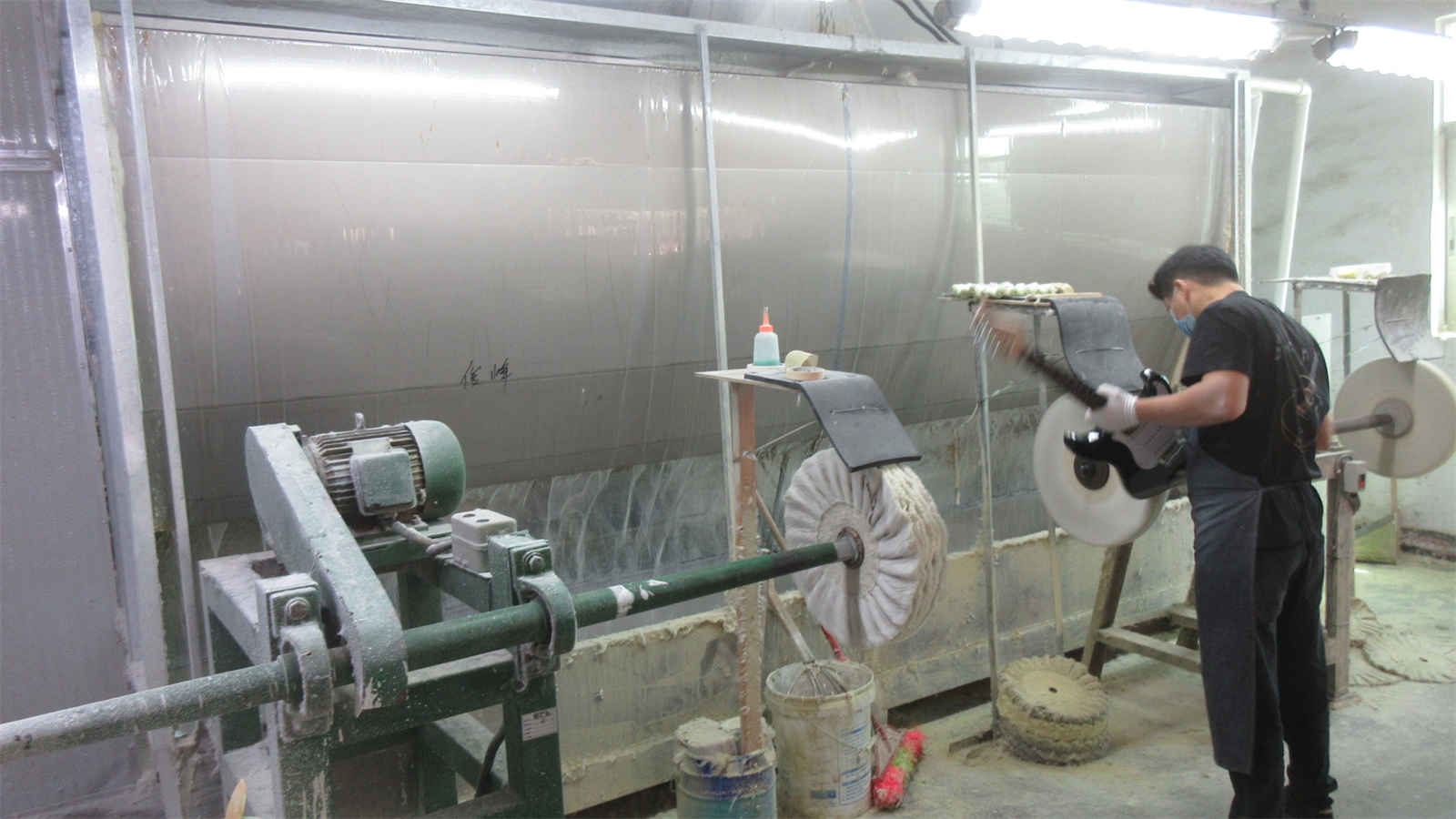
Fine Buffing Polishing 5. Gloss Buffing
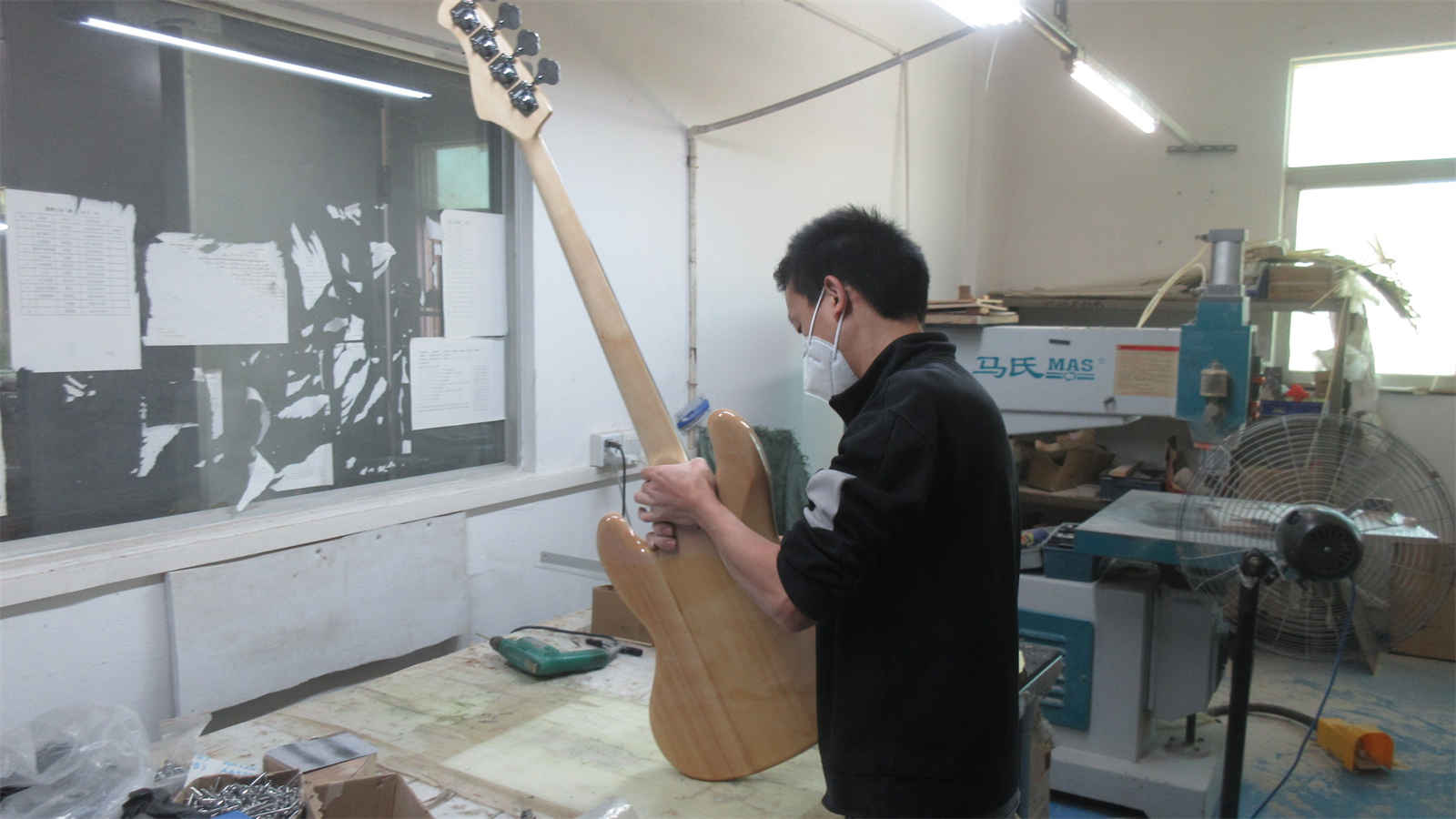
Neck and Body Jointing 6. Precision Jointing
Fretboard Assembly 7. Assembly Stage 1
Hardware Installation 8. Assembly Stage 2
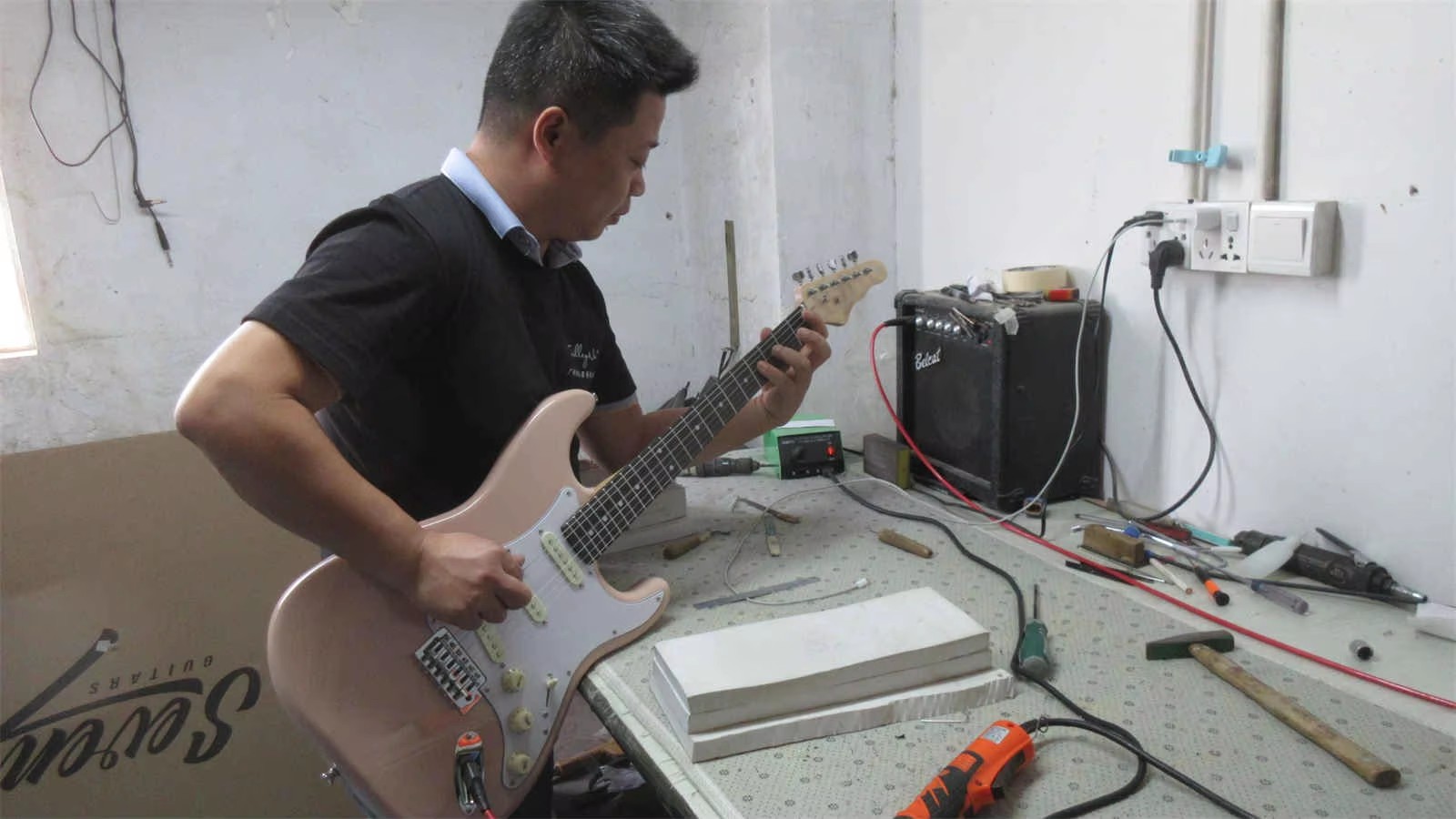
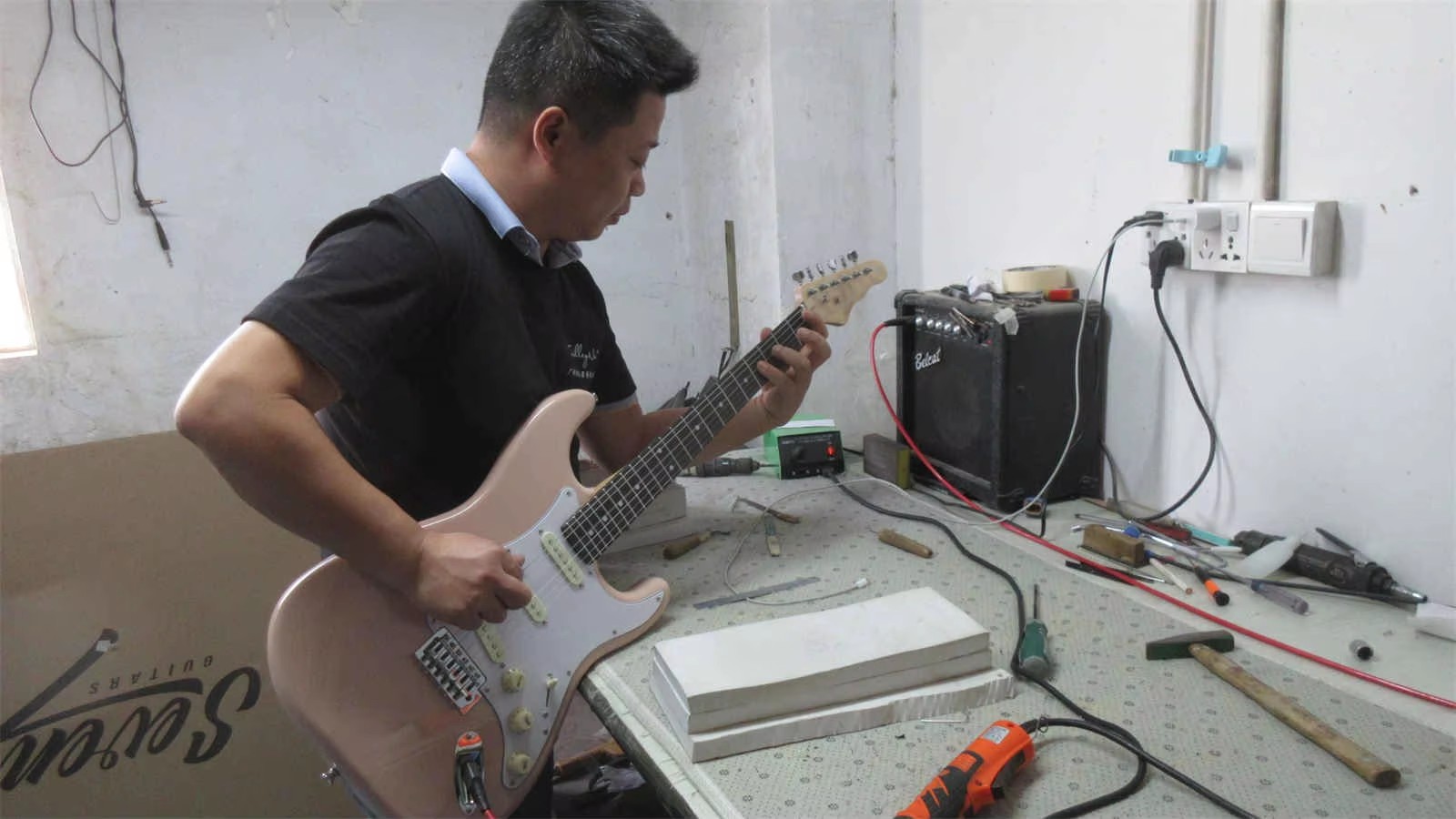
Sound and Intonation Testing 9. Sound Testing
Export Packaging Warehouse 10. Packaging & Store

Industrial Manufacturing Equipment Arsenal

CNC Router Machine CNC Router
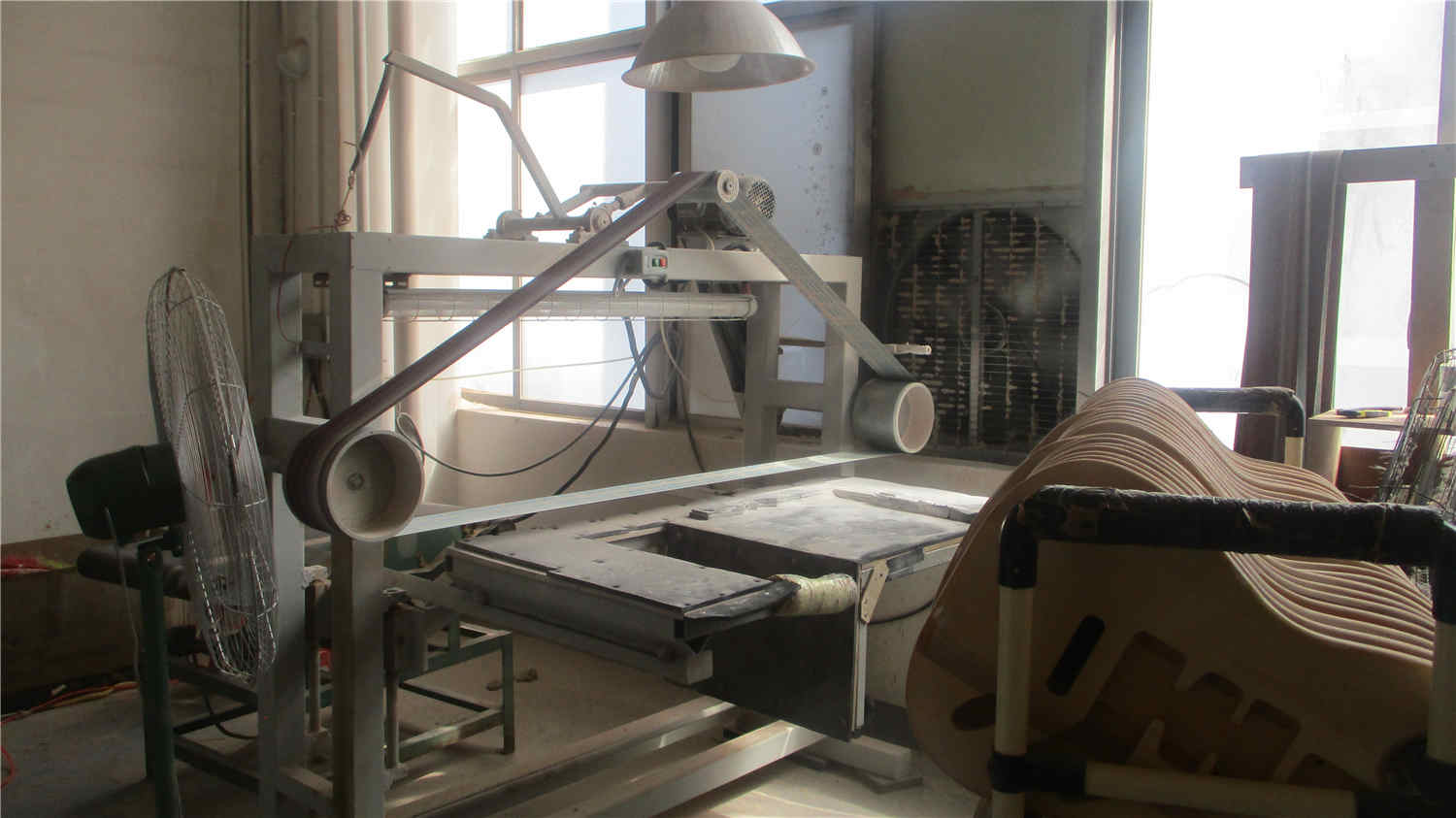
Heavy Sander Machine Heavy Caliber Sander
Automatic Polishing Machine Polishing Machine
Electronic Audio Testing Acoustic Testing Station

SGS On-Site Audited

Our plant underwent comprehensive on-site assessment by SGS Group, verifying wood storage climate control, safety protocols, and operational management compliance.

Patented R&D Designs

Huizhou NFGF Musical Instrument Co., Ltd. holds over 100 design patents and copyrights, ensuring our B2B partners receive unique body contours and headstock profiles.

Flexible OEM/ODM MOQs

Support trial batch orders starting from 10–50 units depending on customization levels, allowing retailers to test local market response with minimal risk.

B2B Buyer Knowledge Base

Frequently Asked Questions for Classical Guitar Purchasing

Addressing key queries from global procurement managers, importers, and brand owners.

What is the lead time and Minimum Order Quantity (MOQ) for custom OEM classical guitars?

For standard wholesale catalog classical guitars, the Minimum Order Quantity starts as low as 10 pieces. For custom OEM branding (custom headstock decals, custom internal labels, unique finishes), the typical MOQ is 30 to 50 pieces per specification. Sample creation takes 7 to 14 days, while full container production orders are completed within 30 to 40 days.

How does Huizhou NFGF Musical Instrument Co., Ltd. prevent classical guitar wood cracking during ocean freight?

Wood cracking is caused by abrupt relative humidity changes during ocean transport. We prevent this by kiln-drying all tonewoods to a stabilized 8%–10% moisture content prior to production. Furthermore, instruments are conditioned in a climate-controlled room for 72 hours before being sealed in moisture-barrier bags with silica gel desiccants and reinforced 5-ply corrugated export cartons.

Cedar vs. Spruce soundboards: Which should we order for our target market?

Solid Cedar Tops: Produce a warm, dark, lush tone with immediate response. They require minimal play-in time and are highly popular in European and Latin American markets.

Solid Spruce Tops: Deliver a clear, bright, bell-like sound with superior projection and headroom. Spruce matures with age, making it the preferred choice for classical conservatories and North American classical players.

What internal bracing options are available for custom classical guitar builds?

We offer traditional 5-fan and 7-fan Torres bracing setups for classic warm projection, as well as modern carbon-reinforced lattice bracing for increased volume and sustain. For flamenco guitar builds, we utilize lightweight, shallow fan bracing combined with clear protective tap plates (golpeadores).

Can Huizhou NFGF Musical Instrument Co., Ltd. handle CITES or environmental compliance documentation?

Yes. All tonewoods used by Huizhou NFGF Musical Instrument Co., Ltd. are legally harvested and compliant with international environmental standards. We offer CITES-free tonewood configurations (such as Black Walnut, Roasted Maple, and High-Density Tech-Wood fingerboards) that require no special import permits, streamlining customs clearance worldwide.

What quality control (QC) standards are enforced prior to container loading?

Every classical guitar undergoes a 4-point inspection checklist: 1) Visual finish inspection under high-intensity light (checking for lacquer blemishes or bridge gaps); 2) Action & Neck Relief measurement (12th fret action set to 3.5mm bass / 3.0mm treble); 3) Fret End Smoothness check; and 4) Acoustic Intonation testing across all 19 frets.

Partner with a Verified Classical Guitar Manufacturer Today

Get in touch with our engineering and sales export team to discuss custom branding, target price points, tonewood samples, and factory direct quotations.