Precision Crafted String Instruments & Professional Rigging
Explore our certified wholesale instruments, OEM hardware, and studio monitors engineered to withstand high humidity and tropical shipping cycles.
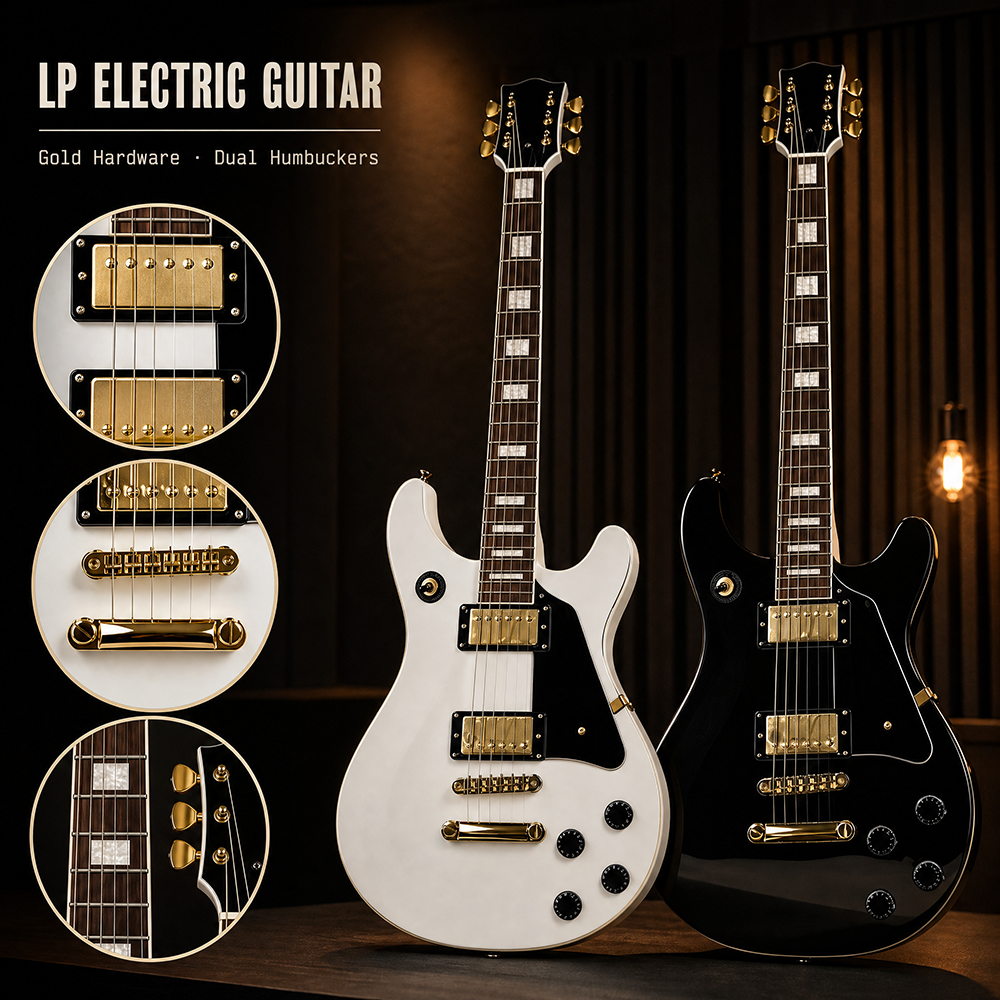
Factory Custom LP Electric Guitar Gloss Finish Solid Wood Electric Guitar OEM ODM
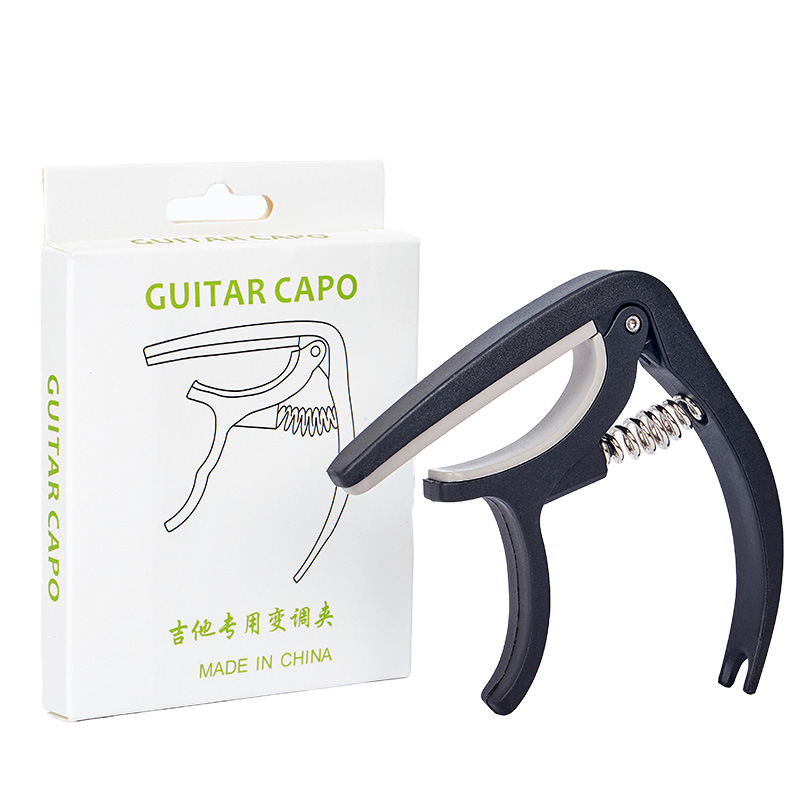
Wholesale Stringed Instrument Guitar Accessories Black Plastic Ukulele Tuner Clip Guitar CAPO
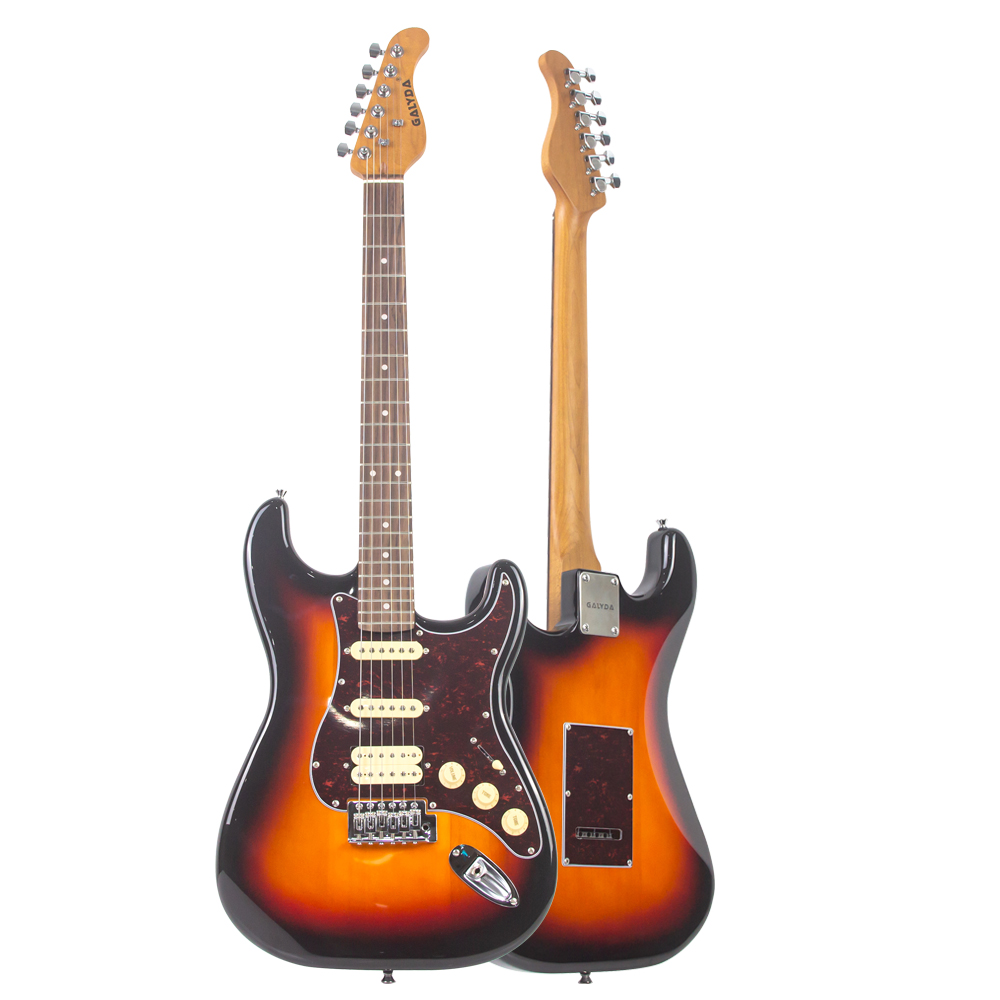
GALYDA 39-Inch Beginner Electric Guitar Set ST Series Poplar Body Carbonized Maple Neck Rosewood Fretboard S-S-H Pickups Glossy
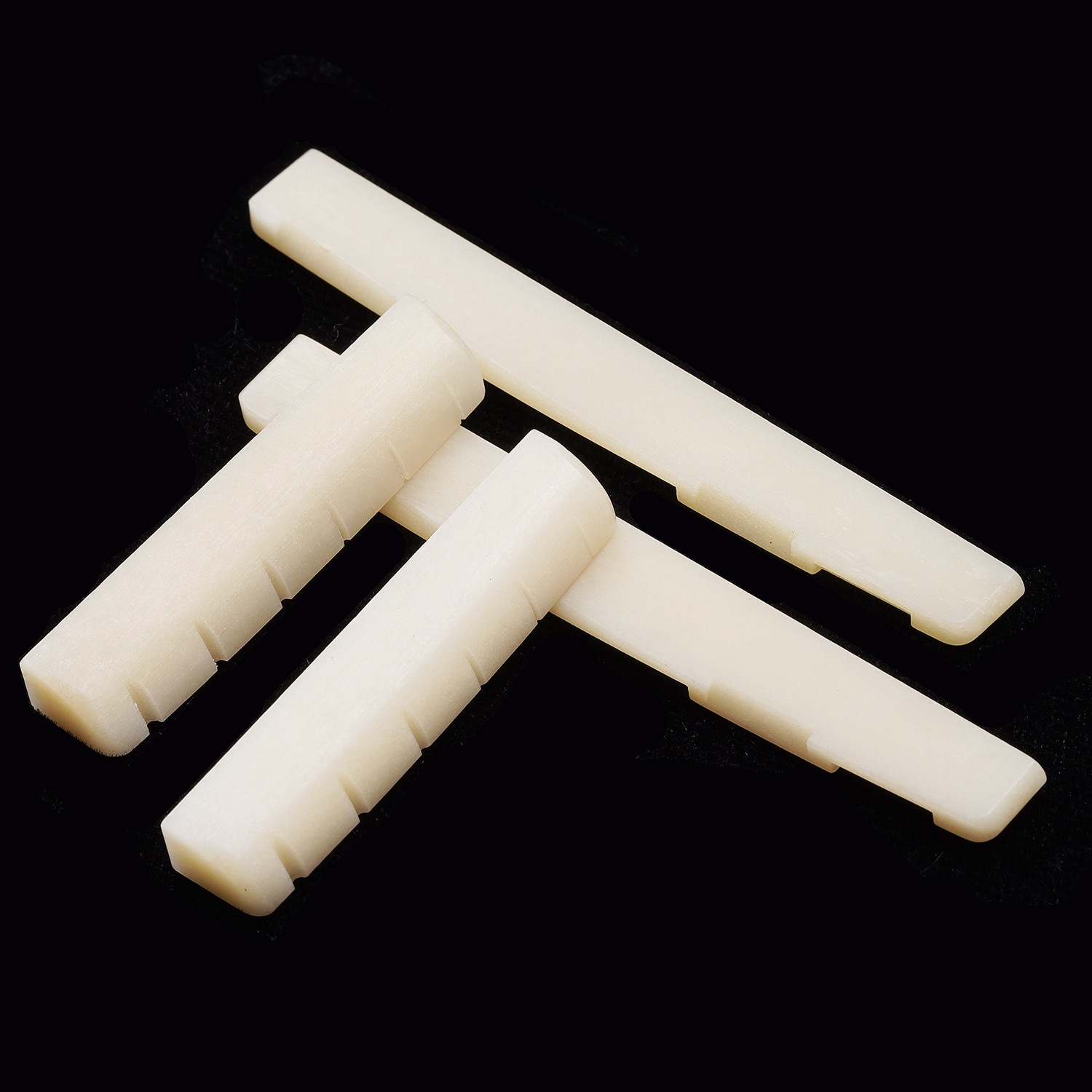
Acoustic Guitar Bone Nut Saddle Bridge Nut 43mm 74mm Natural Unbleached
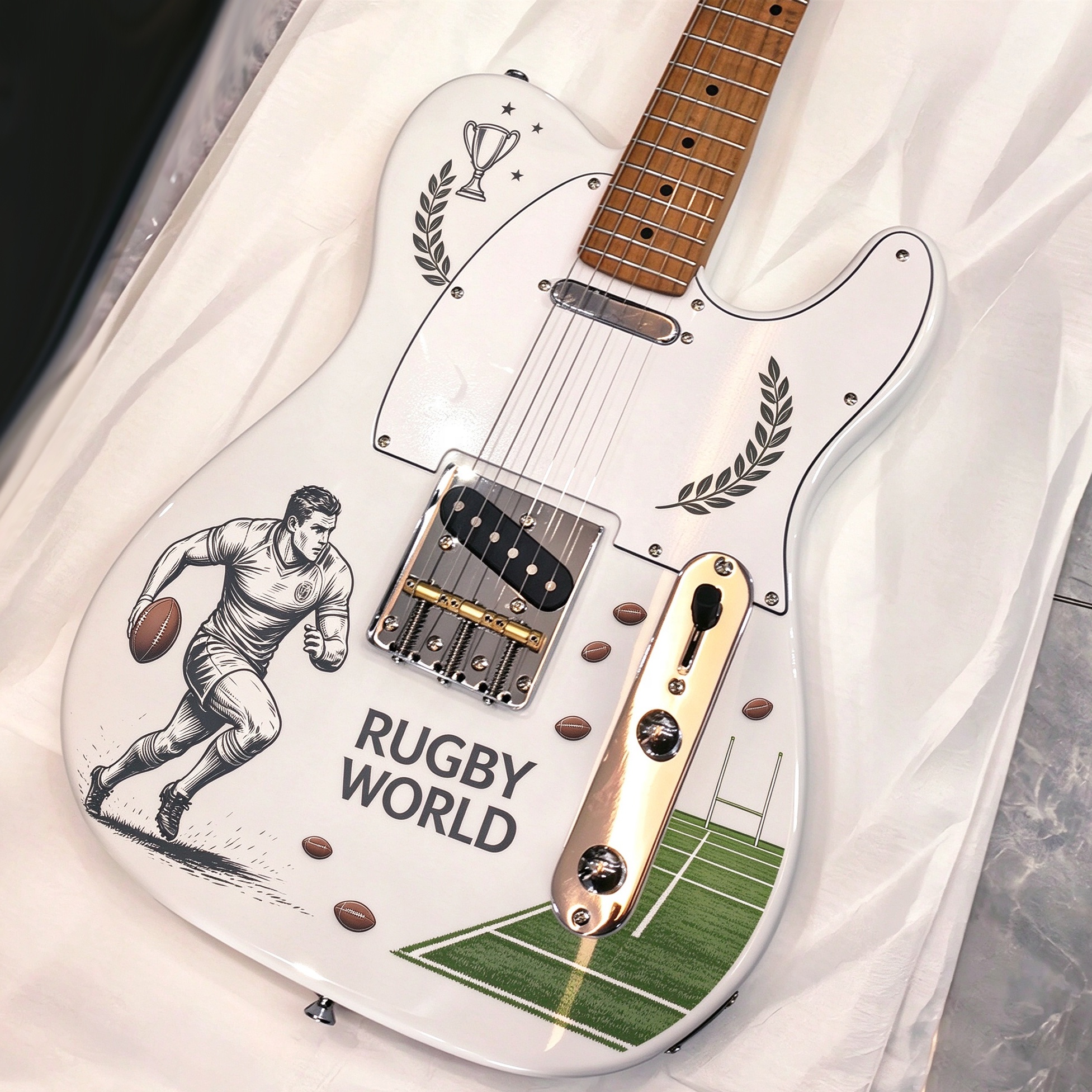
Custom TL Electric Guitar Sky Blue White Stripes Roasted Maple Neck Single Coil Pickup OEM Factory Direct
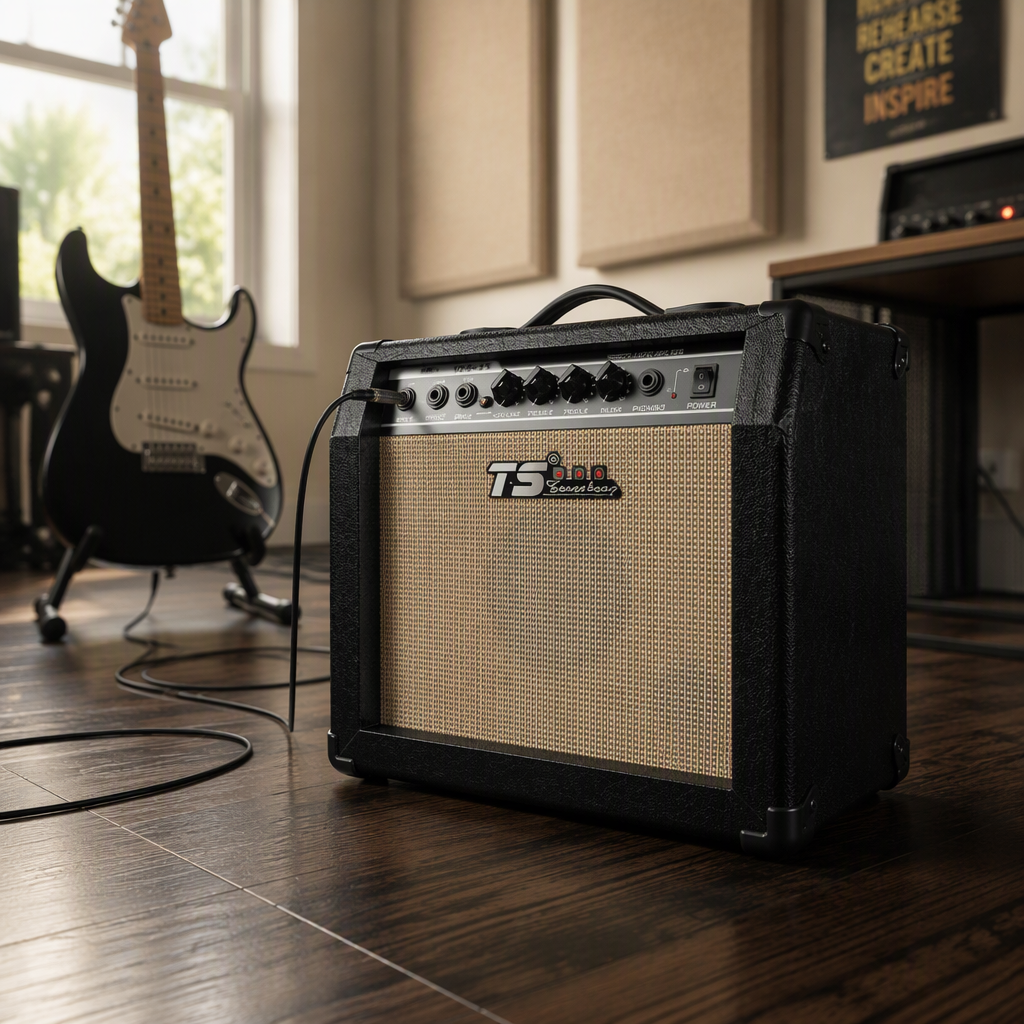
B-T Electric Guitar Amplifier Portable Rechargeable 15W 50W 100W for Music Performance
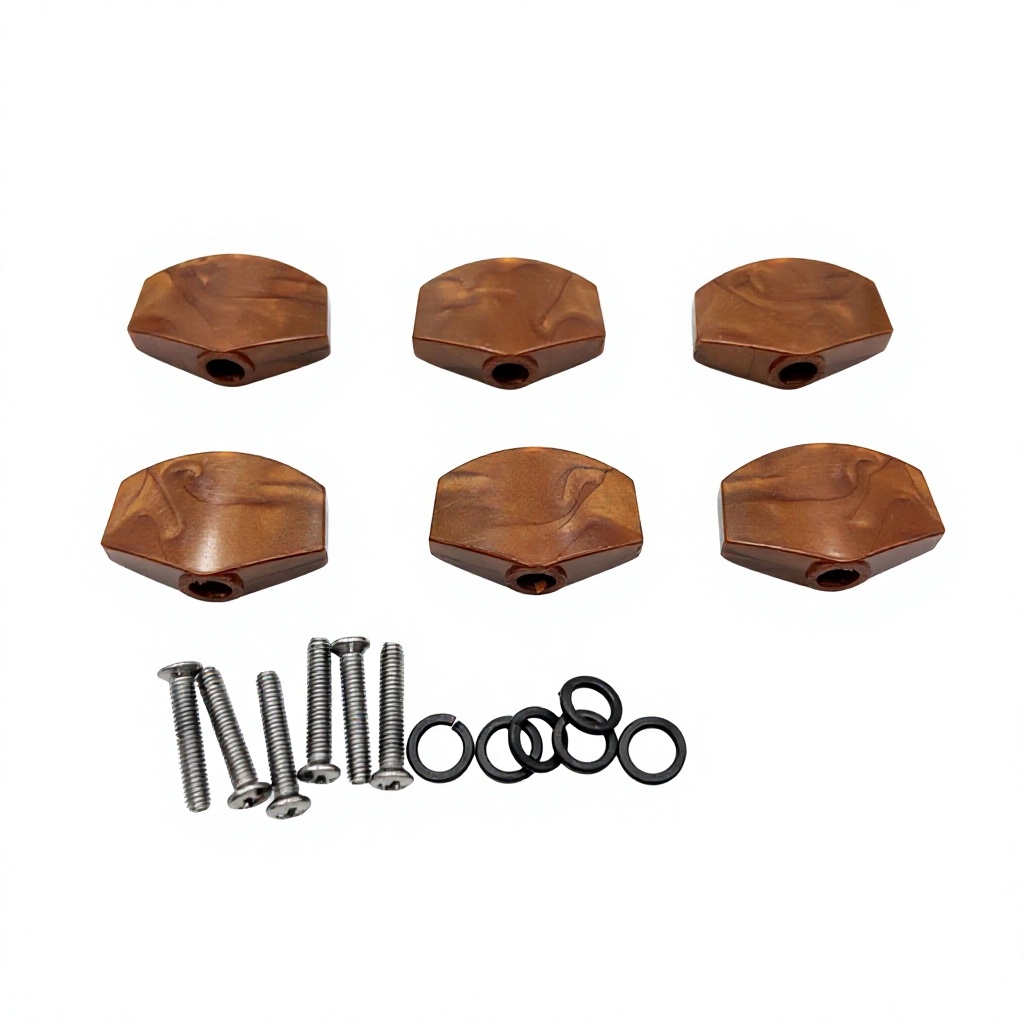
Plastic Guitar Tuning Knob Caps 6 Pieces Set for Acoustic Classical Guitar Handle Replacement

Professional In-ear Monitor IEM HiFi Wired Earphones with Microphone Studio Monitor Musical Instrument Accessories
Technical Whitepaper: Precision Ukulele Manufacturing & Global Sourcing Standards
In modern industrial chordophone manufacturing, transitioning an acoustic instrument like the ukulele from a recreational handicraft into a globally scalable, acoustically resonant, and dimensionally stable commercial asset requires uncompromising adherence to material physics, wood hygrometry, and micrometer-level mechanical engineering. Huizhou NFGF Musical Instrument Co., Ltd. (operating in Huiyang District, Huizhou—the heart of Guangdong’s internationally recognized guitar manufacturing epicenter) has engineered production protocols specifically solving the vulnerability profile of solid wood, laminated wood, and hybrid acoustic constructions destined for maritime climates like New Amsterdam.
When global distributors, specialized musical instrument importers, regional education boards, and commercial music retailers evaluate an OEM/ODM manufacturing partner, the true points of commercial differentiation do not lie in superficial surface finishes, but in kiln-drying stabilization, CNC bridge pin spacing, fretboard relief tolerance under varying equilibrium moisture content (EMC), and internal bracing symmetry. Our 5,100 m² modernized production hub unifies raw wood climatization, 5-axis computer numerical control routing, electrostatic dust-free lacquering, and automated acoustic frequency response analysis under one single quality-governed roof.
Engineering Core Insight: Wood behaves as an anisotropic, hygroscopic composite. A soprano, concert, tenor, or baritone ukulele shipped overseas without proper seasoning will undergo dimensional movement across radial and tangential axes. NFGF’s specialized multi-cycle drying ovens lock tonewood moisture at precisely 8%–10% relative to standard conditions, entirely preventing top sinking, bridge detachment, fret sprout, and neck warpage during trans-oceanic passage and local acclimatization.
By enforcing an audited 8-stage manufacturing process, NFGF maintains an industry-leading return rate of below 0.18% across international distribution channels. Every instrument, from our compact 21-inch beginner soprano ukuleles to hand-voiced 30-inch solid-top acoustic-electric baritone variants, utilizes hide glues and cross-linked polyvinyl acetates (PVAc) capable of withstanding the elevated thermal cycles encountered in shipping container logistics. This metallurgical and chemical stability ensures that instrument wholesalers serving New Amsterdam receive cargo that performs effortlessly right out of the master export carton.
Localized Application Scenarios Serving New Amsterdam & Regional Corridors
New Amsterdam, functioning as a vital historical, maritime, educational, and commercial crossroad along coastal waterways, requires acoustic musical instruments engineered for specific localized operating environments. Sourcing stringed instruments in this territory entails distinct logistical, structural, and cultural parameters that off-the-shelf, non-specialized wholesale guitars and ukuleles fail to satisfy. NFGF engineers customized product portfolios specifically tailored to four dominant localized channels:
Primary & Civic Education Programs
Institutional procurement demands robust composite and high-pressure laminate (HPL) soprano and concert ukuleles. Instruments withstand rigorous daily student handling, abrupt classroom thermal variance, and continuous retuning without pitch drop or neck separation.
Maritime Hospitality & Eco-Tourism
From riverside eco-resorts to boutique cruise lines navigating river estuaries, our carbonized tonewood and sealed closed-gear tuner configurations protect delicate string contact points and interior linings against coastal salt mist and high humidity degradation.
Retail Private Labels & Music Academies
Local music academies and regional commercial retailers benefit from low-MOQ personalized branding. Print customized laser logos on headstocks, configure custom padded gig bags, and maintain healthy profit margins without over-committing working capital.
In addition, the burgeoning live performance culture and church community worship teams active across the region increasingly demand stage-ready electro-acoustic tenor and baritone ukuleles equipped with built-in active preamplifiers, 3-band equalizers, and on-board digital chromatic tuners. NFGF provides direct installation of under-saddle piezoelectric transducers with matched impedances, allowing artists in New Amsterdam to transition seamlessly from intimate acoustic rehearsals to large-format sound reinforcement.
Comparative Technical Matrix: OEM Ukulele Series Specifications
To assist commercial procurement officers, distribution category managers, and retail enterprise buyers serving New Amsterdam, our lutherie engineers have detailed the chemical, acoustic, and structural characteristics of our primary manufacturing tiers below:
| Tier / Classification | Soundboard & Body Wood | Bracing & Internal Geometry | Fretwire & Fingerboard | Climate Resistance Index | Target Market Application |
|---|---|---|---|---|---|
| NFGF Eco-Tier (HPL/Composite) | High-Pressure Laminate Mahogany / Koa grain | Fan bracing with integrated parabolic bass bar | Cupronickel 18-fret, Tech-Wood radiused fingerboard | Extreme (RH 20% - 95%) | School district tenders, outdoor retail, rental fleets |
| NFGF Studio-Tier (Solid Top) | Solid AAA Engelmann Spruce / Sapele Back & Sides | Hand-scalloped X-Bracing with Sitka spruce kerfing | Engineered Rosewood / High-tensile silver-nickel frets | High (RH 35% - 80%) | Brick-and-mortar storefronts, professional academies |
| NFGF Master-Tier (All Solid) | Solid Acacia Koa / Solid Tropical African Mahogany | Asymmetrical acoustic ladder bracing, carbon fiber neck rod | Premium Indian Rosewood / Hand-beveled fret crown ends | Standard-Monitored (RH 45% - 65%) | Concert performers, boutique lutherie collections |
| NFGF Electro-Acoustic Pro | Solid Spruce or Okoume Body with cutaway arch | Piezo-compensated bridge plate reinforcement | Techwood with bone saddle and integrated pickup channel | High (Sealed electronics) | Live stage rigs, broadcast studios, touring ensembles |
Every fretboard fitted in our facility undergoes cryogenic stress relief or vacuum carbonization to stabilize resin canals inside the cellular wood pore matrix. By vaporizing volatile organic moisture and baking the lignocellulose framework, our carbonized maple and engineered rosewood necks exhibit thermal expansion coefficients near zero, ensuring that sudden barometric drops and moisture surges common in coastal estuaries do not displace intonation or trigger fret-end protrusion.
Market Intelligence & Emerging Trends for New Amsterdam Importers
The import velocity of stringed instruments throughout regional hubs has witnessed substantial systemic shifts over the past 36 months. Category buyers who rely on traditional, unsegmented purchasing orders face inventory drag and margin pressure. Our market intelligence data reveals three actionable macro-trends governing commercial procurement today:
Cross-Category Container Consolidation
Rather than importing dedicated single-SKU consignments, successful wholesale buyers mix electric guitars, tenor ukuleles, kalimbas, steel tongue drums, and amplifiers inside one shared 20ft or 40ft container to maximize cubic freight efficiency and diversify warehouse turnover.
E-Commerce-Ready Drop-Testing Packaging
Retail sales are shifting rapidly toward direct-to-consumer online fulfillment. Instruments must be packed in ISTA-1A drop-tested, 5-ply reinforced master export cartons with high-density EPE foam cradles, bypassing costly domestic repacking and eliminating transit damage claims.
Turnkey Starter Kits with Integrated Rigging
End consumers consistently prefer all-in-one musical starter bundles. B2B buyers increase average basket size by stocking factory-paired packages containing tuner clips, padded cases, color-matched capos, bone bridge nuts, and backup fluorocarbon nylon strings.
By partnering with Huizhou NFGF, wholesale clients access our modular supply-chain configuration. Instead of dealing with disparate vendors for bags, instruments, amplifiers, and spare parts, our integrated export team prepares consolidated Bills of Lading (B/L) under Harmonized System (HS) Code 9202.90 for string instruments and 9209.92 for musical accessories, vastly accelerating customs clearance at arrival ports serving New Amsterdam.
Enterprise Competitive Advantages & Huizhou Manufacturing Prowess
Founded in 2014 in Qiuchang, Huiyang District, Huizhou, Guangdong, Huizhou NFGF Musical Instrument Co., Ltd. has developed into an audited manufacturing power combining traditional acoustic craftsmanship with digital automation. Our operations span 5,100 m² of dedicated workshop space and employ 53 master luthiers, technical draftspeople, acoustic test specialists, and international compliance coordinators. We do not operate as a domestic trading intermediary; we are a verified original equipment manufacturer with physical CNC woodworking centers, climate-monitored coating chambers, and ISO-aligned production protocols.
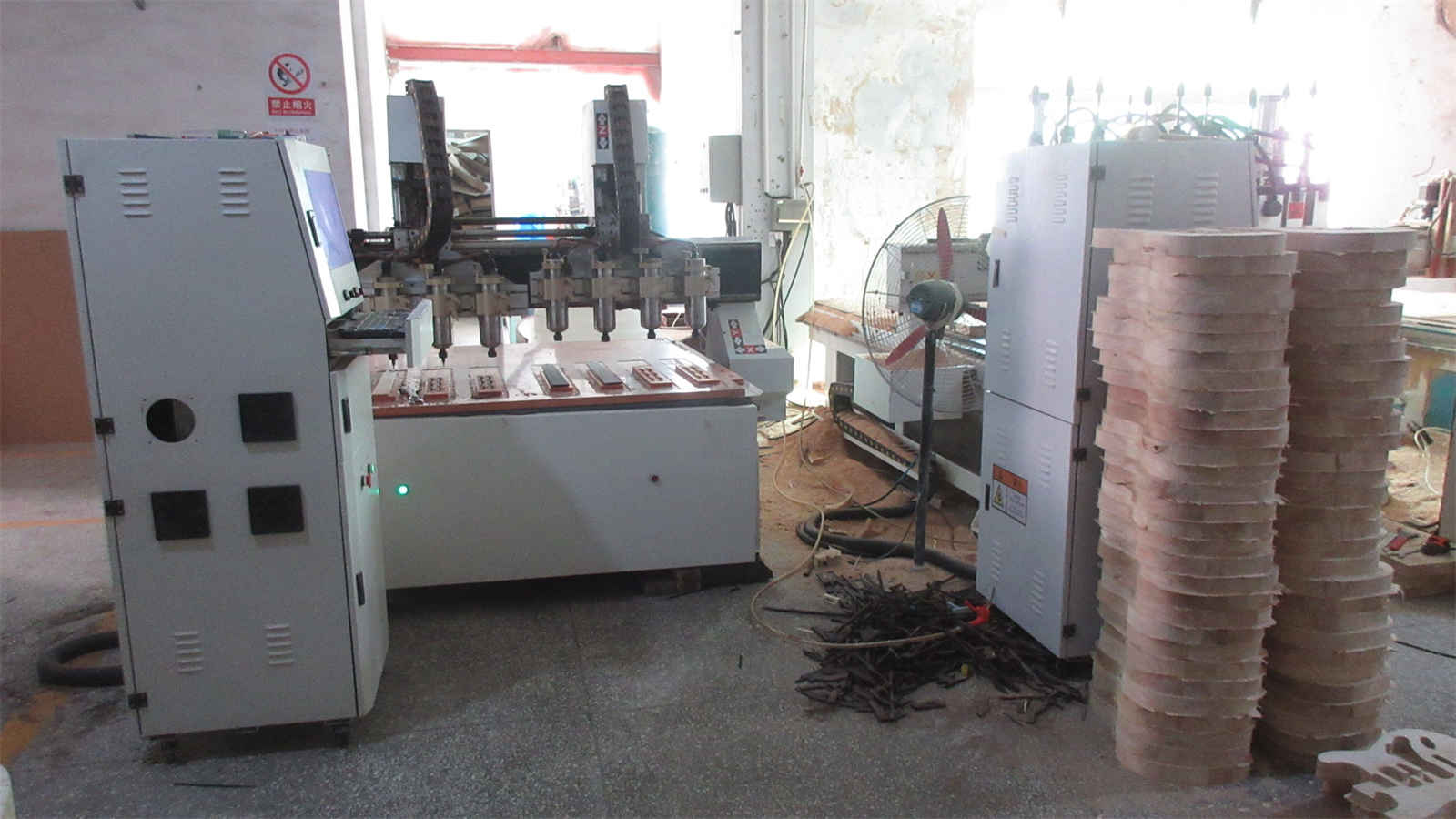
Stage 1: Multi-Axis CNC Routing
Sub-millimeter routing of neck pockets, headstock silhouettes, and soundboard contours ensuring perfect joint repeatability across large runs.
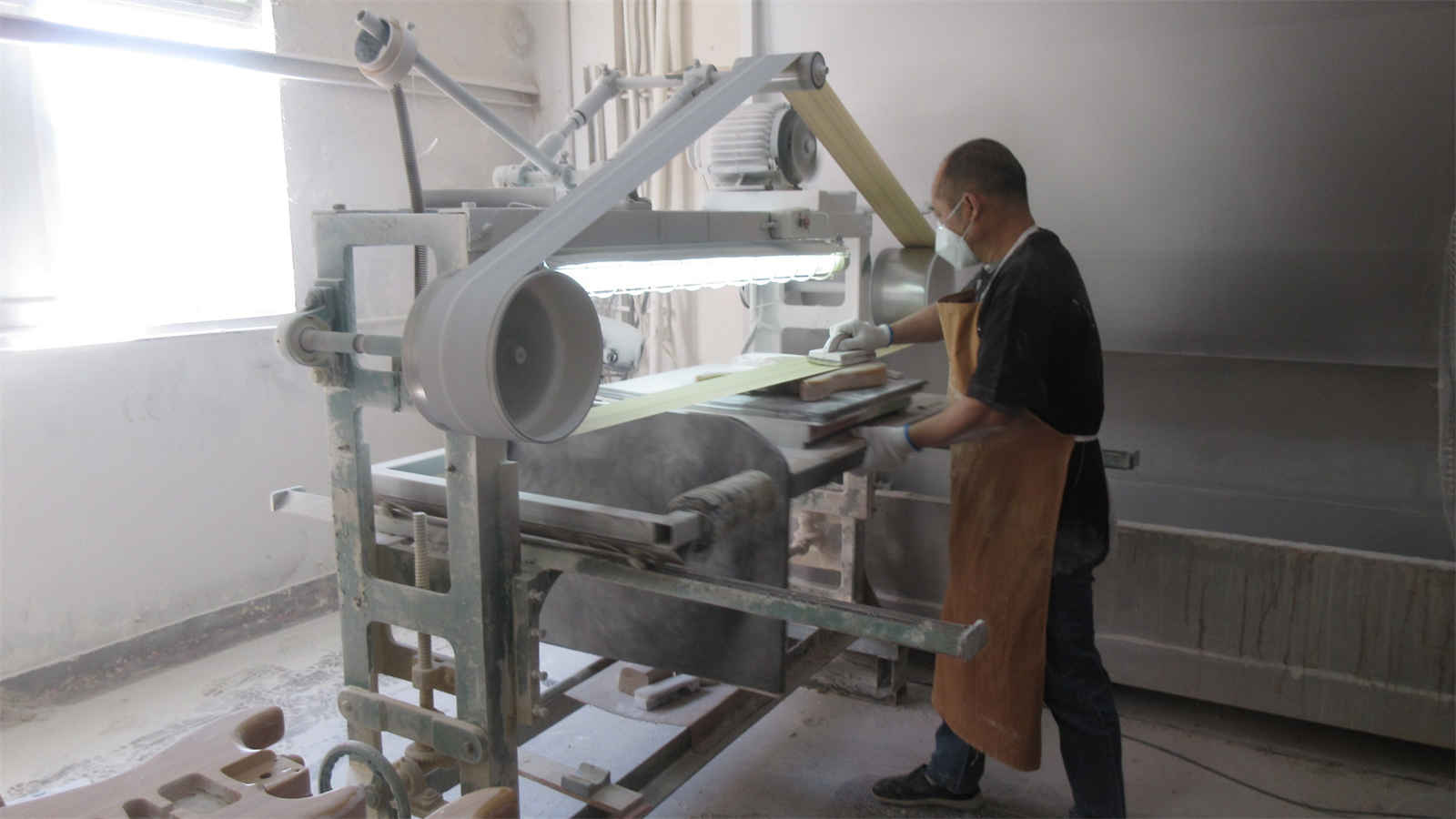
Stage 2: Calibrated Sanding
Digital thickness sanding ensuring consistent top and back graduation for acoustic resonance and predictable mechanical load balance.
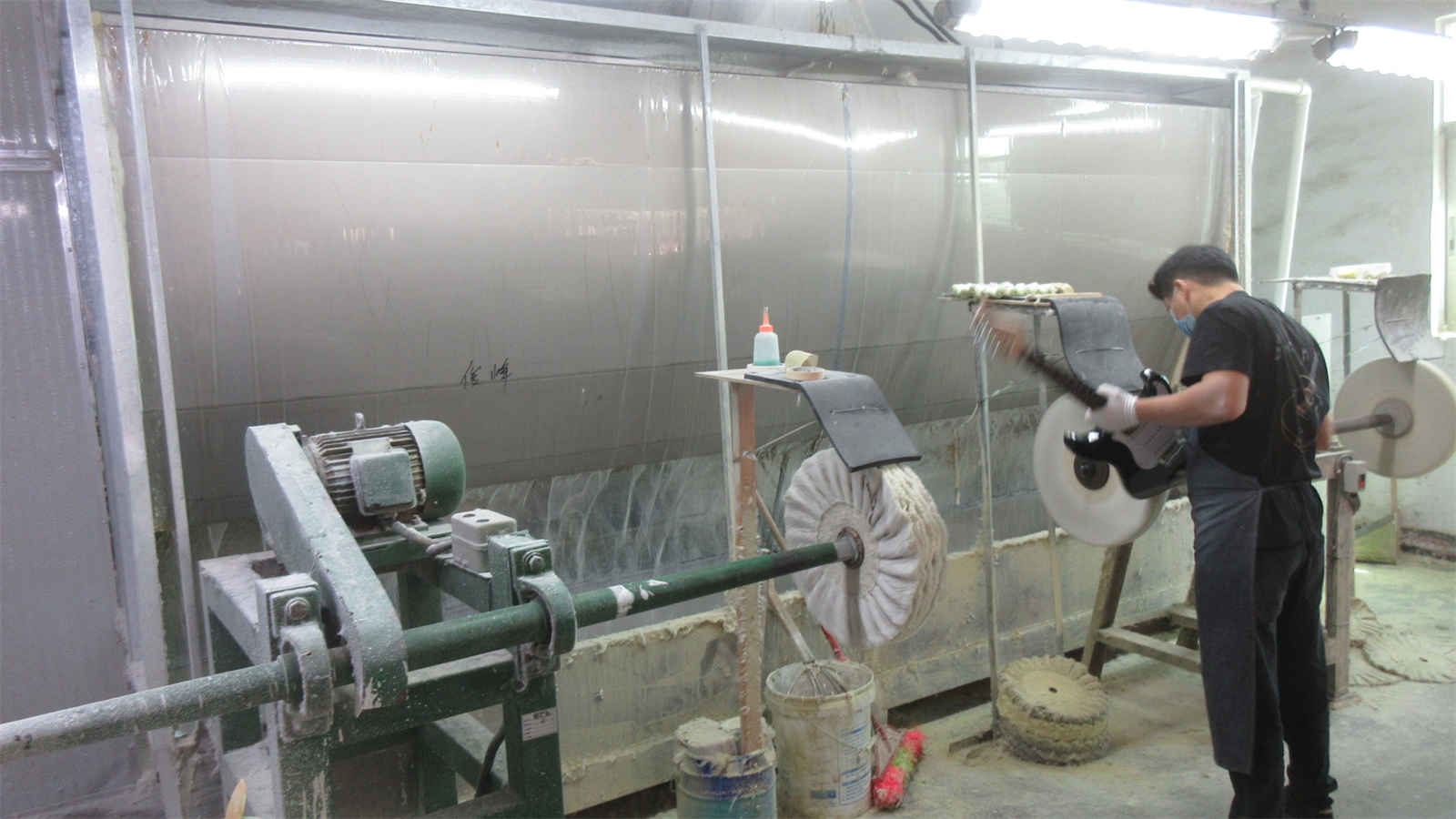
Stage 3: Multi-Stage Buffing
Automated and hand-guided polishing wheels delivering glass-like polyurethane gloss and open-pore satin finishes free of optical distortion.
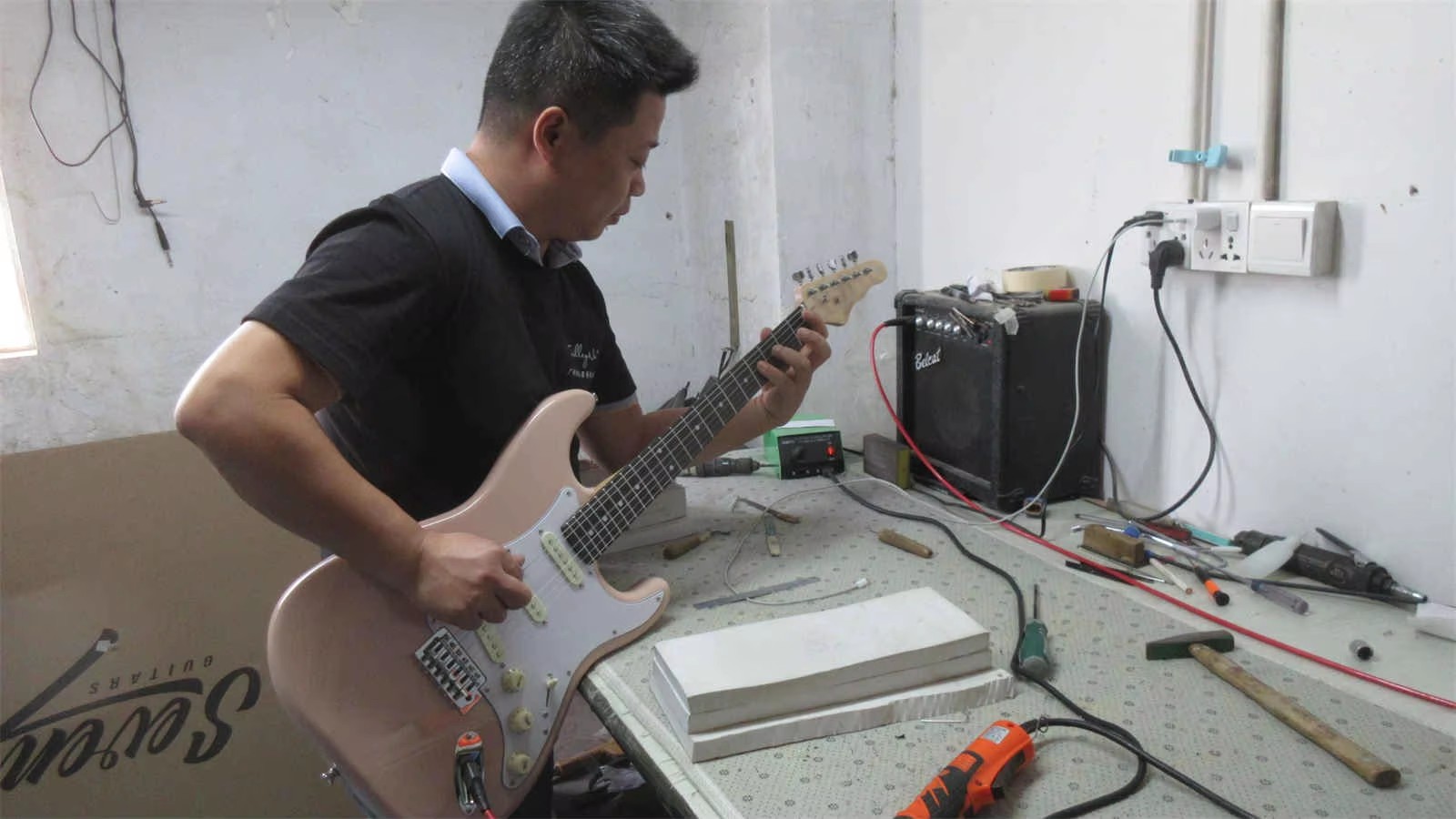
Stage 4: Luthier Inspection
Individual setup calibration: 12th-fret action height regulation, nut slot filing, intonation verification, and full-spectrum tone check.
Our facility holds independently audited supplier verification through SGS Group (audit executed on-site, updated November 2025). This assessment validates our incoming raw timber grading standards, toxic chemical bans (RoHS & REACH compliance for varnishes and plastics), internal traceability codes, and finished instrument drop-testing frameworks. Furthermore, our dedicated R&D engineering division has registered and maintained over 100 industrial design patents and proprietary utility models, providing our overseas OEM brand partners with defensible market exclusivity.
Factory Flexibility Advantage: While conventional instrument factories enforce prohibitive MOQs of 500 to 1,000 units per color, NFGF champions lower production barriers to empower agile brand incubation. Many of our core electric guitars and basses start from an MOQ of just 1 piece for samples, our fine ukuleles from 2 pieces, steel tongue drums from 10 pieces, and accessories from 50–100 pieces. This eliminates dead stock risk for enterprises serving New Amsterdam.
Frequently Asked Questions for Sourcing to New Amsterdam
Strategic answers to critical legal, logistical, material, and financial questions asked by corporate buyers, institutional procurement agents, and store owners:
Q: How does NFGF prevent ukulele neck warpage and fret sprout in riverine, high-humidity climates?
A: We subject all neck wood blanks (mahogany, carbonized maple, and okoume) to computer-controlled radio-frequency vacuum kiln drying, stabilizing internal equilibrium moisture content to 8%–10%. Fret slots are cut with dedicated CNC saws to prevent wood breakout, and nickel-silver frets are seated with hydraulic leveling presses and edge-beveled at 35 degrees before applying hydrophobic sealing oils.
Q: Can our company order custom headstock branding, personalized labels, and custom cartons?
A: Absolutely. We provide comprehensive OEM customization starting from low production volumes. Branding options include metallic water-transfer decals, CNC laser engraving, mother-of-pearl inlay work, customized interior soundhole brand labels, and barcode-labeled retail packaging printed to your exact design artwork.
Q: What documentation and international standards accompany wholesale shipments?
A: Every commercial export order is supported by a standardized Packing List, Commercial Invoice, Certificate of Origin (CO), SGS On-site Verification Summary, and applicable CE / FCC compliance certificates. If your order contains non-restricted wood species, we ensure zero CITES-endangered timber is utilized, preventing port delays.
Q: How can we minimize shipping costs when importing into New Amsterdam?
A: We recommend taking advantage of mixed-SKU container consolidation. You can combine high-cube items (such as soprano and tenor ukuleles) with nested accessories (like capos, bone nuts, padded gig bags, and tuner clips) and solid-body electric guitars. This strategy maximizes freight density per cubic meter (CBM) and reduces landed logistics expense per unit.
Q: What are your standard lead times for custom sampling versus volume container runs?
A: Standard prototype samples and in-stock trial evaluation models ship within 7 to 10 working days. Customized OEM sampling requiring custom headstock tooling or unique finish formulations typically requires 15 to 25 days. Full 20ft/40ft container production cycles average 30 to 45 days from engineering sign-off and deposit confirmation.
Q: How is pre-shipment quality control executed and recorded before shipping?
A: NFGF employs an AQL 1.5/2.5 pre-shipment inspection protocol. Every instrument is evaluated by our testing luthiers across 24 checkpoints: neck straightness, string clearance at 1st and 12th frets, electronic signal output (for EQ models), cosmetic gloss purity, and carton drop impact strength. Detailed photo and video inspection dossiers are provided to clients prior to dispatch.