OEM/ODM Travel & Performance Instruments Serving the Irish Market
Direct factory production lines with low sampling MOQs, custom branding, and robust hardware configurations tested for intercontinental and regional transport.
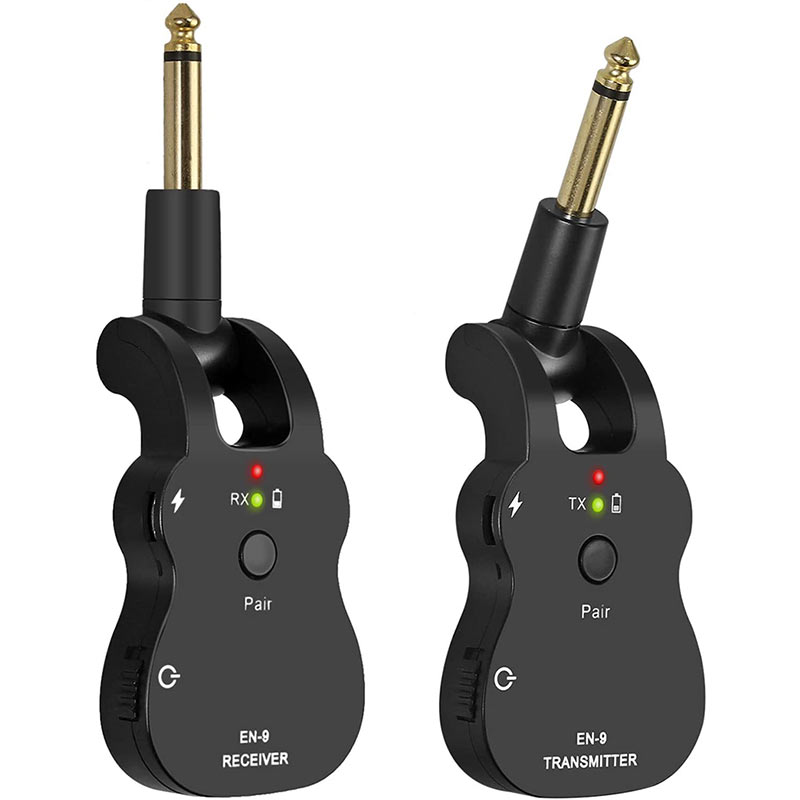
Digital Guitar Bass Audio Transmitter & Receiver Wireless System
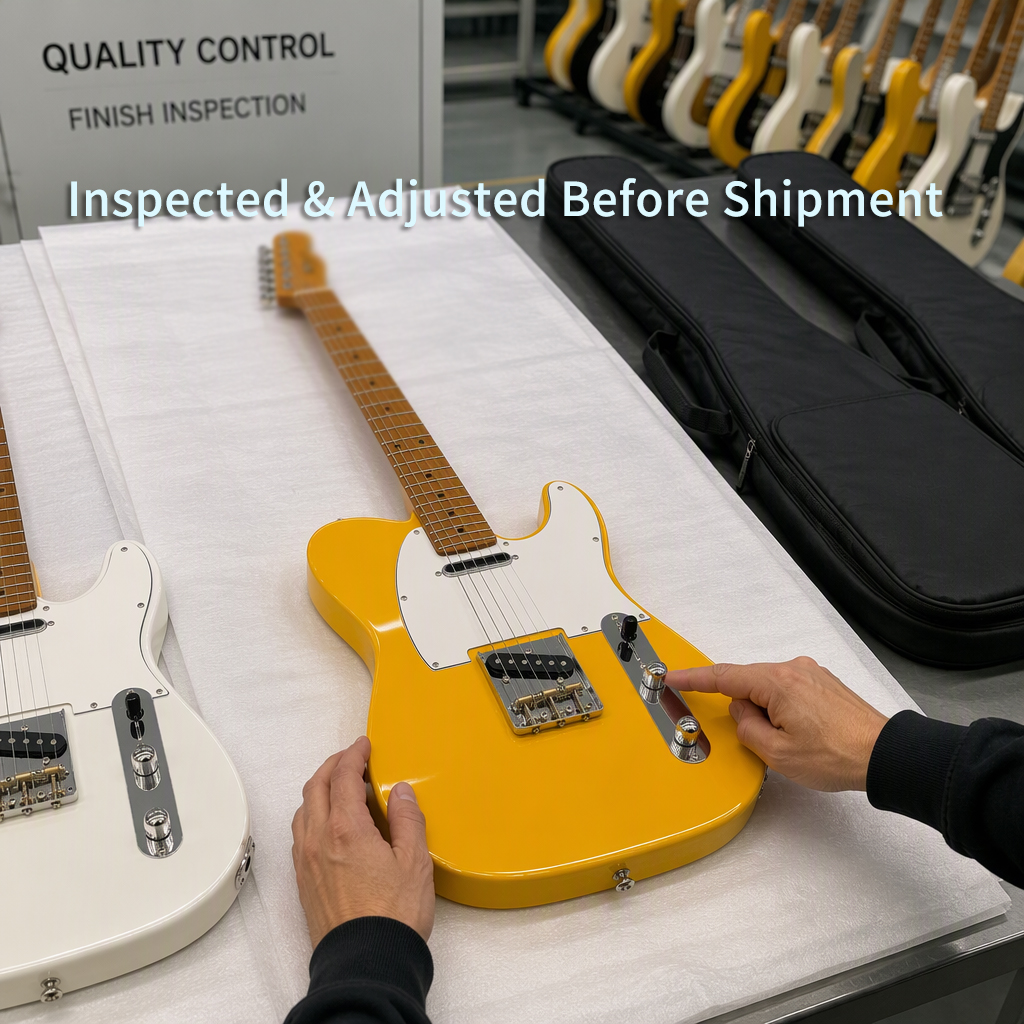
New-style TL Electric Guitar, SS Alnico-5 Pickups, Carbonized Maple Neck

LP Style Electric Guitar High Gloss Cherry Sunburst Flame Maple Top
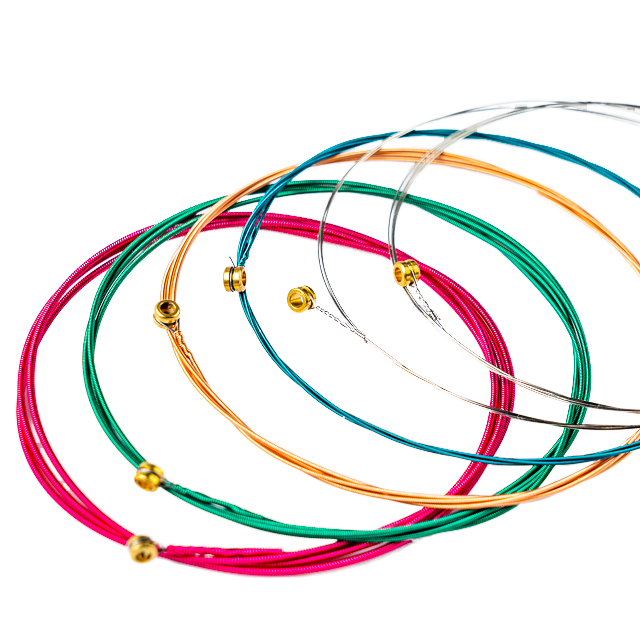
Set of Colorful 6-String Electric & Acoustic Guitar Strings 1048 Series
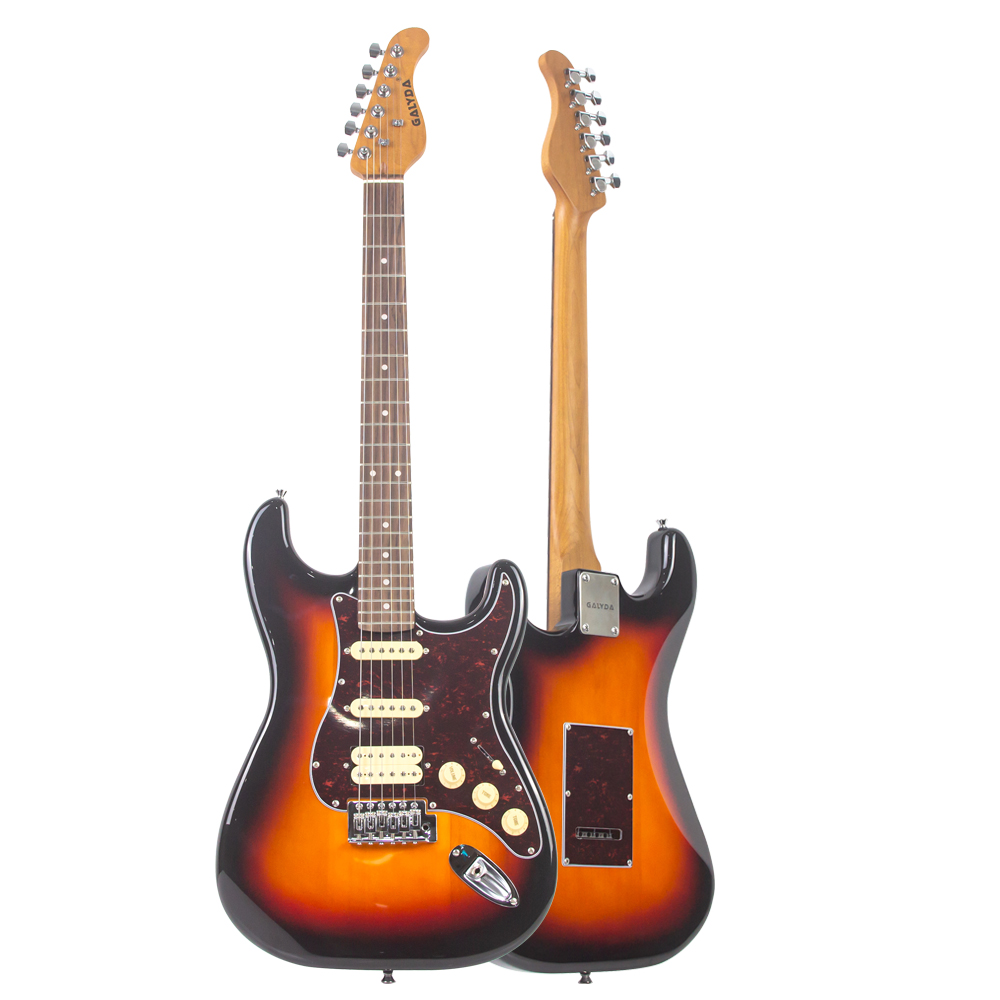
GALYDA 39" Electric Guitar Set, Poplar Body, Roasted Maple Neck S-S-H

Factory Custom Headless 5-String J Bass Mahogany Fanned Frets
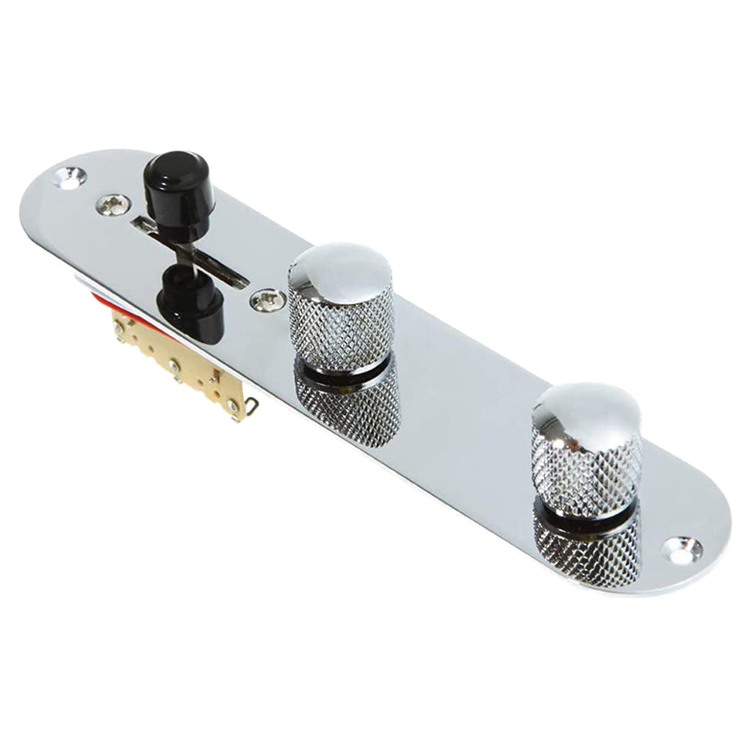
Fully Loaded Pre-Wired 3-Way Guitar Control Plate Harness
Headboard Travel Electric Guitar Double-Fret Bridge Compact Chasis
1. Structural Physics & Dimensional Tolerances for Irish & EU Transit
The operational lifecycle of a travel guitar imported into Ireland is dictated by two unforgiving variables: strict European regional aviation cabin limits and the volatile microclimate of the North Atlantic. While conventional full-size dreadnoughts and standard solid-body electrics measure between 1,000 mm and 1,080 mm in total length, low-cost air carriers operating heavy traffic through Dublin (DUB), Cork (ORK), and Shannon (SNN)—notably Ryanair and Aer Lingus—enforce cabin overhead constraints where standard luggage cannot exceed 55 × 40 × 20 cm. For gigging musicians, traditional guitars inevitably get consigned to cargo hold environments where pressure drops and rough luggage handling cause severe neck fractures and joint shear.
As an SGS-verified custom manufacturer, Huizhou NFGF Musical Instrument Co., Ltd. addresses this design challenge through algorithmic spatial optimization and headless architecture. By eliminating the traditional headstock and anchoring the ball-end strings at the nut through dual-locking micro-clamps, we shave between 180 mm and 250 mm off the instrument's total length without compromising standard 24.75" (628 mm) or 25.5" (648 mm) scale lengths. The resonant scale remains identical to standard concert instruments, ensuring players retain muscle memory, correct string tension, and chromatic intonation balance across all 24 frets.
Furthermore, structural mass is conserved through ergonomic body bevels using CNC-carved lightweight Okoume, chambered Basswood, or Poplar cores. Weight distribution is concentrated around the bridge bridge-saddle complex, shifting the instrument's center of gravity toward the player's torso. This mechanical equilibrium eliminates "neck dive," making our travel guitars exceptionally ergonomic for standing performances, busking on uneven stone paving, and rapid train boarding along the Iarnród Éireann regional lines.
Localized Application Scenarios Across Ireland
Analyzing how compact, climate-stabilized instruments solve critical operational pain points for musicians across the Republic.
Dublin & Galway Busking Circuits
From Grafton Street in Dublin to Shop Street in Galway, street musicians face sudden downpours and cold breezes. Our sealed polyurethane high-gloss finishes and anti-rust coated 1048 strings safeguard pickups and wiring plates from electrical shorts and premature oxidation during open-air busking sets.
Traditional Session Pub Integration
In tightly packed heritage pubs across Doolin, Killarney, and Ennis, full-sized guitar cases create physical congestion. A 34-inch headless electric or compact travel folk guitar allows session accompaniment players to navigate tight seating alongside banjos, fiddles, and bodhráns without risking body dings or headstock collisions.
Wild Atlantic Way Camper Touring
The surging popularity of motorhome and camper van travel along Ireland's west coast exposes instruments to intense night-to-day temperature swings inside vehicle compartments. Thermo-cured roasted maple necks provide the requisite dimensional stability, preventing fret sprout and neck relief warpage.
Travel Architecture vs. Traditional Factory Benchmarks
How our dedicated OEM travel designs compare mechanically against legacy guitar manufacturing archetypes when evaluated for European commercial distribution:
| Performance Vector | NFGF OEM Headless Travel | Traditional Full-Scale Solid | Generic Short-Scale Mini |
|---|---|---|---|
| Overall Instrument Length | ✓ 780 mm – 820 mm | 990 mm – 1,060 mm | 860 mm – 910 mm |
| Overhead Cabin Acceptance | ✓ 98% Compliance (IATA/Ryanair) | <10% (Requires Paid Seat) | ~60% (Diagonal placement) |
| Fretboard Scale Length | ✓ Full 25.5" Standard | Full 24.75" – 25.5" | Compressed 22" – 23" |
| Neck Structural Treatment | ✓ Carbonized / Roasted Maple | Natural Air-Dried Maple | Low-grade composite / Birch |
| Moisture Content Calibration | ✓ 8% – 10% (Chamber Controlled) | 12% – 14% (Standard) | Inconsistent (>15%) |
| Tuning Stability Under Damp | ✓ Micro-Tuning Roller Bridge | Standard Die-Cast Tuners | Open Gear Friction Tuners |
2. Market Dynamics & Procurement Trends in the Irish Musical Sector
Procurement channels for musical instruments in Ireland are experiencing a structural reorganization. Historically, independent music retailers in Dublin, Limerick, Waterford, and Belfast relied heavily on wholesale distributors based in the United Kingdom. However, post-Brexit administrative overhead, duplicate customs tariffs (TARIC code documentation), and cross-Irish Sea logistics friction have compressed retail profit margins. Irish musical instrument merchants and online brand owners are increasingly disintermediating middlemen, contracting direct manufacturing partnerships with verified Chinese production facilities that support OEM brand private labeling from low minimum order quantities (MOQ).
Simultaneously, consumer buying behavior across Ireland has shifted decisively toward ergonomic multi-instrument mobility. The modern Irish player rarely plays only in a home studio; they commute via Luas or DART, attend weekend fleadhs, or travel abroad. Demand for multi-scale (fanned-fret) headless 5-string basses, travel-friendly okoume-body solid electrics, and all-solid 23-inch concert ukuleles has outpaced traditional bulky archtop and jumbo acoustic sales categories. Retailers stocking compact guitars equipped with pre-wired modular electronic circuits and dual-humbucker versatility are capturing superior inventory turnover ratios.
Environmental compliance is another dominant vector. Importers into the European Union are held strictly accountable under EU Timber Regulations (EUTR) and evolving corporate sustainability due diligence directives. As an audited exporter, Huizhou NFGF Musical Instrument Co., Ltd. ensures that tonewood stocks—ranging from carbonized maple to sustainably harvested okoume and engineered rosewood alternatives—are fully documented, legally verified, and accompanied by transparent customs declaration dossiers to guarantee smooth clearance at Dublin Port and Rosslare Europort.
Industrial Manufacturing Prowess (NFGF Advantage)
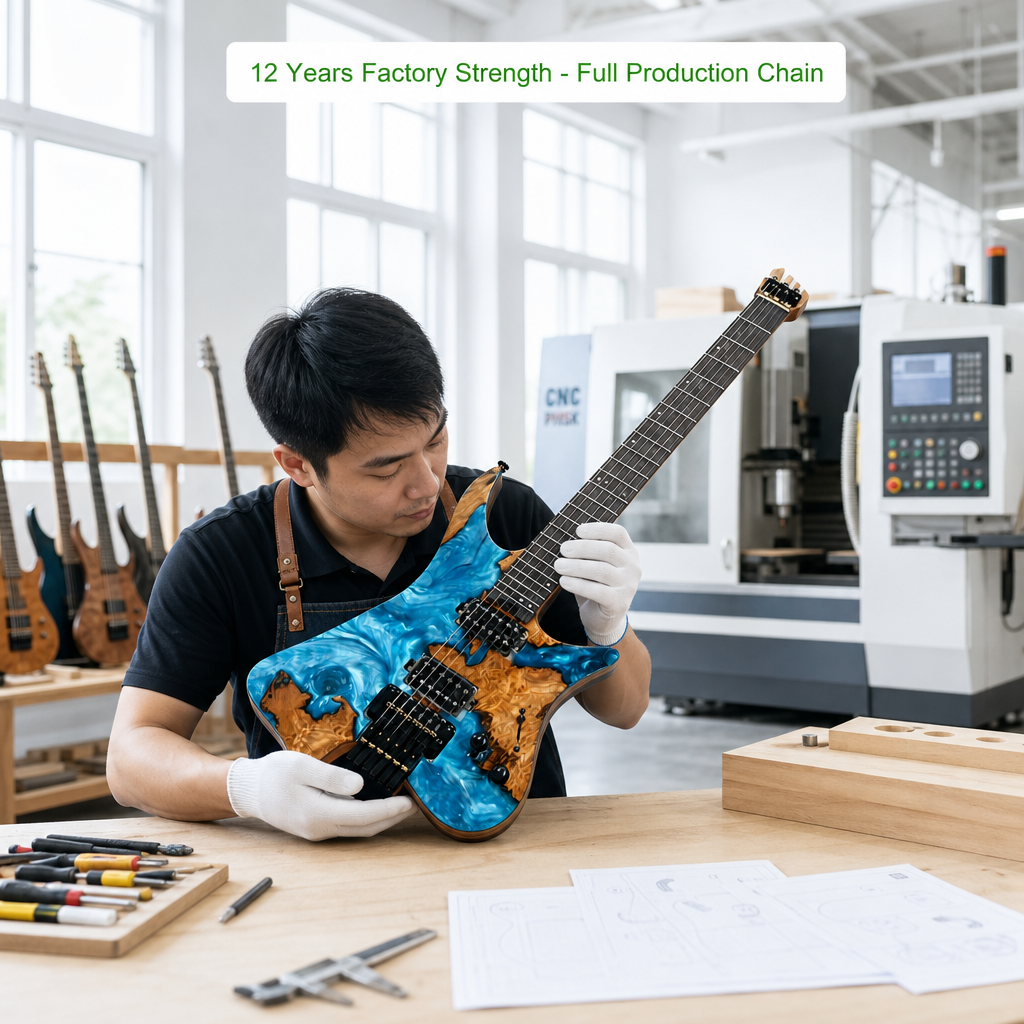
Combining automated CNC machining tolerances with master luthier hand-craftsmanship inside our 5,100 m² facility in Huizhou, Guangdong.
Kiln Dehydration
Tonewoods undergo vacuum dehydration to stabilize moisture content precisely between 8% and 10%, preventing subsequent shrinkage or swelling in cold, humid maritime climates.
0.02mm CNC Profiling
Automated 5-axis CNC routing ensures accurate neck pockets, truss-rod channels, pickup cavities, and headless bridge recesses for zero-drift assembly tolerances.
Electrostatic Spraying
Dust-free automated spray booths apply ultra-thin polyurethane and nitrocellulose high-gloss or satin coatings that allow raw body resonance while forming an airtight seal.
Acoustic Playability QC
Every single unit undergoes multi-point luthier inspection: 12th-fret action calibration (<1.8mm bass, <1.5mm treble), micro-crowning of nickel frets, and audio spectrum testing.
3. SGS-Audited Production Protocols & Stringent Material Auditing
Reliability in stringed instrument manufacturing requires objective validation. Our manufacturing base was audited on-site by SGS Group in November 2025, verifying complete quality control across raw lumber storage, automated CNC woodworking lines, manual lutherie workstations, electronics soldering rooms, and packaging drop-test chambers.
For our travel guitar series, quality control begins at the molecular level of the lumber. Standard commercial timber harvested in tropical climates often retains 14% to 18% equilibrium moisture content. If shipped to Ireland without specialized curing, the internal heating systems of Irish homes combined with damp outdoor air cause immediate fingerboard warping, fret wire ends to protrude past the binding ("fret sprout"), and glued joints to separate. NFGF subjects neck blanks to secondary thermo-vacuum carbonization, darkening the maple cellulose structures, crystallizing natural sap residues, and creating a neck structure impervious to ambient hygroscopic shifts.
Electronic integrity is monitored with equal stringency. Pots, 3-way/5-way selector switches, and Alnico-5 pickup windings undergo direct resistance checking before drop-in installation into bodies. Fully loaded pre-wired control plates are screened to eliminate grounding hum and microphonic feedback, guaranteeing high signal-to-noise performance when players plug into compact headphone practice amps or direct PA interfaces during travel.
Frequently Asked Questions by Irish Buyers & Importers
Direct technical and commercial answers addressing shipping, regulatory compliance, branding customization, and minimum order thresholds.
What are the minimum order quantities (MOQ) for custom-branded travel guitars?
How do you handle shipping logistics, customs declarations, and transit times to Ireland?
Are the wood materials compliant with EU Timber Regulations (EUTR) and CITES appendices?
How does the factory prevent neck warpage and fret sprout in Ireland's damp climate?
Can Irish retailers consolidate multiple product categories within a single order?
What packaging safeguards are implemented to prevent transit damage over ocean routes?
Why Choose Huizhou NFGF Musical Instrument Co., Ltd.
Established in 2014 in Qiuchang, Huiyang District, Huizhou—the heart of Guangdong's elite instrument manufacturing cluster—NFGF has grown to become an international supplier for musical retail brands across Europe, North America, and Australasia. Spanning 5,100 square meters of modernized production lines and supported by 53 dedicated craftspeople, engineers, and acoustic designers, our factory represents the convergence of high-precision numerical engineering and authentic luthier heritage.
Holding over 100 design patents and maintaining an average verified buyer rating of 4.7 / 5.0, we understand that an instrument's real value is judged in the hands of the performing musician: true chromatic balance, tactile comfort, resonant sustain, and reliable road performance. Whether you are an established Irish musical retail chain seeking higher gross margin profiles or an indie brand engineering a new custom travel guitar line, our engineering team is structured to turn CAD concepts into commercial reality.
Request Your Custom OEM/ODM Quotation & Specification Catalog
Connect directly with our engineering and B2B export department to review wholesale pricing tiers, technical blueprints, sample lead times, and shipping schedules tailored for your business in Ireland.