
B2B Market Intelligence Summary: Sourcing professional-grade string instruments for the Portuguese musical ecosystem demands balancing Portugal's centuries-old acoustic lutherie heritage with the aggressive commercial realities of contemporary electric guitar, bass, and digital amplification demand. This comprehensive white paper examines structural trade dynamics, climatic tonewood adaptation, supply chain compliance (CITES, CE, RoHS), and industrial OEM manufacturing synergies bridging Asian industrial fabrication with Portuguese retailers, brand incubators, and distribution wholesalers.
1. Strategic Procurement Dynamics: Sourcing Guitars for Portugal's Commercial Landscape
Portugal occupies a singular position in the European music trade. Known universally for its artisanal cordofones—such as the distinctive teardrop Guitarra Portuguesa (both Lisboa and Coimbra variants), the diminutive Cavaquinho, and the Viola Braguesa—the domestic manufacturing infrastructure within Portugal is predominantly concentrated on high-touch, low-volume acoustic folk instruments. While boutique luthiers in Santo Tirso, Braga, and Coimbra preserve exquisite traditional handcraft, they cannot satisfy the escalating commercial volumes required by contemporary Iberian music retail chains, modern private labels, regional academies, and touring artists requiring rock, metal, jazz, and studio-grade instruments.
For Portuguese musical instrument importers, regional distributors based around Greater Lisbon, Porto, and Braga, and e-commerce platforms serving mainland Portugal and the autonomous archipelagos of Madeira and the Azores, partnering with a scalable industrial OEM/ODM manufacturer is essential. Importers face the ongoing challenge of acquiring consistent, stage-ready solid-body electric guitars, headless travel instruments, and precision amplification without bearing prohibitive labor premiums or suffering crippling production delays.
By synchronizing Huizhou NFGF Musical Instrument Co., Ltd.'s ISO-modeled 5,100 m² manufacturing plant—backed by computerized CNC multi-axis milling, modern static-pressure painting lines, and cleanroom assembly—with the specialized logistical routes terminating in the deepwater ports of Sines and Leixões (Porto), Portuguese B2B buyers attain an optimal balance between structural cost-efficiency and premium acoustic performance.
2. Localized Application Scenarios Across Portugal's Music Sectors
Understanding user intent within the Portuguese territory requires breaking down how imported string instruments and portable gear function across actual performance environments and retail pipelines:
Urban Fado & Acoustic Neo-Trad Fusion
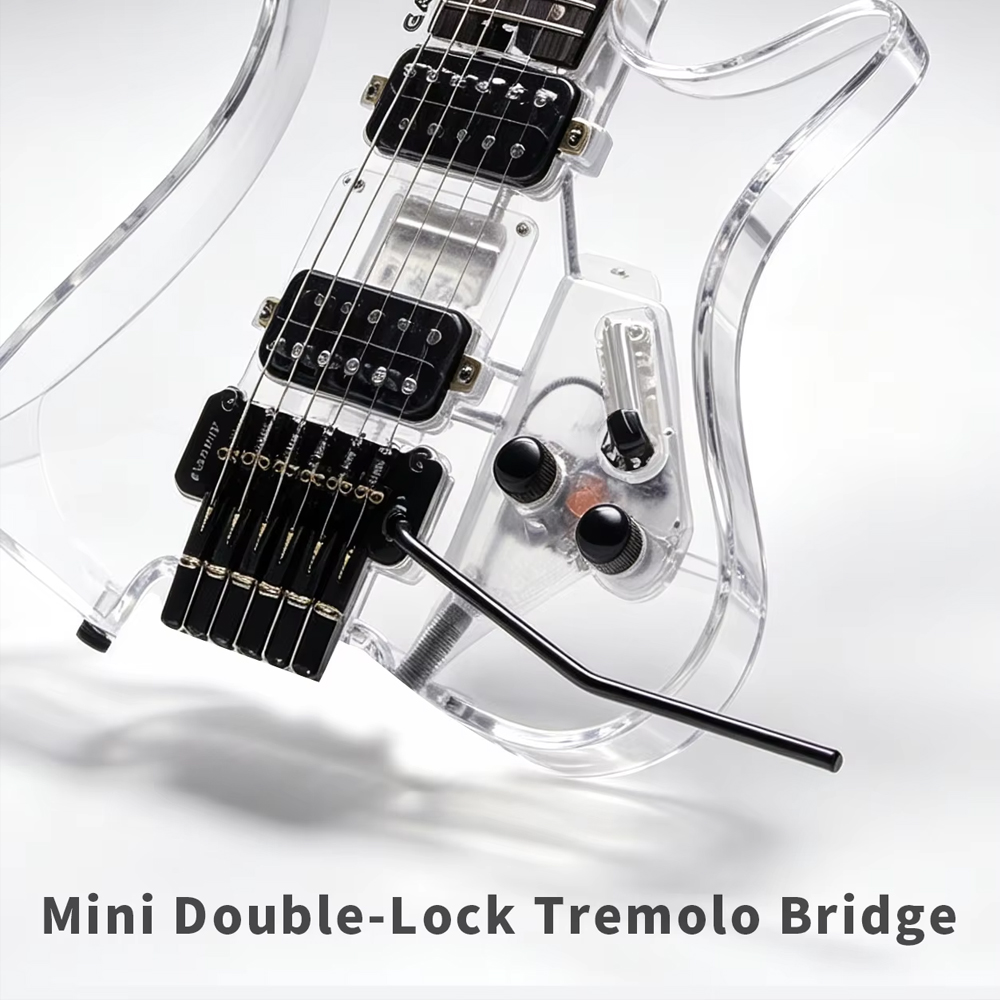
In historic bohemian quarters like Alfama, Bairro Alto, and Mouraria, contemporary musicians frequently fuse traditional Fado chordal motifs with modern jazz and world-music arrangements. Headless silent guitars—such as our African Acrylic Chorus Headless Silent Guitar—allow studio sessionists and stage performers to rehearse silently in dense residential neighborhoods or link directly into PA mixers with pristine, feedback-free tone.
Porto & Northern Indie Rock Circuity
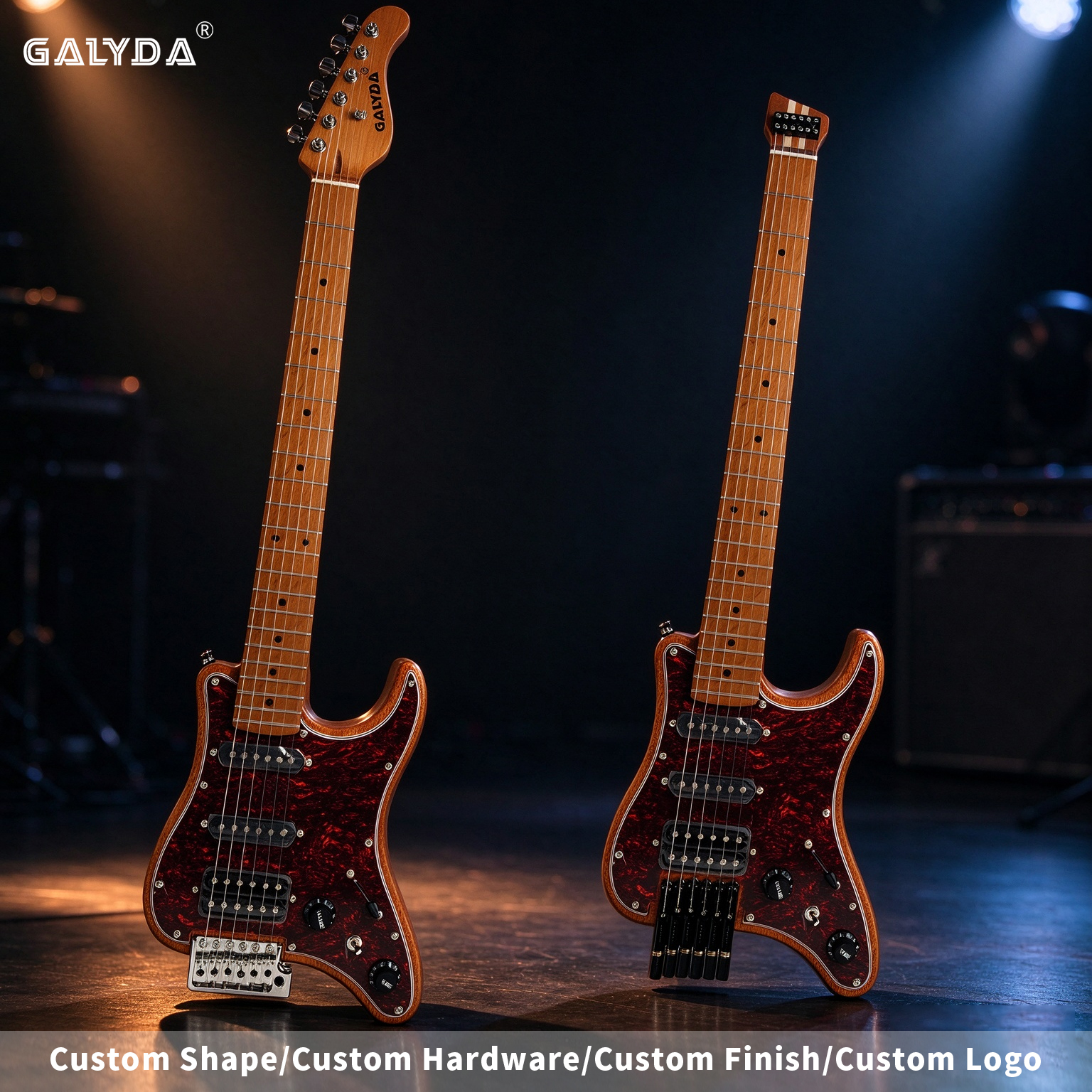
Northern Portugal possesses a thriving underground garage, progressive metal, and shoegaze scene centered around Porto, Braga, and Guimarães. Touring acts and local rehearsal studios demand versatile instrument pickup architecture—specifically HSH or SSH pickup voicings paired with ultra-stable roasted maple necks capable of surviving frequent transit between humid coastal basements and dry interior performance halls.
Algarve & Cascais Hospitality Entertainment
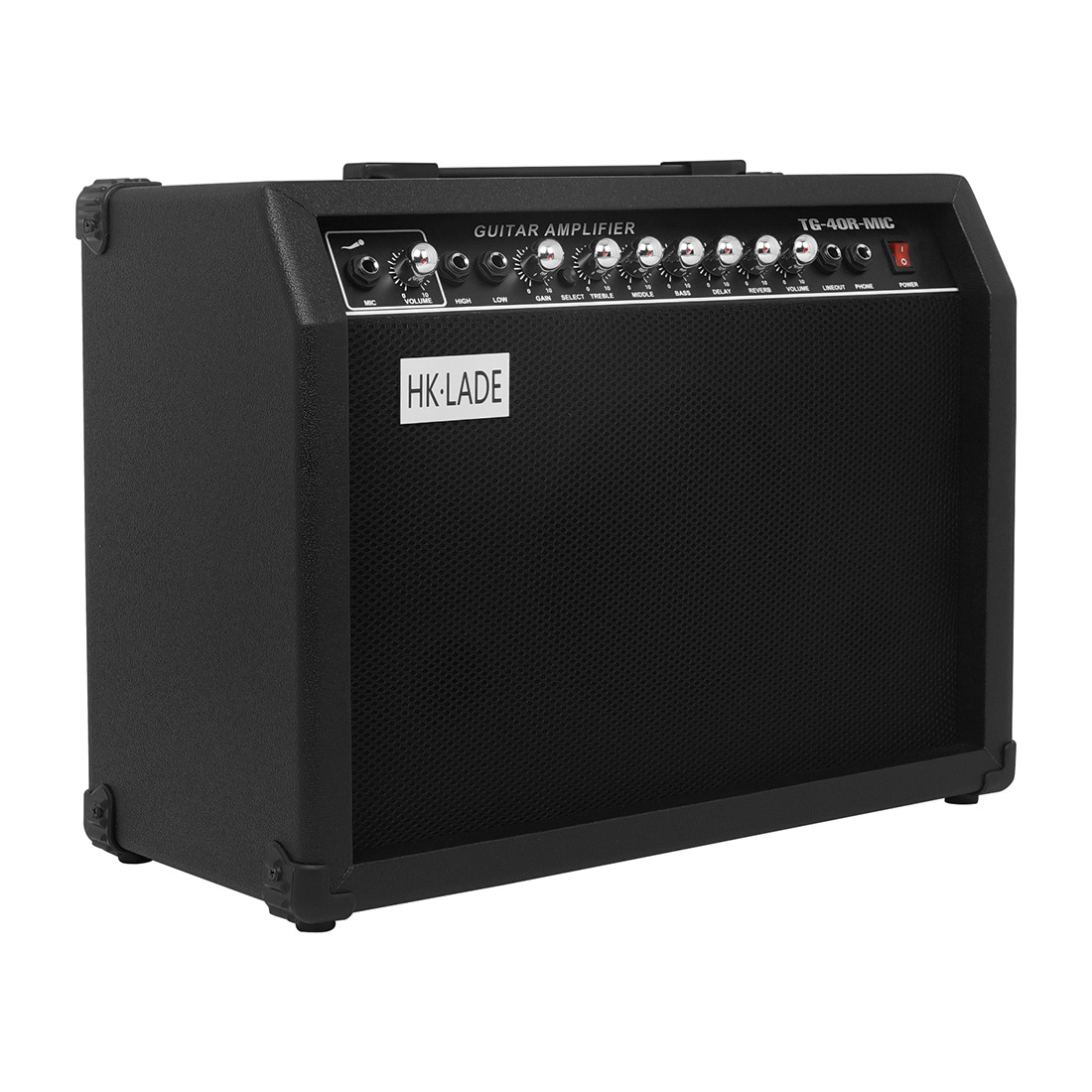
Portugal’s extensive tourism economy across the Algarve, Sintra, Cascais, and the Douro Valley sustains thousands of outdoor bar, resort, and cruise ship musicians from April through October. Outdoor entertainers prioritize compact, self-contained gear such as our 40W Outdoor Portable Guitar/Bass Amplifiers with built-in rechargeable batteries, minimizing setup time while handling salty maritime air without thermal cutoffs.
Conservatórios & Private Academies
From the Escola Superior de Música de Lisboa (ESML) to regional municipal music conservatories, student enrollment in modern electric guitar, commercial music production, and bass performance is at record highs. Institutions require highly durable ST-style guitars with consistent fretwork, flat radiuses, and balanced actions straight out of the export carton to prevent premature finger fatigue in beginner-to-intermediate players.
Iberian E-Commerce Hubs & Drop-Shipping
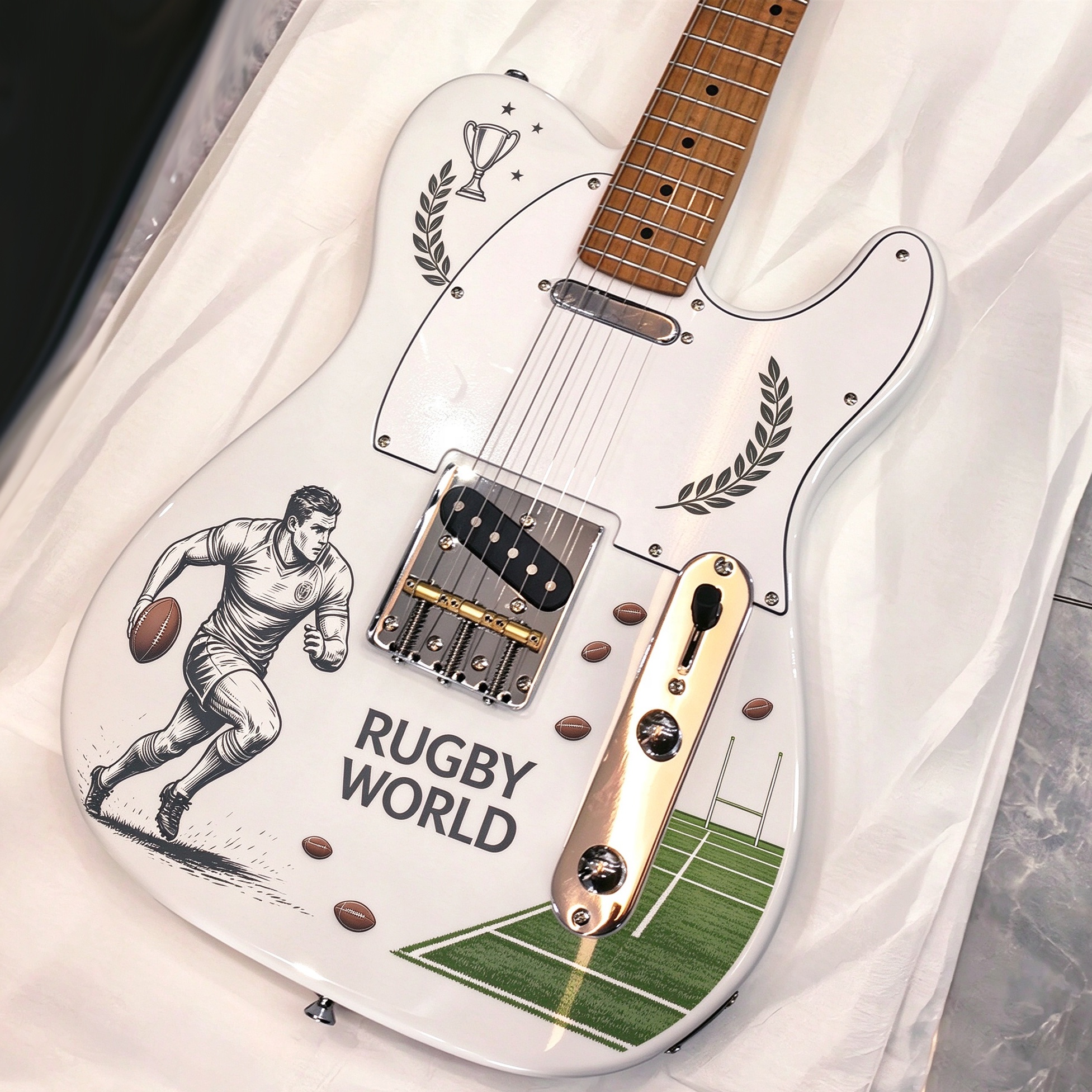
Portuguese entrepreneurs operating cross-border e-commerce networks serving both Portugal and neighboring Spain (via shared Iberian transport corridors) leverage our low-MOQ (starting from 1 piece) and drop-ship readiness. Compact headless kits and high-spec burl veneer electric guitars provide the high visual contrast and perceived value required to achieve superior conversion rates on digital marketplaces.
3. Localized Market Development Trends in Portugal & the Iberian Basin
A data-informed analysis of Portuguese import trade flows across NACE 32.20 (Manufacture of Musical Instruments) reveals notable shifts impacting inventory planning for the upcoming fiscal cycles:
A. Superior Climate-Resilience via Thermo-Treated & Roasted Tonewoods
Portugal’s climate transitions abruptly from the cool, rain-saturated maritime conditions of the Minho and Douro regions to the intense, arid summer heatwaves of the Alentejo interior. Standard unroasted maple necks frequently bow, twist, or suffer severe fret sprout due to relative humidity fluctuations ranging from 85% RH along the coastline down to 25% RH inland. Portuguese distributors are decisively pivoting toward roasted (carbonized) maple necks. By baking kiln-dried maple in oxygen-depleted chambers above 180°C, remaining hemicellulose and bound moisture are permanently eliminated, crystalizing resins and creating an utterly stable neck matrix that eliminates post-sale warranty claims for fret dressing and truss rod adjustments.
B. The Ascendance of Headless Ergonomics & Micro-Footprint Instruments
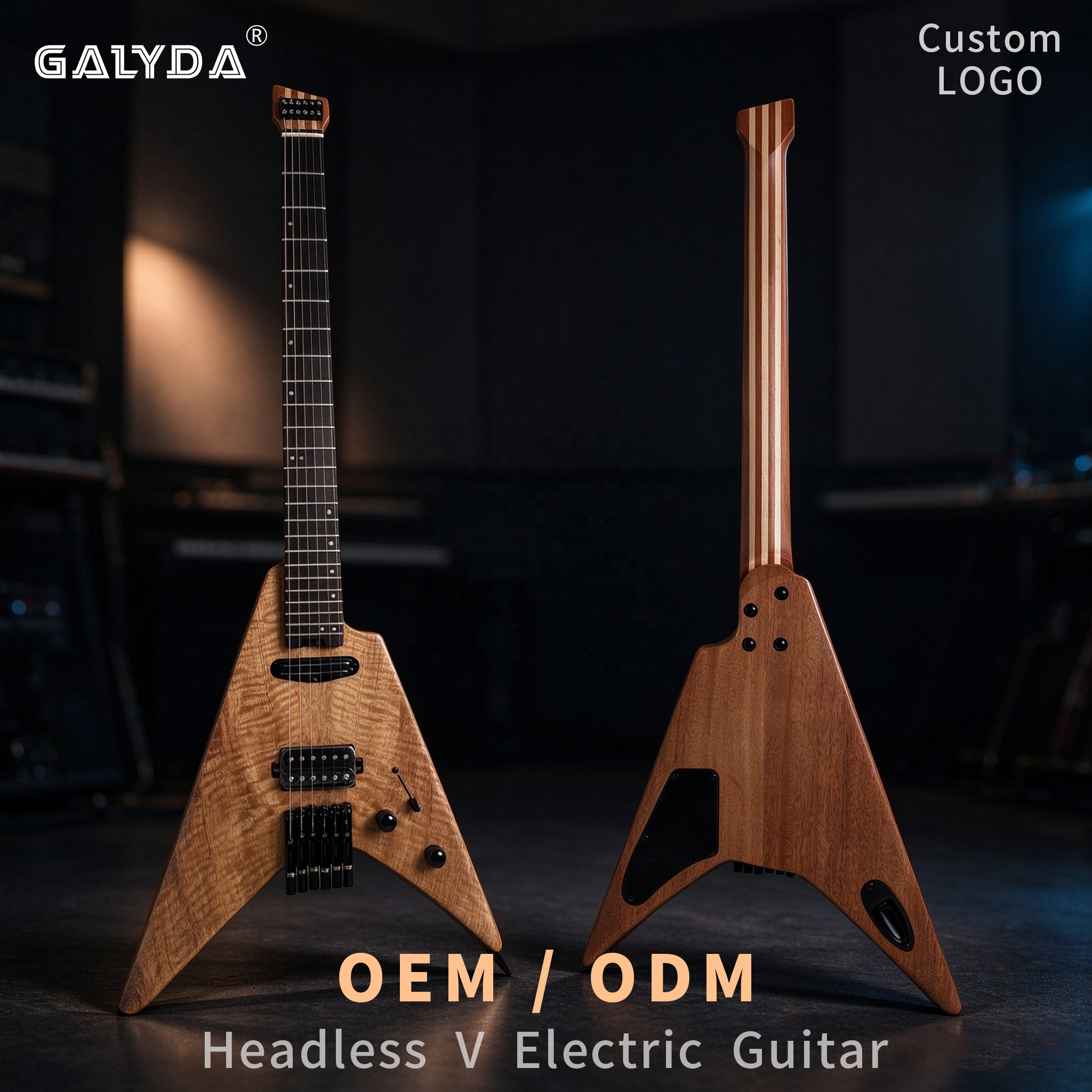
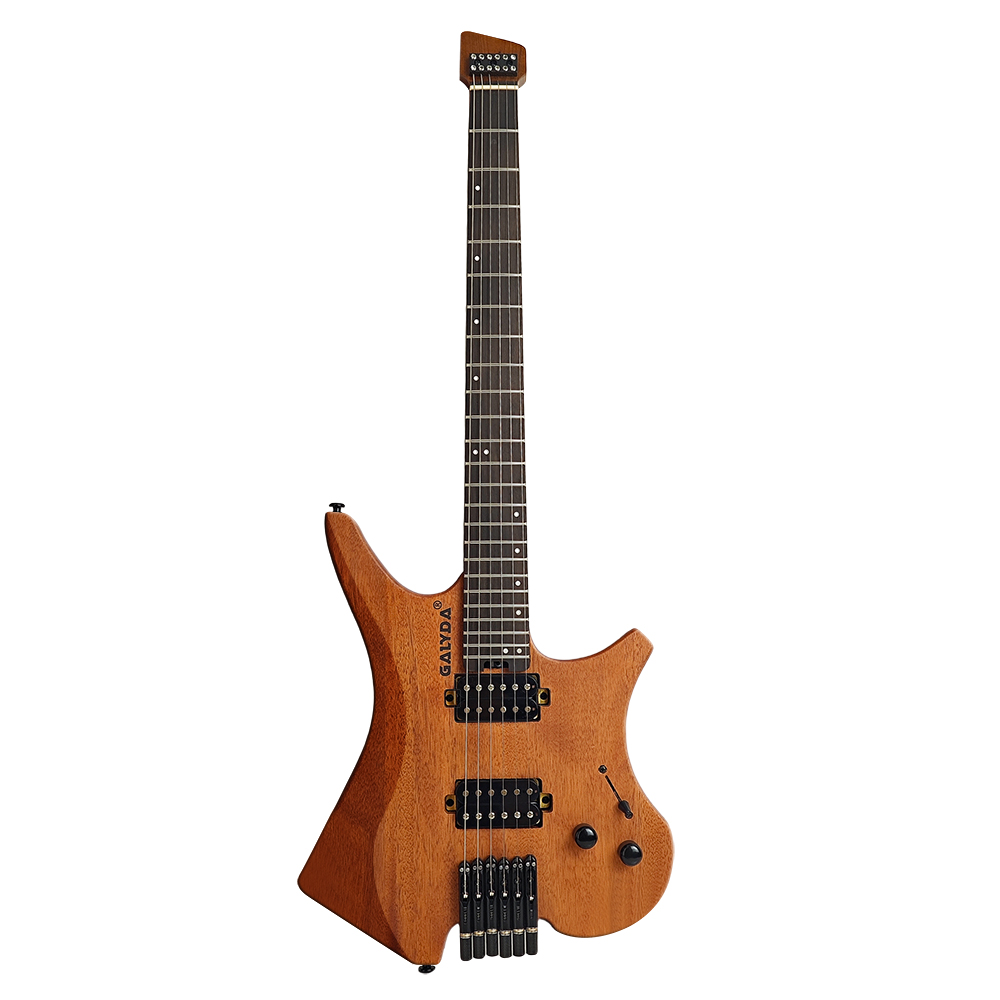
Historic European urban centers like Lisbon and Porto feature multi-story walk-up apartments, narrow tram systems, and compact metro networks. Musicians rely on public transit or compact hatchbacks to travel to gigs and rehearsals. Consequently, full-scale headless guitars (such as the G990 Headless Platform and Factory Custom Headless 6-String Burl models) have transitioned from niche boutique novelties to mainstream bestsellers. They deliver full 25.5” scale-length intonation and performance while measuring 25% shorter and 30% lighter than standard instruments.
C. Consolidation of Direct Factory-to-Retail Supply Chains
With macroeconomic pressures squeezing retail margins across Western Europe, Portuguese music merchants are bypassing traditional Pan-European multi-tiered distributor monopolies headquartered in Germany, the UK, or the Netherlands. By directly contracting verified Chinese OEM factories with flexible private labeling, Portuguese merchants capture an extra 28% to 42% in gross operating margin. This structural price advantage enables competitive shelf pricing against multinational big-box e-commerce competitors while preserving healthy retail profits.
4. Engineering & Tonewood Selection Matrix for European Procurement
Our production protocols are meticulously engineered to satisfy European Union import regulations while offering tonewood and component configurations engineered for professional durability:
| Component Group | Standard Specification | High-Tier OEM Option | Portuguese Climate / Market Advantage |
|---|---|---|---|
| Neck Construction | Hard Rock Canadian Maple (C-Profile) | 7-Piece Maple/Walnut or Carbonized Roasted Maple | Immune to extreme coastal humidity and fret-sprout during Iberian seasonal shifts. |
| Body Tonewood | Lightweight Solid Basswood / Alder | Select African Mahogany w/ Exotic Burl Veneer Top | Optimized resonance with balanced physical weight for extended performance comfort. |
| Fretwork & Board | 2.7mm Nickel-Silver Frets (0.02mm Tolerance) | Hemispherical Ball-End Stainless Steel Frets | Eliminates fret corrosion caused by ocean air; zero sharp fret ends after container ocean shipping. |
| Electronic Shielding | Standard High-Gain Wax-Potted Pickups | Alnico V Custom Voiced SSH/HSH with Copper Foil Cavity | Complete suppression of 50Hz AC mains interference in vintage European electrical grids. |
| Hardware & Tuning | Die-Cast 1:18 Ratio Sealed Machine Heads | Hardened Brass Roller Saddles / Monorail Headless Bridge | Sub-cent precision tuning retention during aggressive performance techniques. |
| Regulatory Standards | CE Compliant Active Wiring | RoHS Lead-Free Soldering & CITES-Exempt Tonewoods | Immediate zero-delay clearance through Portuguese customs authorities (Alfândega). |
5. Huizhou NFGF: Industrial Competence & Global OEM Authority
Headquartered in the internationally recognized instrument-making heartland of Qiuchang, Huiyang District, Huizhou, Huizhou NFGF Musical Instrument Co., Ltd. has established an authoritative footprint in string instrument engineering since our founding in 2014. We function not merely as an assembly shop, but as an advanced research, development, and industrial manufacturing hub dedicated to empowering global music brands.
SGS Verified Integrity
Our facility underwent exhaustive on-site audit verification by the SGS Group (latest certification: November 2025), independently vetting raw material timber vaults, production machinery, in-line process control, and fair labor practices.
Proprietary Intellectual Property
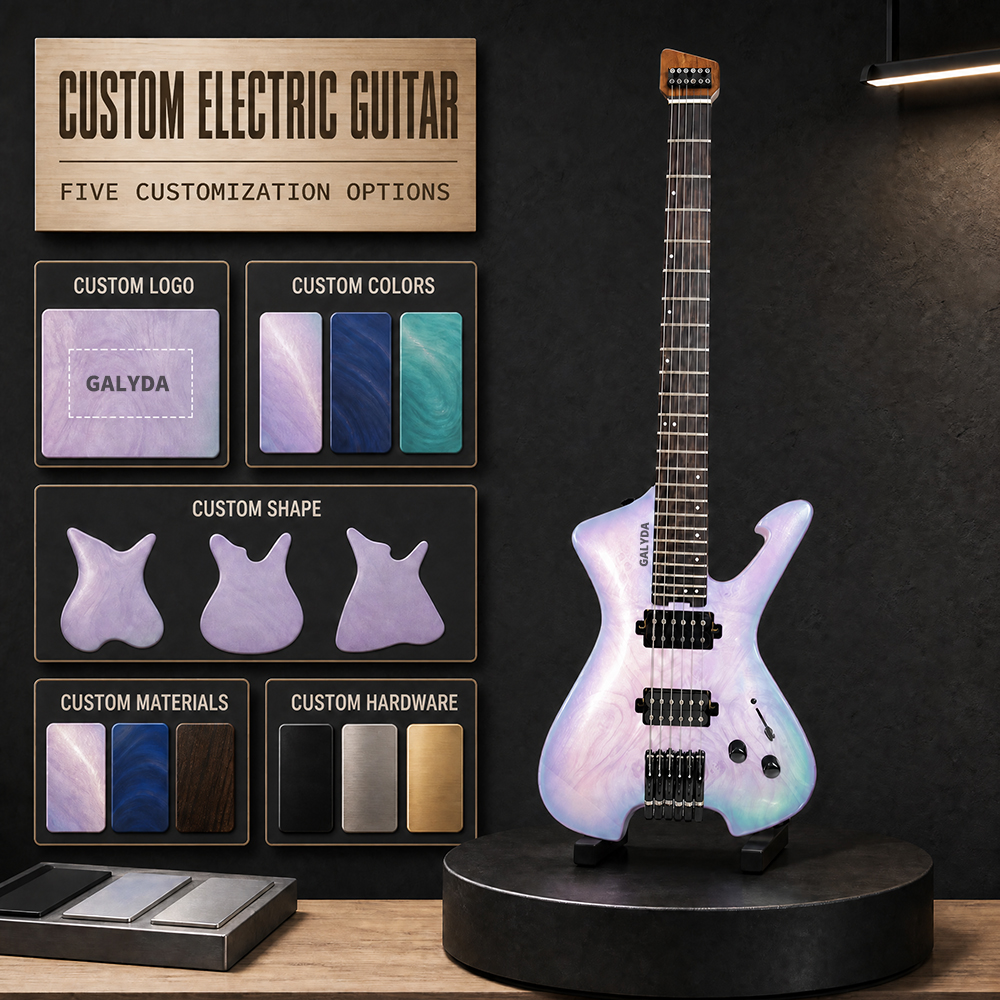
With over 100 registered design patents and artistic copyrights, our R&D department creates unique, ergonomic body profiles, headless tuning hardware, and advanced electronics, shielding brand owners from IP litigation.
True Low-MOQ Sampling
To reduce supply-chain friction for Portuguese startups, boutique brands, and local retail trials, we support minor customized branding runs starting from 1 piece on select electric guitar, bass, and acoustic models.
Full-Spectrum Co-Development
From CAD CNC body routing to precision neck-pocket tolerance fitting, electrostatic spray finishing, hand buffing, and multi-point action calibration, every instrument is crafted entirely in-house under our single roof.
Our comprehensive production infrastructure allows our OEM partners to bundle diverse musical product families within single shipping containers—consolidating custom electric guitars, solid-body basses, headless acoustics, portable rechargeable guitar amplifiers, distortion pedals, and accessories into unified consignments.
6. Portuguese Procurement FAQ: Essential Guidance for B2B Importers
Direct answers addressing the logistical, fiscal, regulatory, and technical considerations critical to purchasing instruments for delivery into Portugal: