Navigating the US Classical Guitar Import Landscape: The China Advantage
The North American classical guitar sector is undergoing a structural evolution. Driven by expanding music education programs, rising demand for acoustic studio instruments, and a surge in private-label e-commerce brands, US distributors and retailers require manufacturing partners capable of balancing acoustic performance with rigorous supply chain reliability. As the global epicenter of stringed instrument production, China’s Guangdong manufacturing cluster—specifically Huizhou—delivers unmatched structural stability, material sourcing, and price-to-performance ratios.
This comprehensive industry whitepaper bridges the technical and commercial gap for US buyers. From understanding humidity equilibrium (EMC) required for American climate zones to evaluating fan-bracing voicing and Lacey Act compliance, this guide provides actionable intelligence to de-risk your procurement strategy and maximize retail margins.
Featured Export Models & Hardware Solutions for US Buyers
Below are eight core export configurations engineered for high performance, custom branding, and seamless distribution across North American retail networks.

Factory Custom LP Style Electric Guitar Double Coil Pickups Gold Bridge Black White Gloss Finish OEM
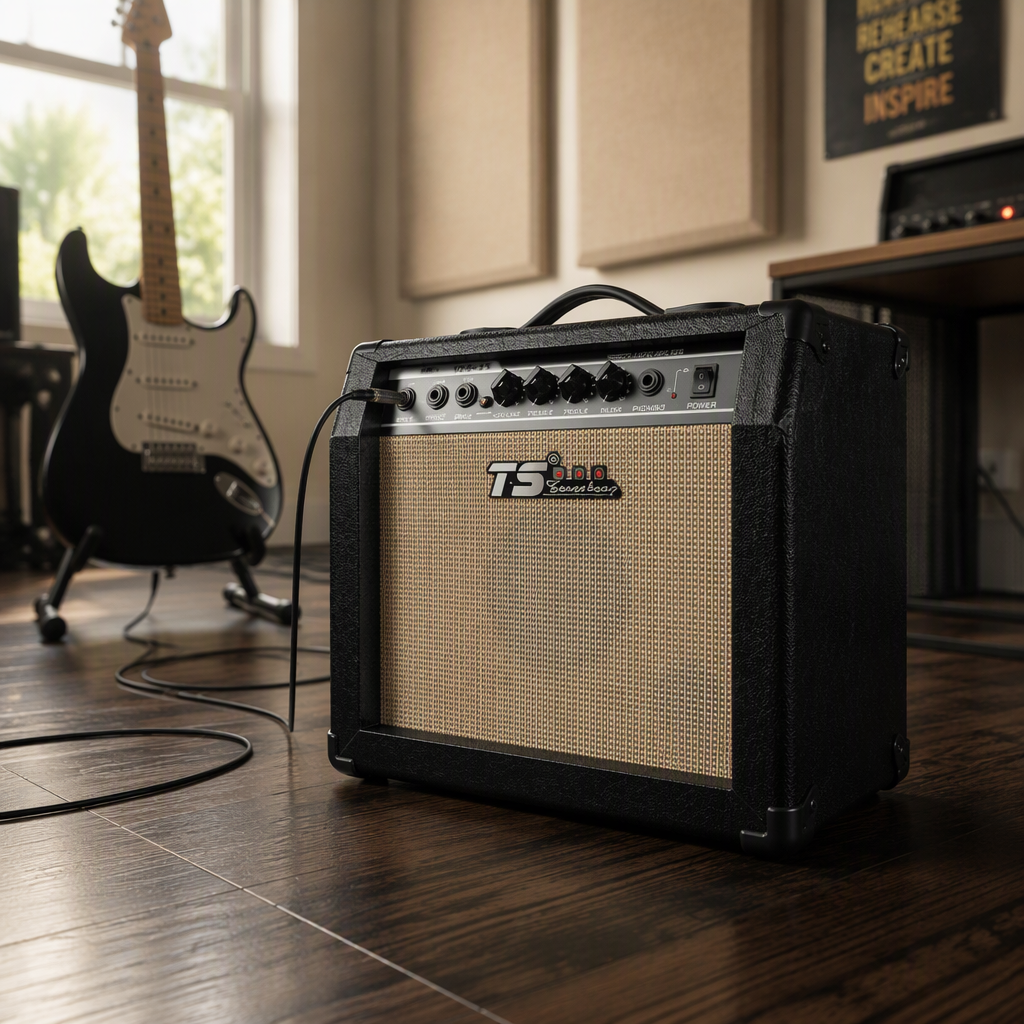
B-T Electric Guitar Amplifier Portable Rechargeable 15W 50W 100W for Music Performance
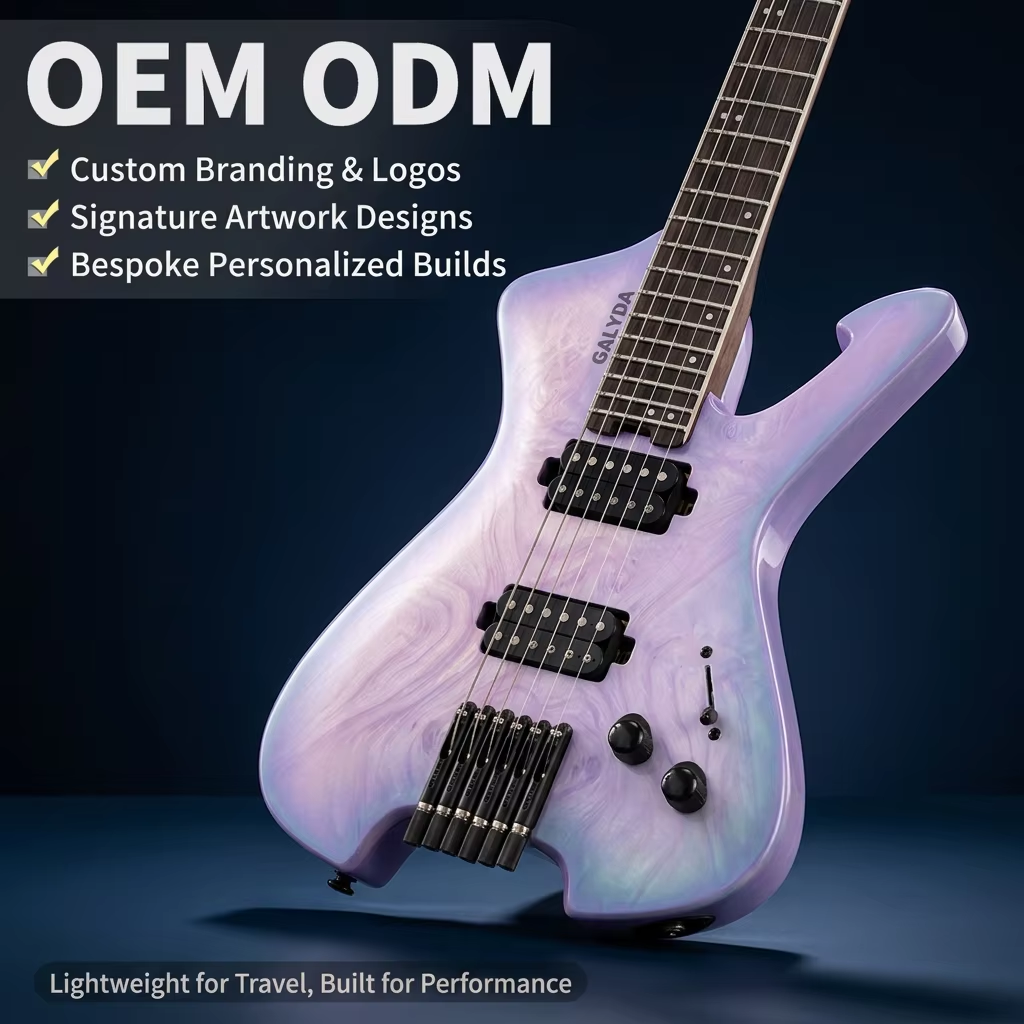
Factory Custom Headless Electric Guitar Custom Artwork Logo Humbucker Pickups Hardtail Tremolo Bridge
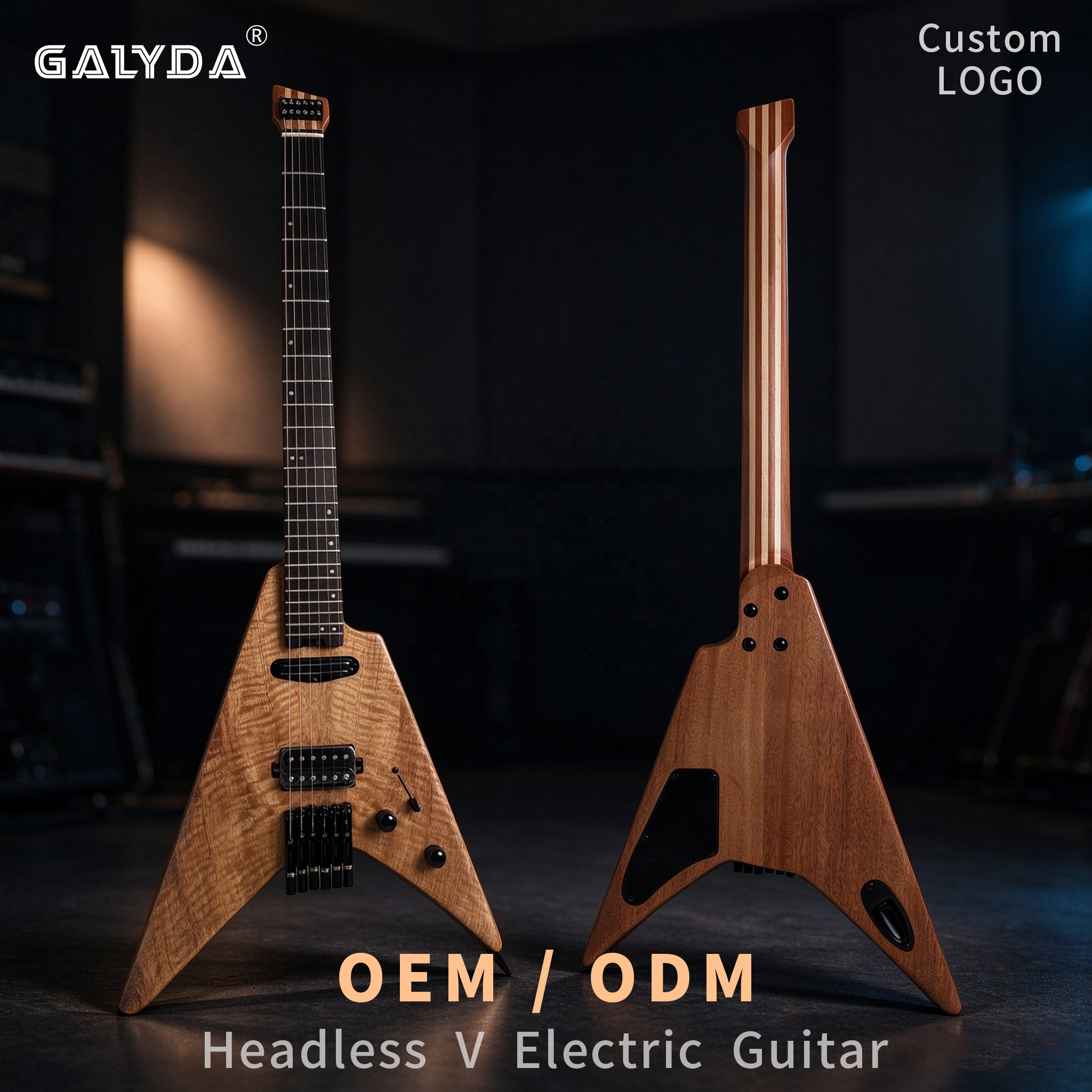
Headless V Shape Electric Guitar 6 Strings Mahogany Body 7 Piece Maple Neck Rosewood Fingerboard Guitar OEM

LP Style Electric Guitar High Gloss Cherry Sunburst Flame Maple Top Dual Humbucker Rosewood Fingerboard OEM ODM
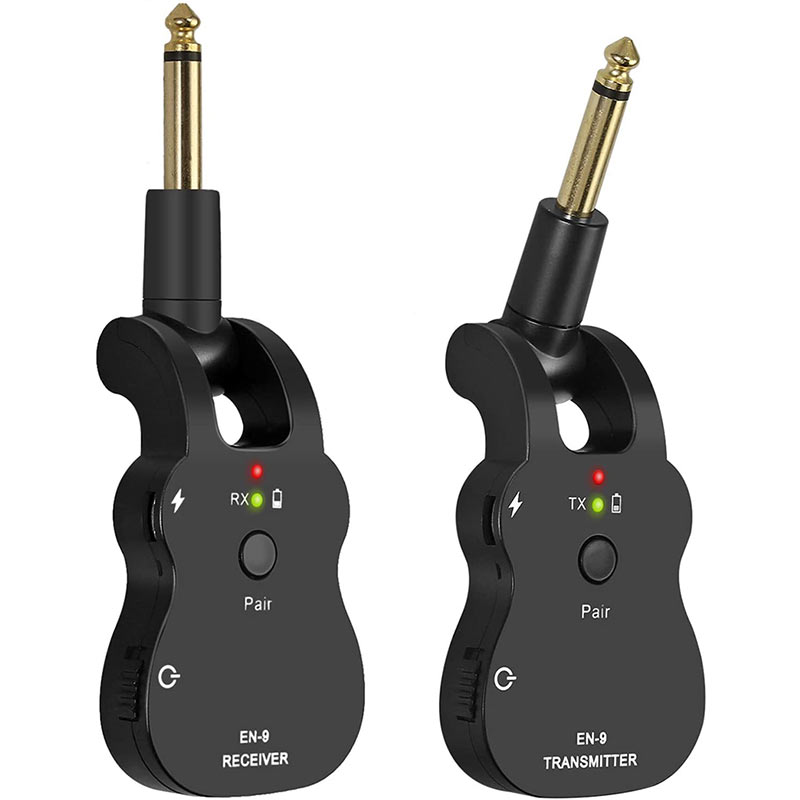
High Quality Wholesale Custom Cheap Digital Guitar Bass Audio Transmitter System
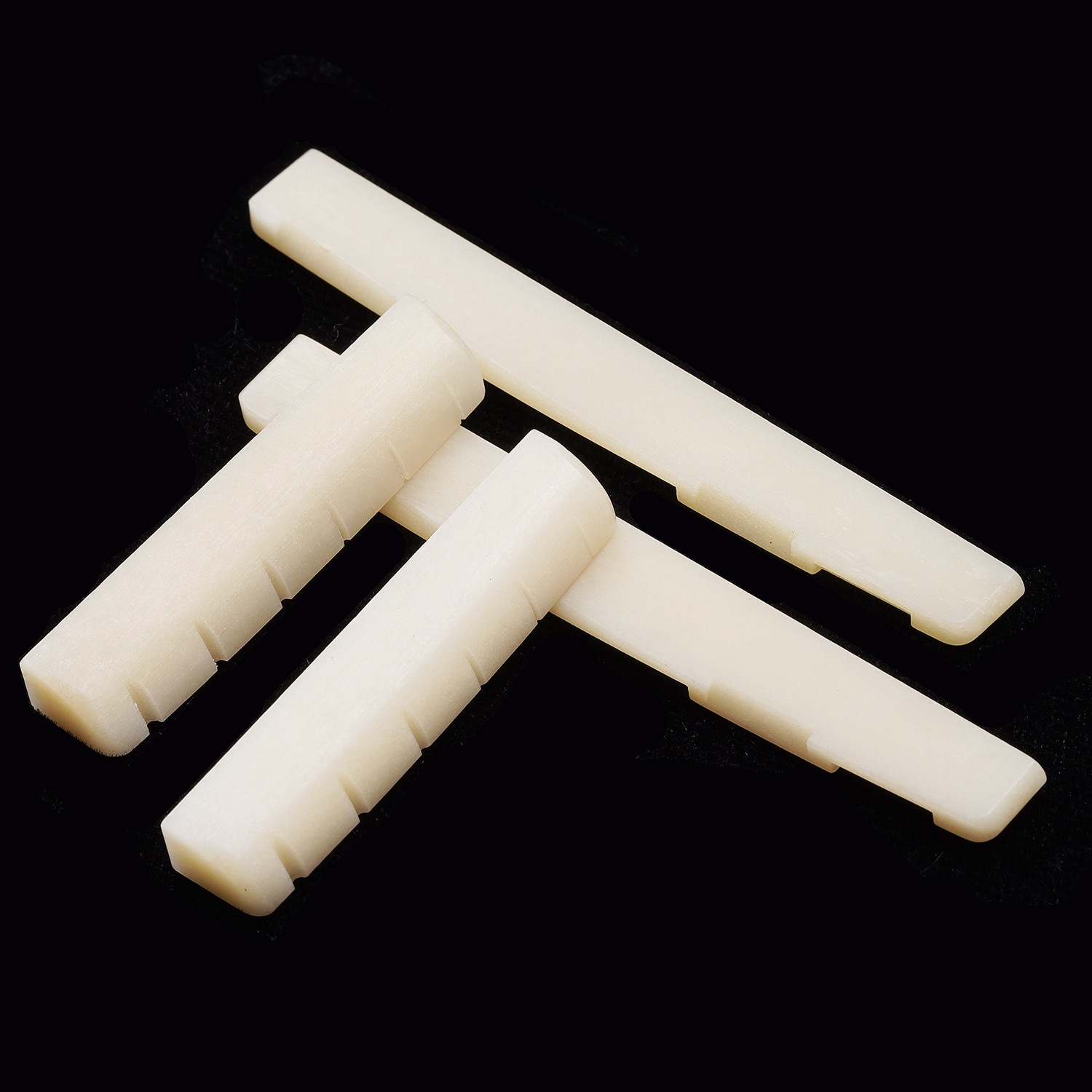
Acoustic Guitar Bone Nut Saddle Bridge Nut 43mm 74mm Natural Unbleached
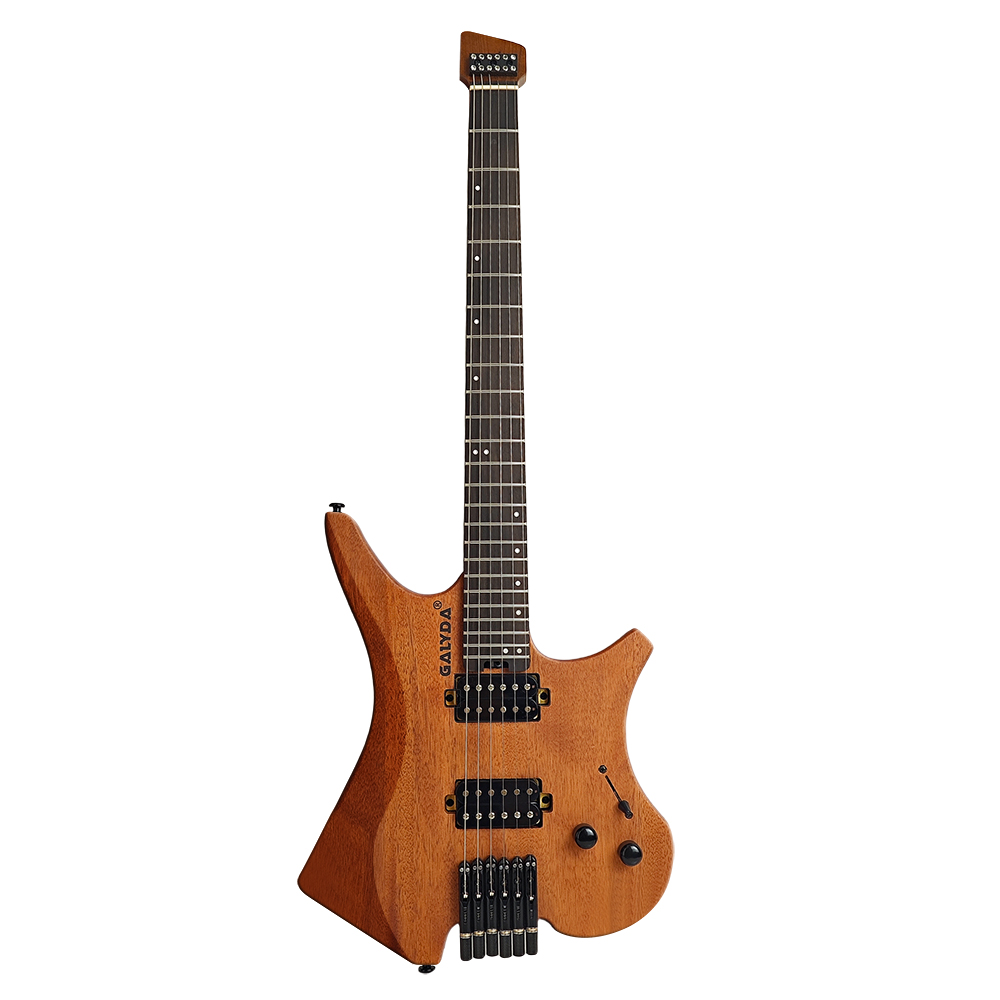
Wholesale G990 Headless Electric Guitar Kit Factory Customizable
Classical Guitar Architectural Standards: Structural Integrity for the US Climate
Unlike steel-string acoustic guitars that rely on heavy internal X-bracing and truss rod counter-tension, traditional classical guitars rely entirely on delicate acoustic balance. nylon strings exert approximately 75 to 90 pounds of total tension across the bridge. To optimize projection without structural distortion, Chinese lutherie factories supplying North America must master three critical engineering disciplines:
Spanish Heel vs. Dovetail
The authentic Spanish Heel (Integrado) joint extends the neck block directly into the guitar body, wrapping side ribs inside carved mortises. This monolithic construction eliminates energy transfer loss between neck and body, delivering the warm sustain demanded by US concert classical players.
Acoustic Fan Bracing
From classic 7-fan Torres and Ramirez structures to modern carbon-fiber reinforced lattice bracing, soundboards are thickness-tapered down to 2.2mm. This tuning allows maximum fundamental resonance while maintaining structural rigidity against top-belly distortion.
Precision Intonation
Using computer-controlled CNC slotting for fretboard scale lengths (650mm standard / 640mm parlor), combined with density-tested bone nuts and compensated bone saddles, our classical guitars maintain pitch precision across all 19 frets.
B2B Product Tiering: Matching Spec to Retail Price Point
To help purchasing managers configure OEM orders for target customer segments, the matrix below outlines optimal material combinations, internal bracing, and price positioning for the US market.
| Market Segment | Soundboard Wood | Back & Sides | Neck Joint Type | Bracing Architecture | Target US MSRP |
|---|---|---|---|---|---|
| Entry / School Contract | Laminated Spruce / Cedar | Laminated Sapele / Linden | Dovetail Joint | Traditional 5-Fan | $129 – $199 |
| Intermediate / Studio | Solid A+ Canadian Cedar | Mahogany / Walnut | Dovetail / Modified Heel | 7-Fan Ramirez Pattern | $249 – $449 |
| Advanced / Conservatory | Solid AAA Engelmann Spruce | Solid Rosewood / Ebony | Authentic Spanish Heel | Hauser / Lattice Hybrid | $499 – $899 |
| Master / Private Reserve | Master Grade Solid Cedar | Solid Cocobolo / Rosewood | Spanish Heel + Carbon Rods | Double-Top / Balsa Lattice | $999 – $1,800+ |
Navigating Compliance: CITES, Lacey Act, and US Customs Realities
The US Lacey Act Declaration
The United States Department of Agriculture (USDA) and APHIS strictly enforce the Lacey Act, requiring importers of record to declare the scientific botanical name (genus and species), country of harvest, and quantity of all wood components. Importing classical guitars with vague material descriptions can result in customs holds or severe fines.
Our export team provides complete chain-of-custody documentation for timber species including Picea abies (Spruce), Cedrela odorata (Cedar), and non-CITES rosewood substitutes such as Dalbergia latifolia (duly documented) or engineered rosewood alternatives.
CITES Certificate Verification
If your classic guitar specifications feature genuine Rosewood species (such as Dalbergia stevensonii or Dalbergia nigra), international trade requires strict CITES re-export permits.
To prevent port delays at US West Coast entry points (Los Angeles / Long Beach) or East Coast harbors (New York / NJ), our factory assists in providing verified CITES certificates, ensuring zero regulatory bottlenecks during customs clearance.
Industrial Scale Meets Artisan Precision
Operating from Huizhou, Guangdong, Huizhou NFGF Musical Instrument Co., Ltd. combines advanced industrial automation with skilled hand lutherie.
5,100 m² Facility
Houses dedicated wood seasoning chambers, multi-axis CNC routers, dust-free automated lacquer spray booths, and climate-controlled assembly halls.
SGS On-Site Audited
Fully verified on-site by SGS Group. Every stage—from raw lumber inspection to final action setup—adheres to strict ISO-aligned quality protocols.
Flexible MOQ & OEM
Support low MOQs for market testing and sample evaluation, scaling seamlessly up to full 40-foot container production runs for major retail chains.
Frequently Asked Questions for US Guitar Importers
Partner With China’s Premier Guitar Manufacturing Factory
Elevate your product catalog with high-precision engineering, certified tonewoods, and reliable factory-direct pricing. Contact our engineering team today to receive CAD specs, factory price lists, or request a sample.