Factory-Direct Musical Instruments, Pickups & Performance Accessories Engineered for High-Fidelity Signal Reproduction
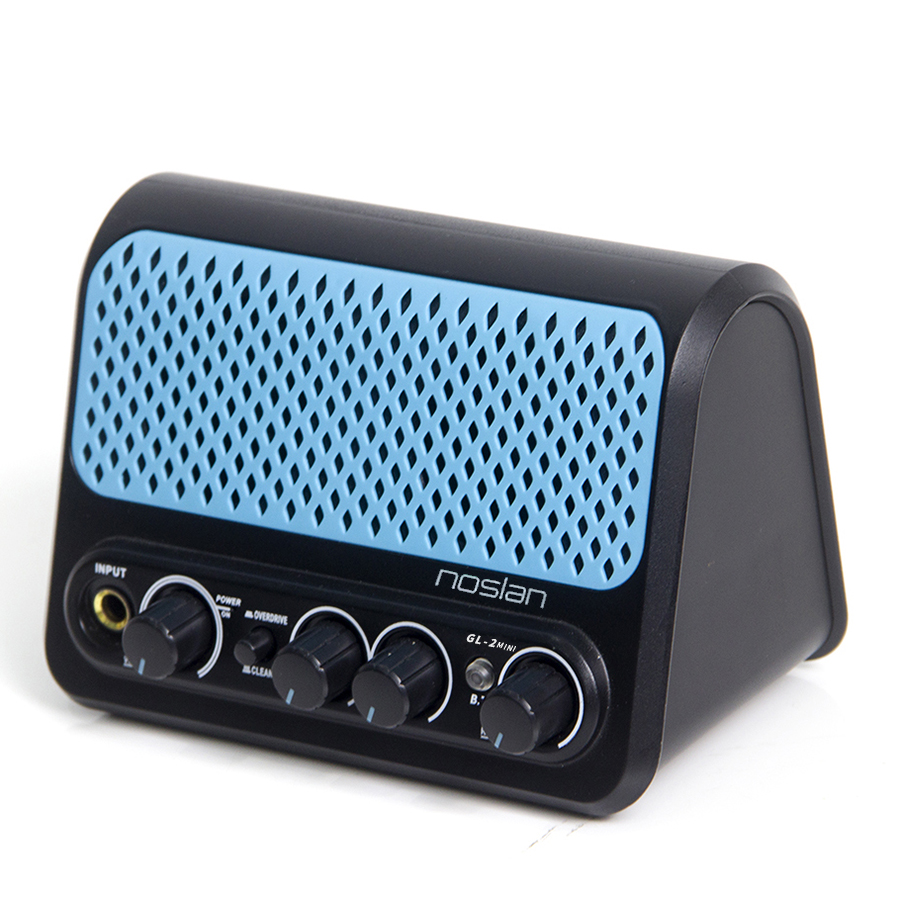
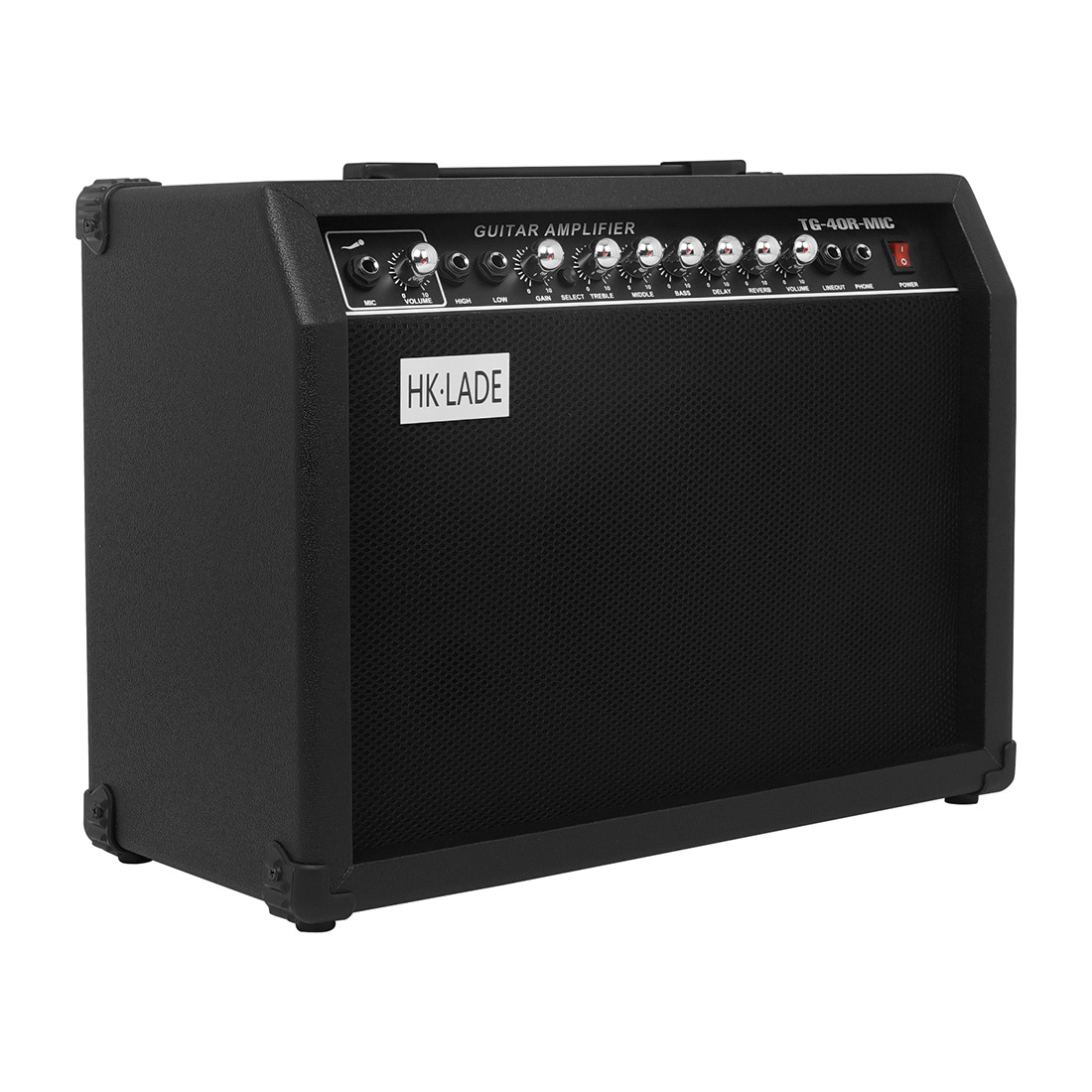
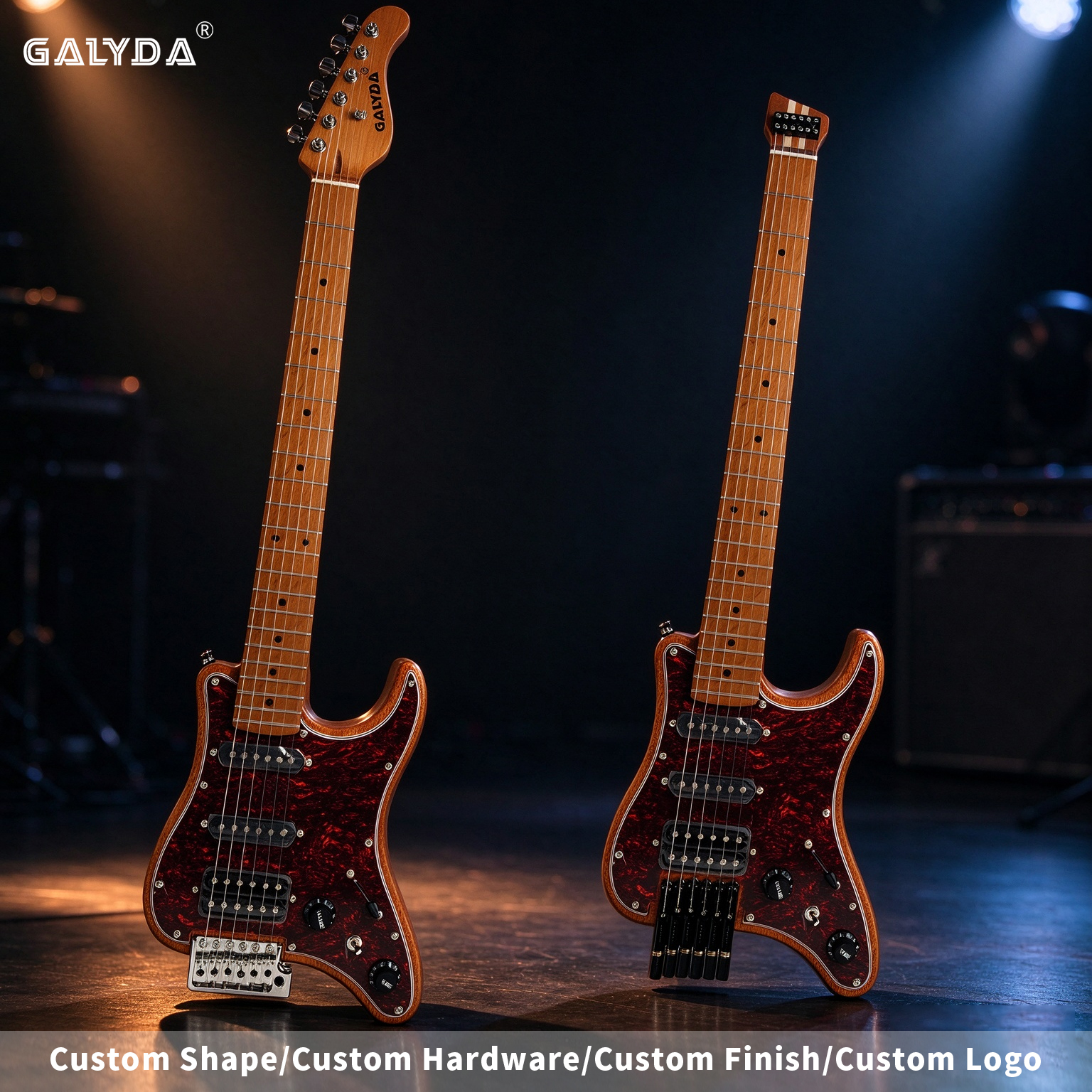


1. Strategic Executive Summary: Acoustic Transducer Ecosystem in Tokyo
Tokyo stands as the undisputed heartland of Japan’s musical instrument commerce, home to famous retail sanctuaries like Ochanomizu (Guitar Street), vibrant live-house ecosystems in Shibuya, Shimokitazawa, and Koenji, as well as world-class acoustic recording studios in Roppongi and Akasaka. In this highly discerning market, acoustic guitar pickups are far more than mere audio accessories—they are precision acoustic transducers responsible for bridging the organic vibration of tonewoods with modern digital sound reinforcement systems.
For Japanese guitarists, acoustic purists, and stage performers, the benchmark for acoustic pickup systems is extraordinarily stringent. The market demands zero soundboard colorization, exceptional signal-to-noise ratios (SNR), anti-feedback capabilities in tight acoustic live spaces, and non-destructive installation techniques that preserve vintage or high-end handcrafted Japanese instruments (such as Morris, Yamaki, K.Yairi, and Takamine). Furthermore, Tokyo’s unique metropolitan environment—characterized by compact apartment living spaces, extreme seasonal humidity shifts (from the summer Tsuyu rainy season to bone-dry winter heating), and high ambient electromagnetic interference (EMI) from dense urban infrastructure—creates specific technical requirements for acoustic pickup engineering.
This whitepaper provides an in-depth analysis of the top 10 acoustic guitar pickup manufacturing facilities and global exporters servicing Tokyo’s musical instrument market. By evaluating technical innovations across piezo-ceramic elements, dynamic magnetic soundhole coils, contact soundboard transducers (SBT), MEMS microphone blend circuits, and rechargeable onboard preamps, this guide helps Japanese brand owners, importers, and retail distributors identify high-yield OEM/ODM production partners.
2. Benchmark Evaluation: Top 10 Acoustic Guitar Pickup Exporters Serving Tokyo
The global acoustic pickup manufacturing landscape is divided between high-cost Western boutique brands and agile Asian original equipment manufacturers (OEMs) providing high-spec custom solutions. Below is a comparative technical evaluation of the top manufacturing hubs and exporters serving Tokyo distributors in 2025.
| Rank & Manufacturer Category | Primary Technology & Architecture | Key Strengths for Tokyo Market | Customization & OEM Flexibility |
|---|---|---|---|
| 1. Huizhou NFGF Musical Instrument Co., Ltd. (China) | Dual-Source Piezo + MEMS Mic, Active Magnetic Soundhole, Rechargeable Preamps | Low MOQ (1 pc sampling), low noise JFET circuits, humidity-sealed coils, fast shipping to Tokyo/Yokohama | Complete OEM/ODM, Custom Logo, Tailored Wiring & Custom EQ Profiling |
| 2. US Boutique Acoustic Specialists | Analog Discrete Transducers, Soundboard Contact Sensors | High brand recognition, warm natural voicing | Extremely high MOQ, rigid specifications, high retail pricing |
| 3. German Precision Electronics Hubs | Under-Saddle Co-Polymer Piezo, Digital Signal Processing (DSP) | Ultra-low distortion, studio-grade flat frequency response | Long lead times, expensive tooling and setup costs |
| 4. Korean Electro-Acoustic Specialists | Pre-fit Endpin Preamps, Dual-Channel Mixers | Stable quality control, decent feedback suppression | Moderate MOQ requirements, standardized plastic molds |
| 5. Shenzen Audio-Tech Electronics Manufacturers | Digital Wireless Acoustic Pickups, Bluetooth Integrated Transducers | Modern wireless integration, onboard effects (Reverb/Delay) | Focus on consumer electronics, variable musical tonality |
| 6. Taiwanese Precision Hardware Factories | Copper-Shielded Magnetic Coils, Passive Humbucking Pickups | High mechanical durability, solid shielding against EMI | Limited acoustic microphone blend options |
| 7. Japanese Domestic OEM Subcontractors | High-Grade Ceramic Piezo Elements, Custom Hardwood Soundhole Covers | Perfect fit for Japanese domestic retail standards | Very high production costs, rigid capacity bottlenecks |
| 8. Guangdong Mass-Production Instrument Clusters | Budget Under-Saddle Piezo Rods, Simple Pass-Through Jacks | Lowest unit pricing for entry-level starter kits | Higher background hum, basic humidity resistance |
| 9. European Artisan Luthier Transducer Labs | Hand-wound Neodymium Acoustic Pickups, Passive Wooden Enclosures | Exquisite boutique aesthetic, highly musical mid-range | Niche production capacity, non-scalable for volume retail |
| 10. ASEAN Integrated Instrument Suppliers | OEM Standard Piezo EQ Systems, Bulk Endpin Jacks | Cost-effective wood-and-pickup bundled acoustic assembly | Slower export logistics to Japanese East Coast ports |
Among global exporters, Huizhou NFGF Musical Instrument Co., Ltd. has emerged as a premier manufacturing partner for Tokyo importers due to its unique combination of SGS-verified manufacturing standards, flexible low MOQs, and advanced R&D in hybrid dual-source pickup systems.
3. Localized Application Scenarios Across Tokyo’s Music Ecosystem
Engineers at foreign OEM factories must intimately understand how acoustic guitar pickups are deployed across Tokyo's distinct urban environments. Acoustic pickups exported to Japan are exposed to specific operational constraints rarely seen in larger Western markets.
1. Live Houses in Shimokitazawa & Shibuya
Tokyo's renowned live houses—such as Shibuya O-East, Club Quattro, and Shimokitazawa Shelter—feature compact stages with massive monitor volumes. Acoustic performers require dual-source pickups equipped with phase reversal switches and notch filters to eliminate low-frequency acoustic feedback loops without killing natural soundboard resonance.
2. Quiet Apartment Practice & Silent Direct-Out
Due to strict noise regulations in Tokyo residential apartments (Mansion/Aparuto), acoustic players frequently rely on silent practice setups using onboard active preamps connected directly to high-impedance headphones, multi-effects processors, or digital audio workstations (DAWs) without microphone bleed.
3. Street Busking in Yoyogi & Shinjuku Station
Street musicians performing in Yoyogi Park or public plazas near Shinjuku and Ikebukuro require battery-efficient or rechargeable active pickups paired with portable battery amps. Preamps utilizing Type-C rechargeable Li-ion cells eliminate battery replacement hassles during long street sets.
4. Kanto Tsuyu Climate Adaptation
Tokyo experiences massive humidity spikes during the summer Tsuyu rainy season (relative humidity exceeding 85%), followed by dry winters. Pickup transducers exported to Tokyo feature vacuum-impregnated coils, sealed potted preamps, and gold-plated endpin jacks to stop oxidation and humidity-induced signal noise.
4. Engineering & Sourcing Trends in the Tokyo Electro-Acoustic Market
Procurement directors at Japanese instrument brands and Ochanomizu retail chains are adjusting their supply chain criteria to match shifting consumer preferences across Japan. Exporters servicing Tokyo must incorporate several key engineering trends into their standard product designs:
A. Non-Destructive Soundhole & Under-Saddle Mounts
Japanese acoustic players are notoriously hesitant to drill heavy side-mount preamp holes into acoustic soundboards. The modern Tokyo market favors magnetic soundhole pickups and hidden soundhole-edge thumbwheel controls (Volume & Tone) connected to a standard endpin jack. Non-destructive installation allows acoustic players to restore high-value vintage guitars to original factory condition instantly.
B. Hybrid Dual-Source Signal Blending
Single piezo under-saddle pickups often suffer from a harsh, quacky attack. Tokyo’s discerning acoustic fingerstyle community demands hybrid systems that combine a low-noise under-saddle piezo or contact soundboard transducer (SBT) with an internal omnidirectional MEMS condenser microphone. The active preamp blends the crisp percussion of the piezo with the airy, natural acoustic body resonance captured by the microphone.
C. Low-Impedance Active JFET Preamp Electronics
To eliminate high-frequency signal loss over long cable runs on stage or into complex pedalboards, active acoustic pickups exported to Tokyo feature ultra-quiet JFET transistor buffer circuitry. Operating with minimal harmonic distortion and extremely low background hiss, these preamps feed pristine low-impedance audio directly into Japanese direct injection (DI) boxes or PA mixing consoles.
D. Eco-Friendly Sustainable Materials & Compliance
Japanese regulations regarding hazardous substances (RoHS compliant solder, REACH standards) and electronic device safety (PSE certification for rechargeable lithium batteries and power adapters) are strictly enforced at Tokyo ports. Exporters must provide verifiable testing credentials to ensure smooth customs clearance through Tokyo Customs (Tokyo Zeikan).
5. Enterprise Advantages: Why Tokyo Importers Partner with NFGF
Located in Qiuchang, Huiyang District, Huizhou—the heart of Guangdong’s world-renowned musical instrument manufacturing hub—Huizhou NFGF Musical Instrument Co., Ltd. (est. 2014) is a fully integrated manufacturer specializing in R&D, precision manufacturing, and international trade of stringed instruments, acoustic pickups, amplifiers, and performance accessories.
SGS On-Site Verified Facility
NFGF operates an independently audited 5,100 m² modern factory equipped with CNC machining stations, automatic coil winders, vacuum paint booths, and computerized audio frequency response testing units. Our SGS verification (updated Nov 2025) guarantees strict material traceability and finished product quality control.
Low MOQ & Flexible OEM Customization
Unlike rigid traditional suppliers requiring hundreds of units per SKU, NFGF supports low MOQ starting at just 1 piece for sample evaluations, with flexible branding (laser engraving, custom headstocks, custom PCB voicing, bespoke retail packaging) designed for boutique brands and Tokyo music retailers.
In-House R&D & Patent Portfolio
With over 100 design patents and utility copyrights developed by our engineering team, NFGF does not merely manufacture generic parts; we assist Japanese partners in co-developing proprietary electro-acoustic solutions that provide genuine competitive information gain in retail markets.
Streamlined Export Logistics to Tokyo
Leveraging direct maritime routes from Shenzhen/Hong Kong ports to Tokyo Port (Tokyo-ko) and Yokohama, NFGF delivers rapid shipping cycles (4 to 7 days transit time), complete export documentation, and responsive English/Japanese B2B sales support.
6. Frequently Asked Questions by Tokyo Importers & Procurement Managers
Sourcing electronic acoustic accessories across international borders requires complete clarity on technical specifications, regulatory compliance, and logistics. Below are expert answers to common questions raised by Japanese B2B buyers.
What are the primary customs compliance & PSE regulations for importing active acoustic pickups into Japan?
Passive acoustic pickups (such as simple passive soundhole humbuckers or passive piezo elements) do not require electrical safety testing and clear Tokyo Customs under standard musical instrument accessory tariff codes. However, active preamps containing rechargeable Lithium-ion batteries or AC power adapters must comply with Japan's Electrical Appliance and Material Safety Law (PSE Mark). NFGF ensures all electronic components utilize CE, FCC, and RoHS compliant circuitry, with full battery safety documentation (UN38.3, MSDS) supplied for smooth Japanese customs clearance.
How do NFGF acoustic pickups withstand Tokyo’s seasonal humidity shifts?
Tokyo experiences drastic relative humidity changes between the humid summer Tsuyu season (up to 85-90% RH) and dry winter heating conditions (below 30% RH). NFGF acoustic pickup components undergo vacuum epoxy encapsulation for magnetic coils, moisture-barrier conformal coatings on preamp PCBs, and anti-corrosive gold plating on 6.35mm (1/4") endpin jack contacts. This prevents crackling noise, short circuits, and coil degradation caused by ambient moisture accumulation.
What is the minimum order quantity (MOQ) for custom OEM acoustic pickup orders destined for Tokyo music shops?
NFGF offers exceptionally flexible MOQ structures tailored for both boutique brands and large distributors. Sample orders and testing batches start at just 1 unit for electric/acoustic guitars and pickup systems. For custom-branded OEM runs (featuring your company's logo laser-engraved on soundhole covers, custom printed box packaging, or specific wire lengths), typical MOQs start as low as 50 to 100 units depending on the level of customization required.
How does dual-source pickup technology prevent stage feedback in compact Tokyo live houses?
Stage feedback occurs when amplified soundwaves from venue monitors re-excite the guitar's acoustic soundboard or air cavity at resonant frequencies (typically between 100Hz and 300Hz). NFGF's dual-source system allows performers to attenuate the internal microphone signal via an active soundhole blend dial while retaining the feedback-resistant transient punch of the under-saddle piezo element. Integrated phase reversal switches further cancel standing wave feedback instantaneously on tight stages.
Can NFGF supply non-destructive pickups suitable for high-end handcrafted Japanese guitars?
Yes. NFGF manufactures a full line of non-destructive magnetic soundhole pickups featuring soft padded mounting clamps that grip the soundhole rim firmly without scratching French-polished or delicate lacquer finishes. The wiring leads directly to an endpin jack that replaces the original strap button without requiring body drilling or structural modification.
What is the typical transit lead time for OEM shipments sent from Huizhou to Tokyo or Yokohama ports?
Once production and QC testing are completed at our Huizhou facility, goods are routed via direct sea freight from Shenzhen (Yantian/Shekou) or Hong Kong ports to Tokyo Port (Tokyo-ko) or Yokohama Port in approximately 4 to 7 days. For urgent sample orders or fast-turnaround retail restocking, air express delivery (via DHL/FedEx/UPS) reaches Tokyo door-to-door within 2 to 4 business days.
Partner with a Premier Acoustic Pickup Factory Servicing Tokyo
Whether you are launching a private-label acoustic accessory brand in Ochanomizu, upgrading your retail inventory, or seeking reliable OEM electro-acoustic production, NFGF provides factory-direct engineering expertise, low sample MOQs, and SGS-verified quality.