Featured Acoustic & Electric Instruments for Global Wholesalers
Direct factory production from our SGS-audited facility. Explore our top OEM/ODM models engineered for premium performance, structural durability, and immediate international export.
AG Headless Electric Guitar With Maple Neck Acrylic Body and Small Double-wire Tremolo Bridge
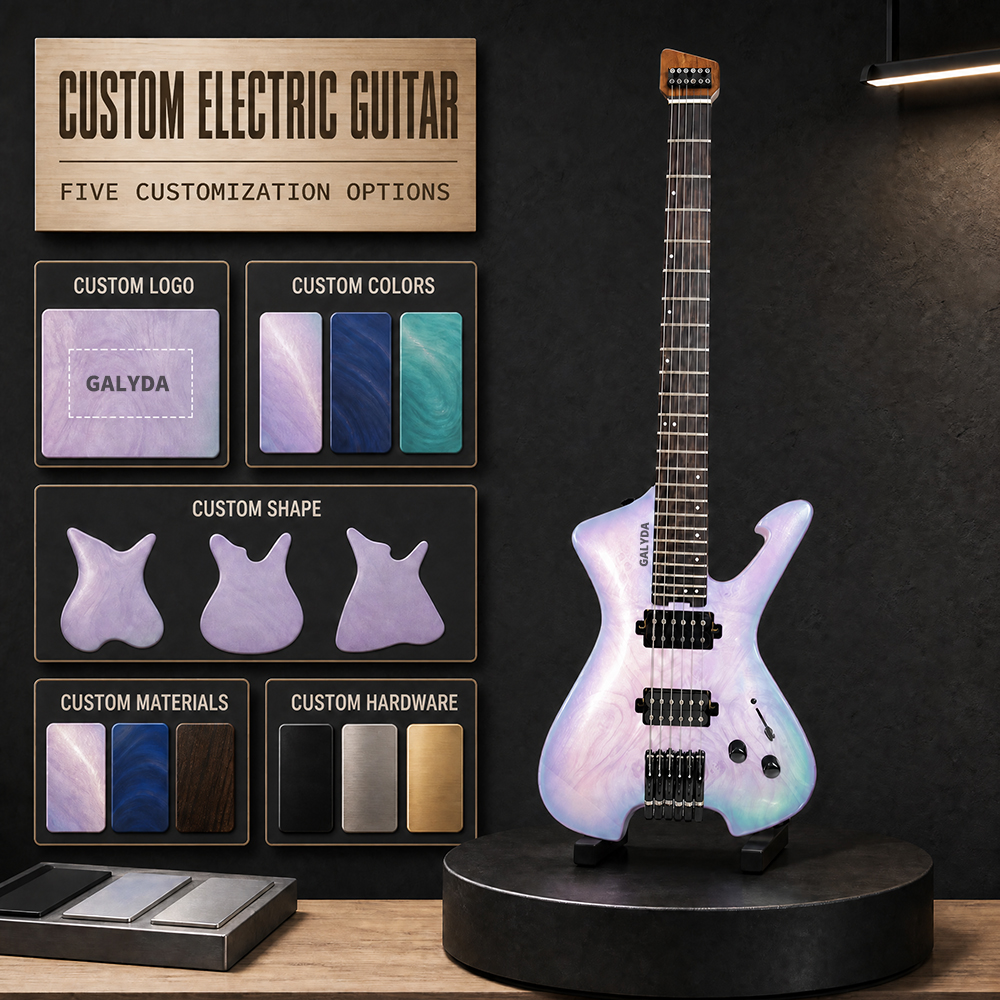
Factory Custom Headless 6 String Electric Guitar Carbonized Maple Neck Burl Veneer Top Mahogany Body

GALYDA Electric Guitar with Wood Texture Finish HSH Pickup Single-Action Tremolo Bridge ST Electric Guitar
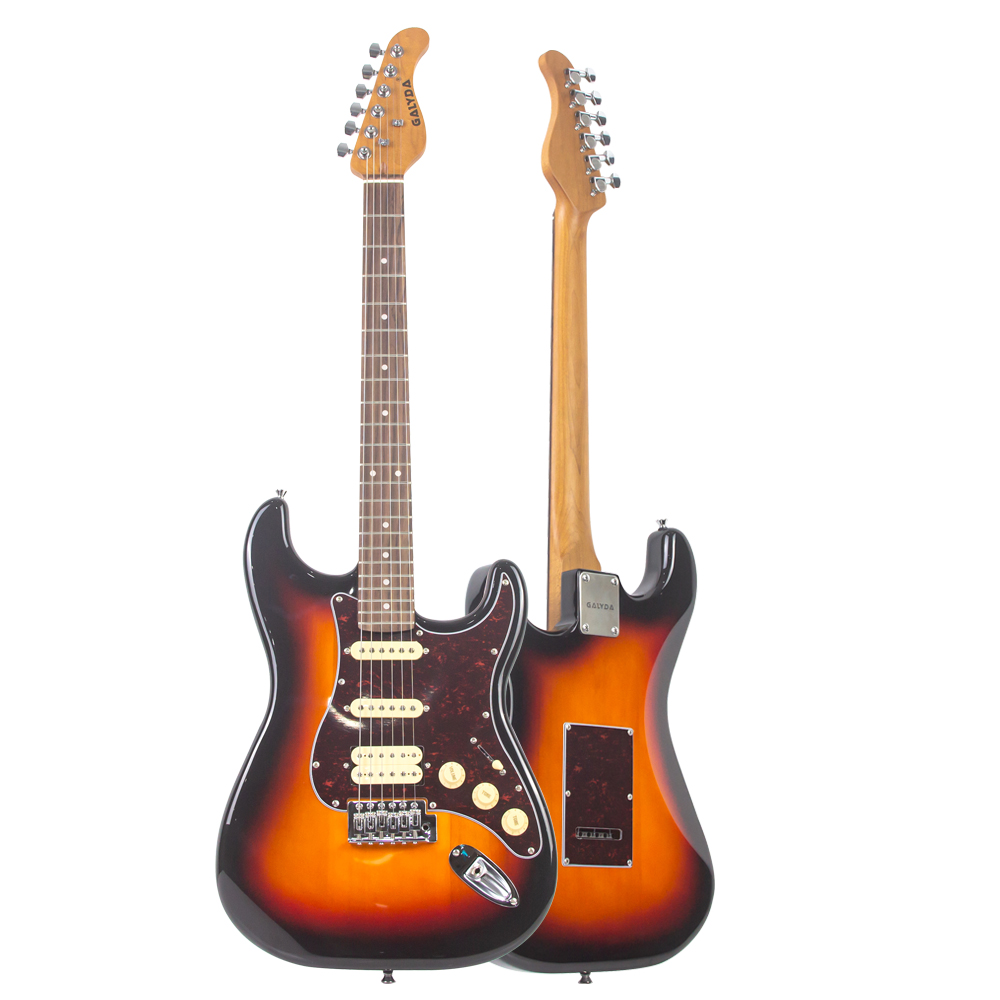
GALYDA 39-Inch Beginner Electric Guitar Set ST Series Poplar Body Carbonized Maple Neck Rosewood Fretboard S-S-H Pickups Glossy

LP Style Electric Guitar High Gloss Cherry Sunburst Flame Maple Top Dual Humbucker Rosewood Fingerboard OEM ODM
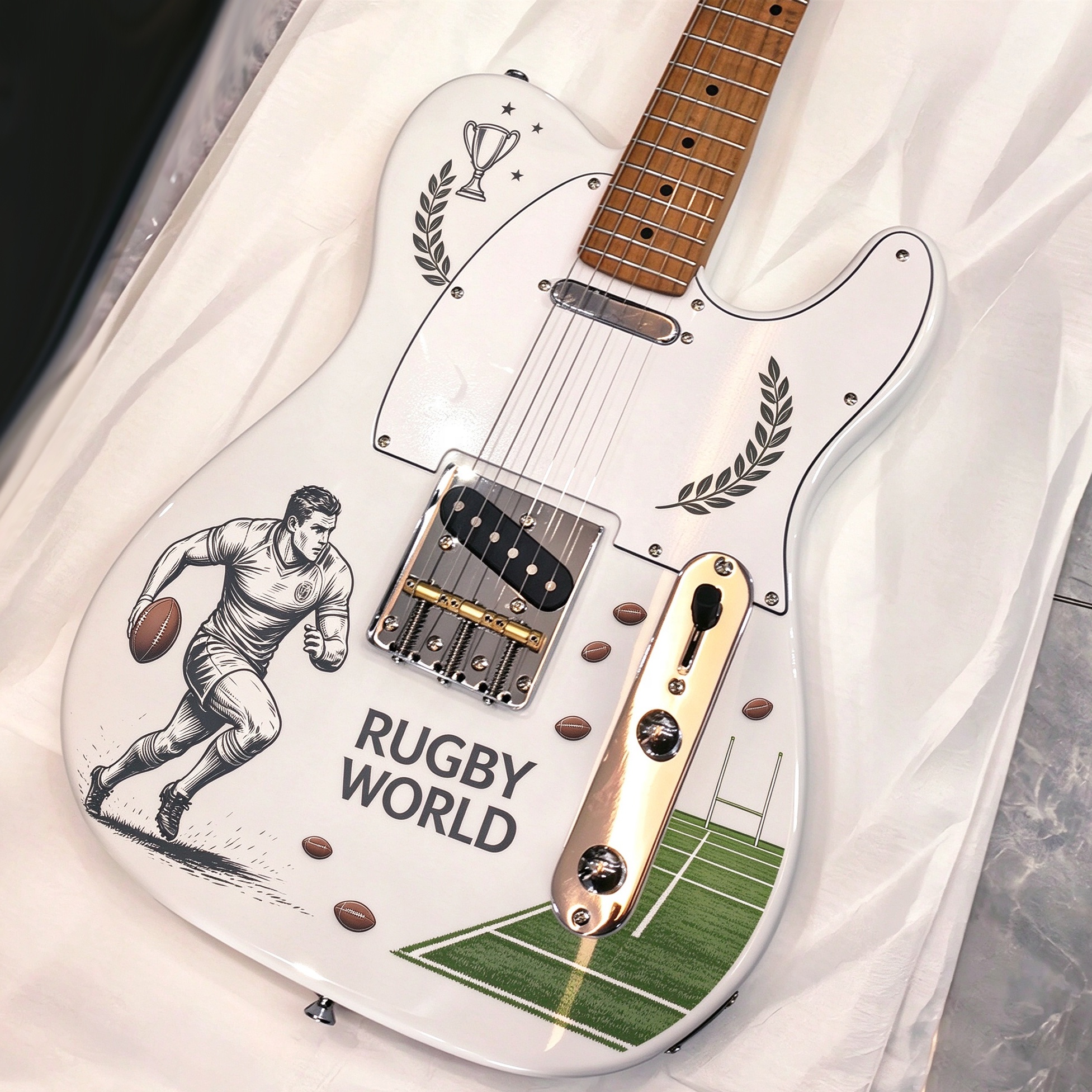
Custom TL Electric Guitar Sky Blue White Stripes Roasted Maple Neck Single Coil Pickup OEM Factory Direct
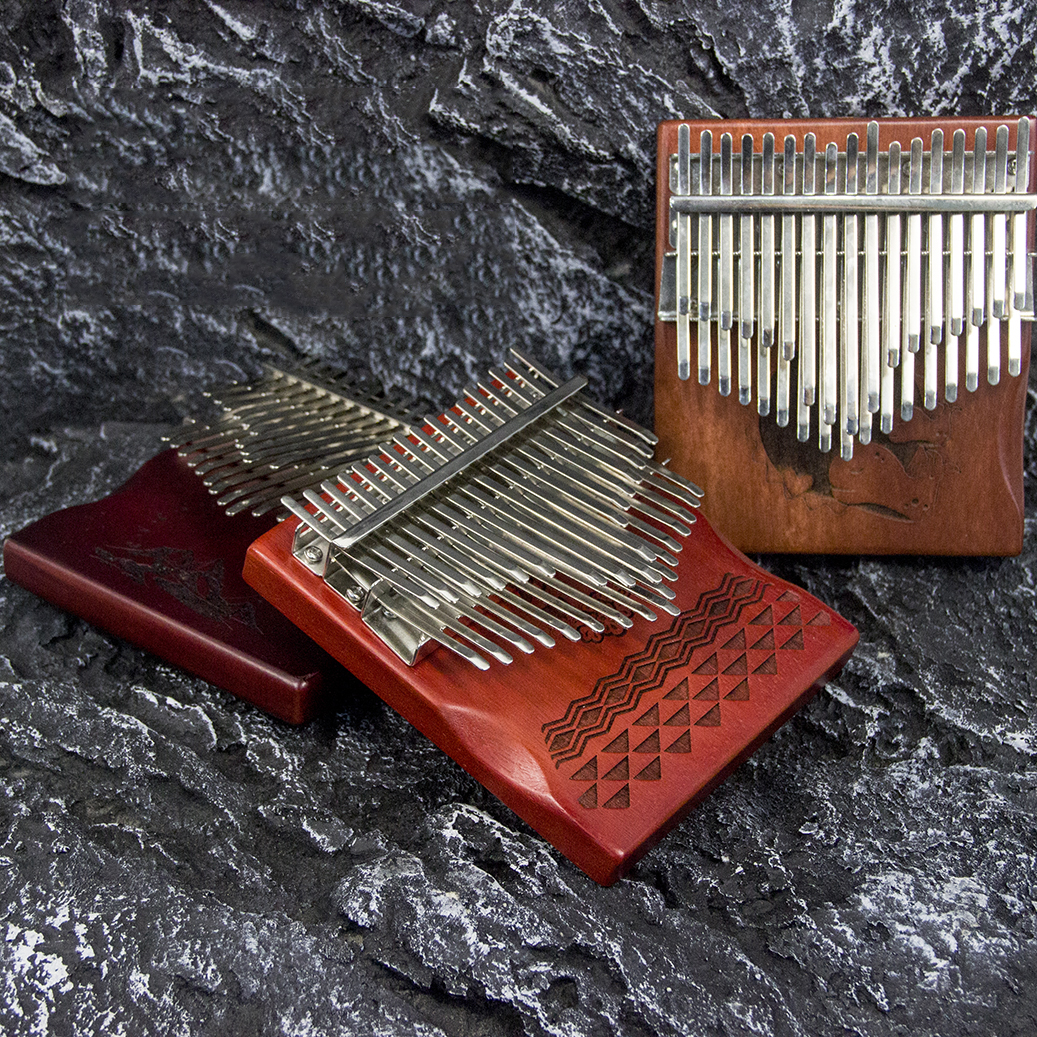
34-tone Kalimba Mahogany Solid Wood Thumb Piano with Two Layers of 34 Keys - Plucked Instrument
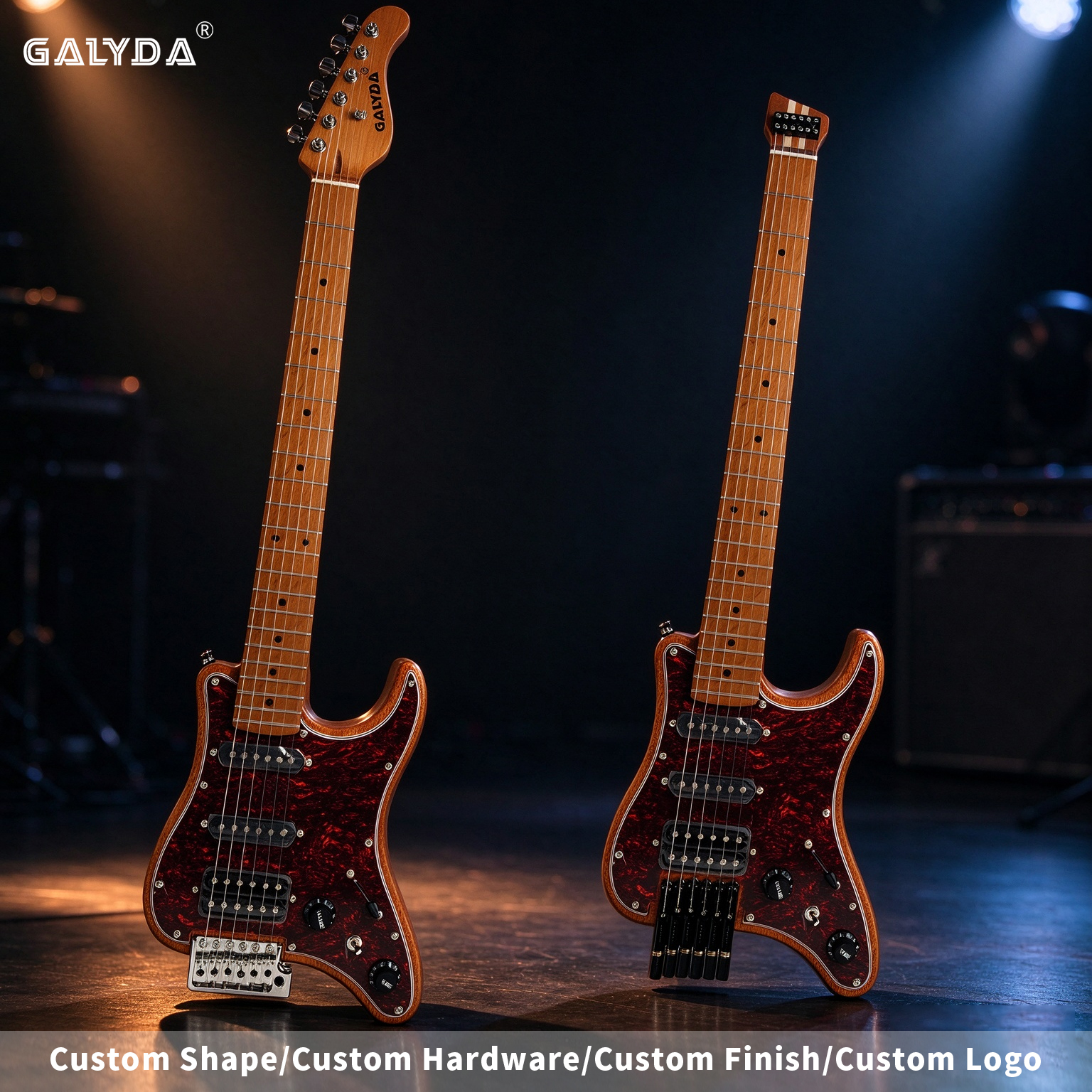
OEM ODM Electric Guitar SSH Pickups Unique Shape Custom Finish Custom Hardware Factory Custom
The Strategic Demand for Tenor Ukuleles in Sapporo & Hokkaido
Unpacking the structural shift toward larger scale string instruments among Japanese retailers, music academies, and musical tourism hubs across Northern Japan.
The music retail landscape in Sapporo, the cultural and commercial capital of Hokkaido Prefecture, is experiencing a remarkable evolution in string instrument consumption. Historically dominated by classical guitars and standard soprano ukuleles, the local market has shifted aggressively toward the 26-inch Tenor Ukulele. This shift is driven by a unique confluence of demographic maturity, shifting musical genres, and the regional preference for richer, resonant acoustic voices capable of projecting in both intimate jazz clubs and large acoustic ensembles.
For B2B importers, musical instrument store chains (such as those centered around Chuo-ku, Susukino, and Tanukikoji Shopping Street), and regional brand owners, sourcing high-grade tenor ukuleles requires a nuanced understanding of local buyer intent. Unlike casual entry-level instruments, tenor ukuleles in Sapporo are largely purchased by experienced adult players, solo performers, and semi-professional acoustic musicians who demand expanded fretboard access (typically 18 to 20 frets), precise intonation across a 17-inch scale length, and superior tonal projection.
Information Gain Insight: Tenor ukuleles represent over 42% of premium stringed instrument B2B inquiries across Northern Japan's music retail networks. Their extended physical scale accommodating larger hand sizes and their ability to hold low-G tuning make them the instrument of choice for Hawaiian jazz, Japanese folk-fusion, and classical arrangements in Hokkaido.
However, exporting acoustic stringed instruments to Sapporo introduces severe environmental and logistical challenges. Hokkaido’s extreme climate—characterized by sub-zero winter temperatures dipping below -10°C, heavy outdoor snowfall, and intensely heated, low-humidity indoor environments—creates extreme microclimate shocks. Unprepared wooden instruments imported from tropical or humid zones frequently suffer from top-cracking, fret sprout, neck warping, and glue-line delamination within weeks of arrival. Consequently, local Sapporo importers prioritize B2B manufacturing partners capable of advanced tonewood thermal stabilization, precise climate-controlled kiln drying, and specialized structural bracing.
Climate Engineering & Real-World Application Scenarios in Sapporo
How our factory builds structural resilience and acoustic clarity specifically adapted for Hokkaido’s harsh sub-zero winters and dynamic music performance venues.
Sub-Zero Climate Thermal Stability
Indoor relative humidity (RH) in heated Sapporo apartments can plummet to 20–30% during winter. We subject our raw Mahogany, Acacia, and Spruce tonewoods to multi-stage computerized kiln drying, locking target moisture content strictly at 8%–10%. This prevents soundboard shrinkage and seam splitting when transitioning from transit ports to heated retail floors.
Sapporo Snow Festival & Outdoor Stages
Live acoustic performances during the Odori Park Snow Festival require high volume and feedback protection. Our tenor ukuleles offer optional thin-body cutaway designs integrated with active piezo under-saddle pickups and micro-EQ preamps, enabling effortless plug-and-play amplification into outdoor sound systems without loss of organic warmth.
Senior Wellness & Adult Music Academies
Sapporo boasts a flourishing adult lifelong-learning ecosystem. Community centers across Kita-ku and Shiroishi-ku run group ukulele ensembles for active retirees. The tenor scale provides wider fret spacing (eliminating string cramping), comfortable neck profiles, and lower string tension setups that reduce finger fatigue for mature learners.
Technical Specifications Matrix: Tenor vs. Concert for Japanese B2B Buyers
Compare key structural parameters to optimize your import assortment based on end-user demographics in Hokkaido.
| Specification Feature | Standard Concert Ukulele (23") | Professional Tenor Ukulele (26") | B2B Customization / Sapporo Advantage |
|---|---|---|---|
| Scale Length | approx. 15 inches (380 mm) | approx. 17 inches (432 mm) | Extended tension allows Low-G tuning without fret rattle. |
| Fretboard Count & Width | 18 Frets / 35 mm Nut Width | 19–20 Frets / 37–38 mm Nut Width | Ideal for adult hands and complex jazz chord inversions. |
| Acoustic Projection | Medium, bright treble focus | High, deep fundamental bass & sustain | Fills coffee houses and acoustic halls without heavy amplification. |
| Wood Moisture Standard | 12%–14% (Standard export) | 8%–10% (Sub-zero climate dry) | Prevents soundboard warping in Hokkaido's dry indoor winter heat. |
| Bracing Architecture | Standard Fan Bracing | Modified X-Bracing / Asymmetric Ladder | Reinforces top plate stability against severe RH fluctuations. |
Key Supply Chain Trends Shaping the Sapporo Ukulele Market
Strategic considerations for Japanese distributors and brand owners aiming to capture market share in Northern Japan’s growing musical instrument sector.
1. Rise of Solid-Top Hybrid Tonewood Configuration
While entry-level laminated ukuleles faced saturation across e-commerce channels (such as Rakuten Japan and Amazon JP), Sapporo brick-and-mortar stores report high margins on Solid Top + Laminated Back/Sides tenor ukuleles. Combining a solid Solid Canadian Spruce or Solid Mahogany top with high-density laminated arched back allows retailers to market superior resonant tone while maintaining structural stability against dry winter heating.
2. Premium Finishing & Laser Engraving Localization
Japanese consumers maintain world-class standards for visual aesthetics. Rough fret edges, finish runs, or misaligned bridge pins result in immediate store returns. Modern B2B buyers in Sapporo demand ultra-thin open-pore satin polyurethane or high-gloss burst finishes, paired with subtle custom headstock branding—such as laser-etched Japanese motifs, customized fretboard position inlays, and gold open-gear tuning machines.
3. CITES-Compliant Tonewood Sourcing
Japan Customs enforces rigorous scrutiny under CITES (Convention on International Trade in Endangered Species) regulations regarding protected rosewood species. Our factory utilizes 100% CITES-compliant, sustainable tonewood alternatives including Carbonized Maple, Laurel Fingerboards, Thermo-Treated Spruce, and Certified Hawaiian Acacia replacements, ensuring seamless import documentation through major entry ports like Tomakomai and Ishikari.
4. Flexible Low MOQ OEM Production Models
To mitigate inventory holding risk in high-rent retail districts of Sapporo, Japanese music store owners increasingly avoid massive 500-piece minimum order constraints. Our factory supports small-batch OEM runs—allowing distributors to order trial shipments starting from low MOQs (as low as 2 to 10 pieces depending on customization level) while retaining custom logo placement and localized packaging.
Huizhou NFGF Musical Instrument Co., Ltd. — Your OEM Manufacturing Partner
Integrating R&D innovation, precision CNC woodworking, and certified quality control inside our 5,100 m² state-of-the-art instrument production facility.
Established in 2014 in Qiuchang, Huiyang District, Huizhou City (Guangdong Province, China)—the core manufacturing hub of the global stringed instrument industry—Huizhou NFGF Musical Instrument Co., Ltd. is a comprehensive musical instrument manufacturer integrating research & development, precision craftsmanship, and global direct export.
Our SGS-audited 5,100 square-meter production facility houses over 50 skilled luthiers and advanced industrial machinery, including multi-axis CNC carving routers, wide-belt thickness sanders, automated dust-free electrostatic spray booths, and high-precision gloss buffer lines. We manufacture a comprehensive portfolio spanning electric guitars, electric basses, acoustic folk guitars, classical guitars, ukuleles, kalimbas, steel tongue drums, and guitar effect pedals.
SGS Verified Facility
Independently audited on-site by SGS Group. Full verification covers raw material traceability, environmental compliance, and rigorous finished goods inspection protocols.
In-House R&D & Patents
Our dedicated engineering team holds over 100 design patents and structural copyrights. We assist brand owners from initial CAD neck profiling to custom bracing design.
Strict 8-Stage Quality Control
Every instrument undergoes 100% individual setup—including neck relief adjustment, crown fret leveling, bridge nut filing, and electronic testing before export packing.
B2B Procurement FAQ for Sapporo & Japanese Importers
Answers to common commercial, technical, and regulatory questions from Japanese instrument buyers and retail chain managers.
How do your tenor ukuleles resist top cracking in Sapporo’s dry winter heating?
We implement a strict climate-controlled kiln drying protocol specifically for instruments destined for cold-climate zones like Hokkaido. Wood moisture content is maintained at 8%–10% throughout machining, assembly, and lacquering. Additionally, we utilize cross-grained internal block supports and thermal-cured polyurethane finishes that provide flexible movement without structural splitting.
What is the Minimum Order Quantity (MOQ) for custom logo branding on Tenor Ukuleles?
For standard stock models with custom headstock logos (laser engraving or silkscreen decals), our MOQ starts from as low as 2 to 10 pieces. For complete custom ODM models (unique body shapes, custom tonewood selection, specialized inlay designs), typical MOQs range from 30 to 50 pieces per specification run.
Are all wood materials CITES-compliant for smooth entry through Japanese Customs?
Yes, 100%. We fully comply with international CITES agreements and Japanese forestry import regulations. We utilize sustainable non-restricted tonewoods such as Tech-Wood, Laurel, Carbonized Maple, and Certified Acacia. Complete botanical documentation and origin certificates are provided with every export shipment.
Can we request Low-G string tuning setup directly from the factory?
Absolutely. Many Sapporo acoustic artists prefer Low-G tuning for tenor ukuleles. We can equip your batch with wound or unwound Low-G strings (such as Aquila, D'Addario, or Worth Creation) and pre-file the nut slots to exact gauge tolerances right on our setup line prior to packaging.
What are the sea and air shipping options to Hokkaido ports?
We provide comprehensive logistics solutions including FOB, CIF, and DDP (Delivered Duty Paid) directly to your warehouse in Sapporo. Air freight via New Chitose Airport (CTS) takes approximately 3 to 5 business days for urgent sample runs. Ocean container shipments route seamlessly via Tomakomai Port or Ishikari Bay Port with average transit times of 10 to 14 days from Chinese ports.
How do you manage quality control and pre-shipment inspection?
Every single instrument undergoes a mandatory 8-stage inspection process. Our lutherie team inspects wood stability, neck alignment, fret dressing (ensuring zero sharp fret ends), tuning machine gear ratio smoothness, acoustic tone response, and finish clarity. Complete pre-shipment inspection photos and video reports are provided for buyer approval before container loading.