Acoustic Series
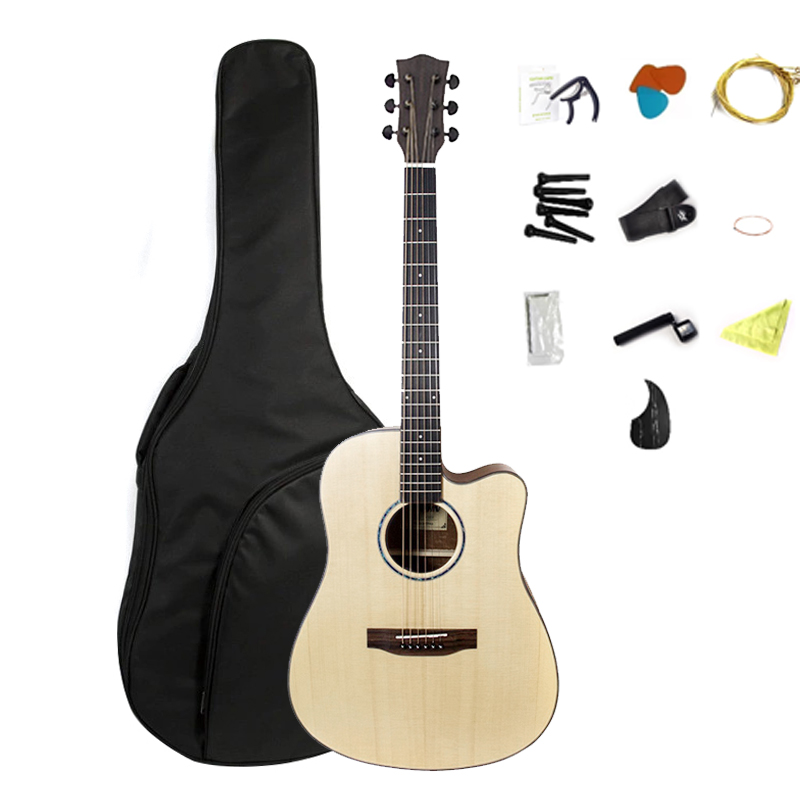
Every instrument undergoes climate-controlled seasoning, sub-millimeter CNC shaping, and hand-luthier fret dressing designed to withstand extreme Finnish seasonal indoor heating and humidity shifts.
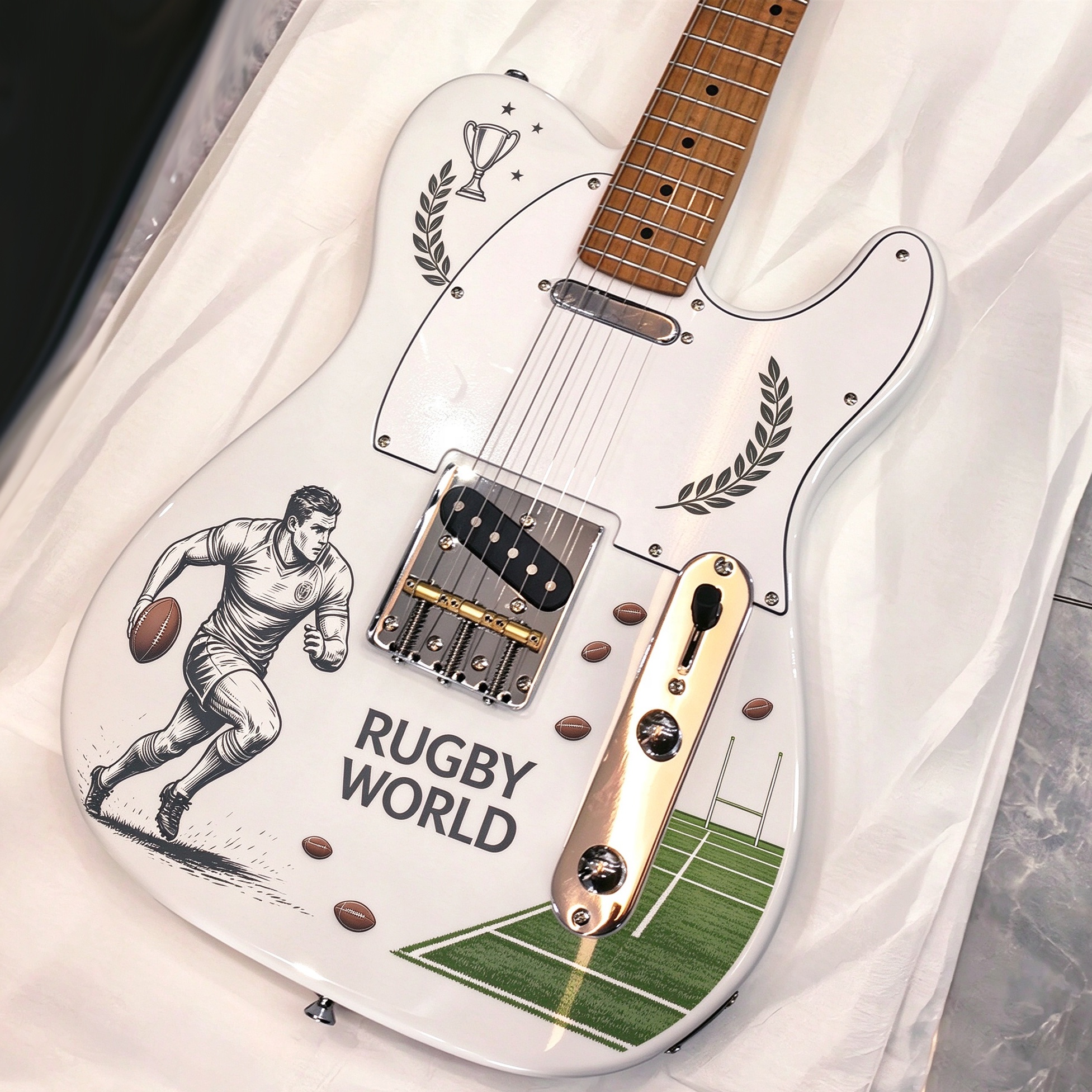

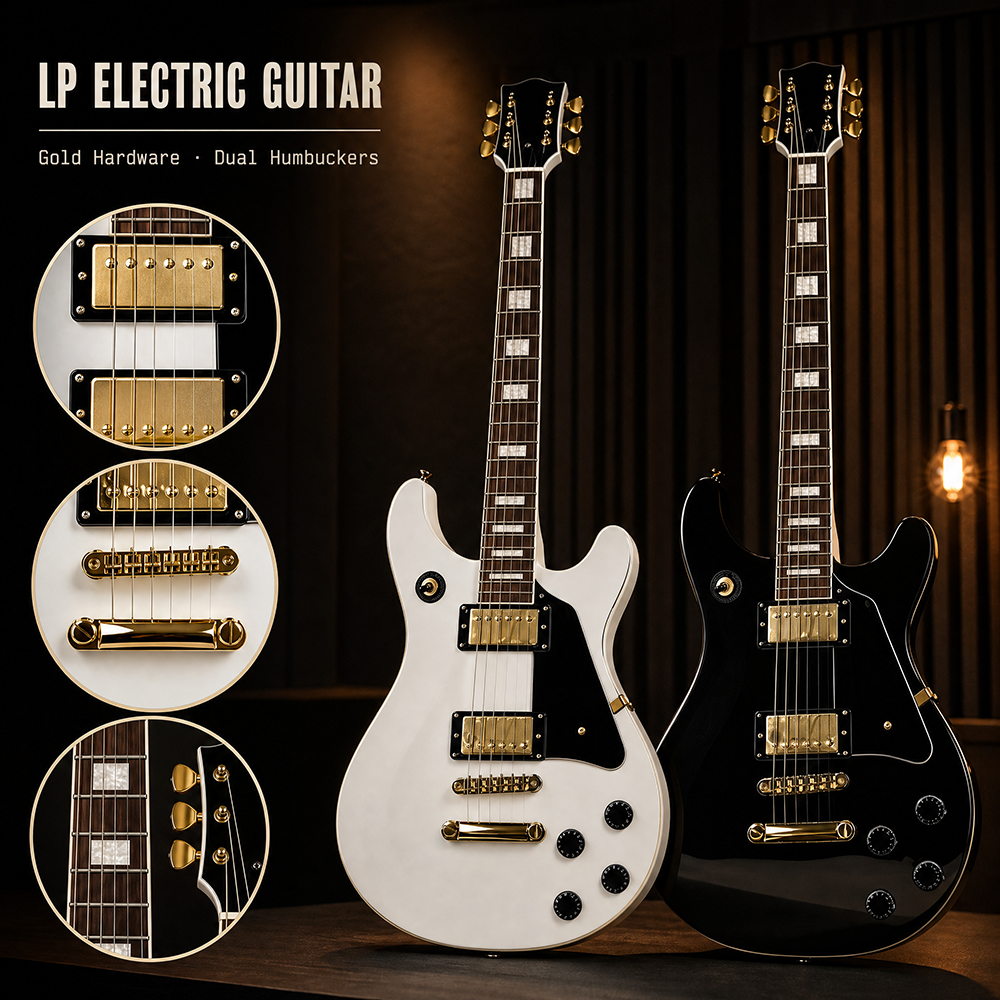
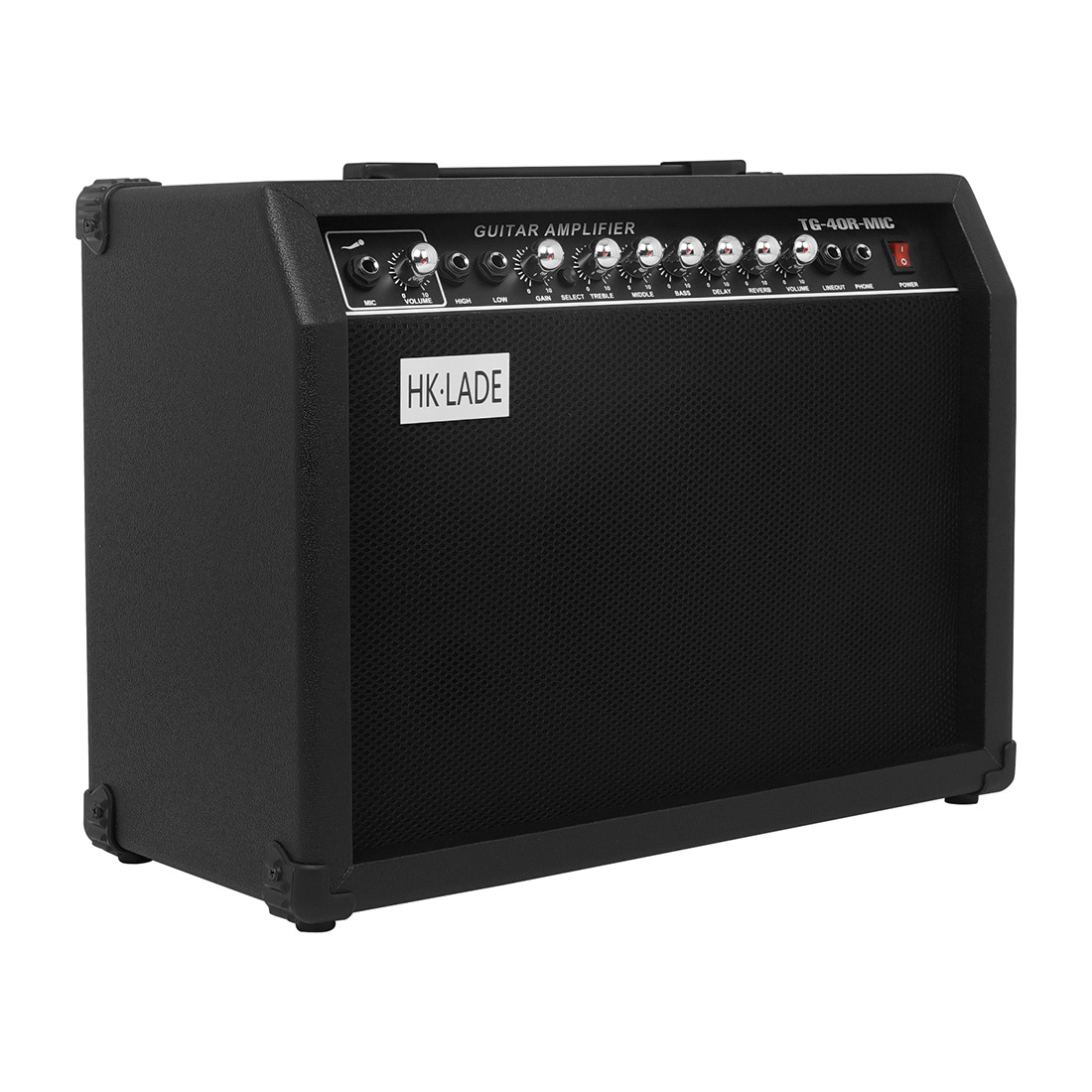
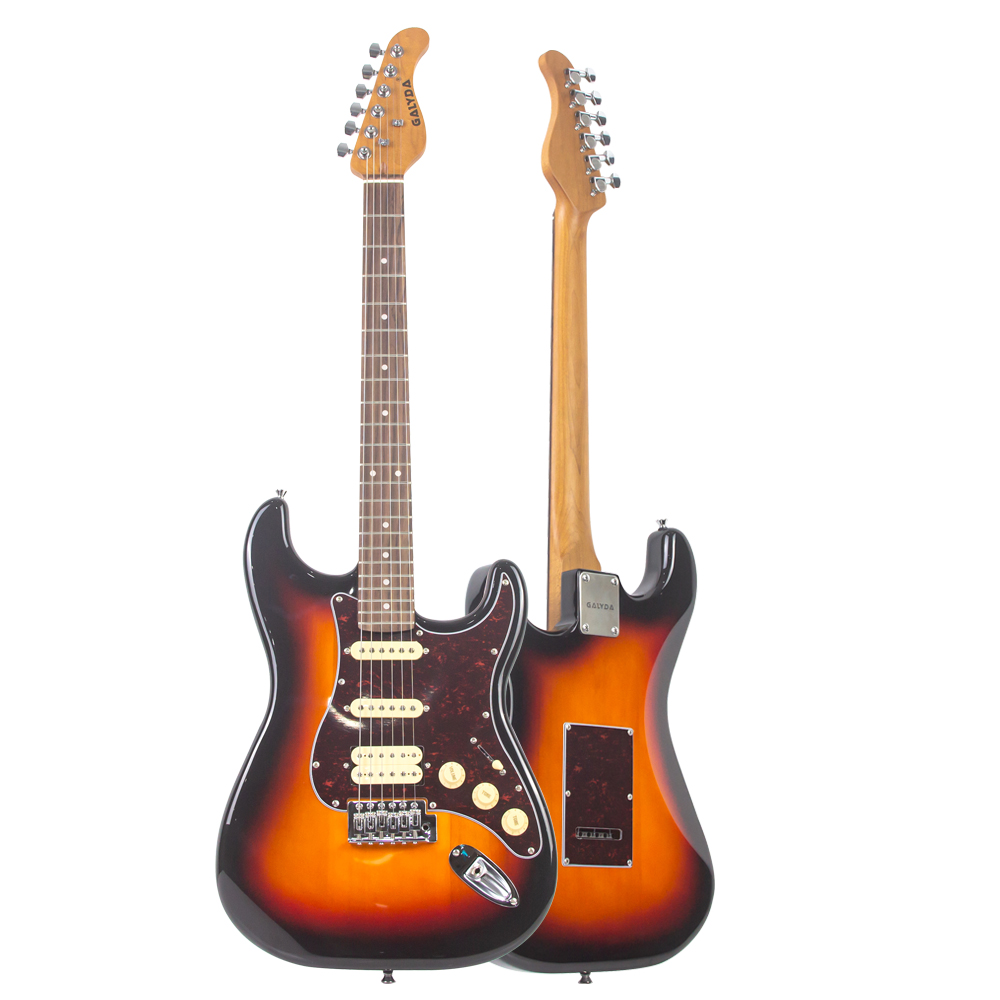

Tampere holds a prominent status within the Nordic music ecosystem as Finland's recognized capital of rock, progressive metal, and folk acoustic traditions. Home to landmark venues such as Tullikamari (Pakkahuone and Klubi), Tampere-talo (the largest concert hall in the Nordic countries), and an extensive network of music academies including the Tampere Conservatoire (Tampereen konservatorio), the regional demand for high-caliber stringed instruments is exceptionally sophisticated. However, distributors, private label brands, and music instrument retailers across Pirkanmaa face significant commercial challenges: balancing margin viability with the rigorous acoustic and dimensional stability demanded by Finnish players.
Procuring handmade and batch-manufactured electric, acoustic, and bass guitars from an offshore original equipment manufacturer (OEM) and original design manufacturer (ODM) requires far more than aesthetic replication. European Union compliance mandates, strict timber traceability regulations under EUDR (European Union Deforestation Regulation) and CITES, and above all, the physics of wood behavior under Fennoscandian climate extremes, necessitate an engineering-first partnership. Huizhou NFGF Musical Instrument Co., Ltd. provides Tampere brands with direct factory access to SGS-verified production lines located in Qiuchang, Huizhou—the heart of China's premier high-end instrument manufacturing cluster.
Finnish indoor heating systems in mid-winter drop relative humidity (RH) down to 15%–20%, while outdoor temperatures routinely hit -20°C. Standard factory-grade lumber sourced without specialized thermal stabilizing treatments experiences severe volumetric shrinkage, resulting in disastrous fingerboard fret sprout, finish checking, and neck twisting on retail shelves.
By integrating advanced industrial automation—such as 4-axis multi-spindle CNC machining—with traditional master lutherie techniques (hand-leveling, micro-radius crowning, and acoustic voicing), NFGF delivers custom OEM/ODM solutions engineered precisely to survive Nordic conditions while offering retail-ready margins and low trial minimum order quantities (MOQs).
How our Huizhou factory ensures that stringed instruments exported to Tampere maintain structural integrity through harsh Finnish winters.
Our necks undergo specialized oxygen-free thermal baking at 180°C–200°C. This caramelizes hemicellulose, crystallizes wood resins, reduces equilibrium moisture content to under 4%, and renders the neck virtually impervious to Tampere's dry winter heating.
To permanently eliminate "fret sprout"—where metal fret tangs project past shrinking fingerboards in dry Finnish rooms—we employ undercut fret tangs paired with rounded, ball-end hand polished crown edges recessed beneath wooden binding channels.
Heavy drop-tunings prevalent in Tampere's death metal and modern progressive rock bands place excessive torque on standard truss rods. We integrate dual longitudinal carbon fiber stabilizing rods flanking two-way adjustable steel truss assemblies.
Our folk and classical guitars feature parabolic quartersawn Sitka spruce braces hand-scalloped for an ideal stiffness-to-weight ratio. Top plates are pre-stressed within a 45% relative humidity cleanroom to provide resilient structural elasticity.
We apply ultra-thin polyurethane and nitrocellulose lacquer layers measured below 0.15mm. This preserves natural wood resonance while avoiding the brittle micro-fracturing ("cold checking") typical of heavy poly finishes when transported during Finnish freezes.
Export cartons destined for ocean transport to Vuosaari (Helsinki) and subsequent rail or road freight to Tampere feature vapor-barrier barrier poly-wrapping, high-density molded EPE shock cradles, and calibrated desiccant charges.
A successful OEM/ODM venture depends on tailoring instrument specifications to exact local demographic needs. The musical landscape of Tampere spans high-energy modern metal subgenres, traditional Finnish schlager and folk performance, institutional conservatory pedagogy, and burgeoning boutique instrument design startups.
1. Heavy Metal, Progressive Rock & Club Touring (Tullikamari Circuit)
Tampere's intense heavy music community demands high-output ceramic or Alnico V humbucking pickups, 24 jumbo stainless steel frets, flat fingerboard radiuses (14"–16"), and lightweight ergonomic contours. Our headless guitars and mahogany LP-style bodies provide touring musicians with reliable intonation, tuning stability under fluctuating stage lighting heat, and low hum suppression shielding.
2. Academic Institutions & Conservatories (Tampereen konservatorio)
Music education procurement programs in Finland prioritize uniform neck carves, balanced string height (action set to 1.5mm treble / 2.0mm bass at the 12th fret directly out of the box), and non-toxic, skin-safe finishes. NFGF supplies student-grade 36-inch and 41-inch acoustic sets, complete with high-density 10mm padded gig bags, providing institutional buyers with turn-key instruments that accelerate beginner proficiency without budget overruns.
3. Retail Private Labeling for Independent Finnish Music Shops
Local retailers facing fierce competition from pan-European online megastores can establish their own proprietary brand lines through NFGF's flexible OEM framework. With minimum initial order volumes starting as low as 1 unit for sample prototypes and custom logo headstock decals, Tampere retailers capture higher gross margins while building authentic regional brand equity.
4. Custom Studio Recording & Silent Stage Environments
Modern studio setups across Tampere increasingly employ low-stage-noise direct-in monitoring systems. Our lineup pairs perfectly with high-impedance direct recording interfaces, backed by our pro-audio IEM in-ear monitors and 40W outdoor portable amplifiers for buskers performing along the Tammerkoski rapids during midsummer festivals.
Every stage of production—from raw timber drying to electronic signal testing—is consolidated under our SGS-verified management system.
Lumber is dried to 6%–8% equilibrium moisture content with vacuum conditioning chambers.
Multi-spindle computerized routers carve bodies, neck pockets, and pickup cavities within ±0.05mm tolerances.
Tenon and bolt-on joints are hand-fitted to ensure maximum acoustic transfer and long-term neck alignment.
Gradual 4-stage hand sanding across 180 to 800 grits prepares grain pores for ultra-thin finish coats.
Automated climate-controlled spray booths apply even base, color, burst, and protective top layers.
Mechanical and hand-buffed compound wheels create deep, mirror-gloss or tactile satin finishes.
Alpha potentiometers, heavy-duty switches, and braided lead wires soldered with lead-free RoHS solder.
Strobe tuners calibrate intonation, fret levelness is gauged, and electronics pass oscilloscope frequency scans.
Importing instruments into Finland requires strict adherence to European Union customs regulations. Finnish Customs (Tulli) strictly monitors wooden instrument shipments at entry points such as Helsinki-Vantaa and Port of Helsinki. A paperwork defect or non-compliant tonewood species can result in shipment impoundment, hefty administrative fines, or mandatory return of goods.
CITES & Species Verification: Under CITES Appendices I and II (specifically regarding true rosewoods of the genus Dalbergia), imports of musical instruments are subject to strict monitoring. NFGF provides full documentation for compliant tonewoods, including sustainable roasted maple, poplar, okoume, basswood, engineered tech-wood, laurel, and certified plantation woods, ensuring prompt clearance through Finnish customs without CITES permit bottlenecks.
REACH & RoHS Chemical Safety: Under EU REACH regulations, all guitar components coming into prolonged contact with skin—including guitar straps, celluloid picks, metal machine heads, nickel-silver fretwire, and lacquer coatings—must be free from hazardous levels of lead, cadmium, nickel release, and banned phthalates. NFGF's products strictly utilize compliant coatings and certified alloys.
CE & FCC Certification for Active Electronics: All electro-acoustic onboard preamps, active pickups, effects pedals, and guitar amplifiers feature valid CE marking, EMC compatibility testing certificates, and low-voltage electrical safety verification required for legitimate commercial distribution within the European Single Market.
Concrete answers regarding customs clearance, sample development, logistics to Tampere, and technical customization.
Shipments departing from our Huizhou factory typically route through Shenzhen or Guangzhou ports to the Port of Helsinki (Vuosaari). Ocean freight transit time is approximately 28 to 35 days under standard schedules. From Vuosaari, cargo is transported via bonded road freight or container rail along the E12 highway corridor directly into Tampere within 24 to 48 hours. Air freight for priority prototyping lands at Helsinki-Vantaa within 5 to 7 business days. We provide commercial invoices, packing lists with detailed net/gross wood weights, Harmonized System (HS) codes, and Certificates of Origin to expedite clearance through Finnish Customs (Tulli).
We specifically recommend our roasted (carbonized) maple neck series for Nordic buyers. Torrefaction stabilizes the wood's cell structure, eliminating moisture exchange when guitars enter indoor rooms heated to 22°C with 15% RH. Furthermore, all fingerboard fret ends are beveled and dressed with rounded tang slots, preventing the metal edges from protruding when fingerboards naturally contract slightly during the winter months.
For standard in-catalog electric and acoustic models, sample evaluation orders start from just 1 piece/set. For minor customization—including custom laser-engraved or metallic decal headstock branding, branded neckplates, and custom truss rod covers—our standard MOQ is 10 to 30 pieces. Full custom ODM designs requiring bespoke body CAD routing, custom pickup winding, or unique hardware finishes start at 50 to 100 units depending on technical complexity.
Yes. One of NFGF's primary operational strengths is product diversity under one manufacturing roof. Buyers can combine solid-body electric guitars, basses, beginner folk acoustic sets, 40W portable amplifiers, in-ear monitors, pedals, gig bags, and celluloid picks within a single 20ft or 40ft high-cube (HQ) shipping container. This eliminates the overhead of managing multiple suppliers and dramatically lowers per-unit sea freight costs.
We operate in strict conformity with EU environmental directives. Unless specifically requested by the client under verified import permits, our export instruments utilize non-restricted alternative tonewoods—such as carbonized maple, selected laurel, high-density technical rosewood substitutes, poplar, and sustainably farmed mahogany. Each export lot contains species documentation to satisfy Finnish environmental authorities and ensure unrestricted resale.
Our SGS-audited quality management protocol requires a multi-stage inspection. After assembly, instruments acclimatize in a climate-controlled room for 48 hours under string tension. Master technicians then conduct a 100% bench inspection: truss rod torque response, 12th-fret string action, nut slot depths, pickup DC resistance, switch noise, potentiometers taper, and fret level tolerance (checked with precision rocker gauges down to 0.02mm). Only units meeting our AQL 1.5 standard are certified for final export packaging.