Precision-Engineered Export Instruments & Professional Solutions
Direct-from-factory OEM/ODM performance instruments, acoustics, amplification, and stage wireless systems engineered to exceed demanding Southern Cone acoustic benchmarks.
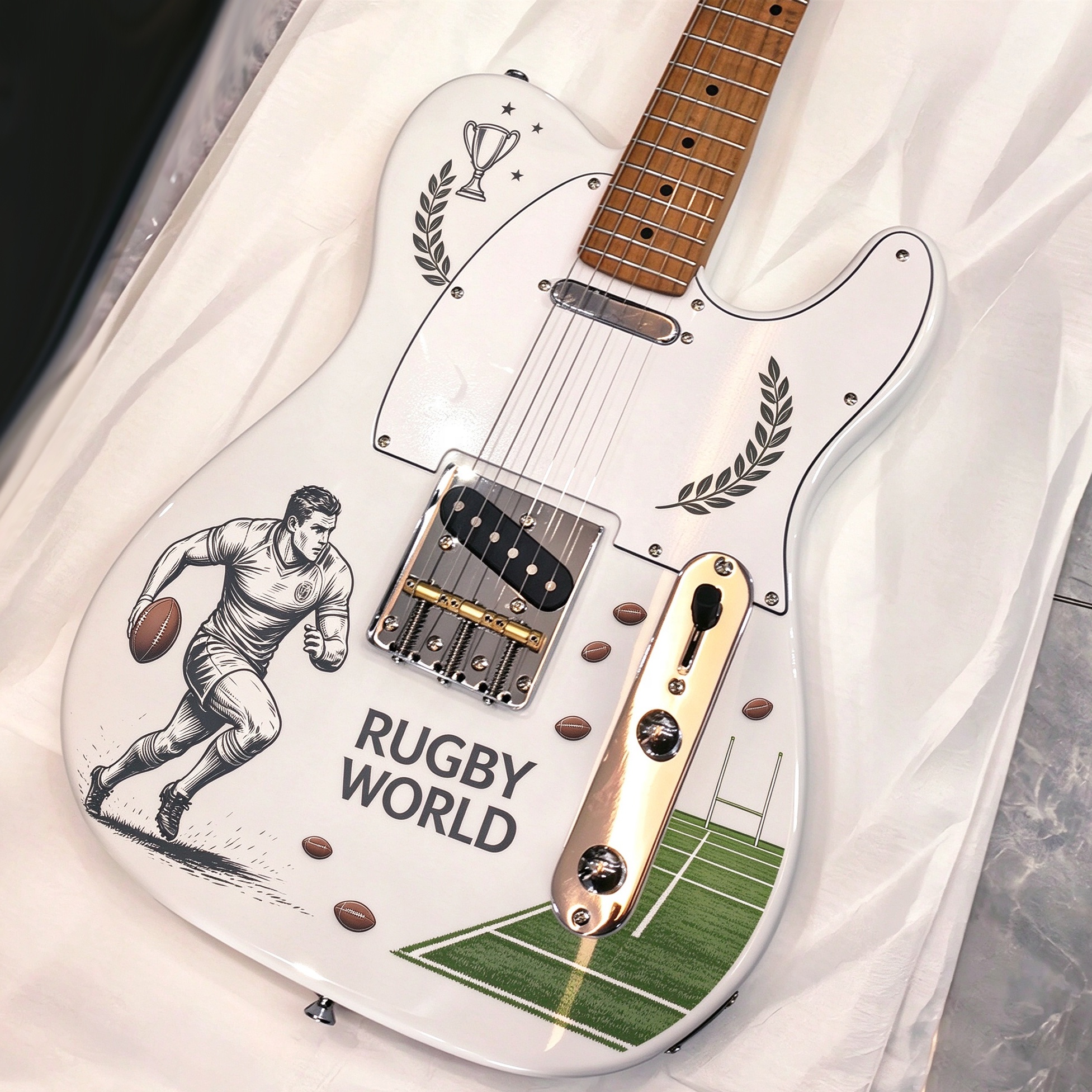
Custom TL Electric Guitar Roasted Maple Neck Single Coil Pickup
View Product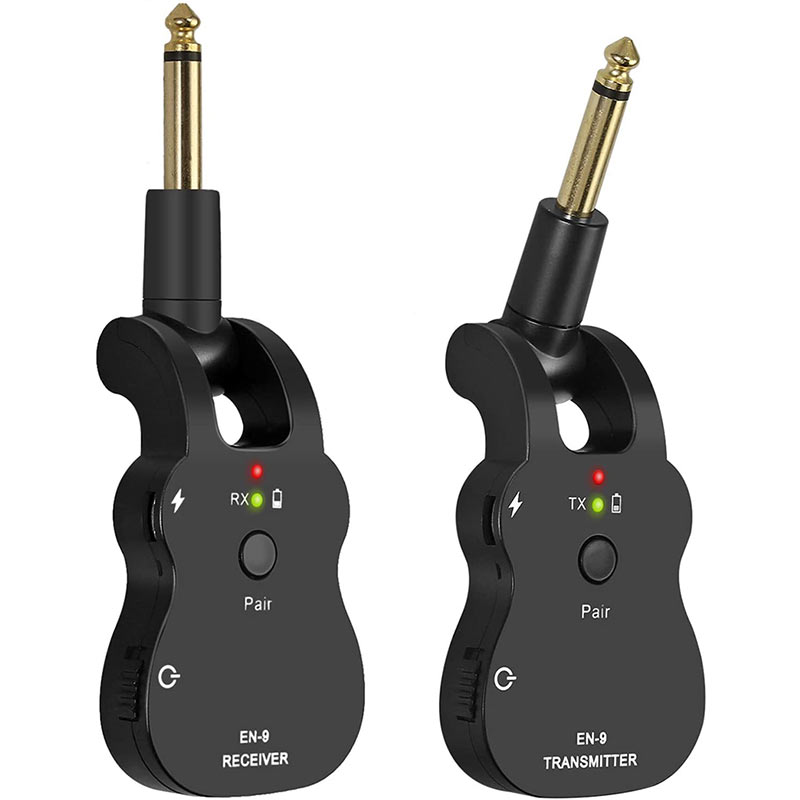
Wireless Guitar Bass Audio Transmitter & Receiver Digital System
View Product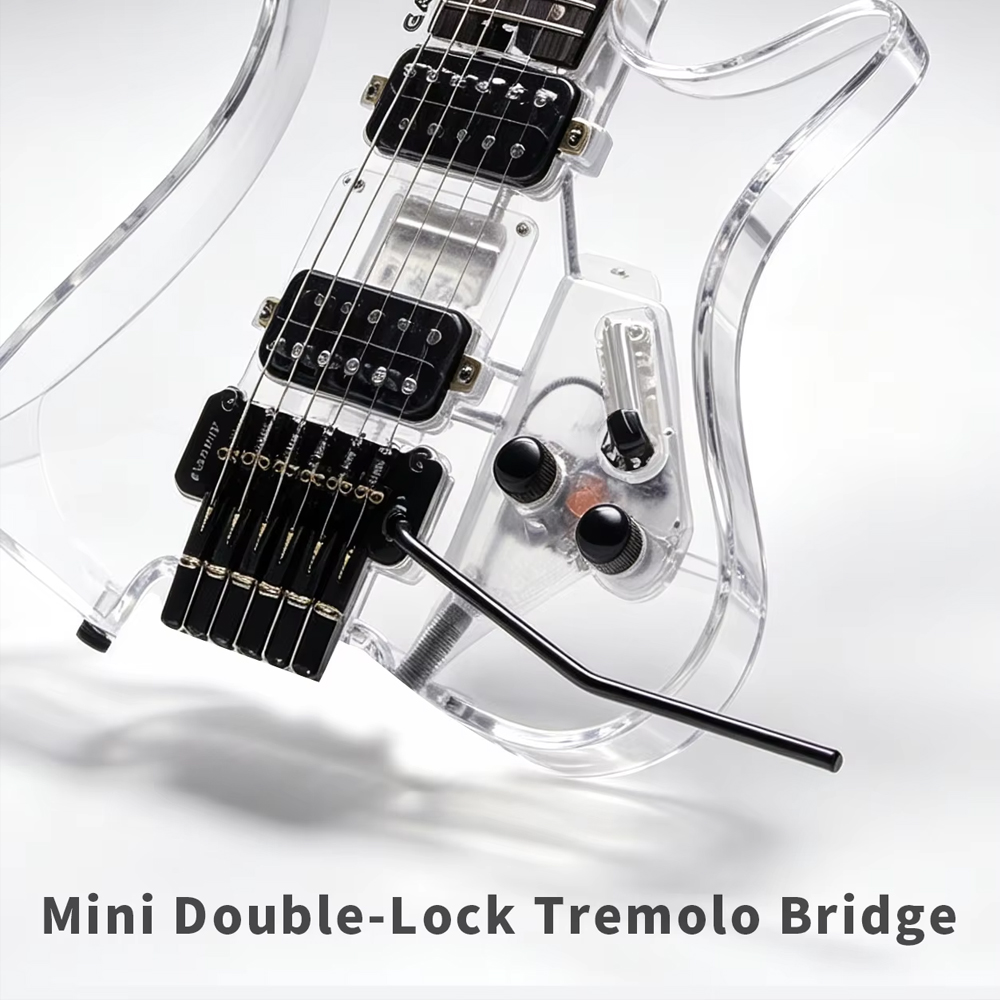
Silent Headless Acoustic-Electric Travel Guitar African Wood Body
View Product
Bright Light Electric Guitar Factory Small Double-Fret Bridge
View Product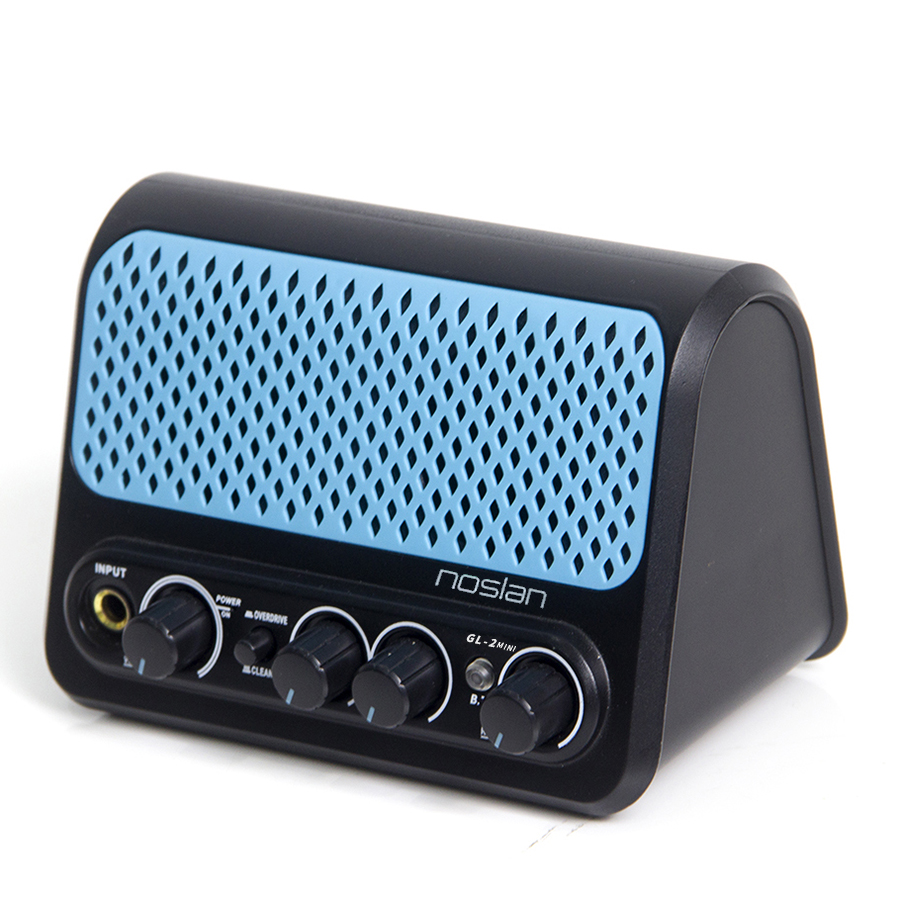
Rechargeable 10-Watt Portable Electric Guitar Amplifier Speaker
View Product
Factory Custom Headless Electric Guitar Dual Humbucker Pickups
View Product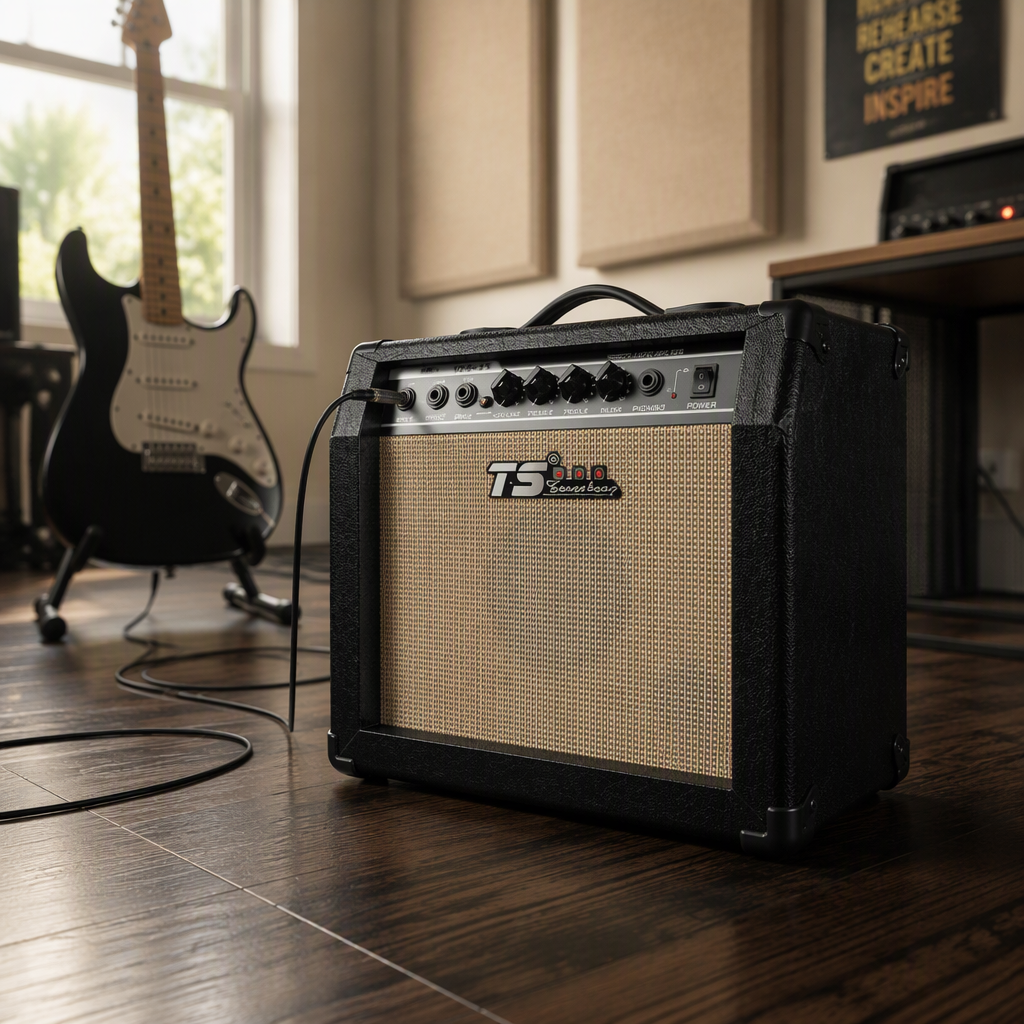
Portable Bluetooth Electric Guitar Amplifier 15W 50W 100W
View Product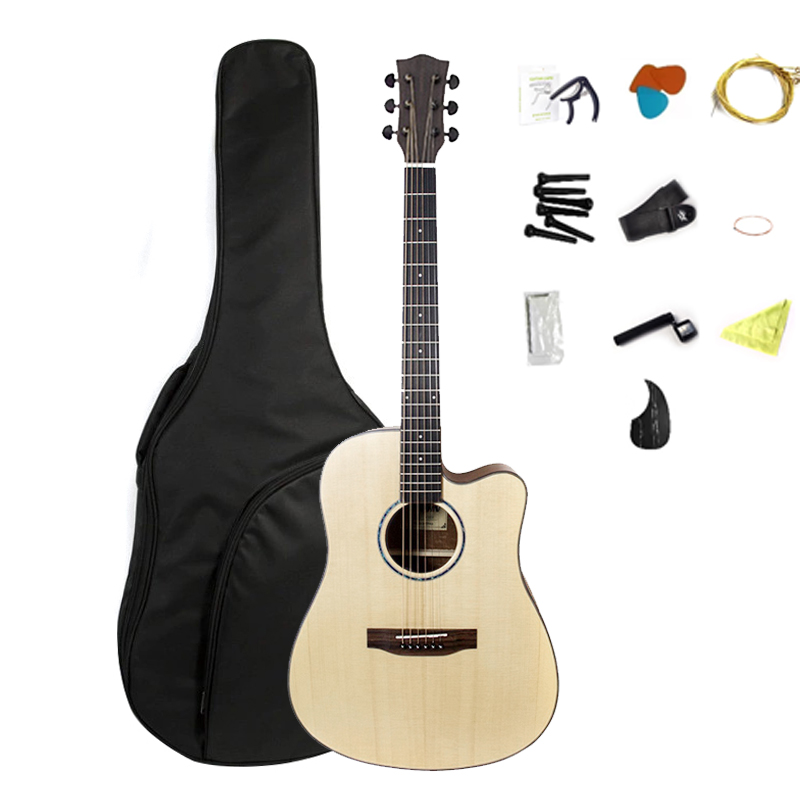
36/41 Inch Folk Acoustic Guitar Beginner Starter Kit with Padded Bag
View ProductThe Dynamics of Nylon String Guitar Sourcing in Uruguay
A rigorous examination of maritime climate impacts, structural lutherie requirements, and trade dynamics along the Río de la Plata.
The musical ecosystem of Uruguay holds a deeply rooted historical reverence for the nylon-string acoustic instrument, traditionally designated across the Río de la Plata as the guitarra clásica or guitarra criolla. Unlike northern hemisphere markets where steel-string acoustics overwhelmingly dominate initial consumer adoption, the Uruguayan consumer profile is structurally tethered to nylon string architectures. This cultural predilection stems from native folkloric idioms—most notably the milonga, candombe-influenced acoustic fusions, tango, and zamba—where dynamic thumb attacks, complex fingerstyle polyphony, and delicate tonal warmth take structural precedence over raw metallic percussiveness. However, behind this widespread cultural appreciation lies an acute supply-chain imbalance: Uruguay possesses virtually negligible industrial-scale musical instrument manufacturing infrastructure. Domestic luthiers construct exceptional boutique concert instruments, yet their outputs remain restricted to low-volume custom commissions commanding retail figures beyond the purchasing power of educational institutions, recreational players, and commercial retailers. Consequently, domestic distributors, musical instrument chains in Montevideo, and independent music academies rely almost entirely on international industrial partners capable of delivering stable, volume-scaled manufacturing services.
Navigating the procurement landscape in Uruguay introduces singular engineering hurdles that demand sophisticated industrial craftsmanship. The overarching variable governing stringed instrument attrition along the Southern Cone coast is extreme atmospheric instability. Montevideo and the coastal littoral face intense maritime humidity swings, with ambient relative humidity (RH) frequently oscillating between 45% during dry continental winds and climbing over 85% during winter and maritime storm fronts originating from the South Atlantic. For mass-produced solid tonewood instruments that lack industrialized environmental curing, this humidity volatility proves catastrophic. Substandard tonewoods absorb excessive atmospheric moisture, inducing top bellies, sunken bridge perimeters, neck forward bows, and catastrophic glue-line delaminations. Conversely, sudden drops in indoor relative humidity cause severe fret sprout, top checking, and fretboard shrinkage. Discerning Uruguayan instrument merchants and institutional procurers actively seek international manufacturing suppliers that implement automated, climate-regulated production pipelines. Industrial facilities featuring multi-stage vacuum kiln drying, automated CNC neck stabilization routines, and moisture-controlled curing chambers are no longer merely advantageous; they are fundamental prerequisites for commercial survival in the Southern Cone retail market.
Furthermore, structural optimization of classical guitars designated for South American distribution requires specialized acoustic voicing and bracing strategies. Uruguayan musicians utilize aggressive attack patterns across lower registers while executing intricate contrapuntal runs along the treble registers. Traditional Spanish fan bracing must be precisely calibrated with top thickness gradations—ideally executed via high-precision industrial thickness sanders within tolerances of +/-0.05mm. Solid Engelmann spruce or Sitka spruce soundboards provide rapid projection and articulate harmonic separation required for classical academies, whereas laminated spruce and premium resonance mahogany soundboards deliver structural equilibrium and resilience against extreme atmospheric changes for touring performers and high-school ensembles. Huizhou NFGF Musical Instrument Co., Ltd. addresses this technical intersection by uniting modern CNC manufacturing precision with traditional lutherie geometry, ensuring every production batch provides impeccable acoustic balance, stable neck geometry, and exceptional physical longevity under aggressive coastal climates.
Localized Application Scenarios Across Uruguay
From prestigious conservatories in Montevideo to regional cultural centers across Canelones, Maldonado, and Colonia, nylon-string guitars serve diverse structural profiles.
Academic & Conservatory Excellence
Institutions such as the Escuela Universitaria de Música (EUM) and municipal music schools require nylon-string models engineered with precise fretboard radials, true 52mm nut spacing, and zero-fretbuzz action tolerances. Our guitars provide budding concertists with pristine note separation, accurate octave intonation, and dynamic acoustic responsiveness.
Folkloric Traditions & Urban Stage Performance
From coastal Montevideo venues to inner-republic festivals, performers of Milonga, Candombe-fusion, and Murga demand reliable acoustic-electric crossovers. Equipped with high-fidelity under-saddle piezo systems, active feedback-resistant preamps, and ergonomic cutaways, our guitars translate delicate fingerpicking into robust, feedback-free stage projection.
Commercial Retail & Turnkey Educational Kits
Commercial musical stores throughout 18 de Julio and Punta Carretas demand entry-to-intermediate nylon guitar sets packaged with reinforced waterproof gig bags, digital tuners, and replacement strings. Our turnkey retail SKU combinations minimize supply-chain assembly friction, allowing Uruguayan retailers to achieve fast stock turnover with low warranty claims.
Emerging Procurement & Technology Trends in the Southern Cone
How digital integration, crossover ergonomics, and modern environmental standards are transforming wholesale musical instrument distribution.
The contemporary Uruguayan musical retail market is experiencing a profound generational transition. While senior classical purists retain strict loyalties to traditional broad Spanish heel builds and flat fretboards, younger musicians and crossover players are heavily gravitating toward nylon-string crossover guitars. These modern hybrid instruments feature narrower nut dimensions (typically 48mm rather than traditional 52mm), gentle fretboard radiuses (16" or 14"), integrated Venetian cutaways, and onboard electronic systems with integrated chromatic tuners. This configuration dramatically lowers the barrier of entry for electric and steel-string players seeking the organic timber of nylon strings without enduring severe left-hand muscular fatigue during live stage sessions. For Uruguayan distributors, stocking modern crossover variations represents the highest growth category in annual acoustic sales.
Concurrently, silent and headless acoustic-electric technologies have surged across metropolitan areas. With urban densification in central Montevideo and coastal high-rises, noise constraints during late-night rehearsing have created immense consumer appeal for travel and headless silent nylon-string designs. Featuring integrated headphone monitoring, auxiliary Bluetooth connectivity for backing tracks, and compact headless body frames, these instruments eliminate structural acoustic cavity resonance while preserving genuine nylon string tension, touch sensitivity, and stage output. Furthermore, logistical considerations are compelling retail chains to demand pre-conditioned tonewood verification. Freight journeys crossing through changing equatorial shipping containers expose raw timber to aggressive thermal cycles. Importers are increasingly prioritizing OEM suppliers like Huizhou NFGF, where ISO-calibrated humidity packaging, moisture-barrier interior bagging, and double-wall export corrugated boxes protect the physical integrity of every finished instrument from port of origin to arrival in Montevideo.
NFGF Industrial Advantages & Production Capability
Huizhou NFGF Musical Instrument Co., Ltd. (est. 2014) operates an SGS-verified 5,100 m² advanced manufacturing facility delivering end-to-end OEM/ODM instrument excellence.
SGS Audited Facility
Independently assessed on-site by SGS Group (November 2025 verification). Total transparency across material validation, supplier controls, and production consistency.
5,100 m² Integrated Plant
In-house computerized CNC routers, industrial thickness sanders, automated dust-free spray painting booths, buffing lines, and specialized assembly workbenches under one roof.
Flexible MOQ & Consolidation
Strategic low-MOQ capabilities starting from 1 unit on select guitars and basses. Consolidate classical guitars, electrics, ukuleles, kalimbas, and pedals in a single container.
End-to-End QC Protocols
Stringent 4-stage inspection: Incoming raw tonewood moisture tracking (8-10%), in-process dimensional tolerance checks, luthier action setup, and final pre-dispatch playability testing.
Frequently Asked Questions by Uruguayan Importers
Direct answers addressing freight logistics, customs protocols, environmental acclimatization, and custom OEM manufacturing specifications.