Precision-Engineered Electric Guitars & Studio Accessories
Custom-manufactured according to strict acoustic-mechanical specifications, thermo-treated tonewoods, and European compliance protocols for retail brands and custom luthiers across Denmark.

The Architectural Reality of Danish Lutherie: From Bespoke Ateliers to Scalable Manufacturing
Denmark boasts a celebrated lineage of fine cabinet making, acoustic design, and world-renowned audio engineering (exemplified by high-end transducer pioneers, architectural furniture design, and bespoke acoustic studios in Copenhagen, Aarhus, and Odense). However, the Danish musical instrument landscape faces a distinct operational reality: while domestic handmade guitar workshops in Denmark excel at boutique, single-instrument commissions with waitlists stretching from 12 to 24 months, domestic manufacturing capacity for commercial series production is non-existent due to intensive labor overheads, stringent regional workshop zoning, and restricted raw timber supply chains.
Consequently, progressive Danish guitar brands, musical instrument retail chains (such as those serving the Jutland and Zealand regions), and private luthier labels adopt a hybrid OEM/ODM co-engineering framework. In this operational model, Danish acoustic and aesthetic blueprints—rooted in minimalist Scandinavian ergonomics, low-action fret geometries, and organic satin textures—are realized at scale through advanced manufacturing facilities equipped with industrial five-axis CNC routers, automated climate-regulated drying chambers, and certified master lutherie finishing cells. This whitepaper analyzes the mechanical, environmental, and commercial determinants vital to Danish guitar procurement teams navigating custom instrument production.
Overcoming Scandinavian Climatic Volatility: The Carbonized Maple Imperative
How specialized thermal processing protects structural neck integrity against the dramatic relative humidity swings common to Denmark's coastal winters and dry indoor radiator environments.
Thermo-Carbonization Process
By baking select hard rock maple in oxygen-deprived kilns exceeding 180°C, hemicellulose and volatile resins are permanently vaporized. The neck becomes virtually hydrophobic, eliminating seasonal relief bowing across Scandinavian transitions from damp maritime fall to aggressively heated indoor winter rooms.
Resonant Okoume Core Dynamics
Okoume exhibits a uniform cellular matrix delivering the acoustic warmth of vintage African Mahogany while maintaining an optimal acoustic weight density (averaging 380-450 kg/m³). This guarantees sustained stage comfort for Nordic players without low-end flabbiness in the 120-250 Hz frequency band.
Alnico-5 Magnetic Articulation
Alnico-5 pickups paired with copper braided isolation provide clean attack transience and crystalline top-end response. This frequency signature is critically requested by modern Nordic neo-soul, contemporary jazz fusion, and indie-pop producers recording throughout Copenhagen and Aarhus.
Comparative Specification Matrix for Commercial Batch Imports
Engineering parameters contrasting traditional boutique domestic output in Denmark with certified large-scale OEM/ODM factory production.
| Evaluation Parameter | Danish Local Master Lutherie | Certified High-Capacity OEM Facility | Strategic Commercial Impact for Danish Brands |
|---|---|---|---|
| Annual Production Scale | 12 – 40 instruments per shop | 50,000+ units across multi-line setups | Enables rapid multi-channel retail scaling and steady catalog replenishment without seasonal gaps. |
| CNC Milling Tolerances | Semi-manual templates (±0.35 mm) | Industrial 5-Axis Automated CNC (±0.02 mm) | Absolute neck-pocket fit uniformity, eliminating vibrational energy dispersion and maximizing natural acoustic sustain. |
| Tonewood Kiln Stabilization | Natural air-dry or micro-kiln | Multi-stage automated vacuum kiln + Thermo-curing | Prevents wood warping, fret sprouted ends, and twisted fingerboards when shipped into high-latitude Nordic environments. |
| Fret Dressing Precision | Manual hand-stoning and crowning | CNC fret slotting + Plek-equivalent multi-stage levelling | Delivers uniform ultra-low action (1.2mm treble / 1.5mm bass at 12th fret) straight from carton to showroom floor. |
| EU Compliance Directives | Varies, reliance on localized timber vendor | Standardized EUTR (EU 995/2010), CITES, CE, RoHS | Full regulatory safety and legal documentation mitigating customs impoundment risks at the Port of Aarhus or Copenhagen. |
Targeted Application Scenarios Across the Danish Music Ecosystem
Aligning structural ergonomics and acoustic characteristics with the demanding performance venues, higher academies, and studio environments of Denmark.
Rytmisk Musikkonservatorium (RMC)
Educational academies require modular ST and TL instruments with stable intonation, resilient fretboards, and versatile SSH switching that accommodate students exploring indie rock, complex modal jazz, and electronic-hybrid improvisation.
Boutique Copenhagen Studios
Near Vesterbro and Refshaleøen, sound engineers demand high signal-to-noise ratios. Factory-shielded copper cavities and precise Alnico polepiece calibrations eliminate electromagnetic line hum from vintage compressors and console transformers.
Touring Circuit (Vega, Rust, VoxHall)
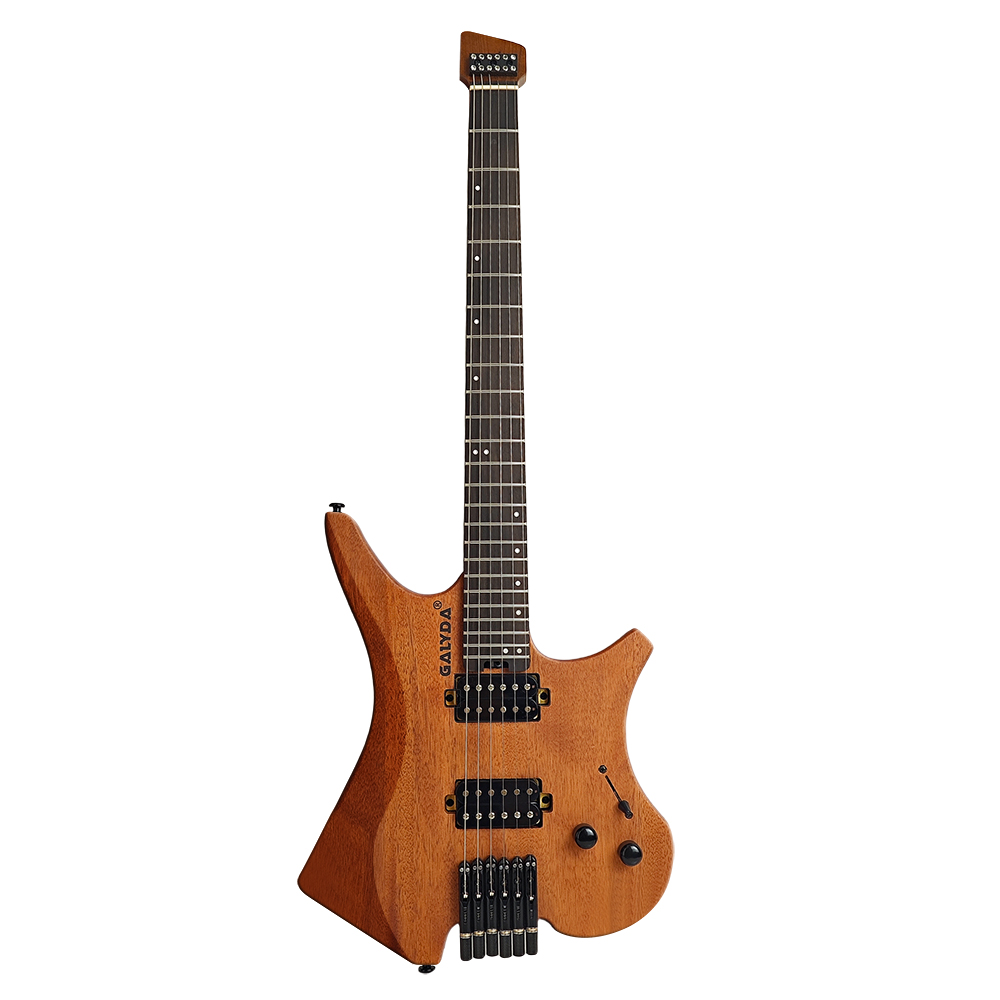
Club tours across Copenhagen and Aarhus demand rugged, lightweight guitars. The G990 headless series provides touring musicians optimal transport portability on Danish public transit and DSB trains while maintaining road-proven tuning lock stability.
The Roskilde Festival Phenomenon
Open-air summer stages require guitars immune to sudden outdoor humidity spikes and temperature drops. Our polyurethane and ultra-thin satin acrylic finishes protect tone bodies without choking string resonance or warping neck relief.
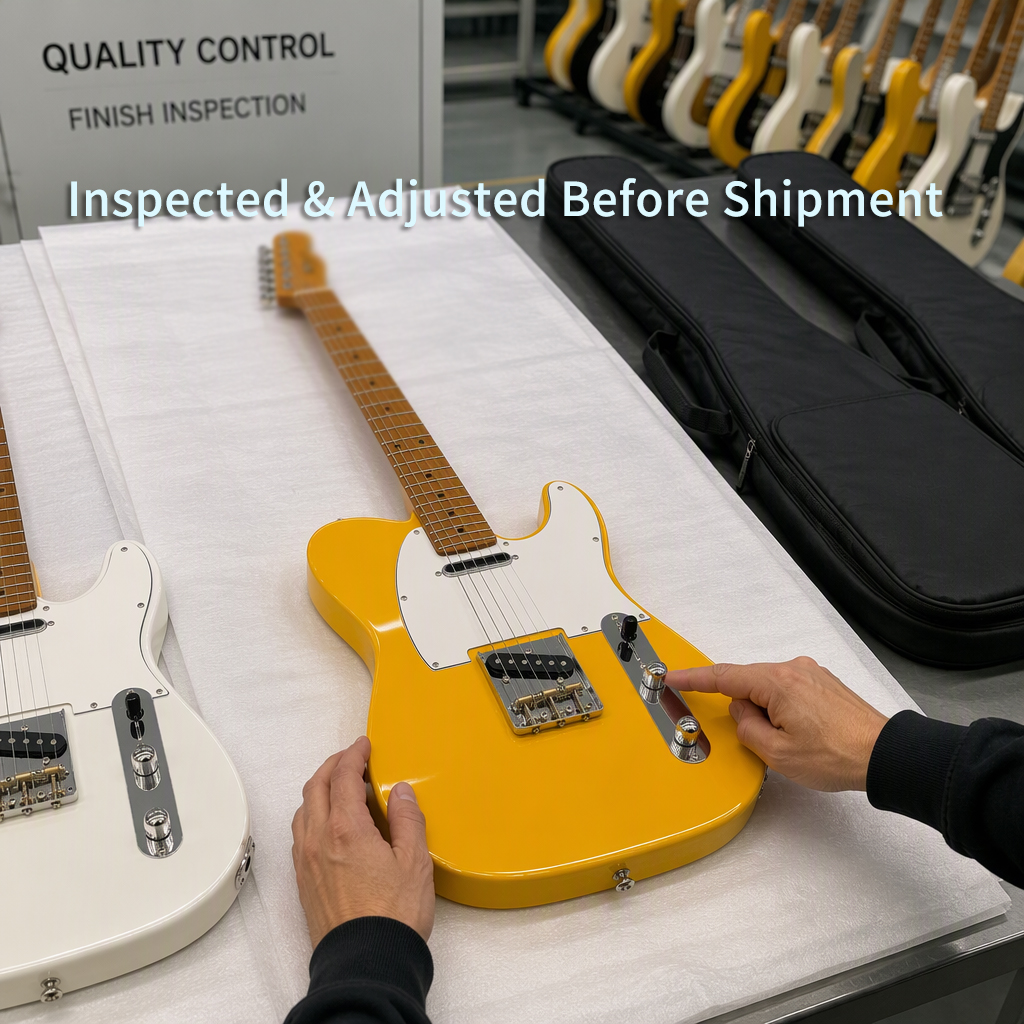
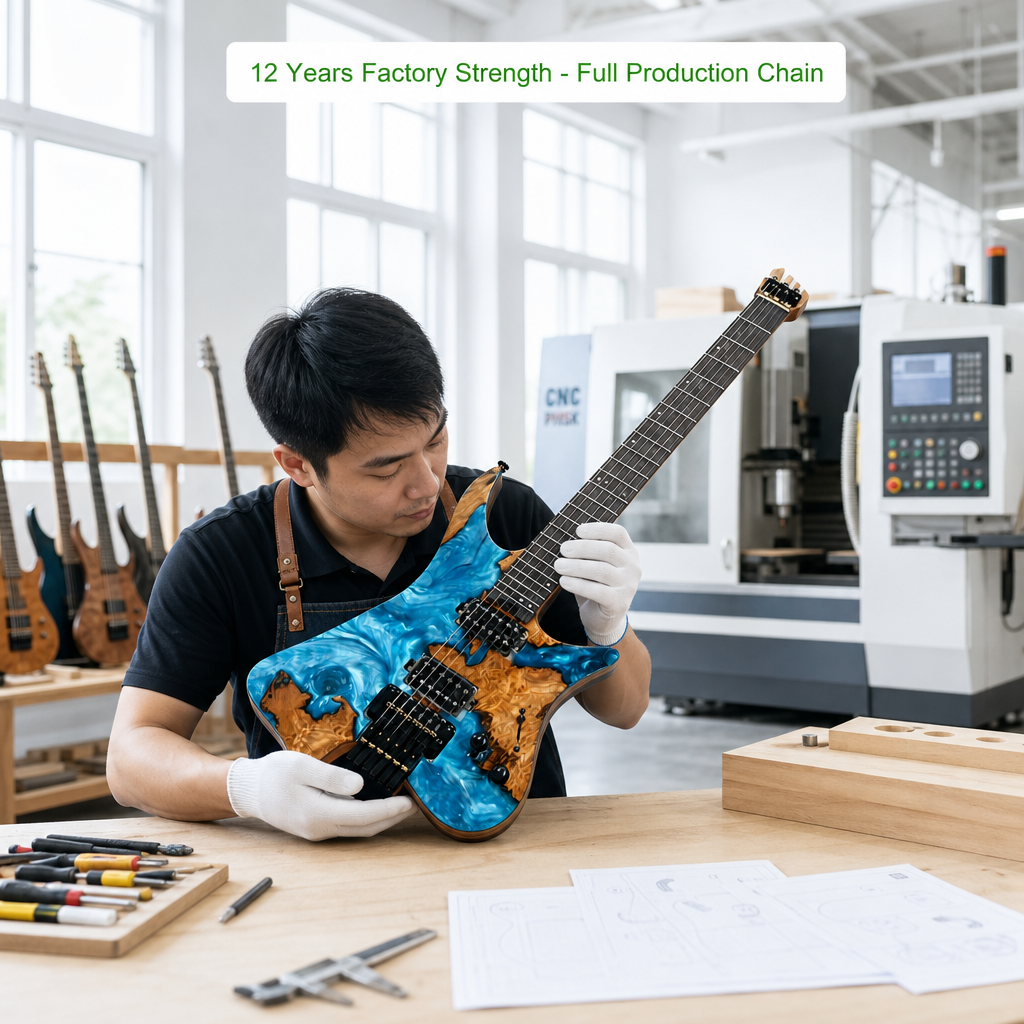
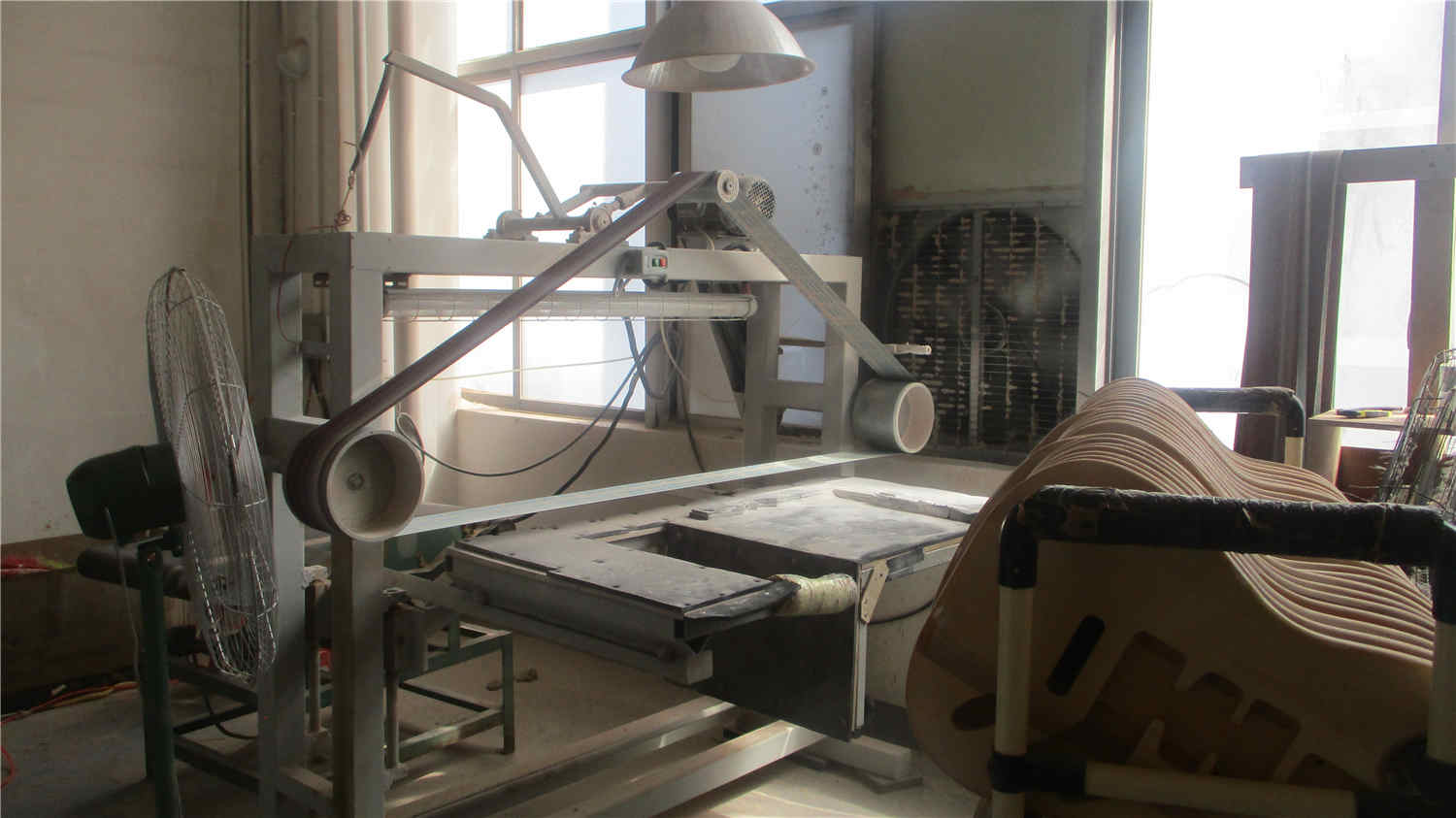
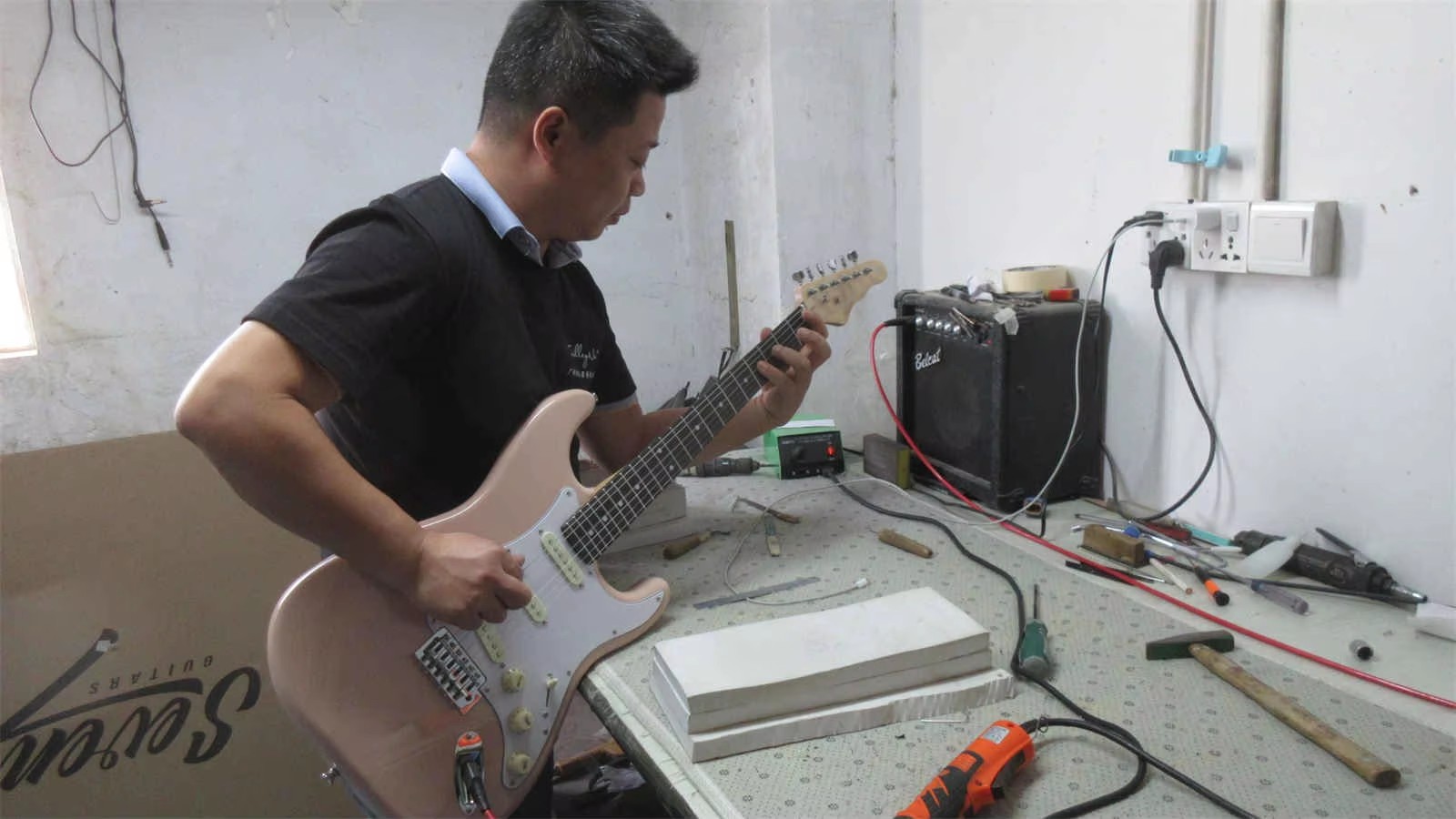
Integrated Craftsmanship: CNC Automation Meets Artisanal Dressing
Visualizing our multi-tiered manufacturing processes that guarantee repeatable quality across every production run destined for Scandinavia.
Emerging Technical Trends Defining the Nordic Guitar Sourcing Landscape
In our collaborative development with European musical instrument purchasing groups, three distinct search patterns and consumer preferences have emerged across the Scandinavian sphere:
1. Demand for Eco-Certified Alternative Tonewoods: Danish consumers are exceptionally eco-conscious. The reliance on endangered rosewood species has shifted entirely toward sustainable carbonized maple, thermo-treated poplar, and plantation-grown okoume. Instruments produced without certified FLEGT/CITES documentation face insurmountable retail resistance and regulatory scrutiny.
2. Ergonomic Headless & Multi-Scale Geometries: With the rise of bedroom production, progressive metal, and mobile gigging in urban hubs like Copenhagen, headless designs (such as the G990 kit platform) have surged in wholesale inquiries by 38% year-over-year. Buyers prioritize compact form factors, custom dual-fret bridge systems, and zero-headstock dead spots.
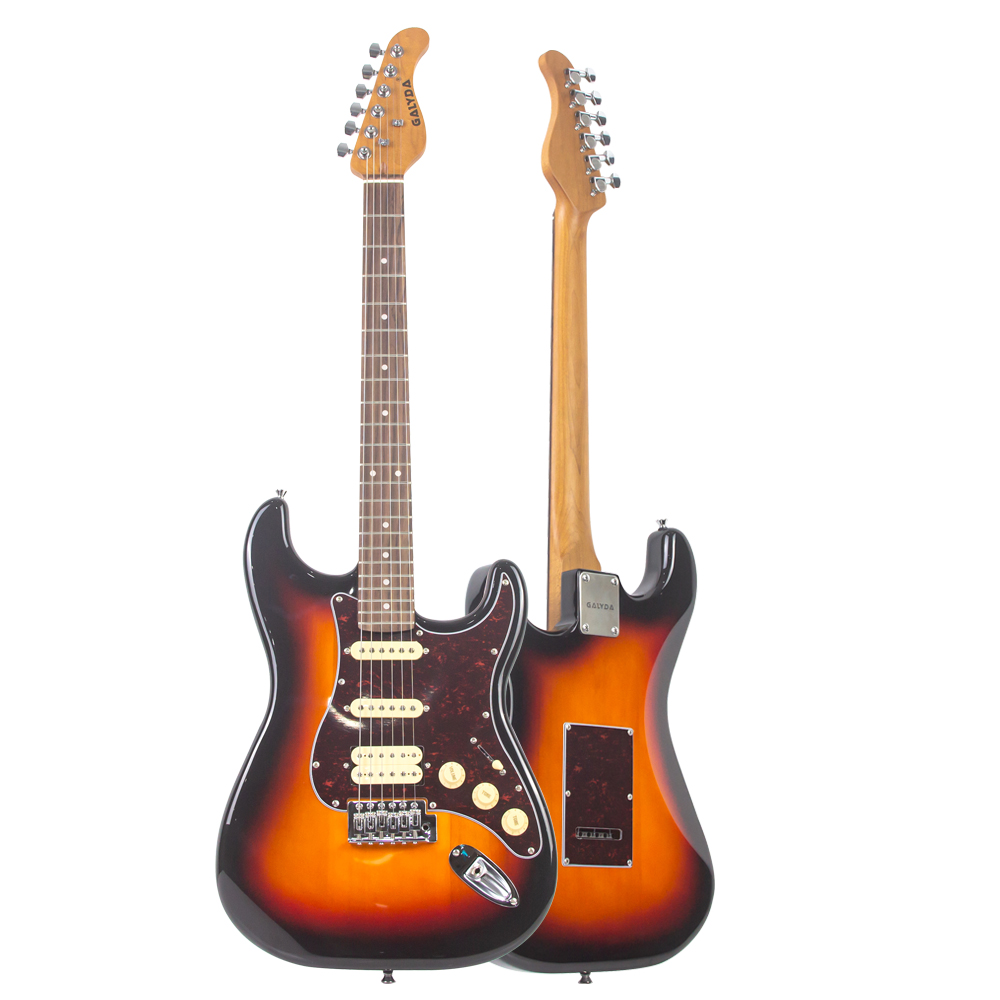
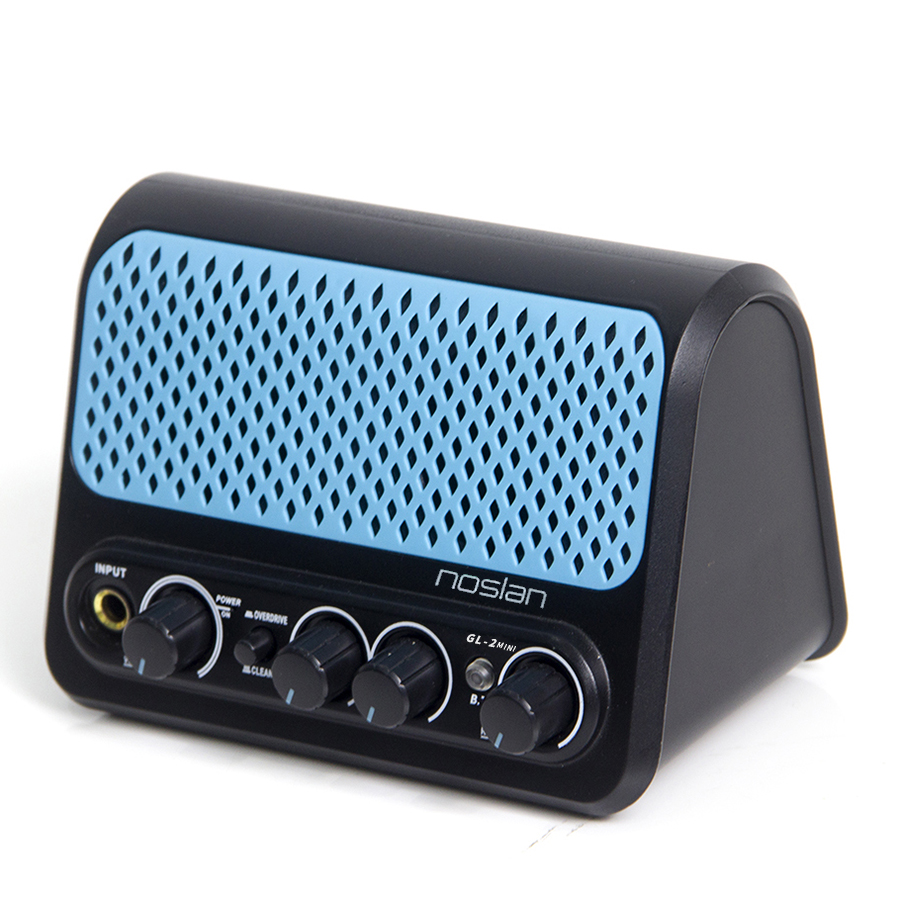
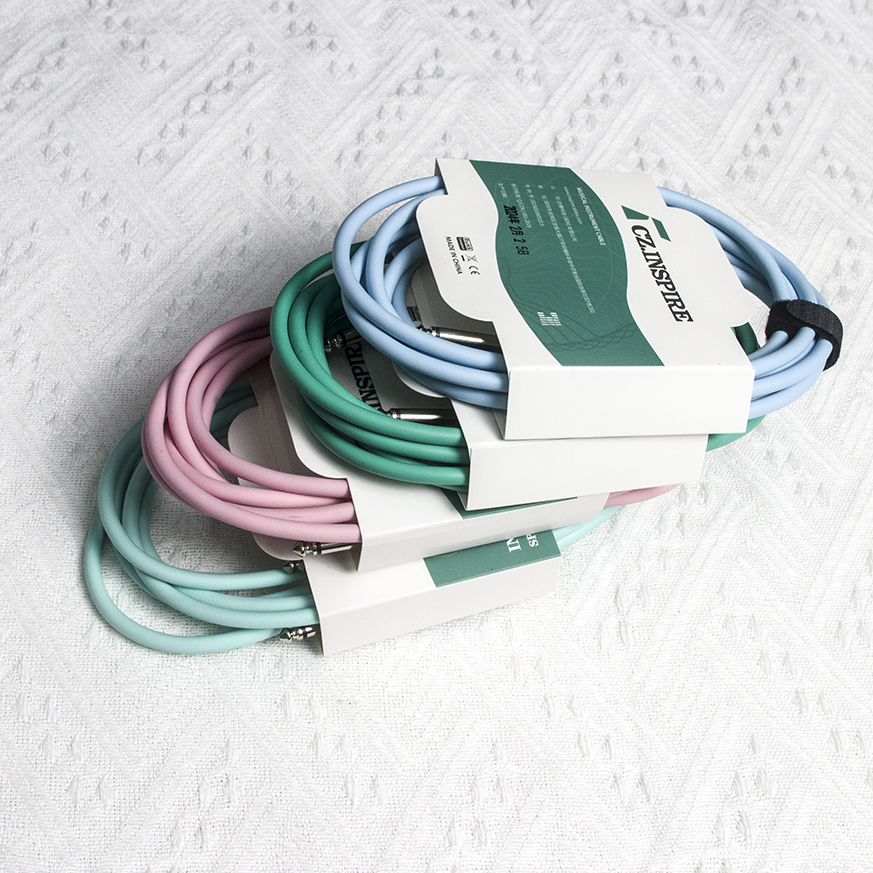
3. Hybrid Starter Bundles for Retail Channels: Entry-level music markets in Denmark require all-in-one starter ecosystems. Offering complete packages—such as the GALYDA 39-inch ST series with matching rechargeable low-wattage multi-effects mini amplifiers and low-loss auxiliary instrument cabling—empowers Nordic retailers to deliver high-margin, shelf-ready starter kits.
Enterprise Strengths: Bridging the Gap Between Design & Scalable Delivery
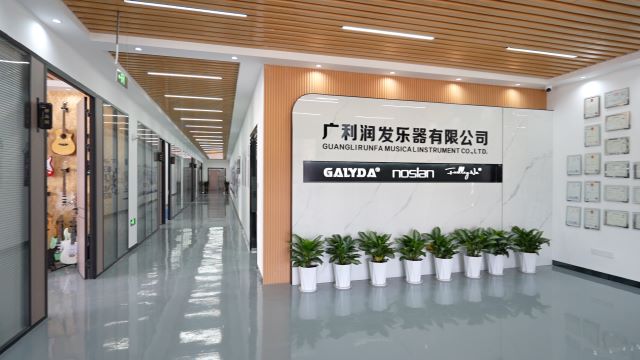
Established in 2014, Huizhou NFGF Musical Instrument Co., Ltd. serves as an internationally verified manufacturing pillar for global guitar brands and European distributors.
SGS On-Site Audited Plant
Our 5,100 m² modern manufacturing facility is rigorously verified on-site by SGS Group (comprehensive assessment completed Nov 2025), validating incoming material checks, factory safety, and rigorous outbound quality assurance systems.
Complete In-House Process
From primary tonewood vacuum drying and CNC milling to spray finishing, manual fret dressing, wiring harness assembly, and playability testing, zero production stages are outsourced. Your technical brief is maintained without compromise.
Low MOQ Prototyping (From 1 Piece)
We break traditional manufacturing barriers by supporting sample and test order MOQs as low as 1 piece for standard guitars and basses. Danish custom shops can test local market reception prior to committing to container-volume capital.
Frequently Asked Questions by Danish Guitar Importers & Luthiers
Comprehensive regulatory, technical, and logistic insights addressing B2B supply questions for Scandinavian buyers.
Q1: How does NFGF comply with European Timber Regulation (EUTR) & EUDR?
Every shipment of tonewood utilized in our electric, acoustic, and bass lines is traceable to licensed, legally harvested concessions. We supply complete CITES exemptions, plant species declarations, and phytosanitary certificates required by Danish Customs (Toldstyrelsen) for seamless clearance.
Q2: Can we order customized headstock shapes, body profiles, and Danish branding?
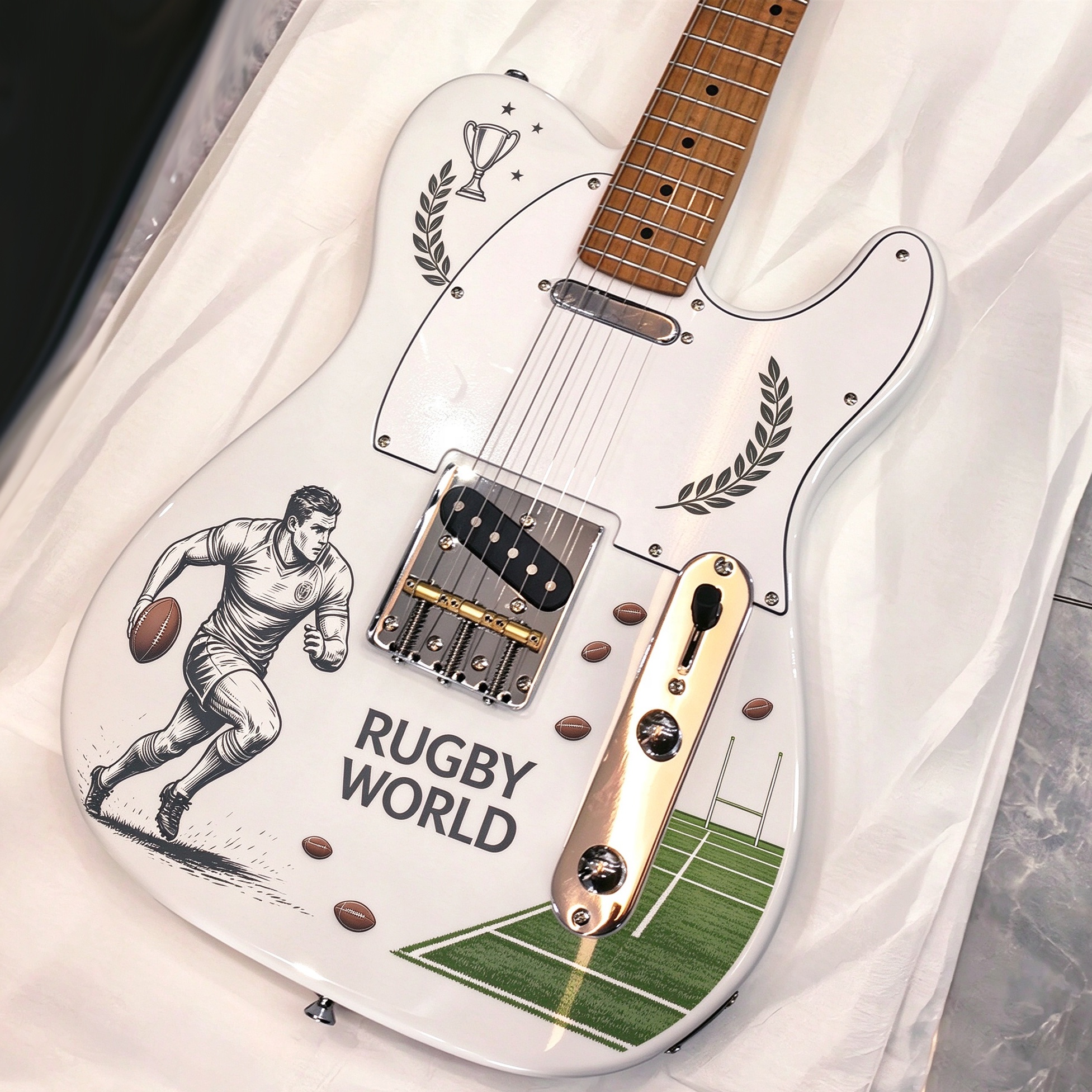
Yes. We offer complete OEM and ODM design-based customization. You can submit CAD/DXF files for proprietary headstock and body geometry, choose specific pickup resistance windings, select laser-etched neck plates, or utilize precision silk-screen and waterslide headstock logos.
Q3: How do you prevent fret sprout during shipment to Denmark?
We equilibrate tonewoods to an 8%–10% moisture content using controlled thermal drying chambers prior to fret installation. Frets are beveled at 35 degrees with crowned, polished ends. Each batch undergoes chamber testing simulating cold maritime humidity transitions.
Q4: What are the lead times for custom guitar orders arriving in Danish ports?
Sample production typically takes 15–25 working days. Mass production runs require 35–45 days depending on lacquer specifications (polyurethane vs. nitrocellulose feel). Ocean freight to the Port of Aarhus or Copenhagen usually takes 32–38 days, while express air couriers take 5–7 days.
Q5: Can we mix multiple guitar models and accessories into a single LCL/FCL?
Absolutely. You can consolidate electric guitars, headless kits, electric basses, acoustic lines, effects pedals, and instrument cables within a single consolidated pallet (LCL) or full shipping container (FCL), streamlining logistics and lowering unit shipping costs.
Q6: Are all onboard electronics CE and RoHS compliant for the EU market?
Yes. All electronic components—including 3-way/5-way selector switches, Alnico and ceramic pickups, potentiometers, input jacks, and active amplifier PCB circuits—fully comply with CE, RoHS, and FCC directives, containing zero restricted hazardous materials.