Factory Direct Models Built with Precision Core Architecture
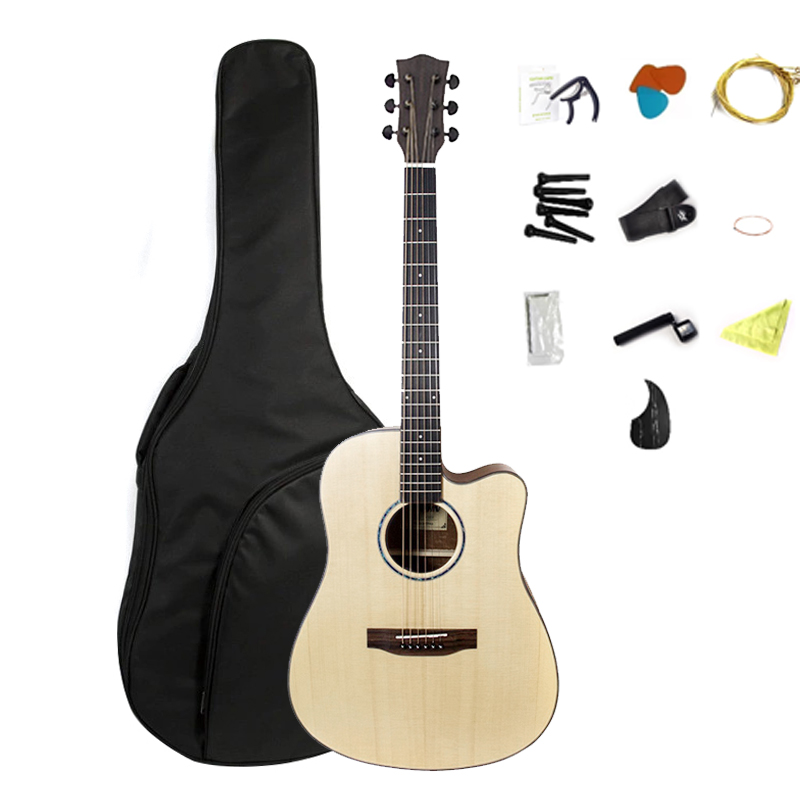
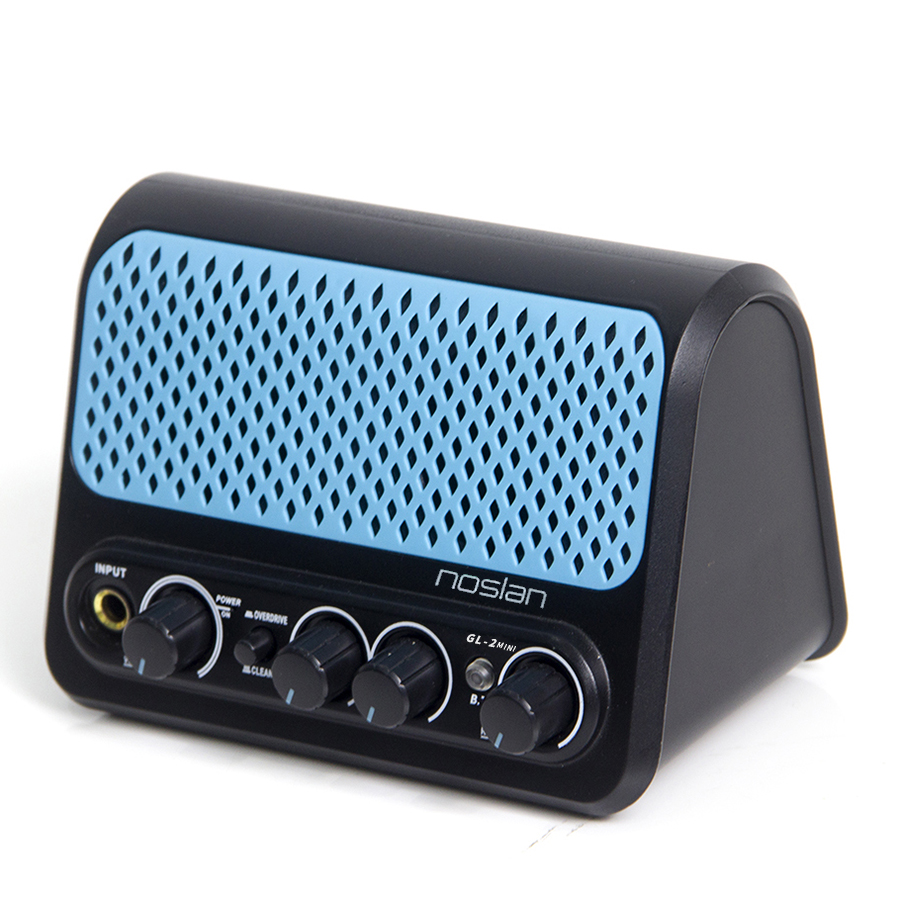
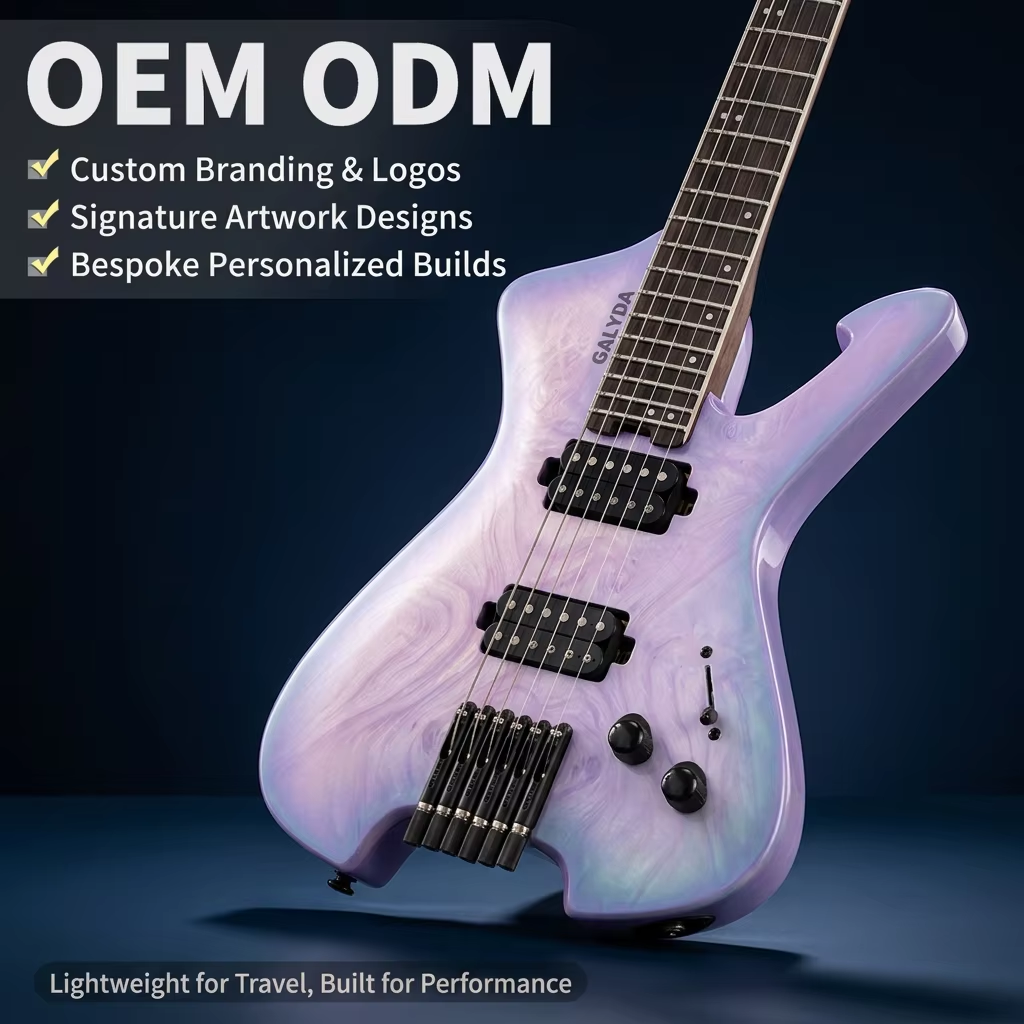
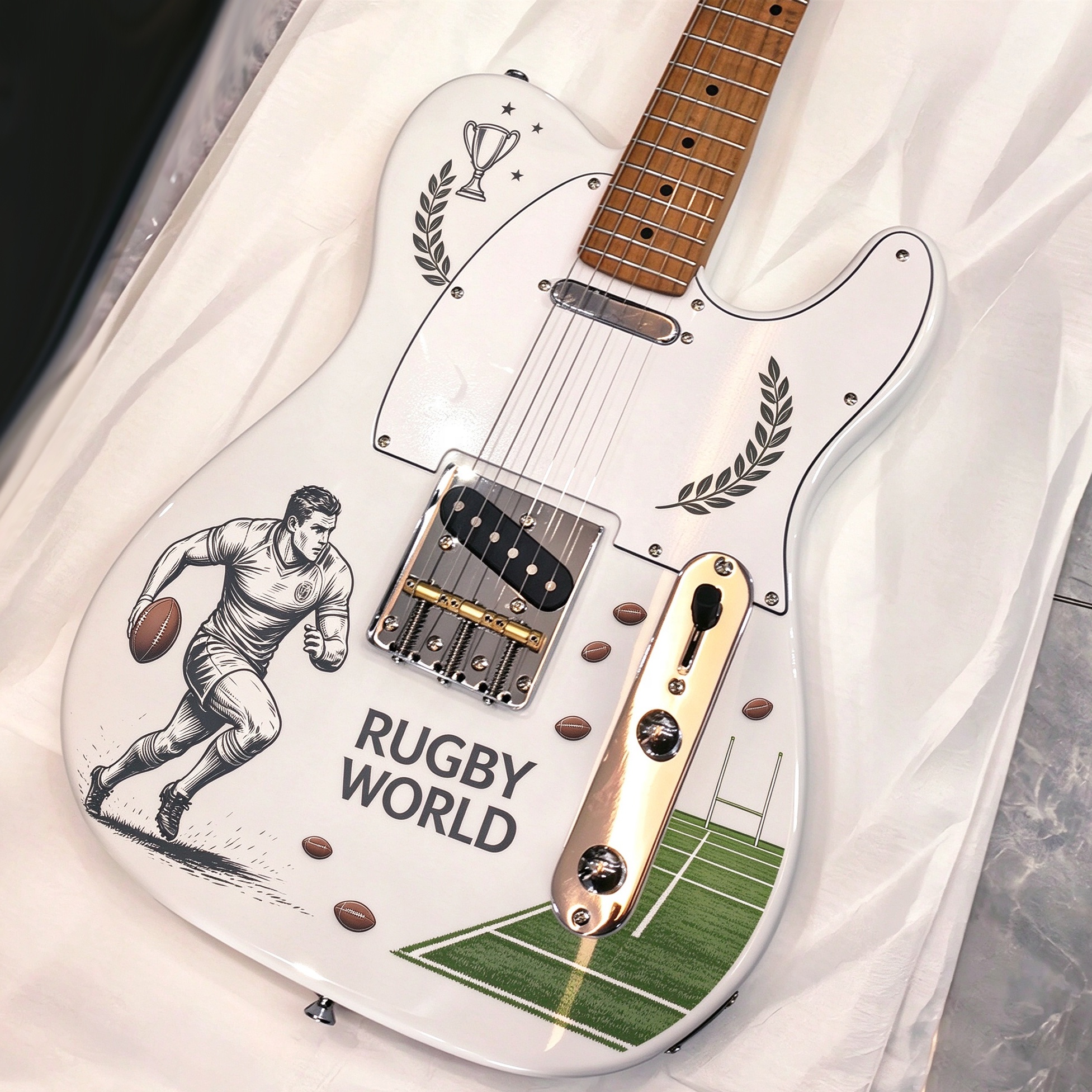
Explore eight core instruments and stage-ready products engineered with strict structural stability, ready for customized OEM branding, retail distribution, and bulk luthier fulfillment.


The Dynamics of Truss Rod Architecture in High-Humidity Theatrical Environments
Why the West End musical corridor, Denmark Street lutherie repair shops, and European touring productions require sub-millimeter truss rod precision and zero-thermal-drift stabilization.
In the high-intensity performance sector of London’s West End—from historic venues along Shaftesbury Avenue and Covent Garden to the rigorous underground pit stages of the Dominion and Lyceum Theatres—a musical instrument is subjected to extreme environmental swings. Instruments endure sudden transitions between humidified backstage vaults, rapid thermal loading under halogen and high-output LED stage luminaires, and the persistent chill of subterranean storage pits. For professional pit guitarists, bassists, and lutherie technicians, maintaining micro-curvature neck integrity over 8 shows a week without fret buzz or tonal damping is not merely a preference; it is a contract requirement.
As a seasoned guitar truss rod supplier and certified musical instrument hardware exporter, Huizhou NFGF Musical Instrument Co., Ltd. approaches neck tension control not as a secondary hardware component, but as the active structural spine of the instrument. Drawing upon our SGS-audited 5,100 m² automated and luthier-supervised manufacturing facility, we engineer two-way, dual-action truss rod systems, spoken-wheel spoke rods, and lightweight carbon-titanium composite solutions built specifically to withstand cyclical moisture loads and prolonged structural fatigue.
Engineered Truss Rod Configurations for Professional Lutherie
Each neck blank demands specific mechanical resistance. NFGF supplies West End guitar builders and international guitar manufacturing factories with specialized rod variants engineered for specific neck timbers and access requirements.
Dual-Action Two-Way Rods
Features double-threaded opposing carbon steel rods encased in shrink-fitted thermal dampening sleeves. Corrects both forward relief (bow) and backwards back-bow with smooth bi-directional control, eliminating neck replacement risks under shifting climates.
Heel-Spoke Wheel Adjusters
Favored by West End stage technicians for rapid, non-destructive setup between theatre scenes. Insert a standard steel pin into the 360-degree perimeter wheel at the neck heel without removing pickguards, strings, or neck joints.
Titanium & Alloy Ultralights
Engineered for high-end boutique electrics and ergonomic headless models. Delivers up to 45% mass reduction over standard steel bars while retaining an exceptional modulus of elasticity, preventing headstock dive and dead resonance frequencies.
Acoustic Acoustic Curved Channel
Single-rod systems with brass anchor blocks designed for traditional curved-trench installations. Matches vintage Martin, Gibson, and classical Spanish neck construction methods preferred by heritage restorers along Denmark Street.
West End Application Scenarios & Demanding Use Cases
Discover how our truss rod engineering integrates directly into the core workflows of commercial theatre, professional touring rigs, and historical restoration centers across central London.
West End Pit Orchestra Reliability
In shows running continuously for years (such as Les Misérables, The Phantom of the Opera, or Wicked), pit multi-instrumentalists must switch between 6-string electrics, fretless basses, and acoustic archtops without re-tuning delays. NFGF’s dual-action core resists the hot/cold airflow generated by theatre ventilation dampers, maintaining action within ±0.05 mm from opening overture to final curtain call.
Denmark Street ("Tin Pan Alley") Restoration
Historic lutherie workshops around London’s Soho and St. Giles rely on exact-dimension replacement truss rods during neck resets, fretboard re-radiusing, and vintage truss channel rehabilitation. NFGF exports metric and imperial brass-nut variants that preserve internal channel integrity without requiring invasive woodworking on irreplaceable pre-1970 vintage instruments.
Touring Rehearsal Studios & Headless Builds
With London serving as the international hub for European album cycles and arena rehearsal complexes (Bermondsey, Kings Cross, Wembley), touring techs prefer headless electric and bass guitars featuring our spoke-wheel or titanium dual-rods. Reduced neck mass translates to zero neck drop during active physical stage routines while handling rapid flight cabin cargo pressurization shifts.
Material Science & Mechanical Comparison Matrix
A rigorous review of metal selection, thermal expansion co-efficiency, and assembly tolerances between NFGF precision rods and conventional market alternatives.
| Performance Parameters | NFGF Stage-Pro Two-Way Rod | Standard Commercial Steel Rod | Generic Unbranded Imported Rod |
|---|---|---|---|
| Primary Core Alloy | AISI 1045 High-Carbon Cold-Rolled / Ti-6Al-4V | Q235 Low-Carbon Structural Steel | Mixed Re-melted Steel Scrap |
| Thread Machining Method | CNC Single-Point Cold Rolled Thread (Anti-Stripping) | Standard Die Cut Thread | Pressed / Stamped Threads |
| Torque Stripping Resistance | > 18.2 N·m (Hex Nut) / > 22 N·m (Spoke) | 8.5 – 11.0 N·m | < 6.5 N·m (Risk of Nut Shearing) |
| Resonant Damping Protection | Seamless Polyolefin Heat-Shrink Sleeve (Full Length) | Partial PVC Tape Wrap | Bare Steel (Causes Internal Fret Rattle) |
| Corrosion Resistance Treatment | Dual Black Oxide + 96-hr Neutral Salt Spray Zinc Plating | Light Flash Chrome / Uncoated Oil | Untreated (Vulnerable to Sweat & Condensation) |
| Thermal Co-efficient Matching | Engineered for Roasted Maple, Mahogany & Rosewood | Broad Tolerance Only | Uncalibrated (Prone to Seasonal Bowing) |
Every truss rod manufactured in our Huizhou facility undergo 100% thread torque resistance testing. By using rolled threads rather than cutting them on a conventional lathe, the structural grain flow of the steel remains unbroken along the thread crests. This provides more than double the stripping resistance of budget hardware, ensuring that guitar techs in tight theatre pits can confidently make micro-adjustments under full string tension without stripping the allen socket or shearing the weld block.
West End & British Lutherie Trends Shaping Truss Rod Demand
Market shifts in tonewood regulations, modern electric guitar ergonomics, and sustainability mandates continue to redefine component specifications for UK and EU imports.
Thermal Wood Modding (Torrefied Maple)
UK boutique builders and commercial factories are increasingly shifting toward roasted (torrefied) maple necks to achieve vintage tone and structural stiffness. Torrefied wood contains virtually zero hygroscopic moisture, making it exceptionally rigid yet brittle. NFGF’s low-profile, smooth-engagement dual-action rods distribute load evenly across the entire truss trench, avoiding localized stress cracks along brittle maple grain lines.
UK REACH & RoHS Metallurgy Compliance
Following post-Brexit supply chain shifts, UK musical distributors must adhere strictly to UKCA certifications and UK REACH chemical limits on hazardous hexavalent chromium and lead alloy residues. NFGF maintains eco-compliant electroplating baths and non-toxic shrink-wrap materials, ensuring seamless customs clearance at Southampton, Dover, and London Heathrow freight facilities.
Integration of Multi-Scale & Extended-Range Necks
The explosive popularity of modern progressive theatre scores (e.g., Hamilton, modern rock adaptations) requires 7-string and 8-string guitars with multi-scale fanned frets. Traditional centered single rods cannot balance asymmetrical string tensions (where low-string tension exceeds high strings by 35%). NFGF supplies custom asymmetric dual-rod paired systems and twin carbon-fiber stabilizer arrays designed to eliminate cross-axis neck twist.
West End Buyer FAQ: Technical & Logistics Inquiries
Direct answers for guitar technicians, production purchasing managers, and musical instrument brands ordering precision truss rod hardware and complete instruments.
What are the standard length specifications available for electric, bass, and acoustic truss rods?
We supply standardized lengths including 380 mm (strat/tele style guitars), 420 mm (LP and modern 25.5" scale electrics), 440 mm (acoustic dreadnoughts and 36-41" folk guitars), 600 mm (short scale bass), and 620 mm to 640 mm (34" to 35" standard and extended scale electric basses). Custom lengths down to 300 mm (ukulele, mandolin, and travel guitars) are produced on CNC order with rapid tooling turnaround.
How does NFGF prevent truss rod vibration or sympathetic rattle inside the neck?
Sympathetic vibration is one of the most frustrating defects in studio and pit environments. Every dual-action rod manufactured by NFGF is fitted with an industrial polyolefin heat-shrink acoustic dampening tube covering the full active contact length. This ensures direct mechanical friction against the wood channel walls without metal-on-metal buzz, even under aggressive low-frequency bass resonances.
Can West End lutherie brands request custom spoke wheel head designs and laser branding?
Yes. We offer fully custom adjustment heads including vintage slotted hex nuts, 4mm/5mm internal allen key barrels, and modern 360-degree perimeter spoke wheels. Spoke wheels can be customized with 4 to 6 entry holes, knurled surface finishes, and laser-engraved brand logos or directional turn arrows (+ / -) for immediate stage tech orientation.
What is the minimum order quantity (MOQ) for truss rods and complete custom guitars?
To support prototype development, repair shops, and boutique runs across London and the UK, sample stock models start from just 1 piece for standard guitars and basses. For specialized truss rod batches with customized routing profiles, spoke wheels, or titanium composition, MOQ starts at 50 to 100 units, while full OEM guitar production runs feature flexible tiering depending on custom graphic and timber requirements.
How do you handle shipping, customs documents, and VAT compliance for UK delivery?
We provide comprehensive export handling including DDP (Delivered Duty Paid), FOB, and CIF terms. Our export documentation includes commercial invoices with correct UK Commodity / HS codes (9209.92 for musical instrument parts and accessories), full Packing Lists, Certificate of Origin, and SGS material conformity test reports to ensure immediate customs clearance through HMRC ports without unexpected clearance holdups.
Are NFGF truss rods compatible with automated CNC neck routing machines?
Yes. Our rods feature tight outer profile dimensions (standard 6.0 mm width × 9.0 mm height or flat-profile 5.8 mm × 8.0 mm for modern slim neck carves). We supply DXF/DWG toolpath drawings for master CNC setups to ensure your routing trench tolerances (±0.05 mm) achieve a perfect friction press fit without wood glue migration or channel slop.
Equip Your Workshop or Brand with Stage-Tested Truss Core Systems
Whether you are managing instrument maintenance for high-profile West End musical productions, designing your next flagship production series, or expanding boutique shop retail offerings across the UK and Europe, Huizhou NFGF delivers audited quality, metallurgical precision, and reliable factory pricing.