Featured OEM Instruments & Hardware Showcase
Precision-engineered musical instruments and accessories manufactured by Huizhou NFGF Musical Instrument Co., Ltd. for global B2B distributors and Japanese retail brands.
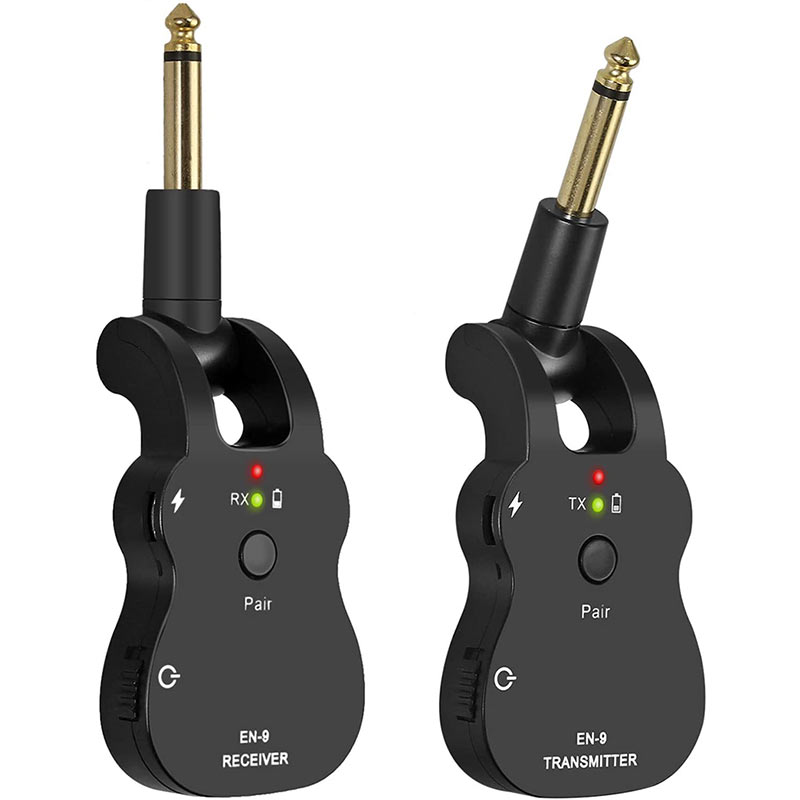
High Quality Digital Guitar Bass Audio Wireless System
View Product Spec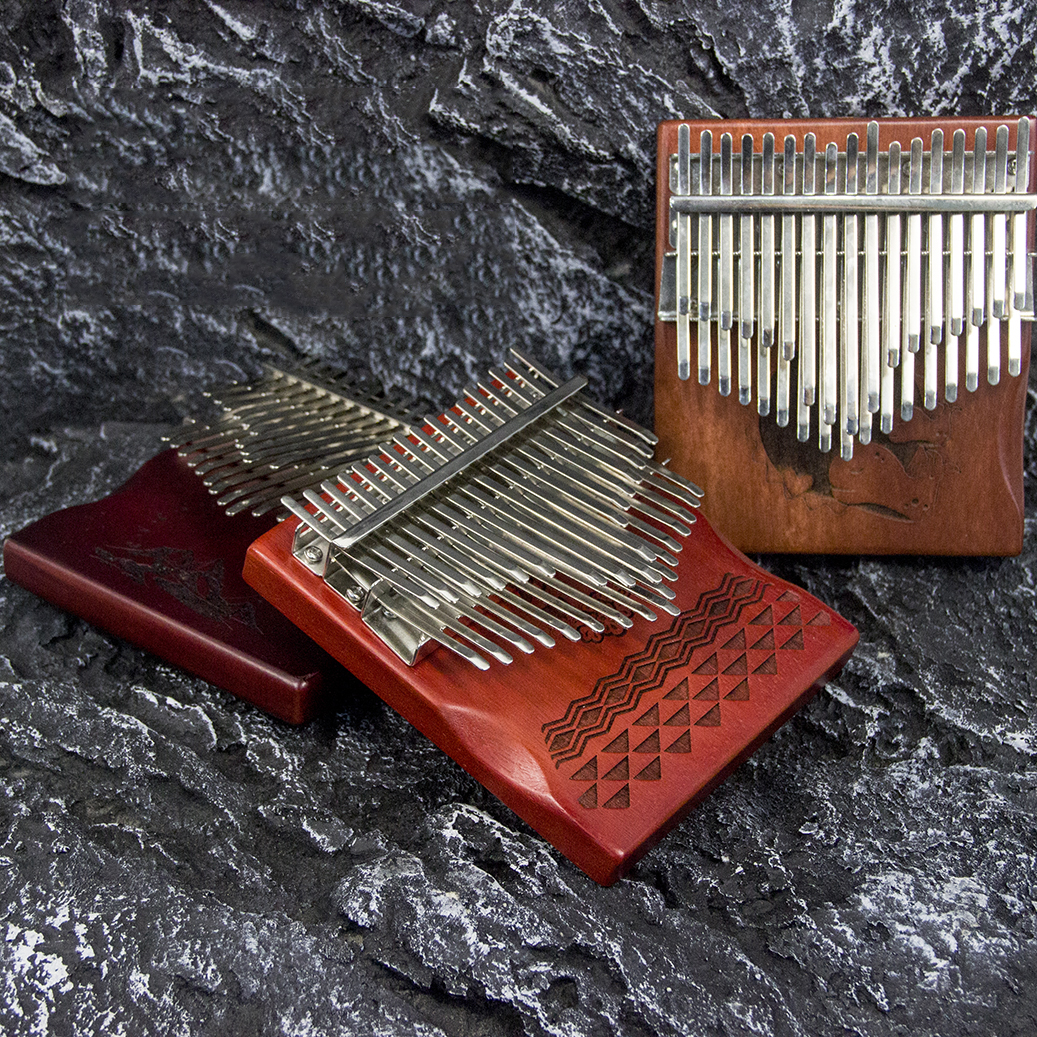
34-Tone Kalimba Mahogany Solid Wood Dual Layer Thumb Piano
View Product Spec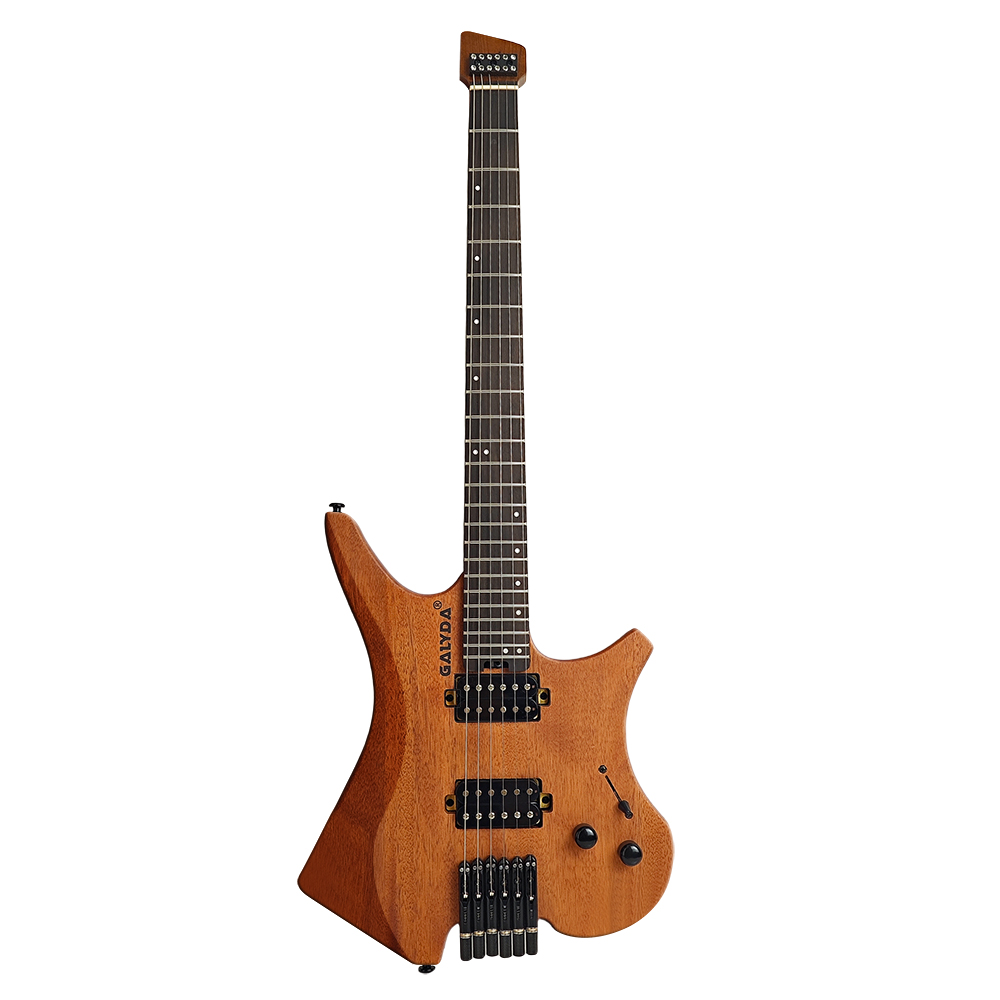
Wholesale G990 Headless Electric Guitar Custom Kit
View Product Spec
Professional In-Ear Monitor IEM HiFi Wired Earphones with Mic
View Product Spec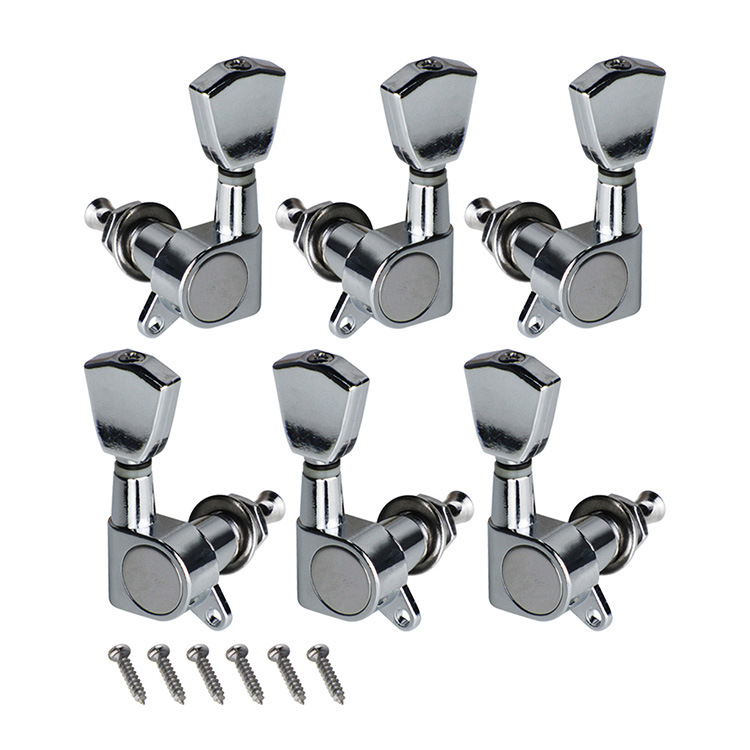
Acoustic Guitar Metal Machine Heads & Tuning Peg Assemblies
View Product Spec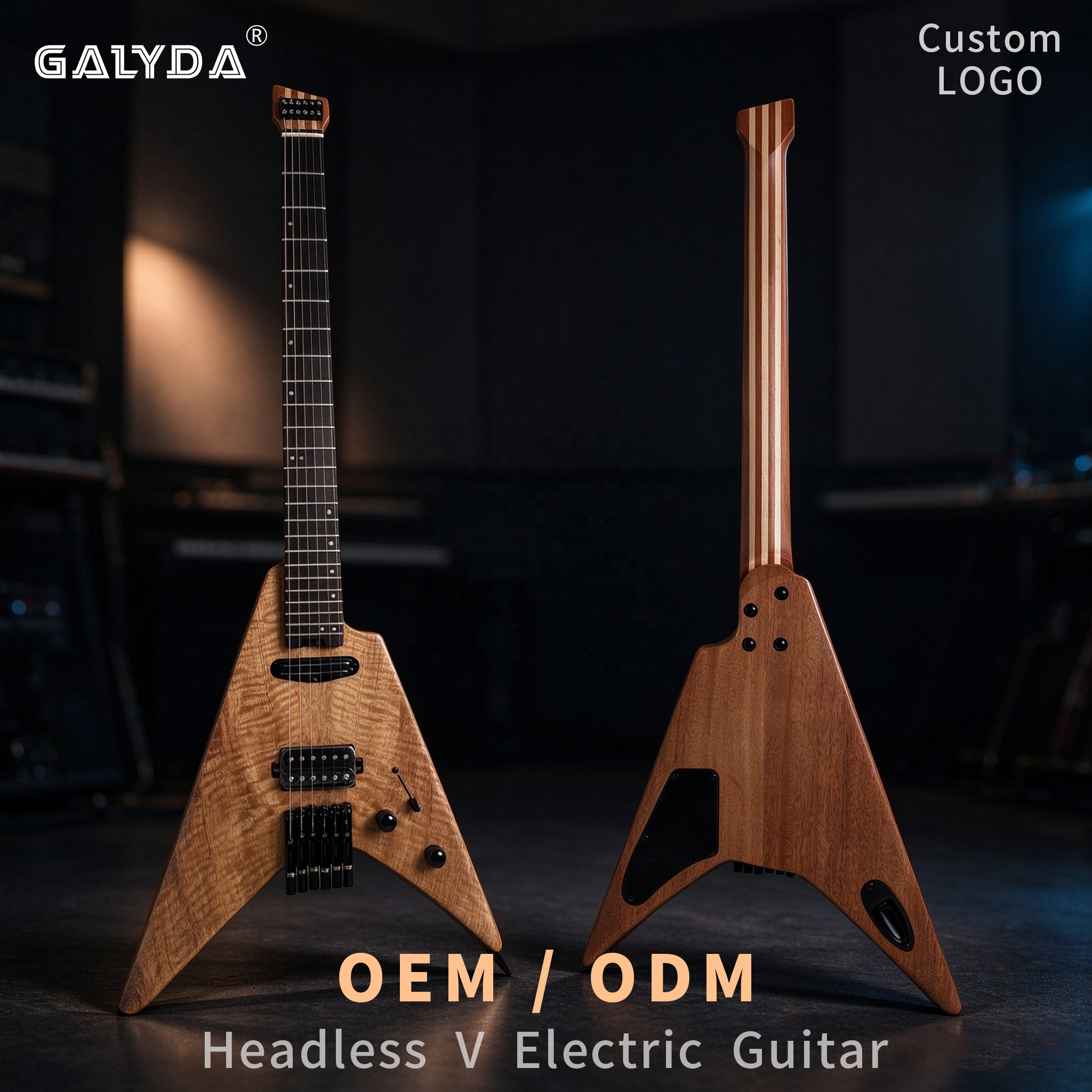
Headless V-Shape 6-String Electric Guitar with Mahogany Body
View Product Spec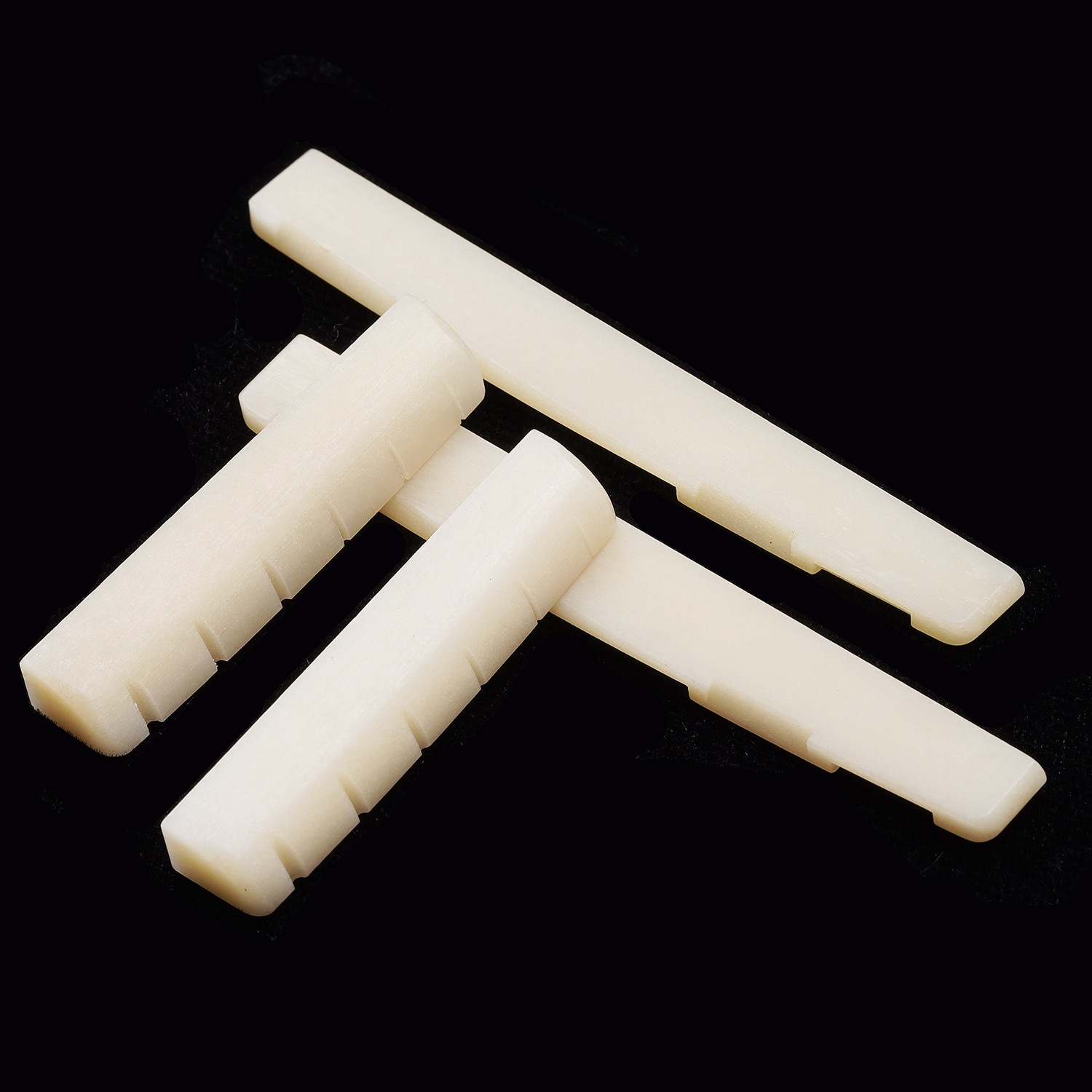
Unbleached Natural Acoustic Guitar Bone Nut & Saddle Sets
View Product Spec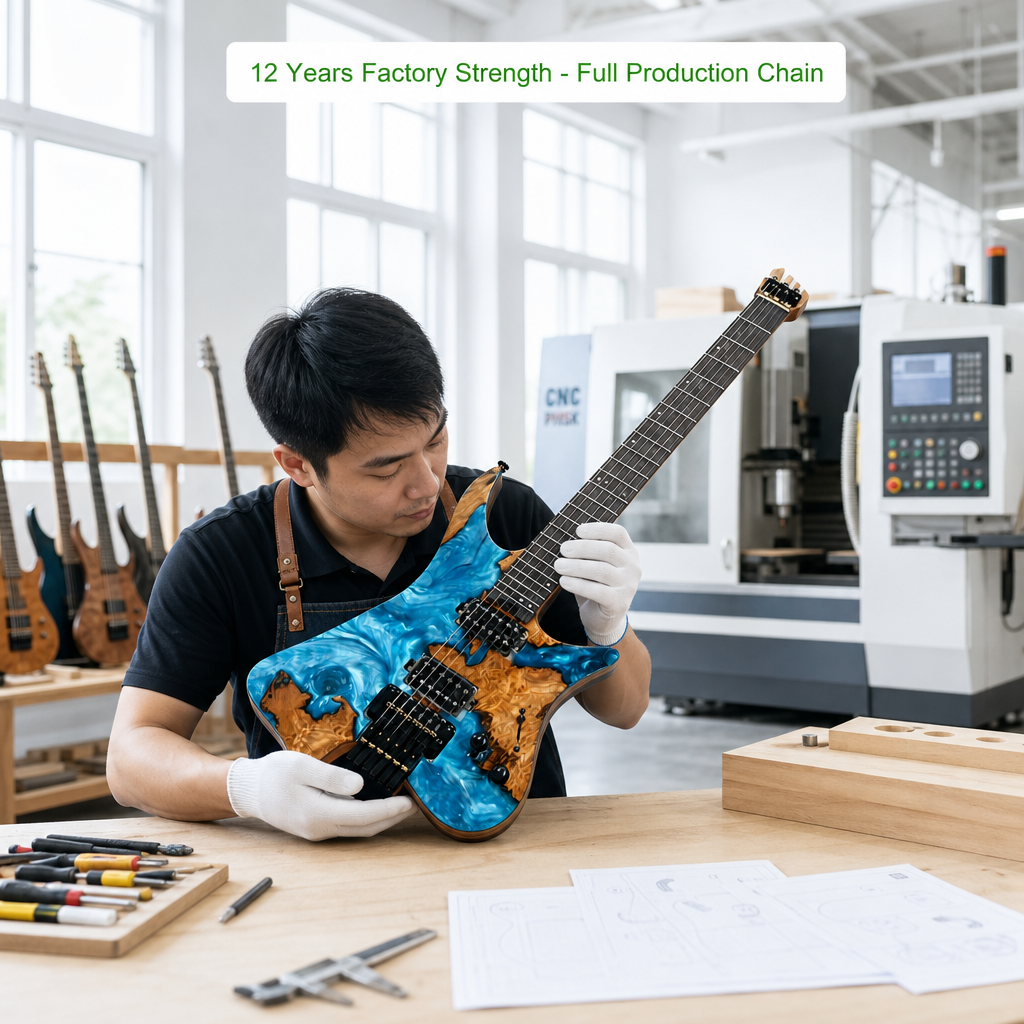
Bright Light Custom Electric Guitar Double-Fret Bridge OEM
View Product SpecB2B Executive Summary: Navigating Japan’s Guitar Hardware Market
The Japanese musical instrument market—anchored by iconic retail epicenters like Ochanomizu, Shibuya, and Yokohama—demands an extraordinary standard of mechanical precision, surface electroplating longevity, and failure-proof reliability. For Japanese guitar brands, musical instrument importers, and B2B distributors, the guitar strap lock is far more than a basic accessory; it is a critical safeguard for high-value vintage and custom-shop instruments valued at hundreds of thousands of yen.
When sourcing from overseas OEM/ODM factories, Japanese procurement directors face unique localized challenges: strict compliance with Japanese Industrial Standards (JIS) metallic specs, zero-defect surface finishes, silent mechanical coupling to eliminate acoustic rattling during studio recording, and environmental compliance under strict chemical standards (RoHS 2.0 / REACH). This whitepaper provides a comprehensive analysis of guitar strap lock manufacturing standards, metallurgical specifications, localized application environments in Japan, and supply chain strategies for brand owners looking to partner with certified factories.
Engineering Anatomy of Industrial-Grade Guitar Strap Locks
Deconstructing the structural, mechanical, and metallurgical standards required to manufacture strap security systems for professional stage and studio applications.
High-Density Zinc Alloy & Brass Machining
Traditional strap buttons rely on basic stamped steel or soft aluminum, which wear down under repeated mechanical friction. High-performance strap lock systems utilize die-cast solid Zinc Alloy (ZAMAK 3/5) bodies combined with CNC-machined brass inner locking plungers. This guarantees a tensile resistance exceeding 500 Newtons (50 kg), preventing hardware shear under violent stage movement.
Dual-Ball Bearing Quick-Release Springs
The internal core features dual hardened stainless steel ball bearings engaged by a heavy-duty fatigue-resistant compression spring. When the plunger knob is pulled, the balls retract seamlessly; when released, they lock into the grooved end-pin with absolute mechanical rigidity, eliminating accidental disconnects.
Multi-Stage Corrosion Electroplating
Japan’s humid coastal climate accelerates metal oxidation. Professional strap locks undergo a multi-layer electroplating process (Copper Base + Nickel Barrier + Chrome/Cosmo Black Topcoat) subjected to a 48-hour neutral salt-spray test (NSS) to guarantee zero pitting, flaking, or discoloration under sweat exposure.
Localized Application Scenarios across Japan’s Music Ecosystem
Understanding how Japanese end-users interact with guitar hardware in performance venues, commuter networks, and studio environments.
1. High-Energy Performances in Japanese Live Houses
Japan boasts thousands of compact, energetic venue spaces—known locally as "Live Houses" (e.g., Shibuya Club Quattro, Shimokitazawa Shelter, Zepp Tokyo). Artists performing J-Rock, Visual Kei, and Heavy Metal exhibit dynamic stage movement where standard strap buttons frequently slip. OEM strap locks engineered with a 360-degree rotation flange prevent strap twisting and absorb sudden lateral shocks during physical performances.
2. Dense Urban Commuting & High-Protection Gig Bags
Musicians in Tokyo, Osaka, and Nagoya rely heavily on public transit (Shinkansen and subways). Guitars are transported in heavy-duty padded gig bags or flight cases. Conventional wide strap buttons stretch gig bag pin slots over time. Flush-mount or quick-release strap lock buttons keep the hardware profile compact, preventing interior case lining wear and tear during crowded daily transit.
3. Preservation of Vintage & Custom Shop Guitars
In Ochanomizu’s world-renowned guitar district, collectors and players invest millions of yen in vintage Fender, Gibson, and high-end Japanese boutique instruments (e.g., ESP, Navigator, Bacchus). Instrument drop damage caused by strap slippage leads to catastrophic lacquer cracking or neck breakages. Precision strap locks with silicon rubber washer cushions protect original body finishes while locking straps safely.
4. Studio Recording & Silent Mechanical Performance
Japanese recording engineers are notoriously meticulous regarding background noise during high-gain acoustic or electric guitar tracking. Low-quality metal strap locks often clatter and rattle against the end-pin. Advanced OEM strap lock designs incorporate synthetic rubber O-rings or self-lubricating nylon sleeves inside the catch groove, ensuring silent operation during delicate studio takes.
Japanese B2B Procurement Trends (2025–2030)
Critical market shifts that overseas factories must adopt to satisfy modern Japanese retail standards and consumer preferences.
Aesthetic Harmonization & Cosmo Black Finishing
While traditional Chrome and Gold remain staple finishes, the Japanese market has seen a rapid surge in demand for Cosmo Black (Black Nickel) and Satin Matte finishes. Japanese guitarists favor hardware that seamlessly matches dark bridge assemblies and black tuning keys. Overseas manufacturers must possess exact chemical bath controls to maintain consistent color-matching across large batch orders.
Anti-Stripping Wood Thread Engineering
Japanese guitar builders frequently utilize lighter tonewoods (such as lightweight Ash, Alder, or Basswood). Standard short mounting screws can easily strip the wood threads inside the body when subjected to overtightening. Modern OEM manufacturing requires supplying dual-thread screw sets: an M3.5 x 25mm extra-deep wood thread screw alongside standard imperial options to accommodate both Japanese and American neck joint configurations without stripping.
Eco-Friendly Retail Hanging Card Packaging
Japanese retail chains (such as Shimamura Music and Ishibashi Music) prioritize compact, eco-friendly blister cards and recyclable paperboard packaging. Heavy plastic clam-shells are rapidly being phased out due to store display efficiency and Japanese municipal waste regulations. OEM factories must offer custom-printed, FSC-certified cardboard hanging displays ready for point-of-sale hanging.
Chemical Safety & RoHS 2.0 Compliance
Japan stringently monitors heavy metal leaching in consumer products. Metal components coming in contact with skin must comply with strict Lead (Pb < 1000 ppm) and Cadmium limits. Partnering with an SGS-verified factory ensures raw material chemical testing is conducted before mass production, eliminating customs clearance blocks at Japanese ports (Yokohama/Kobe).
B2B Performance Matrix: Standard vs. Professional OEM Strap Locks
A engineering comparison of technical parameters evaluating generic hardware versus precision-machined OEM strap locking systems.
| Performance Metrics | Generic Friction Buttons | Rubber Strap Blocks | NFGF Professional OEM Strap Locks |
|---|---|---|---|
| Mechanical Locking Mechanism | Friction Hold Only | Friction Compression | Dual-Ball Bearing Spring Plunger |
| Maximum Pull-Test Load | 8 - 12 kg (Risk of Slippage) | 15 - 20 kg | 50 kg+ (Continuous Load Tested) |
| Acoustic Noise Suppression | High Rattle Potential | Silent | Silent (Integrated Nylon/O-Ring Buffer) |
| Surface Electroplating Standard | Single-Layer Flash Plate | N/A (Rubber/Silicone) | Multi-Stage Cu/Ni/Cr (48H Salt Spray) |
| Tonewood Thread Compatibility | Single Standard Screw | Uses Stock Screw | Dual Spec (JIS Metric + Imperial Options) |
| Custom Branding Capabilities | None | Molded Graphic Only | Laser Engraved Logo / Custom Packaging |
Enterprise Strengths: Partnering with NFGF Music
Why leading global brands and Japanese importers choose Huizhou NFGF Musical Instrument Co., Ltd. as their trusted OEM/ODM production partner.
SGS On-Site Verified Factory
Established in 2014 in Qiuchang, Huiyang District, Huizhou (Guangdong’s premier instrument cluster), our 5,100 m² facility is fully assessed on-site by SGS Group. We maintain dedicated workshops for metal lathe turning, woodworking, spray painting, assembly, and strict QC testing.
Over 100 Patent Assets & In-House R&D
Our experienced engineering team integrates industrial designers and luthiers who have successfully filed over 100 design patents and copyrights. We assist Japanese buyers from initial CAD prototyping to final mass-market tool production with low sample turnaround times.
Low MOQ & Agile Batch Customization
We break traditional factory constraints by supporting flexible Minimum Order Quantities (MOQs). Whether testing a new retail concept with 100 sets or placing mass 10,000-unit contract orders, we provide custom laser-etched brand logos, bespoke plating shades, and localized Japanese retail packaging.
B2B Procurement FAQ for the Japanese Market
Addressing critical logistical, technical, and quality assurance questions common among Japanese importers and retail buyers.
For standard stock finishes (Chrome, Black, Gold) without custom laser etching, our baseline trial MOQ starts as low as 100 sets. For custom-branded laser logos and customized Japanese barcode hanging-card packaging, our typical MOQ is 500 to 1,000 sets per run depending on packaging complexity.
Yes. All raw materials (zinc alloy, brass, stainless steel springs) undergo incoming chemical inspection. Upon request, we provide SGS material test reports confirming compliance with RoHS 2.0 heavy metal restrictions (Lead, Cadmium, Mercury, Hexavalent Chromium free).
We supply deep-cut M3.5 metric wood screws with a specialized thread pitch engineered specifically for soft instrument woods (like basswood and light alder). Additionally, we provide high-tensile hardened steel options to ensure wood grip without swelling or splitting wood fibers.
Absolutely. We regularly dispatch physical engineering samples directly to Tokyo, Osaka, and Nagoya via express air courier (DHL/FedEx). Sample production with custom laser logos typically takes 3 to 5 business days, allowing your QC team to test fit, spring tension, and finish quality prior to mass contract signing.
We offer versatile trade terms including FOB (Shenzhen/Guangzhou), CIF (Yokohama/Tokyo/Kobe), and DDP (Delivered Duty Paid directly to your warehouse). Our experienced export team handles all export documentation, commercial invoices, packing lists, and Certificates of Origin (Form E/General CO).
Our electroplating line operates with strict chemical bath concentration tracking and spectrophotometer color-matching control. Master color samples are archived in our QC laboratory for every client, ensuring that order re-runs months later match the original batch color perfectly.
Ready to Scale Your Hardware Line for the Japanese Market?
Partner with an SGS-audited manufacturer committed to engineering precision, reliable lead times, and flexible B2B customization. Contact our engineering team today for technical specs, sample requests, and factory-direct pricing.
Send an Inquiry