Production Hardware, Components & Assembly Kits
OEM/ODM high-specification assemblies engineered with precision fretwork, truss rod stability, and acoustic-electric balance for wholesale and distribution channels.

The Structural Mechanics of Guitar Neck Manufacturing for Spanish Town & Jamaica's Tropical Corridor
The demand for guitar neck components, replacement lutherie blanks, and integrated neck joints across Spanish Town, the historic core of Saint Catherine Parish, and the surrounding Kingston Metropolitan Area represents a specialized technical challenge in stringed instrument manufacturing. Unlike temperate European or North American retail markets where central climate control moderates wood movement, instruments circulating through Spanish Town operate under an aggressive sub-tropical regime. With relative humidity regularly vacillating between 65% in shaded workshops and exceeding 85% during seasonal precipitation cycles, standard industrial lumber processing is entirely inadequate.
When a guitar neck absorbs ambient moisture along its end grain or through fret slots, uneven hydro-expansion creates three major structural failures well known to Jamaican luthiers: tangential warping (back-bow or localized twisting), fret sprout where wood contracts beneath nickel-silver wire, and shear delamination at the neck-to-fingerboard glue boundary. Huizhou NFGF Musical Instrument Co., Ltd. addresses this precise ecological hurdle. By deploying proprietary kiln-drying cycles combined with secondary radio-frequency vacuum conditioning, our automated wood preparation stabilizes moisture content (MC) strictly at 8% to 10% prior to initial CNC roughing, preventing tension release after cross-ocean transit.
For lutherie workshops along Burke Road, local rehearsal studios near Cumberland Meadows, and instrument importers stocking retail hubs across Spanish Town, sourcing factory-direct necks requires verifiable assurance of truss rod mechanics. A neck is not simply an ornamental piece of shaped timber; it is a dynamic structural cantilever opposing between 100 to 180 pounds of continuous string tension. Our factory equips electric and acoustic necks with dual-action carbon-tempered truss rods encased in custom resonance-neutral sleeve damping, ensuring bidirectional relief correction capable of counteracting extreme atmospheric shifts without fretboard compression fatigue.
Localized Deployment: How Spanish Town Studios & Luthiers Utilize NFGF Components
From live reggae and dancehall stage rigs to church auditoriums and luthier repair benches, our production architecture matches specific Jamaican operating demands.
Reggae Skank & Dancehall High-Action Durability
Reggae rhythm guitar (the iconic "skank") requires instantaneous percussive attack, absolute pitch clarity at the 7th to 12th frets, and relentless mechanical stability. Our hard rock Canadian maple necks and engineered quarter-sawn profiles ensure the structural rigidity needed to maintain lower relief without micro-fret buzz under heavy rhythmic striking.
High-SPL Church & Community Sound Systems
In Spanish Town's vibrant worship centers, gospel bands run high-SPL systems where low-end bass frequencies induce acoustic feedback through hollow or soft-neck assemblies. NFGF bass necks feature high-density multi-ply laminations (Maple/Rosewood/Walnut) that raise resonant frequencies, eliminating structural low-frequency dead notes across 4-string and 5-string extended scale lengths.
Aftermarket Repair & Luthier Retrofitting
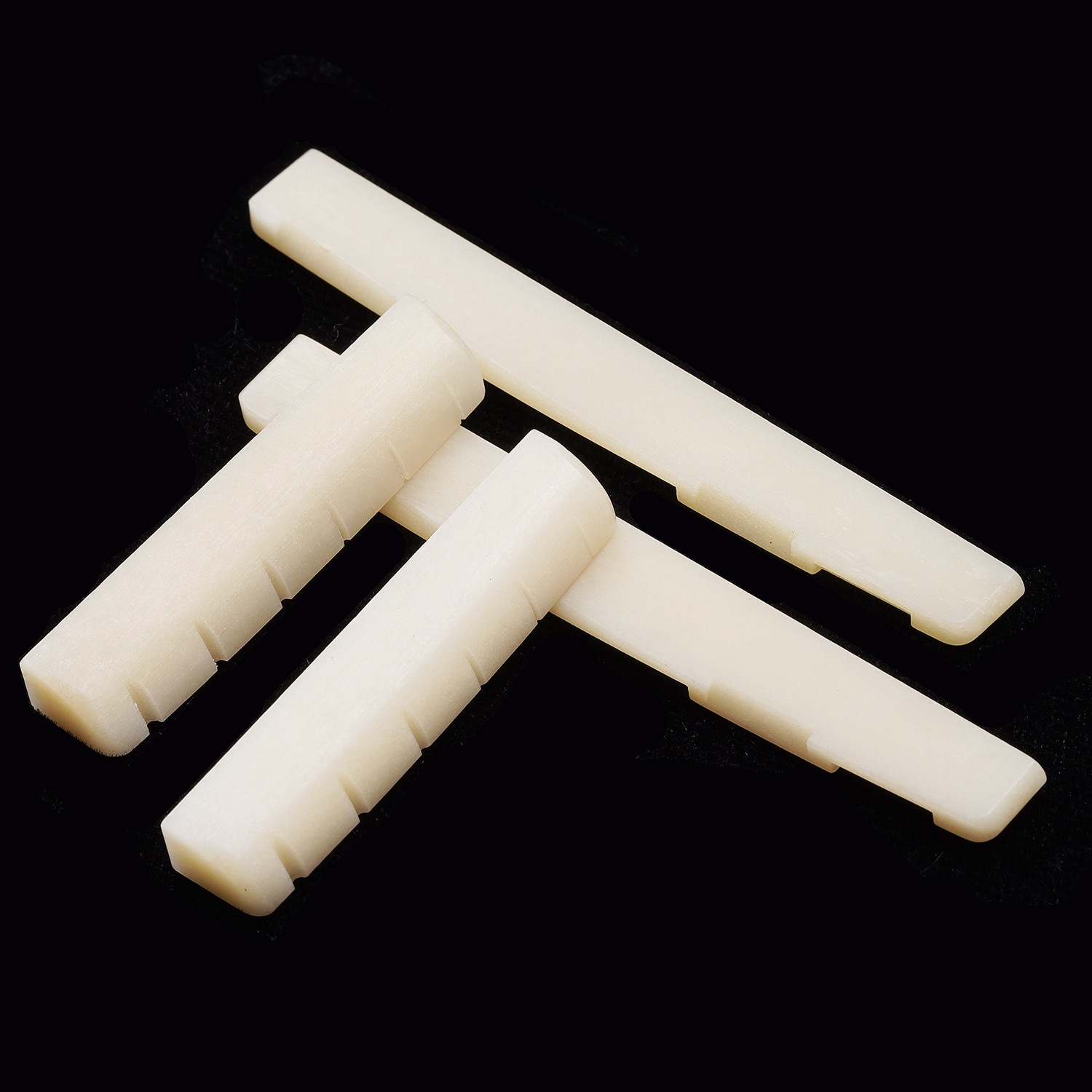
Repair shops throughout Saint Catherine frequently handle vintage bolt-on instruments ruined by sweat ingress and coastal salt mist. We manufacture vintage-spec 56mm heel dimensions with CNC-milled bolt pilots and accurately slotted bone nut platforms, allowing Spanish Town luthier businesses to offer bolt-in drop replacements that require zero structural modification to original guitar bodies.
Macro Sourcing Trends: The Shift Toward Direct OEM Procurement in Jamaica
The musical equipment supply chain across Jamaica is undergoing a structural transformation. Traditionally, retailers and studio engineers in Spanish Town, Portmore, and Kingston procured replacement guitar parts through intermediate distributors based in Florida or the wider Caribbean basin. This multi-tiered logistics ladder routinely inflated final landing costs by 45% to 80%, while offering minimal recourse when lumber shipments suffered from warping during oceanic container transit.
Today, commercial procurement trends in the Spanish Town market reveal three distinct operational movements:
Torrefied / Roasted Wood Dominance
Local technicians favor thermally treated (roasted) maple necks. Dehydrating the hemicellulose polymers in an oxygen-deprived kiln renders the wood hydrophobic, making it virtually impervious to Spanish Town's high-humidity cycles.
Direct Factory Customization (Low MOQ)
Rather than stocking generic aftermarket necks, local educational hubs and entrepreneurial music retailers import small-batch runs (starting from 1-10 units) featuring custom laser headstock branding and bespoke fingerboard radius profiles.
Consolidated Container Shipments
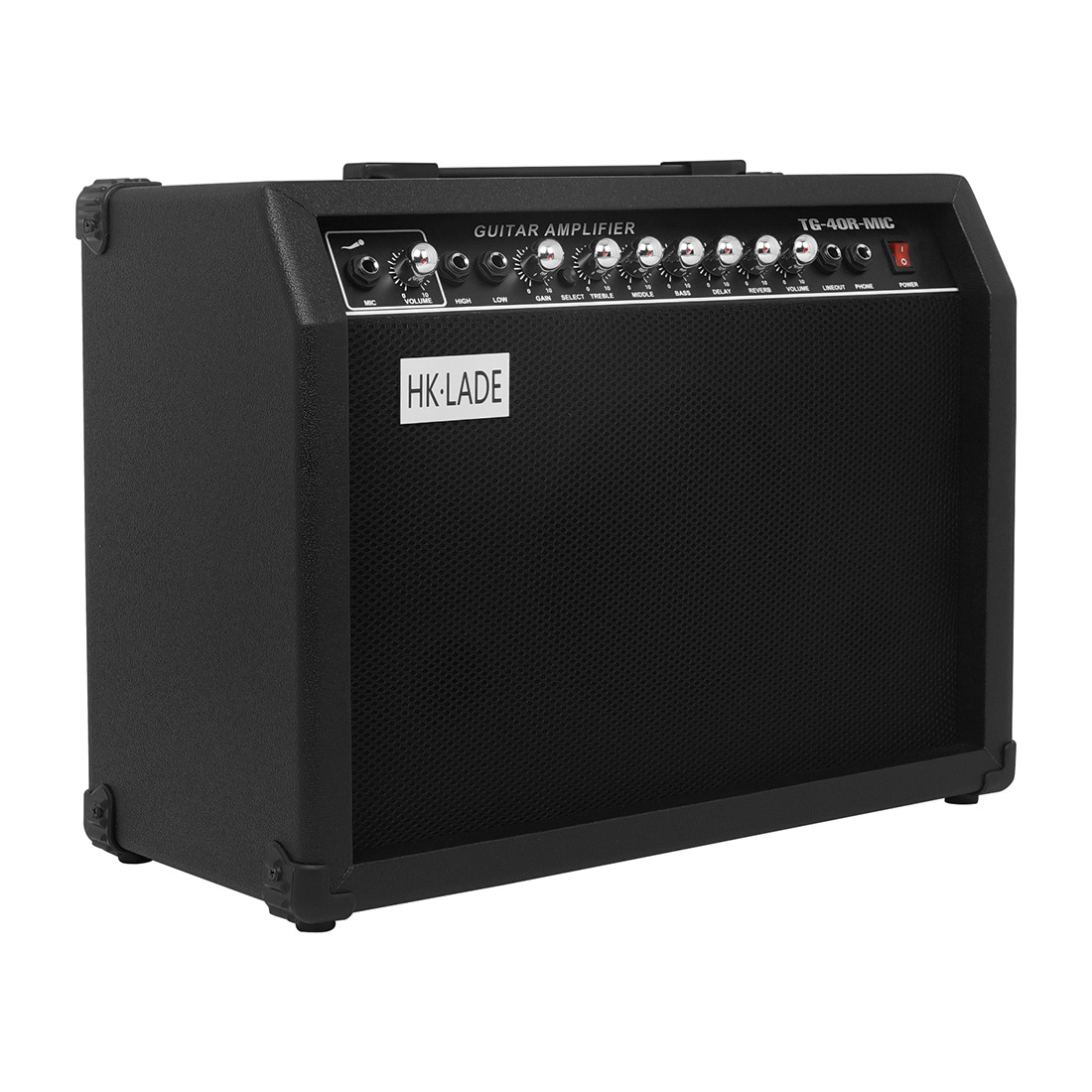
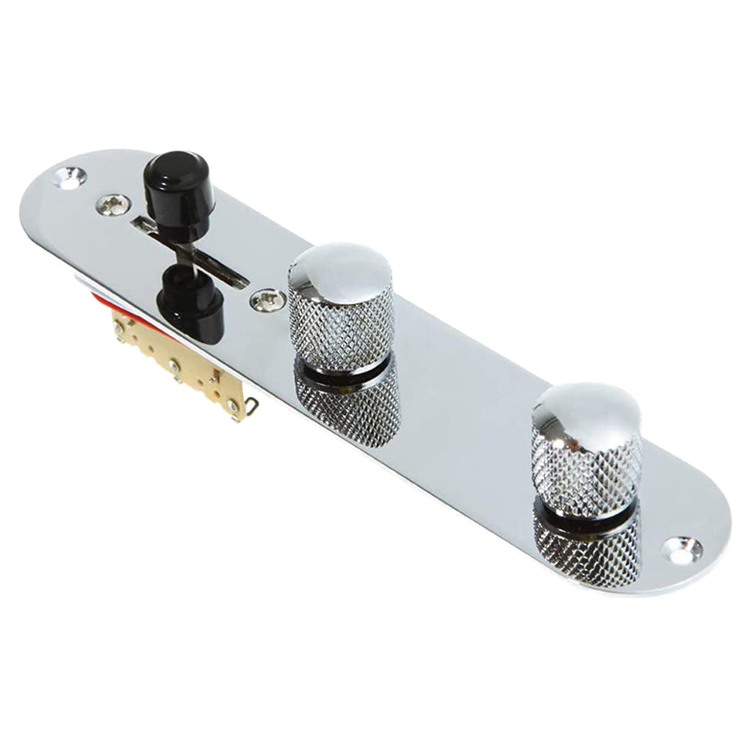
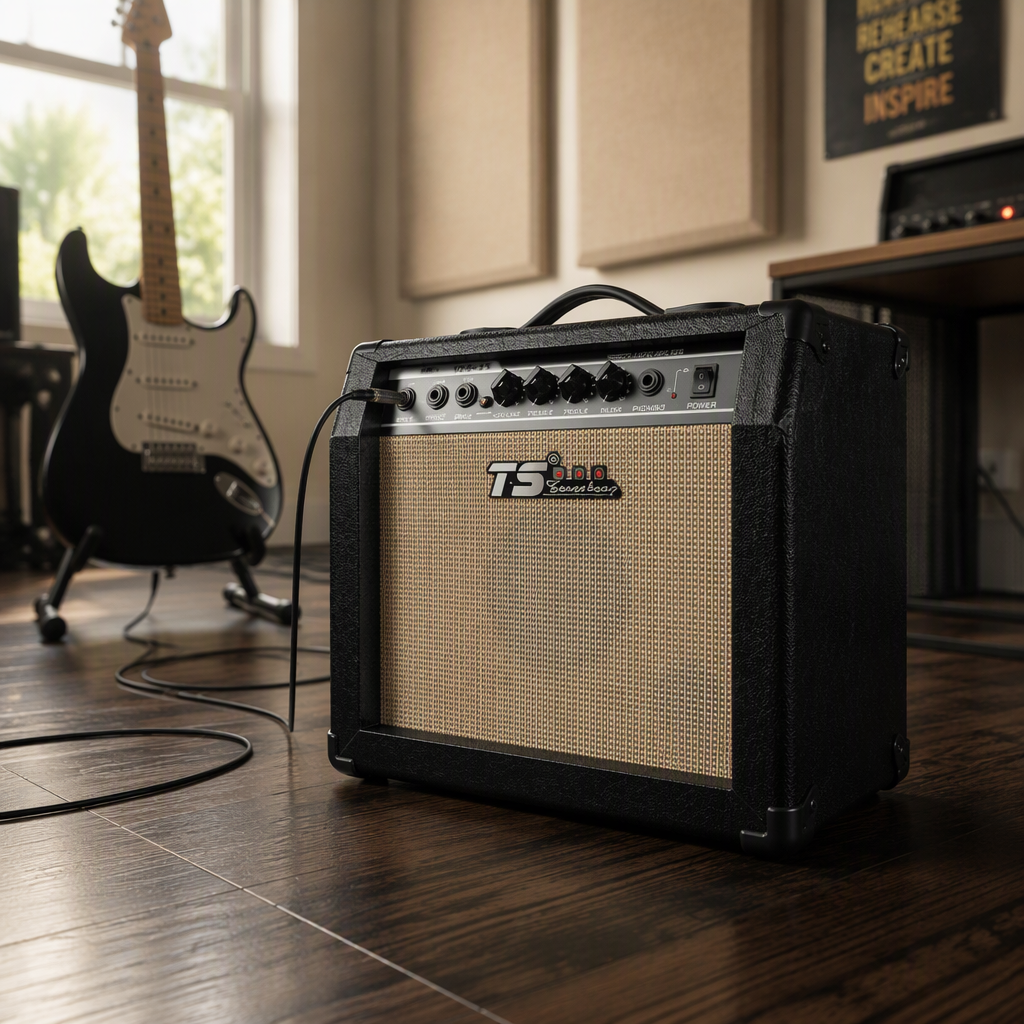
Importers combine high-margin finished instruments (ST guitars, bass combos, ukuleles) with bulk consumables—such as pre-wired control plates, unbleached bone nuts, and pre-fretted necks—to optimize shipping freight per cubic meter.
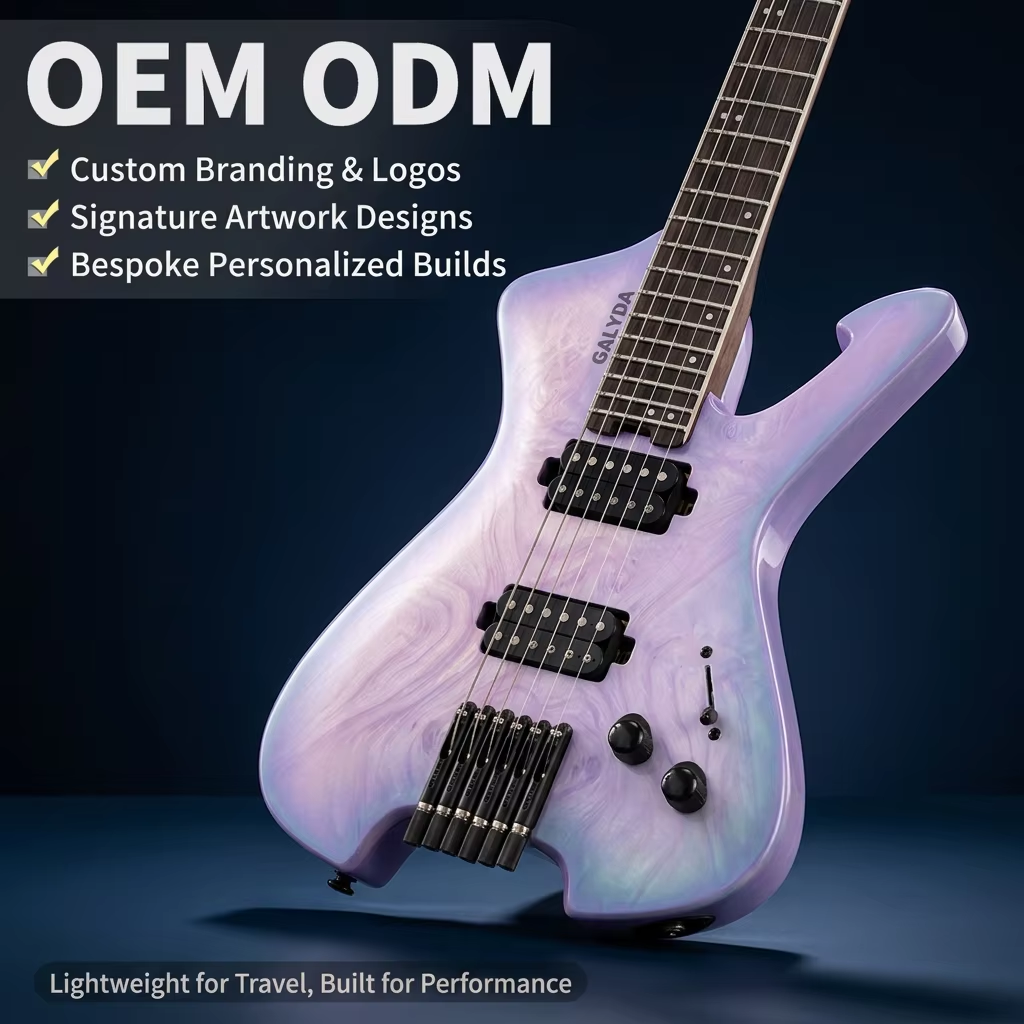
Precision Headless Architecture
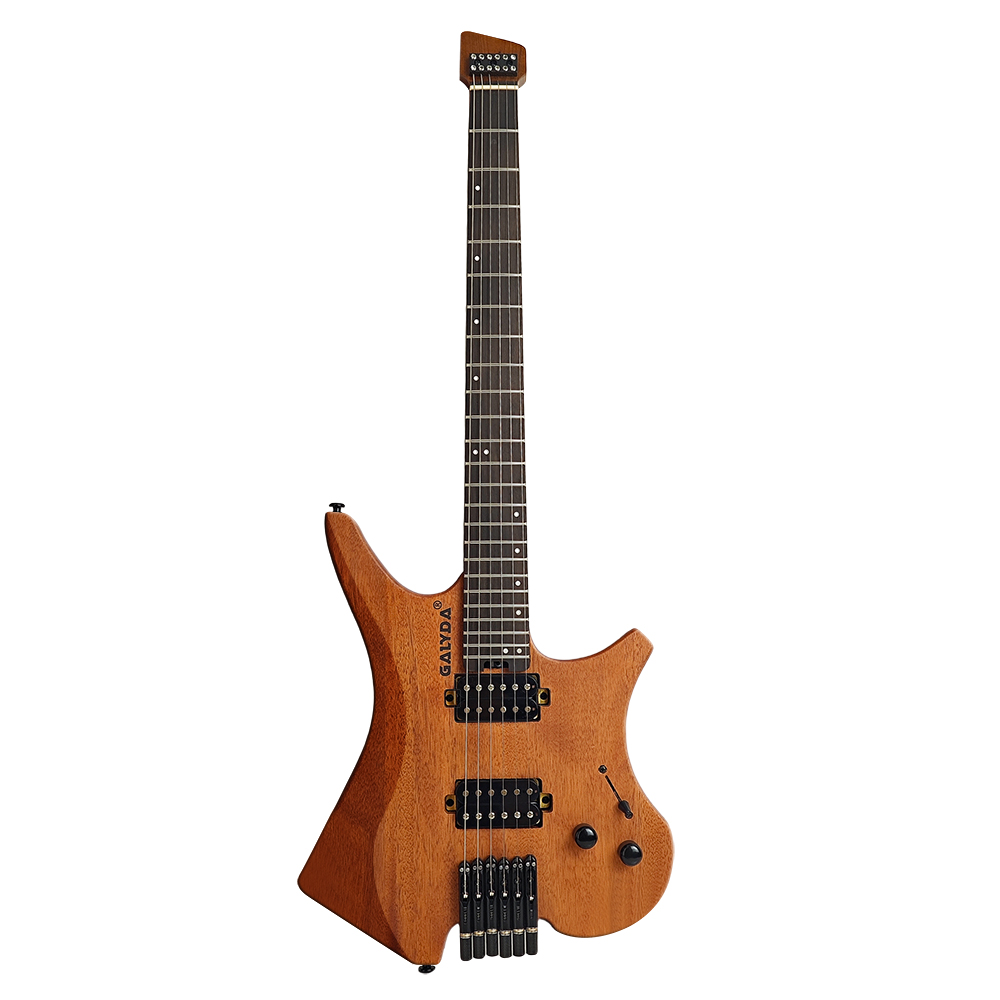
Touring players across the Caribbean increasingly adopt compact headless guitars. Headless necks eliminate weak peghead grain angles and redistribute balance, offering maximum durability for traveling performance rigs.
By bridging direct industrial manufacturing from Huizhou with specialized freight delivery into Kingston port and ground routing to Spanish Town, NFGF eliminates intermediate trading markups while guaranteeing factory-level technical accountability.
Engineered In Huizhou: SGS-Verified Industrial Rigor
5,100 square meters of specialized woodworking, finishing booths, and electro-acoustic testing infrastructure operating under international ISO and SGS certification standards.
Strict Tonewood Selection & Aging
Our raw lumber inventory—including Canadian Hard Maple, African Mahogany, American Swamp Ash, and Indian Rosewood—undergoes moisture testing upon arrival and is stabilized in climate-controlled storage to ensure zero latent dimensional shifting.
5-Axis CNC Precision Shaping
Heel contours, peghead transition tapers, truss rod channels, and compound fingerboard radii (9.5" to 14") are machined within ±0.03mm tolerances, ensuring true drop-in compatibility with standard ST, TL, and LP neck pockets.
Hand-Dressed Fret Beveling & QC
Every neck is inspected by experienced luthiers. Fret ends are hand-beveled at 35 degrees and mirror-buffed to eliminate sharp tangs, followed by rigorous straight-edge dial gauge checks under simulated string load before packaging.
Frequently Asked Questions: Sourcing Guitar Necks in Spanish Town
Clear, direct answers regarding custom specifications, environmental compliance, MOQs, and Caribbean shipping logistics.
How do NFGF guitar necks withstand Spanish Town's high coastal humidity?
What is the minimum order quantity (MOQ) for custom-branded guitar necks?
Can NFGF supply pre-fretted necks with stainless steel fretwire?
How are shipments packed to prevent transit distortion between China and Jamaica?
Are bone nuts and pre-wired electronic components pre-installed or included loose?
Partner with a Verified Global Guitar Manufacturer
Whether you need custom-branded necks for an emerging Jamaican musical instrument label, replacement hardware inventory for your repair studio, or consolidated container sourcing, our engineering team is ready to review your specifications.
Send an Inquiry