Electro-Acoustic Integrity: Guitar Jack Architecture for Riparian Environments
Analyzing electrical degradation resistance, metallurgic contact integrity, and mechanical failure prevention in western Uruguay's coastal and riverine performance zones.
In the professional instrument manufacturing and supply sector, the quarter-inch (6.35mm) phone jack is widely acknowledged as the single most critical electro-mechanical convergence point of an electric guitar, bass, or electro-acoustic system. While pickups shape magnetic induction and tonewoods define mechanical resonance, the audio output jack serves as the primary conduit through which microvolt signals transition into downstream gain stages. When supplying institutional buyers, high-volume music stores, and commercial luthiers in Paysandú, Uruguay, standard hardware specifications fail to accommodate the unique atmospheric and logistics realities of the Rio Uruguay corridor.
Paysandú experiences prolonged relative humidity averages ranging between 68% and 82%, driven by the immediate proximity of the river system and subtropical humid climatic fluctuations. Under these conditions, entry-level jack sockets constructed with substandard brass alloys or porous, unpassivated flash-nickel coatings suffer rapid galvanic oxidation. Over time, friction between the inserted jack plug and the jack tip terminal scrubs off thin electroplating, leading to electrolytic crust formation, microphonic cracking, intermittent signal dropouts, and premature circuit failure. As a direct manufacturer established in 2014, Huizhou NFGF Musical Instrument Co., Ltd. resolves these systemic points of failure by implementing phosphor-bronze structural contact leaves, precision beryllium-copper spring alloys, and high-spec dielectric vulcanized fiberboard washers across all OEM and ODM jack supply chains.
Phosphor Bronze Metallurgy
Unlike cheap stamped sheet iron, our contact leaves leverage high-tensile phosphor bronze (C5191) boasting over 12,000 insertion cycles without loss of spring tension or clamping force degradation on the tip terminal.
Moisture-Resistant Dielectrics
We deploy high-density phenolic resin spacers and aerospace-grade PTFE dielectric insulators that resist water vapor absorption, eliminating micro-current leakage and parasitic hum in riverfront performance spaces.
Corrosion-Immune Plating
Multi-stage electroplating options include thick industrial bright nickel (≥5μm), 24K gold flash contact pads, and black ruthenium coatings, validated by 48-hour neutral salt-spray (NSS) environmental chamber stress tests.
Territorial Application
Paysandú Regional Use Cases & Retail Integration Demands
From local luthier restoration workshops along Avenida 18 de Julio to the demanding live stages of the Fiesta de la Prensa and Semana de la Cerveza.
Musical equipment deployment in Paysandú operates within distinct micro-markets. First, the independent repair and luthier network serves an active community of folk guitarists, rock groups, and institutional music conservatories. Historically, technicians in the department of Paysandú have faced logistical friction when sourcing individual spare parts from distributors concentrated solely in Montevideo. Import lead times and domestic forwarding surcharges frequently compromise repair turnaround. By establishing a direct supply link with an SGS-verified Asian manufacturer, regional wholesalers in western Uruguay can stock pre-packaged 1/4" mono open-frame jacks, long-threaded stereo barrel jacks for active bass systems, and pre-wired boat plates in commercial bulk lots.
Live Festival Rigidity: The Riverine Stage Environment
Paysandú's vibrant music landscape centers on major open-air festivals like the Semana de la Cerveza along the Uruguay River banks. Outdoor amphitheaters subject sound systems to rapid thermal shifts, humidity spikes, and intense physical vibration. Standard jack sockets with loose hex nuts often work themselves free during stage dynamic movements, causing sudden grounding loss and destructive loudspeaker pops.
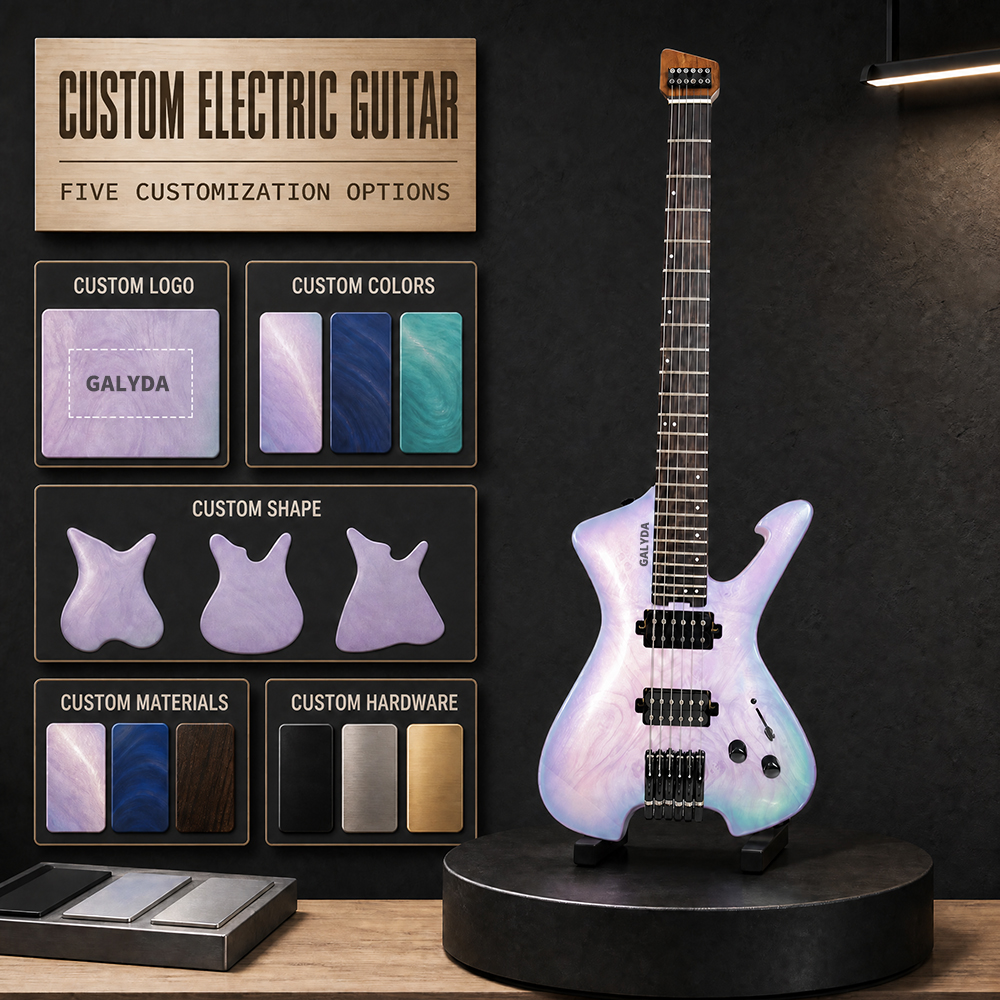
NFGF supplies deep-tooth star lock washers, vibration-damped dual-nut locking assemblies, and recessed cylinder jack configurations that provide zero physical play. Whether an artist is running our Ref. HL-ST60 Headless 6-String Electric Guitar or retrofitting an antique acoustic guitar via endpin jack inputs, mechanical isolation guarantees an unbroken audio transmission link under heavy festival demands.
Evaluation Parameter
NFGF Heavy-Duty Jacks (Huizhou Factory)
Generic Commodity Hardware
Luthier Relevance in Paysandú
Base Conductor Alloy
High-Grade Phosphor Bronze (C5191)
Recycled Stamped Brass / Iron Sheet
Maintains clamping retention despite violent cable yanks on stage.
Dielectric Resistance
> 100 MΩ @ 500V DC (High-Purity Phenolic)
< 10 MΩ (Porous Paper Board)
Prevents hum leakage in high-humidity riverbank concert settings.
Salt Fog Chamber Test
Passed 48 Hours ASTM B117 Neutral NSS
Fails within 12 Hours (Severe Pitting)
Resists riverine moisture corrosion during storage and transport.
Thread Profile Accuracy
3/8-32 UNEF Machined Precision Thread
Cast Rough Metric / Off-Pitch
Compatible with standard American and European boutique pickguards.
B2B Sourcing MOQ
Low MOQ (From 1 Set / Mixed Sample Orders)
Rigid High Container Quantities
Permits Paysandú retailers to maintain agile, lean inventory turns.
Market Dynamics
Future Trends: The Evolution of Uruguay's B2B Instrument Ecosystem
Navigating currency fluctuations, customs facilitation, and the shift toward active electro-acoustic integration.
The Uruguayan musical instrument supply landscape is entering a period of modernization. Historically reliant on traditional wholesale middlemen in Montevideo, regional hubs such as Paysandú, Salto, and Fray Bentos are increasingly taking advantage of digital B2B communication channels to optimize their landed costs. Several macroeconomic and consumer shifts are accelerating this transition:
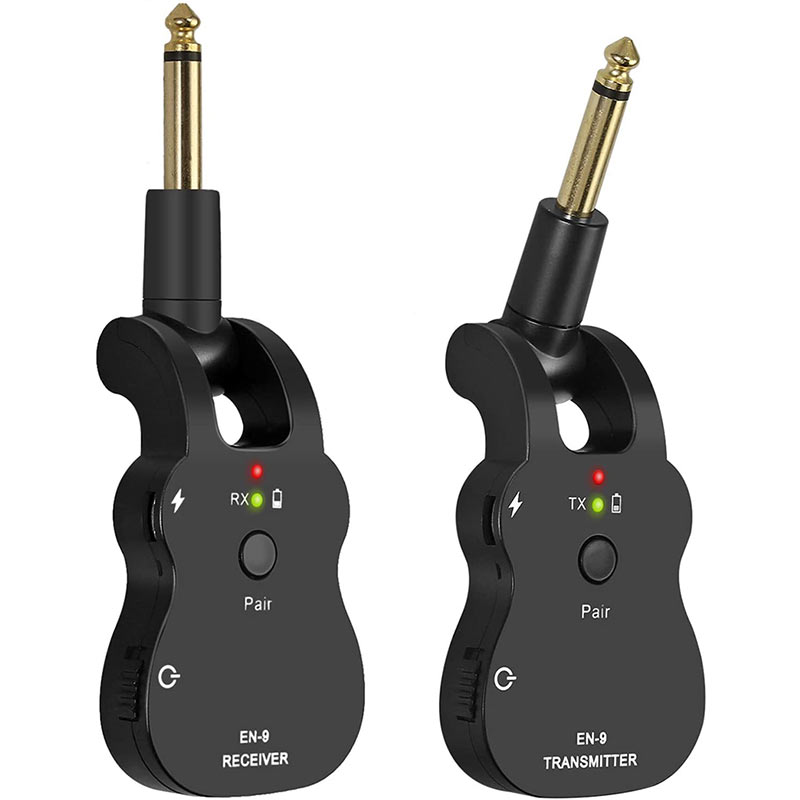
1. Proliferation of Active Preamp & Wireless Systems: The surge in hybrid performances has created high regional demand for balanced stereo switching jacks and endpin jacks capable of battery on/off switching. Products such as our Ref. WL-TR900 Wireless Guitar Transmitter System demand precision-bored jacks with tight mechanical concentricity; irregular jack apertures can lead to dropouts or wireless transmitter unseating during dynamic performances.
2. Growth of Independent Repair & School Music Programs: Educational initiatives across interior Uruguay emphasize ensemble play, requiring public schools and community cultural centers to service dozens of instruments each semester. Providing institutional purchasers with high-durability hardware minimizes recurring warranty expenses, cementing the local reputation of retailers who stock industrial-grade replacement jacks and components.
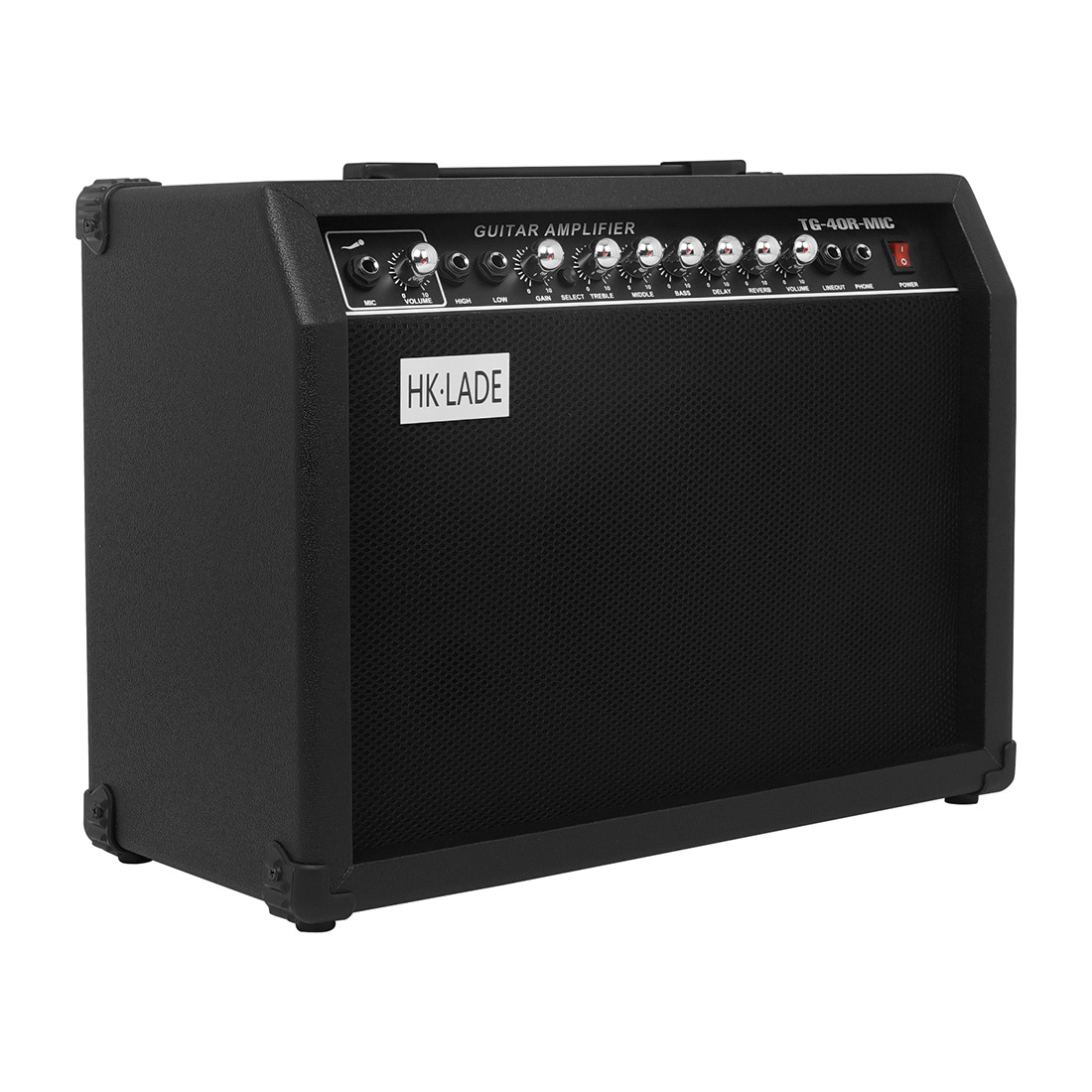
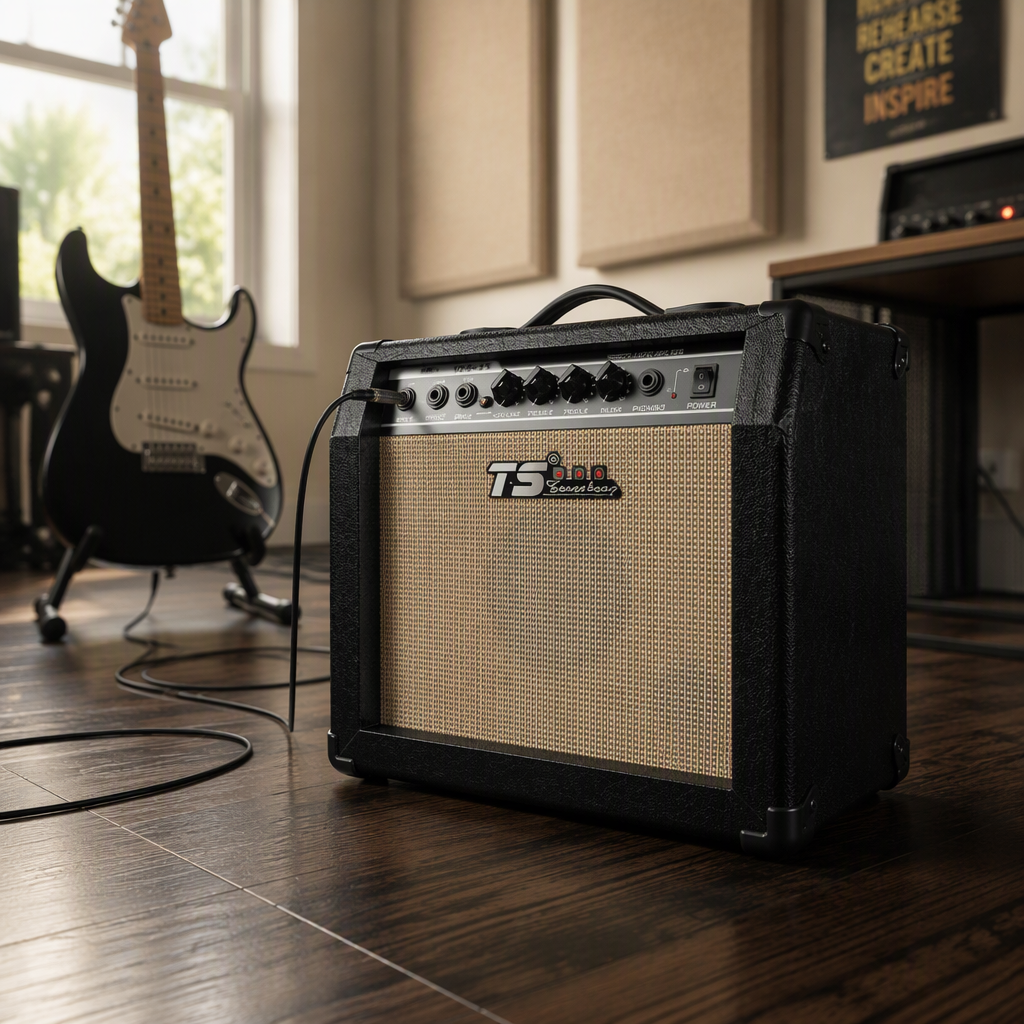
3. Lean Inventory via Direct Factory Sourcing: By engaging directly with an audited manufacturer like Huizhou NFGF Musical Instrument Co., Ltd., commercial buyers mitigate supply-chain disruption. With our SGS-verified facilities and flexible OEM ordering policies, importers can consolidate electric instruments, acoustics, portable amps, and precision jacks in single consolidated sea shipments via Montevideo before trucking up the Ruta 3 corridor to Paysandú.
Direct From Manufacturer
Why Partner with Huizhou NFGF Musical Instrument Co., Ltd.?
Combining 5,100 m² of modern industrial infrastructure with master luthier craftsmanship to power global OEM/ODM brand portfolios.
SGS-Audited Manufacturing
Independently verified in November 2025 by SGS Group, guaranteeing full structural transparency across wood sourcing, CNC tooling, and circuit inspection lines.
Integrated Production Lines
From raw kiln-dried tonewood cutting to hand-sanding, gloss buffing, and clean-room electronic harness soldering, all processes reside entirely under our own roof.
Agile Customization & Low MOQ
Sample-friendly policies enable boutique brands and specialized shops to start OEM production from 1 piece on guitars and basses, with rapid custom branding.
Export-Grade Shockproof Crating
All finished units and electronic hardware lots are moisture-barrier sealed and packaged in multi-ply drop-tested cartons, safeguarding cargo throughout transatlantic ocean freight.
Purchaser Advisory
Frequently Asked Questions for Paysandú & Uruguayan Importers
Clear, direct answers regarding custom specs, minimum orders, customs compliance, and supply operations.
What are the key technical differences between mono and stereo guitar jacks for local shop repair inventory?
A standard 1/4" mono jack features two connection terminals: Tip (signal) and Sleeve (ground). It is used in 90% of passive electric guitars and basses. A stereo jack incorporates Tip, Ring, and Sleeve terminals. In active instruments (such as guitars with onboard preamps, active pickups, or acoustic piezo systems), the Ring terminal functions as an automatic ground switch: when a standard mono plug is inserted, it bridges the Ring to the Sleeve, completing the circuit to activate the 9V battery. We supply both mono and stereo configurations in open-frame, enclosed box, and barrel formats so repair shops can cover all replacement scenarios.
Can Uruguayan instrument brands private-label the jack plates, instruments, and bulk hardware?
Yes. Huizhou NFGF Musical Instrument Co., Ltd. provides full OEM/ODM branding services. We can precision laser-engrave your local music brand or retail logo onto metal jack plates, headstocks, neck attachment plates, and pickguards. Custom retail packaging, including branded barcode labels and blister-pack carding for individual retail display in Uruguayan instrument shops, is available for hardware runs.
What is the minimum order quantity (MOQ) for combined instrument and hardware orders?
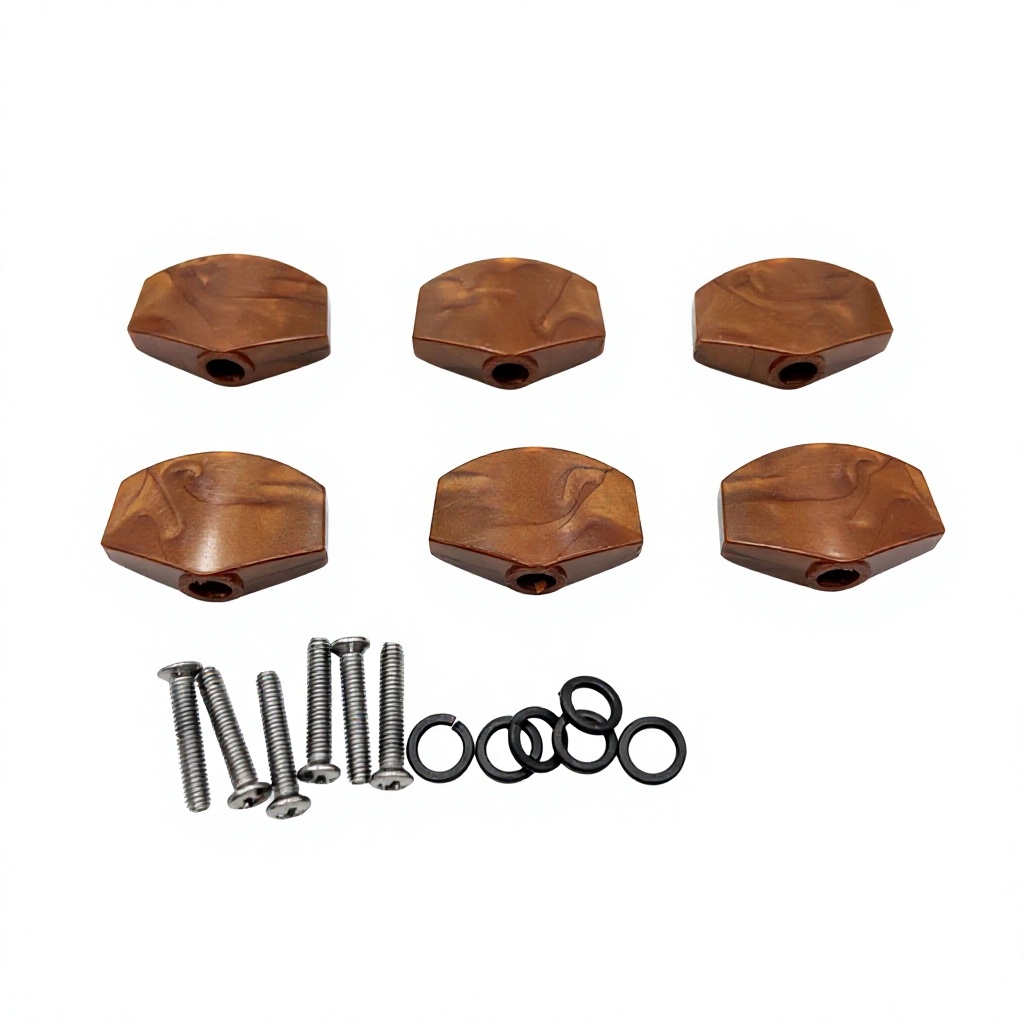
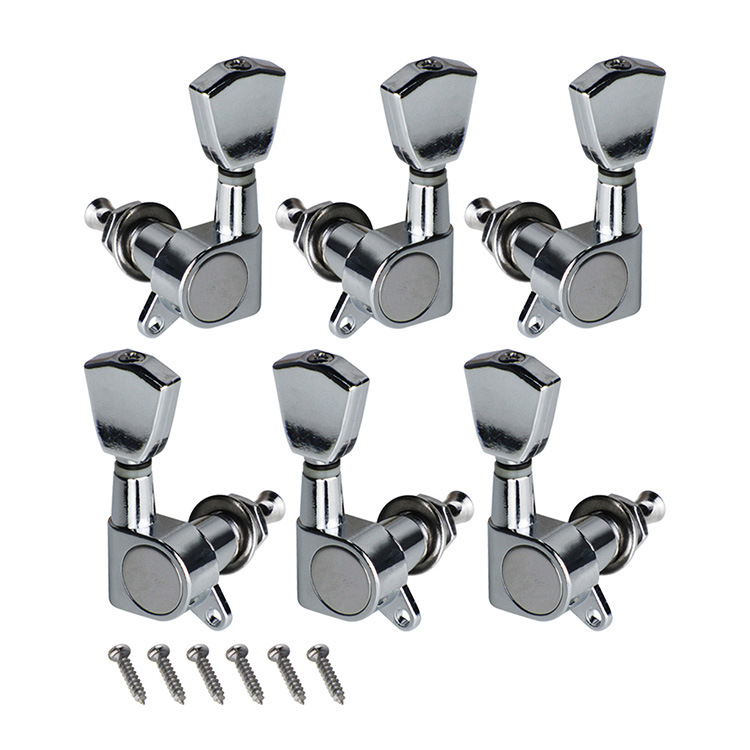
Unlike traditional factories that enforce massive production runs, our MOQ policies are designed to accommodate agile regional distributors. Standard finished electric guitars and basses start from 1 piece per model for sampling, while ukuleles start from 2 pieces. Jack components, pickguard assemblies, and tuning machines can be ordered as mixed accessories within an instrument shipment, allowing buyers to combine products and optimize freight consolidation costs.
How do you handle shipping logistics to the interior of Uruguay (Paysandú via Montevideo)?
Shipments are prepared under FOB, CIF, or DDP terms. Most volume shipments clear customs at the Port of Montevideo (Puerto de Montevideo) before domestic transit along the Ruta 3 highway directly into Paysandú warehouses. For urgent luthier component replacements or sample prototypes, we utilize priority international air couriers (DHL, FedEx, UPS) directly to your door, handling all export declarations and providing complete documentation (Commercial Invoice, Packing List, and Certificate of Origin) for swift customs clearance via the Dirección Nacional de Aduanas (DNA).
How does your factory ensure thread compatibility with third-party pickguards and control plates?
Thread mismatches between imperial (3/8"-32 UNEF) and metric (M9x0.75 / M12) components cause regular headaches for guitar luthiers. NFGF CNC-machines jack bushings to both imperial standard specifications (for vintage American restorations) and metric specifications (for modern Asian and European builds). We clearly classify our components and supply color-matched knurled dress nuts, flat washers, and internal star lock washers to ensure seamless drop-in fitment without requiring reaming or cavity modification.
Connect with our Engineering & Export Sales Team
Inquire today for wholesale B2B pricing, complete product catalogs, custom OEM branding specs, and fast sample delivery directly to Paysandú and the wider Uruguayan market.