Featured Factory Direct OEM/ODM Instruments & Components
Direct supply from Huizhou NFGF Musical Instrument Co., Ltd. - SGS Verified Precision Manufacturing for Bangkok & Global Distributors
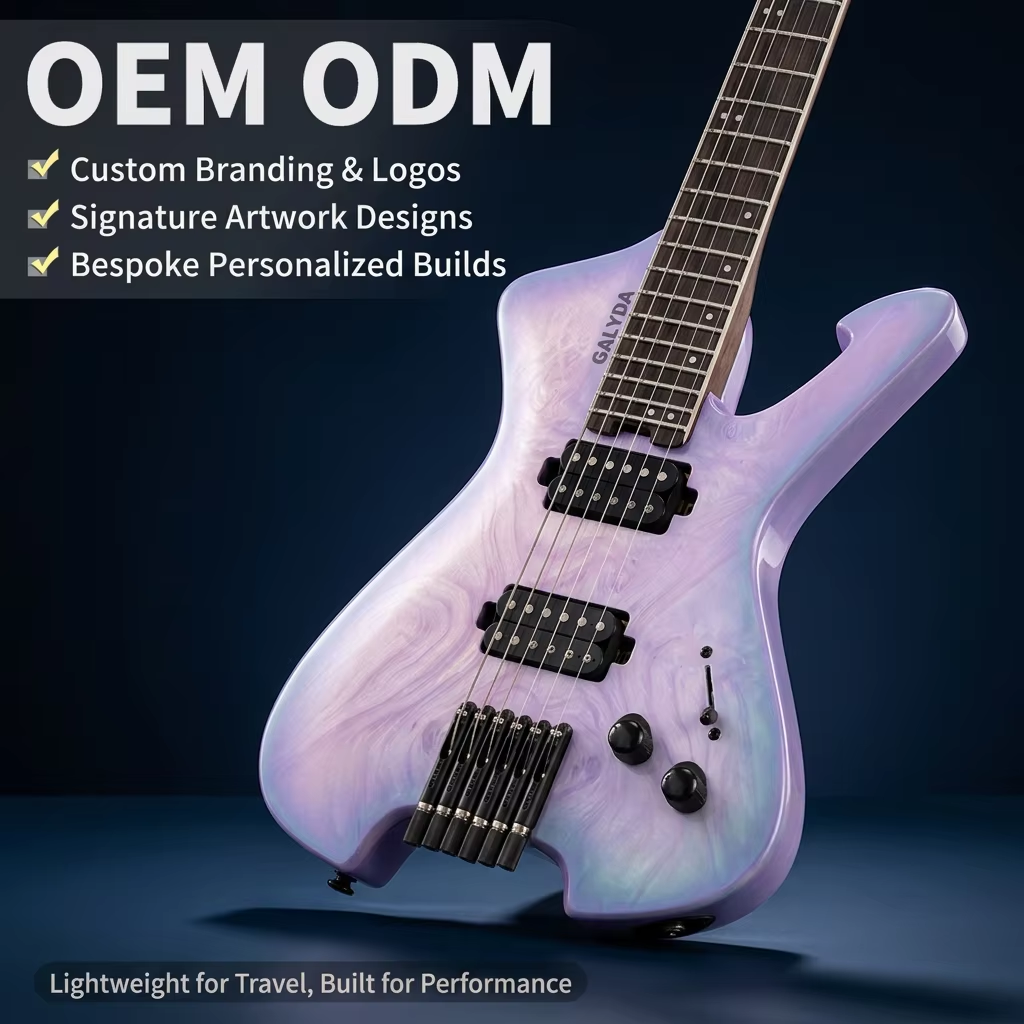
Factory Custom Headless Electric Guitar Custom Artwork Logo Humbucker Pickups Hardtail Tremolo Bridge

GALYDA Electric Guitar with Wood Texture Finish HSH Pickup Single-Action Tremolo Bridge ST Electric Guitar
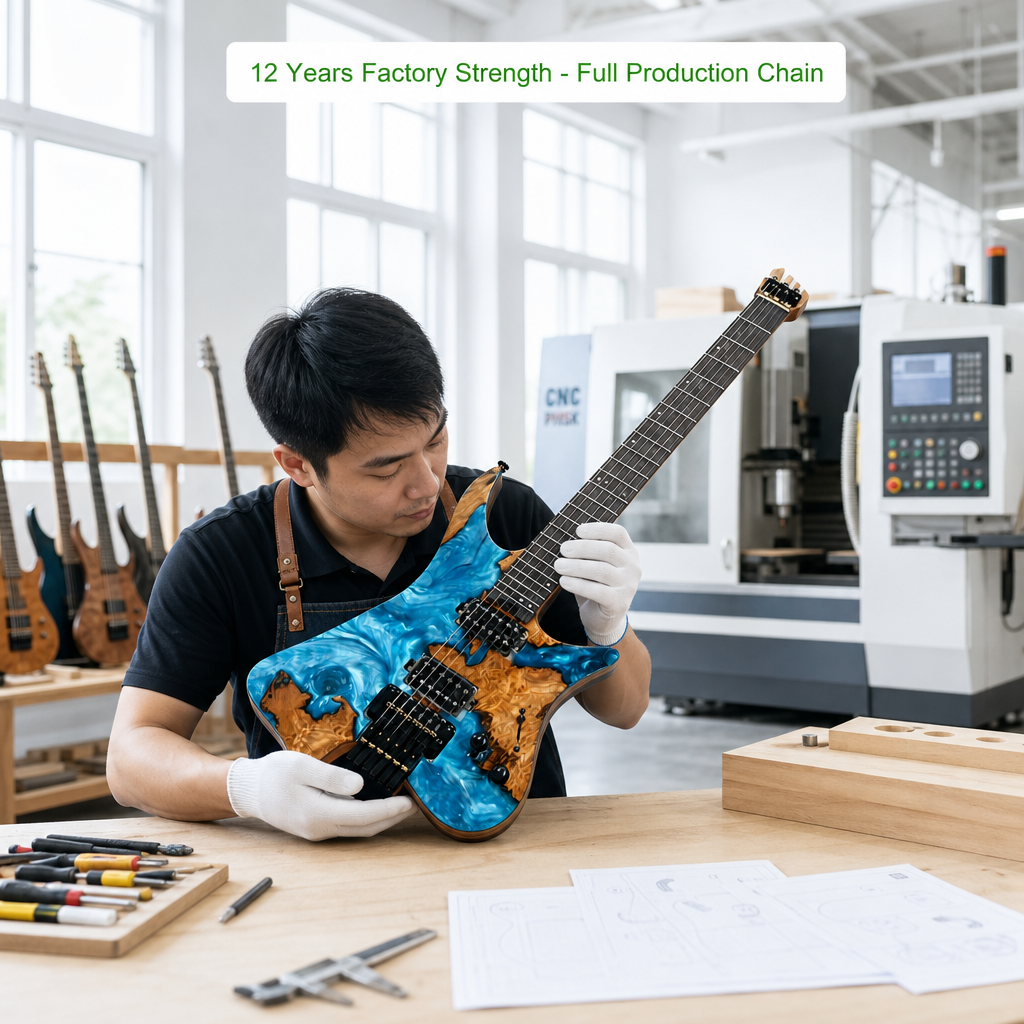
Headboard Electric Guitar With Bright Light High-quality Electric Guitar Factory OEM ODM Small Double-fret Bridge

Factory Custom LP Style Electric Guitar Double Coil Pickups Gold Bridge Black White Gloss Finish OEM

Factory Custom Headless 5 String J Bass Mahogany Body Maple Neck Rosewood Fretboard Fanned Frets Electric Bass Guitar
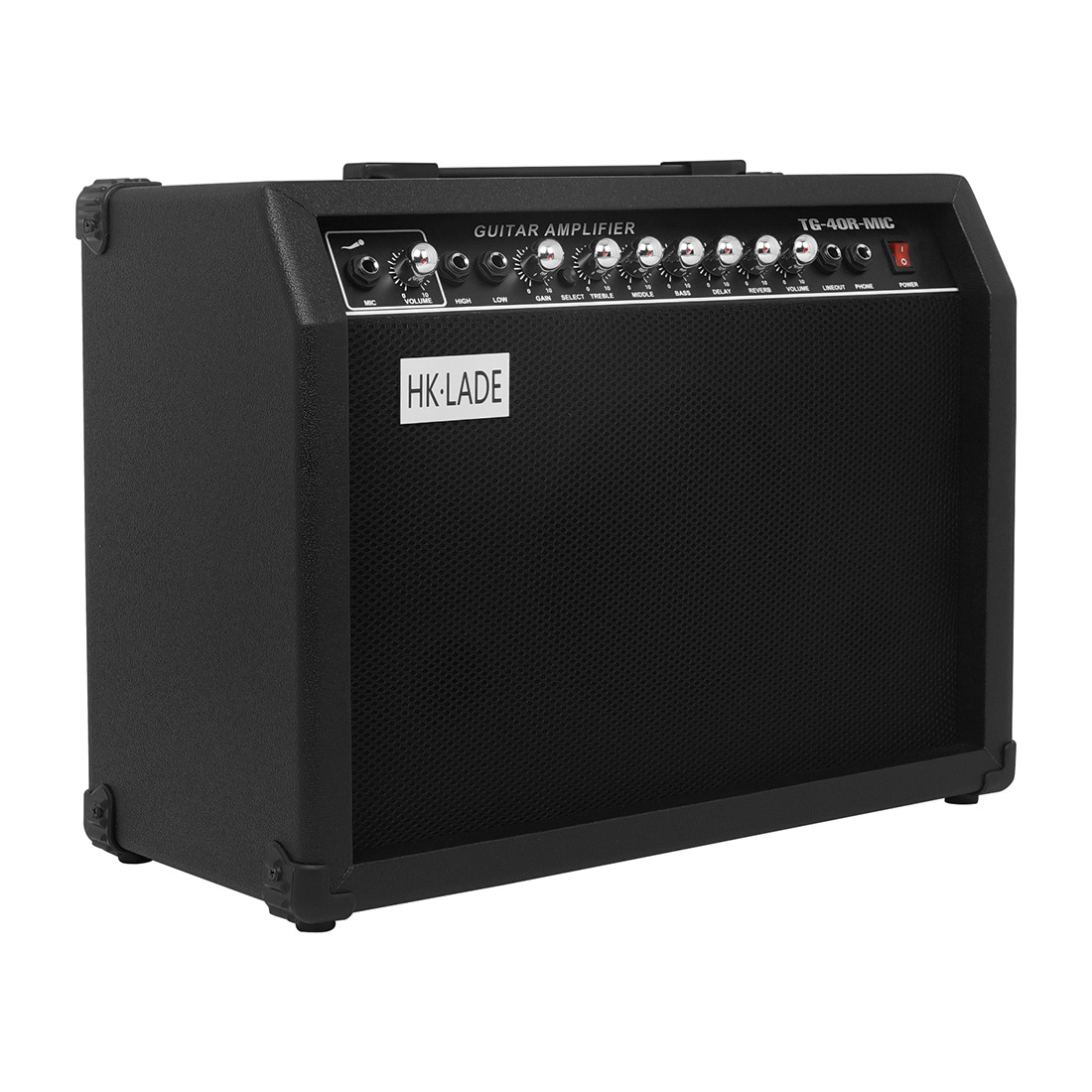
Portable Electric Guitar Bass Amplifier 40W Outdoor Performance Speaker
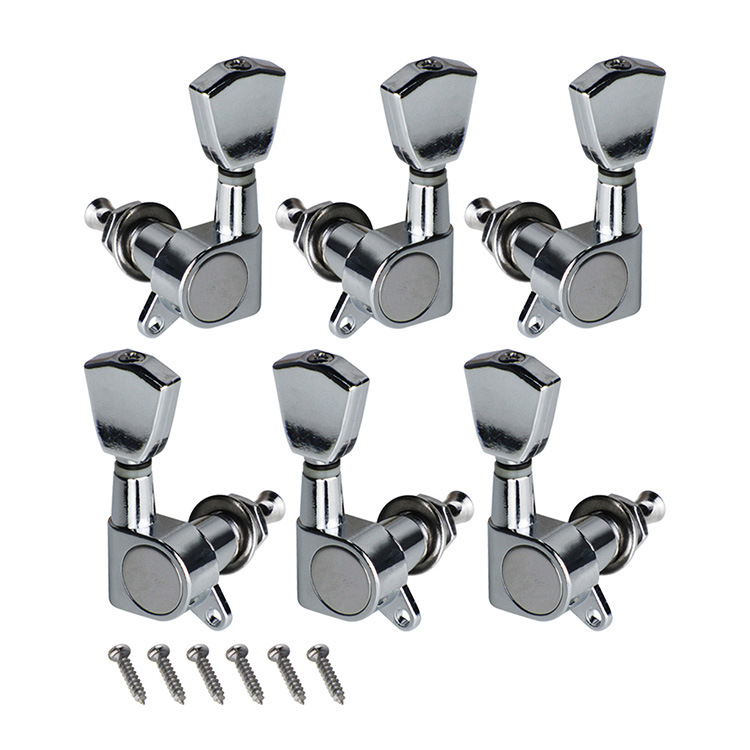
Factory Price Acoustic Guitars Machine Heads Tuner Pegs Stringed Instrument Metal Tuning Pegs Direct From Manufacturer Supplier
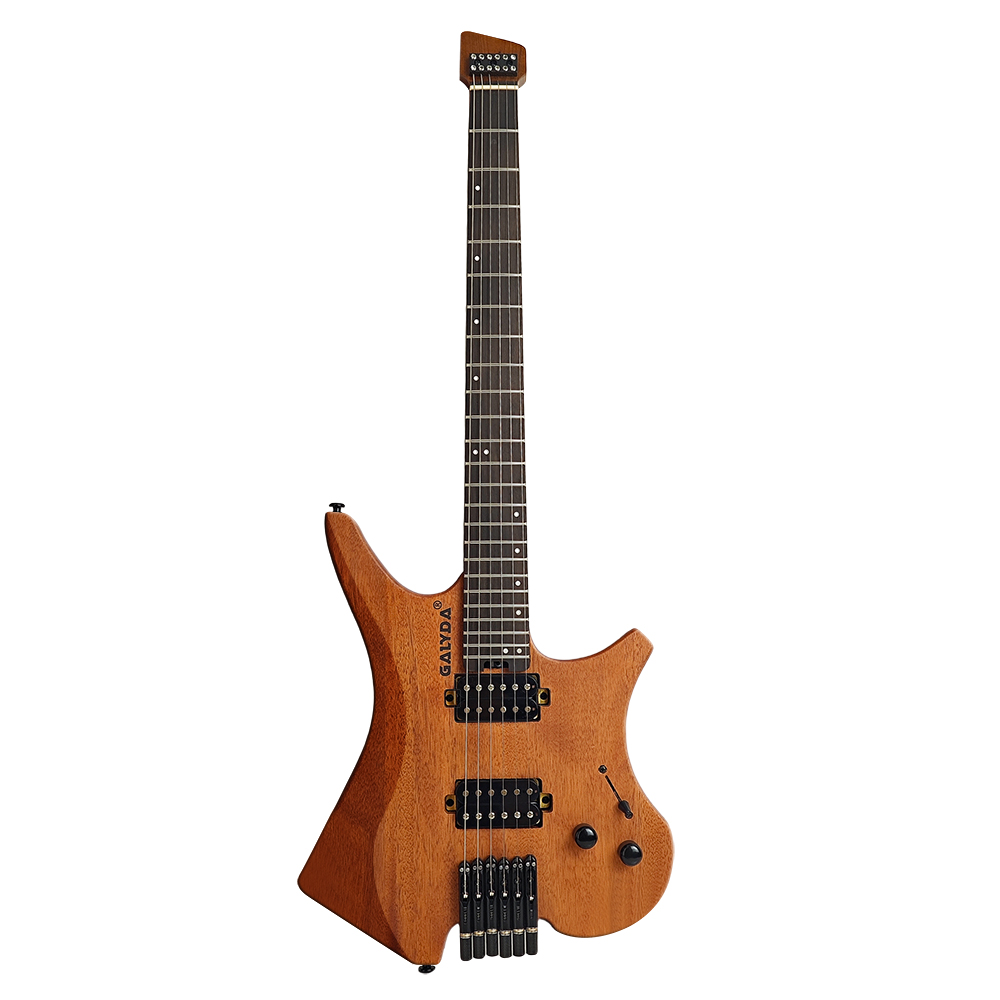
Wholesale G990 Headless Electric Guitar Kit Cool Instruments Factory Customizable Headless Electric Guitar
Executive Summary: The Guitar Frets & Fretwork Manufacturing Ecosystem in Bangkok
As the musical instrument market in Southeast Asia continues its rapid expansion, Bangkok has emerged as a premier hub for guitar luthiery, custom modification workshops, retail distribution, and brand OEM operations. However, maintaining strict quality control over guitar fretwire manufacturing, crown profiling, radius consistency, and fret seating poses unique technical challenges in tropical climates. The high relative humidity (averaging 70% to 90% year-round) and temperature fluctuations in Central Thailand severely test timber neck stability and metal fret expansion rates.
This technical whitepaper examines the global supply chain synergy between advanced Chinese OEM/ODM manufacturing facilities—specifically Huizhou NFGF Musical Instrument Co., Ltd. (located in the renowned Qiuchang instrument cluster in Guangdong)—and Bangkok-based guitar factories, repair ateliers, and wholesale importers. By understanding the metallurgy of 18% Nickel-Silver, Stainless Steel (SUS304/SUS316), and EVO Gold alloys, alongside automated multi-axis CNC fret slotting and fanned-fret geometry, local Bangkok buyers can optimize procurement costs while dramatically elevating playability and structural reliability.
1. Metallurgical Engineering & Fretwire Specifications for Tropical Climates
Guitar frets serve as the primary acoustic and tactile contact interface between the vibrating string and the neck fingerboard. In Bangkok’s tropical monsoon environment, selecting the appropriate fretwire metallurgy is essential to eliminate common lutherie defects such as fret sprout, oxidation tarnishing, premature groove wear, and tang unseating.
CuNi18Zn20 (18% Nickel-Silver)
The traditional industry standard. Composed of 62% Copper, 18% Nickel, and 20% Zinc. Offers a warm warm tonal velocity with an average Vickers Hardness rating of HV 140–160. Ideal for vintage acoustic and classic electric builds requiring traditional filing and hand dressing.
SUS304 / SUS316 Stainless Steel
Engineered for maximum longevity in high-humidity zones like Bangkok. Achieving a Vickers Hardness of HV 280–300, stainless steel frets resist sweat corrosion completely, provide zero fret wear under heavy string bending, and reduce friction to near-zero levels.
CuSn15 EVO Gold Alloy
A nickel-free copper-tin alloy offering a striking golden aesthetic without gold plating to wear off. With a Vickers Hardness of HV 180–200, it strikes the ultimate balance between workability for custom Bangkok luthiers and extreme resistance to atmospheric tarnish.
Technical Dimensional Profiling (Crown & Tang Dynamics)
Factory fretwire must adhere to microscopic dimensional tolerances. When supplying fretwire coils or pre-cut radius frets to Bangkok assembly plants, Huizhou NFGF enforces strict tolerance thresholds across three crucial parameters:
- Crown Width (W): Ranging from narrow vintage (2.0mm / .080") to jumbo modern (2.9mm / .110"). Jumbo frets are increasingly preferred in Bangkok's metal and modern fusion music scenes for effortless hammer-ons and legato execution.
- Crown Height (H): Standardized between 0.9mm (.037") and 1.5mm (.058"). Taller crowns prevent finger friction against humid, sticky fretboards.
- Tang Width & Barbing (T): Standard tang slot width is engineered at 0.6mm (.023") with barbed anchoring teeth. In Bangkok factories where rosewood, ebony, and maple fingerboards absorb environmental moisture and expand, specialized deep-barb tangs prevent popping at the fret ends.
2. Fret Slotting Precision & Multiscale (Fanned Fret) Geometry
In modern electric guitar and bass manufacturing—such as NFGF's Factory Custom Headless 5-String J Bass with Fanned Frets—traditional straight fretting is upgraded to multiscale geometry. This solves the fundamental acoustic physics problem: providing optimal string tension for lower bass strings (e.g., a 35" scale for the low B string) while maintaining comfortable playability for higher treble strings (e.g., a 34" scale for the G string).
Achieving flawless intonation across a fanned fretboard requires precision multi-axis CNC routing. At our 5,100 m² SGS-verified Huizhou facility, fret slots are cut using diamond-coated micro-cutters operating at 24,000 RPM with positional accuracy controlled within ±0.01mm. This eliminates pitch drift across all 24 fret positions—a major advantage for OEM brand owners distributing guitars in Bangkok's competitive retail landscape.
3. Technical Comparison: Fret Manufacturing Standards
The following data visualization matrix contrasts industrial factory-installed fretwork with local manual retrofitting techniques commonly found in regional workshops:
| Manufacturing Metric | NFGF Industrial Factory Standard | Conventional Manual Workshop | Impact on Bangkok End-User |
|---|---|---|---|
| Slot Width Tolerance | ±0.01 mm via CNC automated cut | ±0.08 mm via hand-saw guide | Prevents neck back-bow and dead notes under humidity shifts. |
| Fret Seating Method | Hydraulic pneumatic press (120 psi) | Hand hammer tapping | Eliminates micro-gaps under frets; max acoustic energy transfer. |
| Bevel Angle Precision | 35° / 45° 3D CNC automated edge bevel | Manual beveling block filing | Smooth fret ends; zero sharp edges ("fret sprout") against skin. |
| Levelling & Crowning | Laser-guided electronic leveling & dress | Manual abrasive beam sanding | Allows ultra-low string action (1.0mm) without fret buzz. |
| Corrosion Resistance | Anti-tarnish vacuum sealed packaging | Exposed bulk wire storage | Frets remain pristine during sea container transit to Port of Bangkok. |
4. Bangkok Localized Application Scenarios & Market Dynamics
Understanding how guitar products are utilized locally in Thailand is essential for brand positioning and inventory planning. Bangkok's music culture is dynamic, diverse, and demanding:
Sukhumvit & Thonglor Live Venues
Bangkok's vibrant nightlife features hundreds of live music venues where professional musicians perform 4–6 nights a week in hot, humid club conditions. Demand for stainless steel frets on ST and LP style electric guitars has surged by 300% due to non-stop playing wear.
Lat Phrao & RCA Lutherie Workshops
Custom modification hubs in Lat Phrao and Huai Khwang rely heavily on pre-radiused, pre-cut fret sets and high-grade tuners/hardware. Sourcing consistent bulk factory components from China enables these workshops to offer rapid 48-hour turnarounds.
Headless & Compact Travel Demand
With Bangkok's heavy urban traffic, gigging musicians favor lightweight, space-saving headless electric guitars and mini amplifiers. Compact instruments with hardtail tremolo bridges and ergonomic multiscale fretboards are top revenue generators.
5. Enterprise Advantages: Huizhou NFGF Supply Chain Synergy for Thailand
Why do leading instrument importers, online distributors, and brand founders in Bangkok choose Huizhou NFGF Musical Instrument Co., Ltd. as their primary manufacturing partner?
- SGS Verified On-Site Certified Integrity: Our 5,100 square meter factory undergoes rigorous third-party audits by SGS Group (latest audit Nov 2025), validating material incoming checks, in-process CNC standards, and final playability setup.
- Low MOQ Flexible Procurement: Unlike traditional factories demanding 300+ units per SKU, NFGF offers MOQs starting from 1 piece on standard electric guitars and basses, enabling Bangkok brands to test new market designs with minimal capital risk.
- ACFTA Form E Tariff Cost Savings: Under the ASEAN-China Free Trade Agreement (ACFTA), orders exported from our Guangdong factory to Thailand qualify for Form E Certificate of Origin, reducing import tariff duties down to 0%–5% for Thai buyers.
- Logistics Speed Direct Sea & Air Routes: Located just hours from Shenzhen and Guangzhou ports, shipments to Port of Bangkok (Klong Toey) or Laem Chabang take only 5 to 7 days by sea freight, with air cargo arriving at Suvarnabhumi Airport (BKK) in 24–48 hours.
6. Frequently Asked Questions by Bangkok B2B Guitar Buyers
Below are technical answers to common inquiry scenarios gathered from search intent data across Southeast Asian guitar importers and OEM brand managers:
How does NFGF prevent fret sprout and wood shrinkage on guitars shipped to Bangkok?
We dry all body and neck wood (Maple, Mahogany, Rosewood) in automated kiln ovens until moisture content stabilizes strictly between 8% and 10%. Furthermore, prior to fret pressing, fingerboards are sealed with specialized protective oils. Fret ends are micro-beveled at 35°/45° and smoothly bound, ensuring that even under extreme humidity shifts in Thailand, frets remain flush and smooth.
Can we order custom neck fretting profiles, such as Stainless Steel Jumbo frets on LP or ST models?
Yes. As a full custom OEM/ODM manufacturer, NFGF allows complete customization of fretwire materials (18% Nickel-Silver, SUS304 Stainless Steel, EVO Gold), fret size profiles (Medium Jumbo, Extra Jumbo, Vintage Small), and fretboard radius (9.5", 12", 14", or compound 10"-16").
What documentation is provided to clear Thai Customs without high duty fees?
We issue official ASEAN-China Free Trade Area Preference Export Certificates (Form E), Commercial Invoices, Packing Lists, and Bills of Lading. Form E allows Thai importers to claim tariff preference exemptions under ACFTA regulations upon clearance at Bangkok customs ports.
What is the production lead time for sample orders vs. container bulk orders?
Sample custom guitar orders with customized artwork logos are typically completed and tested in 15–20 days. Bulk production orders (100–500 units) require approximately 30–40 days, followed by 5–7 days sea transit to Thailand.
Does NFGF offer fanned-fret multiscale slotting on 5-string basses and headless guitars?
Yes. Our multi-axis CNC slotting machines can cut fanned fret patterns with variable scale lengths (e.g., 25.5" to 27" on guitars, 34" to 35.5" on 5-string basses). Intonation mathematics are pre-programmed into our CAD/CAM software for perfect octave accuracy.