Precision Instruments & Luthiery Solutions
Verified B2B wholesale models engineered for extreme climate stability, outstanding playability, and seamless custom branding.
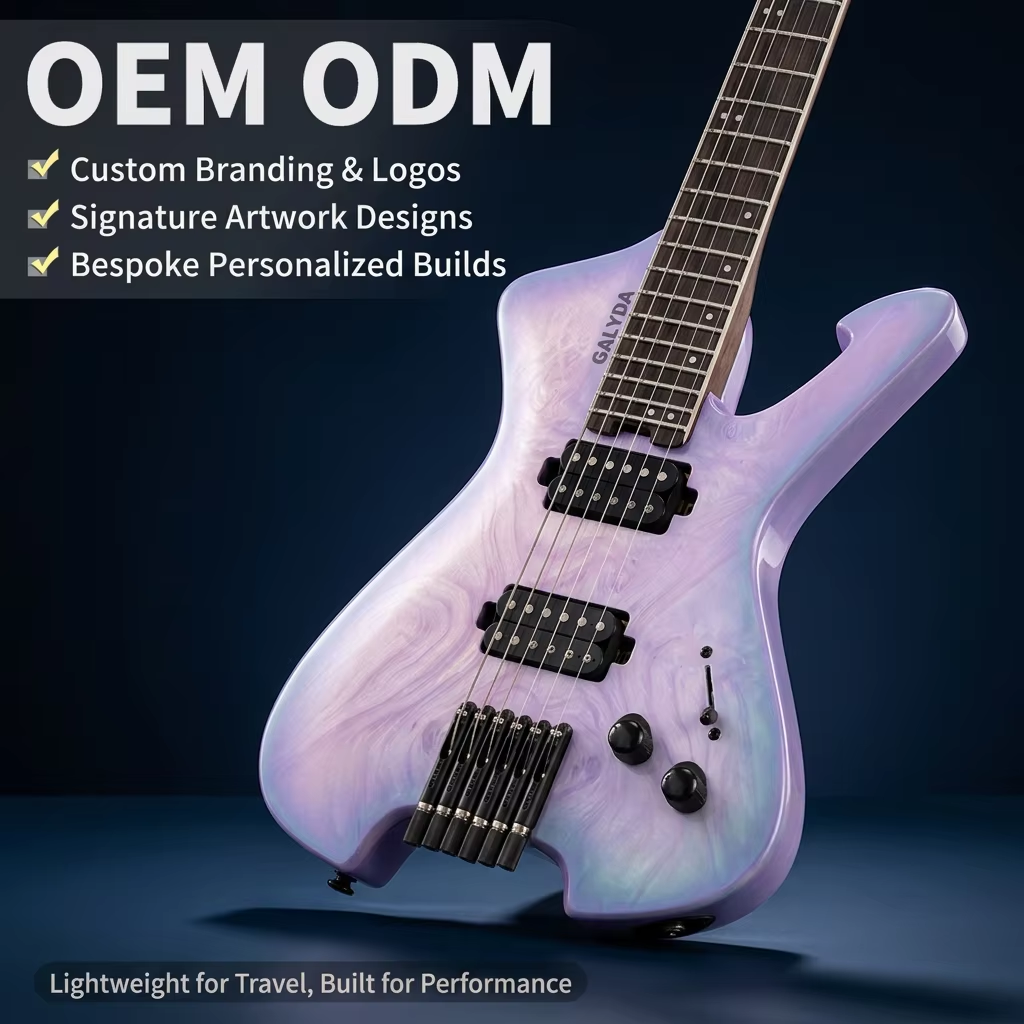
Factory Custom Headless Electric Guitar Custom Artwork Logo Humbucker Pickups Hardtail Tremolo Bridge

Factory Custom Headless 5 String J Bass Mahogany Body Maple Neck Rosewood Fretboard Fanned Frets Electric Bass Guitar

Factory Custom LP Style Electric Guitar Double Coil Pickups Gold Bridge Black White Gloss Finish OEM

GALYDA Electric Guitar with Wood Texture Finish HSH Pickup Single-Action Tremolo Bridge ST Electric Guitar
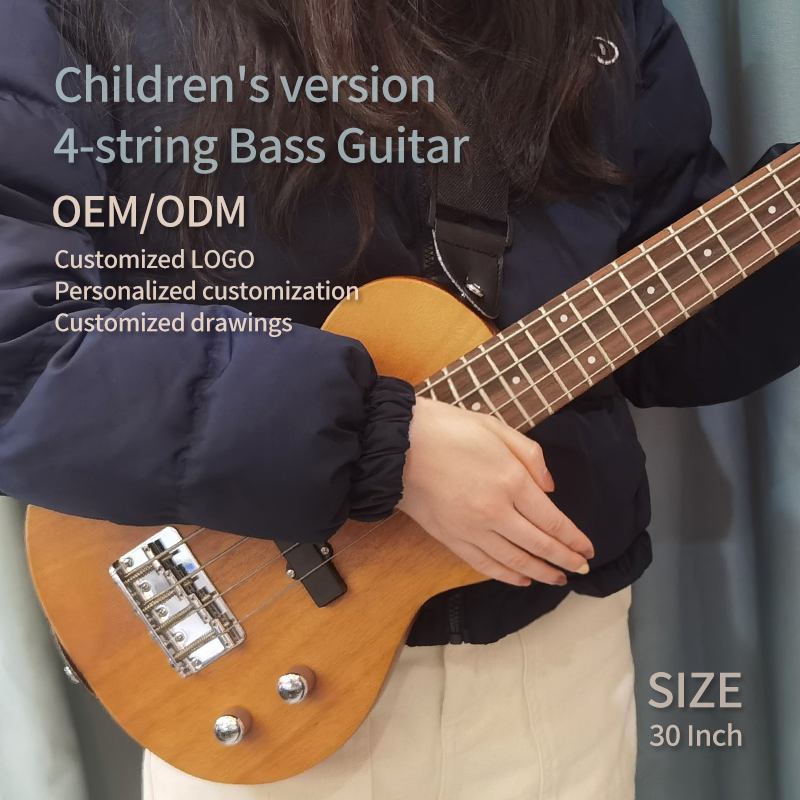
High Quality 30-inch Four-String Electric Bass Factory Direct OEM Made in China
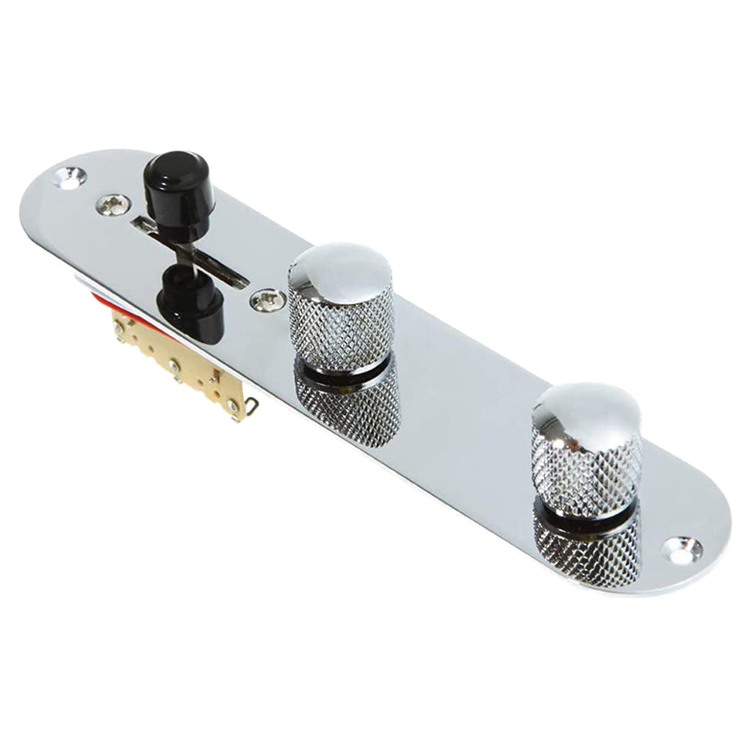
Fully Loaded Pre-Wired 3-Way Guitar Control Plate with Wiring Harness for Telecaster Chrome/Black/Gold Strings
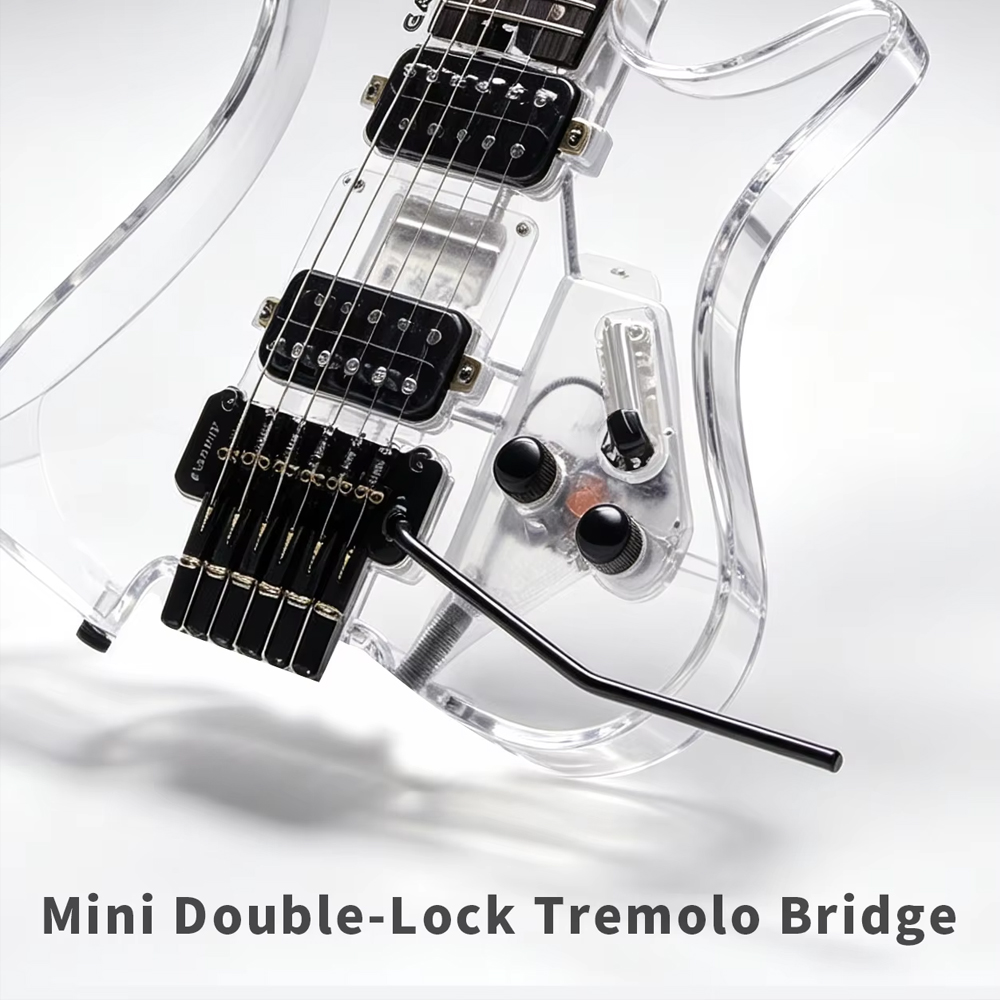
Silent Travel Guitar Africa Acrylic Chorus Headless Design Portable Professional Acoustic Electric OEM Manufacturer
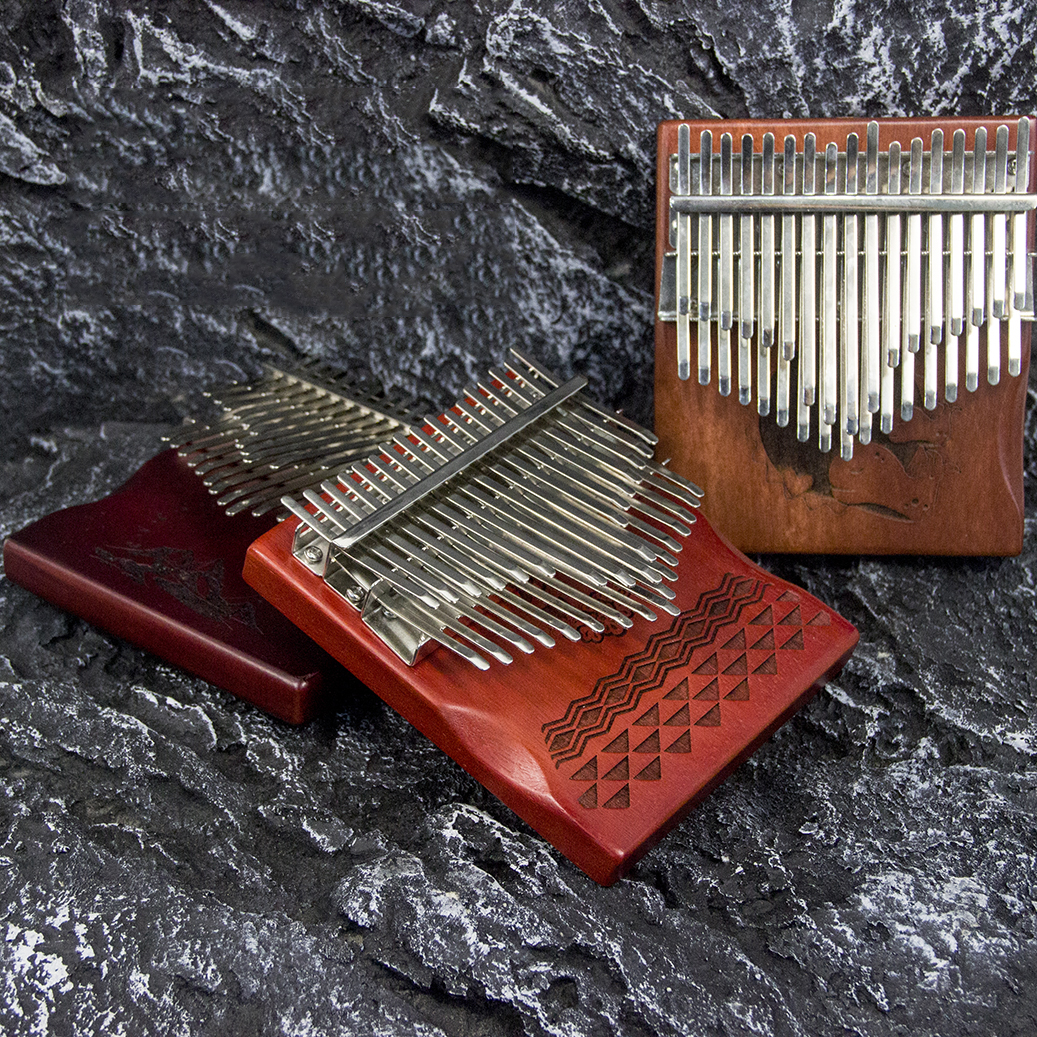
34-tone Kalimba Mahogany Solid Wood Thumb Piano with Two Layers of 34 Keys - Plucked Instrument
Enterprise Profile: Advanced Guitar & Fretboard Manufacturing
Operating from Qiuchang in the Huiyang District of Huizhou, Guangdong Province—a world-renowned hub for high-end musical instrument manufacturing—Huizhou NFGF Musical Instrument Co., Ltd. has established itself as an industry leader since its founding in 2014. Spanning over 5,100 square meters of specialized production lines and backed by a staff of 53 highly skilled craftsmen, technicians, and acoustic engineers, NFGF integrates complete in-house R&D, precision woodworking, climate-controlled finishing, final assembly, and strict acoustic testing.
As an SGS-verified Custom Manufacturer (OEM/ODM) with a formal audit update completed in November 2025, our facility operates under rigorous international quality control standards. We manage every step of the supply chain—from timber sourcing, CITES documentation compliance, vacuum thermal kiln-drying, and 5-axis CNC multi-spindle milling, down to hand-sanding, mirror gloss lacquering, fret crowning, and pre-shipment playable action calibration.
Thermal Vacuum Kiln Drying
Tonewoods undergo strict multi-stage kiln drying to achieve a stable internal moisture content of 6% to 8%, virtually eliminating future neck warping or twisting in marine tropical environments.
Automated CNC Precision
Our 5-axis CNC routing stations cut fret slots, neck pockets, fingerboard radius curves, and compound radius profiles with a tolerance held within ±0.01mm for flawless intonation.
Triple-Pass Quality Audits
Every single fretboard and finished instrument passes incoming raw material checks, in-process sanding/finish evaluations, and a 100% electronic and acoustic bench test prior to packaging.
Technical Whitepaper: Engineering Fretboards for Cap-Haïtien & Tropical Marine Environments
Cap-Haïtien, located on the northern coast of Haiti, presents a uniquely challenging climate for stringed instrument tonewoods. Characterized by high ambient relative humidity ranging from 75% to over 90% RH, elevated temperatures, and salt-laden ocean air, standard wooden instrument fretboards are prone to moisture absorption, dimensional swelling, fret sprouting, neck relief instability, and glue-line failure. Importing unconditioned or improperly manufactured guitar fretboards into Northern Haiti often results in high return rates, buzz, and permanent structural ruin.
1. Wood Fiber Hysteresis & Material Selection
Wood is a hygroscopic material that naturally absorbs and releases moisture to reach equilibrium with ambient air. When exported to Cap-Haïtien, low-grade fretboards absorb moisture, swelling along their radial and tangential axes. To counteract this physics-based phenomenon, NFGF utilizes dense, high-Janka-hardness woods and specialized thermo-treated alternatives:
| Tonewood Material | Janka Hardness Rating | Dimensional Stability Score | Tropical Marine Suitability | Primary Acoustic Characteristics |
|---|---|---|---|---|
| Torrefied / Roasted Maple | 1,450 lbf | 98% (Ultra High) | Exceptional (Immune to humidity spikes) | Bright, fast attack, maximum sustain |
| Selected Indian Rosewood | 1,780 lbf | 88% (High) | Excellent (Natural essential oils resist water) | Warm, rich overtones, balanced mid-range |
| Grade-A Ebony (African/Gabon) | 3,080 lbf | 82% (Moderate-High) | Very Good (Requires sealed pores) | Crisp articulation, immediate note response |
| High-Density HPL Composite | 3,500+ lbf | 99.9% (Absolute) | 100% Weatherproof (Zero rot risk) | Consistent across frequencies, structural rig |
2. Fret Sprouting Prevention & Crown Metallurgy
Fret sprouting occurs when wood shrinks or expands differentially against metal fret wire, causing sharp fret edges to project past the fingerboard binding or bevel. To permanently eliminate fret sprout in Cap-Haïtien's tropical climate, NFGF employs a proprietary three-part construction workflow:
First, fret slots are cut using diamond-coated micro-blades driven by multi-spindle CNC machinery, maintaining depth uniformity to 0.05mm. Second, fret wire tangs are custom-beveled and bound using high-tensile epoxy adhesives that seal wood fibers against moisture ingress. Third, frets are rolled with a smooth 35-degree edge bevel, hand-dressed, and micro-polished using German-engineered crown files. For maximum corrosion resistance in coastal Haitian ports and venues, we recommend CuNi18 Nickel Silver (HV180 hardness) or 18% Chrome Stainless Steel Wire, which resists salt-fog tarnishing and oxidation.
3. Vacuum Resin Impregnation & Radius Precision
For custom OEM orders bound for Haiti, NFGF offers vacuum thermosetting resin impregnation. By placing raw fretboard blanks in a pressure vessel, air is evacuated from the wood pores and replaced with deep-penetrating stabilizing monomers. When cured under heat, the wood becomes virtually impervious to humidity fluctuations while retaining its natural grain aesthetic and organic tactile response under the player's fingers. Fretboards can be radius-machined to traditional 9.5", 12", 16", or modern compound radiuses (10"-16") with multi-scale fanned fret layouts.
Localized Application Scenarios in Cap-Haïtien & Northern Haiti
Cap-Haïtien serves as the cultural and economic focal point of Northern Haiti, maintaining a rich musical heritage rooted in Compas (Kompa), Rasinn, Gospel, and Caribbean Fusion genres. High-volume live performances, church sound installations, beach-resort entertainment, and local luthier repair networks require instrument parts that can withstand demanding daily use. NFGF fretboards and components are purposefully tailored for these localized operational environments:
High-Tempo Compas Live Performances
Compas guitarists require ultra-fast fretboard action and impeccable intonation along the upper frets (12th to 24th). Our fanned-fret and compound-radius fretboards reduce finger fatigue during multi-hour live venue sets.
Churches & Community Assemblies
Houses of worship throughout Cap-Haïtien operate instruments daily under non-air-conditioned tropical conditions. NFGF's torrefied maple and rosewood fretboards preserve stability and tuning accuracy across shifting temperatures.
Local Luthier Workshops & Refurbishment
Cap-Haïtien repair shops and custom builders source pre-slotted, pre-radiused, and pre-fretted blanks directly from NFGF to streamline local repair, neck replacement, and custom boutique builds.
Industry Trends: Sourcing & Manufacturing Shift in the Caribbean
The Caribbean musical instrument market is experiencing significant shifts in procurement, driven by digital commerce, supply chain modernization, and evolving player demands. Retailers, importers, and brand owners in Haiti and neighboring markets are re-evaluating their sourcing strategies to stay competitive:
1. Demand for Headless & Travel-Friendly Designs: Touring musicians traveling between Cap-Haïtien, Port-au-Prince, and international destinations increasingly favor headless guitars and silent travel instruments. Headless designs remove the heavy headstock, reducing overall weight, eliminating dead spots, and providing superior balance.
2. Low MOQ Customization & Direct Factory Supply: Traditional importers used to require full-container loads of uniform models. Today, Haitian music retailers prefer agile, low-MOQ procurement (starting at 1 to 10 pieces depending on the product) allowing them to test custom logos, modern artwork finishes, and varied pickup configurations without tying up massive capital.
3. Stringent Environmental Compliance (CITES & Lacey Act): With increased international scrutiny over endangered tonewoods, buyers demand fully documented, legally harvested woods. NFGF provides full compliance paperwork for rosewood and mahogany derivatives, ensuring smooth customs clearance through Haitian maritime ports and international shipping channels.
Procurement FAQ: Sourcing Fretboards & Guitars for Cap-Haïtien
Here are answers to the most common questions from instrument distributors, store owners, and luthiers in Cap-Haïtien and Haiti:
Our minimum order quantity is designed to support both boutique builders and large-scale importers. Standard electric guitars, basses, and headless models start at an MOQ of just 1 piece for samples. Fretboard blanks, pre-wired control plates, and pickups can also be ordered in low quantities, while accessories like custom printed picks start at 100 pieces.
Every shipment undergoes export-grade tropical packaging. Instruments and fretboard components are sealed in moisture-proof poly bags with industrial desiccant silica packs, encased in high-density molded EPE foam, and housed in heavy-duty 7-ply corrugated corrugated master cartons to prevent ambient moisture absorption during transit through ocean ports.
Yes. We offer complete OEM branding services including water-slide decal transfers, metallic silk-screen printing, deep laser engraving on wood or metal truss rod covers, custom artwork hydro-dipping, and custom inlay work (mother-of-pearl, abalone, or acrylic) directly on the fretboard.
Sample orders are generally produced within 15 to 25 days depending on specification complexity. Bulk OEM production runs take approximately 30 to 45 days. Transit time via air express (DHL/FedEx/UPS) to Haiti takes roughly 7 to 10 days, while ocean freight container shipping to Port Cap-Haïtien or Port-au-Prince typically ranges from 30 to 40 days.
Absolutely. We source all raw timber from sustainable, legally managed forest concessions. For CITES-regulated species (such as specific rosewood varieties), NFGF handles all necessary export permits and phytosanitary certificates, guaranteeing 100% smooth customs clearance upon arrival in Haiti.
Partner with China's Premier Instrument & Fretboard Manufacturer
Looking to launch a private-label instrument line, source tropicalized replacement fretboards, or secure wholesale supply for your store in Cap-Haïtien? Request our latest 2025 product catalog and engineering spec sheet today.