Engineered Instruments & Protective Hardware
Custom production configurations optimized for direct export to maritime distribution points and wholesale operations in Nickerie District.

Climatic Resistance & Production Integrity for Tropical Estuaries
A comprehensive analysis of how manufacturing parameters solve the structural challenges posed by maritime and tropical rainforest environments.
Material Science Against Relative Humidity Extremes
Procuring musical instrument protection and stringed instruments for commercial distribution in Nieuw Nickerie demands an engineering standard far exceeding baseline consumer production. Positioned directly at the convergence of the Nickerie River and the Atlantic Ocean, the microclimate of Nickerie District features sustained relative humidity levels oscillating between 78% and 92% alongside continuous salt-laden marine air currents. In traditional instrument building and conventional wooden hard cases, these ambient conditions trigger rapid wood deformation, delamination of non-marine polyvinyl adhesives, fret oxidation, and fungal proliferation inside case plush velvet linings.
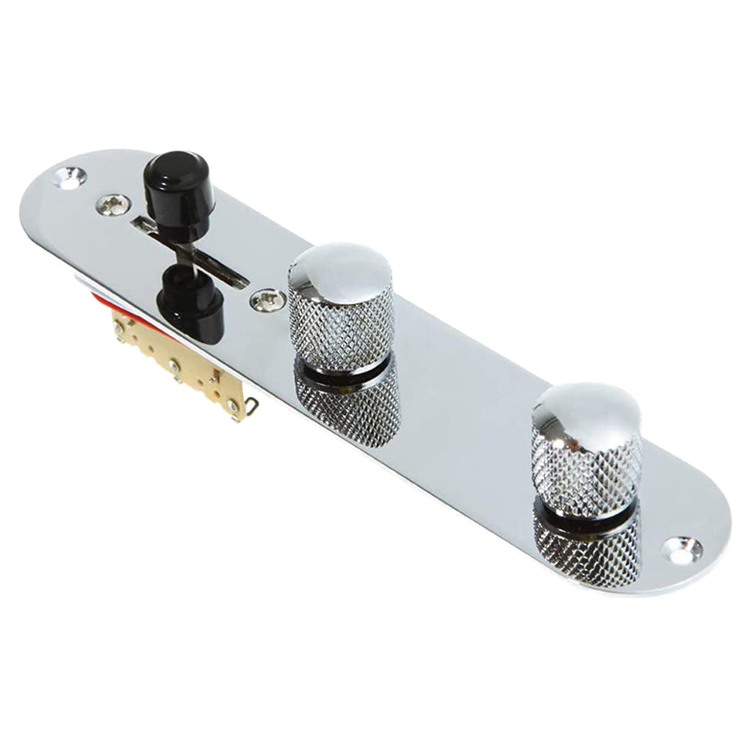
Huizhou NFGF Musical Instrument Co., Ltd. counters these climatic points of failure through specialized manufacturing protocols. In our 5,100 m² factory facility, all raw tonewoods—including basswood, Canadian maple, African mahogany, and solid Sitka spruce—undergo extended dehumidification and controlled multi-stage kiln curing to achieve an equilibrium moisture content strictly calibrated to 8%–10%. When constructing protective cases and enclosures, our manufacturing lines integrate high-density closed-cell EVA foam buffers, multi-ply cross-laminated water-resistant plywood shells, or thermoformed ABS polymers reinforced with heavy-duty structural aluminum extrusions. Hardware components, from hinges and draw latches to control plates and bridge saddles, receive multi-layer electroplating or powder-coating certified under salt spray corrosion tests, guaranteeing resilience against the brackish atmosphere of coastal Suriname.
Hermetic & Thermal Sealing
Continuous synthetic rubber tongue-and-groove gaskets prevent humid air infiltration, protecting delicate instrument electronics and active circuit blocks during riverine transport.
- Closed-cell neoprene perimeter seals
- Structural stability up to 55°C surface heat
- Zero air seepage in transit
Corrosion-Resistant Hardware
Marine-grade electroplated nickel, chrome, and blackened steel hardware eliminate oxidation caused by Atlantic coastal salinity and monsoon rainfall cycles.
- High-tensile steel draw latches
- Multi-layer chrome anti-rust plating
- Integrated TSA or pad-lockable loops
Anti-Microbial Interior Linings
Dense synthetic plush fabrics bonded with moisture-cured polyurethane adhesives inhibit mildew spore colonies and avoid glue crystallization under relentless equatorial moisture.
- Fungicidal treated high-nap velvet
- Custom high-density EPS contoured forms
- No volatile organic compound release
Localized Applications in Nickerie & Guiana Maritime Channels
Examining how high-performance instrument cases serve commercial retail, regional education, and cross-border transit ecosystems.
East-West Corridor Transit Protection
Musical gear circulating between Paramaribo, Nieuw Nickerie, and onwards across the Corentyne River into Springlands, Guyana, traverses punishing overland road tremors and humid riverboat crossings. Our molded polyfoam cases and drop-tested ABS hard cases serve as indispensable shock insulators, guaranteeing that neck relief calibrations, fret integrity, and sensitive preamps remain stage-ready upon arrival.
District Civic & School Ensembles
With Nickerie's expanding secondary schools, youth cultural foundations, and multi-generational musical groups, instruments face frequent outdoor movement and communal handling. Standardizing on rugged 600D water-repellent oxford gig bags with reinforced double-stitched shoulder straps enables safe daily transport by bicycle, moped, or bus across fluctuating seasonal rainfall.
Retail Stock Longevity & Resale Value
Importers and regional instrument merchants in Nieuw Nickerie cannot afford dead stock damaged by showroom moisture warping. Bundling electric guitars, bass lines, and folk acoustics with factory-matched cases maintains factory setup tolerances in warehouse storage, substantially lowering after-sale maintenance overhead and returns.
Market Trends: Consolidating LCL Logistics into South American Outlets
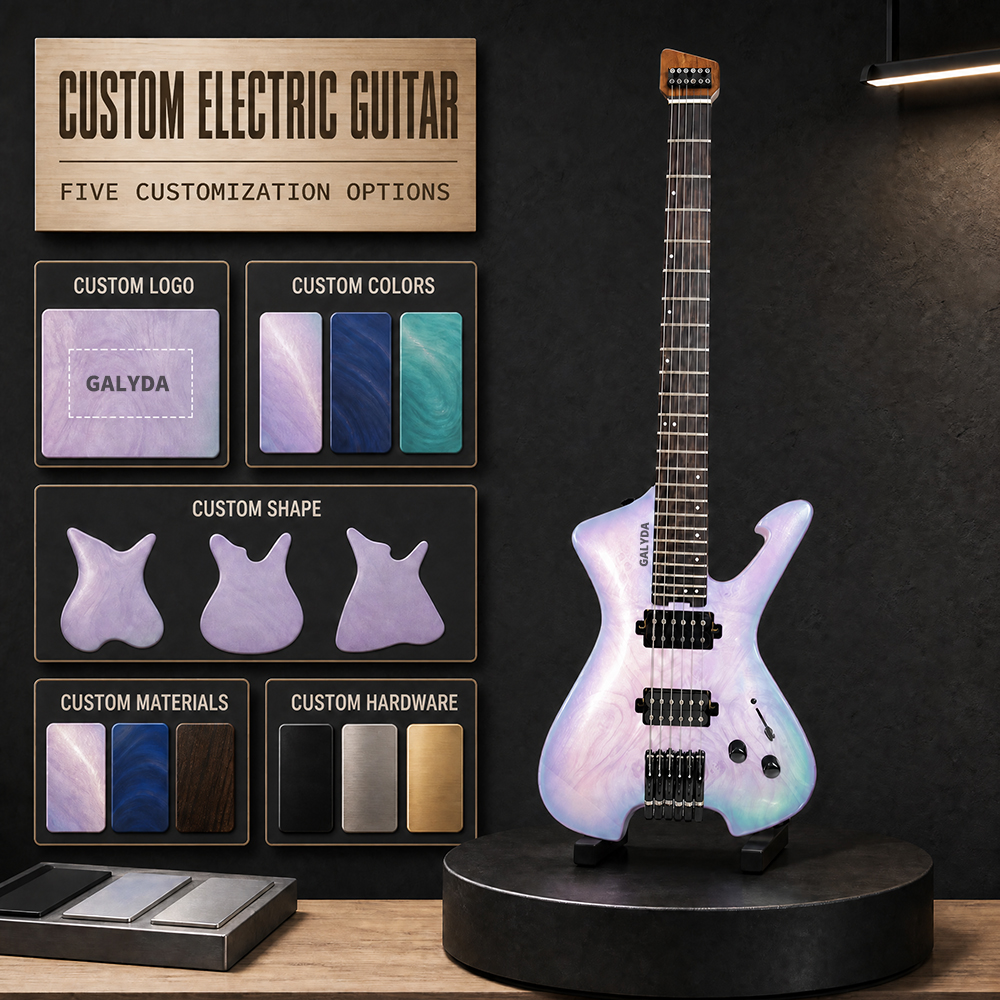
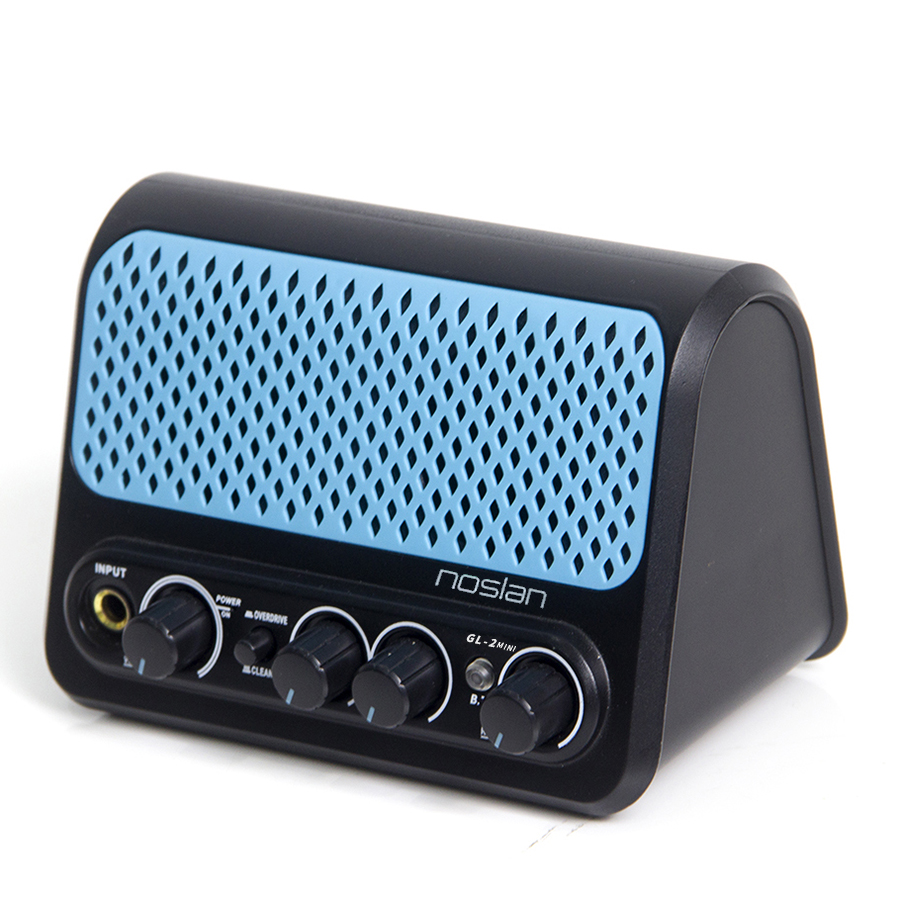
A clear trend across the Guyanas region is the transition away from multi-layered distributor markups originating in Miami or European clearinghouses. Importers based in Nieuw Nickerie are actively utilizing direct factory relationships in Huizhou, China, to assemble consolidated containerized loads. By pairing stringed instruments—such as headless travel guitars, custom ST solid-bodies, and electric basses—with protective cases, amplifiers, replacement control plates, and gig bags within the same shipment, buyers reduce effective freight rates per cubic meter.
Furthermore, digital music making and headless instrument architectures are growing rapidly among younger performers across Suriname. The compact footprint of headless guitars and multi-scale basses matches the lifestyle of mobile gigging musicians while simplifying case dimensions. NFGF’s vertically integrated facility supports this evolution by offering fully matched case shells configured precisely to fanned-fret geometries and compact headless contours, preventing lateral instrument shifting inside the casing.
Why NFGF Stands Out in Global Instrument & Case OEM
Combining industrial machinery repeatability with artisan lutherie discipline across an audited manufacturing space.
SGS Audited Credibility
Our workshop floor, supplier qualification standards, and final quality control operations hold complete on-site certification by SGS Group (audited November 2025), giving foreign buyers ironclad trade transparency.
High-Precision CNC & Hand Luthier Finish
Neck pockets, pickup cavities, and mold patterns are cut to sub-millimeter tolerances via multi-axis CNC routers, then hand-sanded, sprayed, and buffed across 8 distinct factory stations.
Custom Branding & Low Sample MOQ
We eliminate high barrier-to-entry costs by supporting sample orders starting from 1 unit on select electric guitars and cases, alongside custom logo screening, laser engraving, and custom-molded badges.
Frequently Asked Questions by Nickerie Buyers
Clear, direct answers regarding minimum orders, international ocean logistics, moisture testing, and custom brand manufacturing.
Can guitar cases and instruments be co-packed in the same shipment to Nieuw Nickerie?
Yes. In fact, co-packing is our most recommended logistical approach for Surinamese merchants. We can factory-install each ordered electric guitar, bass, or ukulele directly inside its dedicated hard-shell case or padded gig bag before placing it inside the export-grade master carton. This reduces overall volumetric shipping cubic meters (CBM) and adds critical impact protection while crossing oceanic routes via Paramaribo before trucking to Nickerie.
What is the minimum order quantity (MOQ) for custom brand logos on cases and guitars?
For standard models in inventory, guitar sample testing begins at just 1 piece. For custom branding—including silk-screened headstock decals, custom embossed case badges, or tailored interior embroidery—our typical OEM threshold begins at 30 to 50 units for cases, and as low as 10 to 20 units for standard electric guitar architectures. Contact our engineers for flexible trial combinations.
How does NFGF safeguard tonewood from swelling in Suriname's tropical humidity?
Our factory implements strict raw timber conditioning in computerized dry kilns to balance wood cellular moisture between 8% and 10%. We then apply multi-coat polyurethane or high-grade poly-lacquer finishes that hermetically seal the grain structure against exterior air humidity. In addition, internal truss rods utilize two-way double-action steel cores, enabling quick adjustment if seasonal temperature shifts occur.
What shipping terms and documentation are provided for import clearance in Suriname?
We regularly support FOB Shenzhen/Guangzhou, CFR, and CIF shipping to Paramaribo (Jules Sedney Haven). From there, consignees arrange regional freight forwarding to Nieuw Nickerie. Our export documentation team supplies certified Commercial Invoices, Packing Lists with precise CBM/weights, clean Bills of Lading, Certificates of Origin, and non-wood material packing compliance documentation.
Do your hard cases support both standard ST/LP shapes and modern headless bodies?
Yes. Our facility produces precision molded interiors for standard traditional body profiles (ST, LP, Telecaster, J-Bass) as well as specialized, compact cases tailored to headless 6-string electrics and 5-string fanned-fret basses. The interior EPS cavity can be customized to your proprietary brand blueprints via CAD mold tooling.