Featured Export Catalog: Premium Stringed Instruments & Accessories
As a verified B2B exporter supplying high-precision music hardware and stringed instruments directly to the Kobe and broader Hyogo Prefecture distribution networks, Huizhou NFGF Musical Instrument Co., Ltd. presents our core product line. Designed for maximum mechanical longevity, pitch stability, and superior acoustic clarity, these export-grade items represent our factory's rigorous engineering standards.
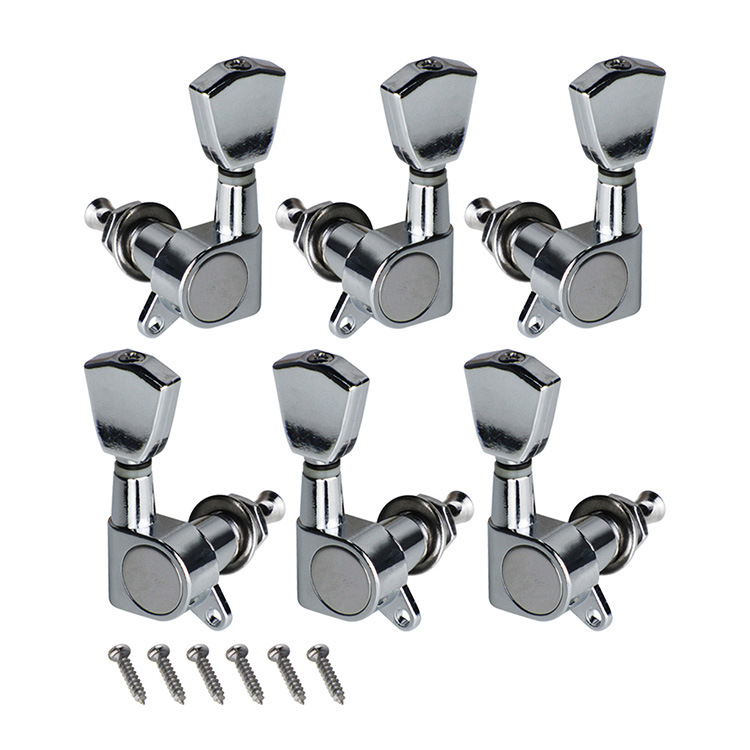
Factory Price Acoustic Guitars Machine Heads Tuner Pegs Stringed Instrument Metal Tuning Pegs Direct From Manufacturer Supplier
View Product Details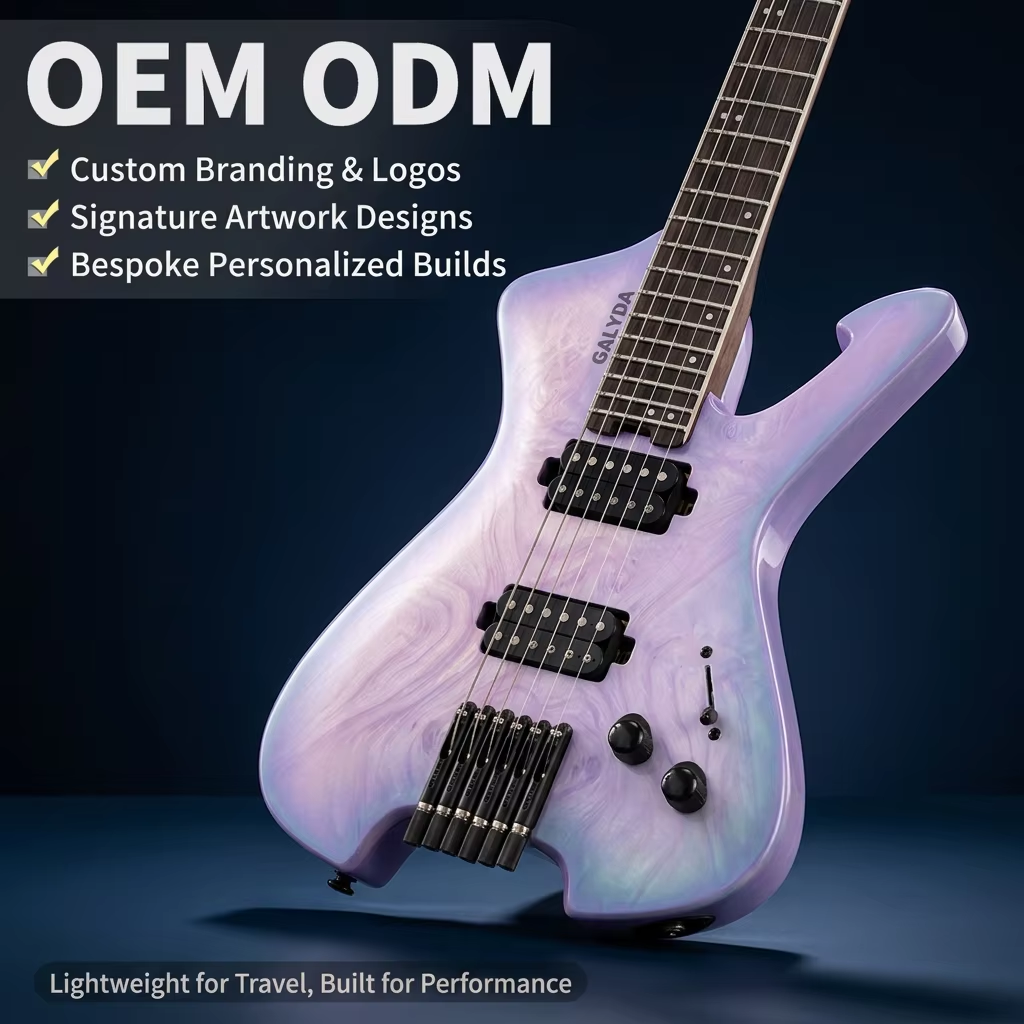
Factory Custom Headless Electric Guitar Custom Artwork Logo Humbucker Pickups Hardtail Tremolo Bridge
View Product Details
Factory Custom Headless 5 String J Bass Mahogany Body Maple Neck Rosewood Fretboard Fanned Frets Electric Bass Guitar
View Product Details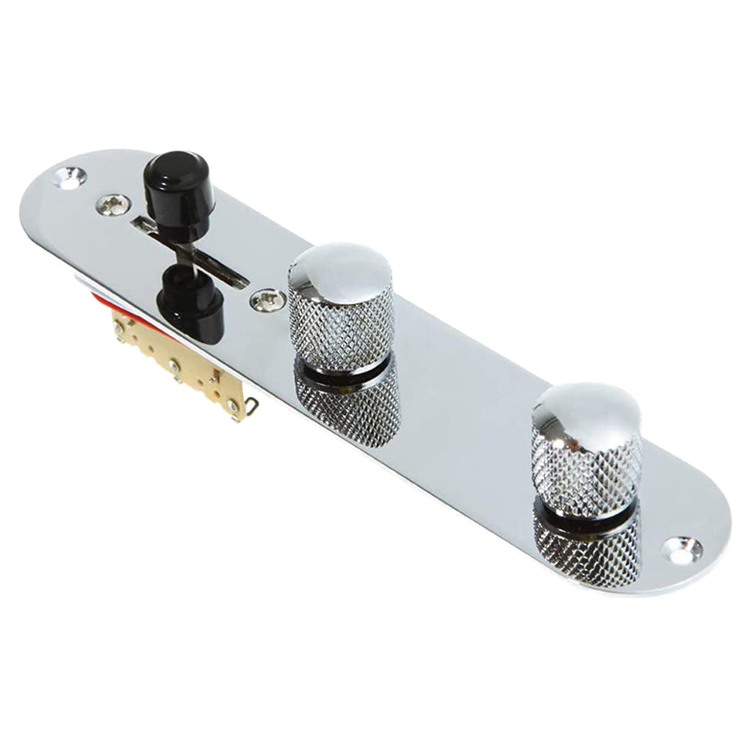
Fully Loaded Pre-Wired 3-Way Guitar Control Plate with Wiring Harness for Telecaster Chrome/Black/Gold Strings
View Product Details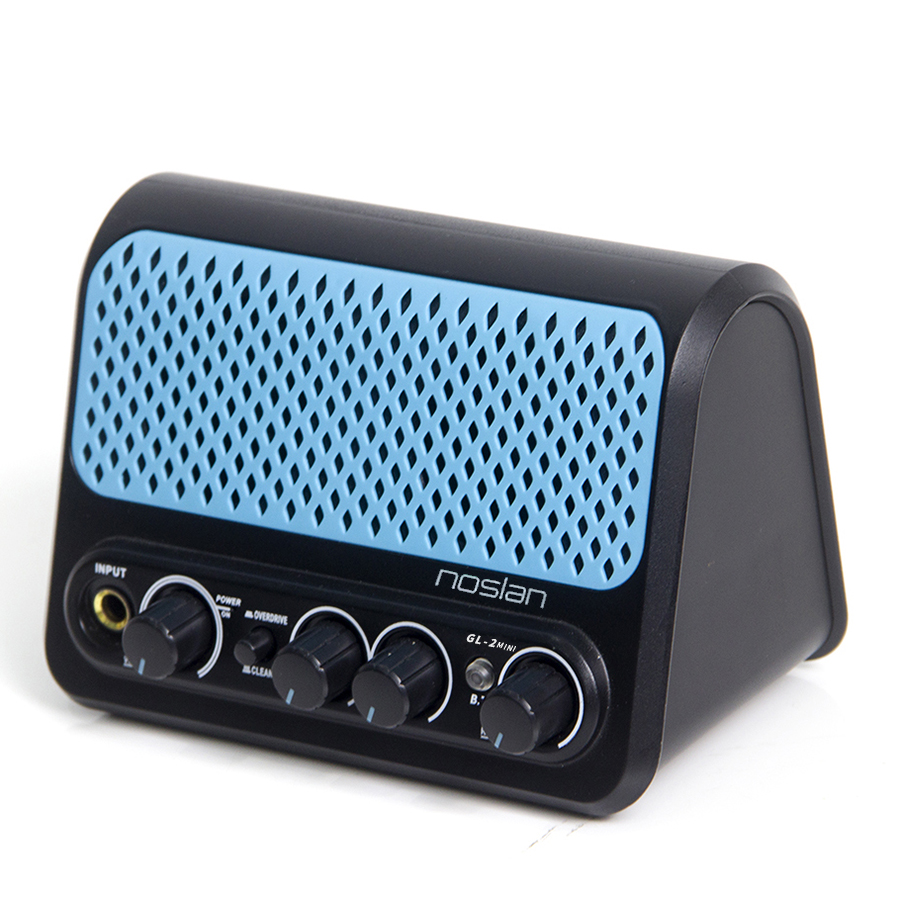
Rechargeable 10-Watt Electric Guitar Amplifier Speaker ABS Material with Distortion Clear Sound Effects Reverb
View Product Details
LP Style Electric Guitar High Gloss Cherry Sunburst Flame Maple Top Dual Humbucker Rosewood Fingerboard OEM ODM
View Product Details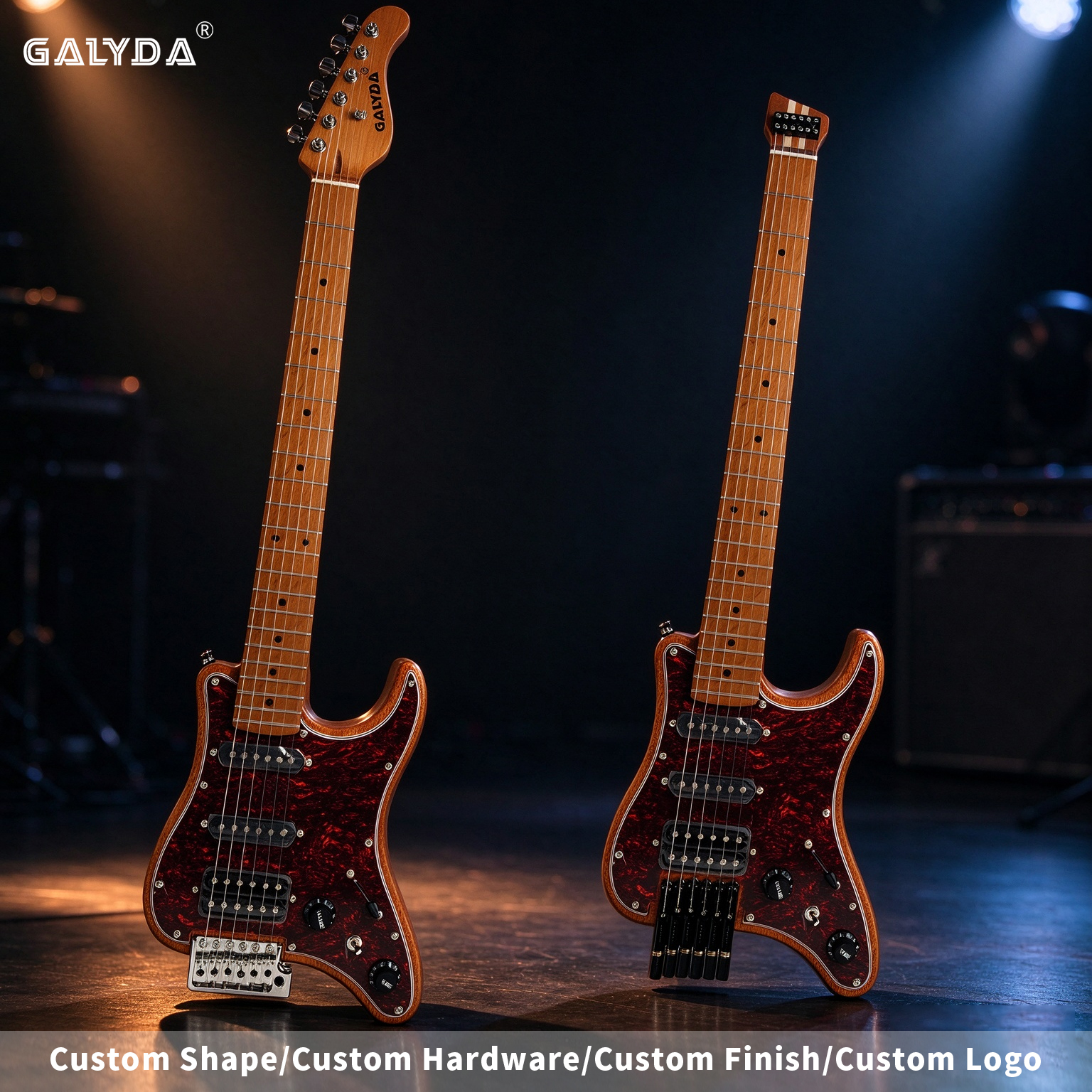
OEM ODM Electric Guitar SSH Pickups Unique Shape Custom Finish Custom Hardware Factory Custom
View Product Details
GALYDA Electric Guitar GM Style SS Pickup Tremolo Bridge 3 Way Toggle Switch Custom Logo OEM ODM Factory
View Product DetailsExecutive Industry Analysis: Guitar Capo B2B Sourcing in Kobe
Kobe, situated in the heart of Japan’s Kansai region, represents one of East Asia's most sophisticated musical instrument markets. Characterized by a vibrant live house culture, historic jazz heritage, and a rigorous network of independent music retailers, boutique luthiers, and school music clubs (Bukatsu), Kobe demands musical accessories that meet uncompromised technical standards. For guitar capos—an accessory frequently subjected to continuous mechanical strain—Kobe’s professional retail channels evaluate suppliers based on mechanical precision, fretboard radius matching, zero-tone-dampening polymer selection, and spring fatigue resistance.
As an established original equipment manufacturer (OEM) and original design manufacturer (ODM) with an SGS-verified 5,100 m² facility based in Guangdong's premier instrument cluster, Huizhou NFGF Musical Instrument Co., Ltd. bridges the gap between high-volume manufacturing efficiency and the exact specifications required by Kobe's musical instrument importers, brand owners, and wholesale distributors.
Localized Application Scenarios in Kobe’s Music Ecosystem
To capture market share in Kobe and Hyogo Prefecture, importers must align capo engineering with the distinct playing environments of local musicians. A single capo design cannot fulfill all commercial demands across Kansai's diverse performer demographics. Below are the primary application scenarios analyzed by our product development engineers:
Sannomiya & Motomachi Live House Stages
In energetic live performance venues across Motomachi and Sannomiya, quick-change trigger capos are essential. Fast-paced setlists require musicians to shift key positions within seconds single-handedly. Our memory-steel spring designs provide instant one-handed release without pulling strings out of tune.
Acoustic Fingerstyle & Jazz Studios
Kobe’s historic acoustic and jazz cafes demand capos that preserve subtle harmonics and sustain. Screw-tension adjustable capos allow players to calibrate micrometer-level pressure directly behind the fret wire, mitigating string dampening and retaining tone clarity on solid-wood acoustic guitars.
School Music Clubs (Bukatsu) & Academies
High school light music clubs and conservatories across Hyogo Prefecture require ultra-durable, cost-effective capos capable of surviving daily shared student use. Lightweight ABS-composite and reinforced aluminum capos offer impact resistance and affordable replacement costs for institutional procurement.
Key Market Trends Driving Guitar Capo Demand in Kobe (2025–2030)
Understanding consumer behavior shifts within Kobe enables wholesale distributors to order stock that turns over rapidly. Our market research highlights four key trends transforming stringed instrument accessory purchasing in Western Japan:
1. Micro-Weight & Ergonomic Profiles
Guitarists in Kobe prefer lightweight gear that does not alter neck balance or cause headstock dive on vintage electric and acoustic instruments. Modern alloy formulation allows us to reduce capo mass down to 42 grams while maintaining high structural rigidity.
2. Non-Reactive Chemical Cushioning
High-end Japanese guitars often feature delicate nitrocellulose lacquer finishes. Cheap rubber capos contain plasticizers that chemically react with nitrocellulose, causing finish melting. Our factory utilizes high-grade inert silicone pads that guarantee zero chemical migration or finish discoloration.
3. Partial & Specialized Open Tuning Capos
With the rise of fingerstyle acoustic technique in Japanese music education, partial capos (covering 3 or 5 strings) and drop-D capos have transitioned from niche items to mainstream inventory requirements for Kobe retail shelves.
Technical Whitepaper: Capo Engineering & Metallurgical Standards
A capo is fundamentally a mechanical clamp operating under dynamic spring load or lever tension. Inferior manufacturing yields unequal pressure distribution, string bending, rapid spring fatigue, and early mechanical failure. Huizhou NFGF Musical Instrument Co., Ltd. implements strict engineering protocols during manufacturing:
- Body Alloy: High-pressure die-cast ADC12 Aluminum Alloy or Premium Zinc Alloy (ZAMAK 3) ensuring zero structural porosity.
- Spring Mechanism: High-tensile stainless steel wire (Grade 304 / 65Mn spring steel), oil-tempered for over 100,000 compression cycles without loss of elasticity.
- Pad Material: Custom molded thermoplastic elastomer (TPE) or medical-grade silicone formulated specifically to match string gauge friction without dampening upper harmonic frequencies.
- Surface Finish: Multi-stage electroplating (Chrome, Satin Nickel, Matte Black) or PVD Anodizing resistant to sweat corrosion and skin acidity.
Every manufacturing lot undergoes automated tension testing. Using specialized load cell sensors, our quality control team verifies that the clamping force remains tightly bounded between 1.2 kgf and 1.8 kgf. This pressure band holds strings securely against frets without excessive force that pulls notes sharp or damages fret wire crowns.
Enterprise Advantages: Why Partner with Huizhou NFGF
Established in 2014 in Qiuchang, Huiyang District, Huizhou—a global hub for musical instrument manufacturing—Huizhou NFGF Musical Instrument Co., Ltd. is an SGS-verified manufacturer integrating R&D, precision woodworking, metal stamping, finishing, and export operations.
SGS On-Site Audited Assurance
Our 5,100 m² factory facility underwent rigorous on-site assessment by SGS Group (November 2025 verification). Importers in Kobe receive verified compliance documentation covering raw material origin, labor standards, and finished product quality control.
In-House CNC & Mold Development
Equipped with industrial CNC routers, automatic sanding units, high-gloss polishing machinery, and custom die-casting tooling, we convert client CAD concepts into physical prototypes within 7 working days.
Low MOQ & Agile Supply Chain
We support growing Japanese brands with flexible order quantities. Stock items start from low MOQs (1–10 pcs), while fully customized private-label runs start from 100–500 pcs depending on laser-engraving or packaging requirements.
Frequently Asked Questions (FAQ) for Kobe B2B Buyers
Below are answers to common technical, logistics, and trade questions raised by musical instrument buyers, importers, and brand owners in Kobe and the broader Kansai area:
Q1: What is the lead time for guitar capo bulk orders shipped to Kobe Port?
For standard in-stock inventory or simple laser-logo branding, production takes 7 to 10 working days. Custom color anodizing or bespoke packaging orders take approximately 20 to 25 days. Transit times from our Shenzhen/Guangzhou ports to Kobe Port via fast ocean shipping typically take 4 to 6 days.
Q2: Are your capo silicone pads safe for nitrocellulose lacquer finishes on vintage guitars?
Yes. We formulate our contact pads using high-grade inert silicone and vulcanized TPE materials containing zero volatile plasticizers. They pass chemical migration testing and are 100% safe for prolonged contact with delicate nitrocellulose and polyurethane guitar finishes common in Japanese vintage shops.
Q3: How do you handle private label custom branding (OEM) for local Japanese brands?
We offer high-precision fiber laser engraving, silk-screen printing, and custom metallic badging directly on the capo body or spring trigger arm. Additionally, we provide retail-ready packaging design including Japanese-language eco-friendly cardboard boxes, blister packs, and hang-tags with barcoding.
Q4: Can we order mixed-product container shipments (e.g., capos, electric guitars, and tuners)?
A: Absolutely. As a full-spectrum musical instrument manufacturer, we encourage buyers to consolidate orders. You can mix electric guitars, basses, acoustic instruments, ukuleles, kalimbas, tongue drums, and accessories like capos and tuners into a single consolidated export shipment to maximize freight efficiency.
Q5: Are your accessories compliant with Japanese environmental and safety standards?
Yes. All metallic components, silicone pads, and surface plating comply with RoHS 2.0 and REACH environmental standards, ensuring heavy-metal-free construction (lead, cadmium, mercury-free) required for import clearance by Japan Customs.
Q6: What quality guarantee or warranty do you offer on B2B capo shipments?
We provide a 12-month mechanical warranty covering spring tension failure, plating peel, and structural defect. Any defective unit identified during your incoming inspection will be replaced free of charge in your subsequent shipment.
Partner with a Verified Instrument & Accessory Factory
Expand your retail margins in the Kobe market with factory-direct pricing, custom branding options, and guaranteed mechanical reliability. Contact our export engineering team today for instant quotes, technical drawings, and sample kits.
Send an Inquiry