Precision-Milled Instrument Bodies & Core Assemblies
Explore our export-ready guitar bodies, fanned-fret multiscale bass foundations, acoustic hardware, and ergonomic travel platforms engineered for high mechanical endurance and tonal integrity.


Engineering Tonewood Stability for the St. John’s Marine Environment
St. John’s, Newfoundland and Labrador, presents one of the most mechanically demanding environments in North America for solid wood musical instruments. Understanding our thermal stabilization and export protocols is vital for long-term acoustic performance.
Combatting Coastal Salt Fog & Extreme Moisture Shifts
Situated directly along the North Atlantic oceanfront, the greater St. John's metropolitan region experiences abrupt relative humidity (RH) oscillations ranging between 35% in dry, artificially heated winter interiors to over 90% during humid coastal summer months. Unstabilized tonewoods warp, lift glued joints, or choke sustain. NFGF addresses this via precision kiln-drying down to an 8%–10% equilibrium moisture content (EMC) followed by climate-stabilized chamber curing before 5-axis CNC roughing, preventing cross-grain tension release upon arrival in Newfoundland.
Demands of the George Street Live Circuit & Touring
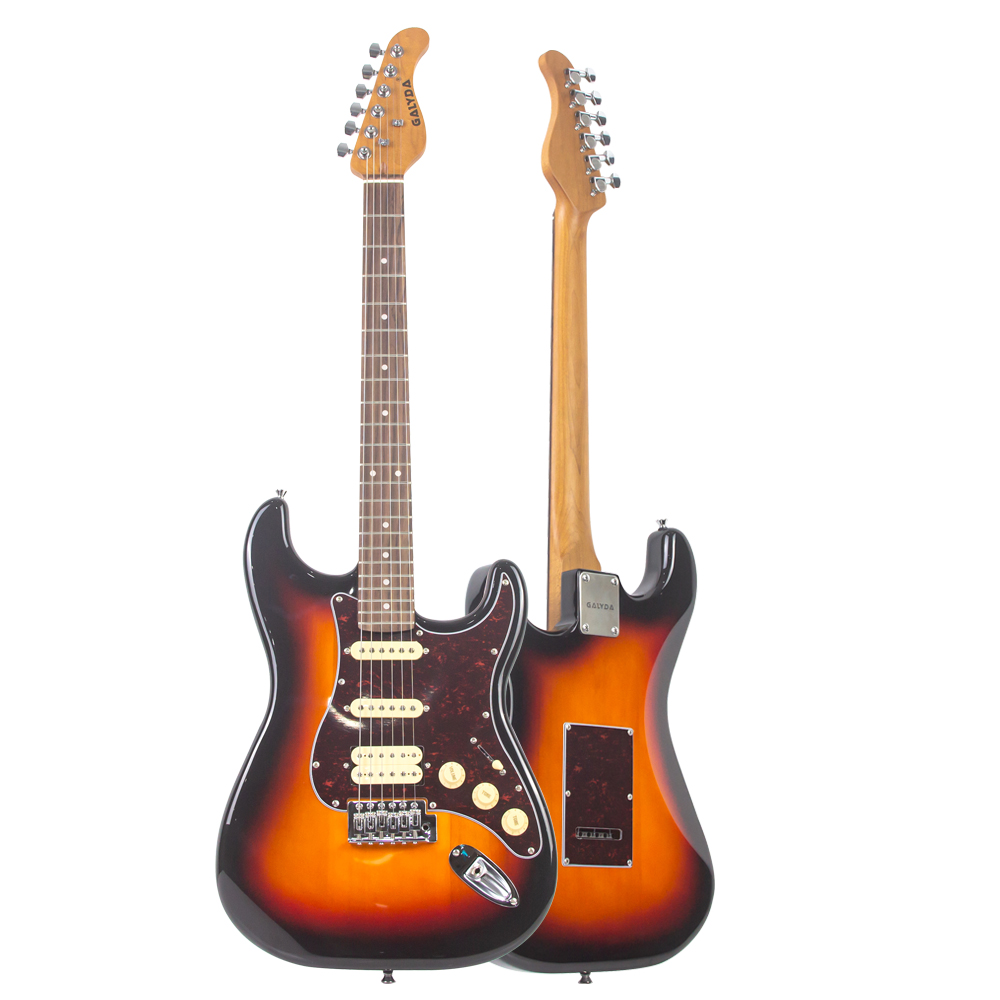
St. John's boasts an extraordinarily dense live music culture, centering along historic George Street, folk festivals, and regional Atlantic maritime circuits. Instruments endure constant transit between freezing outdoor sea breezes and crowded indoor venues. NFGF's mahogany and roasted poplar bodies feature multi-pass catalyzed polyurethane sealing and deep neck-pocket tolerance tolerances (±0.05mm). This guarantees that custom neck joints and pickup routes remain dimensionally immovable under rapid temperature transitions without lacquer micro-checking.
Boutique Luthier Part-Caster Customization
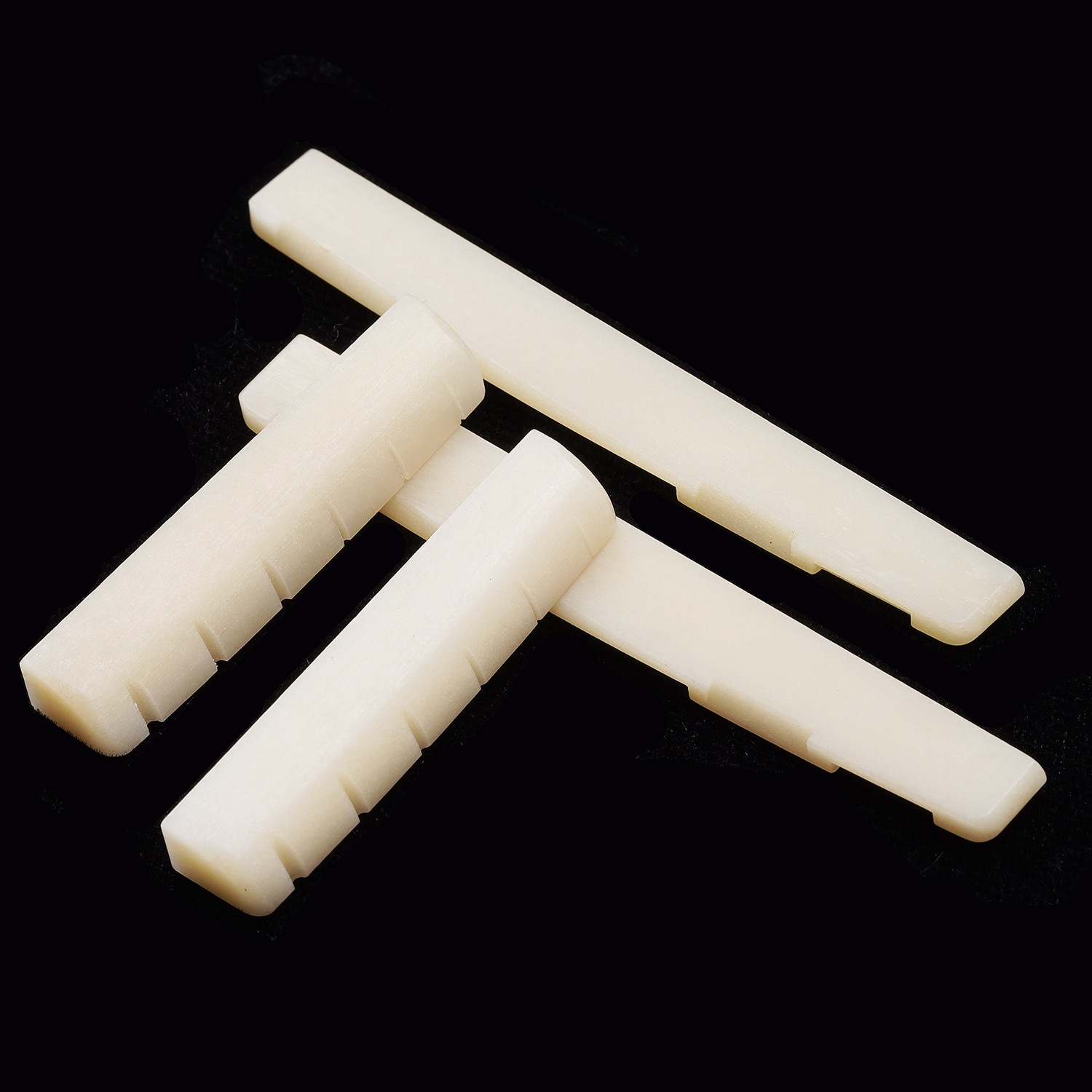
Local Newfoundland boutique workshops and independent builders require blank, semi-finished, or fully finished bodies with universal cavity routings (HSH/SSH swimming pool or vintage spec) that minimize on-bench manual labor. With direct CAD/CAM synchronization, NFGF delivers pre-shielded cavity options, grounded routing channels, and high-density unbleached bone hardware appointments that elevate the final resonant sustain expected by discerning Celtic, indie rock, and modern progressive bassists across eastern Canada.
| Tonewood Species | Average Density (kg/m³) | Equilibrium Moisture Target | Resonant Characteristics | Recommended St. John’s Application |
|---|---|---|---|---|
| Selected Roasted Maple / Poplar | 450 – 520 | 6% – 8% (Thermo-Treated) | Bright upper midrange, snappy attack, zero dynamic sag | Modern ST/TL touring guitars exposed to high humidity fluctuations |
| Selected African Mahogany | 550 – 620 | 8% – 10% (Chamber Dried) | Deep warm fundamentals, full low-end sustain, silky highs | Heavy-sustain LP styles and modern multiscale 5-string electric basses |
| Acoustic Solid Spruce Tops | 410 – 460 | 8% – 9% (Naturally Seasoned) | Dynamic projection, fast transient response, broad harmonic spread | Maritime folk instruments, OM concert acoustic bodies, and travel acoustics |
| Indonesian Rosewood / Eco-Composite | 750 – 850 | 7% – 9% (Density Stabilized) | High compression strength, glassy overtones, slick finger feel | Fretboards and acoustic bridges resistant to sweat and salt-air oxidation |
Emerging Procurement Trends Across Atlantic Canadian Instrument Hubs
A rigorous examination of shifting distributor behaviors, localized supply disruptions, and specifications gaining momentum throughout Newfoundland and the Maritime provinces.
1. Rapid Shift Toward Headless & Multiscale Architecture
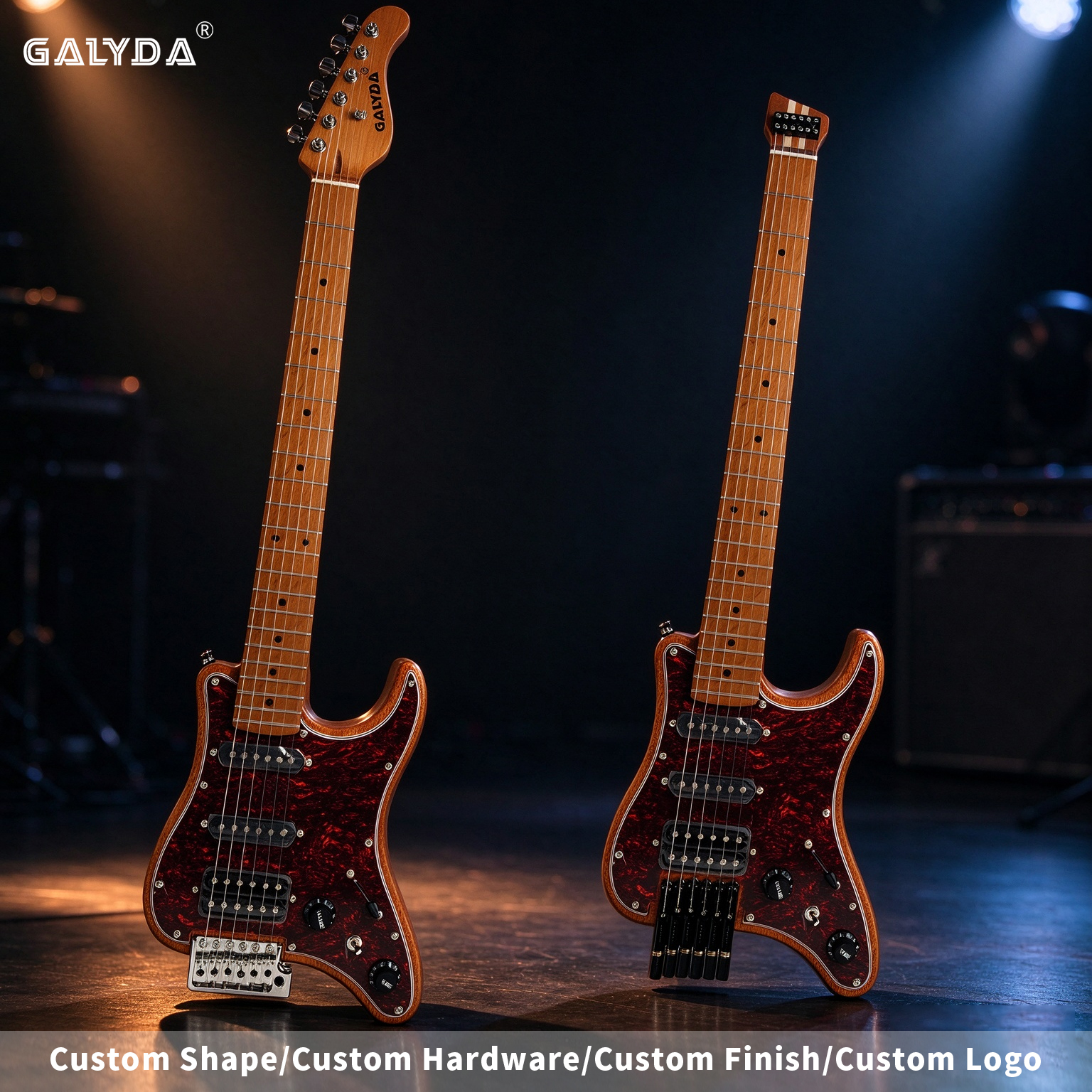
Musicians traversing St. John's to Halifax, Montreal, and international performance destinations increasingly demand space-efficient, lightweight instruments. Multiscale fanned-fret designs—such as NFGF's Factory Custom Headless 5-String Bass—solve the uneven string tension common in dropped-tuning styles while cutting overall chassis length by 25%. Local dealers report higher margin velocity when carrying ergonomically balanced headless electrics over traditional bulky configurations.
2. Direct-from-Source OEM Sourcing to Mitigate Tier-2 Markups
Historically, Atlantic Canadian retailers relied on intermediary wholesale distributors based in Ontario or British Columbia, absorbing additional logistics surcharges and domestic handling fees. Retail owners in St. John's are now directly establishing OEM relationships with audited factories. Benefiting from NFGF's flexible minimum order quantities (MOQs starting from 1 unit for electric guitars and basses), dealers launch store-branded models that preserve up to 42% higher gross margins.
3. Zero-Defect Environmental Packaging Standards
Ocean container lines routing through St. John’s port or regional multimodal intermodal rail networks encounter severe freeze-thaw cycles during North Atlantic winters. Importers can no longer tolerate basic single-wall cartons. Modern orders specify moisture-barrier vacuum poly-bagging, 7-ply heavy corrugated outer shipping containers, and high-density customized EPS molded foam shells that eliminate carton collapse and maritime condensation damage during extended voyages.
Why Tier-1 Importers Partner with Huizhou NFGF Musical Instruments
Operating from our modern 5,100 m² production facility in Qiuchang, Huiyang District, Huizhou—the heart of southern China’s stringed instrument manufacturing cluster—NFGF fuses state-of-the-art CNC machining with artisanal hand-dressing.
SGS-Assessed Manufacturing
Our entire workflow is independently inspected on-site by SGS Group (latest audit November 2025). From raw lumber warehouse verification to final electrostatic shielding resistance, your compliance risk is systematically neutralized.
High-Precision Multi-Axis CNC
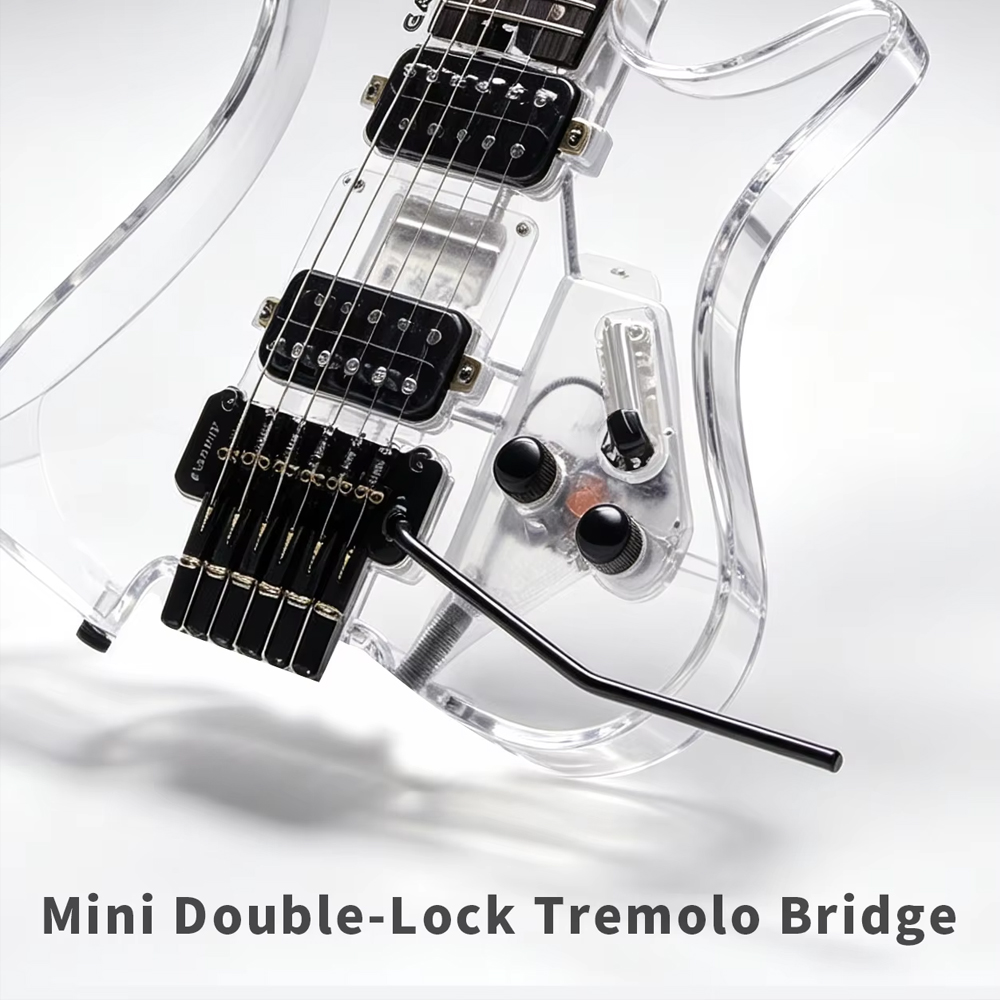
Every pickup cavity, neck pocket, tremolo rout, and weight-relief chamber is shaped via computer-guided cutting heads maintaining tolerances within 0.05mm, ensuring frictionless drop-in component assembly for OEM custom builders.
Proprietary R&D & 100+ Patents
NFGF does not merely duplicate generic templates. Backed by 53 specialized craftsmen and an in-house R&D laboratory, we hold hundreds of design patents and registered copyrights across silent travel guitars, headless bridge locks, and acoustic bracing.
Multi-Tier Pre-Shipment Inspection
Each production run undergoes comprehensive mechanical stress tests: neck relief assessment under string tension, fret plane crown profiling, potentiometer pot sweep verification, and drop-shipping vibration simulations before container dispatch.
Frequently Asked Questions by St. John’s & Canadian Importers
Clear, direct answers regarding minimum orders, Canadian CBSA customs compliance, shipping timelines, and custom OEM wood processing.
What is the Minimum Order Quantity (MOQ) for shipping guitar bodies or complete guitars to St. John's?
Unlike massive automated factories requiring 300+ units per SKU, NFGF maintains a buyer-friendly policy: standard electric guitar, electric bass, and solid body components start from as low as 1 piece for sampling and initial retail evaluation. Ukuleles require only 2 pieces, steel tongue drums start at 10 pieces, and customized small accessories (picks, knobs, bone nuts) start from 100 pieces. Full custom private-label branding runs can be structured affordably depending on the depth of CNC routing modifications required.
How do your wood seasoning procedures prevent warping in cold, dry Newfoundland winters?
All tonewood stock (mahogany, basswood, alder, poplar, maple) undergoes computer-regulated kiln-drying down to an internal moisture level of 8% to 10%, followed by resting in climate-controlled stabilization rooms for a minimum of 30 days before cutting. This equalizes capillary moisture tension throughout the wood fibers. Furthermore, we offer carbonized (roasted) maple neck and body blanks, which permanently crystallize the cellular hemicellulose, rendering the timber impervious to severe winter humidity drops in Atlantic Canada.
Can NFGF handle private labeling, custom headstock logos, and custom neck-pocket routing?
Yes. As an authentic OEM/ODM manufacturer, we support both minor cosmetic customization (laser-engraved logo, metallic water decal, silk-screen headstock branding, branded neck plates, and custom retail packaging) and complete structural ODM engineering. If you maintain proprietary neck profiles or specific cavity geometries for active pickup preamps, our engineering department imports your CAD/DXF schematics directly into our CNC controllers.
How are shipments cleared into Canada, and what are typical transit times to Newfoundland?
We routinely export under standard Incoterms including FOB Shenzhen/Guangzhou, CIF Halifax or St. John's Port, and DDP (Delivered Duty Paid) directly to your commercial doorstep. Air express samples (DHL/FedEx/UPS) arrive in Newfoundland within 5 to 8 business days. Consolidated ocean container freight shipped through the Port of Halifax with connecting coastal feeder rail or marine barge into St. John's generally requires 28 to 38 calendar days from vessel departure. All export lumber complies with international phytosanitary and Lacey Act / CITES wood documentation standards.
Are NFGF electric components, pickups, and silent travel instruments CE and FCC listed?
Yes. Our onboard preamps, active EQ circuits, mini headphone amplifiers, silent guitar electronics, and analog effects pedals adhere to international electromagnetic compatibility standards and possess verified CE and FCC listings. Test certificates are made available prior to production runs to ensure smooth customs processing with the Canada Border Services Agency (CBSA).
Request Your Custom St. John's Guitar Body or OEM Production Quote
Partner directly with Huizhou's premier SGS-verified instrument manufacturer. Whether you are developing a proprietary boutique guitar line, restocking a retail showroom on the Avalon Peninsula, or sourcing high-tolerance tonewood components, our engineering desk is ready to assist.