Pro Audio
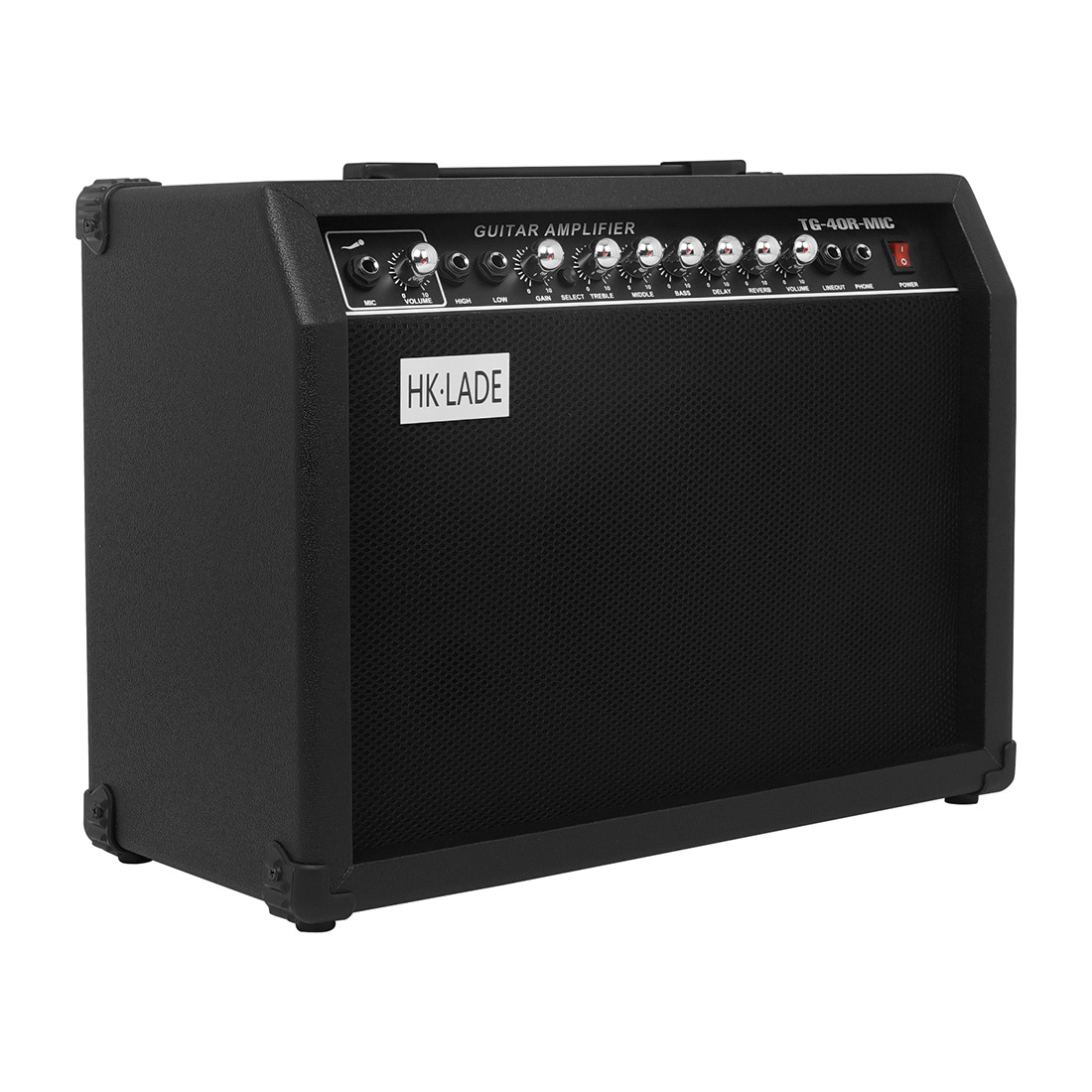
Engineered to withstand rigorous touring and extreme interior-exterior humidity deltas. Every model below supports customized branding, custom electronics, and low-run batch distribution for Akureyri wholesale dealers.
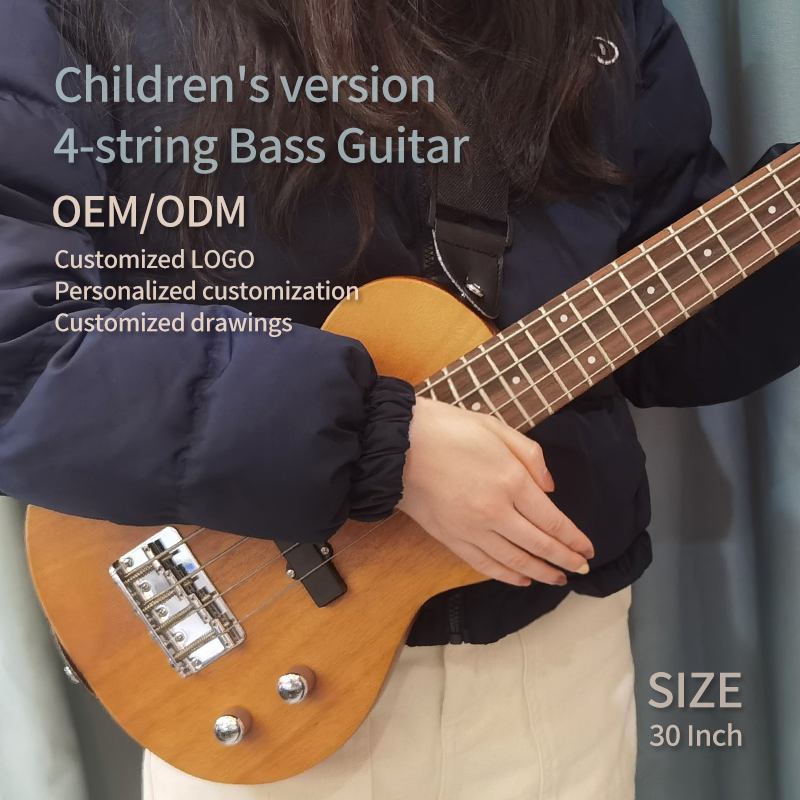
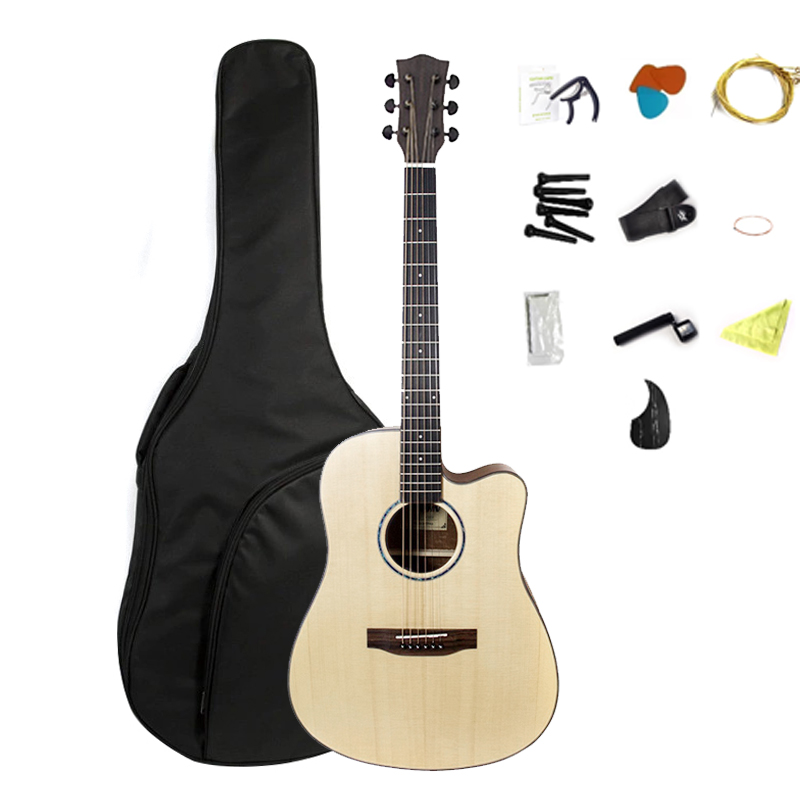
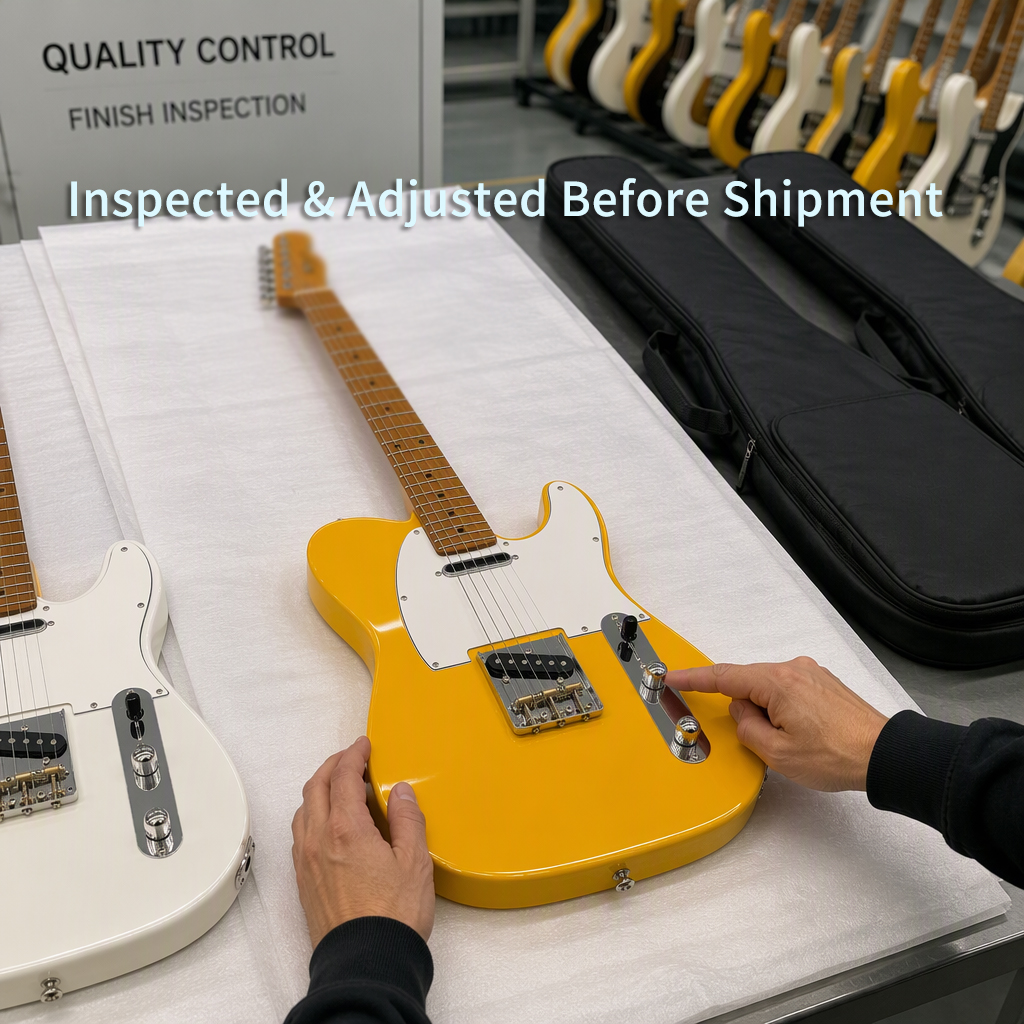

An analytical overview of why standard electric guitars fail under Eyjafjörður winter microclimates and how precision kiln-drying mitigates logistical liabilities for Icelandic distributors.
As the cultural and educational nucleus of Northern Iceland, Akureyri fosters a disproportionately dense population of recording artists, youth ensembles, independent luthiers, and regional cultural institutions like Hof Cultural and Conference Centre (Menningarhúsið Hof) and the Akureyri Music School (Tónlistarskólinn á Akureyri). Despite the city's robust creative output, music instrument retailers and municipal purchasers face severe operational hurdles when sourcing electric guitars and high-gain electronics from overseas suppliers who lack technical knowledge of sub-Arctic climate conditions.
The primary barrier to structural integrity in Eyjafjörður is the extreme indoor-to-outdoor relative humidity (RH) swing. During prolonged sub-zero months, geothermal convective heating drops residential and venue indoor humidity levels down to 15%–22% RH, whereas coastal outdoor air frequently reaches saturation above 85% RH during maritime winter storms. When standard mass-produced guitars built with inadequately seasoned tonewoods enter this thermal gradient, moisture egress causes fretboard shrinkage, acute "fret sprout" (exposed razor-sharp fret ends), top drop, neck twist, and eventual delamination along glue joints.
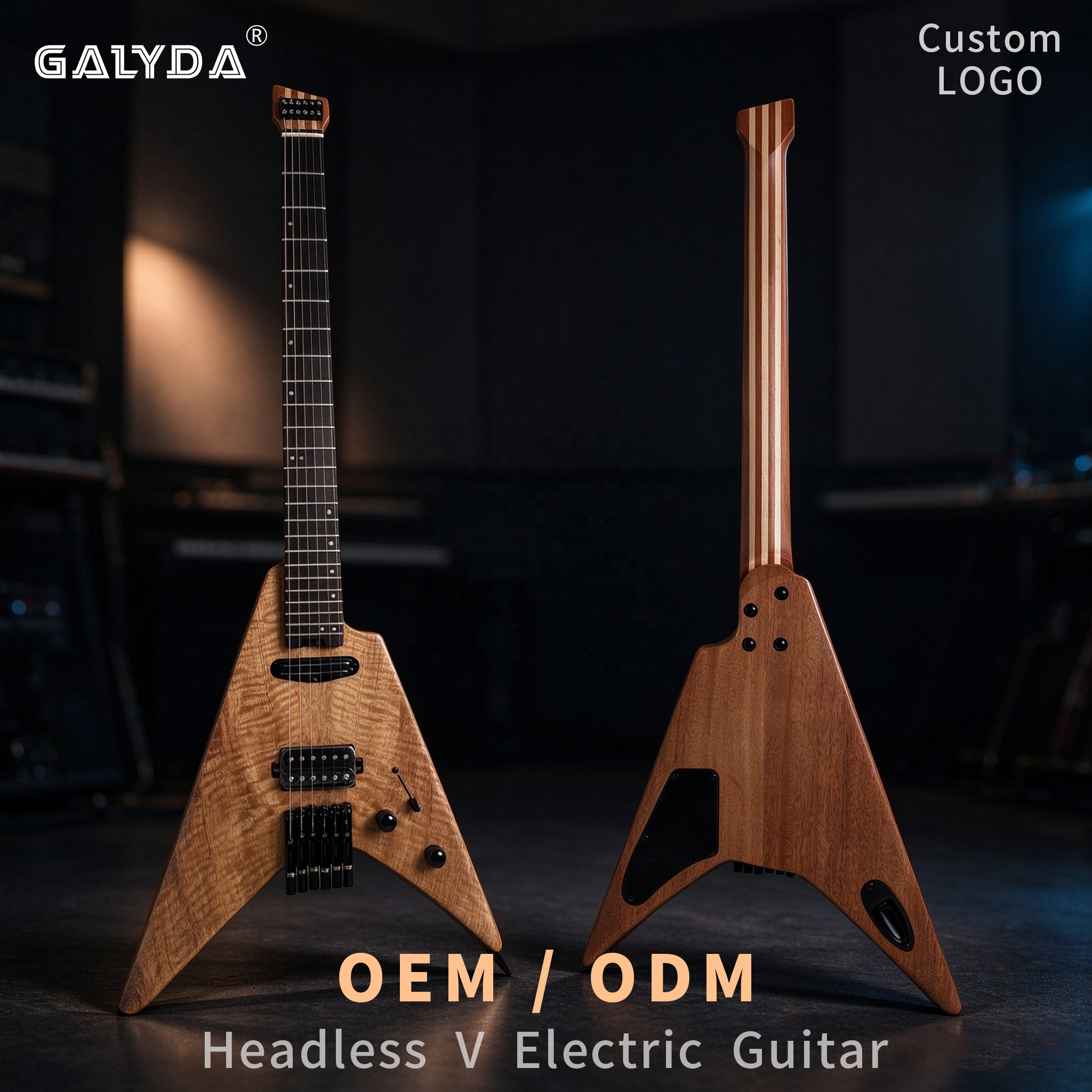
At Huizhou NFGF Musical Instrument Co., Ltd., our OEM and ODM electric guitar production lines utilize computerized vacuum RF kiln-drying protocols down to a stabilized 8%–10% moisture content (EMC) before multi-axis CNC shaping. By offering advanced wood stabilization options—such as carbonized (roasted) hard rock maple necks, multi-laminate 7-piece neck structures (as showcased in our Headless V-Shape), and sealed polyurethane/polyester micro-barriers—we equip Icelandic instrument importers with shelf-stable stock that eliminates high-cost post-import bench adjustments.
From winter showcases at Græni Hatturinn to summer open-airs, electric guitars require high-output Alnico-5 pickups and fully-shielded control cavities to suppress RF noise induced by geothermal heat regulators and stage lighting arrays.
Supplying public music academies across Norðurland eystra demands rugged, ergonomic configurations. Our 30-inch short-scale electric basses and lightweight starter packs deliver low fret action, zero dead spots, and high drop impact resistance.
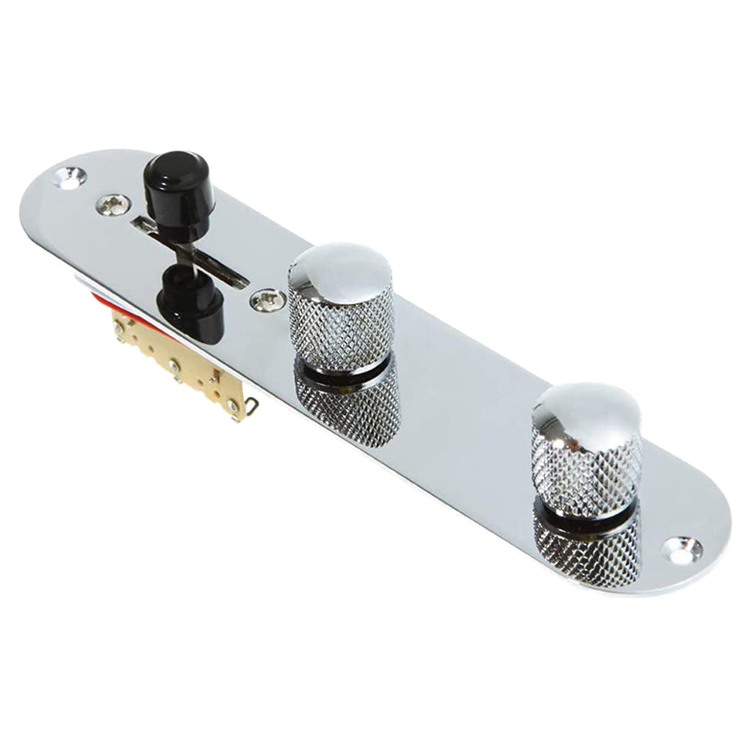
For boutique tracking spaces around Akureyri and Hrísey, our pre-wired solderless harness plates, calibrated coil-splitting switches, and low-impedance wired IEM monitors provide clean, uncompressed transient tracking straight to DAW interfaces.
Strategic shifts observed among Nordic retail buyers and boutique musical distribution networks.
Nordic retailers are phasing out non-treated maple in favor of torrefied (carbonized) neck blanks that eliminate seasonal truss-rod volatility under central heating.
Due to freight expenses to Port of Akureyri or via Reykjavík transit, distributors prioritize single-source suppliers capable of bundling electric guitars, amps, kalimbas, and cables into shared pallets.
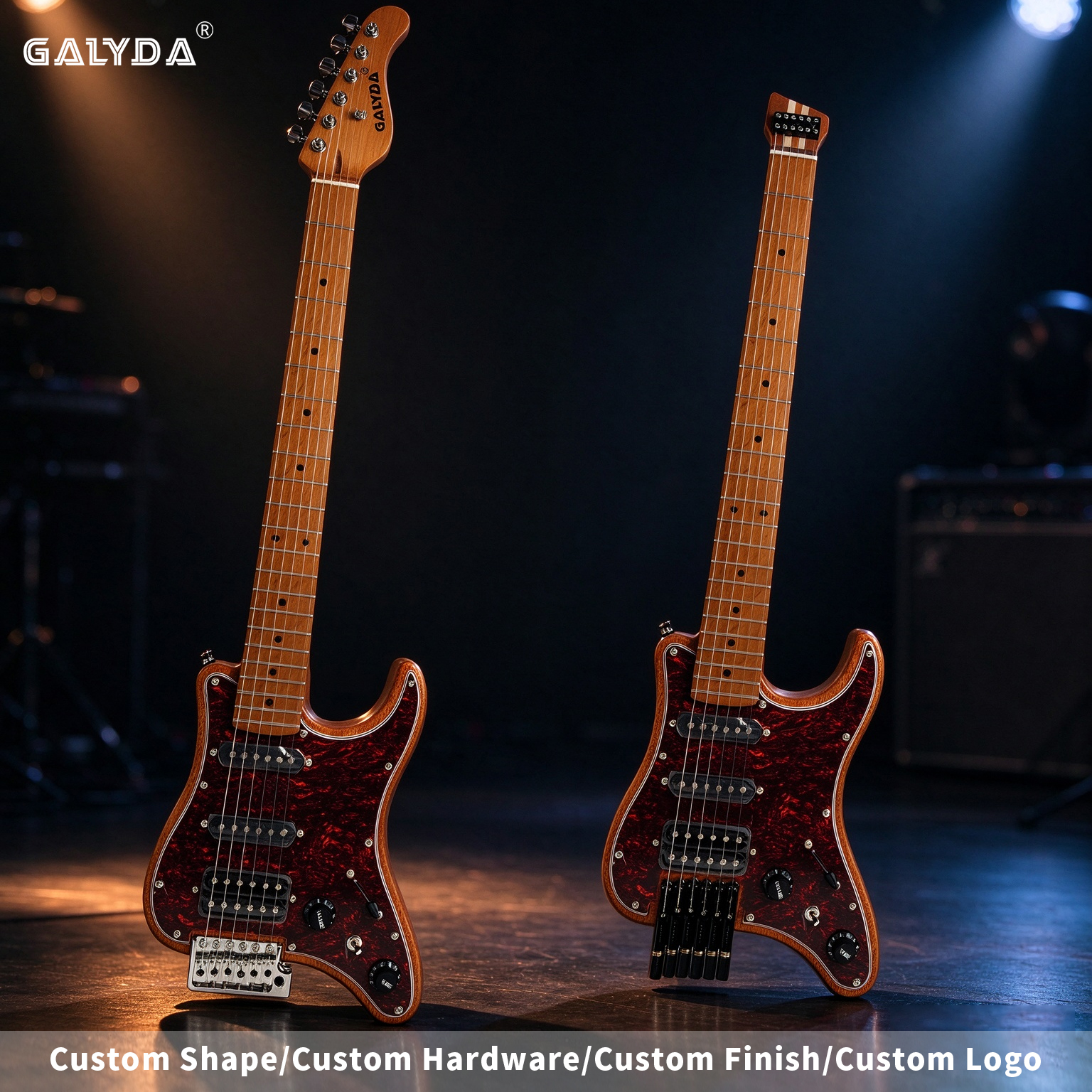
Demand for ultra-compact, headless guitars with locking hardware is accelerating rapidly among touring artists navigating inter-fjord regional flights on Air Iceland Connect.
Import compliance into the European Economic Area (EEA) requires stringent wood verification, CE electromagnetic certification, and non-hazardous finish documentation on every consignment.
Every tonewood blank (Okoume, Mahogany, Ash, Basswood) undergoes 90-day natural aging followed by multi-cycle dehumidification kilns to balance cellular moisture across fluctuating climatic environments.
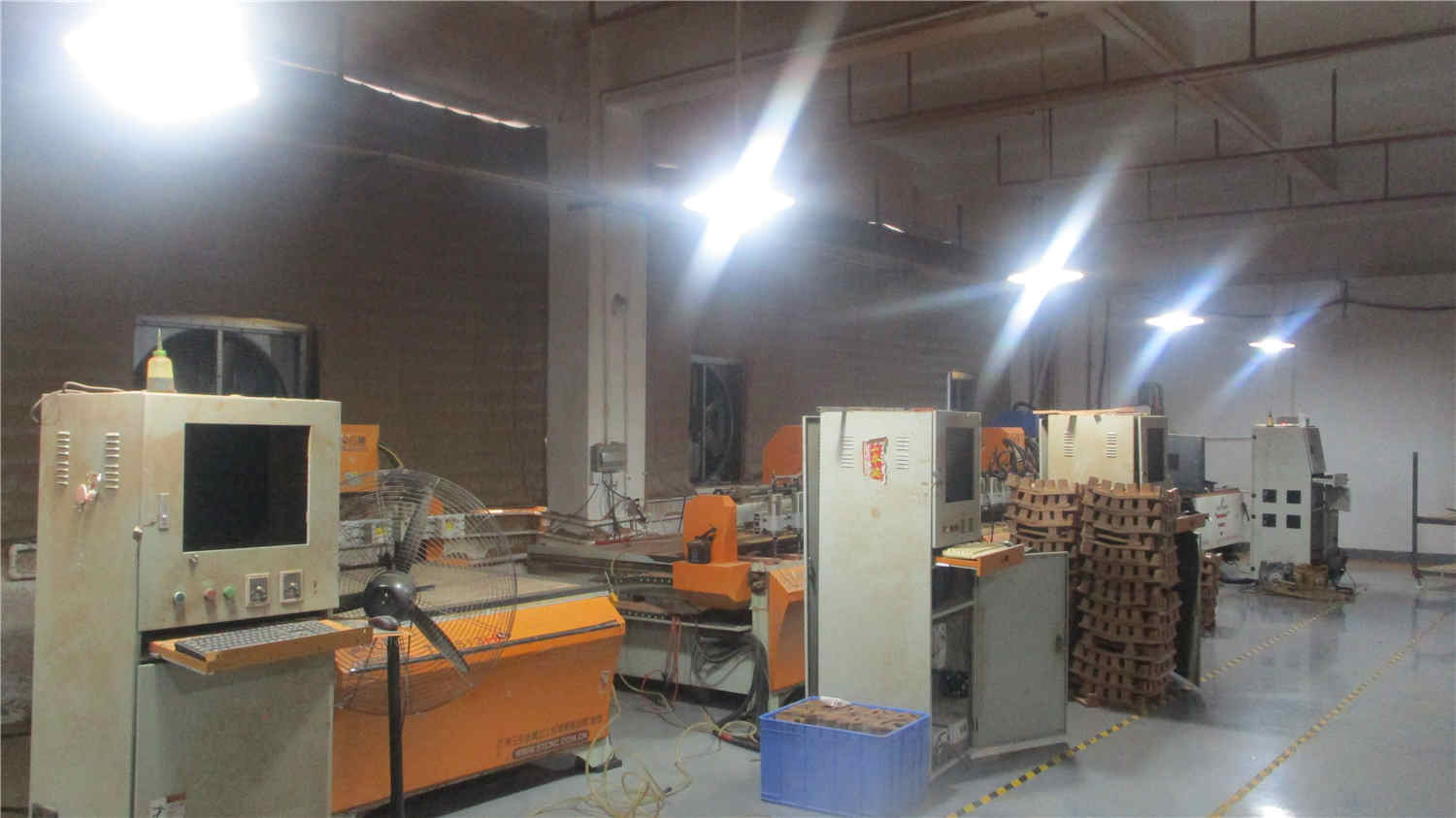
CNC machining centers mill neck-to-body cavities with micro-level tightness, ensuring maximized acoustic coupling, long mechanical sustain, and permanent bridge intonation anchoring.
All 6-string and bass necks integrate two-way steel truss rods allowing both forward and reverse relief adjustments, protecting instruments against catastrophic dry-air neck warping.
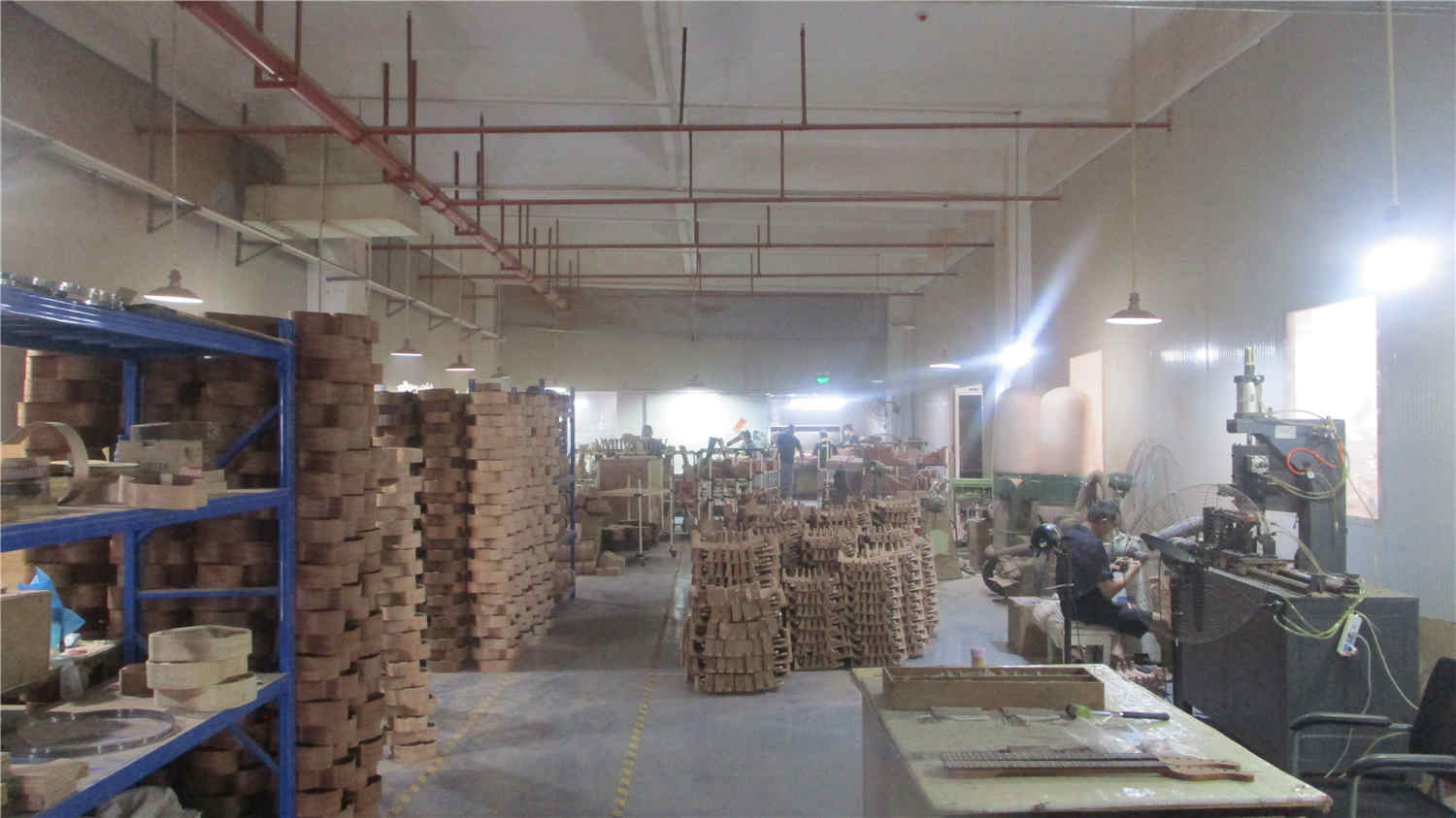
Established in 2014, operating 5,100 m² of specialized production floor in Qiuchang, Huiyang District, Huizhou—the epicenter of Guangdong's premier instrument manufacturing cluster.
Unlike trading intermediaries, NFGF manages every stage under one roof: from initial lumber resawing and 5-axis CNC routing to automated sanding, electrostatic spray painting, hand-buffed gloss polishing, precision electronics wiring, and final bench setup by senior luthiers.
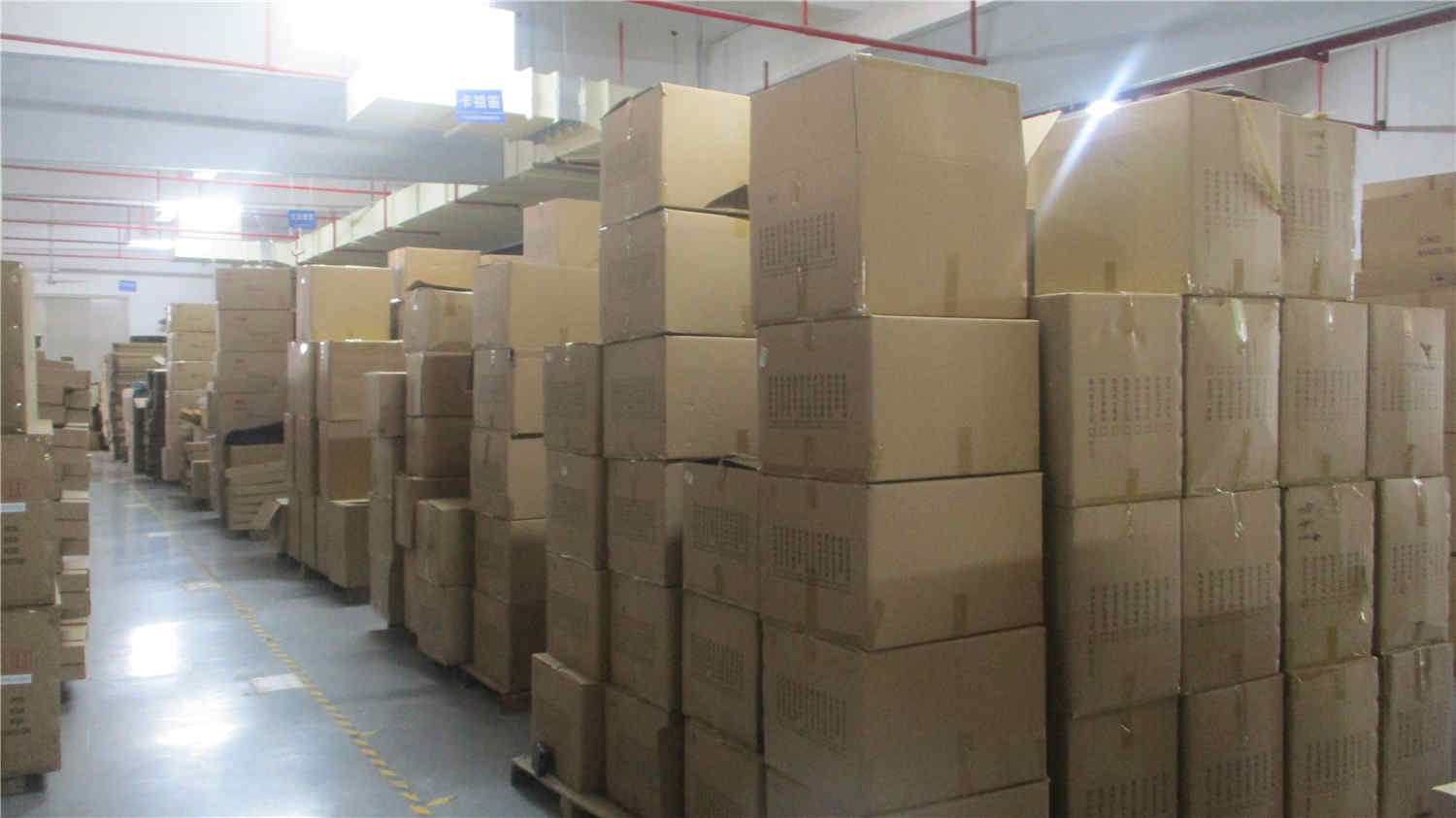
We provide full-spectrum OEM and ODM customization for Arctic and European importers: silk-screened or engraved logos, custom neck carves (Modern C to Ultra-Thin D), custom pickup winds (Alnico 2/5/Ceramic), custom wire looms, and export-grade high-density foam packaging to survive rough maritime transport.
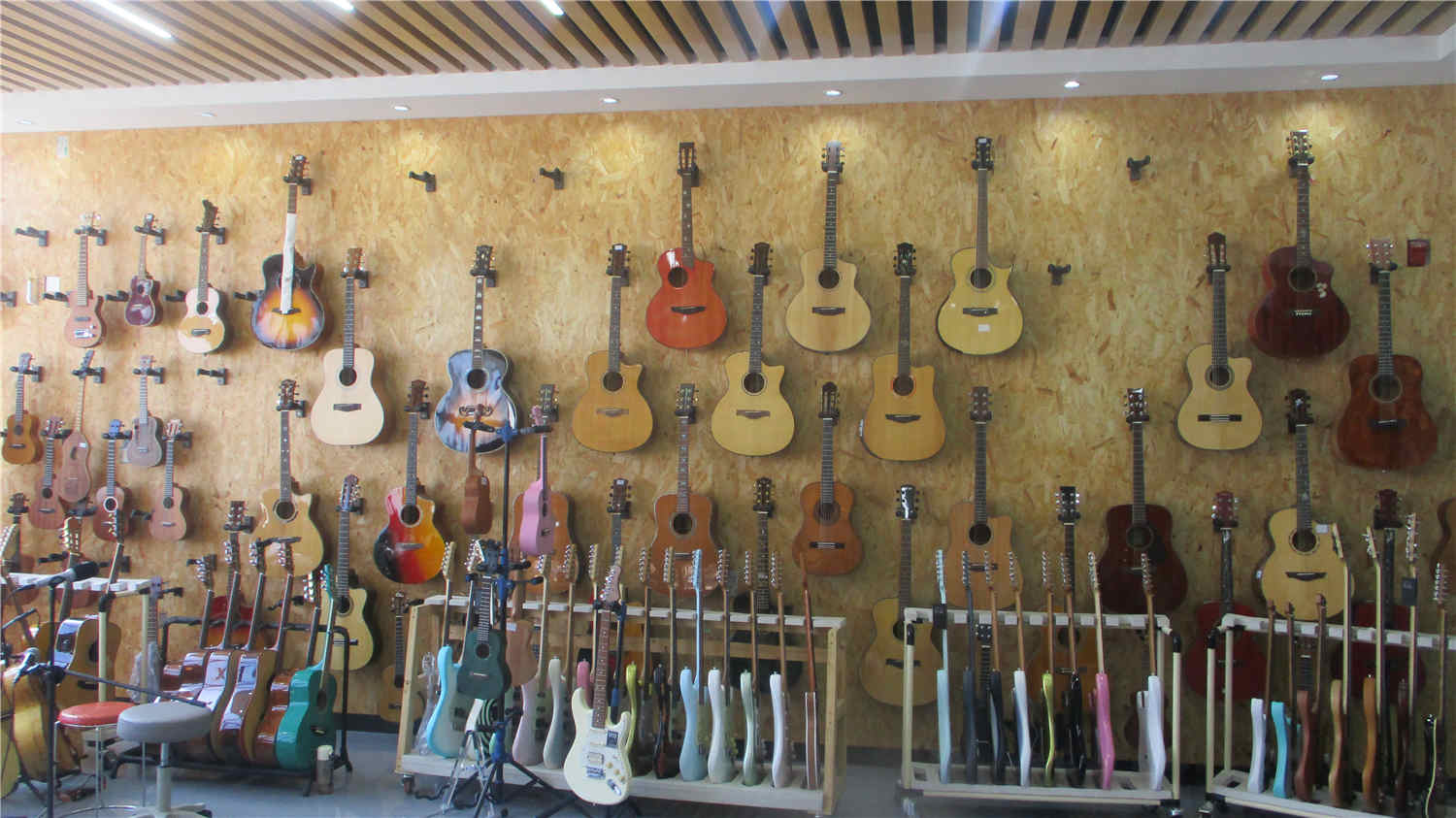
Everything you need to know regarding shipping logistics, customs documentation, minimum order quantities, and extreme-weather guitar resilience.
Whether you require an initial sample evaluated for the North Iceland climate, custom private-label branding for an established store, or high-volume school supplies, our engineering and export team is ready to consult.