Engineered Models & Hardware for Holguín Wholesalers
Precision-manufactured electric solid-body guitars, modular pre-wired electronics, low-latency wireless transmitters, and tournament-grade tour accessories ready for Cuban retail and institutional distribution.



The Holguín Musical Ecosystem & Sourcing Landscape
Evaluating technical challenges, institutional demand, and commercial supply channels for electric stringed instruments across eastern Cuba.
The province of Holguín represents one of Cuba’s most vibrant cultural capitals, famously celebrated for landmark musical gatherings such as the annual Romerías de Mayo, the intense regional alternative and rock currents celebrated during Festival Metal HG, and an extensive network of cultural houses (Casas de la Cultura), conservatories, and tourist entertainment corridors spanning Guardalavaca, Playa Esmeralda, and Gibara. For municipal arts directorates, independent performing artists, emerging private cultural enterprises (mipymes), and commercial resellers, procuring high-performance electric guitars presents a uniquely complex set of logistical and material challenges.
Traditional musical instrument supply chains to eastern Cuba have historically suffered from multi-tiered intermediary markups, intermittent catalog availability, and stock that fails to address the brutal tropical maritime climate. When conventional guitars constructed from inadequately cured hardwoods enter Holguín’s hot and humid environment, fingerboards contract or expand unpredictably, causing severe fret sprout, neck warping, truss rod binding, and electrical contact corrosion within months. Huizhou NFGF Musical Instrument Co., Ltd. resolves these systemic procurement bottlenecks by providing factory-direct OEM and ODM production lines engineered specifically to overcome these environmental and supply-chain realities.
Cultural Festivals & Rock Scenes
Holguín hosts prominent events like Romerías de Mayo and Festival Metal HG. Bands require high-output humbuckers, high gain stability, and indestructible neck relief that resists continuous outdoor staging under tropical night dew.
Resort & Hospitality Circuits
Bands performing nightly along the Guardalavaca coastal resort strip need dependable, versatile instruments. Models with HSS pickup configurations handle pop, funk, salsa fusion, and international jazz standards without signal hum.
Conservatories & Academies
Institutions such as the José María Ochoa Conservatory require robust, ergonomically tuned starter and intermediate solid-wood guitars with low action, precise fret dressing, and stable intonation to ensure student progress.
Independent Lutherie & Repair
With component scarcity prevalent across eastern Cuba, our pre-wired harnesses, sealed tuners, and modular control plates provide local technicians with dependable drop-in solutions to modernize deteriorating instruments.
Overcoming Holguín's Coastal Environment
How our factory implements specialized lumber curing, thermal stabilization, and metallurgical protection to guarantee instrument longevity in tropical marine climates.
Holguín experiences an intense tropical savanna climate transitioning into coastal Caribbean humidity. For a wooden stringed instrument, this represents an aggressive environment. When guitars constructed with standard air-dried tonewoods arrive in Cuba, the wood cells absorb moisture until equilibrium is reached, resulting in neck cupping, fret pop, cracked polyurethane, and corroded potentiometer contacts. At NFGF, our manufacturing protocols are engineered from the cellular level to mitigate these exact points of failure.
Roasted Maple (Torrefaction)
Our custom TL and ST necks undergo a vacuum torrefaction process at 180°C–220°C. By eliminating hemicellulose and bound moisture, the wood becomes hydro-phobic, virtually immune to neck relief shifts, fret buzz, or torsional warping caused by sudden humidity swings during outdoor performances in Gibara or Holguín's urban centers.
Sealed Corrosion-Resistant Hardware
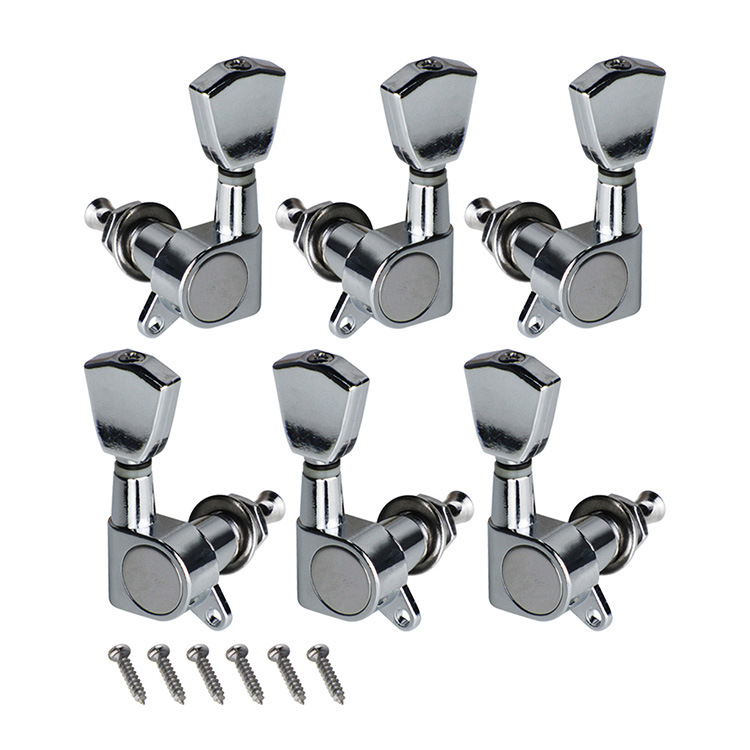
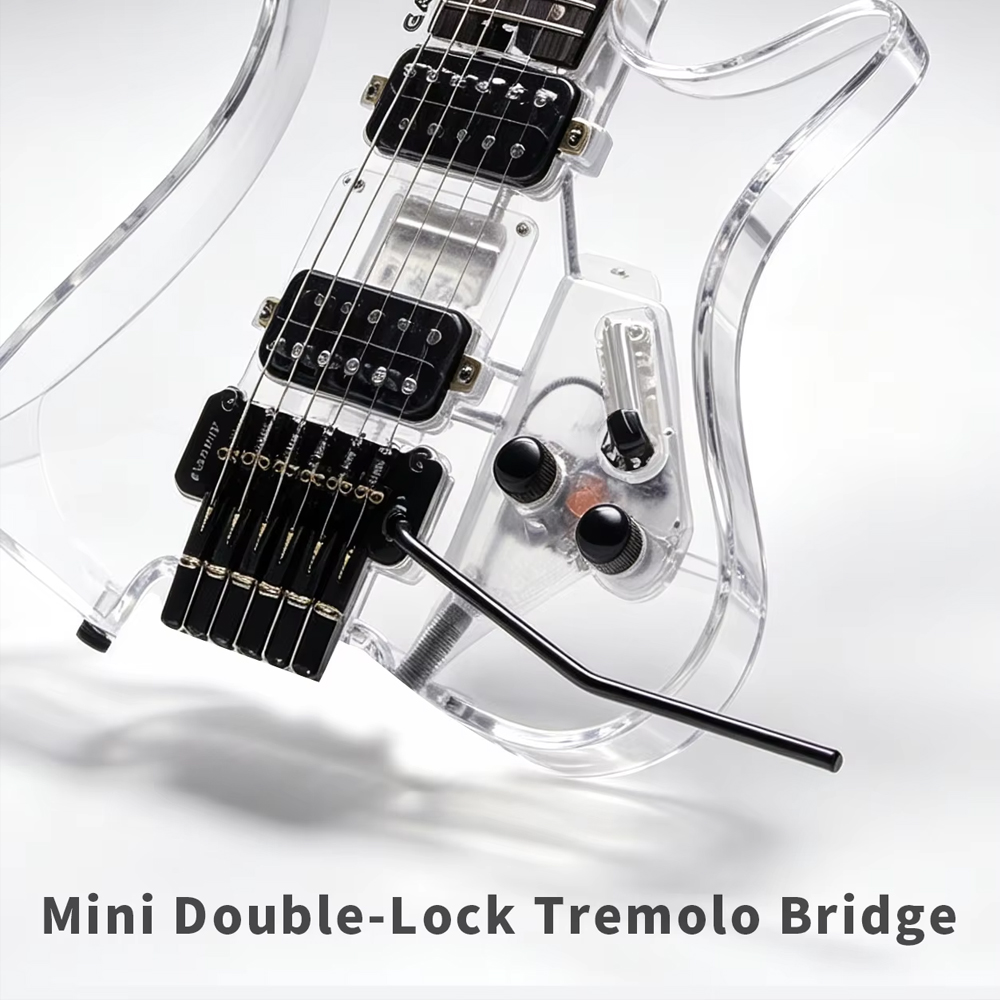
Salt breezes originating from the Atlantic coast rapidly oxidize ordinary zinc alloy potentiometers and bridge saddles. NFGF applies electroplated multi-layer nickel and black chrome coatings across all tuning machine heads, bridges, and control plates. Sealed oil-bath tuning gears prevent fine dust and moisture ingress, retaining tuning precision under stage conditions.
Wax-Potted Pickups & Grounding
Electrical current fluctuations and ungrounded stage wiring are common across regional Cuban venues. We utilize vacuum-wax-potted pickup bobbins to eradicate microphonic squeal at high volume. Internal cavities are lined with conductive shielding paint and wired with heavy-gauge grounding buses to minimize 60-cycle electrical hum.
In-House CNC Tolerances
High-speed industrial CNC routers mill guitar bodies, neck pockets, and pickup cavities to tight tolerances, ensuring perfect neck-to-body coupling and maximum sustain.
Low MOQ Flexibility
From 1-unit custom prototypes to multi-unit mixed container configurations, our flexible production lines empower Cuban importers to test market reception without capital strain.
Full-Spectrum Lutherie
We manufacture solid electrics, acoustic models, headless travel designs, fanned-fret multiscale basses, ukuleles, kalimbas, and tour accessories in one centralized export hub.
Strict Multi-Stage QC
Every single instrument undergoes incoming wood moisture validation, post-lacquer buffing review, hand-levelled fret inspection, and audio testing before export crating.
Procurement Trends & Supply Modernization in Eastern Cuba
Navigating evolving trade mechanisms, independent artist collectives, and localized distribution models in Holguín.
The musical equipment distribution model in Holguín is currently experiencing a historic paradigm shift. The expansion of private commercial enterprises (mipymes) alongside licensed independent art associations has created direct commercial pathways that bypass outdated supply intermediaries. Importers are no longer limited to aged surplus stock; they require direct communication with primary Chinese manufacturers capable of tailoring instrument specifications, custom headstock logos, and protective packaging designed for intercontinental ocean freight.
Key procurement vectors currently driving purchasing decisions across Holguín include:
Consolidated Mixed-SKU Shipping
Rather than placing heavy capital into single-model bulk inventories, Holguín commercial buyers prefer mixed container allotments. Combining solid-body electric guitars (TL and LP styles), 5-string multiscale basses, digital wireless transmitter sets, pre-wired control plates, and padded gig bags within a single shipment allows retailers to address varied local market segments with balanced inventory risk.
Headless & Compact Portability
Musicians traveling across eastern Cuba—commuting between Holguín, Santiago de Cuba, Bayamo, and Las Tunas via public and regional transit—increasingly seek lightweight, headless travel instruments. Headless solid-body guitars and fanned-fret basses eliminate fragile headstock break angles while providing full scale-length tonal resonance in a compact footprint.
Direct OEM Brand Development
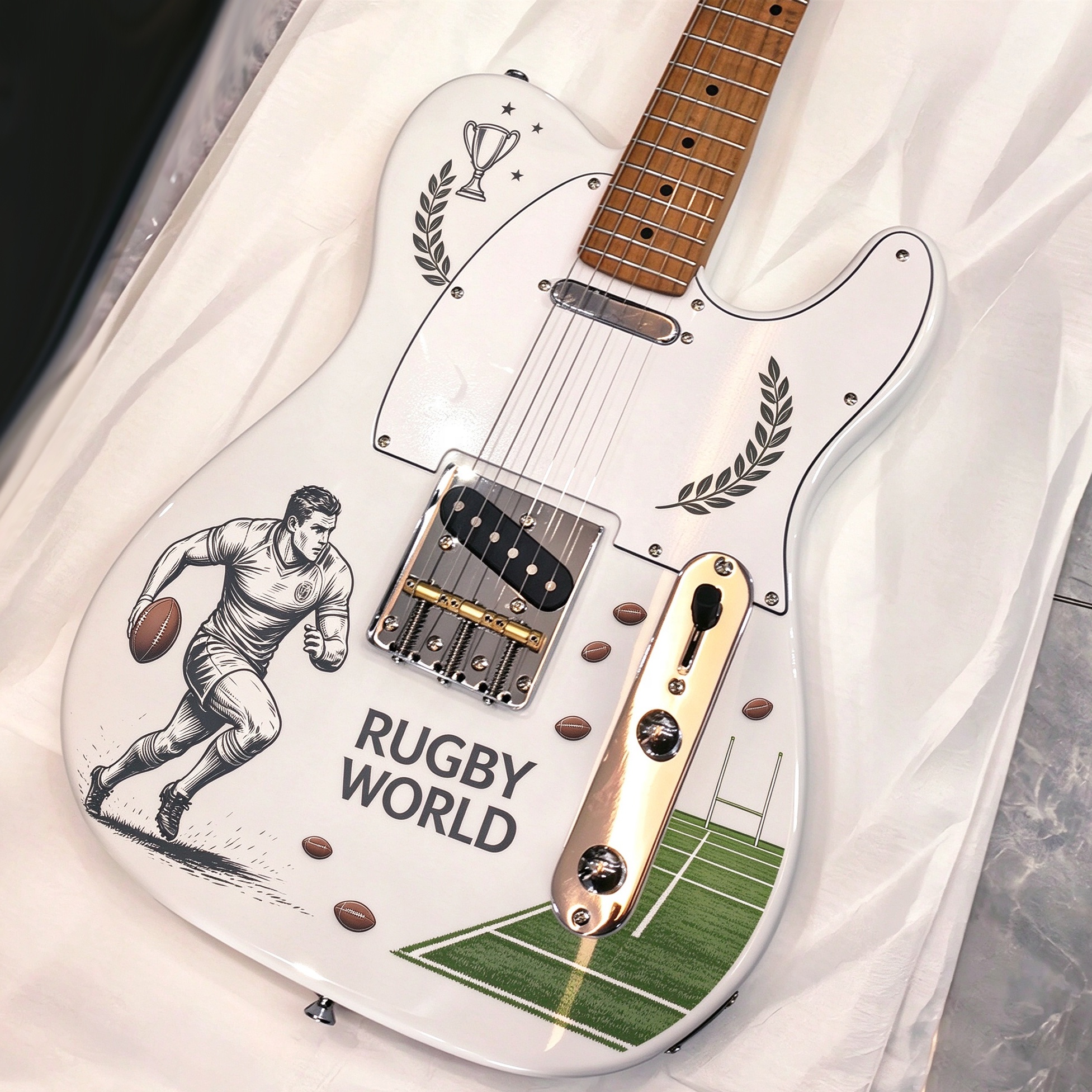
Cultural promoters and regional music retailers are capitalizing on our comprehensive OEM branding capabilities. From precision headstock silk-screening and laser-etched neck plates to custom retail color boxes and branded truss rod covers, our clients can establish their own proprietary musical gear brands tailored for the Cuban market.
Frequently Asked Questions for Holguín Buyers
Practical insights regarding technical adaptation, international shipping logistics, customs compliance, and warranty policies for Cuban importers.
How do your electric guitars handle Holguín's coastal humidity and temperature extremes?
Our production process integrates kiln-drying with electronic moisture content monitoring, stabilizing all body and neck tonewoods down to 8%–10% before CNC cutting and finish application. For maximum humidity resistance, we strongly recommend our roasted maple neck models. Torrefaction caramelizes wood sugars, rendering cell walls impervious to atmospheric moisture changes and preventing neck bowing or fret sprout in Holguín's coastal climate.
What is the minimum order quantity (MOQ) for shipping to Cuba?
We maintain an accessible ordering framework: many standard electric guitar and bass models are available with an MOQ of just 1 piece for initial evaluation and sampling. Full custom-branded OEM production runs (featuring custom headstock logos, proprietary finishes, and specialized hardware) typically begin at 30 to 50 units. We also support mixed-SKU consolidated shipments, allowing you to combine electric guitars, basses, wireless transmitters, and accessories in a single freight consignment.
How are logistics and international freight managed for deliveries to Cuba?
We ship through major Chinese ports (Shenzhen, Guangzhou, Ningbo) directly to Cuban maritime ports, primarily the Port of Mariel or via bonded transit forwarding to Santiago de Cuba and regional customs terminals serving Holguín. For sample orders, express air courier options are available. All export cargo is packaged in heavy-duty 5-ply double-corrugated export cartons with custom high-density EPE foam cradles to withstand ocean freight transit.
Can you provide pre-wired electronics and spare components for field repairs?
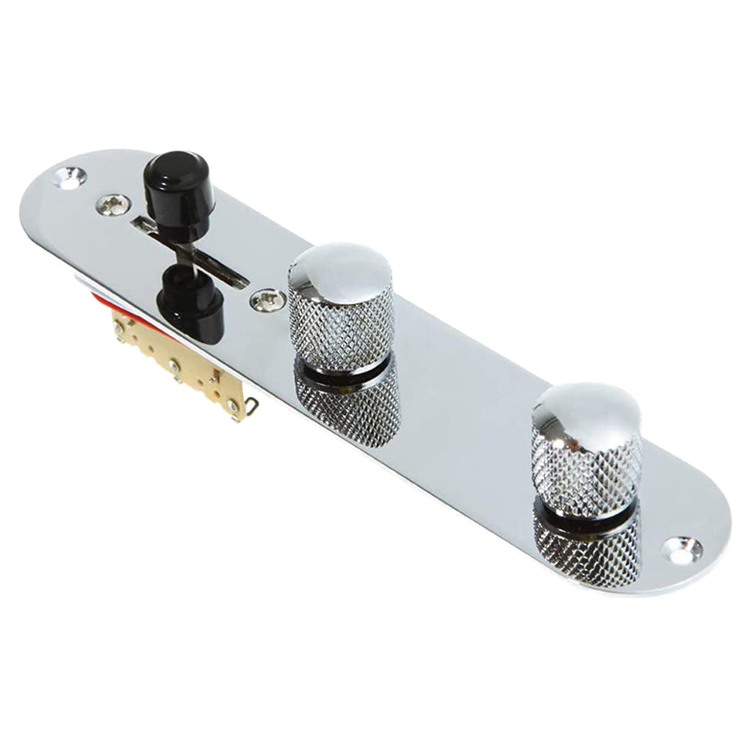
Yes. Recognizing that replacement potentiometers, 5-way switches, and wiring harnesses are difficult to source across eastern Cuba, we supply fully loaded pre-wired control plates (such as our Telecaster/TL-style chrome harnesses), individual sealed tuning pegs, pickup sets, and bridge assemblies. These drop-in modular units allow local luthiers and music stores to restore instruments quickly without needing specialized soldering equipment.
Do your wireless systems and electronic accessories comply with local interference standards?
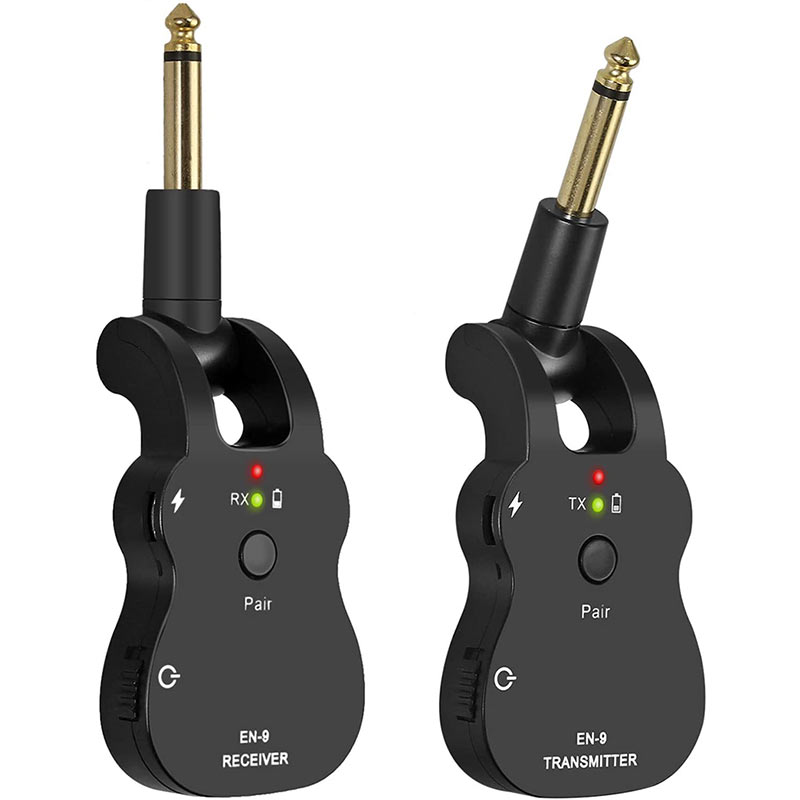
Our digital wireless guitar transmitters utilize UHF and digital 2.4GHz transmission protocols with multi-channel agile frequency hopping. This design bypasses common RF interference and local electrical grid noise prevalent in live venues, delivering pristine uncompressed 24-bit audio resolution with latency under 5 milliseconds and line-of-sight range exceeding 30 meters.
What quality verification documents accompany our production batch?
Huizhou NFGF Musical Instrument Co., Ltd. is independently assessed on-site by SGS Group. Each commercial shipment includes complete export customs documentation, factory inspection certificates, CE/FCC compliance documentation where applicable, and detailed packing manifests to facilitate smooth clearance through Cuban customs authorities.
Build Your Custom Electric Guitar Line for Holguín
Whether you are outfitting a municipal cultural project, stocking a retail musical storefront, or expanding a commercial distribution network across eastern Cuba, connect directly with our engineering team for factory pricing, timber certifications, and customized OEM solutions.