High-Performance Custom OEM Instruments & Accessories
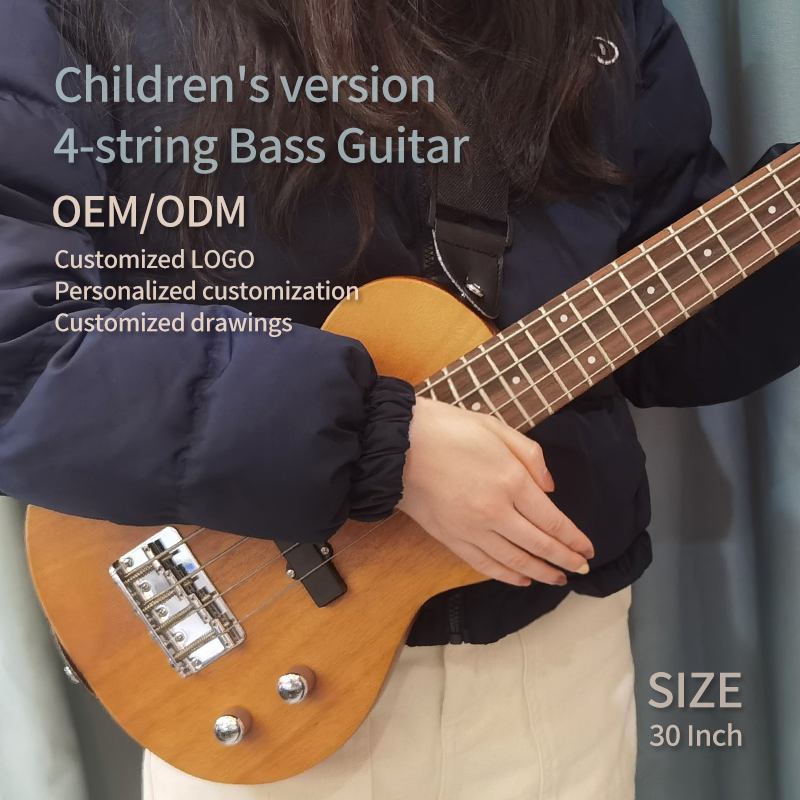
High Quality 30-inch Four-String Electric Bass Factory Direct OEM Made in China
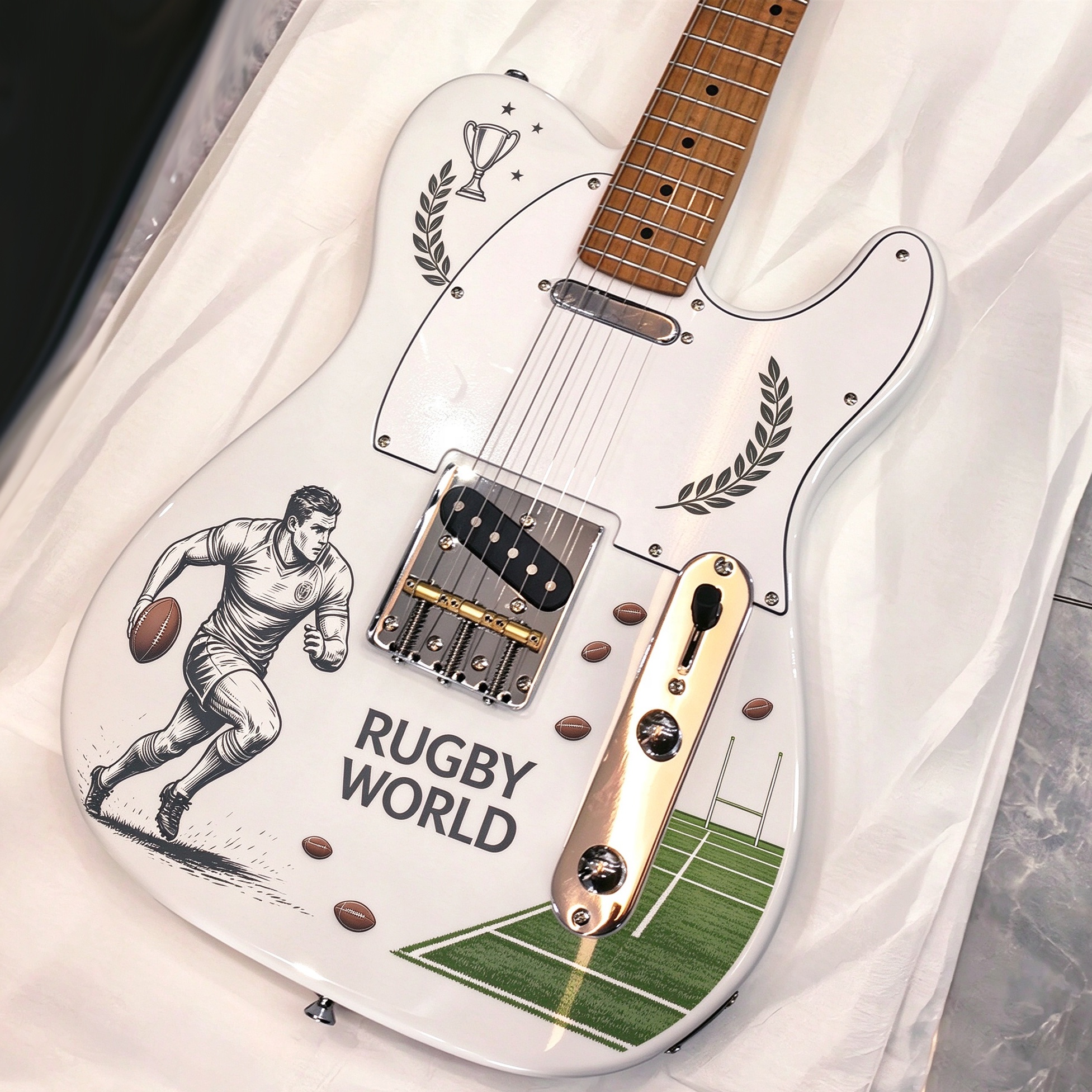
Custom TL Electric Guitar Sky Blue White Stripes Roasted Maple Neck Single Coil Pickup OEM Factory Direct
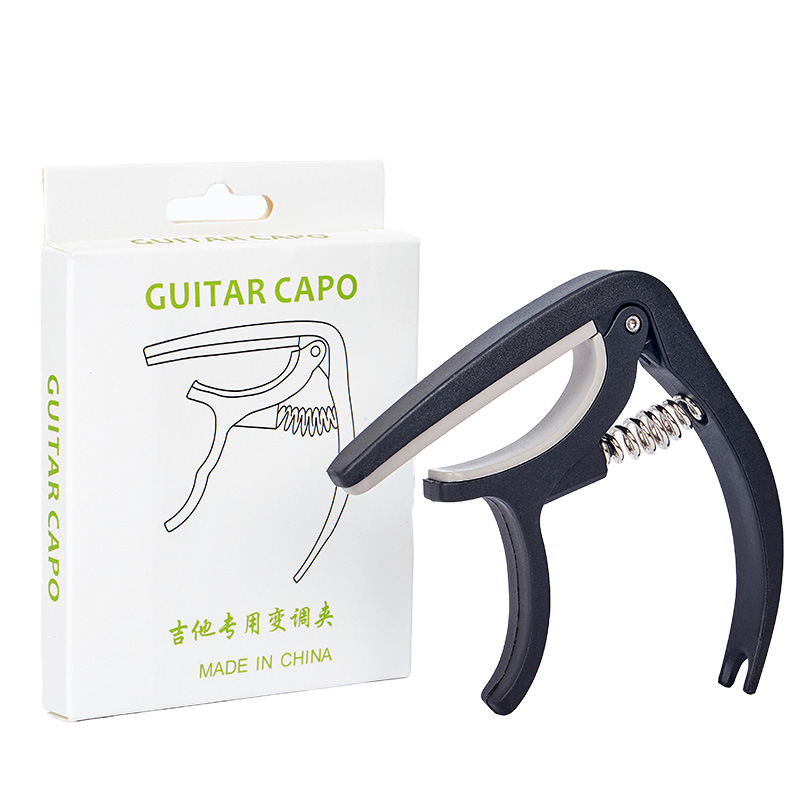
Wholesale Stringed Instrument Guitar Accessories Black Plastic Ukulele Tuner Clip Guitar CAPO
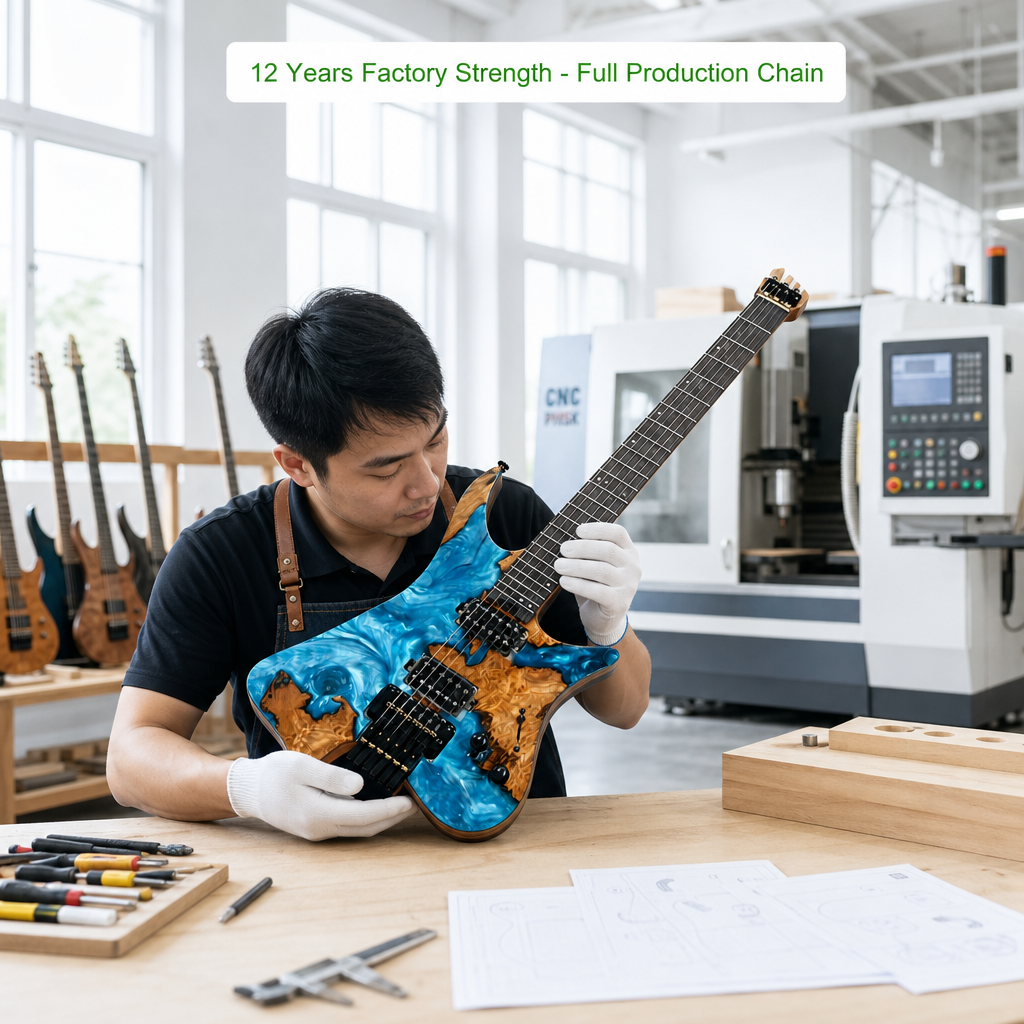
Headboard Electric Guitar With Bright Light High-quality Electric Guitar Factory OEM ODM Small Double-fret Bridge
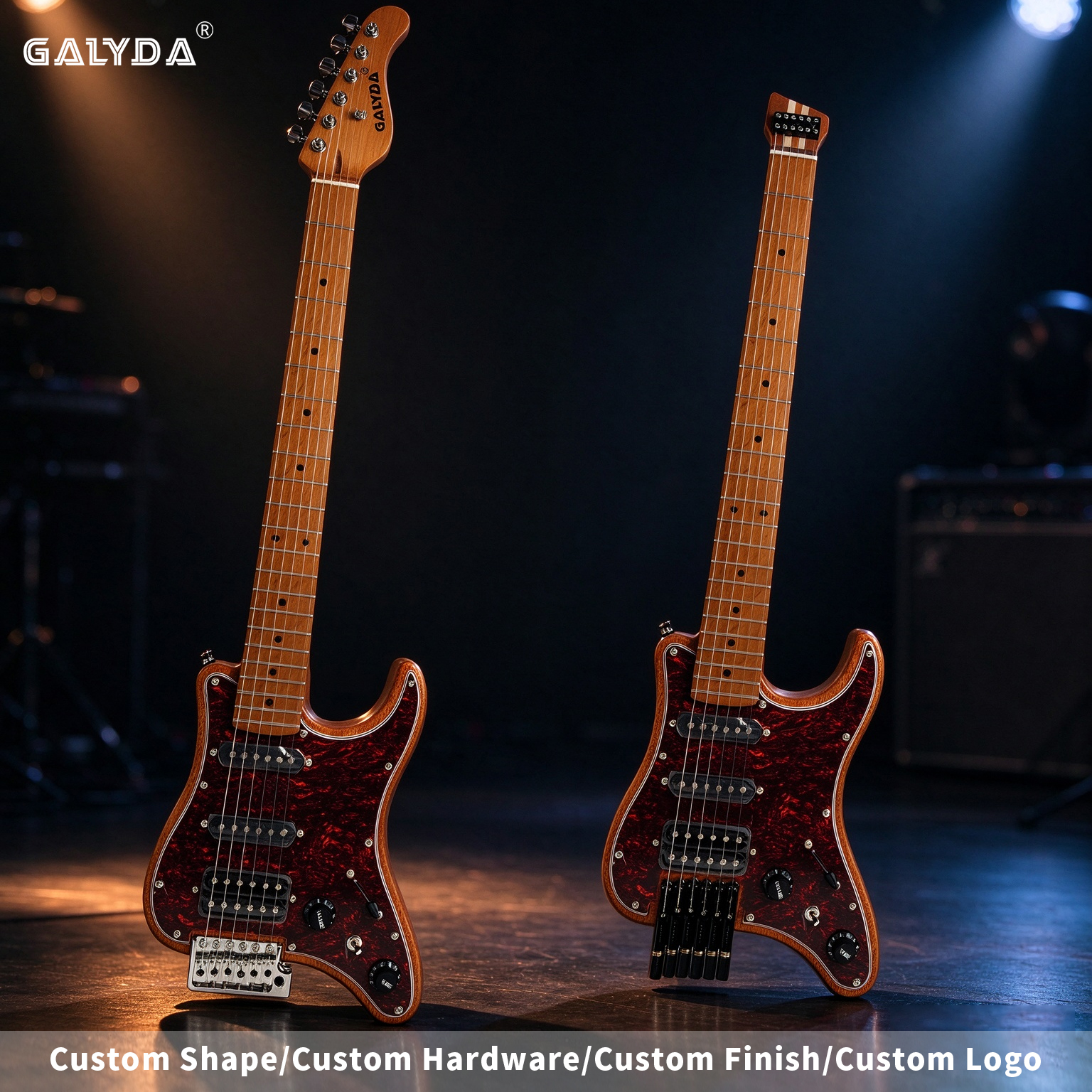
OEM ODM Electric Guitar SSH Pickups Unique Shape Custom Finish Custom Hardware Factory Custom
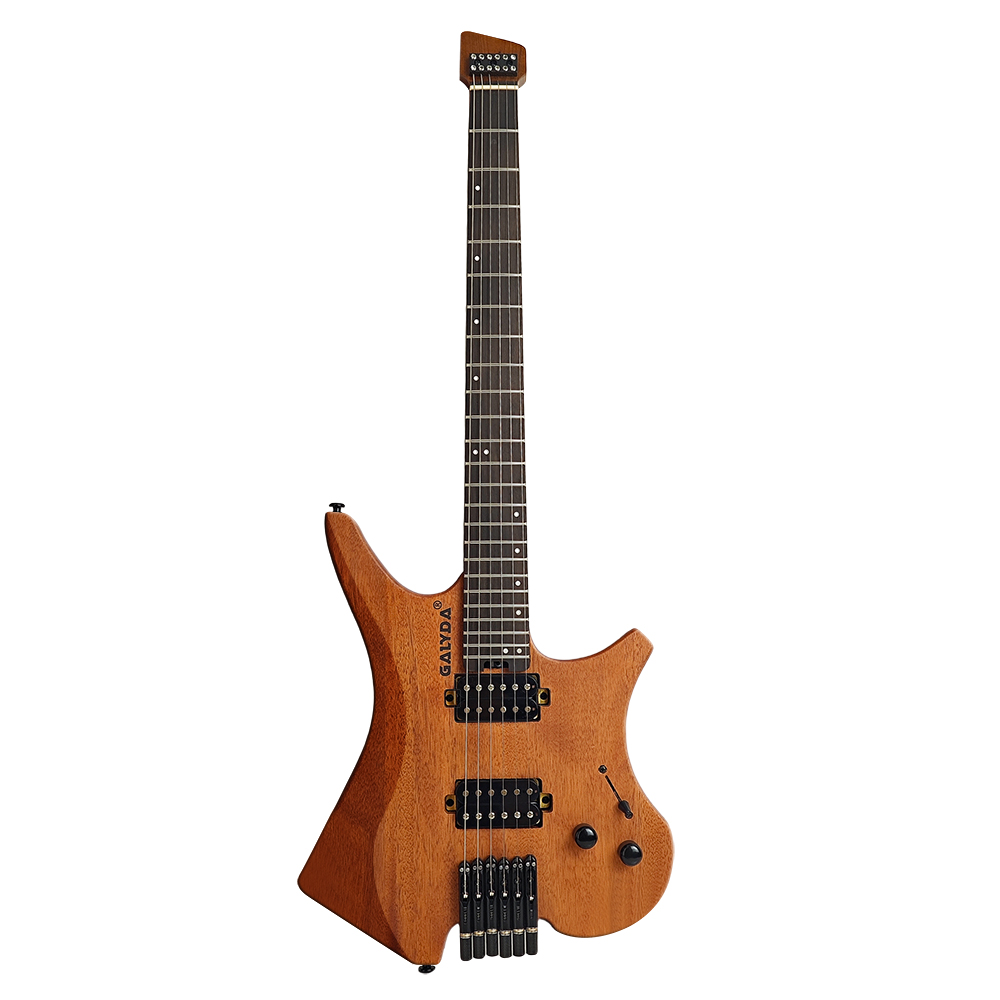
Wholesale G990 Headless Electric Guitar Kit Cool Instruments Factory Customizable Headless Electric Guitar
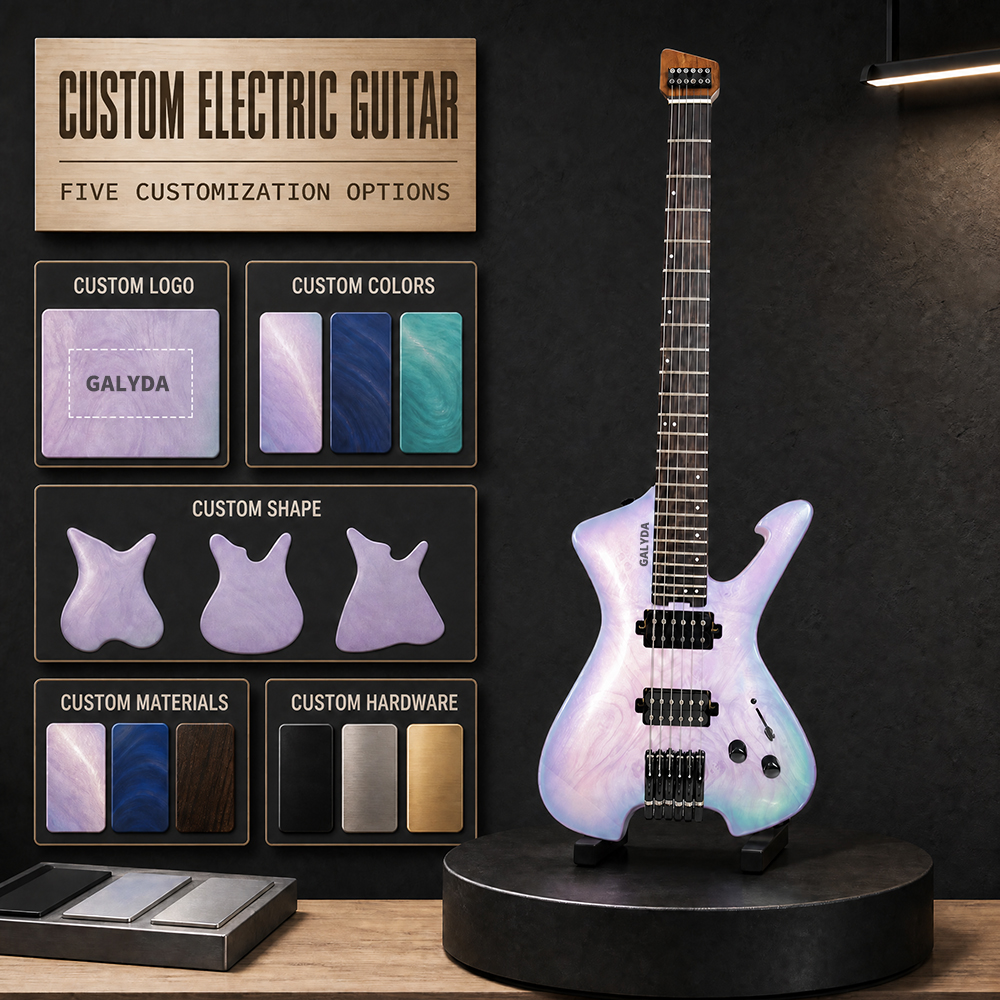
Factory Custom Headless 6 String Electric Guitar Carbonized Maple Neck Burl Veneer Top Mahogany Body
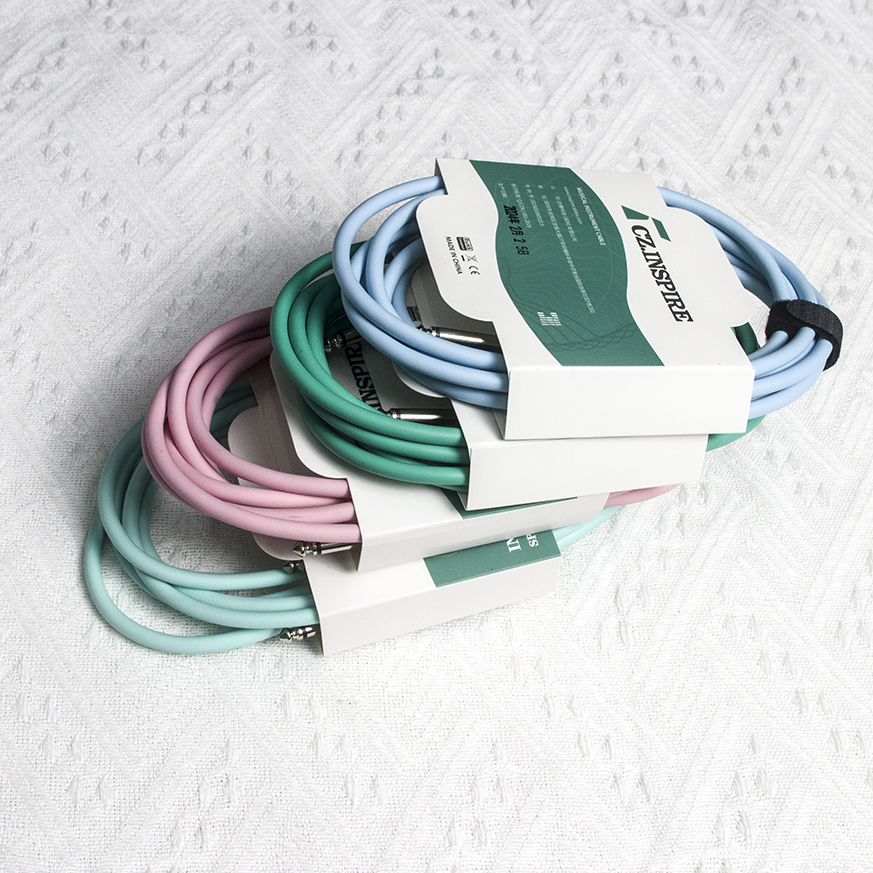
3 Meter Long Straight 6.35MM MONO JACK Guitar Cable 6.35mm Jack Instrument Aux Cable
Custom OEM Ukulele Supply Dynamics for Kawasaki & Greater Kanagawa
The musical instrument retail market in Kanagawa Prefecture—anchored by Kawasaki City’s vibrant arts district, Musashi-Kosugi cultural centers, and proximity to Tokyo—demands a sophisticated approach to stringed instrument manufacturing. As a primary business-to-business destination, Kawasaki requires ukulele inventory that seamlessly balances traditional Hawaiian acoustic aesthetics with high-precision modern luthiery. For musical instrument distributors, boutique brand owners, and educational supply networks serving Kawasaki, securing a direct manufacturing partner capable of executing rigorous Original Equipment Manufacturer (OEM) and Original Design Manufacturer (ODM) protocols is a decisive commercial advantage.
Huizhou NFGF Musical Instrument Co., Ltd. operates at the intersection of high-capacity automated production and meticulous hand craftsmanship. Operating from a 5,100 square meter SGS-verified facility in Guangdong’s premier instrument manufacturing cluster, NFGF provides Kawasaki-based enterprises with direct factory sourcing. By controlling every production node—from raw tonewood kiln drying to final setup calibration—we eliminate distributor markups and guarantee batch-to-batch consistency that satisfies the stringent quality expectations of the Japanese market.
Key Insight for Kawasaki Procurement Managers: Japanese import standards necessitate strict moisture stability due to radical seasonal climate variations between humid Kanagawa summers and dry inland winters. NFGF instruments undergo climate-controlled seasoning to maintain structural integrity across all 4 seasons.
Tonewood Engineering & Structural Specifications for Japanese Markets
To manufacture ukuleles that maintain resonance, accurate fret intonation, and structural integrity under Japanese climate fluctuations, NFGF utilizes scientific wood seasoning processes. Standard commercial ukuleles often suffer from neck bowing, fret sprouting, and body warping when exposed to Kawasaki's seasonal humidity swings (ranging from 30% relative humidity in winter to over 80% during the summer monsoon). Our engineering protocols address these failure points before raw materials ever touch a CNC router.
Tonewood Selection
- Solid Hawaiian KoaGrade AAAA
- African MahoganyRich Midrange
- Engelman SpruceHigh Projection
- Roasted MapleThermal Treated
- Carbon FiberComposite Hybrid
Precision Engineering
- CNC Pocket Tolerance±0.05 mm
- Moisture Content6% – 8% Target
- Fret Crown RadiusHand Dressed
- Nut/Saddle MaterialUnbleached Bone
- Bracing PatternFan / Asymmetric
Finishing Options
- High-Gloss PolyMirror Buffed
- Open-Pore SatinNatural Acoustic
- UV Cure ClearEco-Friendly
- Vintage SunburstHand-Applied
- Custom InlayAbalone / Pearl
Our thermal roasting process (applied to maple and mahogany necks) crystallizes remaining wood resins, rendering the neck impervious to moisture absorption. This ensures that ukuleles exported to Kawasaki arrive with perfect neck relief and maintain stable string action right out of the shipping carton.
Localized OEM Application Scenarios Across Kawasaki
Tailoring instrument design, electronics, and physical form factors to specific commercial, educational, and performance environments within Kanagawa Prefecture.
Kawasaki Music Academies & School District Supply
Soprano (21-inch) and Concert (23-inch) laminates engineered for high durability. Features smooth, hand-beveled nickel-silver frets to protect younger students' hands, bundled with branded gig bags, clip-on tuners, and educational introductory materials for school curricula.
Live Performance Venues & Tama River Acoustic Clubs
Tenor (26-inch) electro-acoustic models equipped with integrated under-saddle piezo transducers and active preamp systems (complete with 3-band EQ and built-in chromatic tuners). Optimized for direct connection to PA systems in Kawasaki live houses and outdoor music festivals.
Boutique Retail Private Labeling in Musashi-Kosugi
All-solid wood ukuleles featuring custom abalone rosettes, laser-engraved headstock logos, and gold open-geared tuning machines. Formulated for high-end lifestyle boutiques and specialty instrument shops catering to discerning hobbyists in Kanagawa's urban centers.
Silent Practice Models for High-Density Urban Living
Solid-body electronic ukuleles featuring headphone output jacks and auxiliary inputs. Designed specifically for Kawasaki apartment dwellers who require silent night-time practice capabilities without sacrificing natural string response and fingerboard tactile feedback.
Emerging Trends in the Japanese Ukulele Sourcing Sector
Market analysis for procurement directors seeking to align their inventory with Japanese consumer behavior.
Micro-Batch Customization (Agile Supply)
Japanese retailers are moving away from heavy warehousing of static SKUs. NFGF enables low MOQ sample runs and agile re-ordering, allowing Kawasaki distributors to test unique tonewood combinations, finishes, and electronic preamps with minimal capital lockup.
Eco-Certified & Non-Toxic Materials
Compliance with Japanese food-contact safety standards (for instruments used by young children) and environmental directives is paramount. NFGF utilizes non-toxic lead-free paints, formaldehyde-free adhesives, and CITES-compliant sustainable tonewood alternatives.
Smart Pickup Integration
Modern ukulele buyers demand versatile connectivity. Demand is accelerating for dual-source pickup systems combining under-saddle piezos with internal condenser microphones, enabling percussive body tapping styles popular in contemporary Japanese acoustic music.
Huizhou NFGF Factory Capabilities & OEM Systems
Why leading global brands and Japanese importers trust NFGF as their primary stringed instrument manufacturer.
5,100 m² Integrated Plant
Established in 2014 in Qiuchang, Huiyang District, Huizhou, housing automated woodworking, automated spray booths, drying chambers, and assembly lines under one roof.
SGS Verified Inspection
Independently audited facility covering incoming raw wood verification, in-line process auditing, and 100% pre-shipment playable setup inspection.
100+ Patents & IP Protection
Our dedicated engineering team holds numerous structural design patents, offering proprietary bracing and body contour designs while protecting your brand's unique IP.
Full Customization Flexibility
From headstock shape modifications, laser logo branding, and custom color matching (Pantone/RAL) to specialized hardware and pickup installations.
Export-Grade Protective Packaging
Custom heavy-duty double-wall drop-tested cartons, molded EPE foam padding, and moisture-absorbent desiccant packs engineered for ocean and air transit to Japan.
Efficient Shipping to Yokohama / Tokyo
Strategic location in Huizhou allows fast dispatch through Shenzhen/Hong Kong ports, achieving transit times as short as 4–7 days to Tokyo Bay maritime terminals serving Kawasaki.
Frequently Asked Questions for Kawasaki Importers & Brands
Clear, definitive technical answers addressing logistics, quality standards, and OEM collaboration steps.
What is the lead time and procedure for sample orders delivered to Kawasaki?
Standard catalog samples are dispatched within 3 to 7 working days. Fully customized OEM prototypes (involving unique wood selection, headstock routing, and custom laser branding) typically require 15 to 20 days. Shipments to Kawasaki via express air freight (DHL/FedEx) arrive within 3 to 5 business days, allowing rapid hands-on evaluation before approving mass production runs.
How does NFGF ensure instruments do not warp or develop fret sprout in Japan's climate?
All tonewood blocks undergo multi-stage kiln drying and humidity chamber conditioning until moisture content reaches a stable 6%–8%. Necks are further stabilized using thermal carbonization (roasted wood technology) or internal carbon fiber reinforcement rods. Fret wire ends are hand-dressed and sealed under uniform climate parameters, effectively eliminating fret sprout during winter in Kanagawa.
Can NFGF manage Japanese Consumption Tax (JCT) documentation and custom HS Code labeling?
Yes. We provide complete commercial documentation tailored for Japanese customs clearance, specifying correct HS Codes (such as 9202.90 for acoustic stringed instruments and 9207.90 for electric variants). We work with your designated freight forwarder in Yokohama or Tokyo, or provide door-to-door DDP (Delivered Duty Paid) service including import clearance and JCT handling.
What are the Minimum Order Quantity (MOQ) thresholds for custom branded ukuleles?
To support growing brands, our MOQs are remarkably flexible. Standard catalog models with custom laser-engraved logos start at just 2 to 10 pieces. Fully customized models with bespoke finish colors, custom neck profiles, or specialized electronics typically start at 50 to 100 pieces per batch.
What quality inspection standards are applied during production?
We strictly adhere to AQL 1.0/2.5 sampling standards. Every instrument undergoes a 5-point quality gate: 1) Raw timber moisture and density check; 2) Post-CNC dimensional audit; 3) Post-lacquer visual inspection; 4) Electronic continuity and sound output test; and 5) Final playability setup (action height at 12th fret set to 2.0mm–2.5mm, intonation check, and visual polish) prior to carton sealing.
Accelerate Your Ukulele Sourcing Strategy for Kawasaki
Partner with an SGS-verified manufacturer to engineer high-margin, climate-stable, custom instruments for your market. Request a comprehensive wholesale price list, sample units, or factory technical audit today.