Featured OEM Instruments & Manufacturing Capabilities
Explore eight core instruments engineered for international distributors, luthier brands, and music institutions requiring uncompromising craftsmanship, rigid dimensional stability, and versatile custom configurations.
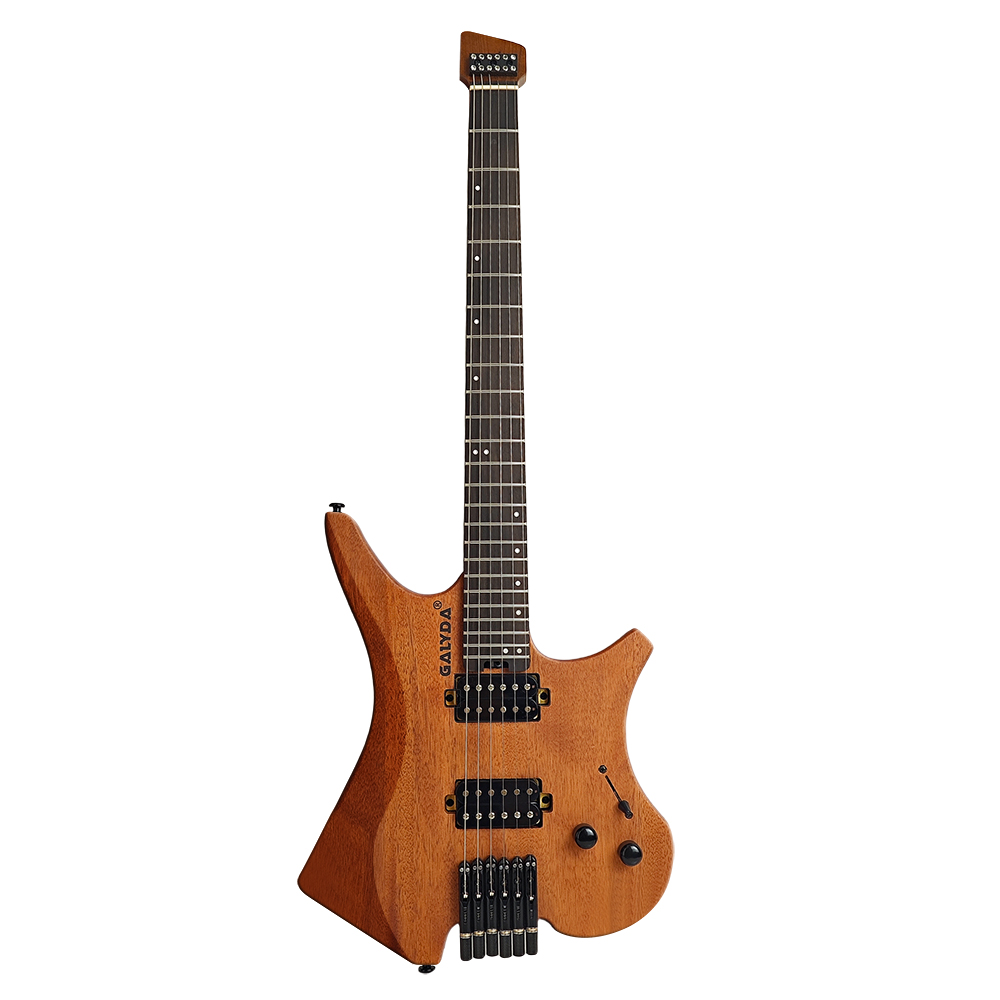
Wholesale G990 Headless Electric Guitar Kit Cool Instruments Factory Customizable Headless Electric Guitar
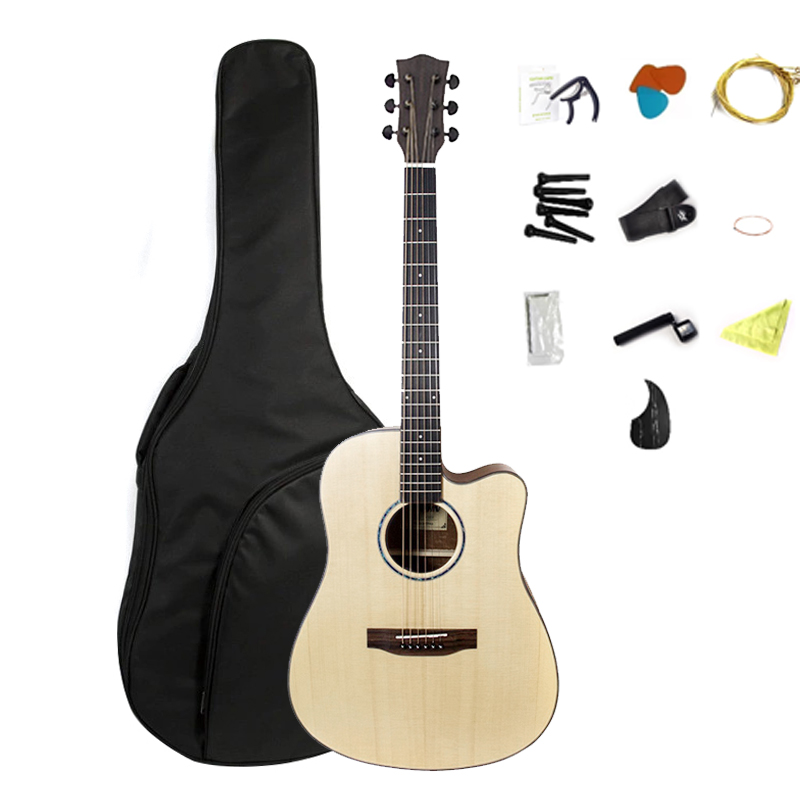
36/41 Inch Factory Direct Sales Folk Guitar Set for Beginners High-quality Acoustic Guitar for 10mm-th Bag Accessory
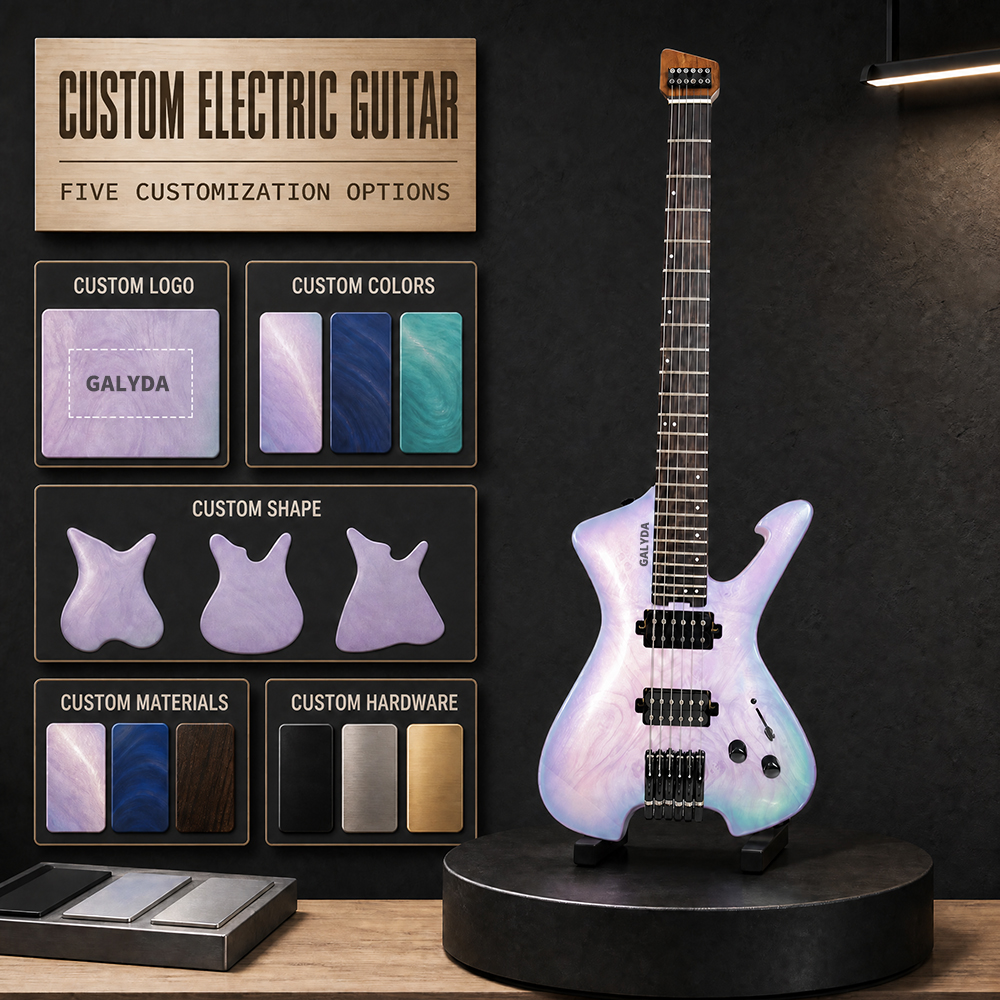
Factory Custom Headless 6 String Electric Guitar Carbonized Maple Neck Burl Veneer Top Mahogany Body

Factory Custom LP Style Electric Guitar Double Coil Pickups Gold Bridge Black White Gloss Finish OEM
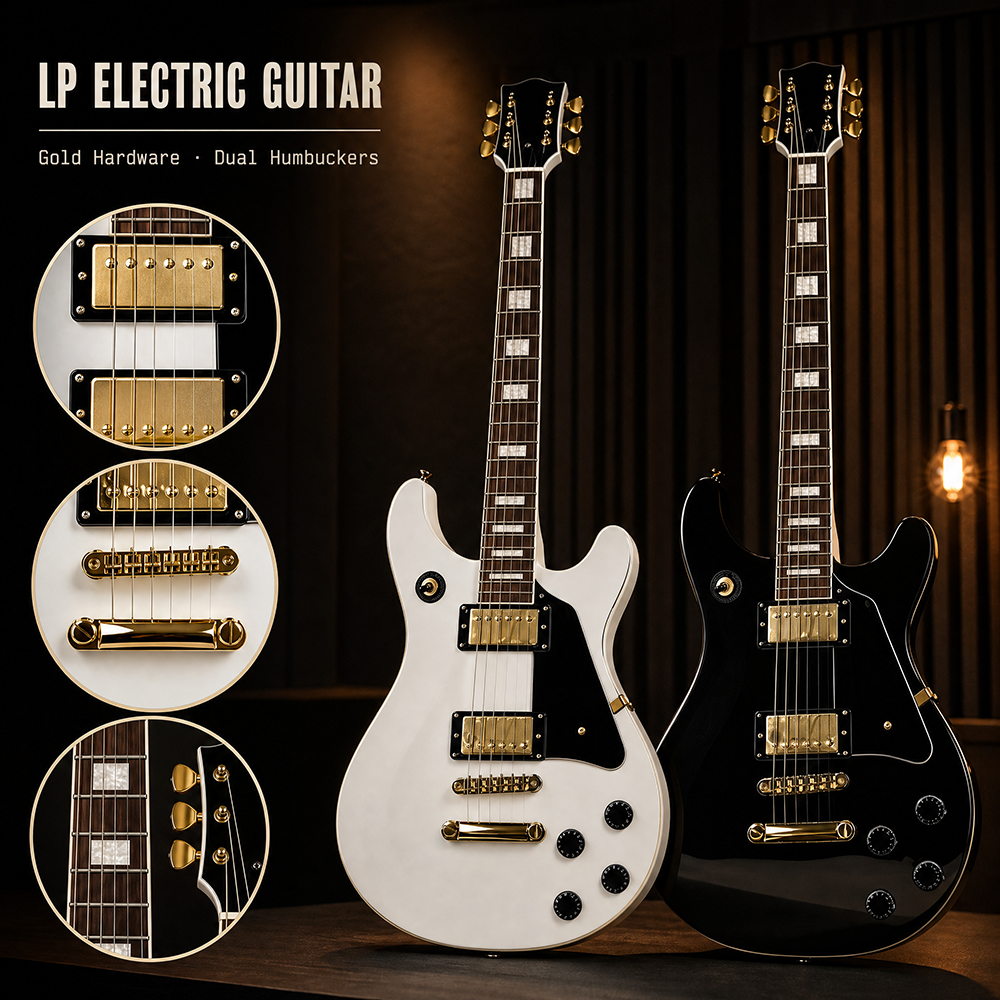
Factory Custom LP Electric Guitar Gloss Finish Solid Wood Electric Guitar OEM ODM
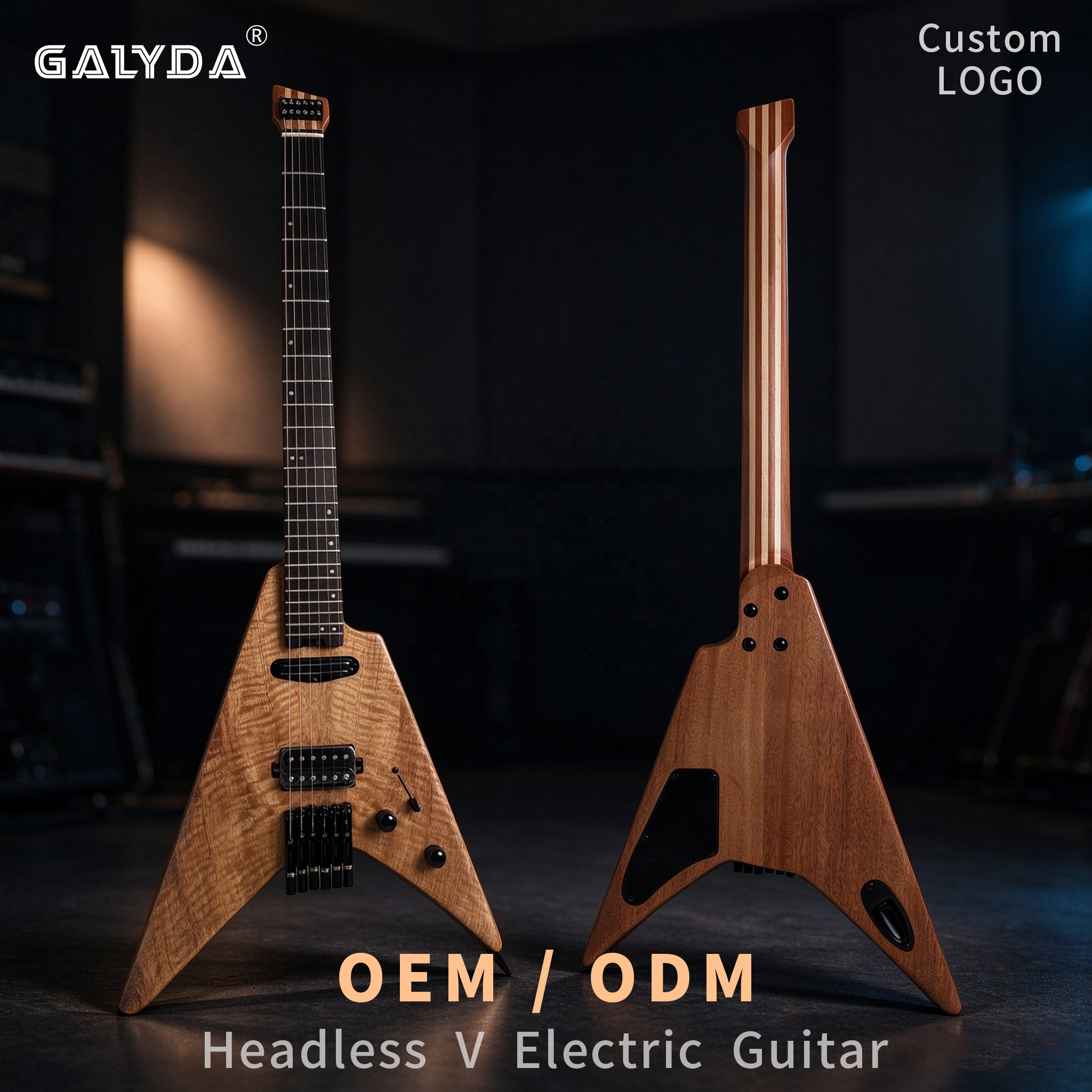
Headless V Shape Electric Guitar 6 Strings Mahogany Body 7 Piece Maple Neck Rosewood Fingerboard Guitar OEM
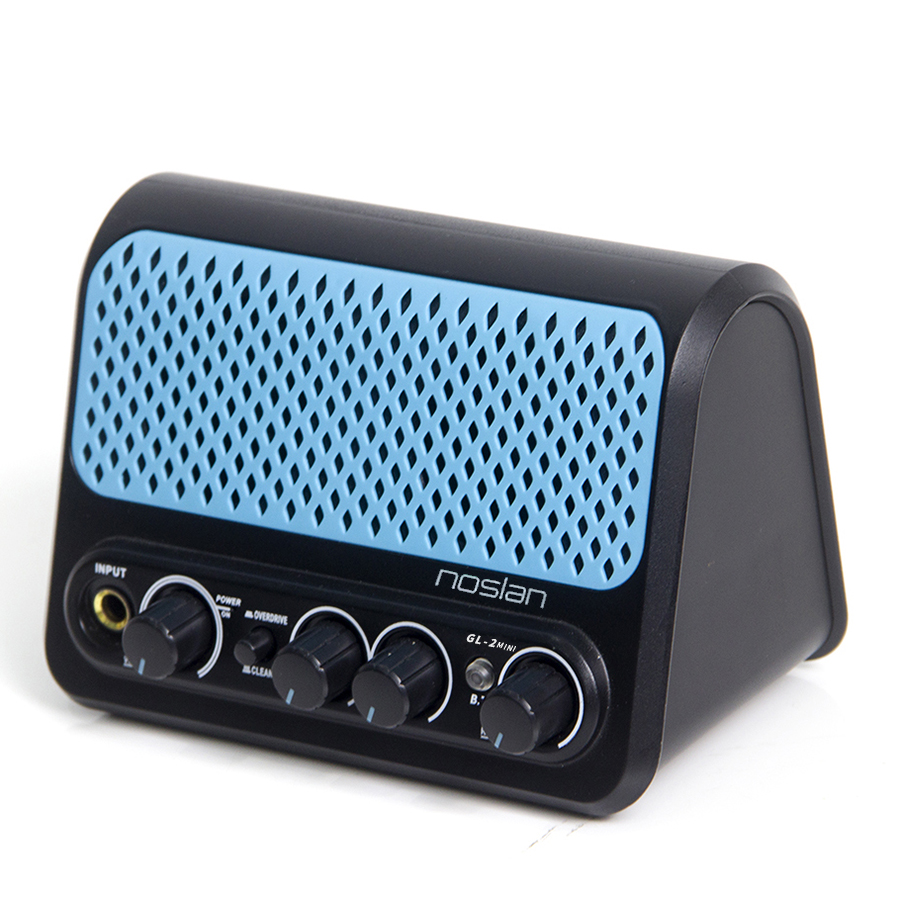
Rechargeable 10-Watt Electric Guitar Amplifier Speaker ABS Material with Distortion Clear Sound Effects Reverb for Spe
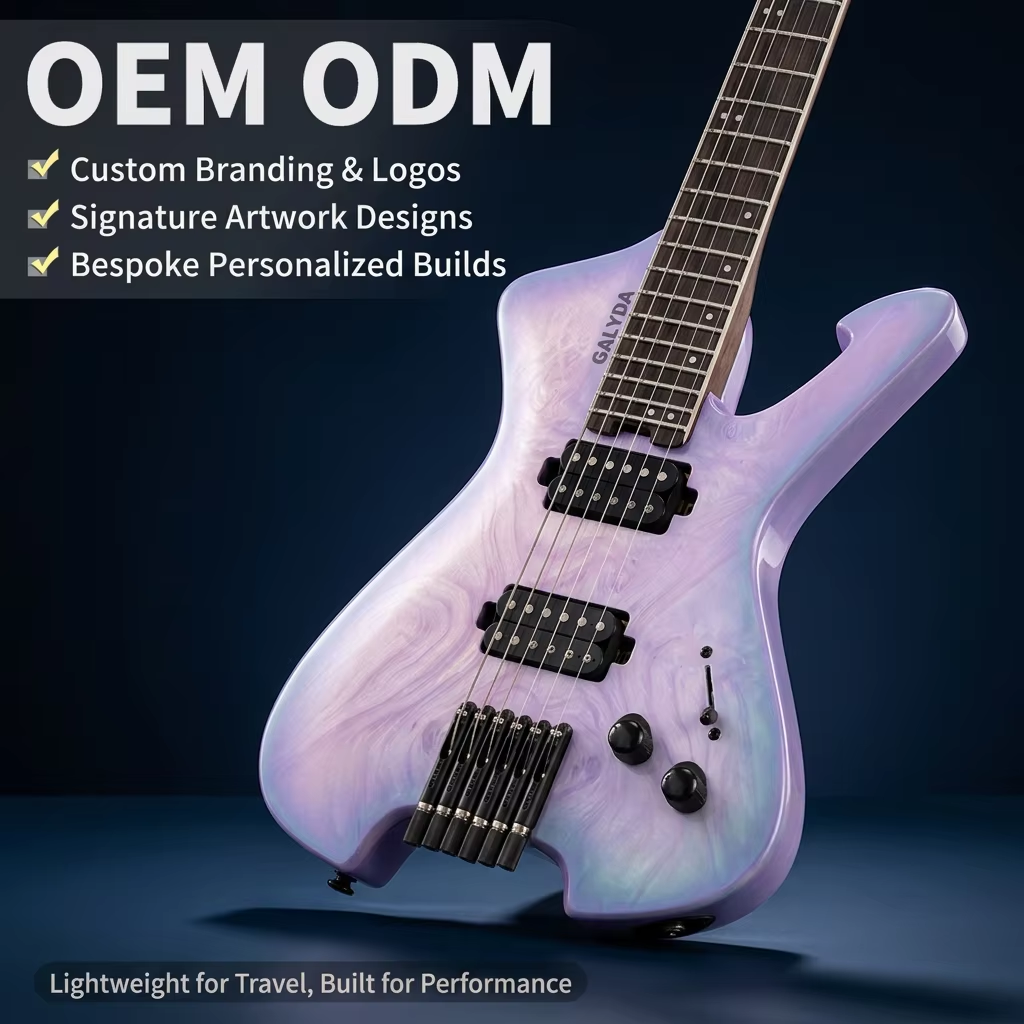
Factory Custom Headless Electric Guitar Custom Artwork Logo Humbucker Pickups Hardtail Tremolo Bridge
In the evolving landscape of international musical instrument supply chains, procurement executives, retail brand managers, and institutional purchasers in the Maldonado and Punta del Este markets face unique ecological and market dynamics. The Department of Maldonado, representing both Uruguay’s premier cultural lifestyle epicenter and a major gateway for South American acoustic arts, demands classical instruments that combine time-honored European tonal heritage with high-tolerance industrial stability. As a direct-from-source OEM/ODM guitar manufacturer operating from our 5,100 m² integrated plant in Huizhou, China, Huizhou NFGF Musical Instrument Co., Ltd. (NFGF Music) bridges traditional artisanal lutherie with high-precision CNC automation to solve the persistent challenges of humidity-induced fret expansion, soundboard deformation, and finish degradation common along the South Atlantic coastline.
1. The Maldonado Market: Regional Dynamics and Procurement Realities
Maldonado occupies an exceptional commercial niche within the Southern Cone. Unlike the purely domestic urban turnover typical of Montevideo, the Maldonado and Punta del Este region operates as an international hub for music festivals, boutique conservatory clinics, seasonal live performances, and high-end residential private collections. This creates distinct customer segments for classical guitar distributors:
First, the academic and educational sector—spearheaded by regional conservatories, music academies, and collegiate programs across Maldonado, San Carlos, and Rocha—requires rugged, high-yielding student and intermediate classical guitars. These instruments must offer comfortable Spanish neck heel profiles, precision-beveled bone nuts, and low action (under 3.8mm on the 6th string at the 12th fret) without compromising structural longevity under heavy daily classroom rotation.
Second, the hospitality, tourist, and boutique performance circuit demands high-aesthetic electro-classical hybrid models. The regional taste for Argentine Zamba, Uruguayan Candombe, Brazilian Bossa Nova, and classical Spanish repertoire requires instruments featuring balanced acoustic tops equipped with transparent onboard piezo-transducer preamps, low-profile cutaways, and scratch-resistant gloss finishes capable of handling open-air terrace concerts and seaside humidity fluctuations.
Conservatories & Municipal Music Academies
High-durability student and intermediate nylon-string models engineered with 52mm nut widths, zero-buzz fret crowns, and uniform neck profiles optimized for classical guitar pedagogy.
Hospitality & Seaside Concert Venues
Acoustic-electric hybrid classical guitars with internal piezo pickups, ergonomic cutaways, and balanced resonance designed for live performances across Punta del Este resort venues.
Regional Retail Brands & Private Label Importers
Turnkey OEM branding, custom headstock rosettes, custom logo laser engraving, and branded heavy-duty gig bags for Uruguayan and Mercosur musical merchandise retail chains.
2. The Climate Challenge: Maritime Salinity & Relative Humidity Stabilization
Maldonado's geographic position on the Atlantic seaboard results in an oceanic temperate climate (Köppen Cfb), where relative humidity (RH) frequently oscillates between 65% and 92% alongside airborne saline mist. Traditional solid-wood classical guitars manufactured in dry continental environments without rigorous climatic conditioning often suffer catastrophic structural failure when introduced to this maritime atmosphere:
1. Soundboard Bellying and Bridge Lifting: Excessive atmospheric moisture absorption softens traditional animal glues and polyvinyl acetate (PVA) bonds, causing the classical bridge to rotate and pull away from the Engelmann or European spruce soundboard under string tension.
2. Fret Sprouting and Neck Warping: Non-acclimatized fingerboard tonewoods (such as untreated rosewood or laurel) expand unevenly against nickel-silver fret tangs, compromising fingerboard geometry and generating unplayable dead spots.
3. Lacquer Clouding: Inadequate barrier finishes allow microscopic moisture ingress through the lacquer pores, causing milky visual defects and muting harmonic projection.
At NFGF Music, our manufacturing engineering addresses these localized failure vectors directly. Every tonewood blank destined for export undergoes a multi-cycle industrial kiln-drying and dehumidification regimen, stabilizing moisture content precisely at 8% to 10% equilibrium moisture content (EMC) before processing. Furthermore, our joinery utilizes moisture-resistant aliphatic resin adhesives and multi-ply quarter-sawn neck laminates that remain dimensionally stable in maritime coastal settings.
| Engineering Vector | Standard Commercial Guitar | NFGF OEM Classical Guitar (Maldonado Spec) | Operational Buyer Benefit |
|---|---|---|---|
| Wood Kiln Seasoning | Rapid air-dry (14% - 18% moisture) | Controlled multi-stage kiln drying (8% - 10% EMC) | Zero soundboard warping, bellying, or neck curvature shifts |
| Soundboard Bracing | Generic unvoiced fan bracing | Hand-voiced traditional Torres or Hauser harmonic bracing | Rich fundamental overtone projection, dynamic touch response |
| Neck Construction | Single-piece unbraced mahogany | Quarter-sawn African mahogany with dual carbon-fiber rods | Immunity against high-humidity twists, relief drift, and bow |
| Bridge Securing | Surface gluing over pore sealer | Clean-wood contact joinery using marine-grade aliphatic glue | Prevents bridge lifting under high tension in Atlantic salt air |
| Fret Finishing | Rough sheared, flush-trimmed | Cryogenically treated nickel-silver, rounded hemisphere ends | Zero sharp fret sprout during seasonal dry indoor heating cycles |
3. Localized Development Trends & Sourcing Transition in Uruguay
Uruguayan musical instrument procurement is undergoing a fundamental structural transition. Historically dependent on sporadic multi-tier wholesale importers based in Buenos Aires or small-batch custom domestic luthiers whose capacity could not exceed 15-20 instruments annually, the contemporary market now demands direct-to-factory supply chain integration.
Retail buyers and brand owners across Maldonado and the wider Uruguayan national territory are seeking OEM partnerships that eliminate regional intermediary markups while providing custom localized branding. Current market expansion is driven by three measurable trends:
Trend A: Rise of Crossover & Thin-Line Classical Guitars. Both acoustic performers and electric guitarists transitioning into South American classical, tango, and jazz fusion are driving demand for 48mm nut-width "crossover" classical guitars featuring 16" radius fingerboards, slim body depths (75mm - 85mm), and cutaways. Our factory has developed dedicated CNC body templates catering specifically to this high-growth crossover niche.
Trend B: Demand for Certified and Verified Sustainability. Environmental regulations and conscious consumers in Uruguay favor woods harvested through documented forestry management. NFGF provides full supply-chain chain-of-custody documentation, utilizing legally sourced spruce, sapele, mahogany, and rosewood alternatives that comply with international timber standards.
Trend C: Low-MOQ Tiered Stocking Programs. Modern retail operations can no longer afford to lock substantial liquidity into massive container loads of a single SKU. Our flexible OEM structure allows distributors to combine classical acoustic guitars, folk guitars, headless electrics, solid-body instruments, and accessories into a consolidated container shipment, with custom logo customization starting from exceptionally low order minimums.
Why Regional Importers Partner with Huizhou NFGF Musical Instrument Co., Ltd.
Founded in 2014 in Qiuchang, Huiyang District, Huizhou—the heart of Guangdong’s internationally recognized instrument-making cluster—NFGF is an independently SGS-verified custom guitar and accessory manufacturer (audit renewed November 2025). We operate an integrated 5,100 m² workshop staffed by 53 skilled craftsmen and production engineers.
4. Complete OEM Customization Blueprint
When specifying classical guitars for the Maldonado market or broader regional distribution across Uruguay, partners can customize every physical and electronic element of the instrument:
Tonewood Combinations
Solid Engelmann/Sitka Spruce, Western Red Cedar, African Mahogany, Flame Maple, Santos Rosewood, and high-density walnut laminates.
Headstock & Rosette Art
Traditional Spanish slotted headstocks, CNC mother-of-pearl or abalone inlay, custom wood mosaic rosettes, and laser brand engraving.
Tuning Machines & Frets
High-ratio precision worm gear tuners (1:18) with friction-resistant nylon rollers, bone nuts/saddles, and smooth hand-beveled fret ends.
Preamp & Retail Packaging
Optional onboard dual-source mic/piezo pickups with notch filter, custom retail color cartons, protective 15mm-25mm gig bags, and cases.
Procurement & Technical FAQ for Maldonado Importers
Clear, direct answers regarding international logistics, container consolidation, climatic guarantees, and custom OEM manufacturing lead times.
What is the minimum order quantity (MOQ) for custom-branded classical guitars? +
For standard baseline specifications without structural modifications, our sample MOQ starts from just 1 piece for quality evaluation. For custom private-label branding (including your custom logo on the headstock, personalized internal soundhole labels, and branded cartons), typical minimum runs start at 30 to 50 instruments. We offer mixed-model container flexibility, allowing you to combine classical guitars, acoustic models, headless electrics, and gig bags within a single shipment.
How does NFGF guarantee wood stability against Maldonado’s high coastal humidity? +
Every tonewood component undergoes computer-controlled kiln drying followed by a dedicated conditioning cycle that stabilizes the wood at 8% to 10% moisture content. Additionally, our classical necks incorporate quarter-sawn grain alignment and internal dual carbon-fiber reinforcement rods to prevent twisting and relief migration under South Atlantic maritime conditions. We apply specialized moisture-barrier sealers prior to topcoat buffing to prevent lacquer clouding.
What are the shipping routes, incoterms, and typical lead times to Uruguay? +
We routinely ship under FOB Shenzhen/Guangzhou, CIF Montevideo, or DDP terms depending on your logistics arrangements. From our factory in Huizhou, ocean freight departs directly from Shenzhen or Hong Kong ports, arriving at the Port of Montevideo in approximately 35 to 45 transit days. Inland transport from Montevideo to Maldonado/Punta del Este takes less than 24 hours post-customs clearance. Factory production turnaround for standard OEM orders is 30 to 45 days after deposit confirmation.
Can we request bespoke bracing patterns and nut widths for classical instruments? +
Yes. As an authentic OEM/ODM manufacturing plant with in-house CNC and lutherie tooling, we support custom soundboard bracing systems (including Torres 7-strut fan bracing, Hauser symmetrical bracing, and modern lattice structures). We can precision-mill your required nut width: traditional 52mm for classical purists, 50mm for intermediate educational models, or 48mm for contemporary crossover acoustic-electric models.
How is quality assurance verified before international ocean dispatch? +
Every single instrument undergoes a comprehensive four-tier quality inspection: 1) incoming wood moisture and grain integrity checks; 2) in-process geometric tolerance verification after CNC and neck jointing; 3) luthier playability bench setup (string height action, intonation, and zero-fret buzz testing); and 4) final visual and protective packaging inspection before palletizing. Our facility is independently assessed and certified on-site by SGS Group (November 2025 verification).
Do you supply complementary retail accessories and protective gig bags? +
Yes. We offer complete turnkey product bundling. You can configure your order with custom-branded padded gig bags (from 5mm budget bags to 25mm professional tour bags), hard foam cases, wooden hardshell cases, spare nylon string sets, digital clip-on tuners, capos, straps, and compact practice amplifiers—all packaged together to reduce landing freight costs.
Begin Your Custom Classical Guitar Production Run
Connect with our senior engineering and export team. Receive detailed technical drawings, tonewood moisture analysis reports, and competitive FOB/CIF quotation schedules tailored for the Maldonado and South American markets.