Export-Ready Guitars, Components & Professional Gear
Engineered for string instrument distributors, educational conservatoires, and music retailers across France and Western Europe.
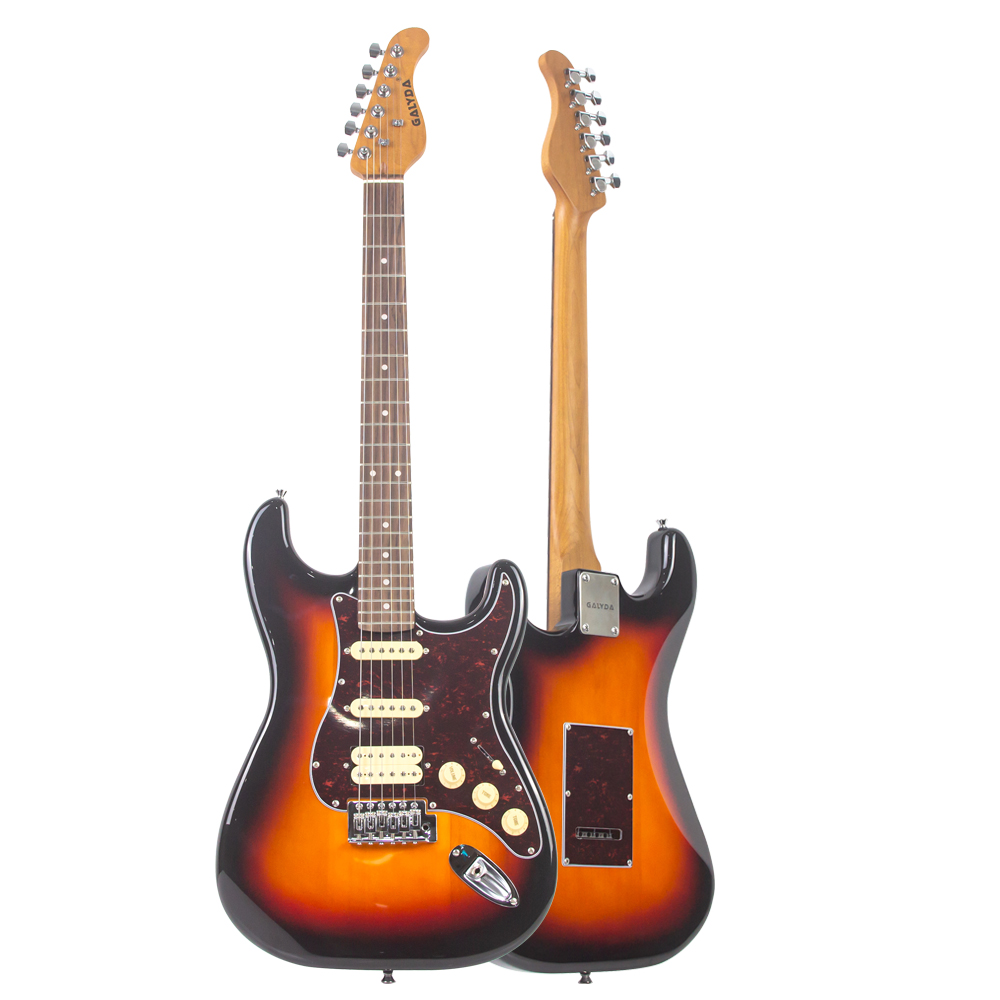
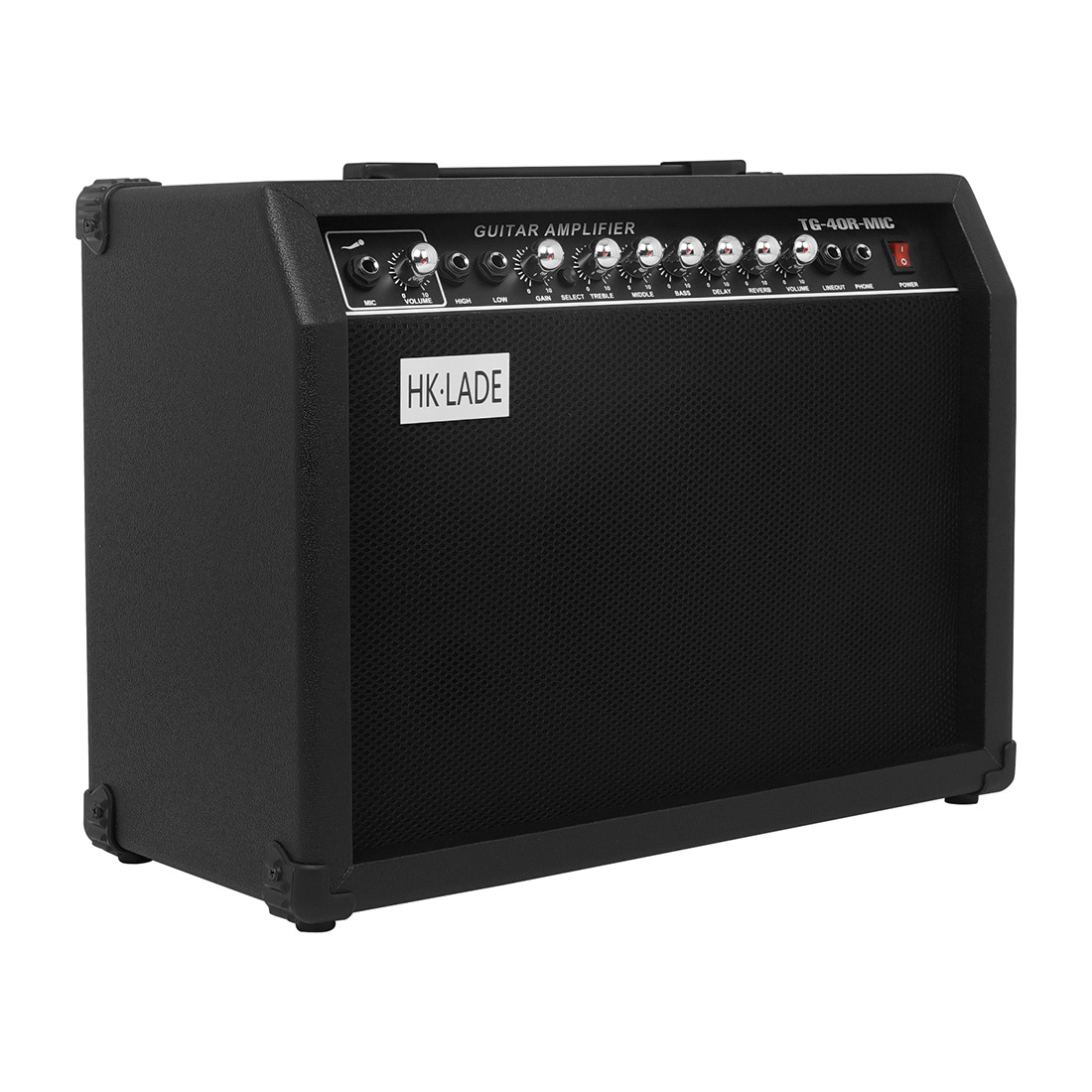

Navigating the French Classical Guitar Market Landscape
An authoritative analysis of consumer intent, conservatoire standards, and supply chain dynamics in France.
France maintains one of the richest classical guitar traditions in Europe, rooted in centuries of lutherie excellence, renowned conservatories (such as the Conservatoire National Supérieur de Musique et de Danse de Paris and local CRR network), and an expansive ecosystem of independent music retailers (magasins de musique) and e-commerce platforms like Woodbrass and Thomann France. For B2B importers, musical instrument wholesalers, and retail chains operating within France, sourcing classical guitars requires a subtle understanding of local acoustic preferences, rigorous environmental standards, and structural reliability.
In the French market, classical guitar buyers—ranging from entry-level academy students to advanced concertists—exhibit clear acoustic preferences. Red Cedar tops (Cèdre massif) are strongly favored for student and intermediate models due to their immediate warm response and rich harmonic overtone profile, while European Spruce (Épicéa) remains the standard for performance-grade guitars demanding headroom and dynamic projection. Furthermore, French educators strictly evaluate fretwork consistency, neck relief, scale length precision (standard 650mm with 52mm nut width, alongside 630mm/580mm scale sizes for younger academy pupils), and long-term timber stability under continental atmospheric shifts.
Localized Application Scenarios in France
To successfully capture market share in France, wholesale instrument lines must align with four primary local distribution channels and usage scenarios:
Conservatoires & Écoles de Musique
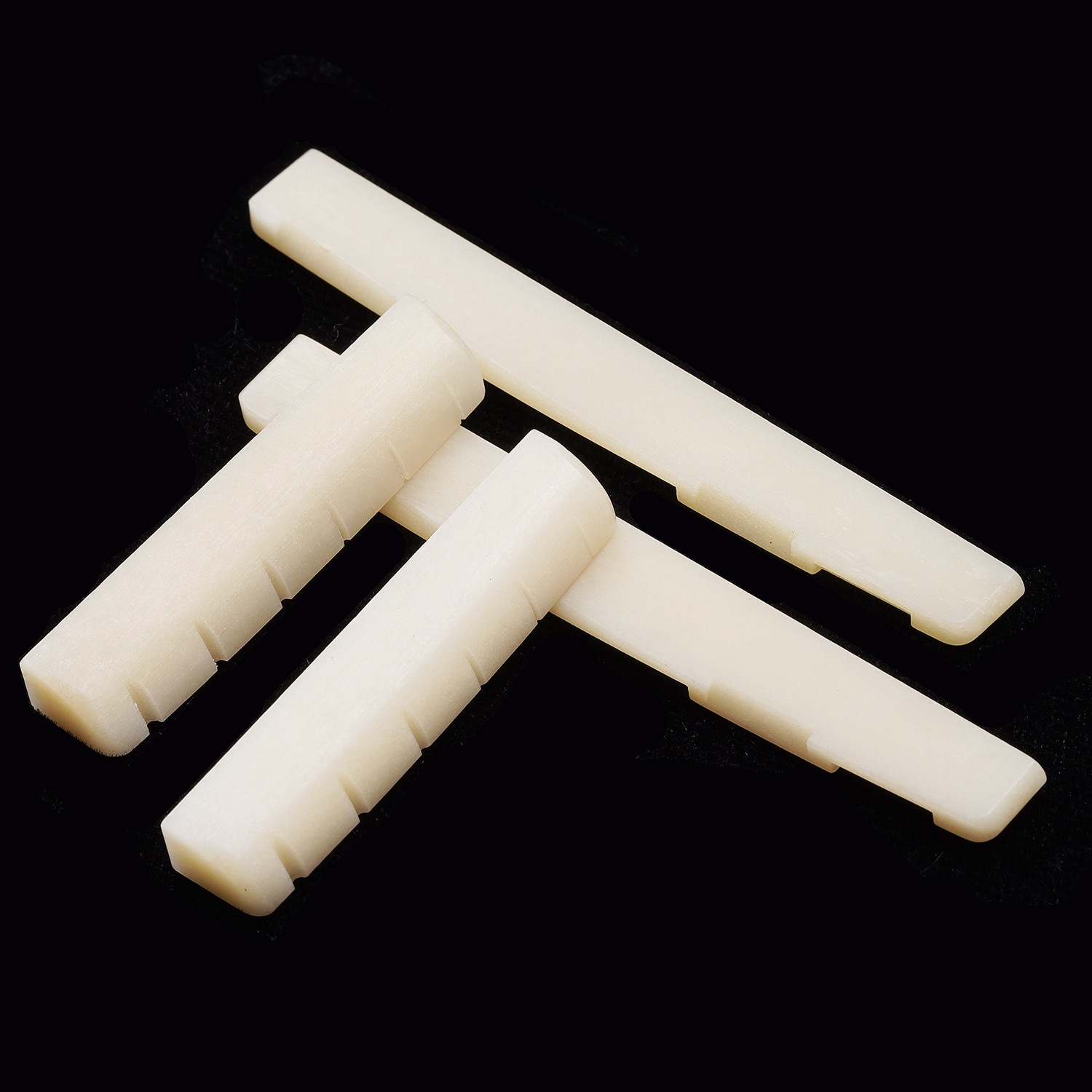
Rigid academic standards require guitars with precise fret levelling, zero buzz at standard action heights (3.5mm bass / 2.8mm treble), non-bleached real bone nut/saddles for pure vibration transfer, and stable intonation across the entire fingerboard.
B2B Retail Chains & E-Commerce Storefronts
Retail buyers in Paris, Lyon, and Bordeaux demand high out-of-the-box consistency to minimize returns and post-sale setup labor. Protective polyfoam packaging and barcode-ready retail cartons are critical for seamless European warehousing.
Chanson & Modern Stage Performance
Growing popularity of electro-classical models equipped with under-saddle piezo pickups, onboard preamp EQs, discreet cutaways, and 48mm neck options ("crossover classical") tailored for French stage performers playing gypsy jazz, bossa nova, and modern chanson.
French Market Development Trends & Technical Specifications
Providing information gain: Critical structural, ecological, and acoustic standards shaping European B2B procurement.

Key Market Dynamics Driving French Guitar Sourcing (2025–2030)
To establish a sustainable brand presence in France, manufacturers must anticipate regulatory shifts and technical evolutions. Below are the core technical specifications required by top French importers:
- Strict CITES & EU Timber Regulation (EUTR) Compliance: Due to stringent EU customs scrutiny at major ports like Le Havre and Marseille, traditional Brazilian or endangered rosewood is completely prohibited without extensive CITES paperwork. Leading importers rely on fully compliant tonewood alternatives, such as carbonized maple, thermally treated walnut, or legally sourced Indian Rosewood (Dalbergia latifolia) accompanied by complete chain-of-custody documentation.
- Climate-Adaptive Micro-Kiln Drying (RH Stabilization): France experiences distinct seasonal variations—ranging from humid maritime coastal zones to dry continental winters. Guitars built with improper moisture levels suffer top sinkage, bridge lifting, or fret sprouting. Our factory maintains tonewood moisture strictly between 8% and 10% in climate-controlled rooms before CNC cutting and jointing.
- Modern Bracing Innovations vs. Traditional Fan Bracing: While traditional Torres 7-fan bracing remains the benchmark for pure warm classical tone, modern French retailers report increasing demand for Lattice Bracing (utilizing lightweight carbon fiber or spruce grids) and Double-Top (Nomex core) construction to achieve higher volume output without losing tonal depth.
- Tactile Finish Preferences: Modern French players prefer low-friction satin-finished mahogany or cedar necks for fast positional shifts, paired with ultra-thin high-gloss polyurethane or thin-skin nitrocellulose body coats that maximize acoustic resonance.
| Feature Category | Standard Student Grade | Conservatory Intermediate | Concert / Pro OEM Grade |
|---|---|---|---|
| Soundboard Wood | Laminated Spruce / Cedar | Solid Canadian Red Cedar | A+ Solid Master Grade Spruce/Cedar |
| Back & Sides | Laminated Sapele / Agathis | Laminated or Solid Walnut/Ovangkol | Solid Indian Rosewood / Flame Maple |
| Neck Construction | Okoume with Truss Rod | Mahogany with Carbon Fiber Reinforcement | Selected Mahogany + Ebony Reinforcement Strip |
| Nut & Saddle Material | ABS / Synthetic Resin | Natural Unbleached Bone (43mm/52mm) | Hand-machined Density Bone (52mm) |
| Finish & Lacquer | Gloss Polyurethane | Thin-Gloss Body / Satin Neck | High-Gloss Micro-Poly / French Polish Option |
| EU Regulatory Status | CE / REACH Compliant | EUTR + REACH + CITES Clear | Full Chain-of-Custody Certification |
Enterprise Strengths: Huizhou NFGF Musical Instrument Co., Ltd.
Combining automated CNC precision with artisan hand finishing to power global guitar brands.
SGS-Verified Manufacturing Facility
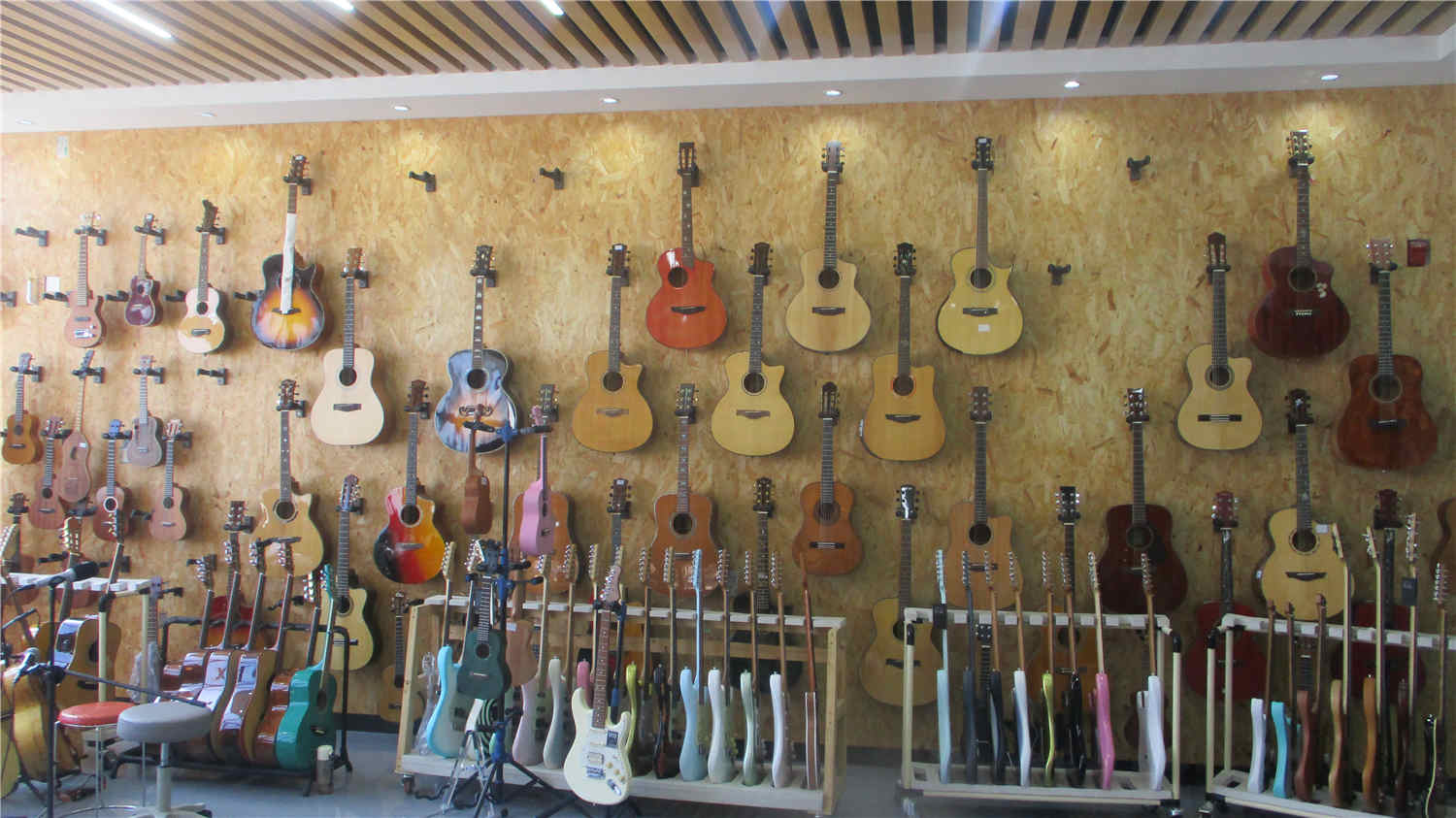
Established in 2014 in Qiuchang, Huiyang District, Huizhou—the heart of Guangdong’s premier musical instrument industrial cluster—our 5,100 m² modern factory has undergone comprehensive on-site audits by SGS Group. We operate dedicated production lines for acoustic, classical, electric guitars, ukuleles, and accessories.
High R&D Capability & 100+ Patents
Driven by 53 skilled luthiers, technicians, and acoustic engineers, our team continuously innovates in neck joinery, ergonomic body contouring, and bracing geometry. With over 100 design patents and utility copyrights, we empower French brand owners to bring proprietary ODM designs to market quickly.
Integrated CNC & Multi-Stage Inspection
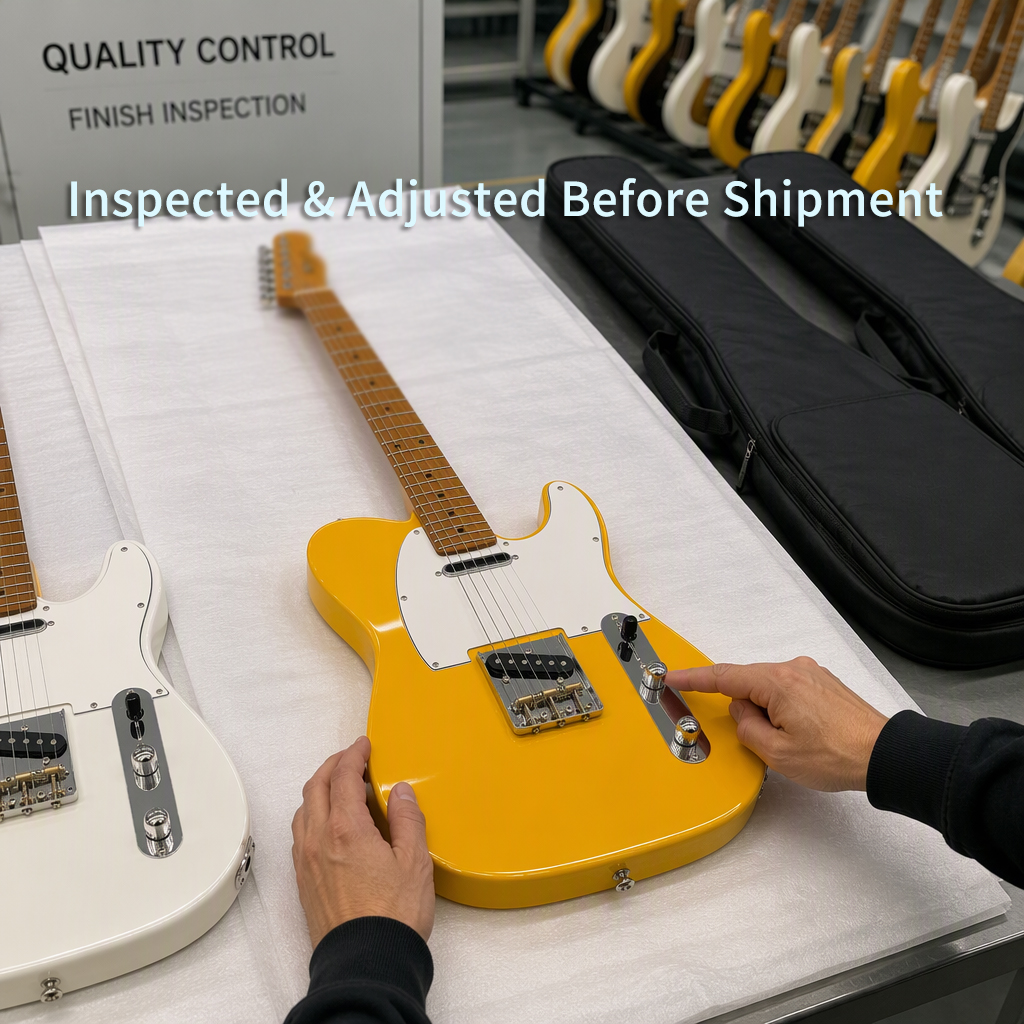
From automated high-precision CNC body routing to multi-pass wide-belt sanding, hand-lacquering, and automated gloss polishing, every guitar undergoes 100% incoming timber check, in-process dimension audit, and final acoustic playability setup prior to shipment.
Low MOQ & Agile Export Logistics
We support growing businesses in France with ultra-flexible MOQs (starting from 1 piece for standard stock models, 50–100 pieces for custom logo OEM runs). We handle complete export clearance, CE/FCC documentation, and consolidated container shipping to European hubs.
Frequently Asked Questions by French B2B Buyers
Direct answers regarding shipping, custom branding, timber compliance, and quality control.
How does NFGF ensure acoustic timber stability against atmospheric changes in France?
We utilize computerized kiln-drying chambers to condition all tonewoods (Spruce, Cedar, Mahogany, Rosewood) to an equilibrium moisture content (EMC) of 8%–10% before carving. Furthermore, necks feature dual-action truss rods or carbon fiber reinforcement rods. This prevents soundboard distortion, bridge lifting, or fret sprouting when instruments travel from Asia to French coastal or inland climates.
What CITES and EU Timber Regulation (EUTR) documentation do you provide for French customs?
All wood species used in NFGF instruments are thoroughly vetted. For non-endangered woods (Spruce, Mahogany, Sapele, Carbonized Maple), we provide standard certificates of origin and Phytosanitary documentation required under EUTR. If your custom order utilizes Indian Rosewood (Dalbergia latifolia), we furnish full CITES export permits to guarantee smooth clearance at ports like Le Havre or Marseille without administrative delay.
Can we customize classical guitar dimensions (e.g., scale length, nut width, neck profile) for French conservatories?
Yes. As a custom OEM/ODM manufacturer, we offer complete specification customization. While the standard French conservatory specification is 650mm scale length with a 52mm nut width, we frequently produce 630mm (7/8 size), 580mm (3/4 size), and 48mm "crossover" slim-neck classical guitars tailored to school programs or modern performer preferences.
What is the typical lead time and MOQ for custom-branded classical guitar shipments to France?
Sample orders for stock evaluation are dispatched within 7–10 days. For custom OEM branding (headstock logo decal, custom inner label, branded retail packaging), the Minimum Order Quantity (MOQ) starts as low as 30–50 units depending on wood species. Standard bulk production lead time is approximately 30–45 days, plus 28–35 days sea freight transit to Western European ports.
How are instruments packaged to prevent damage during sea and road transit across Europe?
Each classical guitar is wrapped in protective moisture-barrier foam, housed inside an individual 5-ply corrugated inner box (or custom padded gig bag/hardcase upon request), and consolidated into heavy-duty 7-ply export outer master cartons. Cartons are palletized, corner-shielded, and shrink-wrapped to withstand transoceanic shipping and regional logistics trucking.
Partner with China's Premier SGS-Verified Guitar Manufacturer
Expand your product lineup in the French market with factory-direct classical guitars, custom OEM electrics, acoustic ranges, and luthier components built to European quality standards.
Inquire Now