Export-Grade Products Engineered for Myanmar Importers
Factory-direct instruments, acoustic classical guitars, amplification solutions, and high-durability accessories tested for high-humidity performance.
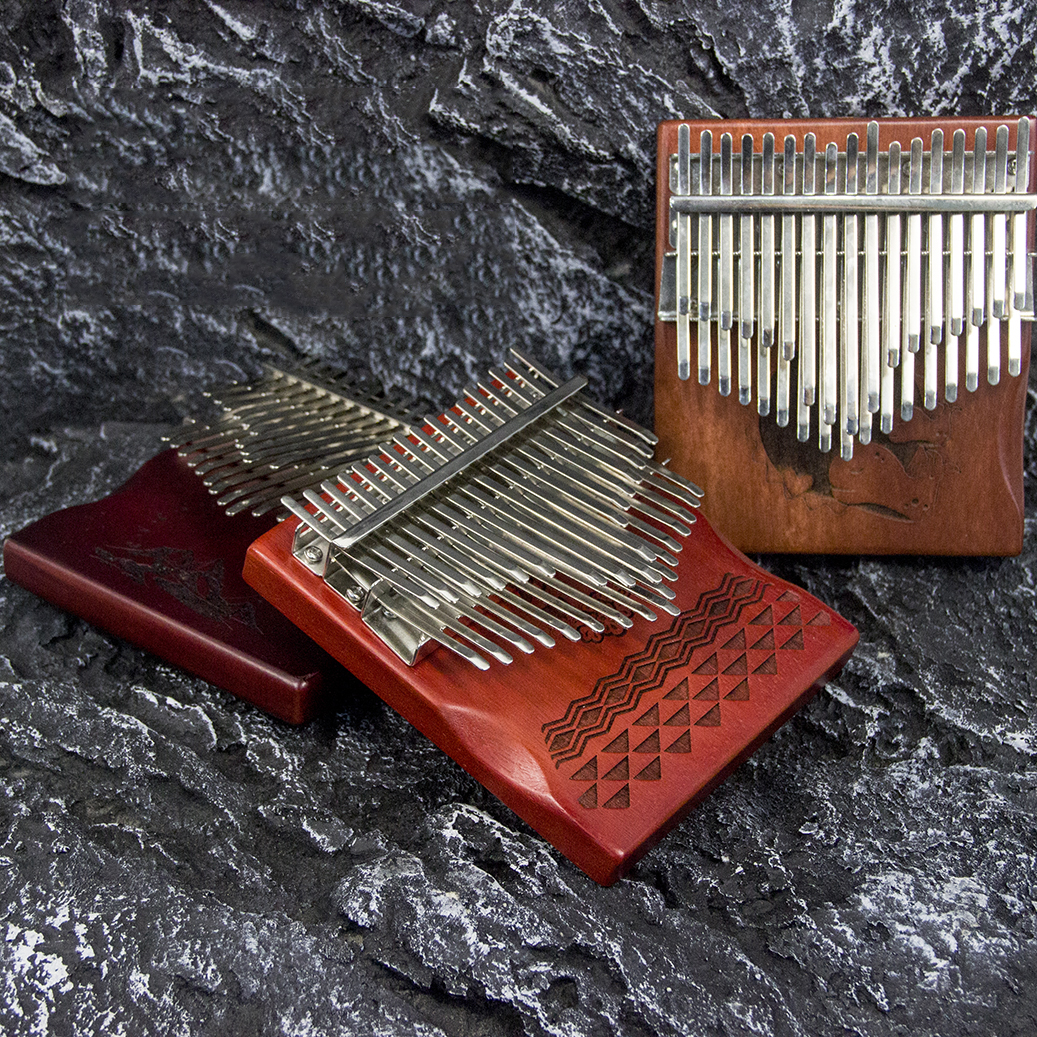
34-tone Kalimba Mahogany Solid Wood Thumb Piano (Double Layer)
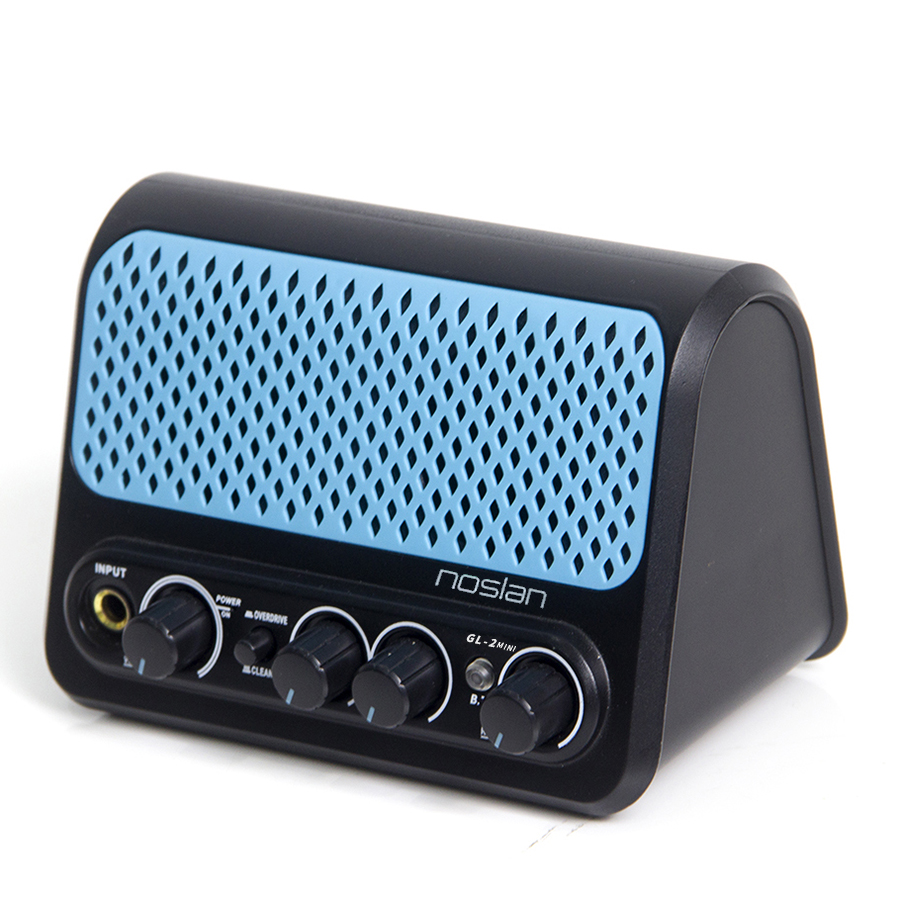
Rechargeable 10W Electric Guitar Amplifier Speaker with Reverb
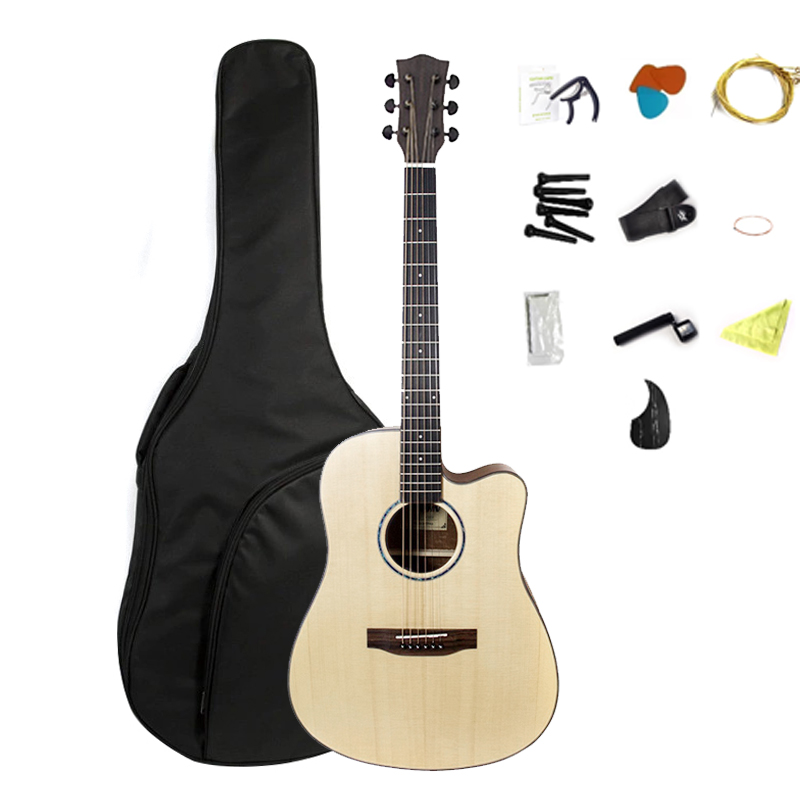
36/41 Inch Factory Direct Acoustic & Folk Guitar Set with 10mm Bag
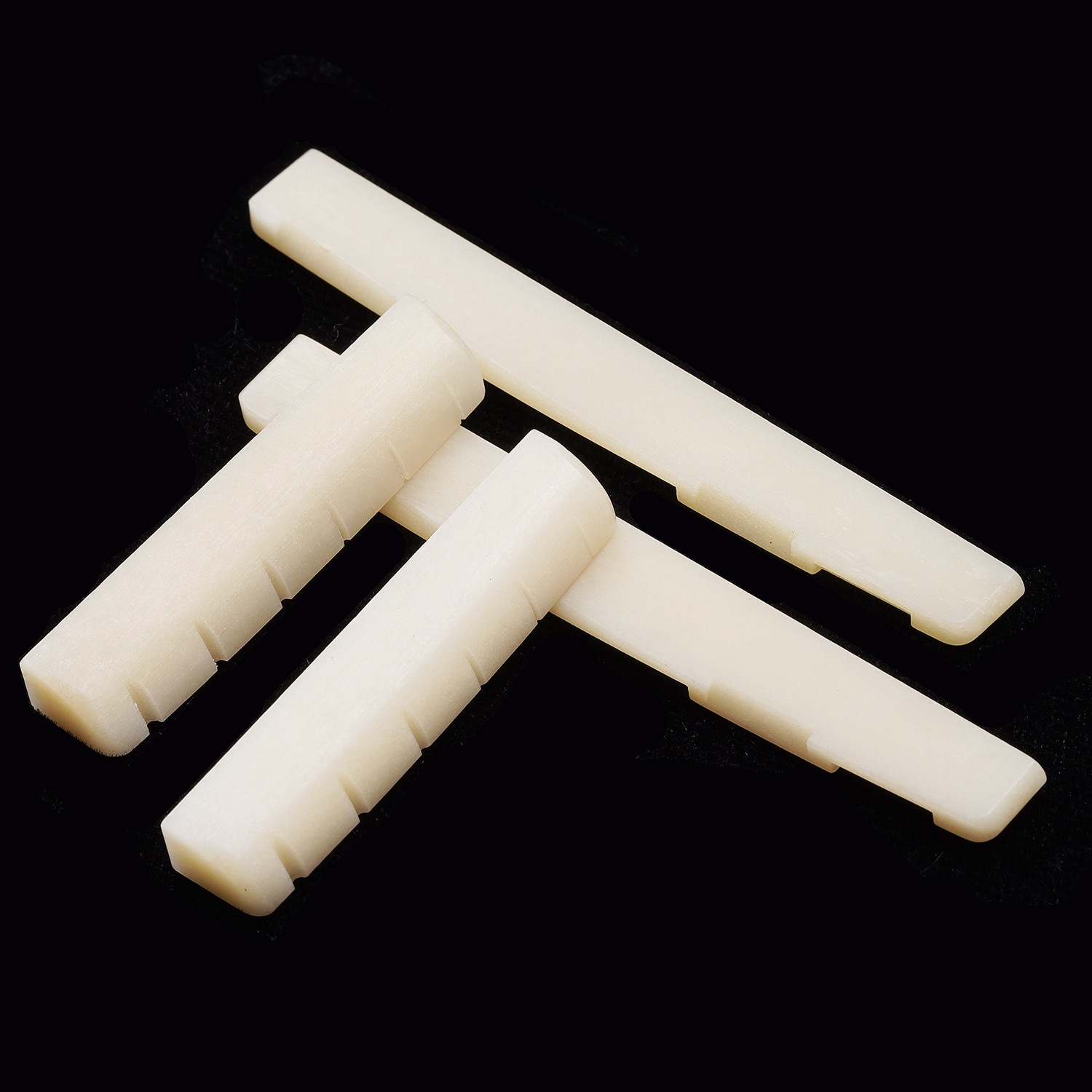
Natural Unbleached Bone Nut & Saddle (43mm/74mm) for Guitars
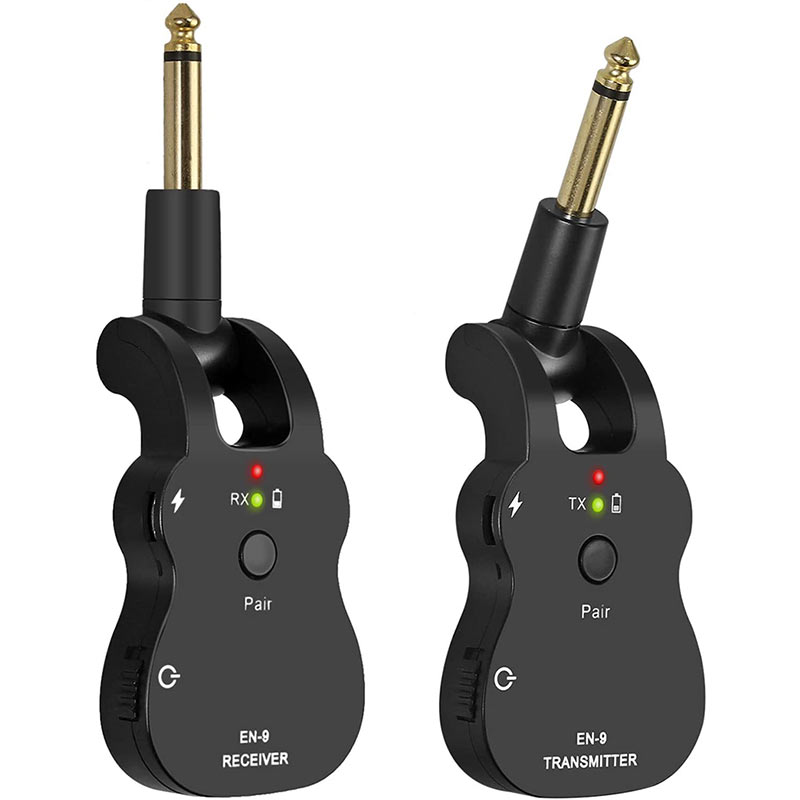
Digital Wireless Guitar & Bass Transmitter Receiver System
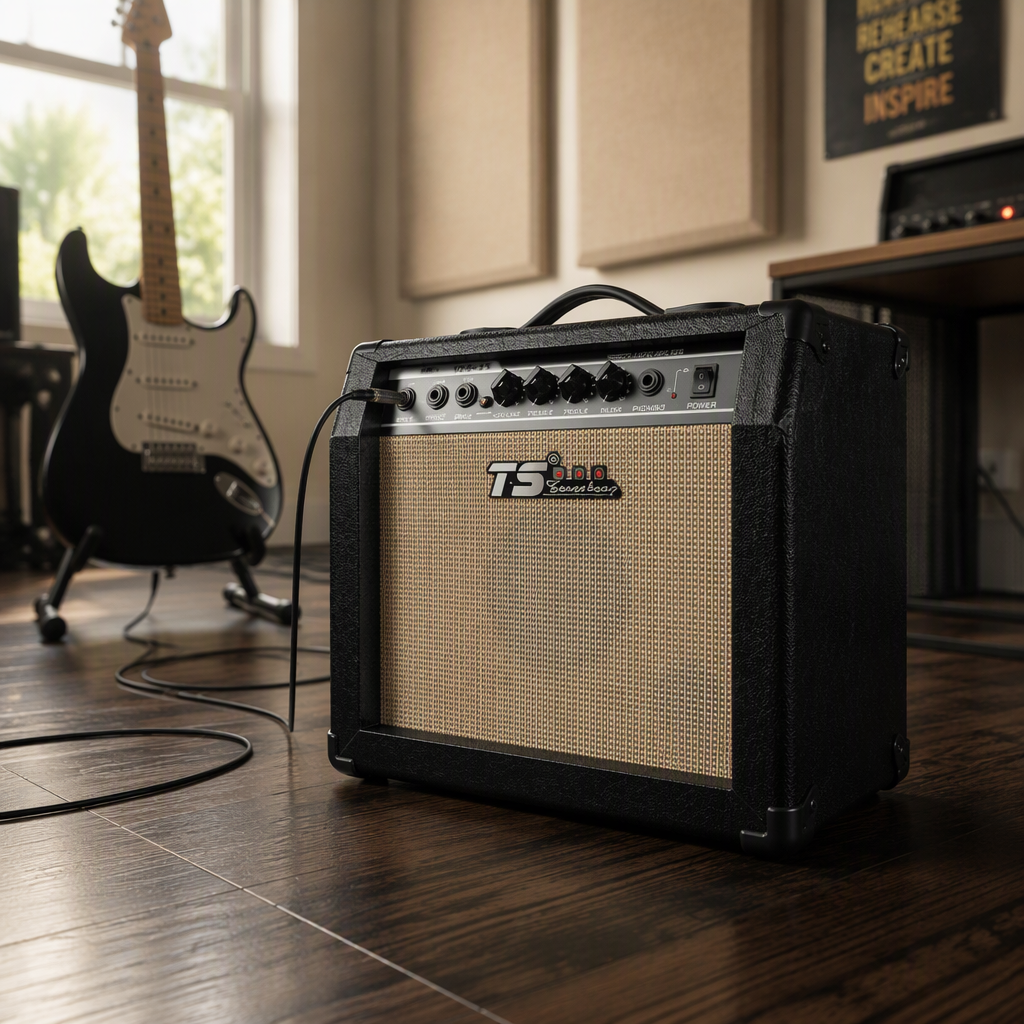
Portable Rechargeable Bluetooth Amp (15W / 50W / 100W)
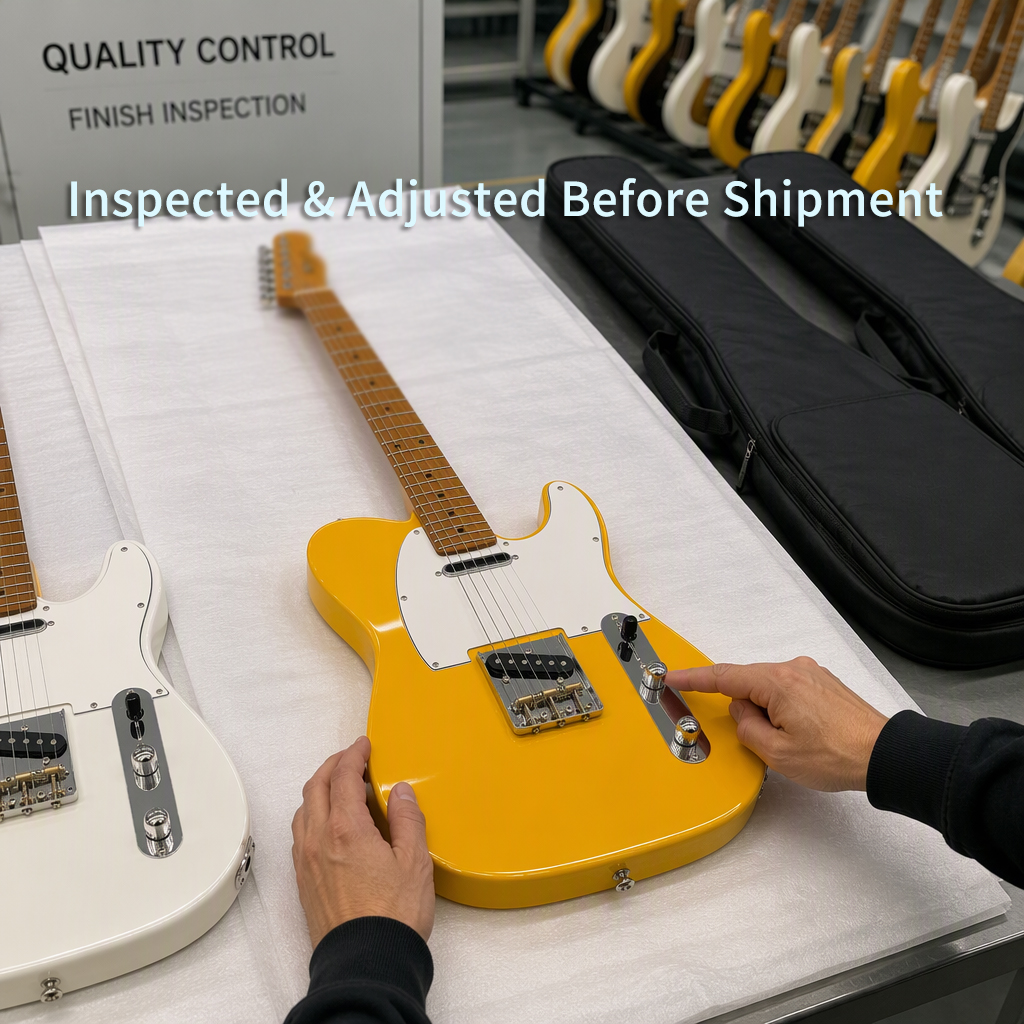
TL Electric Guitar Alnico-5 Pickups Carbonized Maple Neck
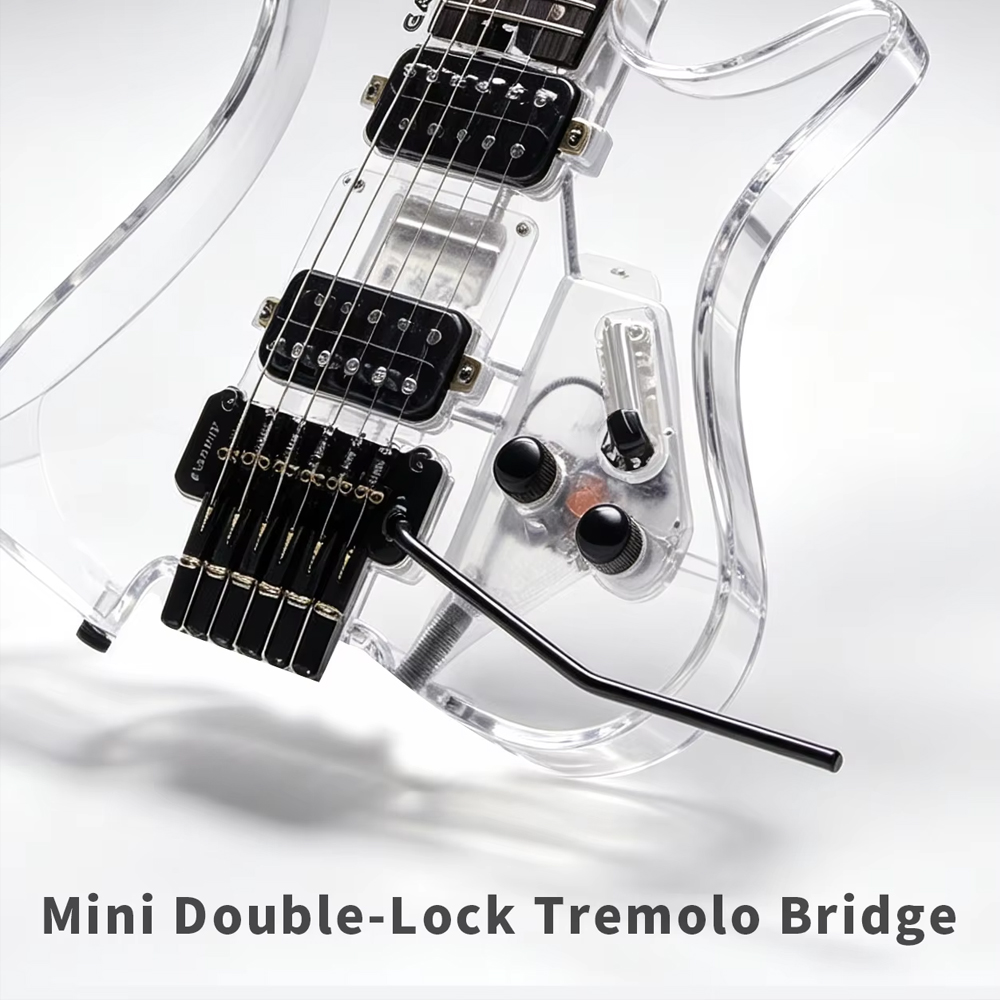
Silent Headless Acoustic-Electric Travel Guitar with Built-in Chorus
1. Executive Market Analysis: The Myanmar Classical Guitar Ecosystem
Myanmar's musical instrument market is undergoing a rapid, structural transformation. Driven by expanding urban youth demographics in commercial hubs such as Yangon, Mandalay, Naypyidaw, Mawlamyine, and Taunggyi, alongside deeply entrenched musical traditions across the Chin, Kachin, and Kayin states, the demand for classical nylon-string guitars has reached an all-time high. Unlike steel-string acoustic guitars, the classical guitar occupies a uniquely elevated role in Myanmar: it serves as the foundational teaching instrument in private music conservatories, monastic youth education programs, church ensembles, and traditional acoustic performance venues.
However, procurement managers, music store chains, and institutional buyers in Myanmar face persistent structural challenges when sourcing instruments internationally. Myanmar’s retail climate is heavily price-sensitive, yet the country’s severe tropical monsoon climate imposes extreme physical demands on wooden instruments. Cheap, unseasoned classical guitars imported without rigorous moisture stabilization suffer high defect rates—including top-plate warping, bridge detachment, fret sprouting, and neck twisting within months of arrival.
To capture sustainable market share and protect operational margins, professional Myanmar importers require strategic partnerships with direct-manufacturing OEMs in China that combine advanced timber-curing technologies, strict quality control (QC), flexible Minimum Order Quantities (MOQs), and robust trade route logistics.
2. Climate Engineering: Solving Monsoon Humidity Warping for Myanmar Importers
The single greatest point of failure for wooden musical instruments imported into Myanmar is relative humidity (RH) hysteresis. Myanmar experiences extreme seasonal moisture shifts: the dry winter season in central plains like Mandalay and Bagan drops RH levels to 40-45%, while the summer monsoon season across Yangon and coastal regions pushes ambient humidity above 85-95% for months at a time.
When untreated tonewood absorbs atmospheric moisture, wood fibers swell perpendicular to the grain. In classical guitars—which rely on lightweight, ultra-thin soundboards (typically 2.2mm to 2.8mm thick) and delicate fan bracing—this swelling creates destructive internal vector forces.
| Engineering Dimension | Standard Low-Cost Suppliers | NFGF Export-Grade Engineering (Myanmar Spec) |
|---|---|---|
| Wood Moisture Content (MC) | 14% - 18% (Air-dried ambient, unstable) | 8% - 10% (Automated Vacuum Kiln Dry) |
| Soundboard Bracing Glue | Standard PVA / Craft Resin (Hydro-softening) | High-Tensile Moisture-Resistant Epoxy & Aliphatic Resin |
| Neck Stability Control | Non-adjustable mahogany or soft maple | Dual-Action Truss Rod + Carbon Fiber Reinforcement Strips |
| Top Finish & Sealing | Thin, porous nitrocellulose lacquers | Multi-Layer UV Polyurethane Hydro-Barrier Coating |
| Fretboard Wire Dressing | Standard brass/nickel, raw end bevels | Diamond-Beveled Cupronickel / Stainless with Edge Radius |
At Huizhou NFGF Musical Instrument Co., Ltd., our 5,100 m² factory integrates computer-controlled vacuum drying chambers. Tonewoods such as Grade-A Spruce (Picea abies), Selected Mahogany (Swietenia macrophylla), Rosewood, and Okoume are stabilized over multi-week thermal cycles to lock core moisture content exactly between 8% and 10%. Furthermore, all classical necks destined for Southeast Asia feature internal dual-action truss rods—an engineering upgrade rarely offered by budget factories—allowing local Myanmar technicians to effortlessly adjust relief as seasons change.
3. Localized Application Scenes Across Myanmar Market Segments
Understanding exact end-user environments allows wholesale buyers to optimize their inventory purchasing and SKU selection.
1. Monastic Youth Education & Music Academies
Across Mandalay, Yangon, and Bago, Buddhist monastic schools and non-profit music foundations provide formal classical music instruction to thousands of young students. These institutions require 36-inch (3/4 size) and 39-inch (4/4 size) classical guitars that offer comfortable neck profiles, low action height (<3.0mm at the 12th fret), and highly resilient laminated or solid-top construction capable of enduring rigorous daily practice.
2. Religious Ensembles in Chin & Kachin States
In northern and western Myanmar, Christian church choirs, youth worship teams, and community centers represent a major purchasing demographic. Here, classical guitars are frequently combined with rechargeable portable amplifiers, wireless audio transmitters, and bone nut/saddle upgrades to deliver rich, amplified acoustic projection for indoor service halls and remote outdoor gatherings without reliable grid power.
3. Hospitality, Tourism & Street Performance
In tourist hubs such as Inle Lake, Bagan, and Ngapali Beach, acoustic performers and traveling musicians require compact, highly portable instruments. Products like our Silent Headless Acoustic-Electric Travel Guitars and 34-key Solid Wood Kalimbas thrive in this niche—offering ultra-quiet headphone practice, acrylic/solid mahogany durability, and instant onboard pickup connectivity.
4. Strategic Trends & Logistics Logistics Corridors (China to Myanmar)
Navigating the import dynamics of Myanmar demands a thorough understanding of evolving distribution channels and logistical pathways connecting Chinese manufacturing hubs to local retail shelves.
A. The Rise of Private-Label OEM Branding in Yangon
Historically, Myanmar musical instrument retailers relied heavily on unbranded white-label stock. Today, top music distributors in Yangon and Mandalay are actively building their own proprietary local brands. By taking advantage of NFGF's low-MOQ custom OEM service (starting from as low as 1 set for selected models and low thresholds for custom headstock laser-engraving/silk-screen logos), domestic merchants are establishing strong brand equity and avoiding destructive local price wars.
B. Optimized Freight Routes: Yunnan Border Overland vs. Ocean Freight
Sourcing from Huizhou NFGF gives Myanmar buyers flexible cross-border logistics routes tailored to urgency and budget:
- Overland Trucking (Guangdong → Yunnan Ruili → Muse → Mandalay/Yangon): Ideal for fast-turnaround stock replenish and high-value orders, delivering shipments in 7 to 12 days.
- Ocean Freight (Shenzhen / Nansha Port → Yangon Thilawa Port): The most cost-effective solution for full container load (FCL) or consolidated LCL orders, minimizing per-unit freight overhead for bulky acoustic guitar cartons.
5. Corporate Supremacy: Why Myanmar Importers Partner with NFGF
Huizhou NFGF Musical Instrument Co., Ltd. (est. 2014) is an SGS-verified custom instrument manufacturer located in Qiuchang, Huiyang District, Huizhou City—the heart of Guangdong’s world-renowned guitar manufacturing base. Spanning over 5,100 square meters of state-of-the-art production space, NFGF operates as an integrated enterprise combining R&D, precision woodworking, painting, electro-acoustic engineering, assembly, and international trade.
SGS On-Site Audited Quality
Our manufacturing facility undergoes rigorous third-party auditing by SGS Group. Every stage—from raw timber moisture inspection to finished electronic playability testing—is fully documented.
Automated CNC Precision
We utilize high-precision CNC routers for body contouring, neck slotting, and fretboard slotting. This guarantees 100% neck pocket flush fitting and zero intonation drift across production runs.
100+ Design Patents
Our dedicated engineering team continuously develops original body shapes, active pickup circuits, and silent travel instruments, giving our OEM partners an exclusive market edge.
6. Frequently Asked Questions by Myanmar B2B Buyers
Clear, authoritative answers to essential procurement, payment, and quality assurance queries.
What is the typical Minimum Order Quantity (MOQ) for custom-branded classical guitars? +
For standard models without customization, our MOQ starts from as low as 1 piece or 1 set for sampling. For custom OEM branding (such as laser-engraved or silk-screen logos on headstocks and soundhole labels), our baseline MOQ is typically 30 to 50 pieces. We also support mixed-SKU container loading, allowing Myanmar buyers to combine classical guitars, folk acoustics, ukuleles, kalimbas, and amps in a single shipment.
How does NFGF ensure instruments do not crack or deform during Myanmar's monsoon season? +
Every piece of tonewood undergoes computer-monitored kiln drying to achieve a stable 8-10% internal moisture content before joining. Furthermore, we apply high-tensile aliphatic resin adhesives for internal soundboard bracing, reinforce our classical necks with internal truss rods, and seal the wood in protective multi-coat finishes specifically designed to block atmospheric humidity absorption.
What payment methods and currency terms are accepted for exports to Myanmar? +
We support multiple international payment methods flexible for Myanmar importers, including Wire Transfer (T/T), Telegraphic Transfers in USD and Chinese Yuan (RMB), and Letter of Credit (L/C) for container-level contracts. Our export sales team provides full proforma invoicing, packing lists, certificate of origin (Form E for ASEAN tariff preferences), and customs documentation to ensure smooth border clearance.
Can we request physical production samples before placing a full bulk order? +
Yes, absolutely. We strongly encourage prospective Myanmar distributors to order sample units to inspect craftsmanship, finish quality, fretwork, and sound projection firsthand. Sample lead time is typically 7 to 10 days, and sample fees are fully credited back toward your initial bulk production contract.
How are fragile acoustic and classical guitars packaged to prevent transit damage? +
Each guitar is wrapped in protective expanded polyethylene (EPE) foam, fitted with headstock and bridge guards, placed inside an individual 5-ply triangular inner carton containing silica gel desiccants, and then packed in heavy-duty 7-ply master export cartons (typically 6 units per master carton). Optional 10mm padded gig bags, hard foam cases, or wooden crate reinforcement are available upon request.
Partner with China’s Premier Guitar Factory Serving Myanmar
Request our full 2025 product catalog, wholesale price list, and custom OEM branding guide. Contact our engineering team directly today.
Get Catalog