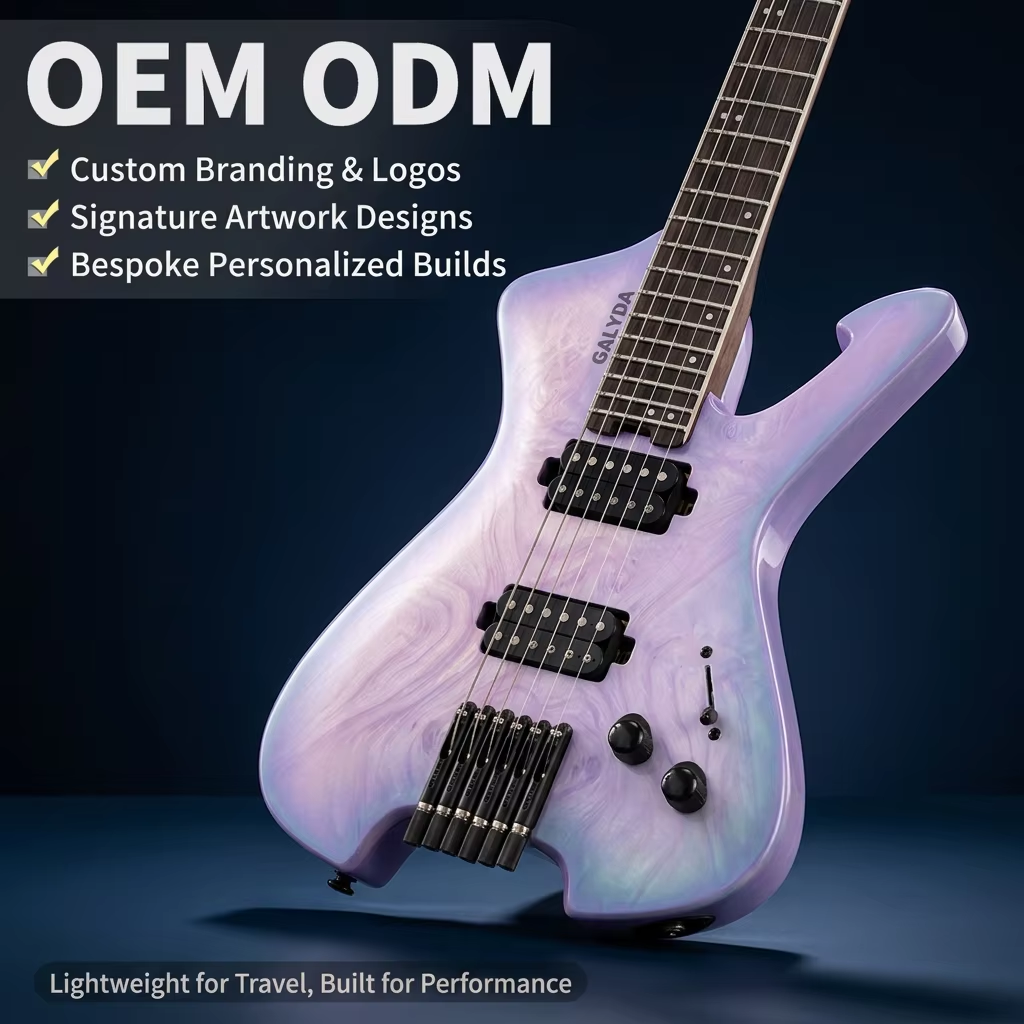
Factory Featured OEM Instruments & Wholesale Accessories
Explore our core production portfolio, tested and trusted by wholesale buyers, musical instrument retailers, and private label importers across Germany and Northern Europe.
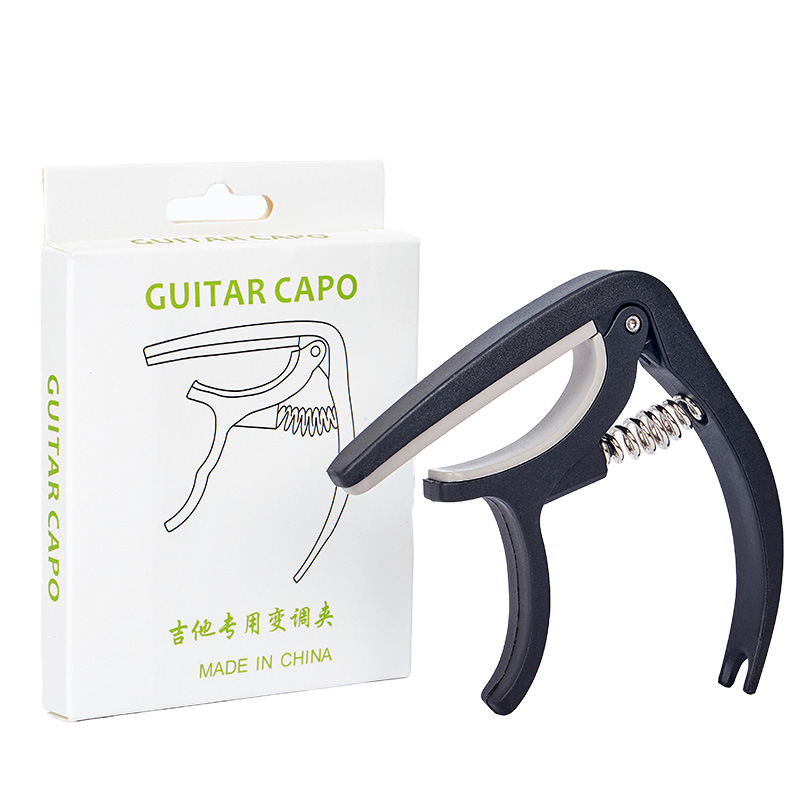
Wholesale Stringed Instrument Guitar Accessories Black Plastic Ukulele Tuner Clip Guitar CAPO
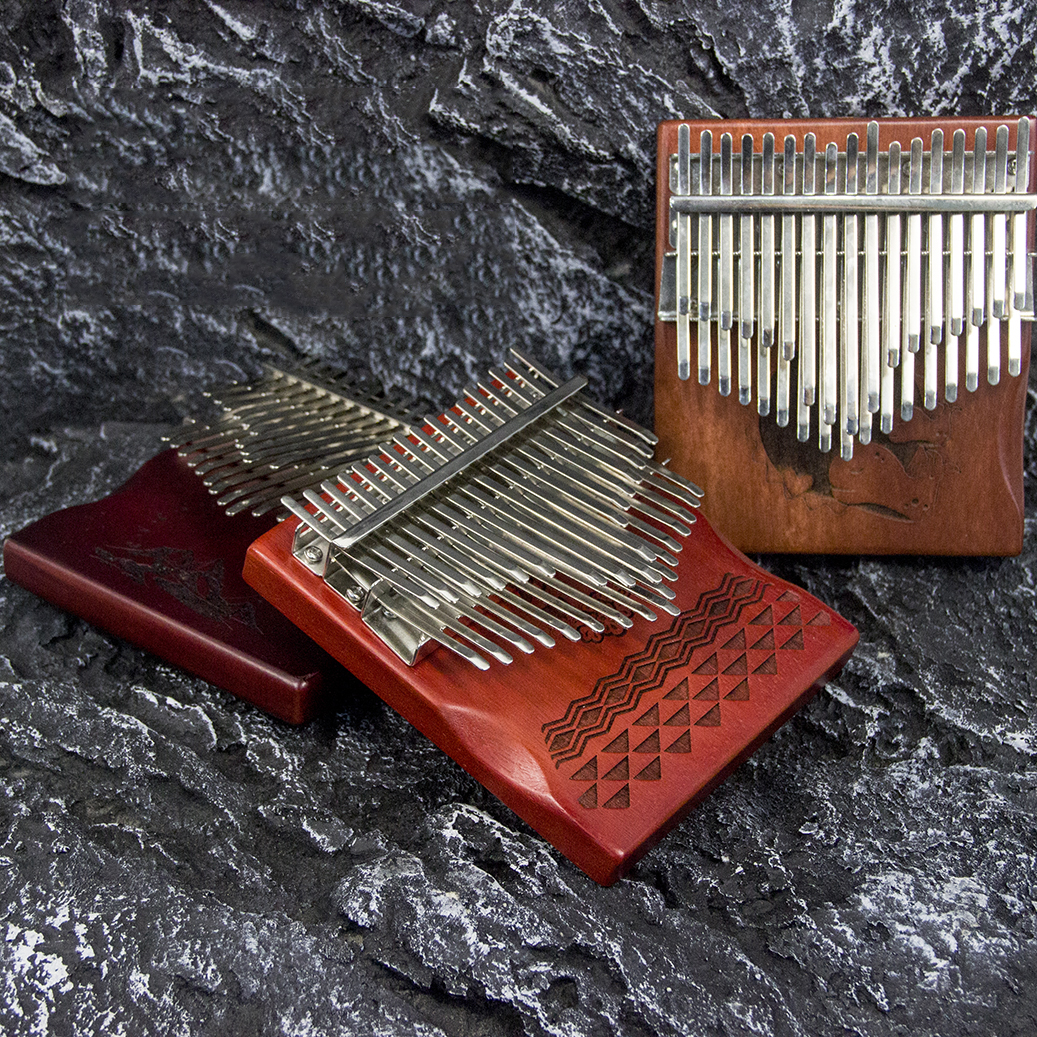
34-tone Kalimba Mahogany Solid Wood Thumb Piano with Two Layers of 34 Keys - Plucked Instrument

Professional In-ear Monitor IEM HiFi Wired Earphones with Microphone Studio Monitor Musical Instrument Accessories

GALYDA Electric Guitar GM Style SS Pickup Tremolo Bridge 3 Way Toggle Switch Custom Logo OEM ODM Factory
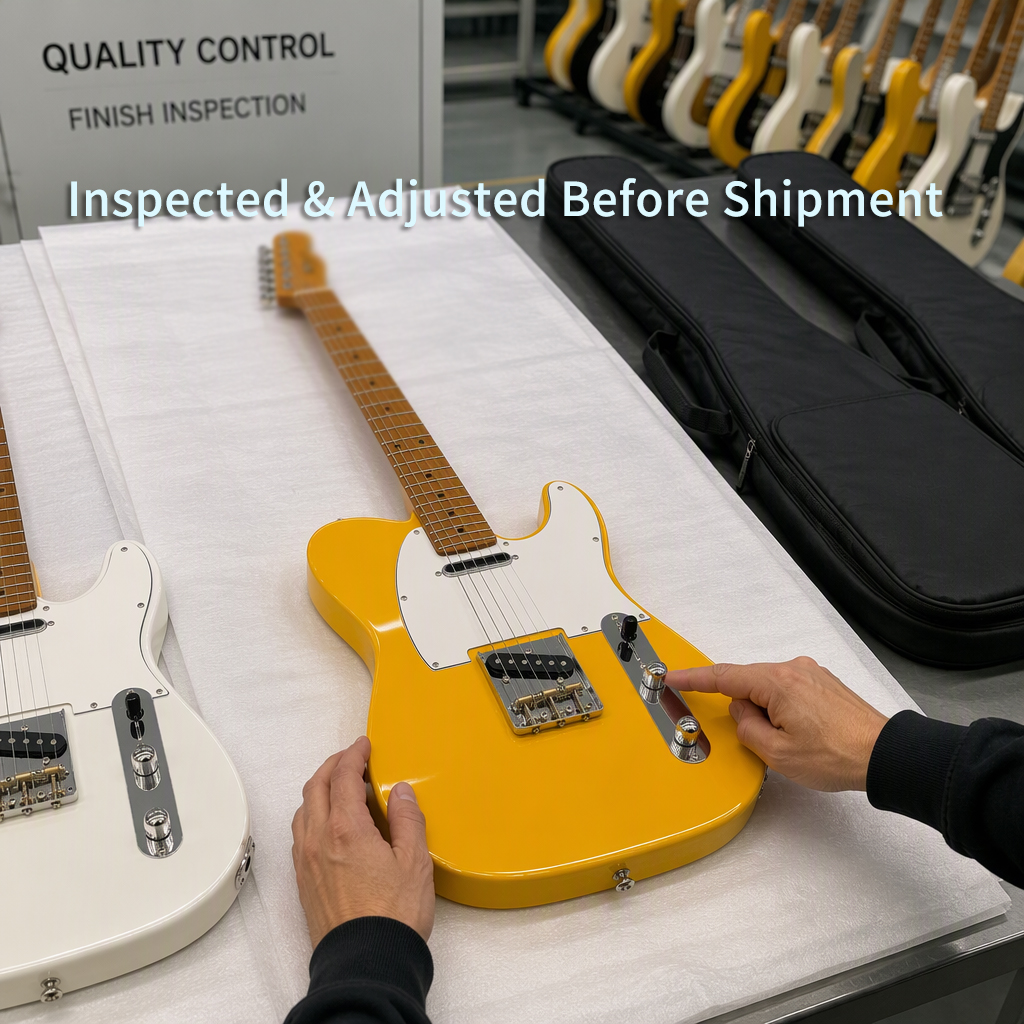
New-style TL Electric Guitar SS Alnico-5 Pickups 3-Way Switch Carbonized Maple Neck Okoume Body
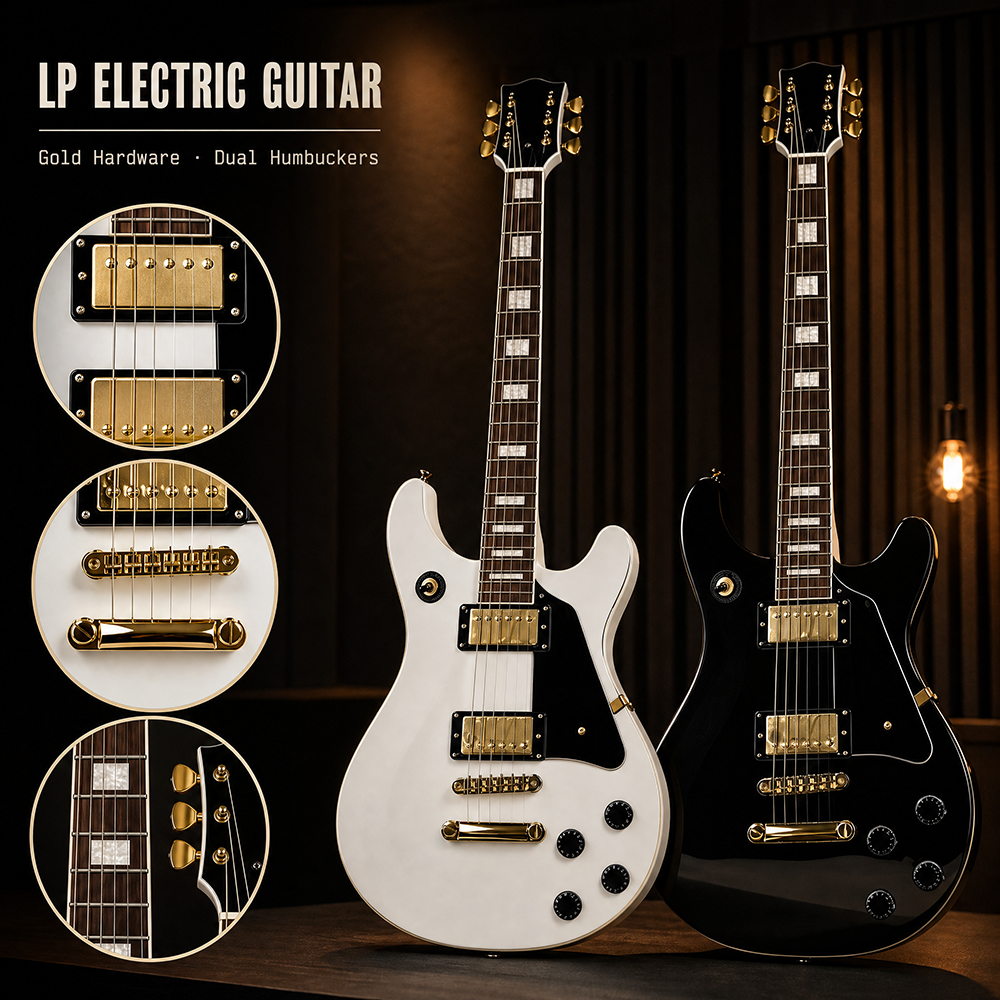
Factory Custom LP Electric Guitar Gloss Finish Solid Wood Electric Guitar OEM ODM
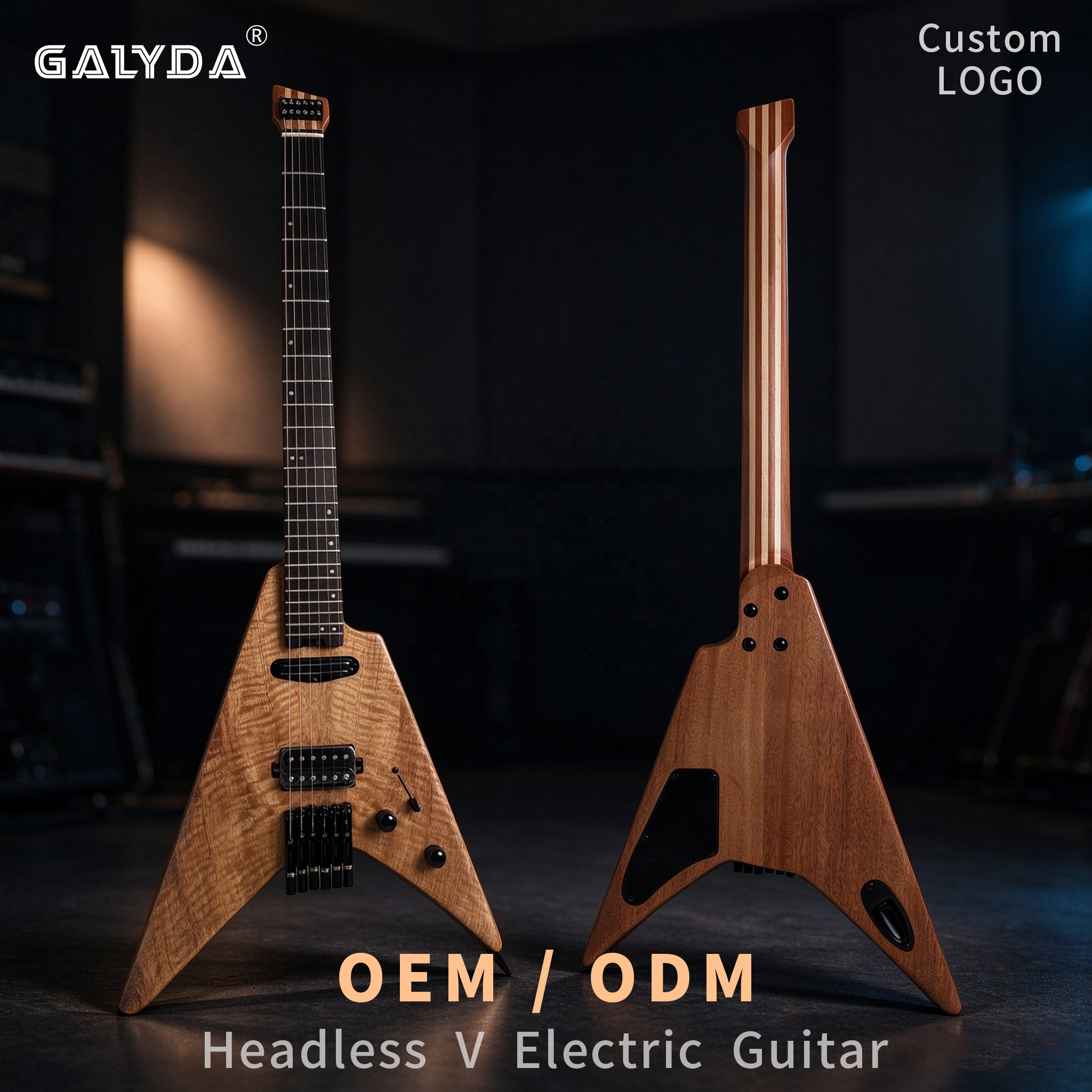
Headless V Shape Electric Guitar 6 Strings Mahogany Body 7 Piece Maple Neck Rosewood Fingerboard Guitar OEM
240+ LBS
Structural Tension Rating per 12-String
5,100 m²
SGS Audited Production Facility
45-55%
Kiln-Dry Moisture Control Standard
100+
Design Patents & Original Utility Models
Engineering the Twelve-String Guitar: B2B Structural Integrity & Supply Chain Analytics
A Comprehensive Luthier Guide for German Importers, Wholesale Distributors, and European OEM Music Brands Sourcing High-Yield Stringed Instruments from China.
The manufacturing architecture of a 12-string guitar—whether acoustic dreadnought, grand auditorium, or semi-hollow electric—demands an entirely different level of structural physics compared to standard 6-string instruments. In a standard 6-string acoustic setup tuned to E-Standard (E2-A2-D3-G3-B3-E4) with light gauge phosphor bronze strings, the total tension exerted on the top soundboard and neck joint sits between 150 to 175 lbs. However, when introducing octave and unison pairs across six courses in a 12-string configuration, total string tension escalates dramatically to 240 to 280 lbs.
For German musical instrument suppliers and private label brands operating within the Central European market, sourcing 12-string guitars requires strict adherence to wood stabilization, bracing geometry, neck heel engineering, and climate resistance. The dramatic seasonal humidity transitions in Germany—ranging from wet, freezing winters with indoor central heating drying air down to 25% Relative Humidity (RH), to humid summer months reaching up to 70% RH—pose severe risks of soundboard belly distortion, bridge lifting, neck bowing, and fret-end sprouting if the raw tonewoods are not properly stabilized during factory kiln-drying.
Key Engineering Insight for German B2B Buyers:
A poorly manufactured 12-string acoustic guitar will suffer structural collapse (soundboard bellying or neck joint failure) within 6 to 12 months of exposure to European indoor heating. Chinese OEM manufacturers specializing in export-grade 12-strings must utilize dual-action carbon-fiber reinforced truss rod systems, specialized forward-shifted scalloped X-bracing, and prolonged humidity equilibration chambers (48–52% RH) prior to final lacquer curing.
As a leading Chinese custom manufacturer located in Huizhou, Guangdong, Huizhou NFGF Musical Instrument Co., Ltd. has spent over a decade perfecting the OEM/ODM production of acoustic and electric stringed instruments. Through advanced CNC profiling, automated wide-belt sanding, micro-calibrated bridge plate placement, and rigorous climate aging protocols, NFGF provides German suppliers with instruments engineered to withstand European climate variations while providing rich, shimmering octave resonance and comfortable playability.
Acoustic & Electric 12-String Structural Specification Matrix
Comparing critical lutherie standards between entry-level commercial 12-strings and NFGF professional export-grade OEM builds engineered for European distribution.
| Engineering Parameter | Standard Commercial Grade | NFGF Export Grade (German Market Spec) | Structural Impact on Playability |
|---|---|---|---|
| Soundboard Bracing | Standard Non-Scalloped X-Bracing | Forward-Shifted Scalloped X-Bracing with Quarter-Sawn Spruce Bridges | Prevents soundboard bellying under 260+ lbs of tension while maximizing bass projection. |
| Neck Stabilization | Single Action Steel Truss Rod | Dual-Action Steel Truss Rod + Dual Parallel Carbon Fiber Reinforcement Rods | Eliminates S-bowing and neck twisting caused by uneven octave string tension across the fretboard. |
| Tonewood Moisture Content | 10% - 14% (Air-dried ambient) | 6% - 8% (Computer-controlled Kiln Dry + RH Conditioning) | Guarantees dimensional stability against winter heating shrinkage and fret sprouting in Europe. |
| Bridge Attachment | Surface Glue Bond Only | Under-Bridge Hard Maple Doctor Plate + Ultrasonic Adhesive Vacuum Press | Prevents bridge lifting or shear tear-off under continuous heavy string load. |
| Nut Width & String Spacing | 47mm Standard String Spacing | 48mm Precision CNC Cut Bone Nut with Micro-Beveled Slots | Provides clean fingerstyle separation without string buzzing or octave crowding. |
| Lacquer / Finish Curing | Heavy Polyurethane (Thick dampening) | Thin-Coat High-Gloss Polyurethane or Ultra-Thin Satin Nitrocellulose Finish | Preserves acoustic resonance and top vibration while offering scratch and moisture protection. |
Localized Application Scenarios in the German Music Market
Understanding how 12-string guitars and accessories are utilized across Germany’s diverse musical landscape allows OEM brands and retailers to position products effectively.
Acoustic Folk & Neo-Medieval Bands
Germany has a thriving acoustic folk, Mittelalter-Rock, and singer-songwriter scene performance sector across festivals like Wave-Gotik-Treffen, Feuertanz Festival, and regional acoustic venues in Munich, Cologne, and Hamburg.
- Demands rich chorus resonance in open tunings (DADGAD, Open C).
- Requires built-in active piezo/mic dual-source pickup systems.
- Solid Sitka or Engelmann spruce tops for maximum acoustic volume.
Recording Studios in Berlin & Hamburg
German professional tracking facilities and home recording enthusiasts prioritize octave pitch accuracy, pristine intonation up the neck, and zero fret hum during high-definition studio microphone setups.
- Micro-grooved bone nuts and compensated bone saddles.
- Grover or Der Jung 18:1 precision gear tuning machines.
- Perfect intonation across the 12th fret with low action setup.
E-Commerce & Music Store Chains
Major German musical instrument e-tailers and regional retail chains require robust, drop-ship ready protective packaging, consistent QC batch uniformity, and low return rates.
- 5-ply corrugated export cartons with molded EPS foam inserts.
- CE & REACH certified non-toxic lacquers and hardware finishes.
- EAN-13 barcode integration and customizable white-label packaging.
Localized Industry & Market Development Trends in Germany & EU
Staying ahead of strict European chemical regulations, environmental mandates, and changing consumer preferences in stringed instrument procurement.
EUTR Compliance & CITES Non-Rosewood Alternatives
The European Union Timber Regulation (EUTR 995/2010) and updated CITES regulations strictly monitor timber origin. German buyers demand full traceability of wood species.
NFGF provides fully documented, sustainable wood options including high-density Tech-Wood, Torrefied Maple, and FSC-certified Laurel/Ebony fingerboards that clear European customs without paperwork friction.
REACH Heavy Metal & Plasticizer Restrictions
German consumer protection agencies strictly enforce REACH standards regarding Polycyclic Aromatic Hydrocarbons (PAHs), Phthalates in plastic components (binding, tuners, pickguards), and Heavy Metals in plating.
All hardware, nickel-silver frets, plastic capos, and PVC/ABS binding materials utilized in NFGF instruments undergo laboratory testing to guarantee zero heavy metal migration.
D2C Brands Seeking Modular Low-MOQ Sampling
The rise of German digital-native instrument brands (D2C) operating via Amazon.de, Otto.de, and dedicated Shopify portals has created demand for flexible OEM suppliers who support low MOQ sample testing before committing to container loads.
NFGF supports German entrepreneurs with MOQs starting from just 1 piece on select guitar models, enabling fast market validation.
Frequently Asked Questions (FAQ) for German B2B Importers
Addressing essential technical, logistical, regulatory, and purchasing inquiries common among European music industry procurement managers.
How does NFGF solve the issue of 12-string bridge lifting under European climate changes?
We implement a three-tier structural reinforcement protocol: 1) Hard maple bridge reinforcement plates installed directly under the soundboard top; 2) Micro-milled glue channels on the bridge underside to maximize adhesive contact surface; and 3) Kiln-dried spruce bracing dried to 6-8% moisture content, preventing dimensional wood shrinkage during dry German winters.
What customs tariff codes (HS Code) apply when importing guitars into Germany from China?
Standard acoustic 12-string guitars typically enter the EU under HS Code 9202.90.30 (Other string musical instruments played with a bow or plucked). Electric guitars fall under HS Code 9207.90.10. Import duties generally range around 3.2% to 3.7%, plus Germany's standard 19% Import Turnover Tax (Einfuhrumsatzsteuer). We provide complete Commercial Invoice, Packing List, and Certificate of Origin (Form A / CO) documents to ensure smooth clearance at Hamburg or Bremerhaven ports.
Can we order custom headstock designs, logo branding, and customized packaging?
Yes. NFGF specializes in OEM and ODM customization. You can customize the headstock silhouette, laser-engraved or pearl inlay logos, custom neck profiles (C-shape, V-shape, or modern thin U), pickup configurations (HSS, HSH, active piezo), finish colors (gloss, matte, sunburst, metallic), and retail-ready color boxes with EAN barcodes.
What is the typical lead time for an OEM 12-string guitar production run?
Sample production typically takes 15 to 25 days depending on the level of custom artwork and finish complexity. Full container bulk orders (20ft or 40ft HQ) require 35 to 45 days after design approval. We also maintain buffer stock for popular standard models to facilitate rapid sample delivery via DHL/FedEx air freight within 7 days to Germany.
Are materials compliant with EU Timber Regulations (EUTR) and REACH safety limits?
Absolutely. We strictly enforce wood sourcing transparency. We offer non-CITES rosewood alternatives such as Tech-wood, Laurel, and Treated Maple. All lacquers, paints, plastic capos, and metal plating used in our instruments undergo strict compliance checks to ensure zero heavy metal or hazardous chemical emissions.
How does NFGF handle quality control (QC) before shipment?
Every instrument produced in our 5,100 m² factory passes four distinct QC stages: Incoming Raw Material Inspection (wood moisture testing), In-Process Machining Inspection (post-CNC and sanding), Post-Paint Polishing Inspection, and Final Assembly Setup Inspection. Before packaging, every 12-string guitar is tuned up, checked for string action height (<2.0mm at the 12th fret), electronic continuity, and fret edge smoothness.
Why Partner with Huizhou NFGF Musical Instrument Co., Ltd.?
Direct Factory Value, SGS On-Site Verification, and Advanced Lutherie Capability from Guangdong's Premier Instrument Cluster.
Established in 2014 in Qiuchang, Huiyang District, Huizhou City—one of China’s world-renowned musical instrument manufacturing hubs—Huizhou NFGF Musical Instrument Co., Ltd. is an SGS on-site verified OEM/ODM enterprise integrating research, development, precision manufacturing, and international export.
Spanning an expansive facility of over 5,100 square meters staffed by 53 experienced lutherie craftsmen and technical engineers, NFGF manufactures a comprehensive suite of instruments. Our portfolio includes electric guitars, electric basses, acoustic folk and classical guitars, 12-string specialty models, ukuleles, kalimbas, steel tongue drums, effects pedals, and premium accessories.
By leveraging computer-controlled multi-axis CNC woodworking routers, automated static spray-painting lines, and ultra-high-gloss polishing machinery alongside meticulous hand-fretting and hand-sanding craftsmanship, NFGF bridges the gap between affordable volume production and boutique instrument quality.
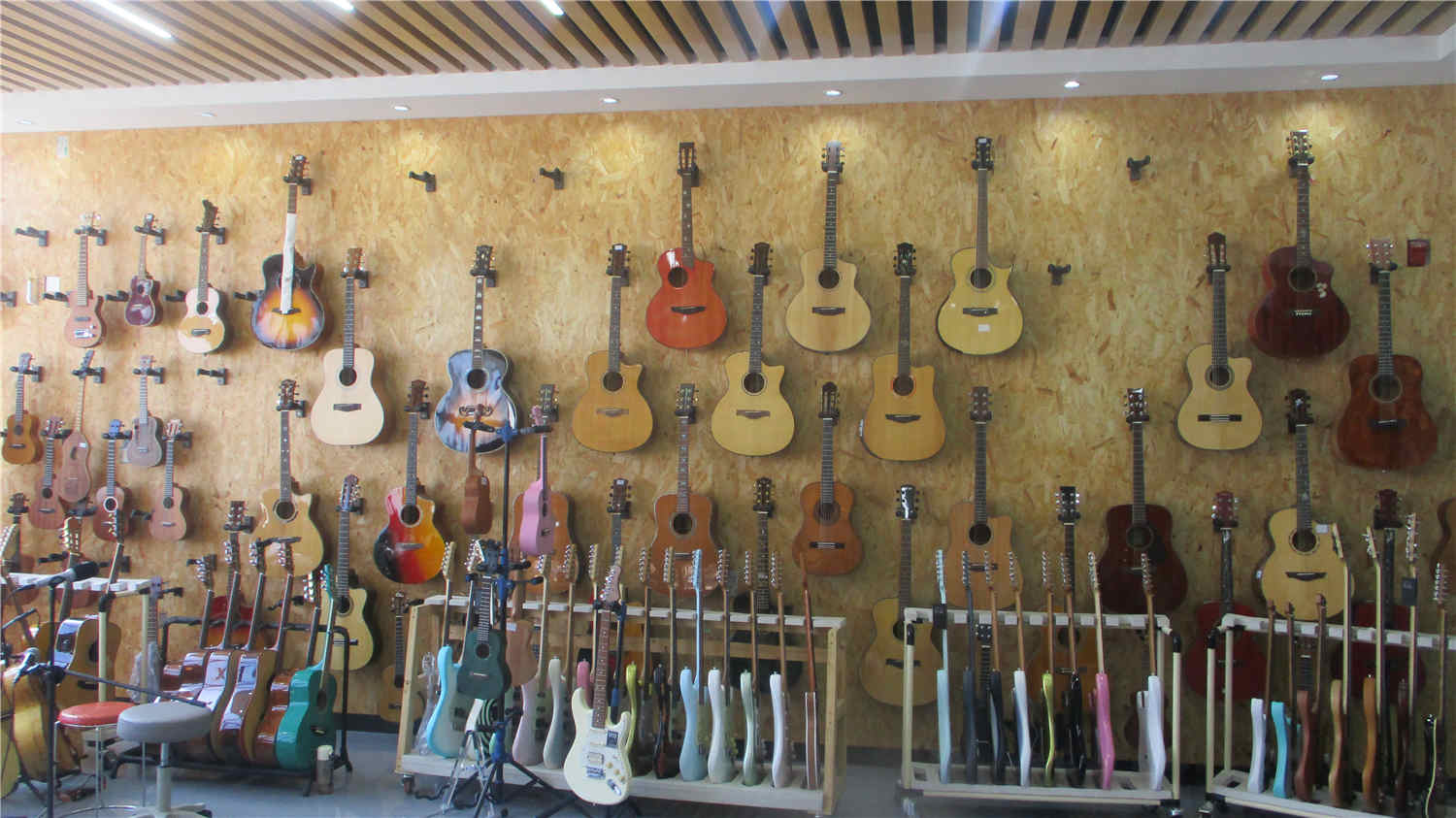
Expand Your Instrument Catalog with Verified Chinese Lutherie
Contact our engineering sales team today to request complete product catalogs, wholesale price sheets, custom OEM spec sheets, or sample ordering options for German distribution.
Get Catalog