Accessory Set
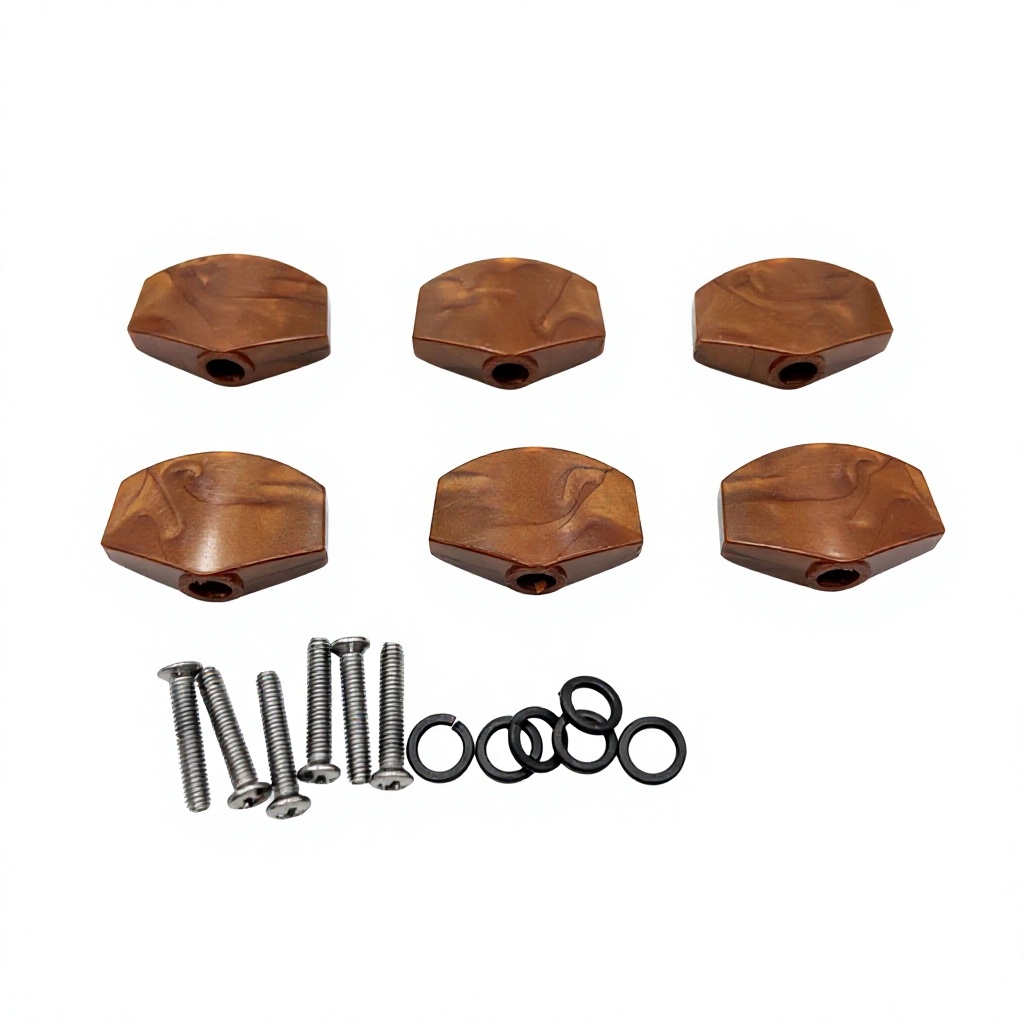
Pre-inspected instruments engineered for international compliance, tone clarity, and humidity resilience in coastal markets like Fukuoka.
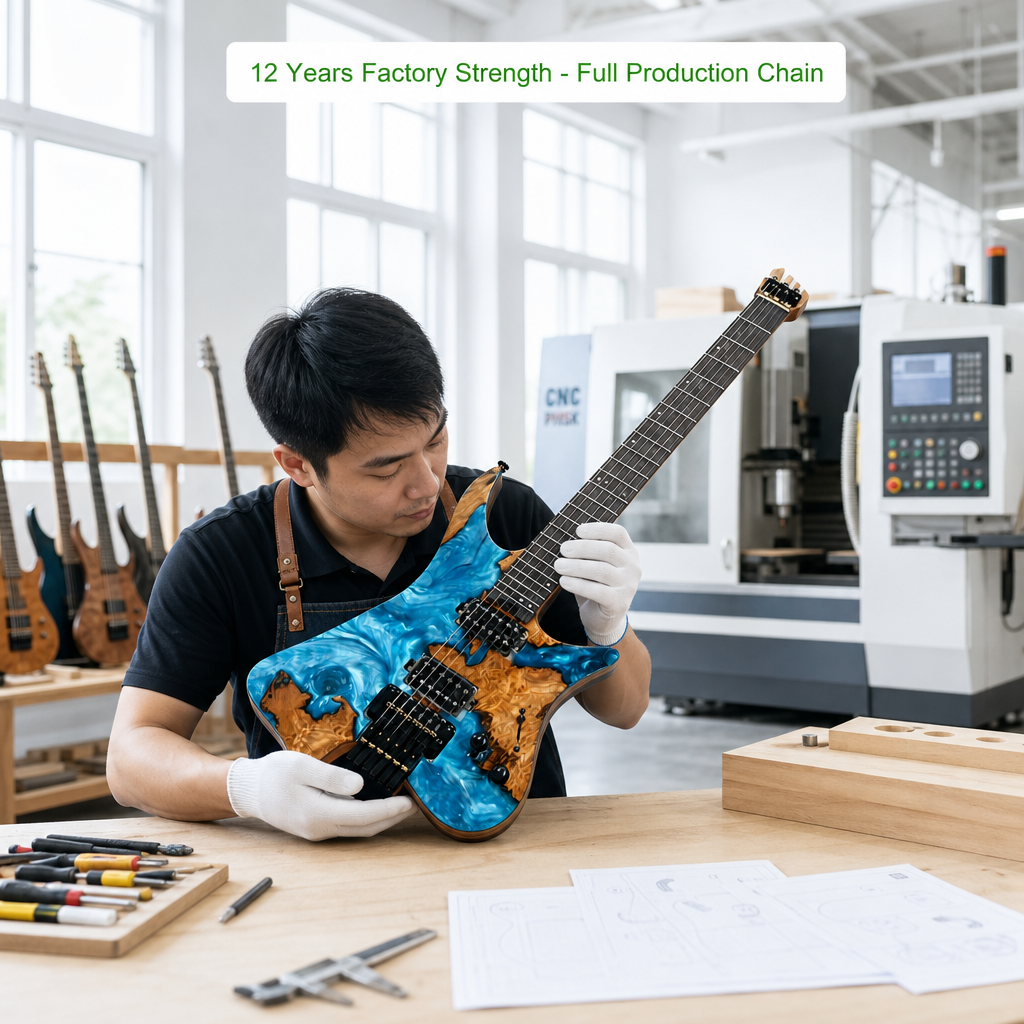

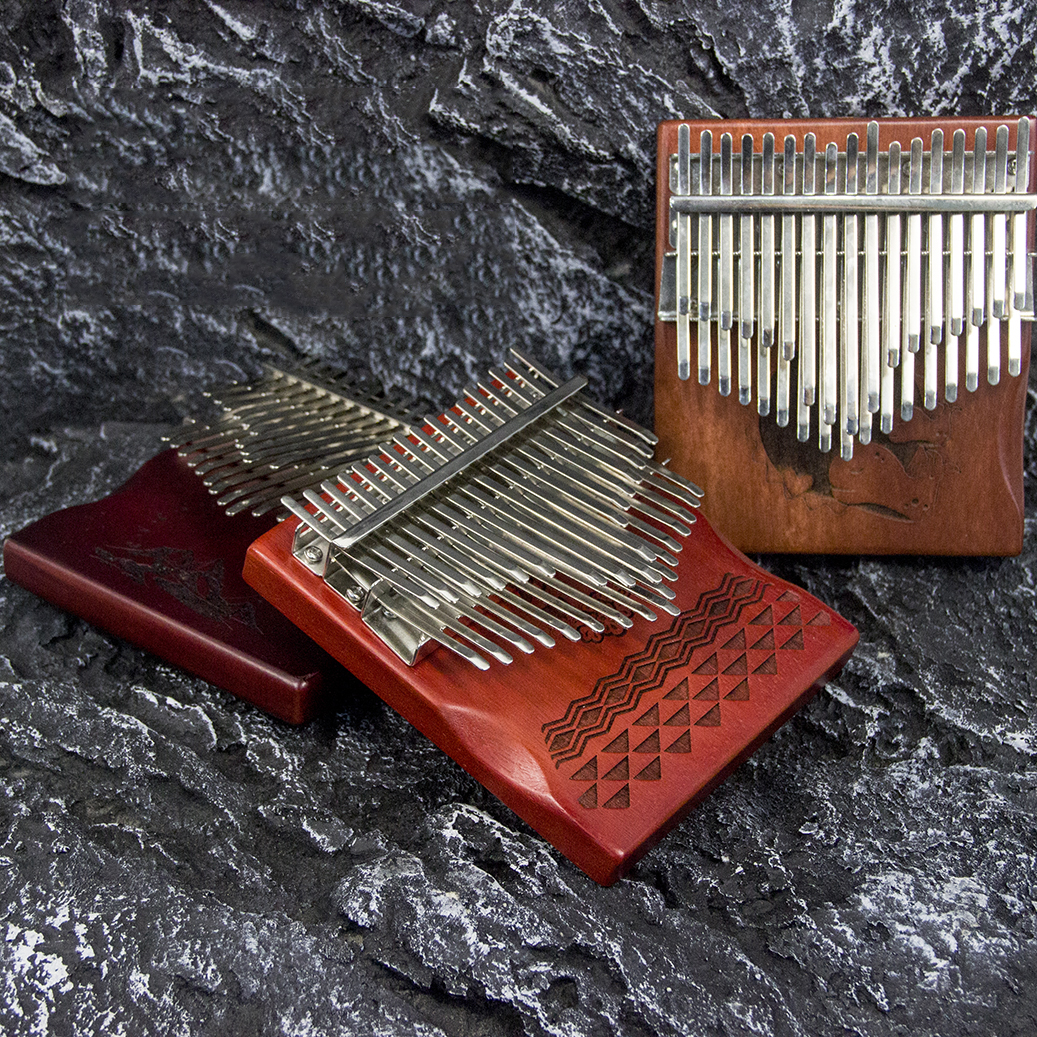

Fukuoka serves as the central economic and cultural engine of Kyushu, Japan. Known for its rich live music ecosystem spanning bustling districts such as Daimyo, Tenjin, and Nakasu, the regional demand for high-grade stringed instruments continues to evolve rapidly. Musical instrument retailers, educational chains, and regional wholesale importers in Fukuoka face a distinct set of end-user preferences: Japanese players prioritize acoustic tonal clarity, impeccable fretwork finish, optimal string action, and long-term instrument stability under varying climatic conditions.
Unlike mass-market beginner instruments, solid top guitars (utilizing solid Sitka spruce, Engelmann spruce, or solid cedar soundboards) represent the sweet spot for the Fukuoka retail market. A solid soundboard vibrates as a single continuous piece of tonewood, unlocking richer harmonic overtones, superior dynamic range, and a physical phenomenon highly prized by Japanese acoustic purists: acoustic maturation (or "opening up" over years of playing).
However, sourcing solid top guitars for the Kyushu peninsula requires strict manufacturing protocols. The marine climate of Fukuoka experiences significant relative humidity swings—from damp, humid summers influenced by the Tsushima Current to drier winter air. For B2B importers, buying non-climate-controlled solid top instruments often results in high defect rates, including top bellying, bridge lifting, neck warping, and fret sprouting.
While Japanese customs (Ministry of Finance Customs and Tariff Bureau) enforces national standards, international CE Certification (Conformité Européenne) and RoHS (Restriction of Hazardous Substances) compliance serve as global benchmarks for material safety, environmental responsibility, and structural build quality. For Fukuoka-based distributors sourcing from overseas guitar factories, CE certification offers critical commercial safeguards:
When building a product catalog for the Fukuoka retail environment, procurement managers must carefully evaluate the technical trade-offs between laminated construction, solid top acoustic engineering, and full-solid instruments. Below is an engineering comparison matrix designed for wholesale buyers:
| Acoustic Attribute | Standard Laminated Top | CE Certified Solid Top (NFGF Spec) | All-Solid Wood Construction |
|---|---|---|---|
| Soundboard Resonance | Restricted vibrational velocity due to cross-grained glue layers | High acoustic velocity (5,000+ m/s); rich harmonic overtones | Maximum resonance across entire frequency spectrum |
| Tonal Aging ("Opening Up") | Static sound; tone does not alter over time | Matures significantly over 12–24 months of play | Matures extensively; highly sensitive to playstyle |
| Humidity Tolerance (Kyushu Climate) | High resistance to humidity cracking, low resonance | Optimized stability via quarter-sawn bracing & 8-10% EMC kiln drying | Requires strict humidity control (45-55% RH) |
| Target Retail Tier in Japan | Beginner / Entry-level school outfits | Intermediate, Pro-sumer & Live Performance Series | Boutique / High-End Collector Outlets |
| B2B Cost-to-Performance Ratio | Low unit cost; limited margins | Optimal wholesale ROI; high consumer re-sale value | High capital investment; longer turnover cycles |
At Huizhou NFGF Musical Instrument Co., Ltd. (operating from our 5,100 m² SGS-audited manufacturing facility in Qiuchang, Huiyang District, Huizhou), our acoustic engineering team applies rigorous timber processing methods specifically targeted at solving humidity-related issues for Japanese coastal destinations.
We source vertical-grain Sitka and Mahogany tops with a minimum grain density of 12-16 rings per inch. Quarter-sawn cutting yields maximum longitudinal stiffness while resisting lateral cupping under humidity fluctuation.
Raw tonewood blocks undergo multi-stage automated dehumidification kilns until the Equilibrium Moisture Content (EMC) stabilizes strictly between 8% and 10%, perfectly matching Kyushu's indoor environment.
Our solid tops feature computerized CNC-milled, hand-voiced scalloped X-bracing made from light Sitka spruce, optimizing bass response and projection without sacrificing structural integrity.
Established in 2014, Huizhou NFGF Musical Instrument Co., Ltd. has grown into a premier OEM and ODM manufacturer integrated with full-cycle R&D, production, and direct export capabilities. Situated in Guangdong's famous instrument-making industrial cluster, our factory spans over 5,100 square meters and houses 53 skilled luthiers and technicians.
Our comprehensive product matrix encompasses electric guitars, kids' electric guitars, electric basses, acoustic folk and classical guitars, ukuleles, kalimbas, kazoos, steel tongue drums, effects pedals, and precision accessories. Every instrument produced in our workshop adheres to an 8-stage Quality Control Protocol:
Below are detailed technical answers to common questions asked by Fukuoka retail owners, music school buyers, and regional distributors:
We utilize export-grade 5-ply corrugated outer cartons reinforced with custom high-density EPE foam cradles. Each solid top guitar is packed in a moisture-sealed polyethylene barrier bag containing industrial silica desiccant packs to maintain an internal relative humidity of 50% throughout ocean transport from Shenzhen/Guangzhou ports to Hakata Port, Fukuoka.
For standard electric and acoustic guitar models, our sample MOQ starts at just 1 piece. For custom logo laser engraving or headstock decal branding, MOQ typically starts at 10–20 pieces depending on instrument complexity. Ukuleles start from 2 pieces, while accessories and thumb pianos start from 100 pieces.
Yes. All lacquers, binding materials, fingerboard treatments, and metal hardware coatings used in our facility comply with CE, RoHS, and REACH guidelines. We guarantee zero lead, heavy metal, or formaldehyde off-gassing, ensuring smooth customs clearance at Japanese port authorities.
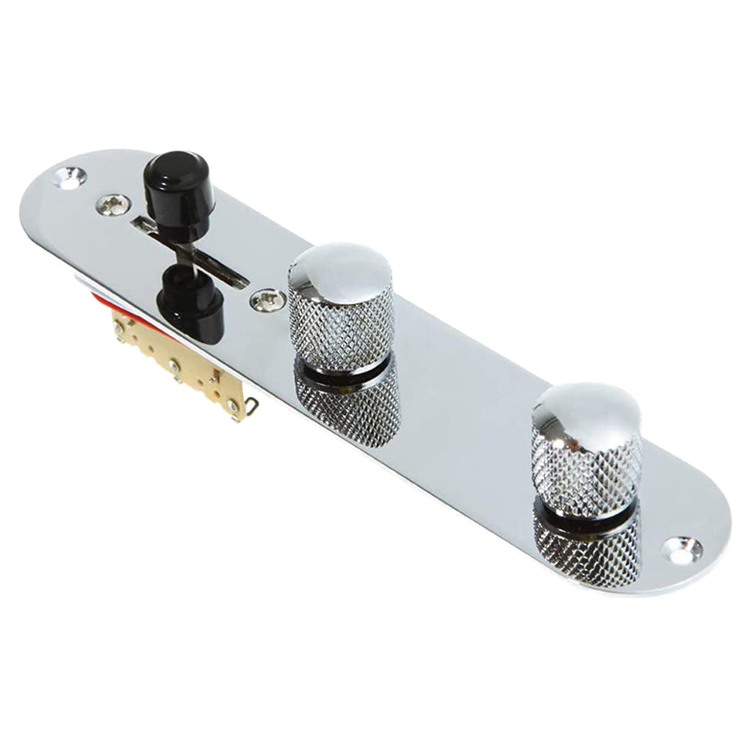
Absolutely. As a full-line manufacturer, NFGF encourages mixed-SKU container consolidation. Fukuoka importers can combine solid top acoustic guitars, headless electric guitars, fanned-fret basses, 34-key kalimbas, and pre-wired pickguards into a single LCL or FCL shipment to optimize freight efficiency.
All our guitar necks feature dual-action steel truss rods capable of two-way relief adjustment. Furthermore, neck timbers undergo carbonization (roasting) or multi-ply maple/mahogany lamination for modern electric and bass models, drastically reducing thermal expansion and contraction.
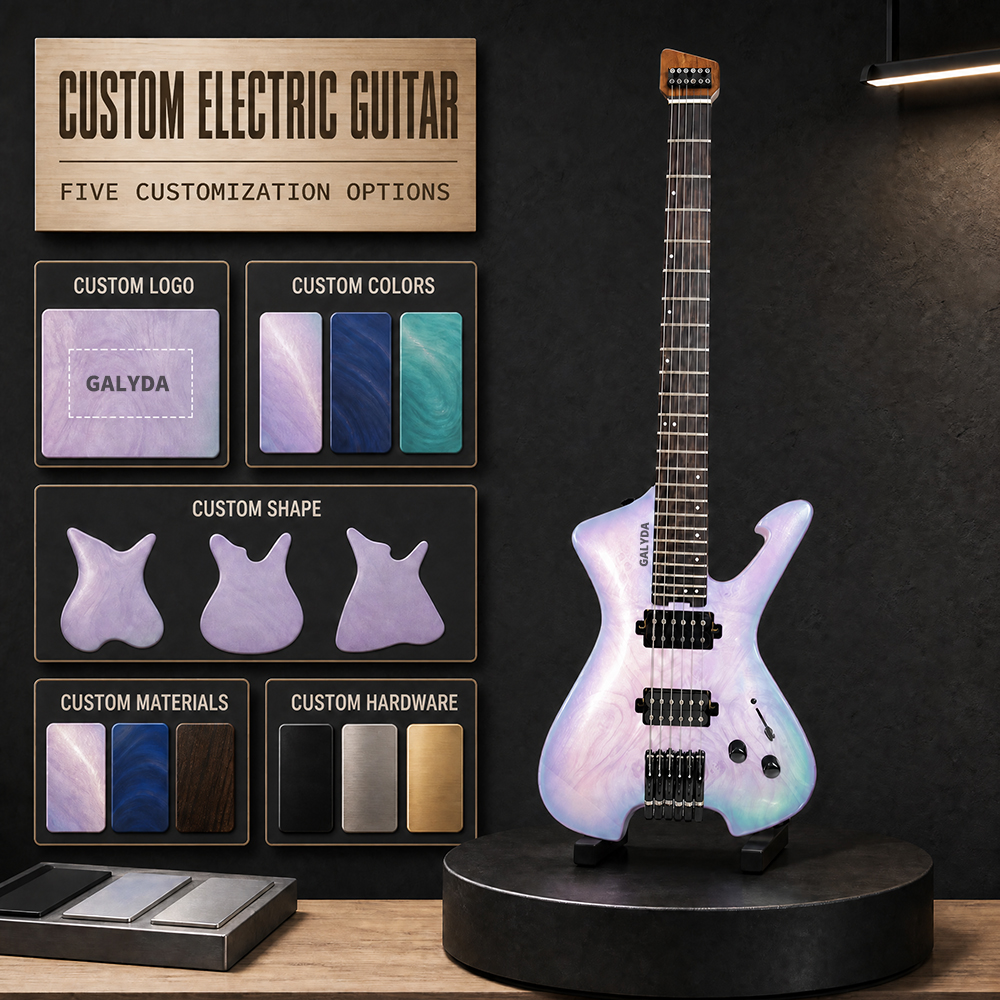
Our in-house R&D team provides complete CAD/CAM design services. Retailers can request customized body contours, wood veneers (such as burl maple or flame maple), pickguard layouts (SSS, HSS, HSH), active preamp additions, and custom finish colors by submitting physical samples or digital design files.
Expand your Fukuoka store catalog or private-label brand with CE-certified solid top guitars, basses, and custom accessories built for reliability and tone excellence.