Precision-Engineered Electric Guitars, Basses & Stringed Systems
Manufactured to European CE compliance specifications with custom wound string tolerances, ready for rapid dispatch and localized brand assembly in Georgetown.

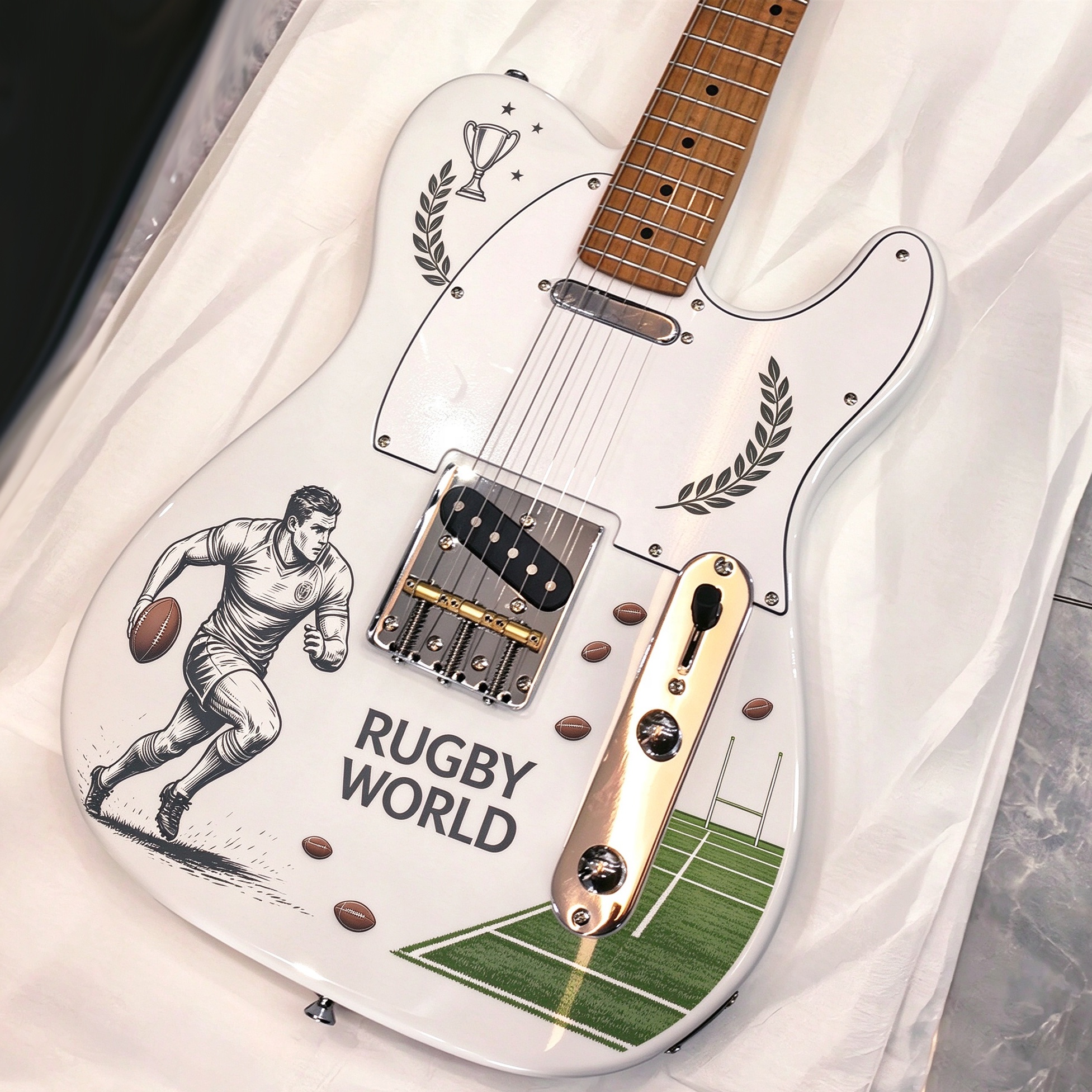
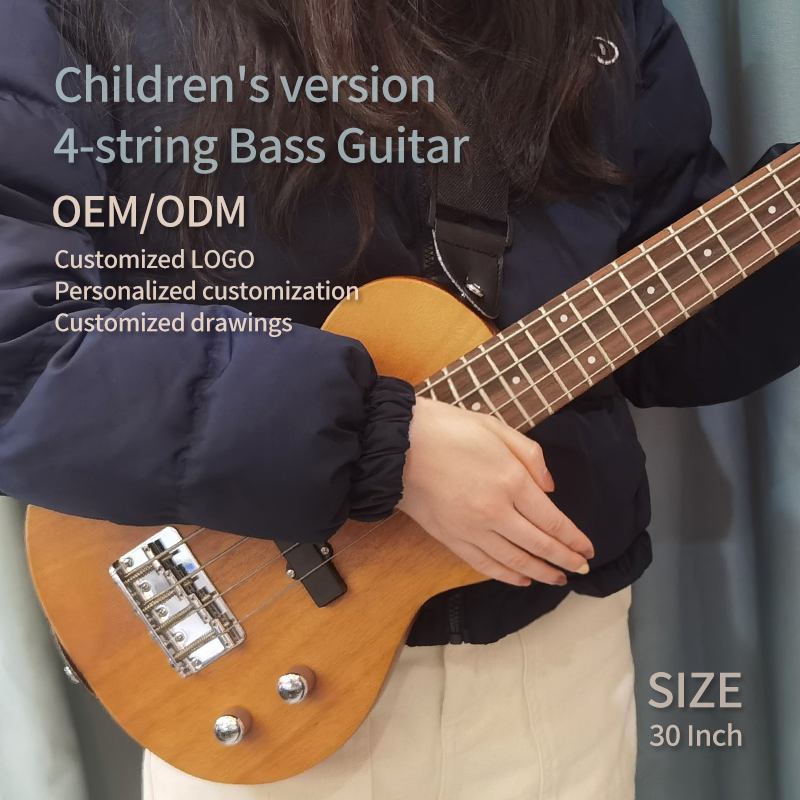
High Quality 30-inch Four-String Electric Bass Factory Direct OEM Made in China

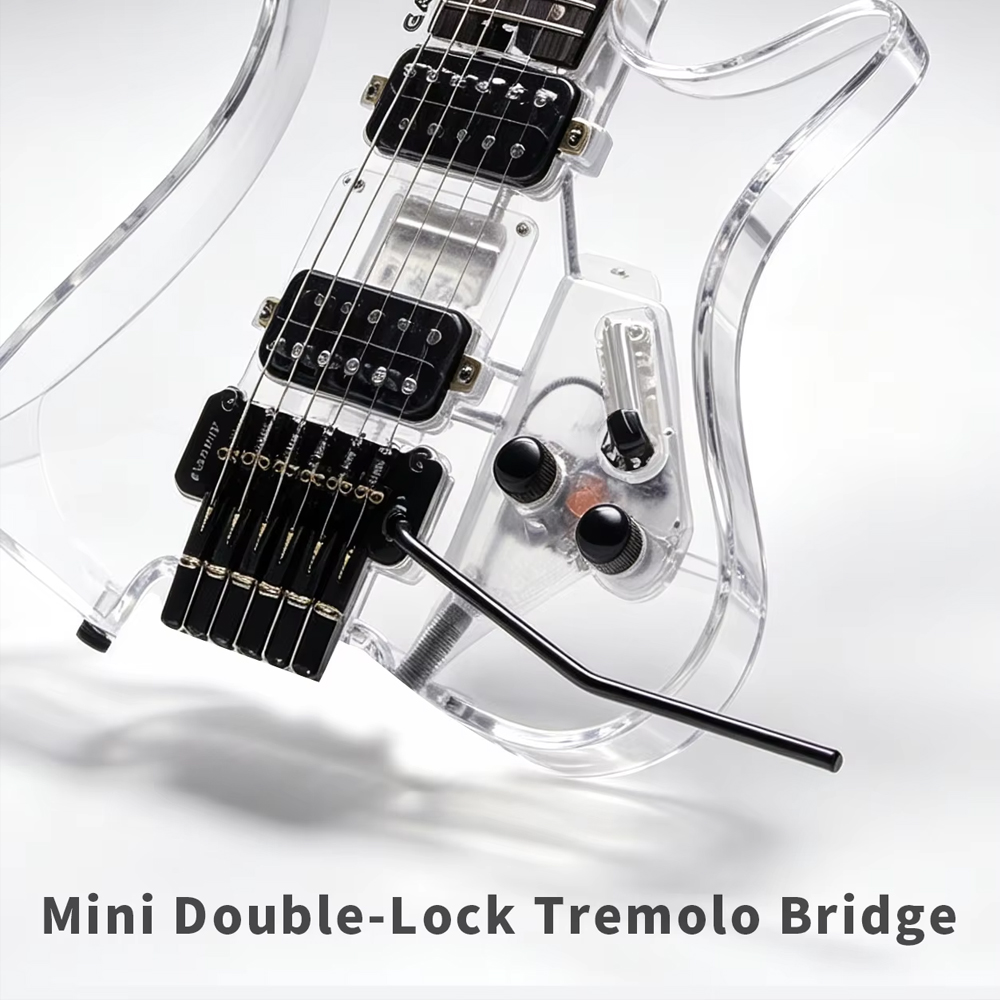
AG Headless Electric Guitar With Maple Neck Acrylic Body and Small Double-wire Tremolo Bridge
Precision String Metallurgy: CE Standards for Electro-Acoustic Coupling
In electric guitar performance, the mechanical string is not merely a passive tension wire; it functions as the primary electromagnetic oscillator inducing voltage alterations across electromagnetic pickup pole pieces. For regional distributors and studio retailers across the Georgetown market, securing strings that provide consistent permeability, high tensile elasticity, and total chemical stability against tropical humidity is paramount.
Our Huizhou manufacturing facility utilizes computer-controlled hexagonal core winding processes. The hex-core architecture forces the external wrap wire—whether high-grade nickel-plated steel or pure 80/20 bronze alloy—to physically bite into the six sharp interior apexes. This mechanical lock prevents internal core slipping during aggressive string bending, whammy bar actuation, or alternate dropped tunings. When coupled with our CE-certified electro-magnetic plating, the result is zero microphonic buzzing, prolonged intonation retention, and predictable harmonic overtones throughout the 12th to 24th fretboard octave register.
CE Certification ensures strict adherence to Directive 2011/65/EU (RoHS) and EN 71 safety frameworks, certifying that our nickel windings and coated surfaces contain no toxic heavy metals, lead migrators, or volatile solvents that degrade skin contact safety or corrode internal guitar electronics over long-term warehouse storage.
Georgetown's microclimatic exposure—characterized by marine proximity, elevated humidity, and frequent thermal fluctuations between air-conditioned stage environments and humid outdoor performance spaces—presents severe challenges for string oxidation. Untreated plain steel and unprotected wound cores routinely suffer rapid galvanic corrosion, creating premature tonal dampening, fretting wear, and tensile brittleness.
To eliminate these pain points for Georgetown importers, our strings incorporate a proprietary sub-micron molecular vapor coating applied prior to ball-end twisting. This nanometer barrier shields against sweat-borne chlorides and atmospheric oxidants without insulating the string from electric string grounding circuits, preserving uncompromised treble clarity, rapid tactile response, and sustained sustain curves.
| Component Parameter | Material Formulation | Manufacturing Precision | Acoustic & Mechanical Benefit |
|---|---|---|---|
| Hexagonal Core Wire | Swedish High-Carbon Steel (0.80% - 0.85% C) | ±0.005 mm tensile calibration | Eliminates internal slippage, stabilizes pitch during aggressive picking. |
| Outer Wrap Metallurgy | Nickel-Plated Steel / Pure Nickel 200 | Micro-uniform automated tension winding | High electromagnetic inductance, balanced mid-frequency bite, long sustain. |
| Ball-End Lock Construction | Solid Brass Lock Bead with Reinforced Twist | Dual-cycle machine tie with CE safety test | Prevents sudden bridge anchoring release under extended tremolo pulling. |
| Environmental Barrier | Nanometer Hydrophobic Anti-Oxidation Layer | Uniform thermal vapor deposition | Resists 95% coastal ambient humidity without altering natural string vibration. |
Localized Deployment Scenarios in the Georgetown Market
Strategic integration pathways for musical instrument importers, regional retail chains, commercial recording facilities, and professional touring companies.
Commercial Stage & Live Touring
Georgetown's bustling live music venues and festival circuits demand electric guitars and replacement string sets that withstand high-tension gigging without pitch degradation. Our reinforced lock-twist plain strings and 5-string extended scale bass systems maintain tuning integrity under intense humidity, reducing on-stage breakages and downtime.
Professional Recording Studios
High-end audio tracking requires immaculate harmonic clarity and near-zero magnetic balance variance across string sets. By pairing custom-wound coils with tight-tolerance magnetic strings, audio engineers capture crisp dynamic transients, clean DI tracking, and consistent overdrive saturation without erratic frequency spikes.
Music Conservatories & Education
Institutional procurement demands durable, easy-playing setups with low action and non-fatiguing string compliance. Our beginner ST configurations, 30-inch short scale basses, and 36-inch folk guitars deliver accessible ergonomics for young students while minimizing maintenance overhead for school music departments.
Regional Sourcing Evolution Across Georgetown & Associated Trade Hubs
The musical instrument distribution landscape across Georgetown has transitioned away from generic, unverified trading channels toward direct manufacturer collaboration. As consumer sophistication increases, retail buyers and regional wholesalers require full transparency across manufacturing protocols, environmental safety credentials, and supply chain scalability.
Demand for Custom Micro-Branding
Georgetown instrument retailers are bypassing generic imports to build proprietary private-label instrument and string collections. NFGF accommodates this shift with minor and full design-based ODM services, offering low MOQ thresholds starting from 1 piece for standard instruments and custom logo foil vacuum packaging for strings.
String Anti-Corrosion Longevity
Due to the aggressive local coastal environment, conventional untreated copper and steel strings tarnish within weeks of shelf display. Importers increasingly demand hermetically sealed nitrogen-flushed packaging coupled with nanocoated core technologies that guarantee 24-month warehouse storage shelf-life without acoustic loss.
One-Stop Multi-Category Sourcing
Rather than managing distinct suppliers for electric guitars, basses, effects pedals, amplifiers, and string accessories, Georgetown purchasing executives are consolidating container freight under a unified ISO/SGS verified vendor. NFGF's broad product line reduces customs documentation, tariff classification risks, and international shipping overhead.
Why Leading Global Brands Partner with NFGF Musical Instruments
Combining the industrial manufacturing scale of Qiuchang's musical instrument cluster in Huiyang District, Huizhou, with master craftsmanship and independent certification.
5,100 m² Integrated Facility
Established in 2014, our modernized plant houses heavy-duty CNC routing machines, automatic thickness sanders, high-gloss automated buffing stations, and dust-free environmental spray booths under one roof. We eliminate secondary subcontracting to secure end-to-end quality assurance.
Independent SGS & CE Audit Verified
Our operational management, incoming tonewood seasoning lines, chemical handling, and pre-shipment acoustic playability testing protocols are independently verified by the SGS Group on-site (latest complete audit November 2025), carrying valid CE and FCC compliance declarations.
Agile Customization & Low MOQ
We empower regional music brands, boutique workshops, and startup importers by supporting sample testing from 1 piece on standard electric and bass models, 2 pieces on ukulele lines, and customized gauge combinations for strings, ensuring low-risk product validation in Georgetown.
Frequently Asked Questions by Georgetown Buyers & Importers
Clear, direct answers regarding international freight, CE compliance, private labeling, and quality verification.
What certifications accompany string and electric instrument shipments to Georgetown?
Every commercial consignment ships with CE Declaration of Conformity documents and RoHS chemical safety compliance records verifying that wire alloys, surface coatings, pickguard plastics, and internal potentiometers adhere to EU and North American non-toxicity criteria. On-site SGS factory audit verification reports (November 2025) are also available upon request.
How do you protect electric guitar strings and raw tonewoods against marine humidity in transit?
Guitar string sets are packed in hermetically sealed, nitrogen-flushed metallic foil sachets that isolate the steel and nickel windings from atmospheric oxygen and saltwater vapor. Finished guitars and basses undergo kiln conditioning to 8%-12% core moisture content, wrapped in sealed high-density anti-static foam sleeves, and packed in reinforced 5-ply corrugated export master cartons with industrial desiccant packs.
What are the minimum order quantities (MOQ) for custom private-label branding?
We maintain an agile MOQ policy: standard electric and acoustic guitar models support sample trials from 1 piece; ukulele lines start at 2 pieces; specialized steel tongue drums start at 10 pieces. For custom string packaging or custom headstock laser-engraving and silk-screen graphics, volume tiers generally begin at 100 units, allowing Georgetown distributors to test their regional market with minimal capital lockup.
Can we order mixed containers encompassing electric guitars, basses, amps, and strings?
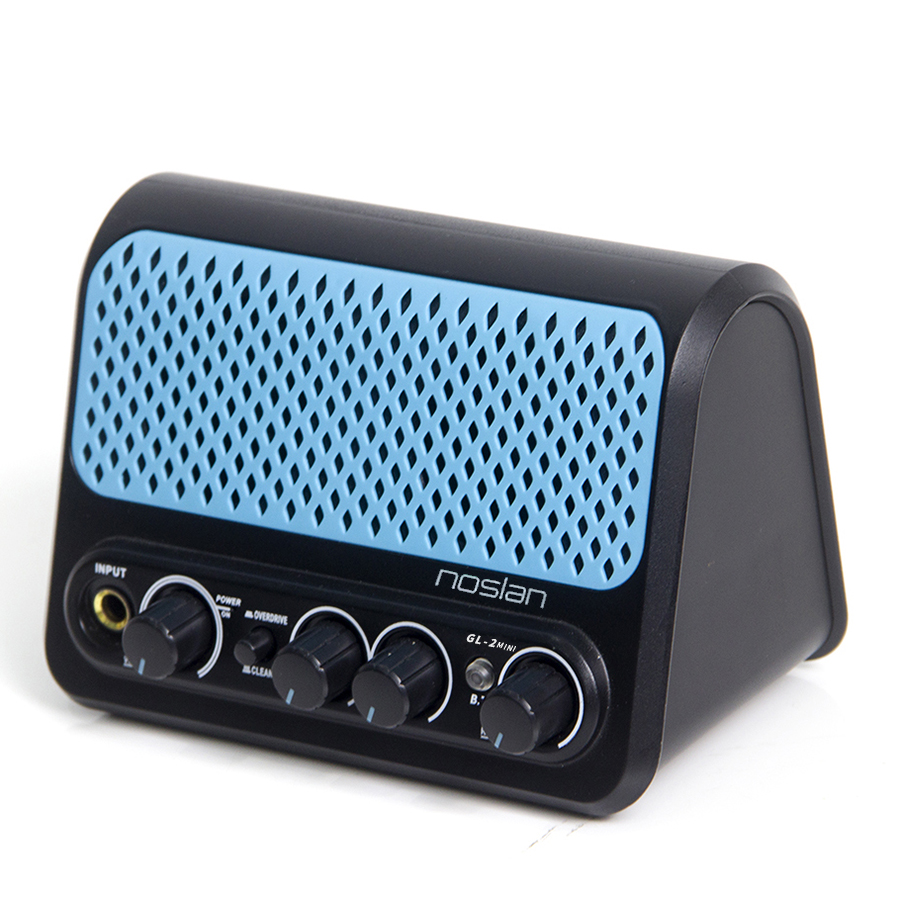
Yes. Consolidating your procurement across our catalog—including 4/5-string electric basses, ST/LP electrics, headless travel instruments, 10W portable rechargeable guitar amps, effects pedals, and guitar string sets—in a single consolidated container shipping from Shenzhen/Guangzhou ports to Georgetown optimizes freight space and dramatically slashes customs clearance agency costs.
What quality control inspections take place prior to freight dispatch?
Our four-stage inspection protocol covers: 1) Incoming raw tonewood moisture check and alloy tensile pull tests; 2) In-process dimensional tolerance audits after CNC routing and manual fret crowning; 3) Electronic circuit conductivity, potentiometer noise, pickup phase matching, and neck action adjustment; and 4) Pre-boxing visual cosmetic reviews under high-CRI inspection lamps.
Request Technical Specifications, OEM Pricing & Factory Samples
Connect with NFGF's specialized international engineering and sales department to discuss custom scale lengths, tonewood requirements, CE certification documentation, and container volume schedules serving the Georgetown commercial market.