5,100 m²
SGS-Verified Workshop
100+
Utility & Design Patents
53+
Master Luthiers & Techs
1 Piece
Flexible OEM/ODM Baseline
Factory Precision Portfolio
Export-Grade Instruments Engineered for Discerning Retailers
Every model undergoes automated CNC milling, multi-phase kiln desiccation calibrated for tropical relative humidity, and responsive onboard preamp configuration suitable for Latin American distribution.


Market Specifics & Acoustic Engineering
Localized Applications Across the Dominican Musical Ecosystem
The Dominican Republic presents a dynamic musical landscape where high humidity, aggressive percussive performance techniques, and live stage demands govern instrument longevity.
Bachata Requinto & Segunda Demands
Dominican Bachata is structurally anchored by the lead requinto and the accompanying rhythm guitar. Musicians demand high-register articulation, razor-thin action without fret buzz, and piezo transponders that transmit metallic, staccato picking through outboard preamps without feedback saturation.
Punta Cana & Resort Hospitality Stages
The extensive hospitality infrastructure along Punta Cana, Bavaro, and La Romana employs thousands of performing musicians year-round. Live instruments are subjected to open-air saline environments, fluctuating marine breeze, and rigorous 6-hour performance schedules demanding heavy-duty hardware coatings.
Academic & Church Community Ensembles
From the National Conservatory in Santo Domingo to hundreds of community parish institutions across Cibao, there is sustained institutional demand for durable classical and folk instruments with built-in electronics that tolerate beginner handling while delivering balanced projection.
Engineering Intelligence
Solving Tropical Acoustic Instability: The NFGF Advantage
Exporting string instruments into Caribbean climates requires solving an immediate physics dilemma: relative atmospheric humidity fluctuating between 75% and 92%. Standard solid-top guitars shipped directly from temperate or inadequately acclimatized factories inevitably suffer from belly lift, glue plasticization, neck bowing, and compromised fret tang retention.
At our 5,100 m² SGS-verified facility in Huizhou, tonewood curing is approached through scientific conditioning. Utilizing computer-controlled drying kilns, our spruce, carbonized maple, mahogany, and basswood blanks undergo cyclic dehumidification until stabilized at an internal moisture equilibrium of 8% to 10%.
Furthermore, our acoustic-electric bodies incorporate proprietary bracing layouts that balance top elasticity with reinforced bridge plate stabilization, preventing structural distortion under high-tension bronze winding used extensively in Dominican rhythm ensembles.
Target Humidity
Stabilized for 65%-85% Caribbean ambient conditions
Neck Architecture
Double-action carbon-composite or dual steel truss rods
Finish Chemistry
Ultra-thin UV-cured polyurethane resistant to milky haze
Preamp Options
Under-saddle active piezo systems with integrated 3-band EQ
Fret Crown Finish
Ball-end rounded frets seated against climate fretboard shrinkage
Freight Routing
Desiccant-packed multi-ply outer export cartons via Caucedo port
Economic & Trade Trends
Macro Trends Transforming Instrument Procurement in the DR
Market consolidation, shifts toward direct container purchasing, and the emergence of domestic e-commerce brands are rewriting retailer margins across the Caribbean basin.
Disintermediation of Miami Importers
Historically, Dominican musical equipment stores in Santo Domingo purchased stock through middleman distributors in Florida. Spiraling logistics costs and layered distributor margins have accelerated direct-from-factory sourcing from China, improving landed gross profit margins by 28% to 42%.
Rise of Private Label Boutique Brands
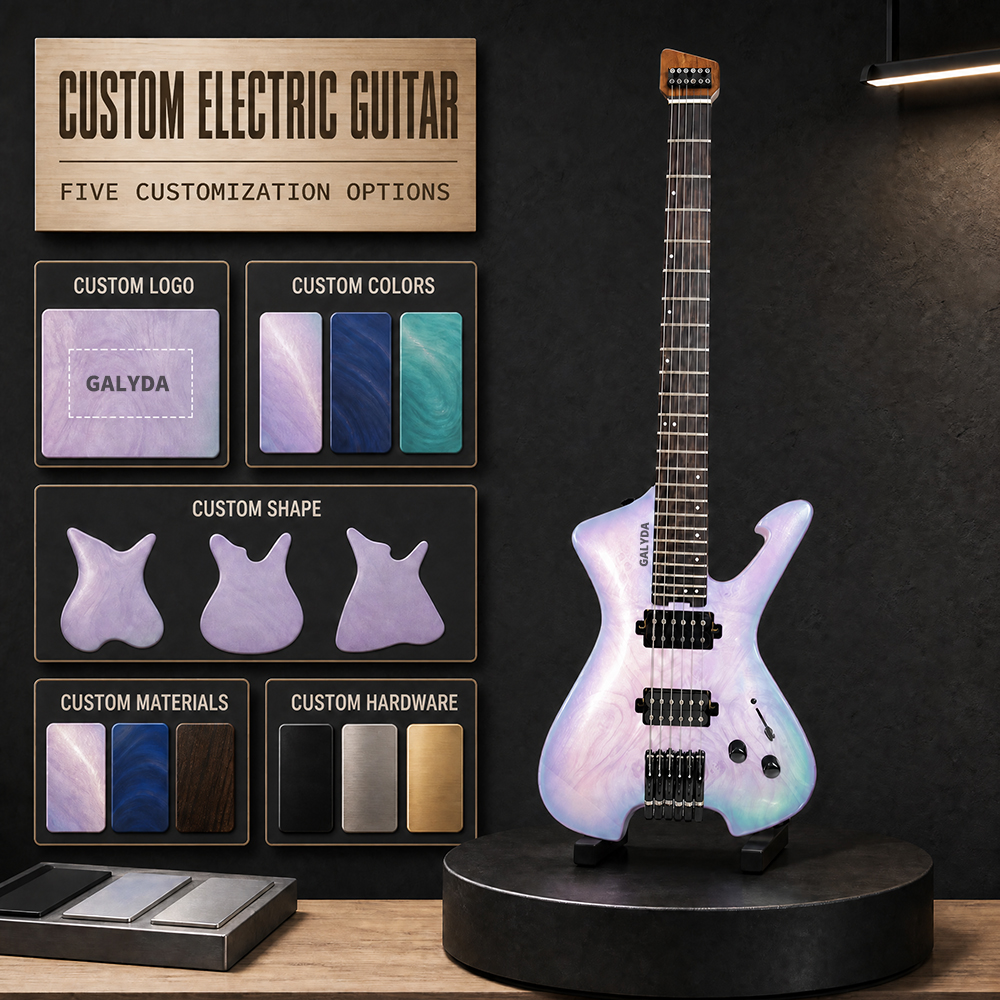
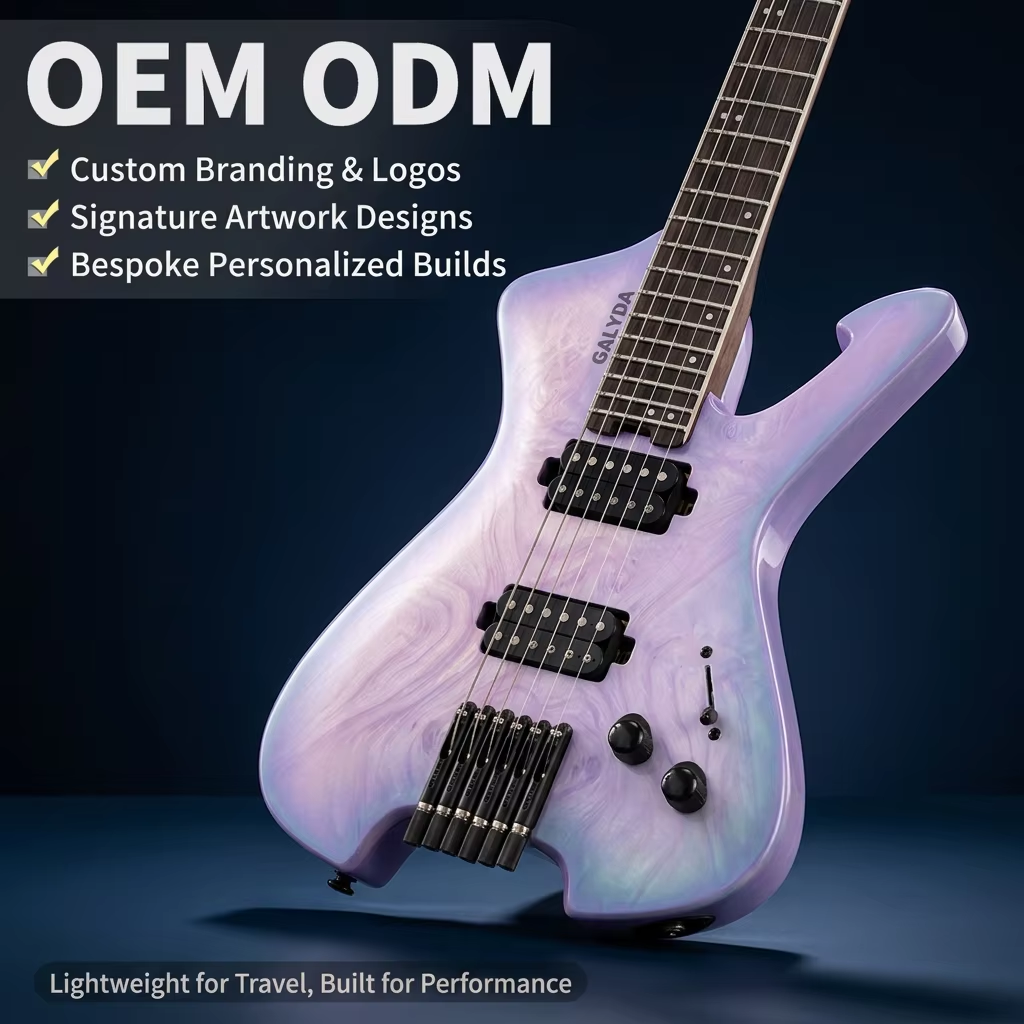
Influential Dominican recording studios, artist collectives, and regional music store chains are registering proprietary guitar marks. Our factory backs this shift with low-MOQ silk screening, custom laser headstock branding, and custom-tuned pickup circuitry that matches regional acoustic profiles.
Hybrid Acoustic-Electric Preeminence
Purely acoustic instruments are increasingly outpaced by cutaway electric-acoustic hybrids. Live gigging musicians prioritize direct XLR/quarter-inch outputs and on-board digital tuners to avoid microphone bleed on loud, percussion-heavy Merengue and Bachata platforms.
Rigorous Industrial Traceability
In-House Manufacturing Stages: Raw Lumber to Loading Dock
Zero sub-contractor dilution. All 8 fabrication tiers take place directly inside Huizhou NFGF's audited operational footprint.
PHASE 01
Tonewood Desiccation
Kiln curing stabilizes raw mahogany, spruce, and maple stock to rigid Caribbean-ready moisture targets before cutting.
PHASE 02
High-Precision CNC Profiling
Automated cutting ensures neck pockets, bracing carves, and pickup cavities execute within 0.02mm repeatable accuracy.
PHASE 03
Hand Luthiery & Sanding
Skilled craftsmen shape contours, level fingerboards, bevel frets, and ensure seamless body-to-neck heel transitions.
PHASE 04
Electrostatic Coating
Controlled spray booths apply durable polyester or thin nitrocellulose finishes with high-luster automated buffing.
PHASE 05
Electronics Integration
Pickups, potentiometers, switches, and under-saddle piezo pickups are soldered with shielded wiring to prevent RF hum.
PHASE 06
Acoustic Bench Setup
Action height, nut slot depth, intonation calibration, and neck relief are mechanically inspected on every individual unit.
PHASE 07
Full Bench QC Check
Output frequency testing, bridge tension load inspection, and visual cosmetic clearance by senior quality supervisors.
PHASE 08
Sealed Marine Packing
Moisture-absorbing desiccant inserts and reinforced 5-ply export master cartons safeguard against open-sea maritime cargo dampness.
Factory Pillars
Why Major Importers Trust NFGF Musical Instruments
Combining decade-long manufacturing reliability, certified quality controls, and comprehensive instrument portfolio versatility under one single supplier umbrella.
SGS Audited & Independently Verified
Operate with complete transactional confidence. Our 5,100 m² facility is on-site inspected and assessed by SGS Group, verifying raw material stores, production lines, labor standards, and pre-shipment testing protocols.
Proprietary Design Portfolio
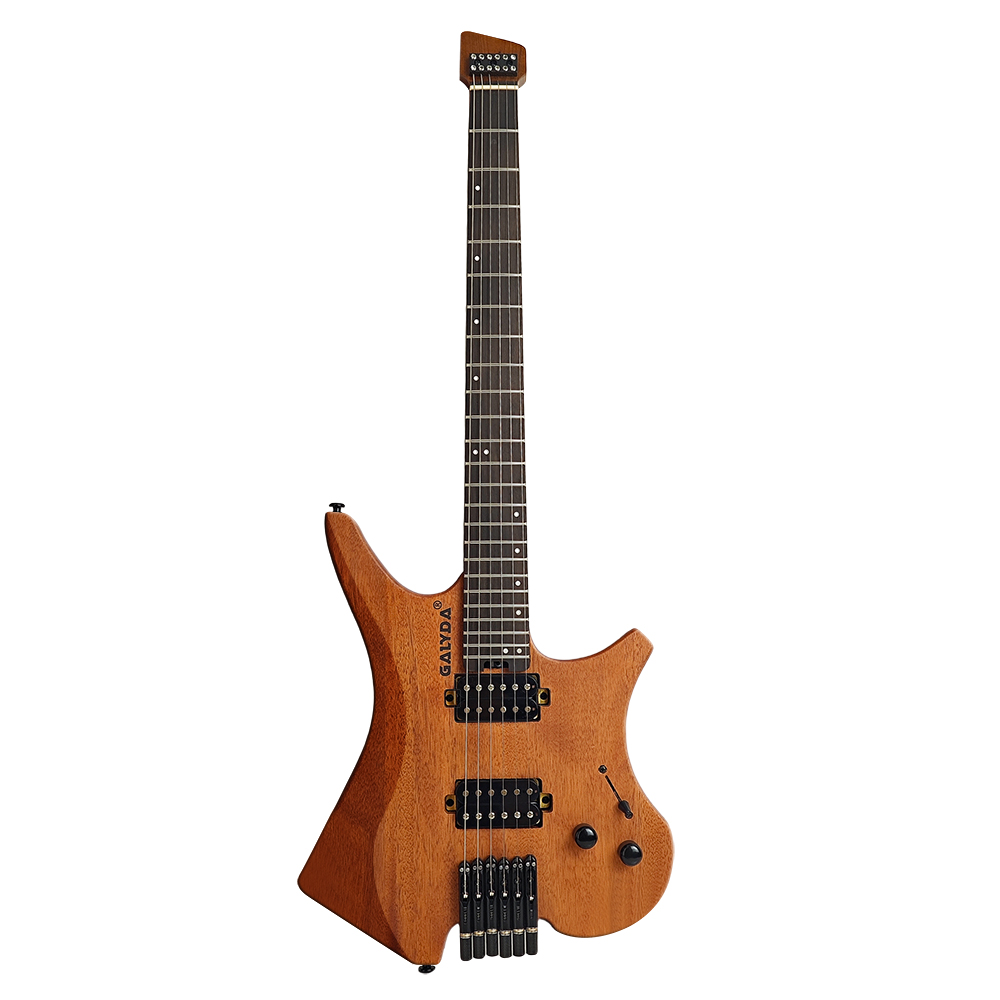
With more than 100 patents and design copyrights, our in-house engineering team crafts unique headless electric axes, ergonomic cutaways, and advanced bass profiles that safeguard your catalog against design infringement claims.
Consolidated Mixed-SKU Shipments
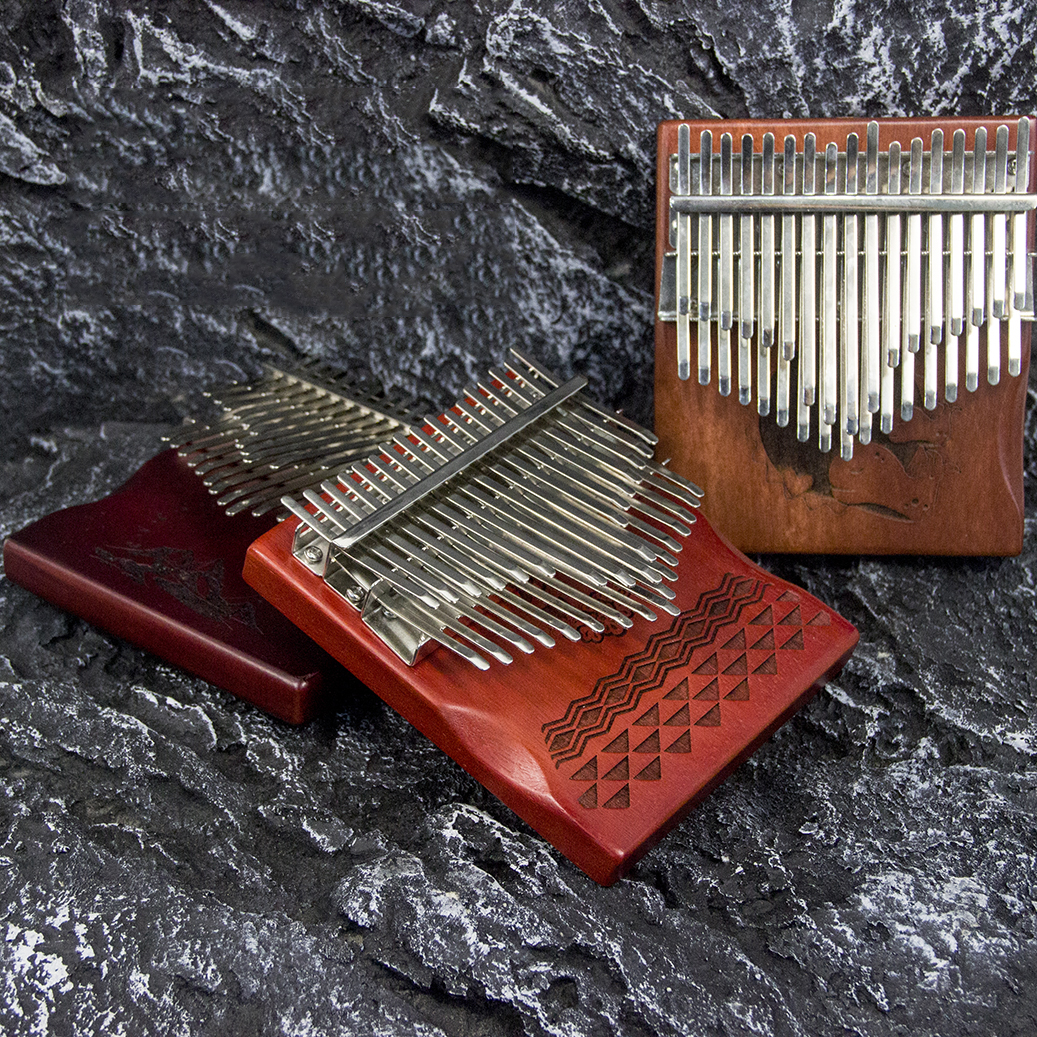
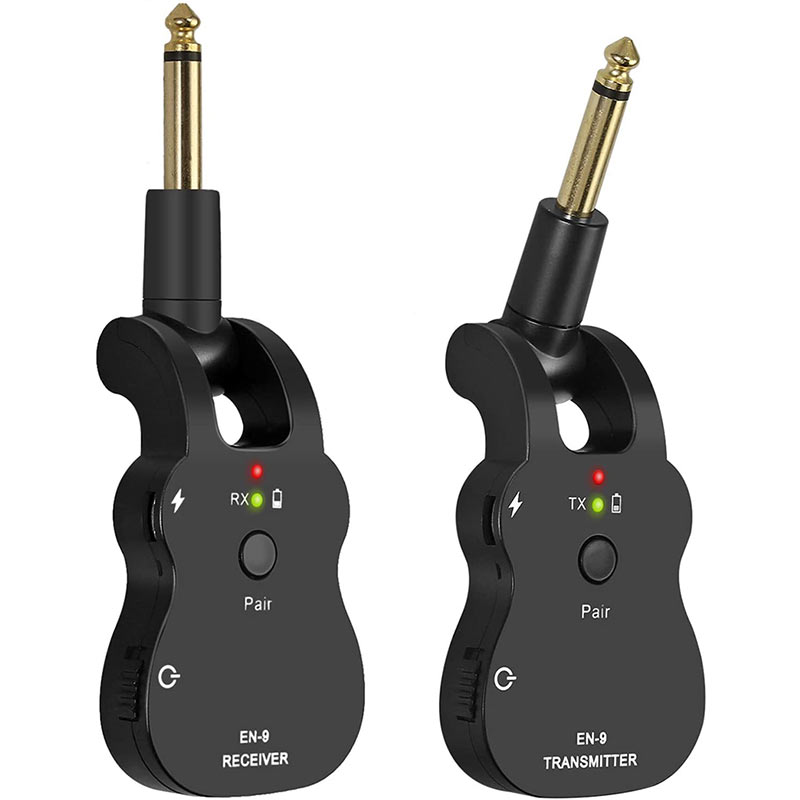
Maximize your container freight economics. Consolidate solid body electric guitars, acoustic-electric folk series, electric basses, ukuleles, solid mahogany thumb pianos, carbon steel tongue drums, and wireless transceivers in a single bill of lading.
Procurement Knowledgebase
Dominican Buyer & Importer FAQ
Essential guidance on minimums, customs clearing in the DR, wood compliance, and logistics to the Caribbean.
What is the minimum order quantity (MOQ) for custom brand shipments?
Our standard production allows sample evaluations starting from 1 piece on standard electric and acoustic instruments. For full custom headstock logos, silk-screen body work, and custom inner soundhole labels, MOQs begin conveniently at 30 to 50 units depending on the body finish specifications.
How are maritime shipments cleared through Port of Caucedo or Rio Haina?
We provide full commercial invoices, packing lists with detailed gross/net weights and dimensions, certificates of origin, and explicit Harmonized Tariff Schedule (HTS) codes for musical instruments. Your customs broker in Santo Domingo can effortlessly process clearance through DGA (Dirección General de Aduanas).
Are NFGF exported woods compliant with international CITES restrictions?
Yes. All wood varieties utilized across our facility—including technical rosewood alternatives, kiln-stabilized mahogany, basswood, and maple—comply strictly with international forestry standards and CITES Appendix II regulations, guaranteeing frictionless customs clearance without seizure risk.
Can you provide factory setup configurations calibrated for Bachata playing?
Absolutely. We can instruct our final bench luthiers to configure nut heights, bridge saddles, and neck truss tension to support extra-low string action with zero buzz on high registers, tailored specifically to fast-paced picking styles prevalent among Dominican artists.
What is the typical maritime transit timeline from Shenzhen/Guangzhou to the DR?
Maritime container shipping from South China ports to Caucedo or Haina generally averages 28 to 35 days depending on the shipping line (such as CMA CGM, Maersk, or Evergreen). Production lead time for custom container volumes ranges between 30 and 45 business days.
Can we bundle gig bags, digital wireless transceivers, and tuners together?
Yes. As a comprehensive instrument manufacturer, we provide complete, retail-ready starter bundles containing padded cases, cables, digital 2.4GHz wireless systems, and clip-on tuners packed directly in the same consumer-facing packaging for streamlined retail turnover.
Direct Factory Access
Initiate Your Dominican Instrument Supply Chain
Connect with our export engineering department to receive factory-direct wholesale pricing, custom OEM artwork specifications, and comprehensive container consolidation schedules.