Featured Instrument Sourcing Portfolio
SGS-Verified Factory Direct Supply | Low MOQ & Custom OEM/ODM Solutions

Executive Overview: Navigating Strategic Guitar Sourcing & Factory Partner Selection
The global musical instrument industry is undergoing a structural shift. Procurement directors, brand managers, and wholesale distributors no longer evaluate a top trusted guitar factory exporter merely on unit price. Instead, supply chain decisions in 2025 and beyond are dictated by verified manufacturing consistency, regulatory compliance (including CITES and Lacey Act enforcement), material stability, and agile OEM/ODM customization capabilities.
As competitive pressures intensify in major consumer markets across North America, Europe, and the Asia-Pacific region, importers face compounding risks: fluctuating wood moisture levels causing neck warping, sub-par hardware compromising tuning stability, erratic freight logistics, and intellectual property theft. Establishing a direct relationship with a legitimate, audited instrument manufacturer in China's primary production clusters—specifically Huizhou, Guangdong—provides the foundational security required to scale a brand sustainably.
Core Procurement Insight: The true cost of an imported guitar is defined by its post-arrival return rate. Partnering with factories utilizing automated CNC woodworking, climate-controlled kiln drying (targeting 6%–8% equilibrium moisture content), and multi-stage electronic QC reduces shelf returns from industry averages of 4.5% down to under 0.3%.
Enterprise Infrastructure: Huizhou NFGF Musical Instrument Co., Ltd.
Operating out of Qiuchang, Huiyang District, Huizhou City—the world's most concentrated hub for stringed instrument manufacturing—Huizhou NFGF Musical Instrument Co., Ltd. (est. 2014) represents the archetype of a modern, technology-driven OEM/ODM guitar factory. Audited on-site by SGS Group, NFGF integrates R&D, precision manufacturing, international trade compliance, and customized brand execution under a single standard operating structure.
Independently audited facility covering raw material testing, supply chain traceability, in-process routing, and finished product export packaging standards.
5-axis CNC machining centers carving body contours, neck profiles, and pickup cavities within tolerances of ±0.05mm for flawless neck-to-body joinery.
Supporting market entry for emerging boutique brands with initial sample runs starting at 1 piece for core electric guitars and bass models.
Technical Production Workflow & Quality Control Pipeline
To guarantee structural longevity and acoustic resonance, NFGF enforces an eight-stage controlled manufacturing pipeline. Unlike smaller assembly shops that outsource finishing and spraying, every phase is managed inside our 5,100 m² facility by our 53 dedicated luthiers and technical specialists:
- Climate-Conditioned Wood Preparation: Imported raw tonewoods (Mahogany, Basswood, Spruce, Rosewood, Maple) undergo multi-month seasoning and vacuum kiln drying to stabilize cellular tension.
- Automated CNC Routing: Precise volumetric carving of body pockets, truss rod channels, and fretboard radius slots.
- Luthier Jointing & Neck Fitting: Hand-checked neck pocket tolerances to maximize sustain and energy transfer across string anchor points.
- Multi-Stage Hand Sanding: Sequential grit sanding (from 180 to 800 mesh) removing micro-fissures prior to sealer coating.
- Cleanroom Electrostatic Spraying: Environmental-grade polyurethane (PU) and nitrocellulose finishes applied in climate-controlled spray booths.
- High-Gloss Buffing & Polishing: Automated mechanical buffing wheels paired with hand-polishing to achieve a mirror-clear, non-hazy depth of finish.
- Electronics & Hardware Integration: Solder-joint stress testing, pickup phase alignment, high-grade potentiometer installation, and shielding checks.
- Playability Setup & Acoustic Testing: Fret leveling, string action adjustment (1.5mm treble / 2.0mm bass at 12th fret), intonation calibration, and frequency spectrum analysis.
Sourcing Analysis: Technical Benchmarks Across Core Categories
To assist international buyers in structuring their seasonal ordering, the following technical evaluation breaks down key performance indicators, material compositions, and market application strategies for our primary product lines:
1. Solid Wood Electric Guitars (LP & ST Platforms)
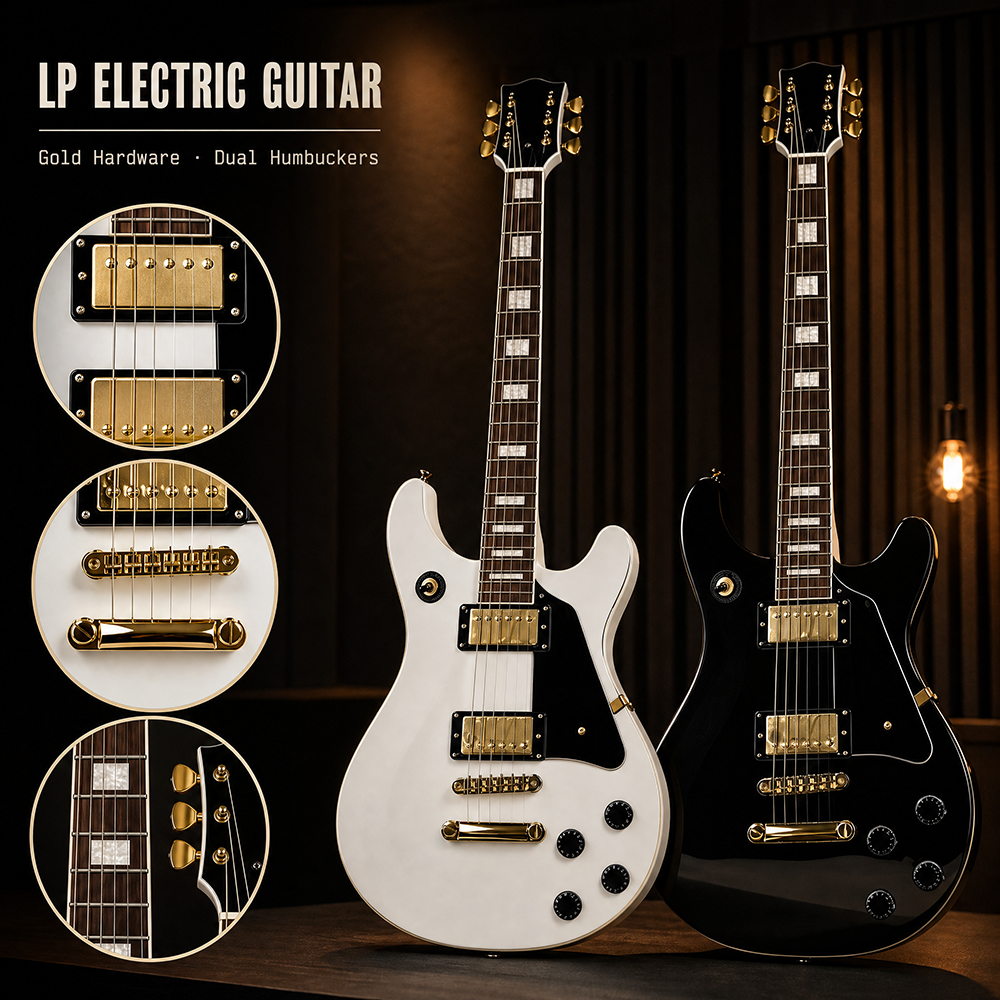
Solid body electric guitars remain the volume driver for global retailers. Our custom LP and ST platform instruments utilize high-density mahogany or basswood backings combined with premium figured maple veneers (burl, flame, or quilted). By utilizing alnico V magnet pickups and copper-shielded control cavities, these instruments deliver low signal-to-noise ratios suitable for both live stage and studio tracking environments.
2. Modern Ergonomic & Headless Guitars
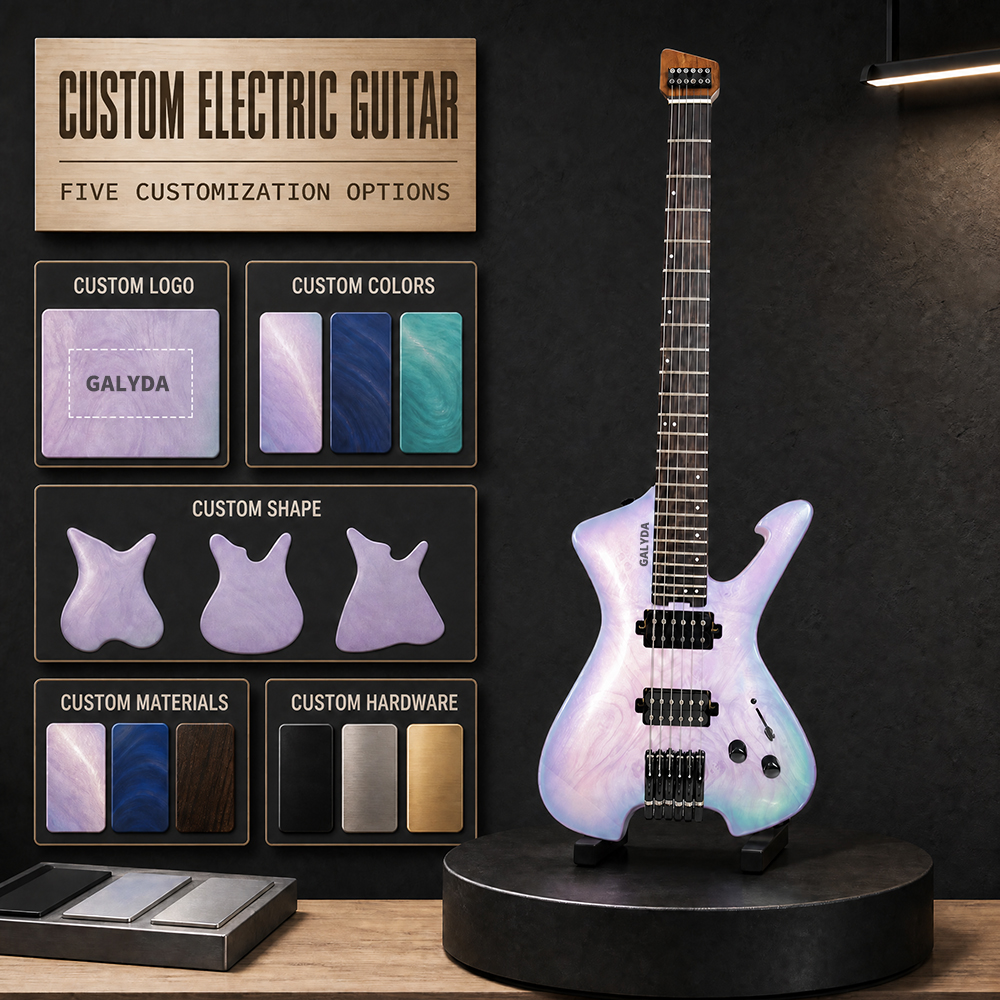
Representing the fastest-growing segment among touring musicians and contemporary players, headless 6-string and 7-string guitars eliminate the traditional peghead to rebalance total weight distribution. Featuring carbonized (roasted) maple necks, these instruments are virtually immune to seasonal humidity shifts, making them an ideal choice for international distribution across diverse climate zones.
3. Electric Basses & Scale-Length Innovations
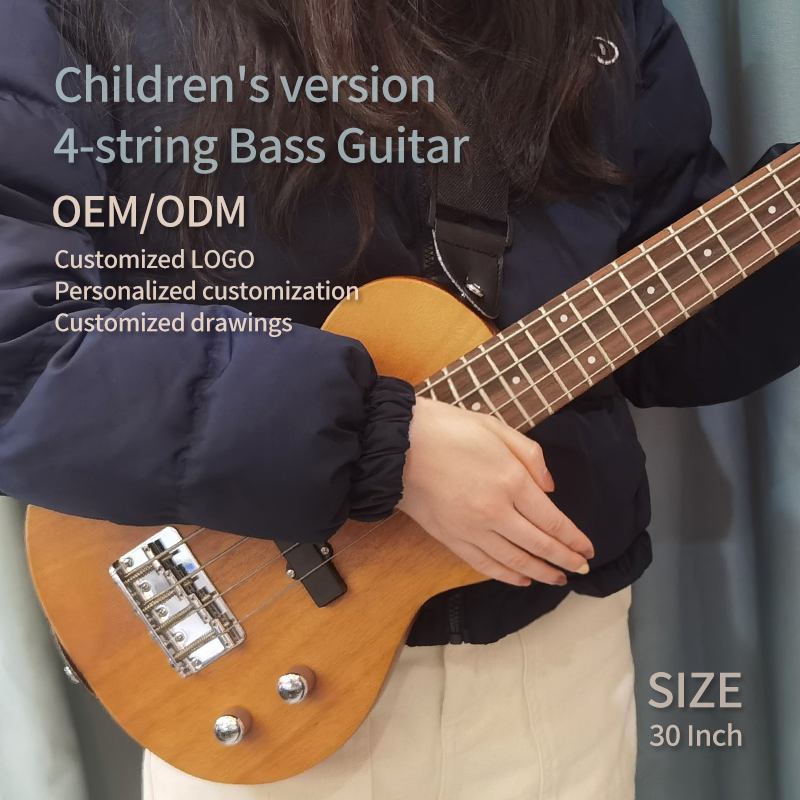
From compact 30-inch short-scale student models to 34-inch full-scale 4-string and 5-string professional basses, structural rigidity is paramount. NFGF utilizes dual-action steel truss rods alongside multi-laminate neck construction to withstand continuous string tension upwards of 180 lbs without relief deformation.
4. Digital Wireless Audio Systems & Amplification
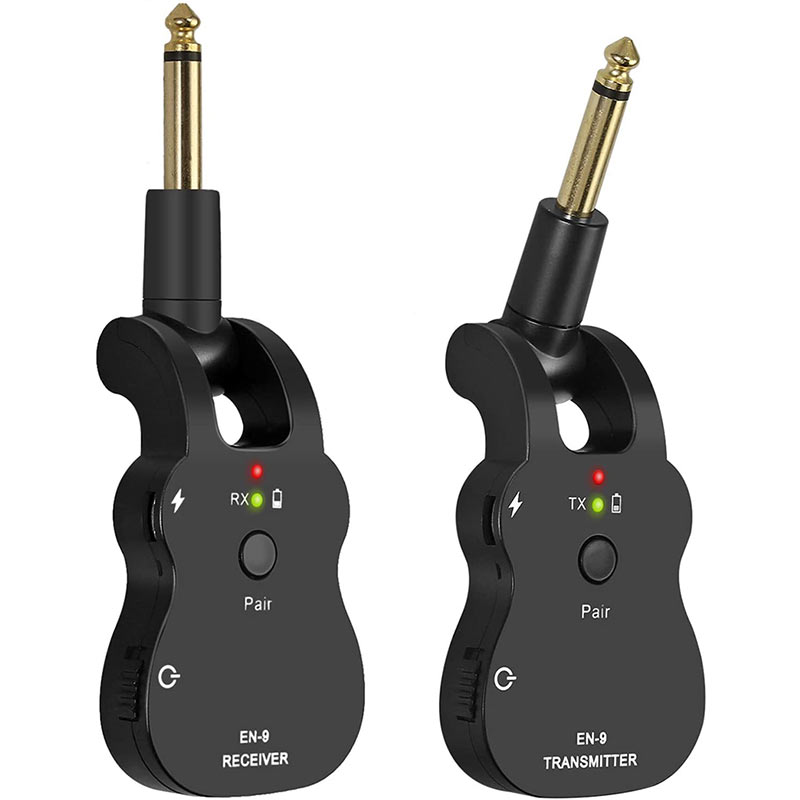
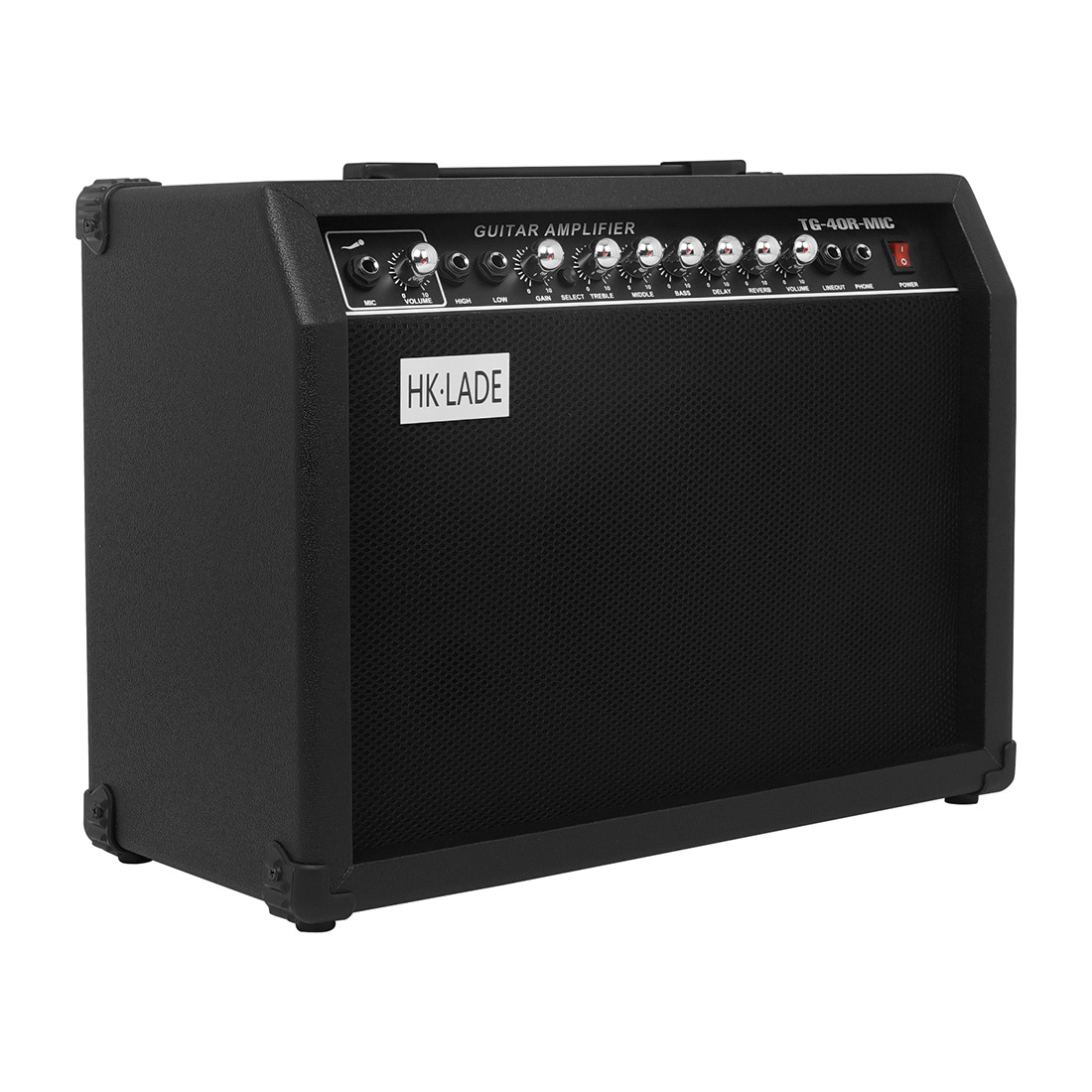
In response to modern stage requirements, our digital 2.4GHz wireless guitar transmitters deliver uncompressed 24-bit/48kHz audio transmission with latency under 5ms and an operational range exceeding 30 meters. Paired with our 40W rechargeable outdoor amplifiers, retailers can offer plug-and-play performance bundles with high margin potential.
5. Folk Acoustic, Ukuleles, and Folk Percussion
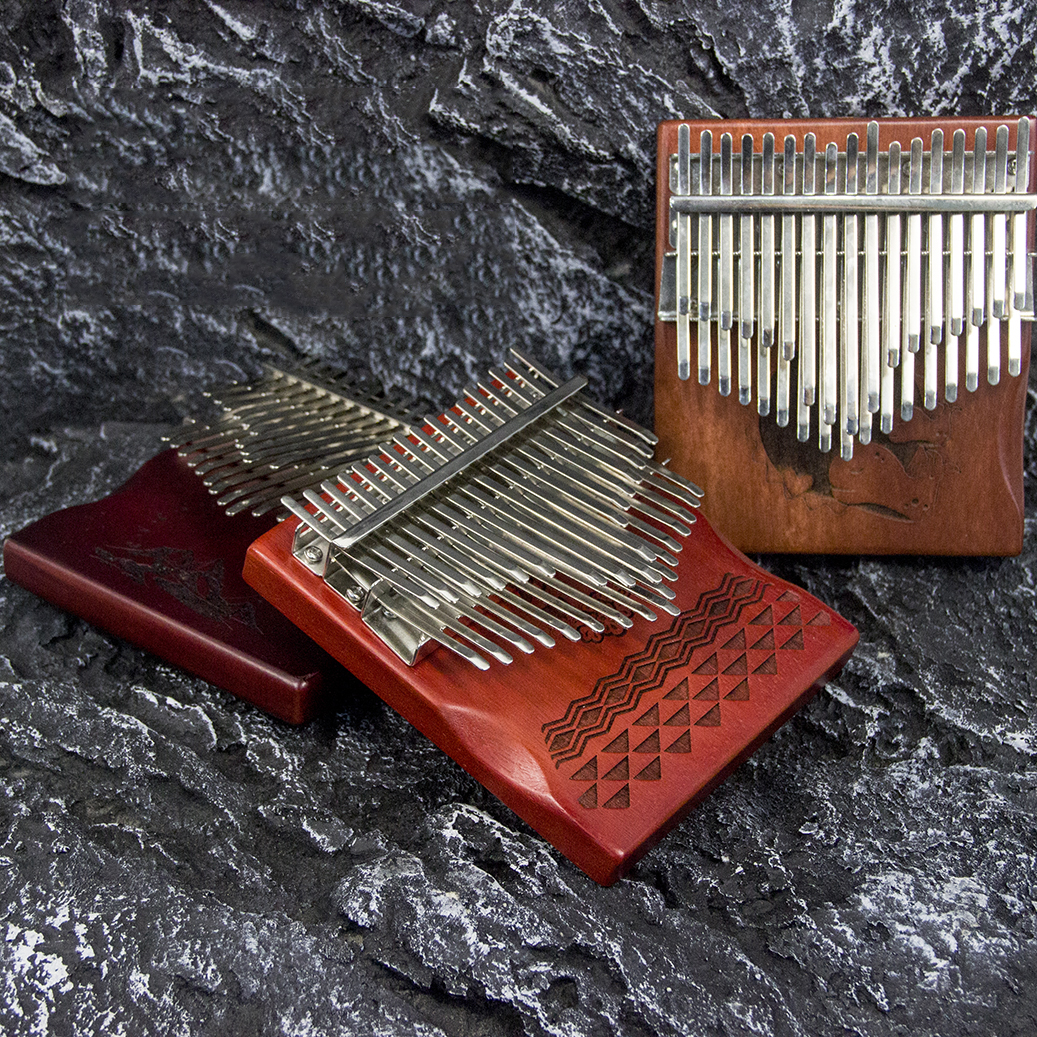
Complementing electric lines, our acoustic production includes solid-top folk guitars, 21-to-30 inch ukuleles (soprano to baritone), 34-key solid mahogany dual-layer kalimbas, and carbon-steel tongue drums. This diversity allows wholesale clients to consolidate full container load (FCL) orders across multiple musical sub-categories from a single supplier.
Macro Industry Trends & Future Procurement Directions (2025–2030)
Strategic buyers must align their product roadmaps with macro technological and environmental shifts shaping the musical instrument landscape. Key developments currently redefining OEM/ODM manufacturing include:
Roasting wood in an oxygen-deprived kiln at 180°C–220°C crystallizes hemicellulose, permanently reducing hygroscopic water absorption and imparting vintage acoustic resonance instantly.
Transitioning from restricted Rosewood species toward thermally modified Maple, Tech-wood composites, and sustainably farmed Laurel/Pau Ferro fingerboards guarantees rapid customs clearance.
Integrating low-power Bluetooth monitoring, built-in headphone preamps, and direct USB-C digital audio outputs directly into guitar control cavities for modern home-recording workflows.
Procurement Adaptation Strategy for B2B Importers
To mitigate rising freight rates and inventory holding costs, forward-thinking distributors are shifting from monolithic annual orders toward agile, hybrid replenishment models:
- Core Stock Buffering: Maintaining steady safety stocks of high-volume SKUs (such as standard ST-style HSS electrics and 23-inch concert ukuleles).
- Boutique Private-Label Testing: Leveraging low factory MOQs to test small batches (20–50 units) of specialized finishes (e.g., burl veneer headless or 34-key kalimbas) via social media pre-orders before committing to full-scale container runs.
- SKU Consolidation: Partnering with multi-category manufacturers like NFGF to mix electric guitars, acoustic instruments, effects pedals, and accessories into a single sea-freight shipment to maximize container volume utilization.
Frequently Asked Sourcing & Technical Questions (B2B FAQ)
Partner with a Top Trusted Guitar Factory Exporter
Initiate your OEM/ODM custom project today. Request technical CAD specifications, sample evaluations, or direct factory container pricing from our engineering team.
Contact Us