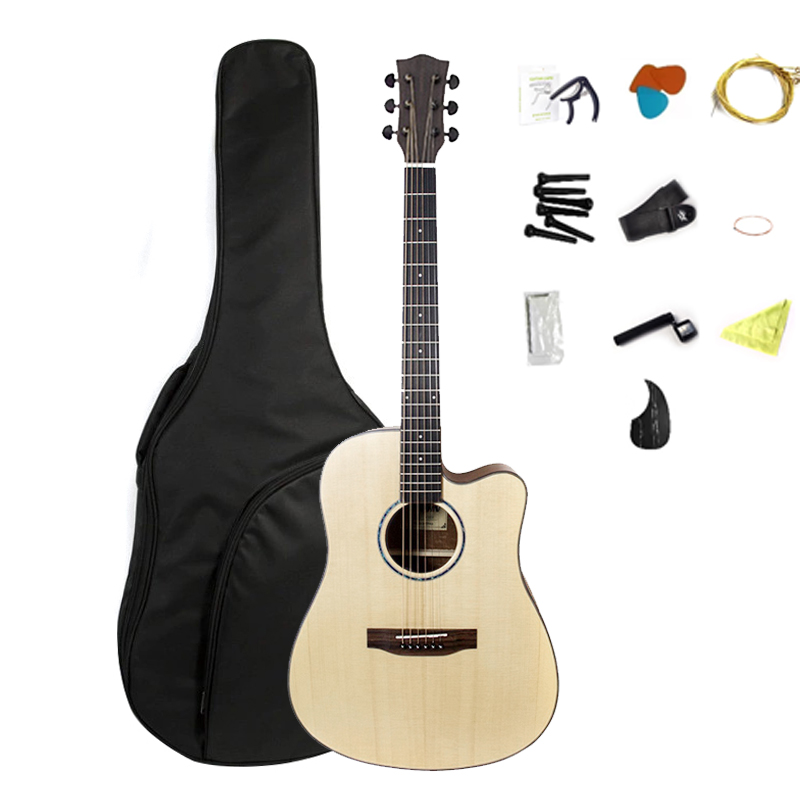
36/41 Inch Factory Direct Sales Folk Guitar Set for Beginners with 10mm Bag
View Details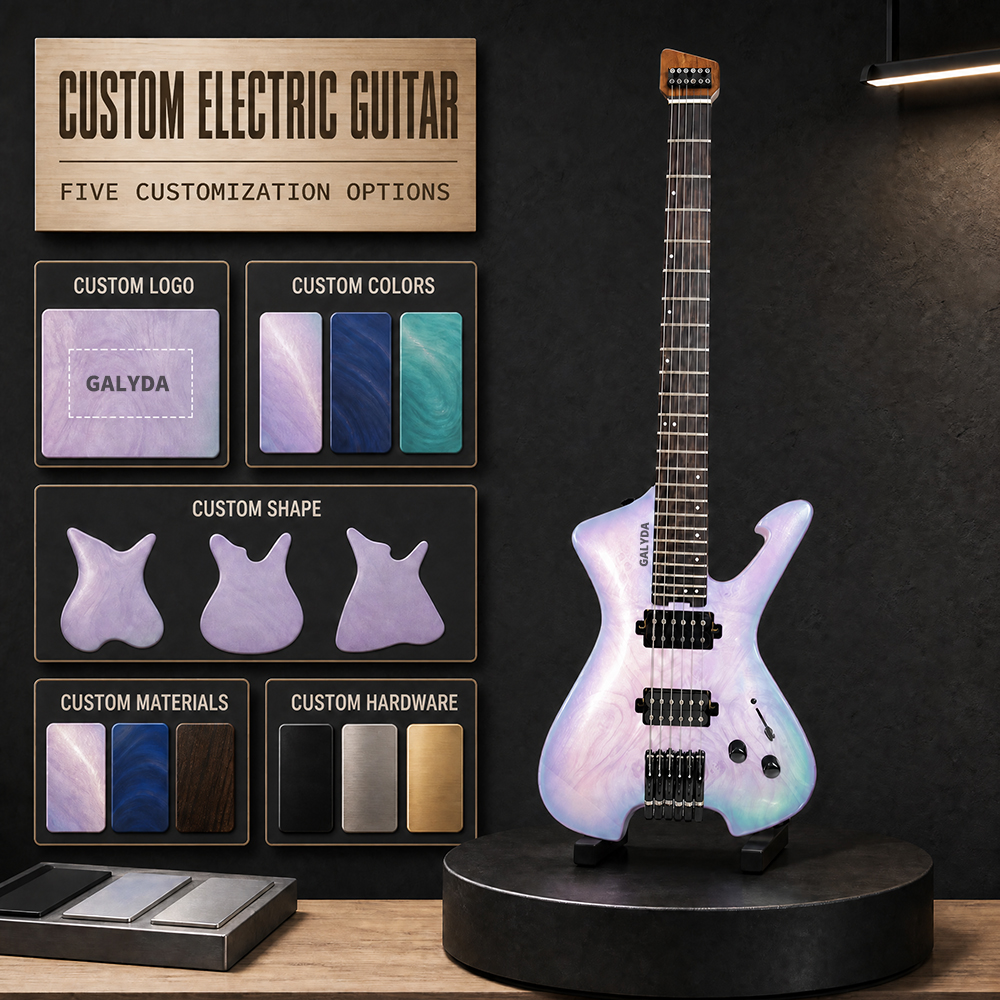
Factory Custom Headless 6 String Electric Guitar Carbonized Maple Neck Top Mahogany
View Details
GALYDA Electric Guitar Wood Texture Finish HSH Pickup Single-Action Tremolo ST Style
View Details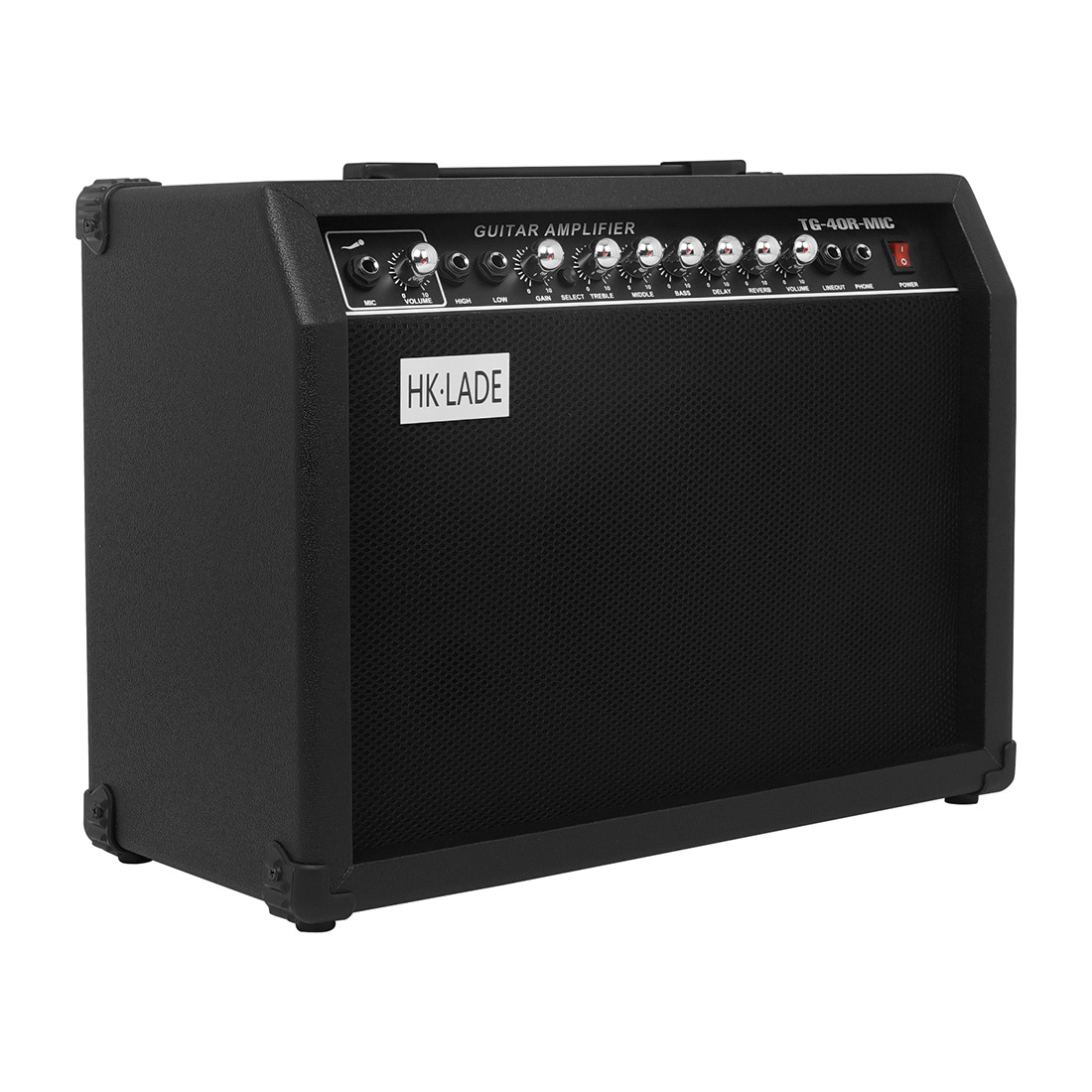
Portable Electric Guitar Bass Amplifier 40W Outdoor Performance Speaker System
View Details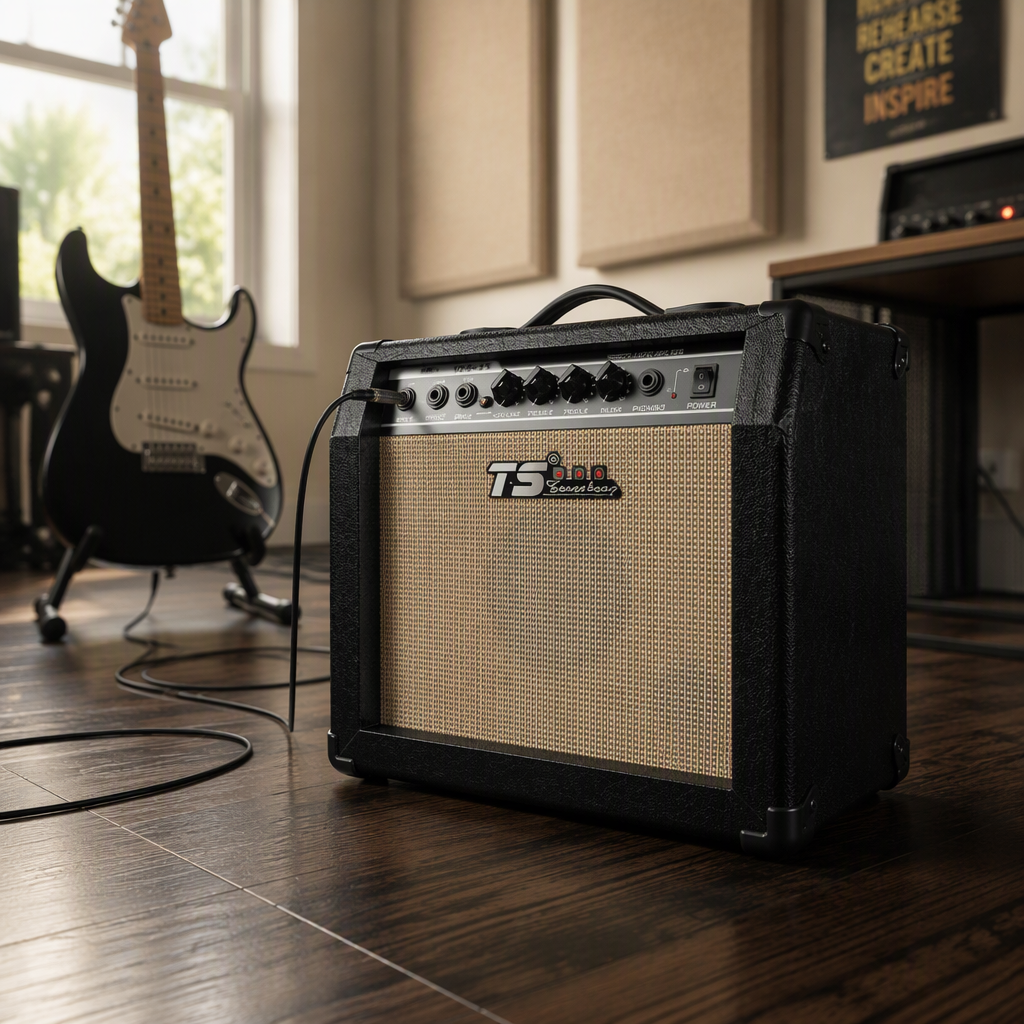
B-T Electric Guitar Amplifier Portable Rechargeable 15W 50W 100W Performance Series
View Details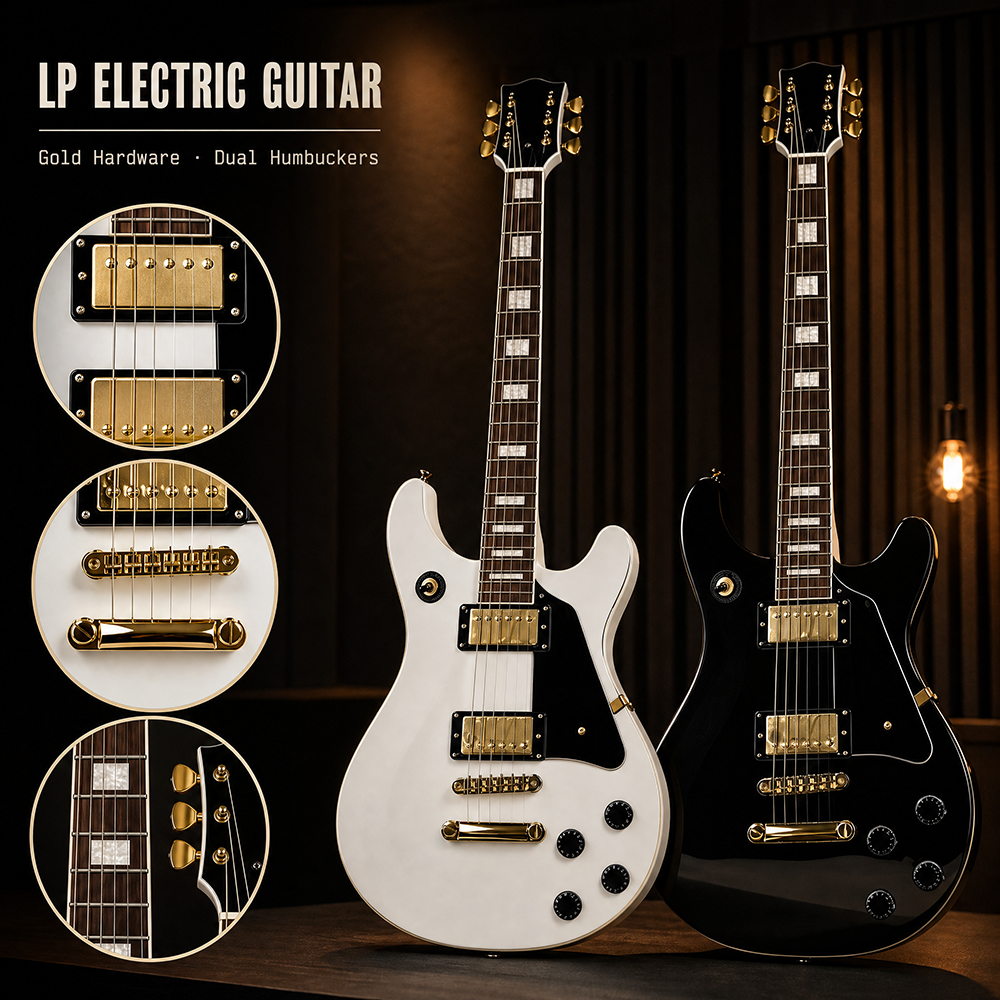
Factory Custom LP Electric Guitar Gloss Finish Solid Wood Body OEM/ODM Series
View Details
LP Style Electric Guitar Cherry Sunburst Flame Maple Top Dual Humbucker Rosewood
View Details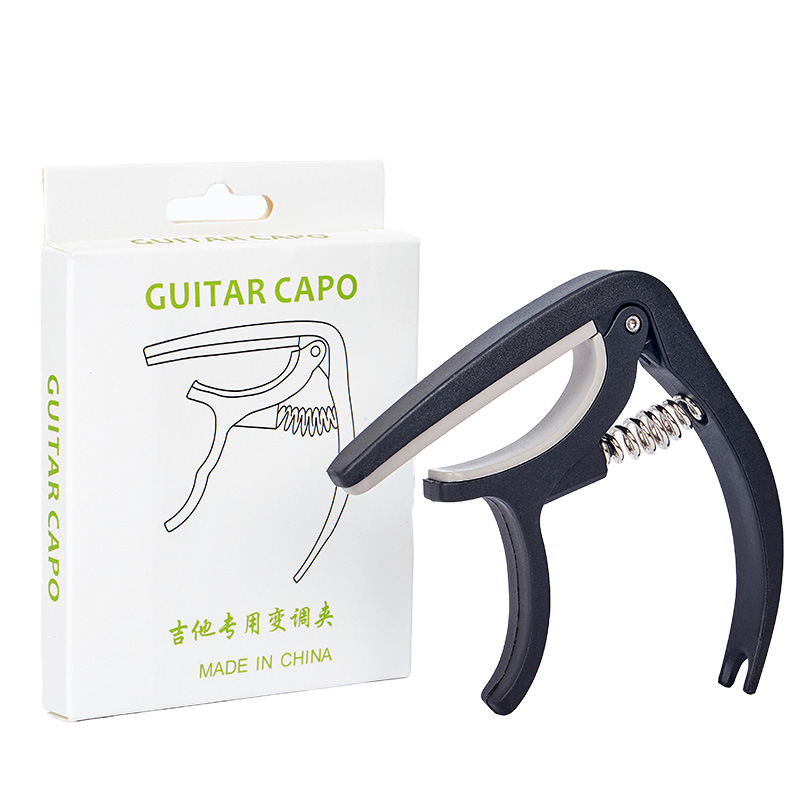
Wholesale Stringed Instrument Accessories Black Plastic Guitar & Ukulele Capo
View DetailsExecutive Whitepaper: The Strategic Landscape of Concert Ukulele Manufacturing
In the global musical instrument export ecosystem, the 23-inch Concert Ukulele occupies a decisive commercial sweet spot. Positioned precisely between the compact 21-inch Soprano and the resonant 26-inch Tenor, the Concert scale length (15 inches / 380mm) delivers optimal string tension, ergonomic fret spacing (typically 18 frets), and expanded acoustic projection. For commercial buyers, retail brands, and educational distributors, selecting a top-tier manufacturing partner requires navigating technical nuances far beyond basic visual aesthetics.
This industry whitepaper provides enterprise procurement officers, brand owners, and wholesale importers with an analytical framework for evaluating Top Trusted Concert Ukulele Factories & Exporters. By integrating empirical data from high-precision manufacturing environments—such as Huizhou NFGF Musical Instrument Co., Ltd.—we break down tonewood acoustic velocity, CNC machining tolerances, automated kilning parameters, and international compliance standards necessary to establish a sustainable, high-margin supply chain.
Information Gain Key Takeaway: A ukulele’s structural integrity and dynamic range depend significantly on atmospheric moisture equilibrium during production. Premier Chinese factories enforce a controlled Relative Humidity (RH) environment between 45% and 55% during wood kilning and assembly to eliminate post-export neck warping and bridge lifting across major export markets in North America, Europe, and Oceania.
Acoustic Physics & Tonewood Selection Criteria for B2B Procurement
The acoustic output of a Concert Ukulele is governed by the soundboard's Young's Modulus (flexural rigidity relative to density) and the internal air chamber resonance (Helmoholtz resonance). Professional OEM/ODM buyers must align wood density specifications with target retail price tiers and performance expectations.
1. Primary Tonewood Categorization & Velocity of Sound
Different tonewood species alter harmonic overtones, attack response, and sustain characteristics. Below is a comparative material science matrix utilized by factory engineers during private-label development:
| Tonewood Species | Acoustic Density (g/cm³) | Sound Velocity (m/s) | Tonal Characteristics | Recommended Target Market |
|---|---|---|---|---|
| Acacia Koa (Solid) | 0.58 – 0.68 | 4,100 | Bright initial attack, rich mid-range, blooming low-end over time | Premium Professional / Collector Lines |
| Sitka Spruce (Top Solid) | 0.42 – 0.48 | 5,200 | Maximum projection, high dynamic headroom, punchy clarity | Acoustic-Electric Stage Models |
| African Mahogany (Solid/Laminate) | 0.49 – 0.55 | 4,600 | Warm, fundamental-rich tone, balanced resonance, forgiving sustain | Mid-Tier Retail / Educational Best-Sellers |
| Ebony / Rosewood (Back & Sides) | 0.80 – 0.95 | 3,800 | High acoustic reflectivity, crisp highs, enhanced projection power | Bespoke ODM Boutique Series |
2. Structural Bracing and Resonant Air Volume Optimization
Modern concert ukulele manufacturing utilizes computer-aided design (CAD) to engineer internal bracing patterns. While traditional fan bracing offers classic warmth, modified double-X bracing or parabolic ladder bracing maximizes soundboard vibration without sacrificing structural yield against string tension (approx. 32-38 lbs total tension for fluorocarbon strings tuned to GCEA).
Enterprise Authority: Huizhou NFGF Musical Instrument Co., Ltd.
Established in 2014 in Qiuchang, Huiyang District, Huizhou—the epicenter of China's premium stringed instrument manufacturing cluster—Huizhou NFGF Musical Instrument Co., Ltd. represents the modern standard of export-grade lutherie. Operating out of a state-of-the-art 5,100 square meter industrial complex, NFGF seamlessly integrates fundamental craftsmanship with digital automation.
Independently audited facility covering raw material inspection, environmental controls, worker safety, and finished product quality assurance.
An active R&D division holding extensive intellectual property, including custom headstock designs, ergonomic body bevels, and pickup integrations.
Flexible production lines allowing brand owners to initiate customized orders from low MOQs (from 2 pcs for ukuleles, 1 pc for solid-body instruments).
From raw log kilning and CNC carving to dust-free electrostatic spray finishing and final strobe tuner setup—all under one roof.
By controlling every stage of production internally, NFGF prevents the quality degradation typical of factories that outsource sub-assemblies. Furthermore, our seasoned luthiers perform hand-sanding, fret dressing, and action calibration on every single Concert Ukulele prior to protective packaging.
Future Procurement Trends in the Global Concert Ukulele Market
As consumer preferences evolve and international trade standards tighten, B2B buyers must align their procurement strategies with emergent technological and ecological trends shaping the instrument landscape.
Trend 1: Integration of Smart Onboard Preamps & Transducers
Modern acoustic buyers increasingly demand multi-functional acoustic instruments. The market is shifting from basic under-saddle piezo pickups to smart active transducers with built-in chorus, delay, and reverb effects that project directly from the instrument soundhole without requiring external amplification. Export products featuring USB-C rechargeable preamp modules and integrated Bluetooth receivers are capturing premium margins across retail channels.
Trend 2: Environmentally Sustainable & Thermo-Treated Tonewoods
With CITES regulatory compliance enforced globally, manufacturers are replacing restricted timbers with FSC-certified sustainable woods and thermo-treated (torrefied) tonewoods. Torrefaction bakes wood fibers in an oxygen-deprived kiln at 160°C–200°C, artificially aging the cell structure. This process increases acoustic resonance by up to 15%, reduces moisture absorption by 60%, and imparts a rich vintage amber color favored by high-end buyers.
Trend 3: High-Precision CNC Machining & Zero-Fret Innovation
Intonation accuracy remains a major differentiator between cheap toys and commercial musical instruments. Export-focused factories now utilize 5-axis CNC machines to mill fret slots with micro-metric exactness. Additionally, the adoption of zero-fret designs guarantees identical action heights across open and fretted notes, significantly minimizing finger fatigue for novice players and enhancing tuning stability.
B2B Quality Assurance Protocol: From Tonewood to Container Loading
To maintain strict quality uniformity across bulk container shipments, leading exporters adhere to a 5-Stage Quality Control Protocol. The diagram below illustrates the rigorous gatekeeping procedures implemented in NFGF's Huizhou facility:
Pin-less moisture meters verify wood humidity is stabilized below 8% before entering the CNC carving stage.
Dovetail neck joints undergo digital gauge testing to verify joint alignment within ±0.02mm tolerance.
Automated spray booths apply ultra-thin polyurethane coatings, optimized for maximum acoustic resonance.
Luthiers crown fret ends, level the fingerboard, and calibrate 12th-fret action to 2.0mm ±0.2mm.
Frequently Asked Questions for B2B Importers & Distributors
What is the typical lead time for custom OEM Concert Ukulele orders?
What custom branding options are available for headstocks and internal labels?
How do you prevent bridge detachment and neck warping during ocean shipping?
What international compliance certifications apply to acoustic instrument imports?
Can we mix multiple instrument SKUs within a single container order?
Partner with a Top Trusted Concert Ukulele Manufacturer
Request factory-direct wholesale pricing, OEM/ODM catalog access, or customized sample development directly from our Huizhou engineering team.
Contact Us