Featured Wholesale Products & Components
Explore our factory-direct musical instruments, pre-wired electronics, and precision hardware crafted for global distributors and retail brands.
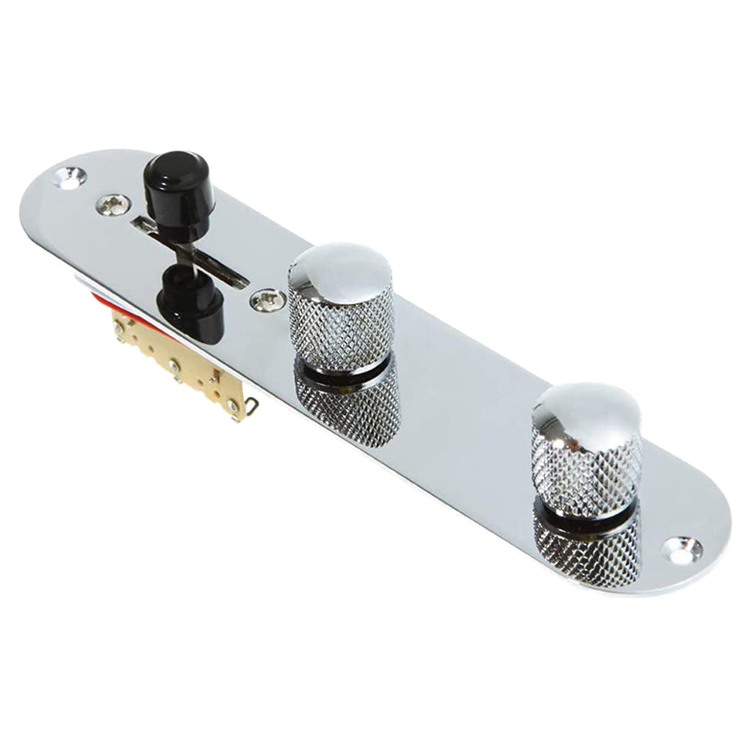
Fully Loaded Pre-Wired 3-Way Guitar Control Plate with Wiring Harness for Telecaster Chrome/Black/Gold
View Details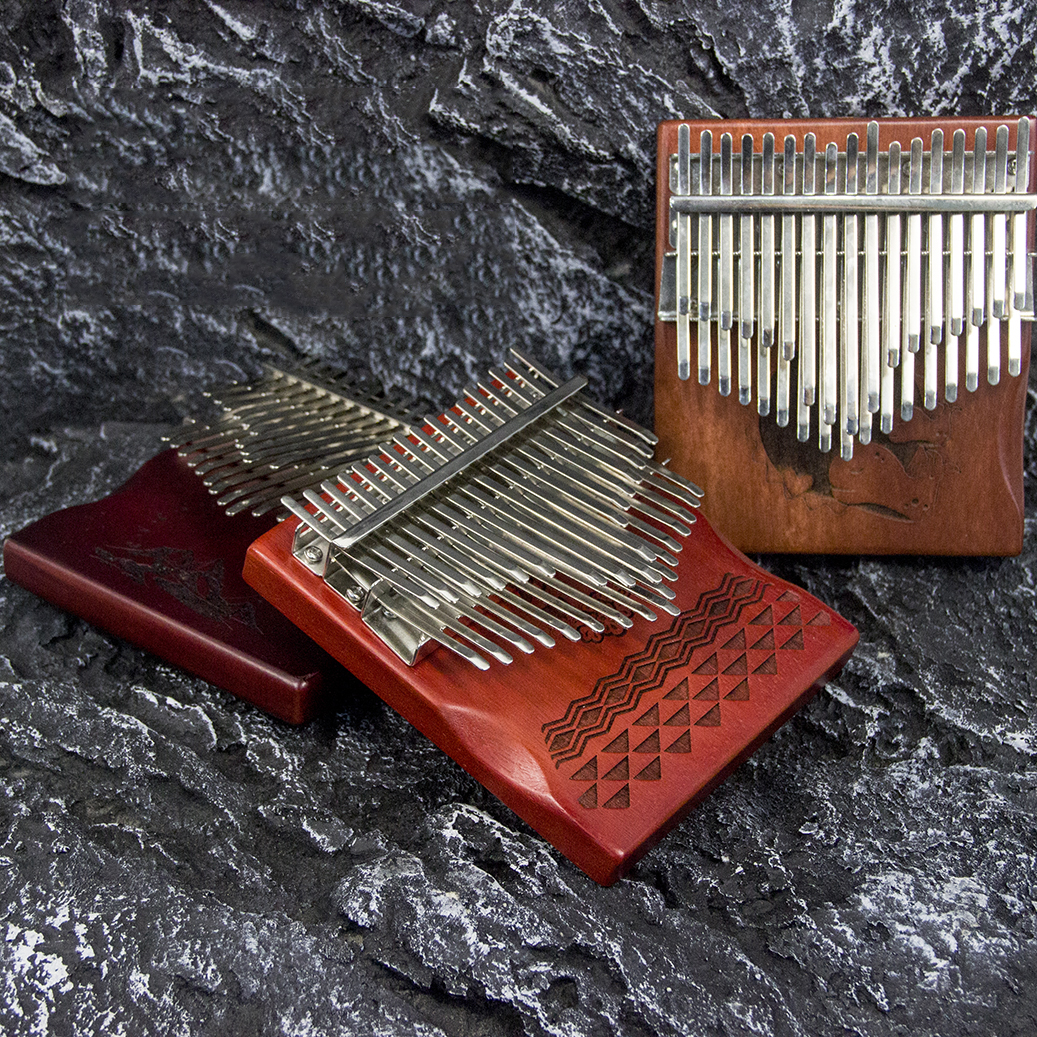
34-tone Kalimba Mahogany Solid Wood Thumb Piano with Two Layers of 34 Keys - Plucked Instrument
View Details
GALYDA Electric Guitar GM Style SS Pickup Tremolo Bridge 3 Way Toggle Switch Custom Logo OEM ODM Factory
View Details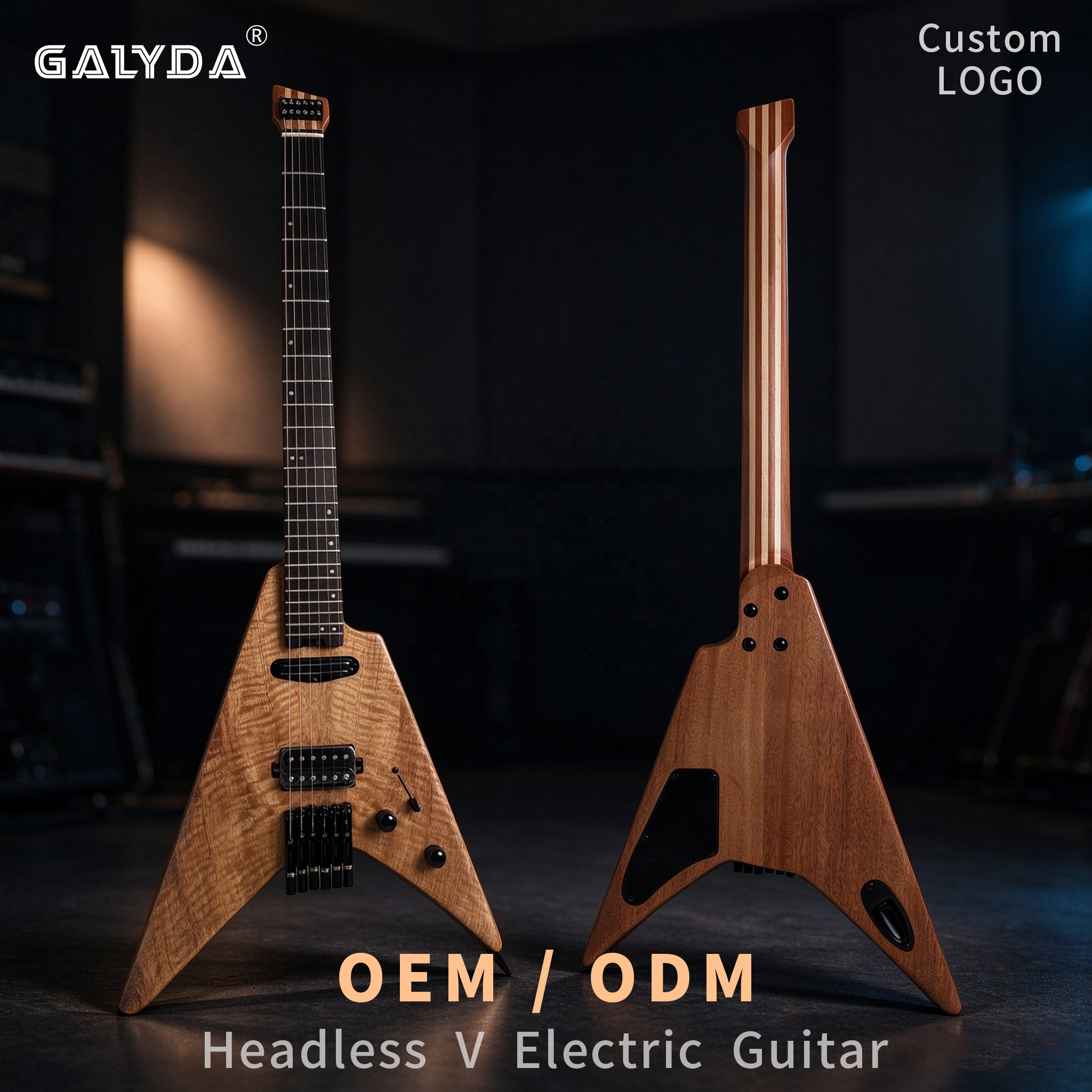
Headless V Shape Electric Guitar 6 Strings Mahogany Body 7 Piece Maple Neck Rosewood Fingerboard OEM
View Details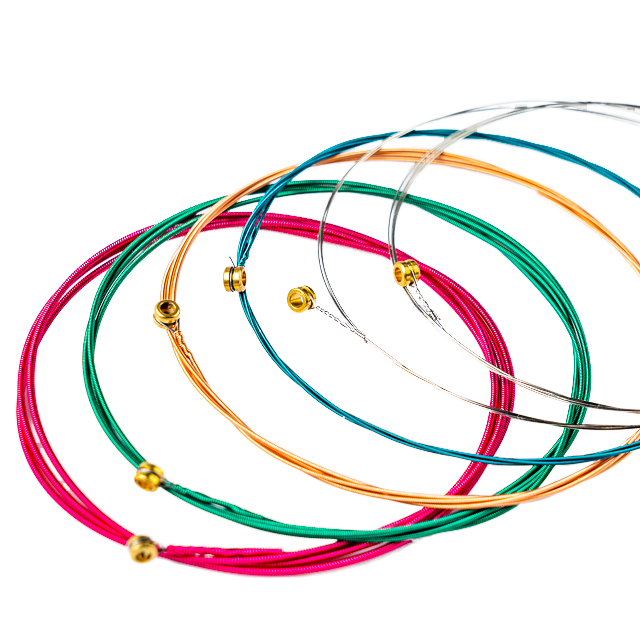
Set of Colorful 6-String Electric Guitar Acoustic Guitar Strings Steel Tone 1048 Series
View Details
AG Headless Electric Guitar With Maple Neck Acrylic Body and Small Double-wire Tremolo Bridge
View Details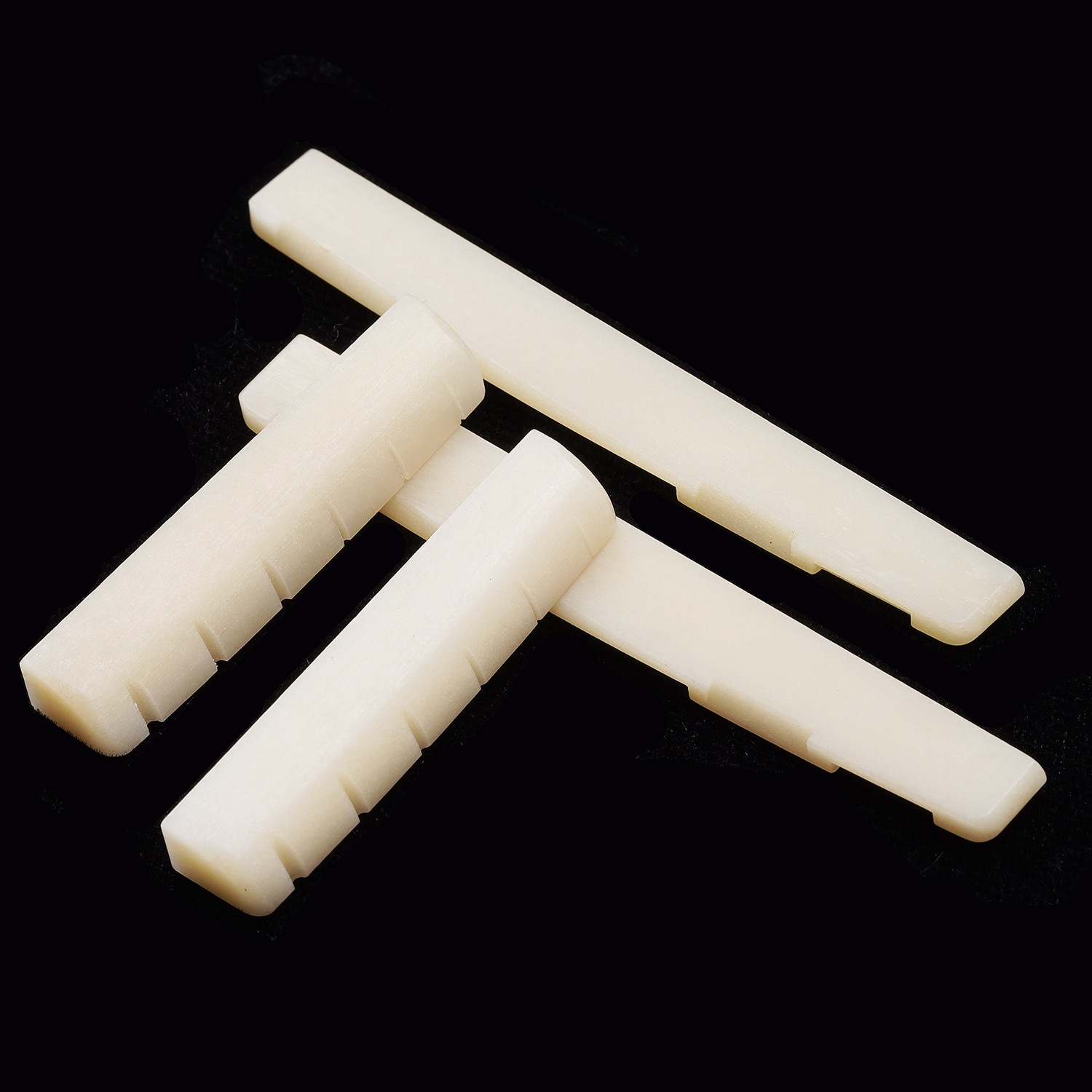
Acoustic Guitar Bone Nut Saddle Bridge Nut 43mm 74mm Natural Unbleached
View Details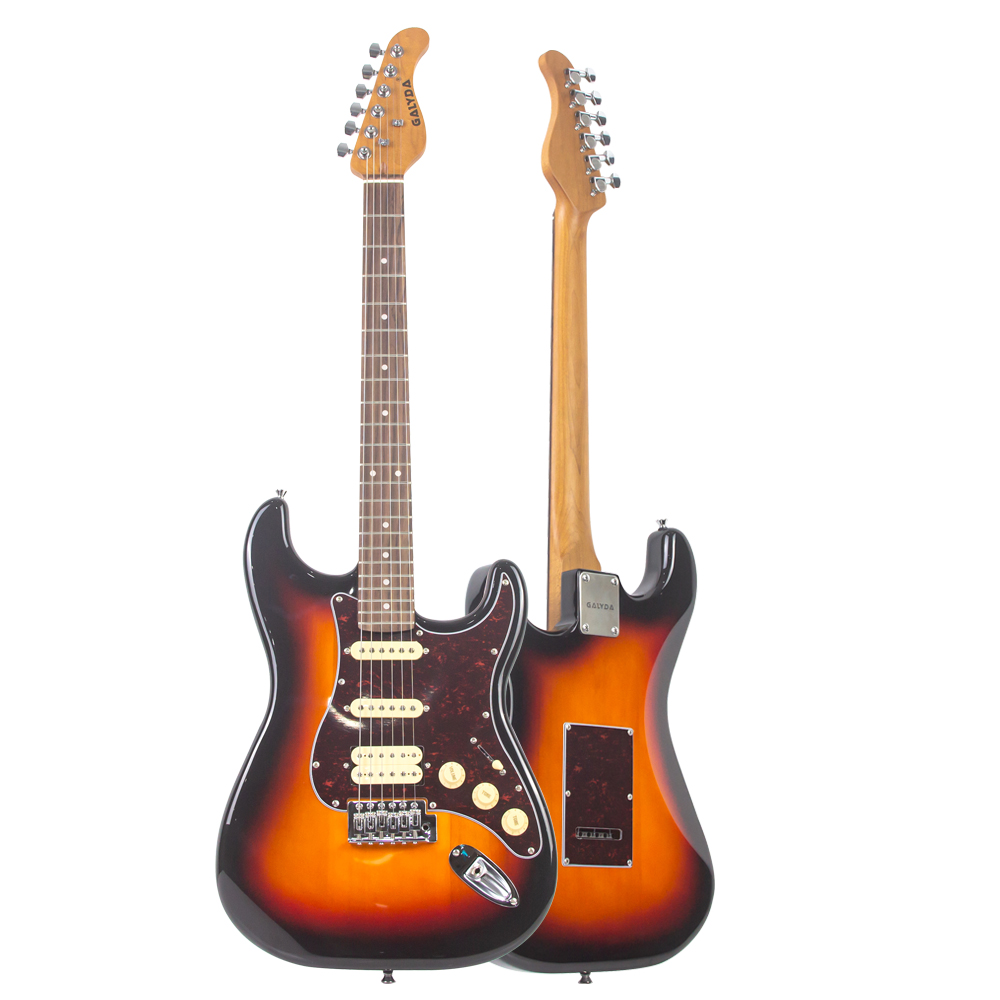
GALYDA 39-Inch Beginner Electric Guitar Set ST Series Poplar Body Carbonized Maple Neck Rosewood Fretboard S-S-H
View DetailsExecutive Sourcing Overview: Navigating the Global Classical Guitar Supply Chain
The global market for classical guitars is undergoing a profound structural shift. Driven by expanding music education initiatives across North America, Europe, and Asia-Pacific, alongside rising demand for boutique acoustic instruments, procurement directors and brand managers are re-evaluating their Asian manufacturing partnerships. Navigating this landscape requires more than basic price-per-unit comparisons; it demands deep operational technical scrutiny, material compliance verification, and structural quality assurances.
A classical guitar is a complex acoustic system under continuous mechanical tension. Unlike electric guitars, which rely on magnetic pickups and electronic amplification to sculpt tone, a nylon-string classical guitar relies entirely on the organic resonant properties of solid tonewoods, precise fan-bracing architecture, micro-calibrated top thickness, and rigid neck-body joint integrity. When sourcing classical guitars at commercial scale, procurement teams must balance sound projection and tonal balance against physical durability across varying international climate zones.
Acoustic Engineering & Tonewood Taxonomy in Classical Guitar Manufacturing
To evaluate a classical guitar exporter’s technical capability, sourcing teams must inspect the lutherie design principles employed on the factory floor. Tonal projection, velocity of sound ($V_s$), and mechanical longevity stem directly from structural choices made in three primary domains: brace architecture, tonewood grading, and neck-to-body joinery.
Bracing Architecture
The internal soundboard bracing pattern governs how energy transfers from string vibration into room volume. Leading exporters offer multi-pattern ODM options:
- Torres 7-Fan System: Traditional warm, balanced response with rich midrange resonance.
- Hauser Bracing: Rigid, clear separation and note definition suited for concert series.
- Lattice & Nomex Double-Top: High-output volume, immediate attack, popular in modern hybrid models.
Tonewood Grading & Aging
Material selection dictates price-to-performance tiers. Industrial suppliers must systematically grade timber:
- Solid Canadian Cedar (Thuja plicata): Darker tone, quick acoustic response, highly forgiving for student & intermediate lines.
- European / Engelmann Spruce: High stiffness-to-weight ratio, crystalline highs, preferred for professional tiers.
- Rosewood & Mahogany Back/Sides: Indian Rosewood provides deep bass and overtone richness; Mahogany delivers focused fundamental punch.
Neck Joint Stability
The structural anchor of a classical guitar determines long-term neck angle retention under string tension:
- Spanish Heel (Tacón Español): Body integrated into neck block during assembly for maximum acoustic transmission and lifetime stability.
- Dovetail Joint: Precision CNC milled neck joint enabling cost-effective, high-volume production without sacrificing alignment.
| Classical Guitar Tier | Soundboard Wood | Back & Sides | Neck & Fingerboard | Target Retail Audience | Recommended MOQ |
|---|---|---|---|---|---|
| Student / Entry Tier | Select Laminated Spruce / Cedar | Laminated Linden or Sapele | Okoume / Tech Wood Fingerboard | Beginners, School Music Programs | 100 - 300 Pcs |
| Intermediate Semi-Solid | Solid AA Grade Canadian Cedar | Laminated Mahogany / Rosewood | Mahogany / Indian Rosewood | Music Academies, Intermediate Players | 10 - 50 Pcs |
| Concert Master Series | Solid AAA European Spruce / Cedar | Solid East Indian Rosewood / Ziricote | Spanish Cedar + Ebony Strip / Ebony | Professional Performers, Collectors | 1 - 10 Pcs |
Future Procurement Trends in Classical Guitars (2025–2030)
As global e-commerce and specialized retail channels evolve, purchasing directors must align their product roadmaps with macro industry trends. Sourcing strategies over the next decade are being reshaped by three critical vectors: material sustainability, hybrid electro-acoustic integration, and agile supply chain logistics.
1. Sustainable Tonewood Alternatives & CITES Compliance
International environmental regulations surrounding traditional Rosewood species (Dalbergia) under CITES Appendix II have accelerated the adoption of compliant, sustainable tonewood alternatives. Forward-thinking manufacturers are leveraging thermo-treated (carbonized) tone-woods, Pau Ferro, Richlite, and sustainably harvested Laurel wood fingerboards. Exporters who provide fully documented CITES exemption paperwork and FSC-certified timber supply chains significantly reduce customs clearance friction for Western importers.
2. Modern Crossover & Acoustic-Electric Classical Hybrids
Traditional 52mm nut-width, flat-fretboard classical guitars are increasingly complemented by "Crossover" models. Featuring thinner body depths (75mm-85mm stage bodies), ergonomic venetian cutaways, slightly narrower nuts (48mm-50mm), and subtle fretboard radii (16"), these hybrid classicals appeal directly to steel-string acoustic players and modern stage performers. Furthermore, integration of low-profile dual-source pickup systems (under-saddle piezo + internal condenser microphone) represents a high-margin opportunity for B2B brands.
3. Low-MOQ Agile OEM & Supply Chain Flexibility
The traditional model requiring 500-unit minimum order quantities per SKU is rapidly giving way to flexible, multi-tier procurement models. Modern brand owners require sample-friendly testing runs and lower MOQs on customized models to manage cash flow and test new market niches. Exporters offering mixed-container shipments—combining classical guitars, electric guitars, ukuleles, and accessories—provide distributors with a decisive working capital advantage.
Industry & Manufacturing Technology Trends
Modern classical guitar manufacturing has bridged the gap between century-old handcrafted lutherie and high-precision industrial automation. The world's top trusted manufacturers invest heavily in advanced manufacturing technology to achieve unparalleled batch-to-batch consistency while controlling labor overhead.
5-Axis CNC Precision Carving
Computer-numerical-control (CNC) tooling ensures neck profiles, headstock slots, and bridge pin placement are cut to micro-millimeter tolerances. This eliminates human error in critical neck relief geometry and fret slot spacing, drastically reducing fret buzz and intonation inaccuracies.
Climate-Controlled Assembly Chambers
Leading factories maintain automated Relative Humidity (RH) controls (45%–55% RH) and constant 22°C temperatures throughout sanding, gluing, and body assembly rooms. Controlling environmental ambient humidity prevents wood from expanding during assembly and contracting later in retail stores.
Electrostatic Spray & UV Curing
Transitioning from traditional thick polyurethane finishes to ultra-thin UV-cured poly or micro-thin lacquer finishes allows the soundboard to vibrate freely. Automated spray booth technology ensures smooth, bubble-free mirror finishes with minimal finish weight.
Enterprise Advantage: Why Global Brands Partner with Huizhou NFGF
Located in Qiuchang, Huiyang District, Huizhou City—the world-renowned epicenter of China’s stringed instrument manufacturing hub—Huizhou NFGF Musical Instrument Co., Ltd. stands as an industry-leading OEM/ODM manufacturer and exporter. Operating since 2014, NFGF integrates comprehensive R&D, advanced woodworking automation, handcrafting expertise, and international trade operations into a unified enterprise.
Complete In-House Factory
Our 5,100 m² industrial plant houses raw tonewood seasoning kilns, automated CNC milling divisions, hand-sanding & lutherie shops, dust-free spray painting booths, assembly lines, and soundproof testing rooms under one roof.
Intellectual Property & Patents
With an active R&D division holding over 100 original design patents and utility copyrights, we protect our custom brand clients. We offer full ODM co-development services from 3D CAD modeling to physical prototyping.
One-Stop Instrument Ecosystem
Beyond classical and acoustic guitars, NFGF manufactures electric guitars, electric basses, ukuleles, kalimbas, steel tongue drums, effects pedals, and premium accessories (strings, bone nuts, padded gig bags), enabling streamlined container loading.
Rigorous 4-Tier Quality Control Matrix
Quality assurance is the cornerstone of high-volume musical instrument exporting. NFGF enforces a zero-defect quality control matrix at four sequential checkpoints across the assembly path:
| Inspection Stage | Control Parameters | Testing Standard & Tolerances | Action Taken Upon Failure |
|---|---|---|---|
| 1. Material Inflow (IQC) | Tonewood moisture content, timber density, grain straightness, bridge bone structural integrity. | Moisture strictly 8%-12%; visual grade compliance matching sample standard. | Sub-standard lumber rejected and re-seasoned in drying kilns. |
| 2. Machining & Woodworking (IPQC) | CNC neck profile dimensions, fret pocket depth, brace glue line coverage, heel fitting tight tolerances. | CNC variance < 0.1mm; 100% glue squeeze-out coverage along soundboard braces. | Parts recut or discarded prior to sanding. |
| 3. Finishing & Polishing (PQC) | Paint coat thickness, color gradient matching, gloss reflectivity, surface smooth sanding free of debris. | Visual inspection under 1000-lux halogen lamps; thickness test on sample panels. | Defective finishes sanded down and re-sprayed. |
| 4. Final Assembly & Playability (OQC) | Action height at 12th fret, neck relief, fret end bevel smoothness, bridge glue shear strength, electronics response. | 12th fret action: Treble 2.5mm ± 0.2mm, Bass 3.0mm ± 0.2mm; zero fret buzz across all 19 frets. | Instrument re-set, polished, or flagged for rework prior to packaging. |
Frequently Asked Questions (Procurement & Sourcing FAQ)
Answers to essential trade, technical, and logistics questions for international instrument buyers.
Our MOQs are structured to accommodate both emerging boutique brands and large volume distributors. Standard catalog classical models start from as low as 1 to 10 pieces for initial quality evaluation samples. Custom logo headstock branding and custom packaging runs typically start at 50 to 100 pieces per batch depending on the depth of customization.
Yes, absolutely. As a certified Custom Manufacturer (OEM/ODM), we offer full private labeling services. Options include silk-screened headstock logos, mother-of-pearl or decal inlays, custom branded neck plates, custom soundhole labels, laser-etched logos, and bespoke retail packaging boxes or gig bags.
We combine strict initial wood kiln-drying (stabilizing wood moisture between 8% and 12%) with environmental controls throughout our factory floor. Furthermore, export packaging utilizes heavy-duty 5-ply corrugated export cartons, internal moisture-absorbing desiccant packs, high-density EPE foam cradles, and optional humidity-stable gig bags or hard cases.
Our manufacturing facility has been on-site audited and verified by SGS Group. Our electric and electro-acoustic product lines carry CE and FCC listings where applicable. We strictly enforce CITES-compliant wood sourcing and provide full commercial documentation for seamless customs entry worldwide.
Standard sample orders for in-stock models ship within 7 to 10 business days. Custom ODM prototype development takes approximately 20 to 30 days depending on 3D CAD approval and finish complexity. Bulk production run lead times generally range between 30 and 45 days after deposit confirmation.
Yes! One of our major enterprise strengths is allowing buyers to consolidate mixed-SKU orders into a single sea freight container or LCL shipment. You can freely combine classical guitars, electric guitars, ukuleles, kalimbas, tongue drums, and accessories to optimize freight costs and reduce inventory holding risks.
Partner with a Trusted Classical Guitar Exporter Today
Ready to elevate your musical instrument product line? Contact Huizhou NFGF Musical Instrument Co., Ltd. for factory-direct pricing, technical product specifications, OEM customization options, and sample requests.