Featured OEM Instrument Hardware & Accessory Catalogue
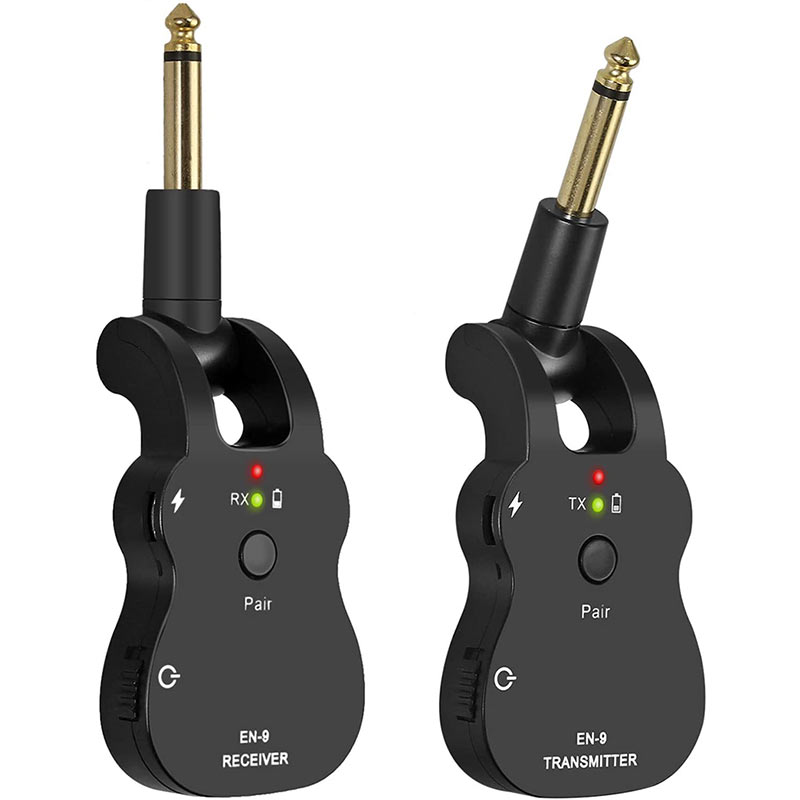
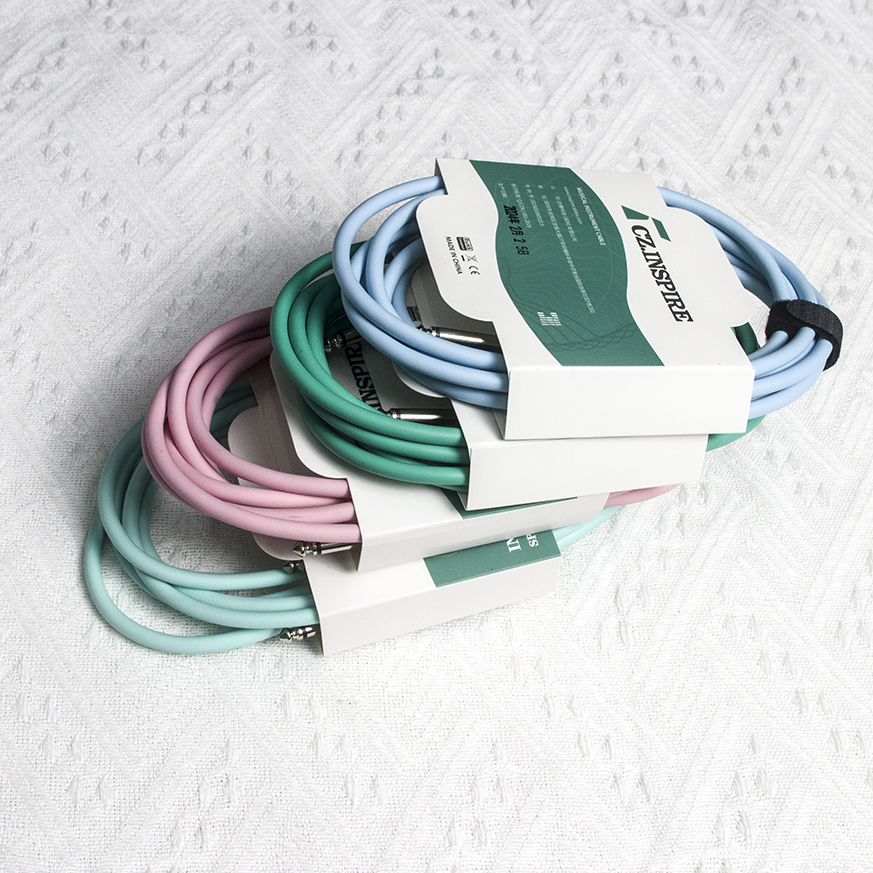
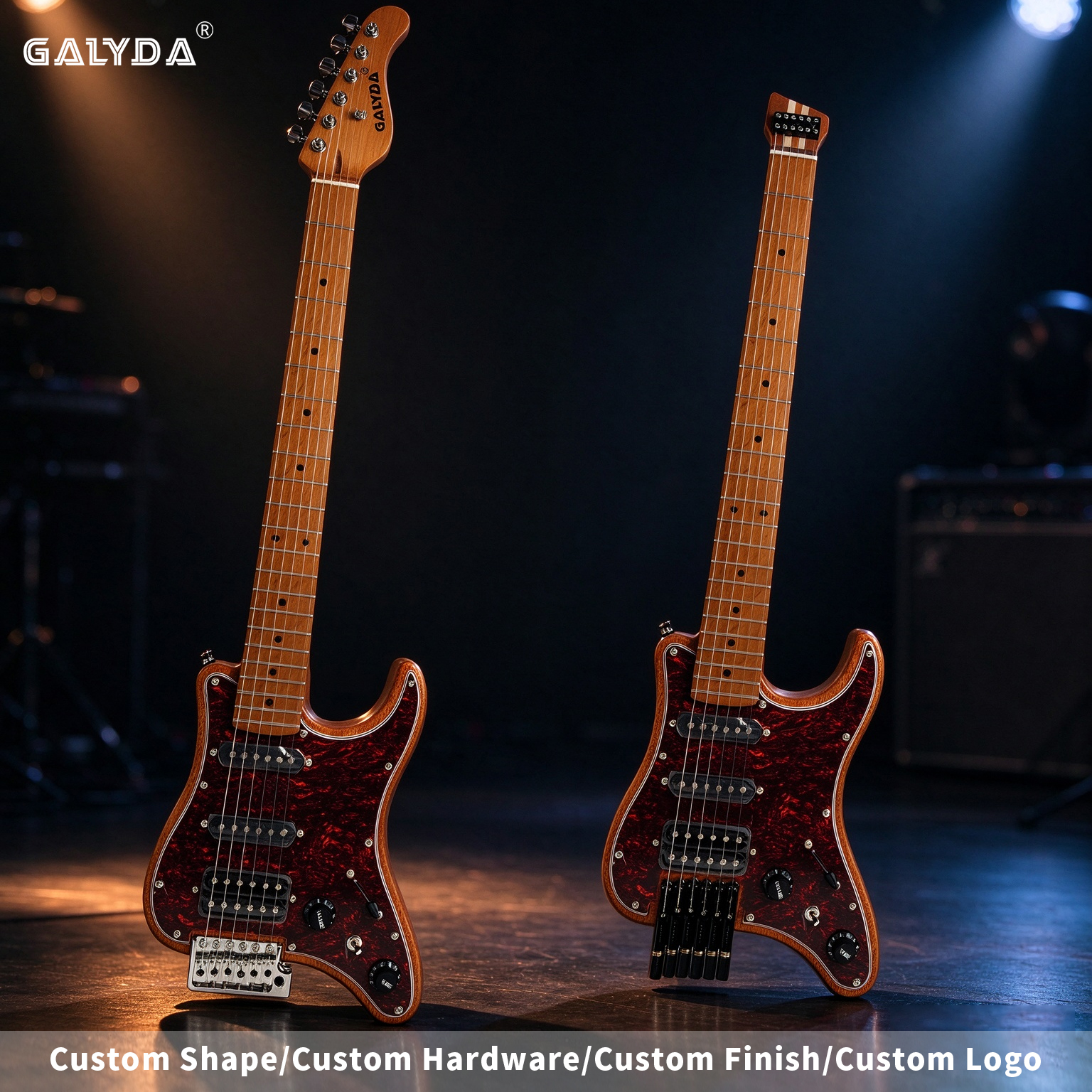
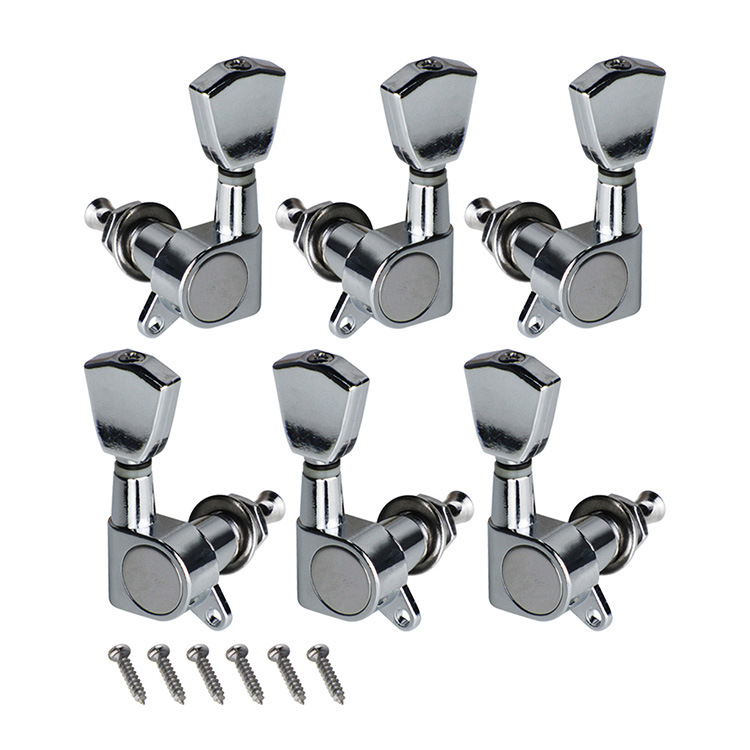
Explore our core export-grade product lineup, manufactured to international acoustic and electric performance standards. Direct factory supply available with customized OEM packaging and branding.
Strategic Sourcing Guide: Material Science & Metallurgy in Acoustic Guitar String Manufacturing
In the global musical instrument accessory market, acoustic guitar strings represent one of the highest-frequency repeat purchase categories for retail chains, e-commerce platforms, and musical instrument brands. However, procuring reliable strings demands an in-depth understanding of high-carbon steel core wire geometry, copper alloy wrap formulations, micro-coating longevity, and anti-corrosion barrier packaging.
E-E-A-T Sourcing Insight: String failure modes—such as premature core slippage, octave intonation drift, or rapid wire tarnishing—are almost exclusively caused by inconsistent core wire draw tolerances, non-uniform hex-corner bite, or unconditioned ambient humidity during winding. Leading manufacturers mitigate this via automated micro-tension winding coupled with climate-sealed VPI packaging.
1. Core Wire Geometry: Hexagonal vs. Round High-Carbon Steel
The core wire serves as the structural foundation of any wound acoustic guitar string. It bears the entirety of the longitudinal tension imposed by standard tuning (frequently exceeding 160 to 180 lbs of cumulative force across a standard light .012–.053 gauge set).
Hexagonal Core Wire (Standard)
Featuring six distinct sharp edges, hexagonal high-carbon steel wire provides mechanical anchor points for the outer wrap wire. During the automated high-speed winding process, the copper alloy wrap wire bites firmly into these six corners, preventing lateral slippage without requiring heavy chemical adhesives. This yields superior tuning stability and crisp attack energy transfer.
Round Core Wire (Vintage Profile)
Round core wires deliver maximum contact area between the core and wrap, generating a warmer, more flexible tactile feel with enhanced fundamental resonance. However, round cores require manual crimping or specialized flattening at the anchor points to prevent the outer wrap from unraveling during string installation, making hex-core preferred for modern OEM automation.
Swedish High-Carbon Steel Draughts
The chemical composition of the steel core dictates tensile fatigue strength. Top-tier string manufacturers source tin-plated high-carbon steel drawn in specialized mills (yielding a carbon concentration between 0.80% and 0.95%). Tin plating acts as a sacrificial corrosion barrier while improving ball-end twist retention under heavy dynamic playing conditions.
2. Wrap Wire Alloy Formulations: Phosphor Bronze vs. 80/20 Bronze
The metallurgical composition of the outer wrap wire shapes the tonal response, dynamic range, and acoustic oxidation rate of the instrument string. Buyers must carefully balance tonal profiles against target consumer demographics.
| Alloy Category | Chemical Composition | Tonal Signature | Corrosion Resistance | Recommended Player Profile |
|---|---|---|---|---|
| Phosphor Bronze | 92% Copper, 7.8% Tin, 0.2% Phosphorus | Warm, rich, harmonically complex, balanced bass-to-treble ratio | High (Phosphorus inhibits air & sweat oxidation) | Studio recording, fingerstyle players, long-durability demands |
| 80/20 Bronze (Brass) | 80% Copper, 20% Zinc | Bright, punchy, immediate initial acoustic projection | Moderate (Requires anti-corrosion coating for extended shelf life) | Flatpickers, acoustic dreadnought live busking, dark-sounding tonewoods |
| Aluminum Bronze | Copper-Aluminum Alloy blend | Expanded low-end punch with pronounced high-end clarity | Very High (Aluminum creates protective surface oxide) | Modern acoustic soloists, gigging musicians needing projection |
| Silk & Steel | Silver-plated Copper wrap over Silk/Steel core | Mellow, soft classical-like response, ultra-low string tension | Moderate | Vintage acoustic instruments, beginner fingerpicking, parlour guitars |
Nano-Coating Chemistry & Anti-Oxidation Packaging Innovations
The primary point of failure for acoustic guitar strings in retail environments or international supply chains is atmospheric corrosion. Environmental humidity, sulfur compounds in oceanic freight, and human skin acids (lactic acid and sodium chloride) accelerate copper-tin oxidation, degrading tone within hours of exposure.
Sub-Micron Fluoropolymer Coating Technology
Modern string suppliers employ ultrathin fluoropolymer (PTFE-derived) micro-coatings applied via continuous liquid bath dipping or physical vapor deposition (PVD). These coatings are categorized into two structural approaches:
- Coated String (Full Assembly Shielding): The entire wound string is passed through a liquid bath after winding. The polymer fills the microscopic valleys between wrap wire coils, preventing sweat, dead skin, and oils from reaching the inner hex core. This extends tonal life by 300%–500% at a negligible dampening of ultra-high harmonic overtones.
- Coated Wrap Wire (Pre-Winding Shielding): Individual wrap wires are micro-coated prior to being wound around the core wire. This preserves the physical texture and tactile bite of traditional un-coated strings while safeguarding the metal surface from ambient oxidation.
Hermetic Vapor Phase Inhibitor (VPI) Foil Packaging
Even premium phosphor bronze strings suffer shelf degradation if packed in breathable paper envelopes. Reliable OEM suppliers utilize multi-layer laminated aluminum foil pouches injected with inert nitrogen gas or treated with Vapor Phase Inhibitors (VPI). VPI molecules continuously vaporize within the sealed pouch, forming an invisible, monomolecular protective layer across all metal surfaces that immediately dissipates when opened by the end consumer.
Future Sourcing & Procurement Trends in Acoustic String Manufacturing
As retail buyers, private label brands, and OEM instrument manufacturers review their supply chain contracts for 2025–2030, several transformative trends are reshaping the procurement landscape:
1. Eco-Friendly Sustainable Packaging Mandates
Global regulatory pressure (such as the EU Packaging and Packaging Waste Regulation) is driving distributors away from single-use plastics. Top manufacturers are transitioning toward 100% recyclable mono-polymer foil packages and biodegradable paperboard retail display boxes with soy-based ink printing.
2. Hybrid Alloy & Graphene Nanofilms
Next-generation R&D focuses on introducing graphene-infused nanocoatings that measure less than 100 nanometers in thickness. These nanofilms provide complete moisture impermeability without altering the resonance spectrum or physical mass of the string, bridging the gap between coated durability and uncoated tonal brilliance.
3. Integrated Multi-Product Sourcing
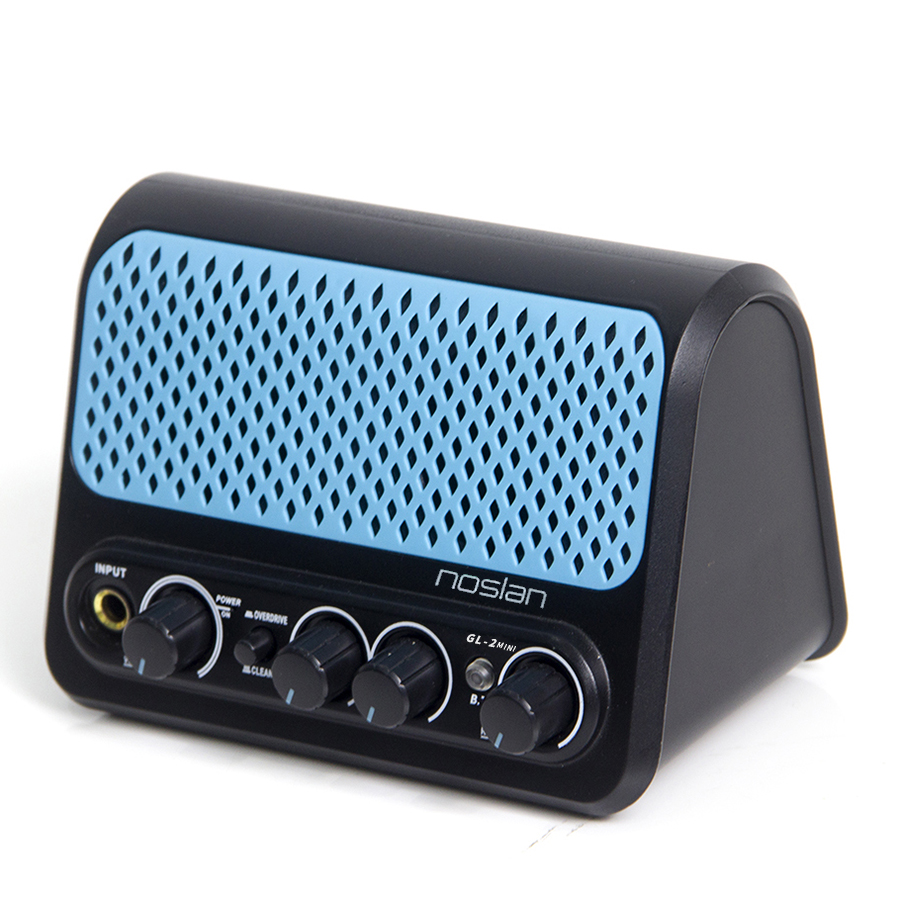
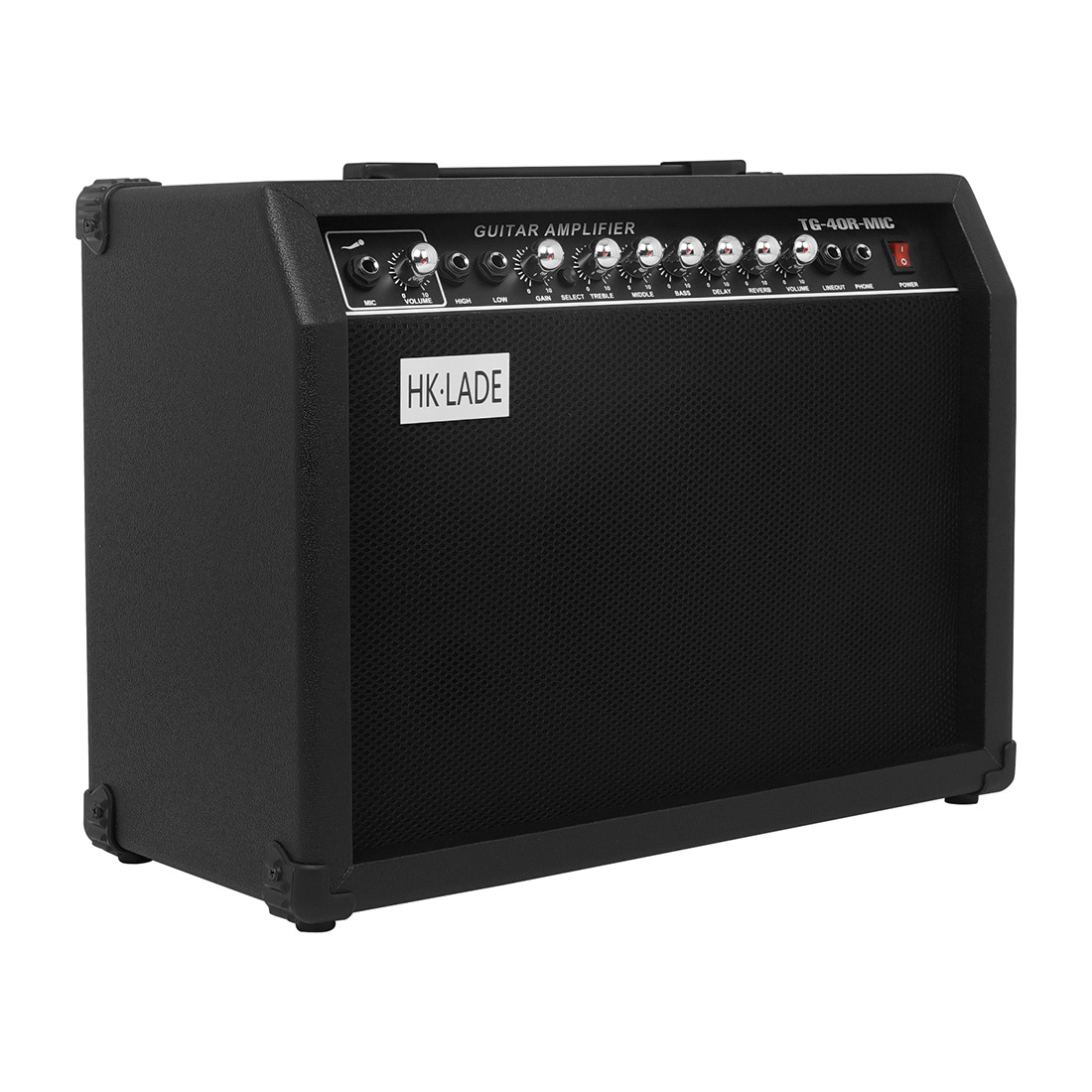
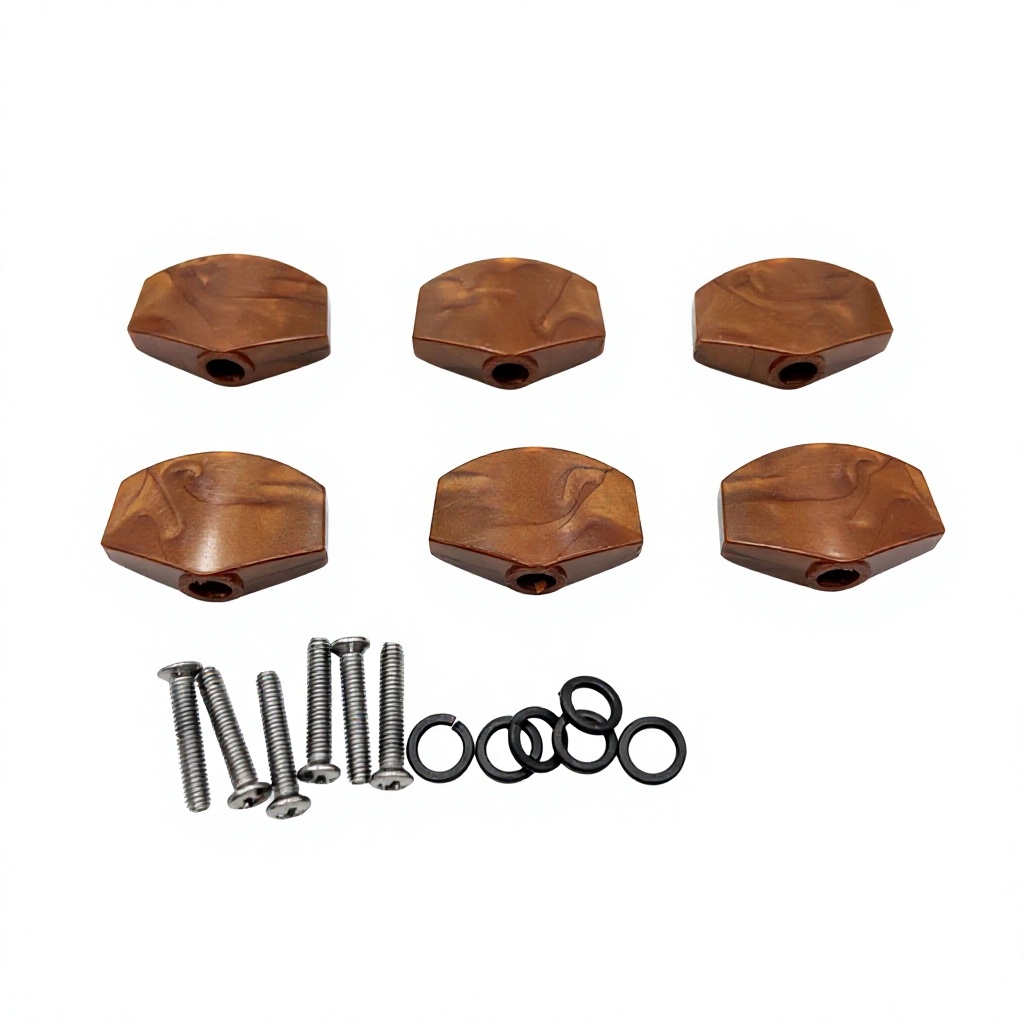
Retail buyers are increasingly consolidating vendor lists. Rather than issuing separate purchase orders for strings, tuning pegs, cables, pickups, and amplifiers, importers prefer verified direct manufacturers like NFGF that offer consolidated container shipments under unified quality assurance protocols.
Enterprise Advantage: Huizhou NFGF Musical Instrument Co., Ltd.

Direct Factory Manufacturing & Quality Engineering
Established in 2014 in Qiuchang, Huiyang District, Huizhou City—Guangdong's premier musical instrument production hub—Huizhou NFGF Musical Instrument Co., Ltd. operates a modern 5,100 square meter integrated facility dedicated to R&D, manufacturing, and export.
Assessed and independently verified on-site by SGS Group, NFGF offers comprehensive OEM and ODM solutions across stringed instruments, amplification, digital wireless units, and performance hardware.
- On-Site SGS Verified Facility: Strict material, in-process, and finished goods inspection.
- Patented R&D Capabilities: Over 100 design patents and proprietary intellectual property rights.
- Low Sample MOQs: Flexible initial order quantities starting from 1 unit for guitars/basses up to trial runs for accessories.
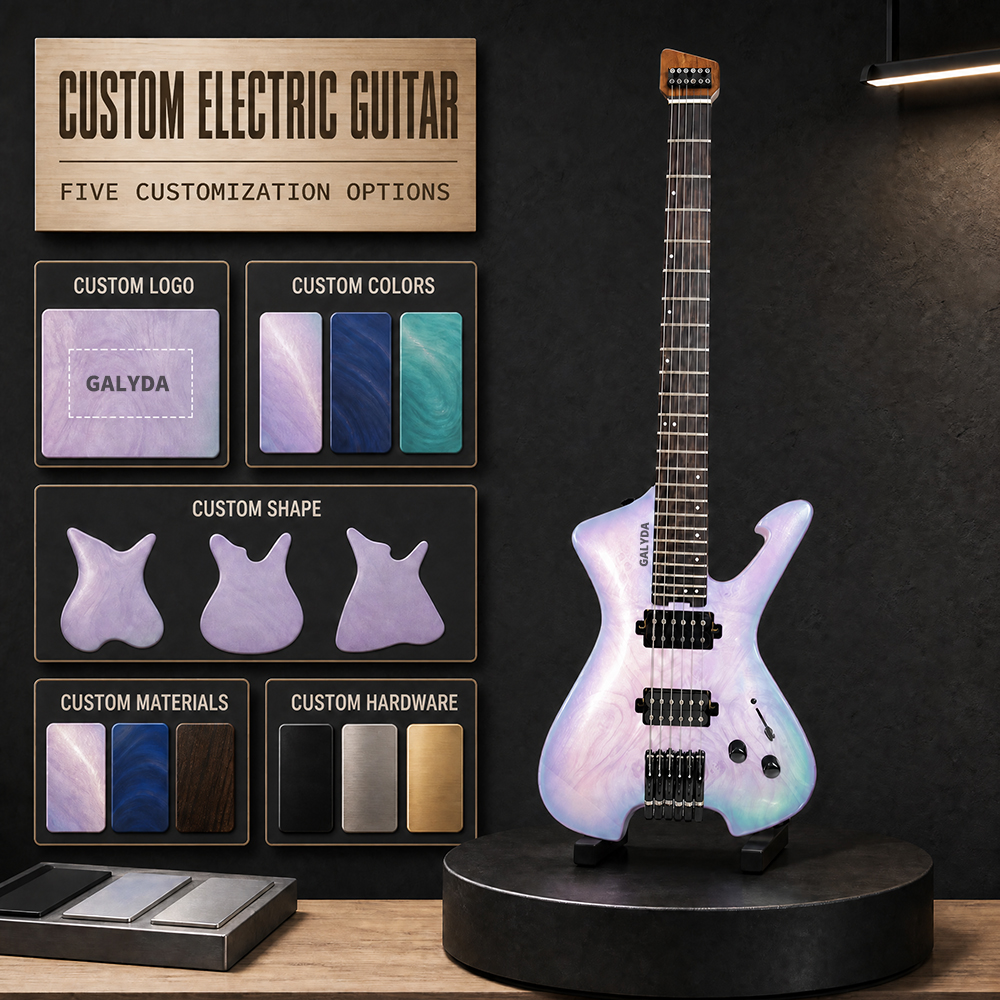
- Complete OEM Customization: Logo silk-screening, laser engraving, custom headstock shapes, custom core/wrap wire spec, and branded packaging.
Frequently Asked Questions for B2B Sourcing & Procurement
Find authoritative answers to technical procurement, private label customization, and quality verification questions commonly asked by musical instrument importers and chain retailers.
Key parameters include core wire tensile tolerance (verified via micrometer laser scanning), wrap wire pitch consistency, ball-end twist tightness, and environmental packaging hermetic integrity. A reliable factory should provide material certificates for high-carbon steel wire and copper alloys upon request.
While standard catalog items can be ordered with minimal quantities, fully customized foil pouches and private-label retail boxes typically require an MOQ starting between 1,000 to 3,000 sets due to printing press setup requirements. Sample production run units can be arranged for quality evaluation before mass printing.
All electronic accessories (wireless guitar systems, digital tuners, amplifiers, and active pickups) produced by NFGF comply with CE, FCC, and RoHS environmental directives. Our raw materials are screened for heavy metal restrictions to ensure smooth customs clearance across European and North American markets.
Yes. As an integrated manufacturer with an expansive 5,100 m² facility, NFGF specializes in consolidated container logistics. Importers can combine guitars, basses, ukuleles, amplifiers, and string accessories in a single purchase order to optimize ocean freight costs and streamline customs declarations.
Sample orders and prototype evaluation sets are generally fulfilled within 7 to 15 business days. Full OEM production runs typically require 25 to 35 days depending on packaging complexity, material specification, and order volume.