Featured OEM/ODM Guitars & Hardware
Direct factory-supplied instruments, accessories, and components engineered for international wholesale, retail distribution, and brand customization.

Executive Whitepaper: The Global Rise of Travel Guitars
An in-depth analysis of supply chain dynamics, consumer shifts, and manufacturing innovation driving the mobile stringed instrument sector.
The global musical instrument landscape is experiencing a structural pivot. Driven by dynamic consumer lifestyle changes, digital nomadic working arrangements, urban space optimization, and global travel revival, the demand for compact, highly portable, travel-friendly guitars has escalated at an unprecedented compound annual growth rate (CAGR). Historically regarded as niche secondary novelty items, travel guitars have transitioned into high-performance primary instruments that require rigorous acoustic tuning, precise structural integrity, and cutting-edge ergonomic engineering.
For international procurement directors, music instrument brand owners, Amazon FBA aggregators, and wholesale distributors, sourcing travel guitars from top China factories is no longer merely a cost-reduction strategy. It has become a strategic necessity for securing product innovation, manufacturing agility, and high profit margins. As China’s instrument manufacturing ecosystem matures—specifically within the renowned Huizhou industrial hub in Guangdong—factories are moving far beyond cheap mass assembly to advanced CNC-driven, high-precision custom production.
Defining the Modern Travel Guitar Taxonomy
To establish a strategic sourcing framework, buyers must evaluate the primary product archetypes currently driving global consumer demand:
Headless Electric Guitars
By removing the headstock and relocating tuning mechanisms to a specialized bridge assembly, overall body length is reduced by 20% to 25% without sacrificing full 25.5" or 24.75" scale length playability.
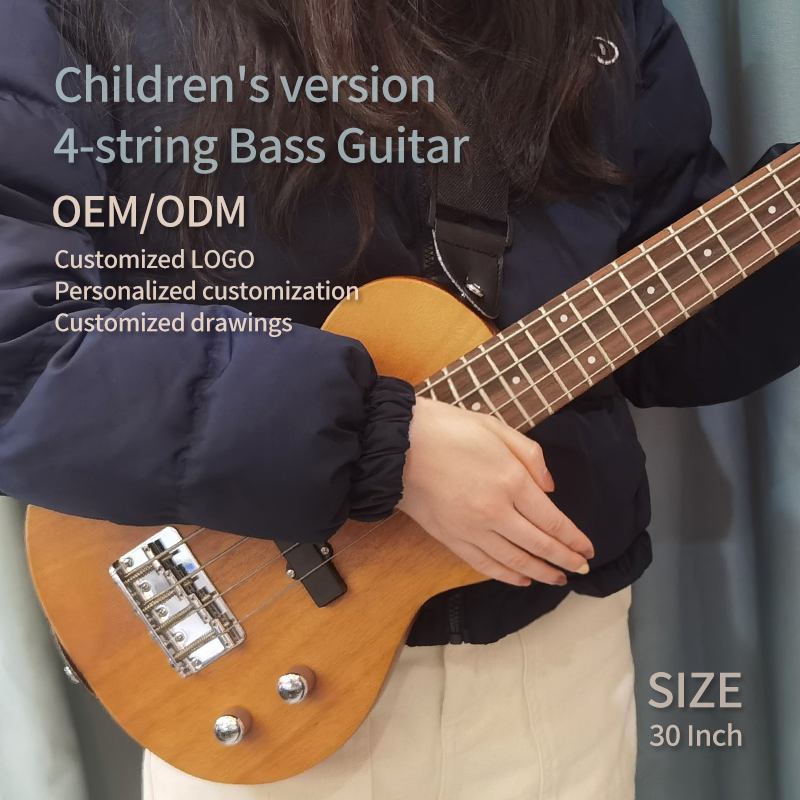
30" to 36" Short-Scale Acoustics
Compact OM and Dreadnought bodies engineered with modified internal parabolic bracing, allowing smaller acoustic cavities to generate full-bodied resonance and optimal low-end projection.
Silent & Smart Travel Guitars
Incorporating frame-only acoustic designs, headless acrylic bodies, built-in digital signal processing (DSP), Bluetooth preamps, and lithium-ion powered headphone outputs for silent practice anywhere.
Future Product Design & Engineering Trends
Key technological shifts reshaping travel guitar production from 2025 to 2030.
1. Advanced Tonewood Processing & Material Composites
Natural solid tonewoods react unpredictably to international humidity spikes and flight-cabin atmospheric shifts. Top-tier China guitar factories are resolving this volatility through vacuum thermo-roasting (Roasted Maple) and advanced composite integration. Roasting wood at 180°C–220°C in an oxygen-free chamber crystallizes hemicellulose, rendering the neck virtually impervious to warping. Concurrently, acrylic bodies, high-density carbon fiber weaves, and high-pressure laminates (HPL) are emerging as highly durable alternatives for outdoor travel lines.
2. Micro-Hardware Mechanics & Headless Tremolos
Traditional tuning pegs add unwanted weight at the extreme end of the instrument, creating neck-dive during upright play. Modern travel guitar engineering relies on high-gear-ratio (1:18 or 1:40) roller-bearing tuner systems integrated into the tailpiece bridge. Innovations such as small double-wire tremolo bridges allow expression and pitch stability within a micro-footprint, reducing total weight by up to 35% compared to standard double-locking floating bridges.
3. On-Board Active Electronics & Wireless Integration
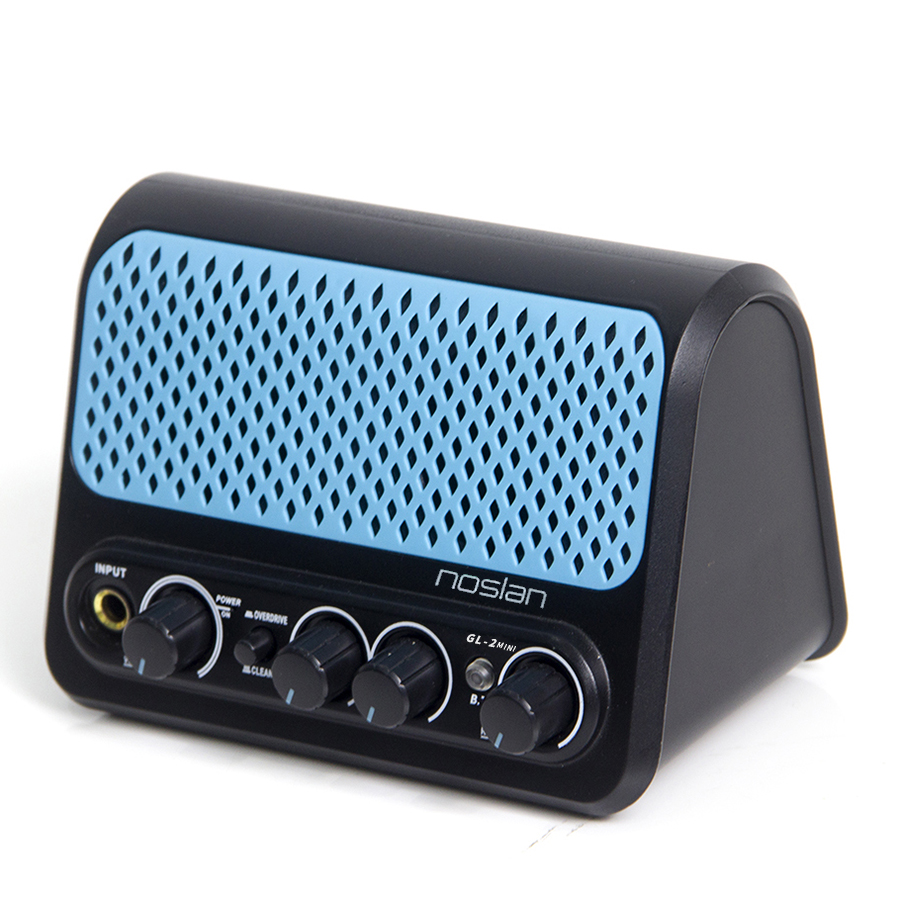
Travelers demand plug-and-play independence without carrying bulky external amplifiers and tangle-prone cables. Sourcing trends favor travel guitars equipped with on-board lithium-ion rechargeable preamps, built-in IR (Impulse Response) cabinet simulators, multi-FX distortion/delay/reverb algorithms, and direct Bluetooth audio streaming. Paired with compact 10-Watt rechargeable stereo mini-amps, players enjoy a complete performance rig that fits inside a single backpack carry-on.
4. Modular Detachable Necks & Foldable Structural Mechanics
To meet airline hand-luggage dimensional thresholds (typically under 56cm x 36cm x 23cm), factories are patenting quick-release neck jointing mechanisms. These steel-reinforced latching systems allow players to detach the neck from the body in under 30 seconds without loosening string tension entirely or damaging the neck pocket. This modular approach significantly lowers international air freight costs for B2B bulk buyers.
Global Procurement & Supply Chain Dynamics
Strategies for optimizing unit costs, mitigating shipping risks, and streamlining OEM custom manufacturing.
Sourcing musical instruments internationally requires balancing cost, quality control, and transit stability. Guitars are composite organic structures composed of tonewoods, adhesives, lacquers, and metallic hardware, making them vulnerable to environmental stress during cross-border maritime shipping. Industry-leading procurement managers adopt specific operational tactics when negotiating with Chinese manufacturing partners:
Key Strategic Sourcing Imperatives:
- Low MOQ Agile Sampling: To minimize market entry risk, brands prefer factories offering 1-piece sample runs for electric guitars and 2-to-10 piece MOQs for accessories or ukuleles. This setup allows rapid localized market validation prior to placing full container loads.
- Third-Party Factory Audits (E-E-A-T & Quality Verification): Relying on unverified trading companies introduces quality variance. Top brands partner directly with SGS-verified factories that possess physical facility certifications, environmental compliance approvals, and transparent on-site manufacturing lines.
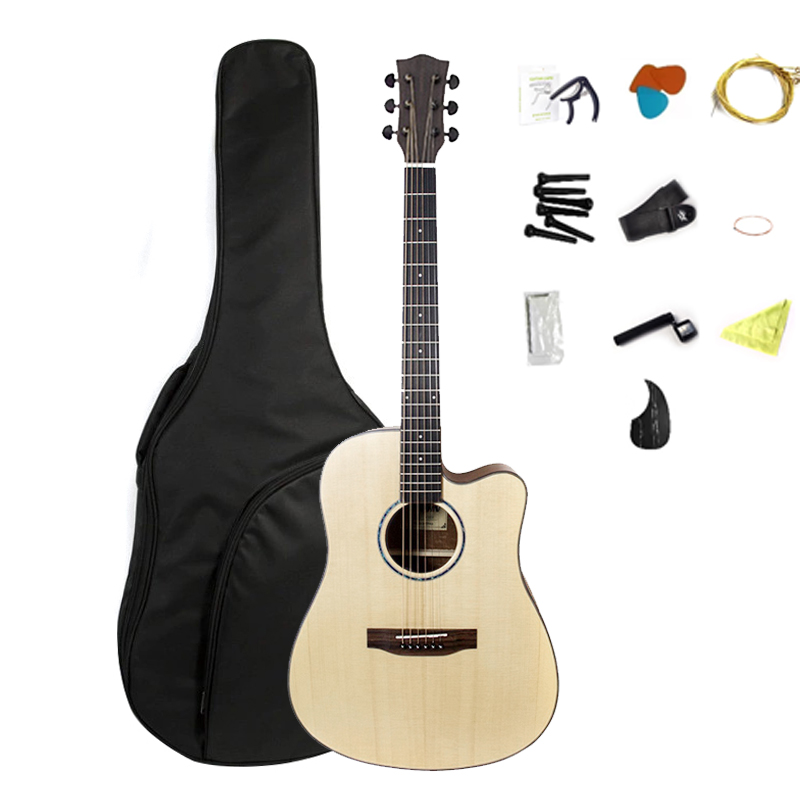
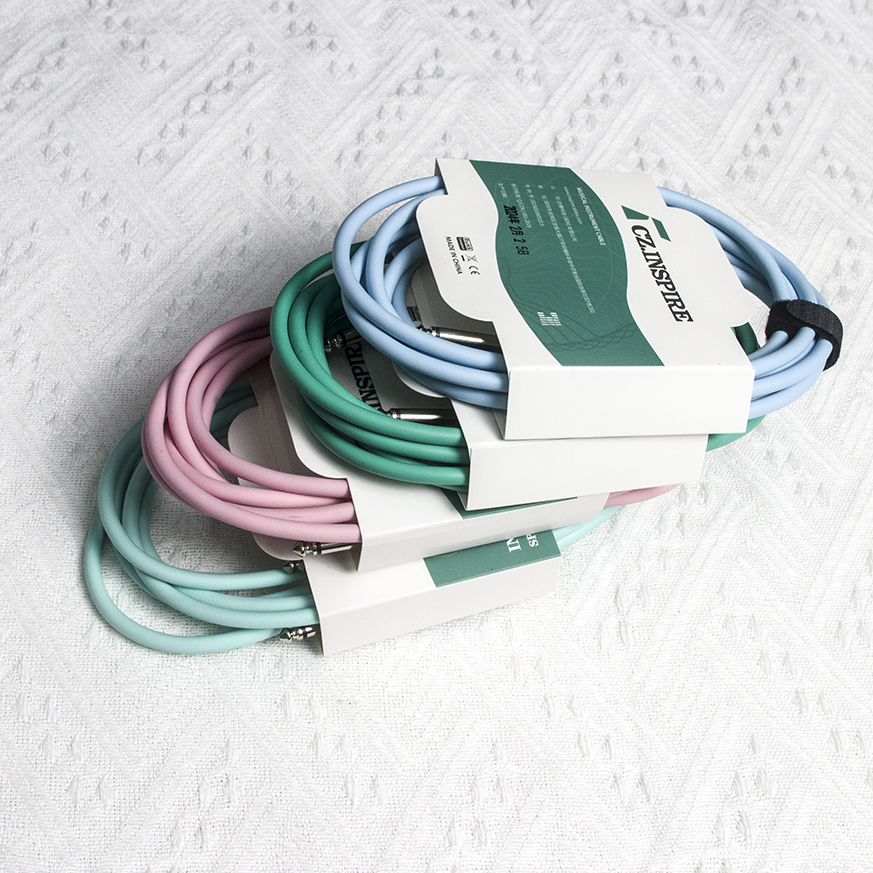
- Unified One-Stop Procurement: Managing separate suppliers for guitars, amplifiers, gig bags, cables, and tuning pegs multiplies logistics overhead and quality risk. Modern buyers consolidate orders with suppliers capable of delivering complete bundled solutions (e.g., guitar + 10W rechargeable amp + 3M cable + padded gig bag).
Enterprise Excellence: Huizhou NFGF Musical Instrument Co., Ltd.
An inside look at our 5,100 m² SGS-verified manufacturing campus, proprietary engineering, and global OEM/ODM capabilities.
Located in Qiuchang, Huiyang District, Huizhou, Guangdong—the absolute epicenter of China’s premium instrument manufacturing hub—Huizhou NFGF Musical Instrument Co., Ltd. (established in 2014) stands as a premier manufacturer integrating advanced R&D, automated production, and direct international export.
5,100 m² State-of-the-Art Plant
Our facility houses high-precision CNC routers, automated climate-controlled spray booths, wide-belt sanding machinery, and multi-stage gloss polishing systems operating under continuous climate control.
SGS-Audited & Certified
Independently verified on-site by SGS Group (latest audit November 2025). We guarantee full material traceability, CE/FCC compliance, and rigorous incoming-to-final product inspection.
100+ Patents & In-House R&D
With dozens of skilled luthiers and creative engineers, we hold over 100 original design patents and copyrights, helping global brands co-develop proprietary market-leading instruments.
Strict 8-Stage Factory Quality Assurance Framework
Every single instrument leaving our assembly line passes through eight non-negotiable quality control checkpoints:
- Kiln-Dried Wood Inspection: Electronic moisture meter validation ensuring 8%–12% internal moisture content to prevent cracking during global transit.
- CNC Precision Profiling: Computer-controlled shaping of body cavities, neck pockets, and fingerboard radii to 0.05mm tolerances.
- Acoustic & Mechanical Jointing: Hand-fitted neck-to-body pocket alignment ensuring optimal vibrational energy transfer and sustain.
- Surface Hand-Sanding: Multi-stage manual prep-sanding up to 800-grit before sealer application.
- Electrostatic Spray Painting: Application of high-gloss, matte, satin, or burst nitrocellulose/polyurethane lacquers.
- Automated & Hand Buffing: Mirror-finish mechanical compound buffing removing all micro-scratches.
- Precision Assembly & Wiring: Luthier installation of pickups, machine heads, bridges, double-wire tremolos, and custom harnesses.
- Final Playability Setup & Audio Testing: String action adjustment, intonation setting, fret levelling check, and electronic noise-floor testing.
Frequently Asked Questions (FAQ) for B2B Buyers
Essential technical and commercial answers for guitar importers, brand managers, and procurement officers.
What is the Minimum Order Quantity (MOQ) for custom travel guitars and accessories?
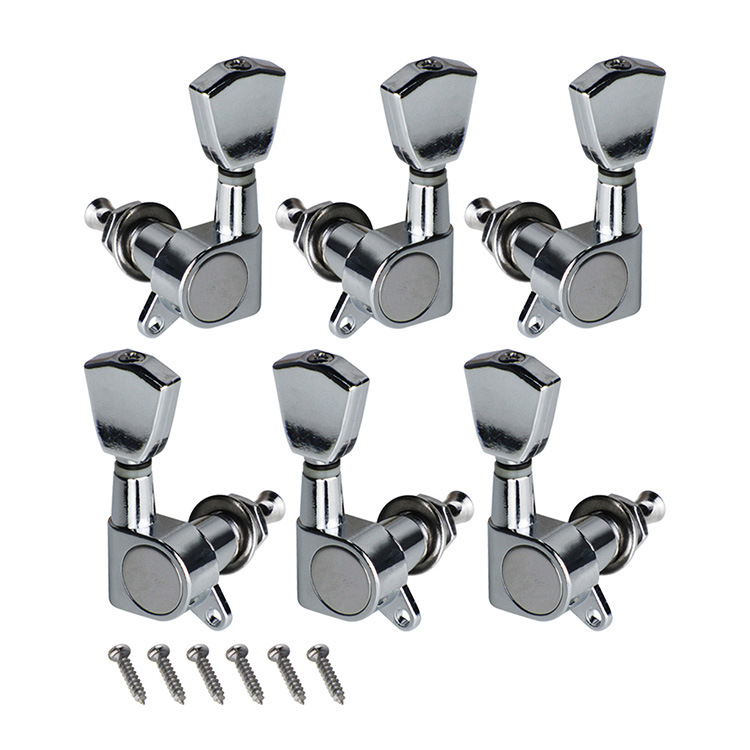
We maintain highly flexible order thresholds to support brand growth. Standard catalog electric guitars, LP/TL styles, and headless travel models can be ordered starting at just 1 piece for evaluation samples. Ukuleles start at 2 pieces, steel tongue drums at 10 pieces, and smaller accessories (such as celluloid picks or tuning machines) start at 100 pieces. Custom private-label runs involving full custom finishes, specific tonewood selections, or bespoke body shapes vary according to the level of tooling required.
How does NFGF prevent tonewood warping during international maritime shipment?
Wood instability is caused by ambient moisture fluctuations during shipping. We mitigate this by subjecting all raw tonewoods (mahogany, maple, basswood, rosewood) to automated dehumidification and kiln-drying chambers until wood moisture levels stabilize between 8% and 12%. For premium travel models, we strongly recommend roasted maple necks, which undergo thermal treatment to remove all residual moisture and resin, guaranteeing rock-solid stability in extreme climates.
What private-label OEM logo customization techniques are available?
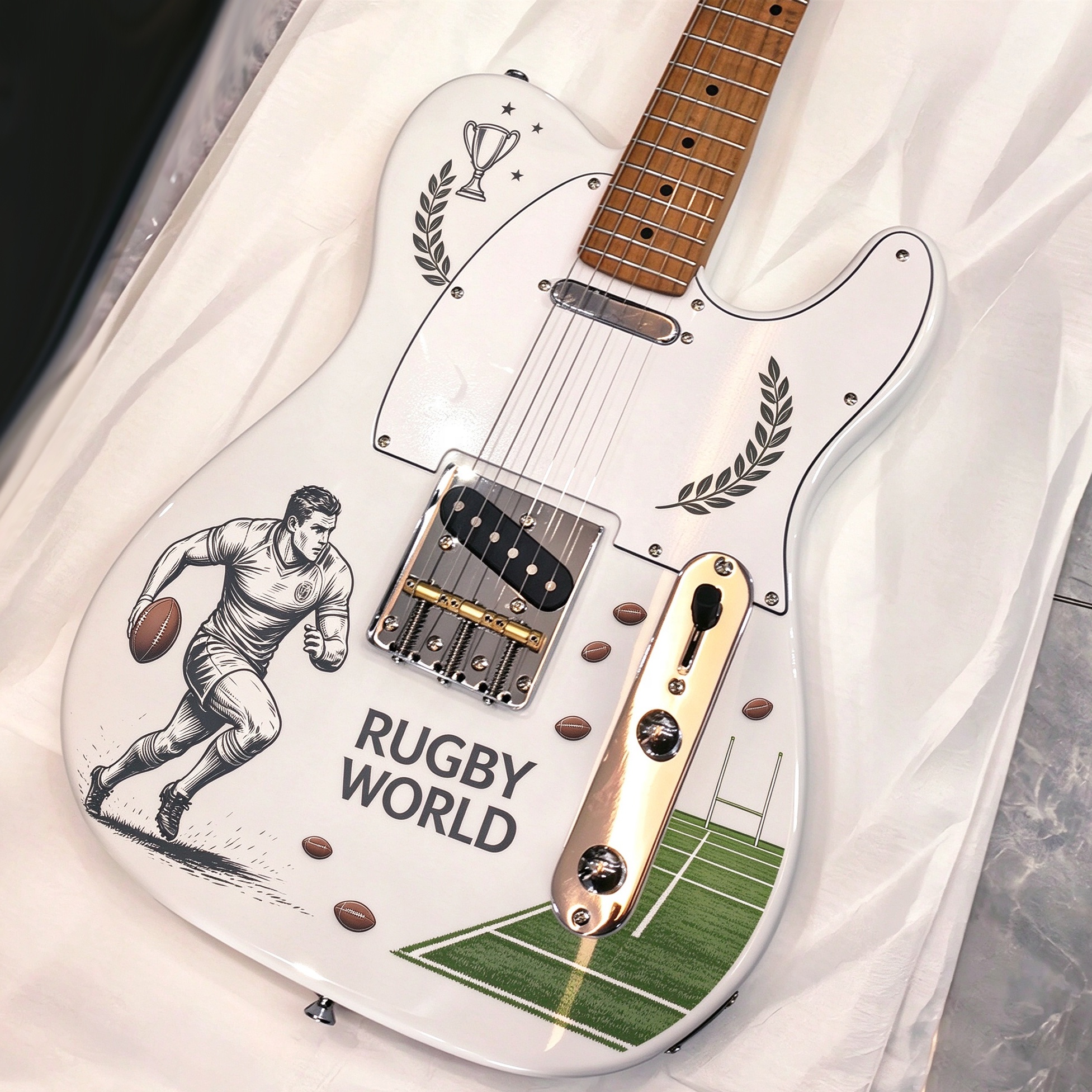
We provide full branding customization across the instrument and its packaging. Logo application methods include high-precision silk-screen printing, water-transfer decals under the clear coat, laser engraving on headstocks or neck plates, metallic foil inlaying, and custom truss rod covers. Additionally, we print custom retail color boxes, barcoded master shipping cartons, and branded padded gig bags.
Are your electronic components compliant with international import regulations?
Yes. All electronic instruments, active preamps, effects pedals, and rechargeable mini-amplifiers manufactured by Huizhou NFGF comply with major international regulatory standards. Selected lines carry CE and FCC certifications, and our electronic assemblies use RoHS-compliant lead-free soldering to ensure hassle-free customs clearance in Europe, North America, and Australia.
What is the standard production turnaround time for OEM bulk orders?
Sample orders for existing in-stock models are typically prepared and dispatched within 7 to 10 working days. Standard bulk production runs (50 to 500 units) require approximately 30 to 45 days, allowing adequate time for proper lacquer curing, polishing, and quality testing. Fully customized ODM projects requiring custom CNC tooling or unique electronics development take 45 to 60 days depending on specification complexity.
Partner with China's Premier Travel Guitar Manufacturer
Looking to launch a custom travel guitar line, order factory-direct samples, or streamline your B2B instrument supply chain? Contact our engineering and export team today for instant pricing, CAD drawings, and complete catalog access.