Featured Wholesale & OEM Product Collection
Direct factory offerings engineered for resonance, structural durability, and high commercial yield.
Why Top Global Brands Partner with NFGF
Precision manufacturing, audited quality standards, and deep technical mastery in solid top acoustics and electric instruments.
SGS On-Site Audited Facility
Operated by Huizhou NFGF Musical Instrument Co., Ltd. (est. 2014) in Qiuchang, Huiyang District, Huizhou, Guangdong. Our 5,100 m² plant has passed full SGS on-site verification, validating incoming material control, workshop safety, and rigorous output checks.
Precision CNC & Kiln Drying
We combine high-precision 5-axis CNC wood routing with vacuum-assisted kiln drying to strictly stabilize equilibrium moisture content (EMC) at 6%–8%. This virtually eliminates neck warping, top sink, and frets sprouting in variable export climates.
Agile Low MOQ & OEM Flexibility
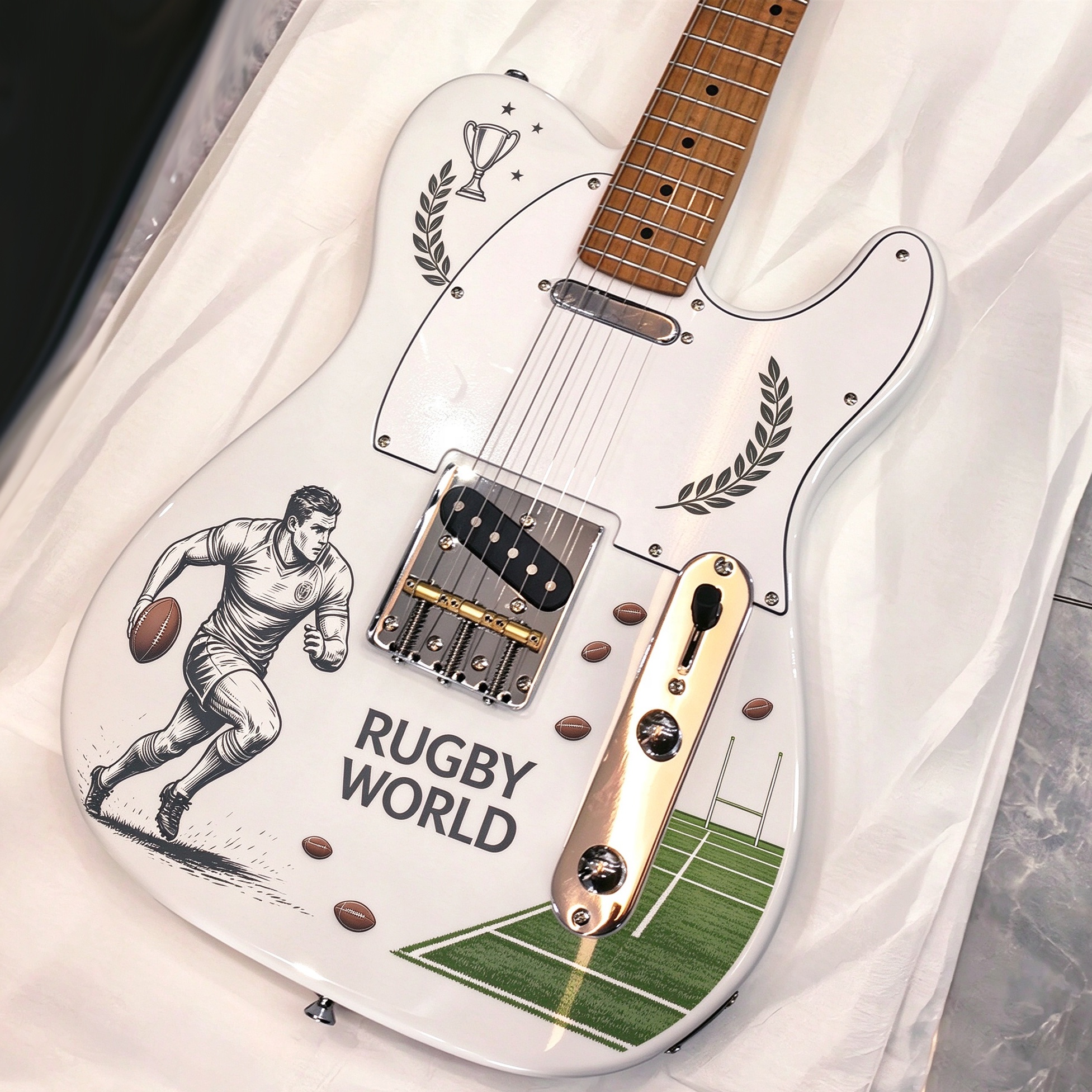
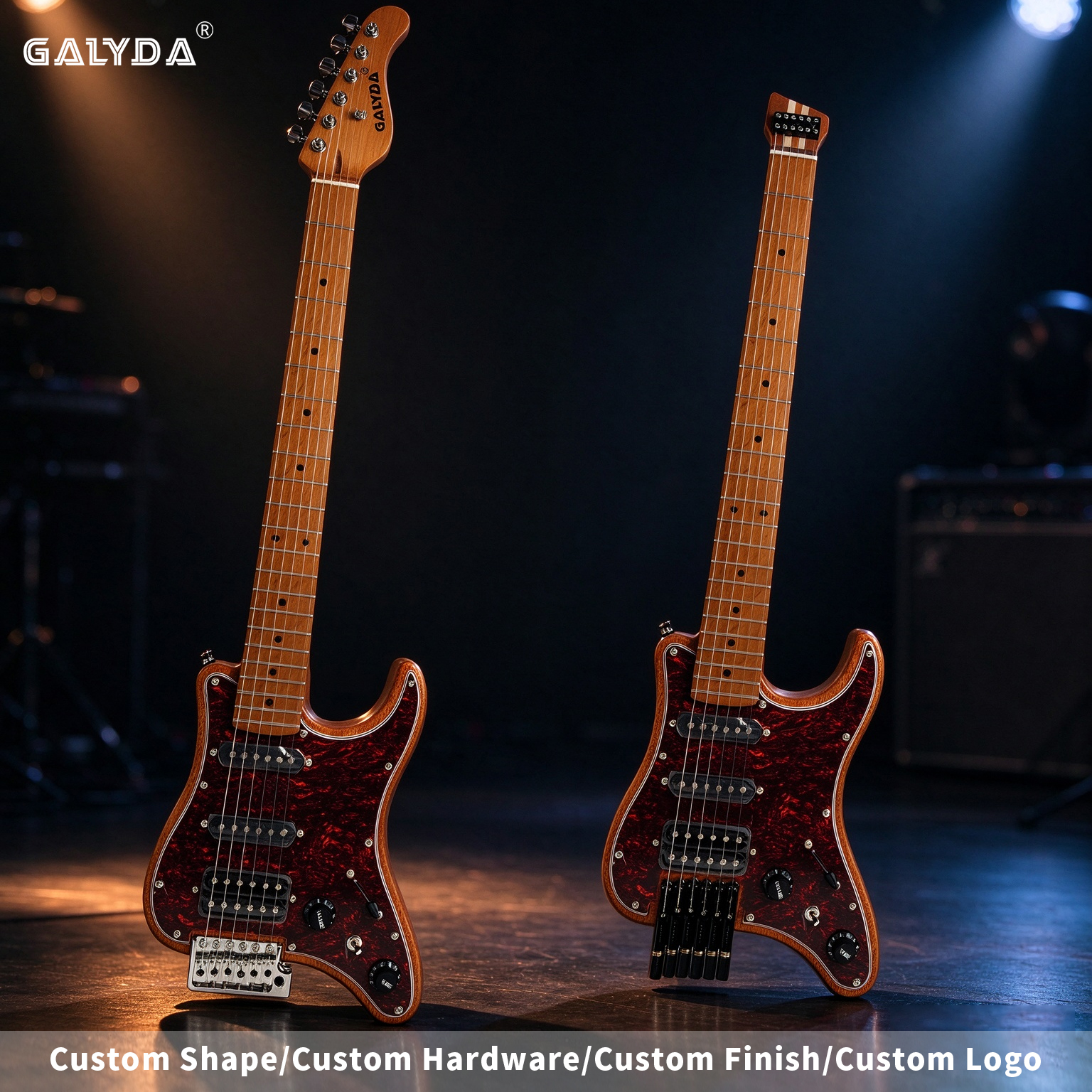
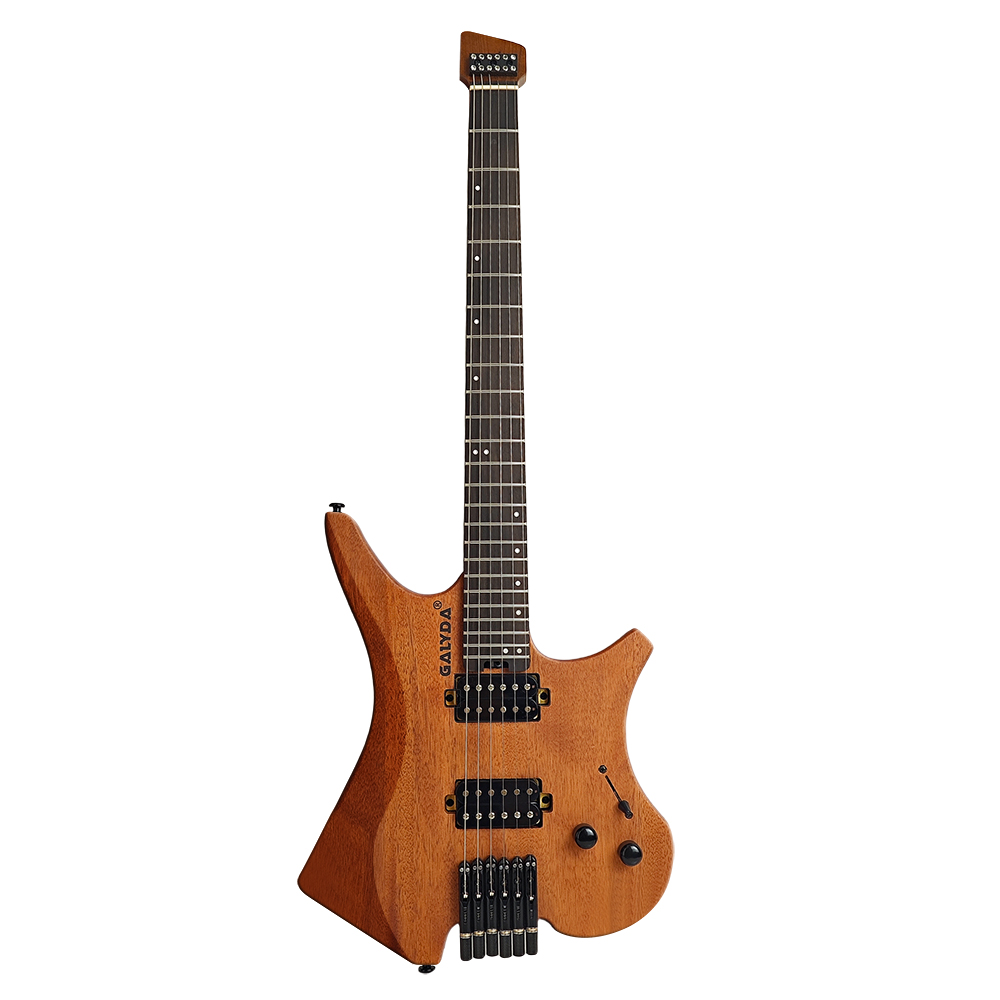
From sample prototypes at 1 piece for key guitar models to flexible scaled runs for ukuleles, steel tongue drums, and kalimbas. We empower boutique labels and large-scale importers with rapid ODM branding, custom headstock shaping, and laser engraving.
Industry Whitepaper: The Engineering Physics of Solid Top Guitars
In global acoustic guitar manufacturing, the distinction between a laminated soundboard and a Solid Top (Solid Spruce/Cedar) represents the fundamental divide between entry-level utility and true concert-grade acoustic projection. For brand owners and procurement directors targeting mid-to-high tier retail markets, understanding the structural mechanics and physics of solid tonewoods is crucial for brand positioning and minimizing warranty return rates.
1. Dynamic Velocity of Sound & Resonance Efficiency
A solid wood soundboard (typically Solid Sitka Spruce, Solid Engelmann Spruce, or Solid Western Red Cedar) functions as an acoustic membrane that converts string kinetic energy into airborne acoustic pressure waves. Solid wood possesses a unbroken cellular grain structure with continuous longitudinal tracheids. This allows sound waves to travel along the grain at speeds exceeding 5,200 meters per second, compared to under 3,800 m/s in cross-grained plywood laminates.
Because laminated tops rely on synthetic resin glues between 3 thin veneers, the adhesive layers act as acoustic dampers, absorbing high-frequency harmonics and choking natural sustain. A solid top guitar crafted in our Huizhou facility yields an acoustic energy conversion rate up to 35% higher, providing superior dynamic headroom, richer overtone series, and the prized phenomenon of "opening up"—where natural wood resonance softens resinous bonds over years of vibration to enhance low-end resonance.
2. Structural Bracing Architectures for Solid Tops
Because a solid spruce top is vibrating under 150 to 180 lbs of continuous tension from steel strings, structural integrity must be harmonized with acoustic flexibility. At NFGF, our engineering team utilizes computer-optimized bracing configurations:
- Scalloped Forward-Shifted X-Bracing: Shifting the main X-brace intersection closer to the soundhole allows the lower bout of the solid top to flex more freely, unlocking deep sub-bass response and massive acoustic volume without compromising structural load-bearing capacity.
- Tapered Parabolic Tone Bars: Hand-voiced parabolic tone bars channel high-frequency energy across the soundboard perimeter, guaranteeing crisp articulate highs ideal for fingerstyle recording artists.
- Vacuum Lamination & Kerfing Placement: Precision-milled mahogany kerfing strips line the interior rim joints, ensuring total energy transfer from soundboard to mahogany/rosewood back and side walls.
Technical Matrix: Solid Top Material Performance Benchmark
| Tonewood Species | Specific Gravity (g/cm³) | Velocity of Sound (m/s) | Tonal Spectrum Profile | Recommended Target Player / Genre |
|---|---|---|---|---|
| AAA Solid Sitka Spruce | 0.42 - 0.45 | 5,400 | Broad dynamic range, strong punchy fundamental, crisp clarity | Flatpicking, Strumming, All-Round Commercial Acoustic |
| Solid Western Red Cedar | 0.35 - 0.38 | 4,900 | Warm, intimate harmonics, immediate note response, rich overtones | Fingerstyle Acoustic, Classical Guitars, Studio Recording |
| Torrefied (Thermo-Cured) Spruce | 0.38 - 0.41 | 5,600 | Vintage aged tone, ultra-dry response, enhanced acoustic velocity | Premium Vintage Reissue Series, Audiophile Collectors |
| High-Pressure Laminate (HPL/Plywood) | 0.65 - 0.75 | 3,600 | Flat frequency response, muted overtones, high impact resistance | Entry-level student models, harsh outdoor environments |
3. Environmental Stabilization: Thermal Treatment & Torrefaction
The primary vulnerability of solid top instruments in international logistics is humidity-induced dimensional changes. When solid wood absorbs ambient moisture above 65% RH, it expands across the grain, causing belly bulge and high string action. Conversely, exposure to dry winter air below 35% RH causes shrinking, seam splitting, and fret buzzing.
To solve this, NFGF incorporates advanced Torrefaction (Thermo-Treatment) technology. By baking tonewood tops in an oxygen-deprived kiln chamber at temperatures between 160°C and 200°C, volatile hemicelluloses break down and moisture capacity drops permanently. Torrefied solid tops exhibit near-zero hygroscopic movement, rendering the guitar virtually immune to climate shifts while delivering the open, resonant voicing of a 50-year-old vintage instrument.
Strategic Sourcing & Future Procurement Trends (2025–2030)
As regulatory frameworks, consumer expectations, and supply chain dynamics evolve, international procurement directors must adapt their OEM/ODM strategies. Below are four macro trends shaping musical instrument sourcing out of China over the next decade:
ESG Compliance & CITES Timber Traceability
Western customs agencies (US Lacey Act, EU Timber Regulation) now mandate complete chain-of-custody documentation for exotic woods like Rosewood (Dalbergia) and Ebony. Forward-thinking factories like NFGF are shifting toward legally certified plantation woods, thermo-treated maple, and richlite fingerboards to ensure seamless friction-free export clearance.
Hybrid Smart Acoustics & Onboard DSPs
Modern players demand traditional solid top acoustic warmth combined with modern digital flexibility. Demand for acoustic guitars equipped with onboard actuator transducers (delivering reverb, delay, and chorus directly through the unamplified guitar soundhole) is projected to grow at a CAGR of 14.2% through 2030.
Agile On-Demand OEM Inventory Models
Holding massive warehouse inventory is no longer financially viable for mid-sized distributors. The future belongs to modular B2B production where core guitar chassis are pre-manufactured, allowing custom logo application, pickup swaps, and final setup within 14 days of purchase order receipt.
Frequently Asked Procurement Questions
Clear, transparent answers to help B2B buyers, distributors, and brand managers navigate factory sourcing.
Partner with China’s Leading Solid Top Guitar Factory
Request a custom manufacturing quote, order factory samples, or discuss your brand’s OEM design specifications with our senior engineering team today.
Contact Us