Featured Wholesale & OEM Instruments
Engineered for commercial brands, importers, and global distributors. Precision manufacturing from Huizhou instrument cluster.
AG Headless Electric Guitar With Maple Neck & Acrylic Body
Solid acrylic ergonomic resonance body, small double-wire tremolo bridge, carbonized maple neck. High visual appeal for stage performers.
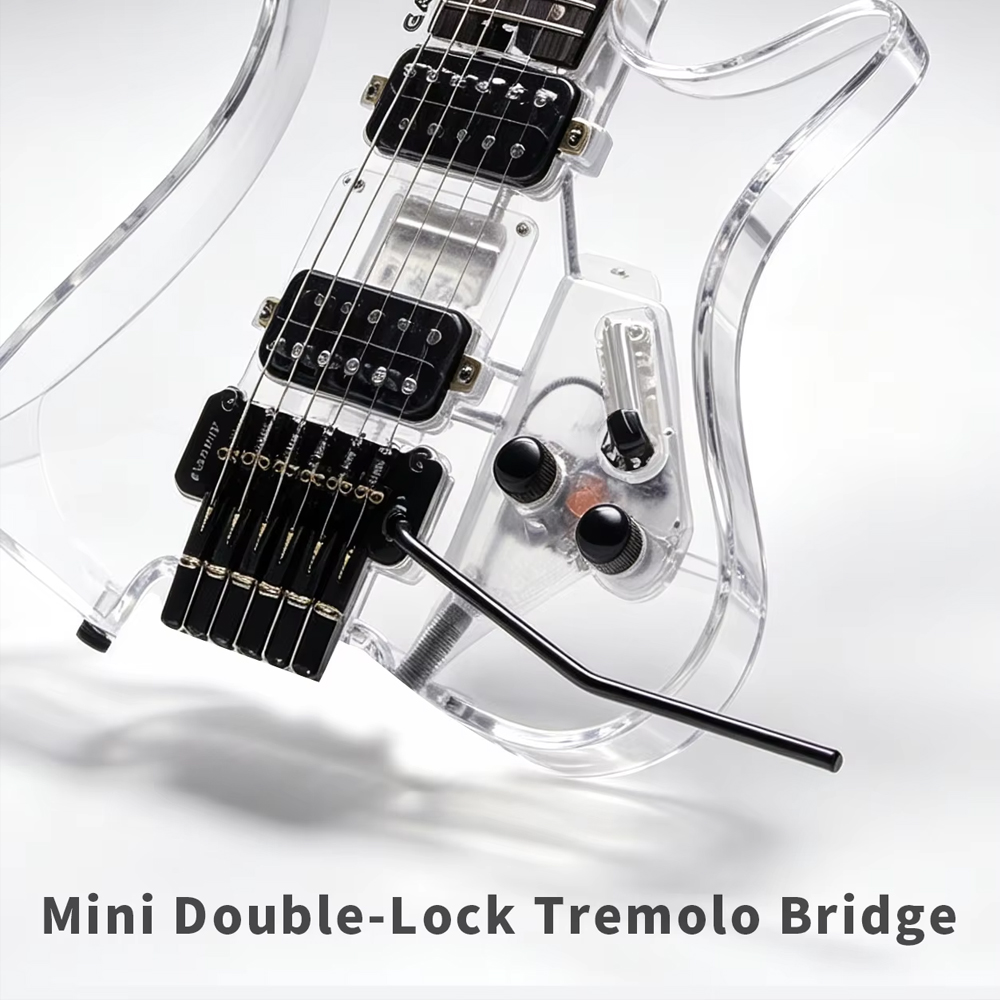
Silent Travel Guitar Africa Acrylic Chorus Headless Design
Portable acoustic-electric travel setup, integrated active chorus processing, ultra-light frame with high acoustic rejection for headphone practice.
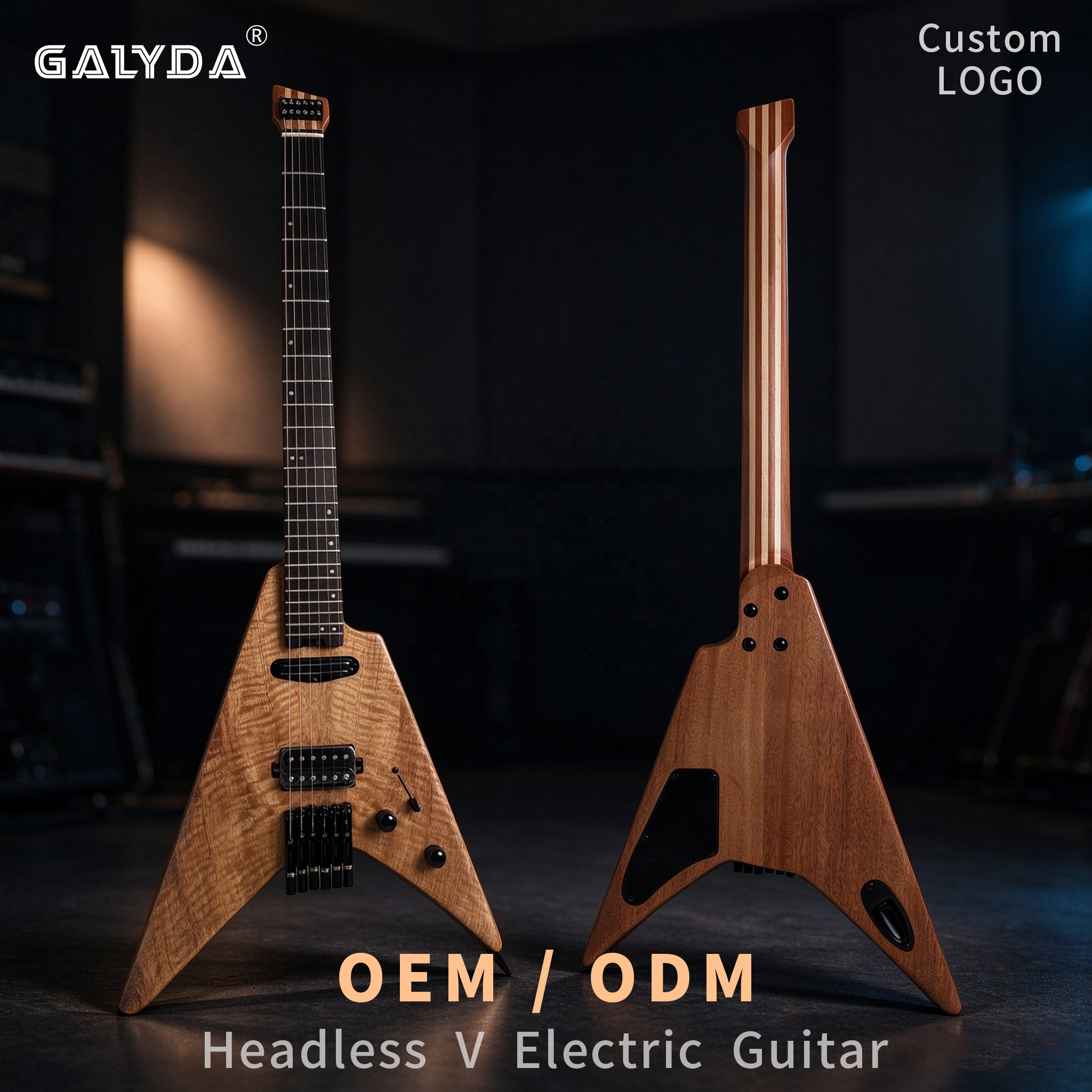
Headless V-Shape Electric Guitar 6 Strings Mahogany Body
7-piece maple neck, rosewood fingerboard, mahogany body core for maximum sustain. Engineered for heavy rock and progressive metal genres.
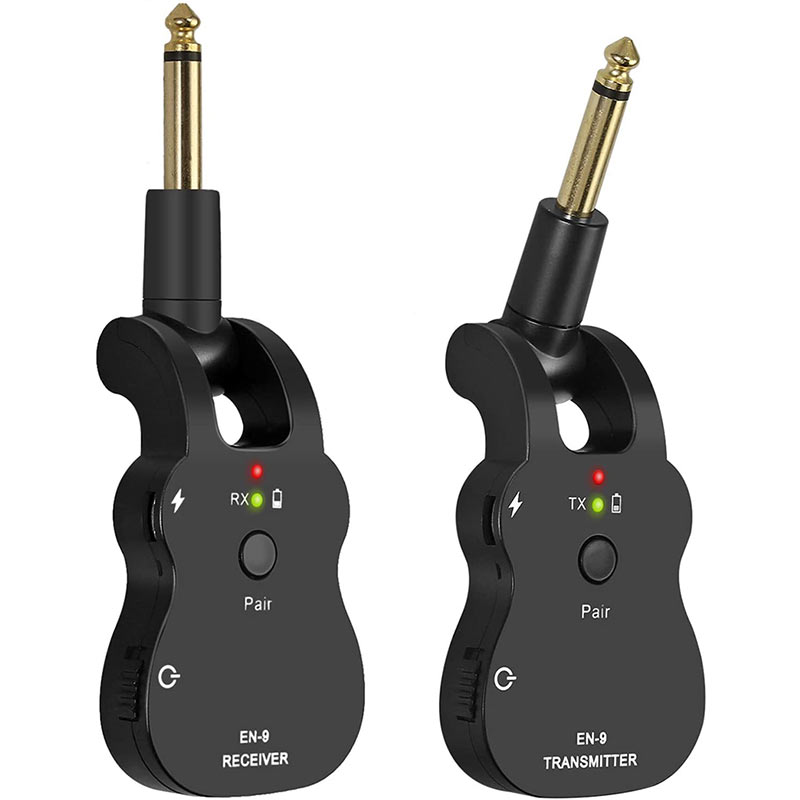
Digital Guitar & Bass Wireless Audio Transmitter System
2.4GHz digital audio transmission, ultra-low latency (<5ms), rechargeable lithium cell, 280-degree rotatable jack plug fitting all instrument sockets.
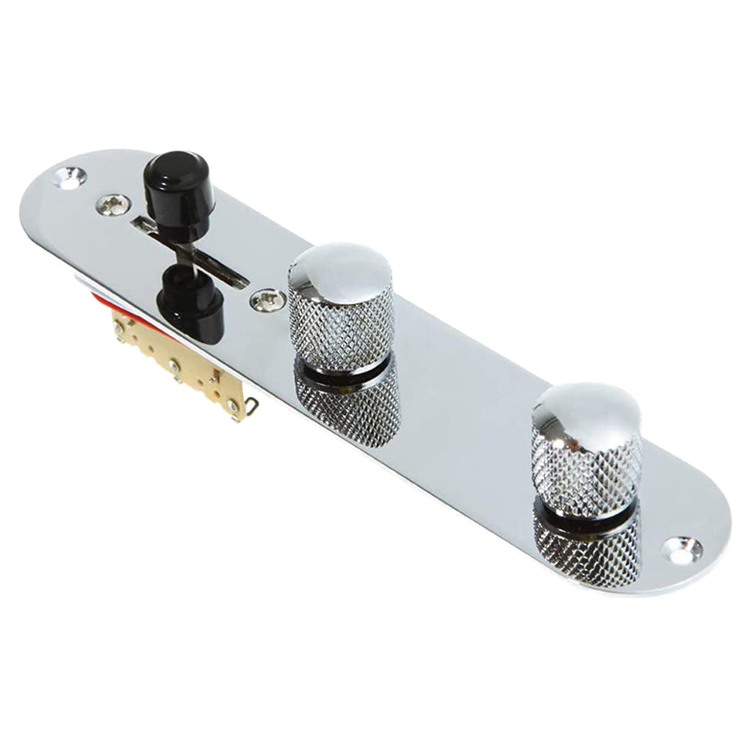
Pre-Wired 3-Way Control Plate with Harness for Telecaster
Chrome/Black/Gold electroplated metal plate, pre-soldered 250K potentiometers, noise-shielded wiring harness ready for drop-in assembly.

Factory Custom LP Style Electric Guitar Double Coil Pickups
Solid mahogany body, high-gloss lacquer finish, gold-plated Tune-O-Matic bridge, dual humbucking pickups delivering warm vintage output.
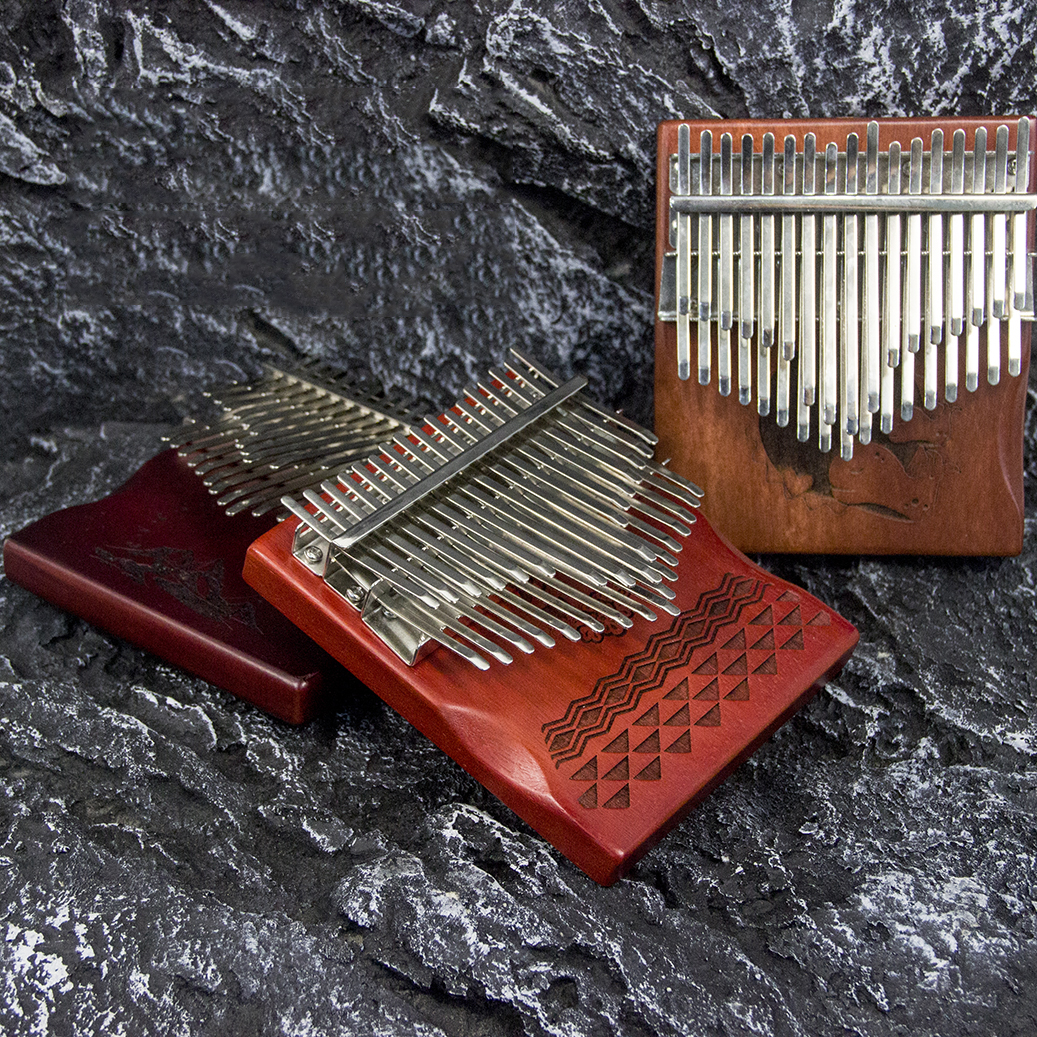
34-Tone Solid Mahogany Wood Double-Layer Kalimba
Dual-layer chromatic key structure, natural solid mahogany acoustic box, manganese steel tines tuned to C major. Ideal for retail and gifts.
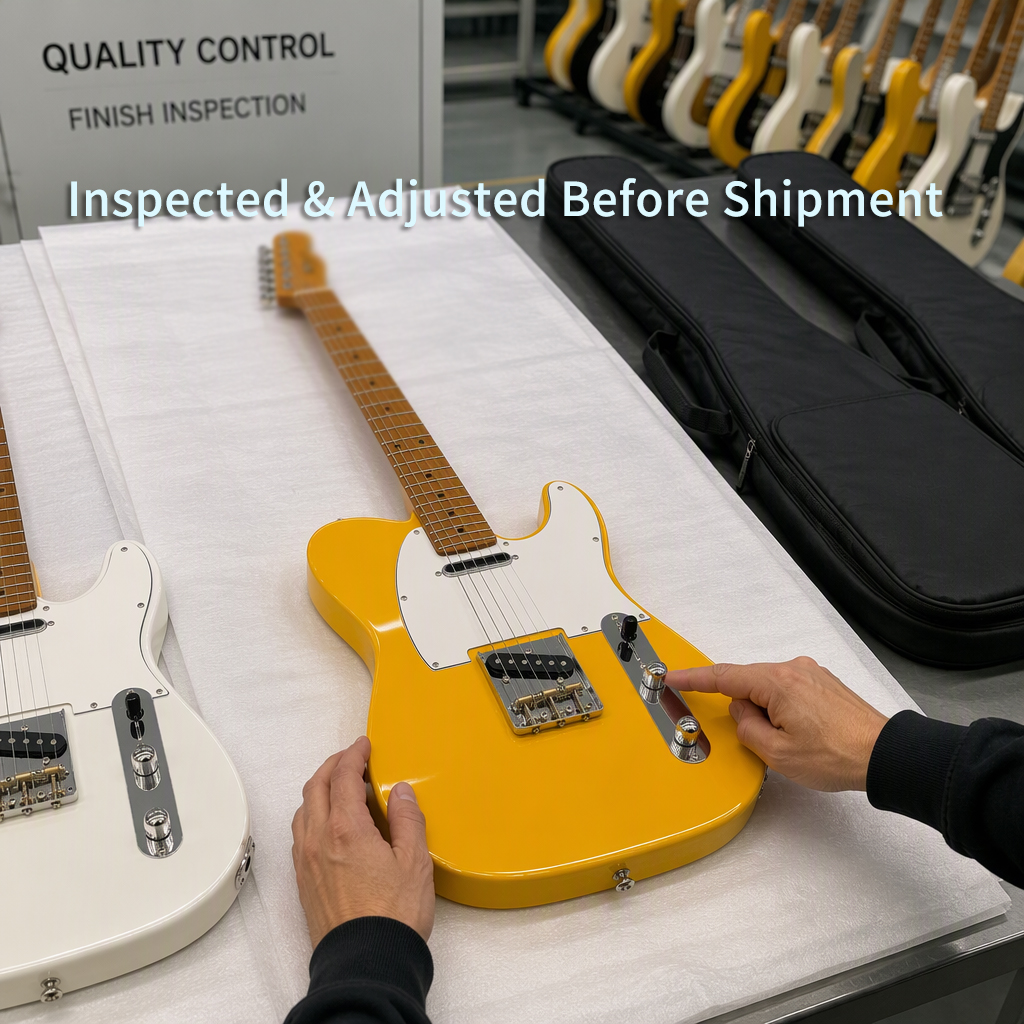
TL Electric Guitar SS Alnico-5 Pickups Okoume Body
Lightweight Okoume core, carbonized roasted maple neck for superior thermal stability, classic SS Alnico-5 single-coil twang config.
Huizhou NFGF Musical Instrument Operational Benchmarks
Combining multi-axis CNC robotics, acoustic engineering expertise, and rigorous export compliance for top-tier global music brands.
Advanced Tonewood Processing
Integrated automated kiln-drying chambers maintain timber moisture content between strict 8%–12% thresholds, eliminating warping, neck bowing, and fret-sprout across variable destination climates.
Automated Multi-Axis CNC Milling
High-precision CNC carving machinery guarantees sub-millimeter tolerances across body contours, neck pockets, pickups routing, and fretboard radius alignment for absolute batch consistency.
SGS Multi-Stage Inspection
On-site verified production line with three-tier QC: raw material inbound screening, in-line assembly clearance, and 100% final playability, intonation, and electronic output testing.
Strategic B2B Procurement Trends in Global Instrument Sourcing
The global stringed instrument trade is undergoing a structural transition. Importers, brand holders, and e-commerce channel leaders are moving away from traditional transactional manufacturing toward integrated ODM co-development partnerships. As a premier China guitar supplier and export facility based in Huizhou, Guangdong, Huizhou NFGF Musical Instrument Co., Ltd. closely monitors and drives these macroeconomic procurement evolutions.
1. Agile Inventory Models & Low-MOQ Sampling Architecture
Traditional procurement paradigms forced retailers to commit to high-volume container orders (300+ units per SKU), resulting in excessive warehousing costs and tied-up capital. Modern B2B procurement strategies prioritize agile supply lines. Leading Chinese exporters now offer micro-batch initial runs (starting from 1 to 10 sets on select solid-body electric guitars and basses) to allow brands to execute real-time market testing and rapid digital campaign validation before scaling up production.
Pro Insights: Combining mixed-SKU shipments (electric guitars, acoustic models, ukuleles, and digital wireless systems) within a single container optimizes freight costs while diversifying retail inventory risks.
2. CITES Compliance & Sustainable Tonewood Traceability
Regulatory scrutiny around endangered timber species (under CITES Appendices I and II) has forced international buyers to verify timber provenance. Leading China factories have overhauled supply chains, substituting restricted Rosewood (Dalbergia) with legally compliant alternatives such as Tech-Wood, Carbonized Maple, Laurel, and sustainably harvested Okoume or Mahogany. Verified factories provide complete phytosanitary and material verification documentation required for seamless customs clearance in North America, Europe, and Australia.
3. Direct-to-Digital Prototyping and Custom Branding
The acceleration of private-label e-commerce brands requires fast turnarounds from 2D concept renderings to playable samples. By combining 3D CAD modeling with rapid automated CNC carving, modern factories reduce sample development lead times from 90 days down to under 15 days. Custom headstock laser engraving, UV silk-screen logos, and specialized pickguard color matching can now be implemented without expensive custom tooling surcharges.
Engineering & Design Innovations Shaping Modern Guitar Manufacturing
As performer demands evolve toward portable, highly stable, and versatile acoustic-electric hybrid instruments, Chinese instrument factories are advancing material science, electronics, and ergonomic neck craft.
Headless & Compact Travel Architectures
Headless guitars replace traditional tuning machines at the headstock with specialized bridge-mounted mechanical tuners. This drastically reduces overall instrument length and weight while eliminating neck-dive. Paired with acrylic or composite bodies, headless designs deliver maximum structural rigidity, unique visual aesthetics, and zero tuning slip caused by headstock friction.
Thermal Carbonization (Roasted Maple) Necks
By baking maple tonewood in an oxygen-free oven at temperatures exceeding 200°C, volatile resin compounds and residual moisture are removed. The resulting "Roasted Maple" structure exhibits enhanced resonance, a rich caramel hue, and near-total immunity to ambient humidity variations—making it essential for high-end international export lines.
Active DSP Processing & On-Board Digital Effects
The integration of digital signal processing (DSP) directly into acoustic and travel instruments represents a major growth driver. Modern acoustic-electric and silent travel guitars feature onboard impulse response (IR) speaker modeling, integrated chorus/delay effects, and low-latency 2.4GHz wireless transmission plates, enabling players to perform wirelessly or practice silently via direct headphone outputs.
Frequently Asked Questions for Guitar Importers
Clear answers regarding OEM customization, quality assurance standards, shipping protocols, and factory auditing.
Q1: What is the standard minimum order quantity (MOQ) for OEM/ODM orders?
A: Flexible MOQ tiers cater to businesses at all scales. Standard stock models and ready-to-ship samples start from just 1 piece. For custom logo application on existing body shapes, MOQ typically ranges from 10 to 30 pieces. Fully customized guitar designs (custom body shapes, unique pickups, and non-standard wood selections) start at 50 to 100 units depending on hardware tooling requirements.
Q2: How does Huizhou NFGF verify factory quality control before dispatch?
A: Manufacturing operates under an AQL 2.5 quality control standard. Raw tonewoods undergo moisture testing prior to CNC machining. Post-painting, instruments are hand-buffed and set up by experienced luthiers who check fret leveling, action height (1.5mm–2.0mm at 12th fret), truss-rod responsiveness, and electronic circuit noise levels prior to export-grade protective packaging.
Q3: Can we apply our own brand logo and custom packaging?
A: Yes. Complete OEM branding options include headstock waterslide decal prints, laser engraving, metal inlay badges, custom neck-plate etching, branded carton packaging, color retail boxes, custom gig bags, and branded accessory bundles (picks, straps, capos, and cables).
Q4: How are instruments protected during long ocean container freight?
A: Export shipments use heavy-duty 7-ply corrugated outer cartons, internal shock-absorbing molded foam shells, desiccant packs to control internal humidity, and anti-static poly bags to prevent finish reactions during maritime transit spanning multiple climate zones.
Q5: Is Huizhou NFGF independently audited and verified?
A: Yes. Facilities are regularly audited on-site by SGS Group. The audit verifies land usage (5,100 m² facility in Qiuchang, Huiyang District), technical workforce headcount (53+ staff), production machinery ownership, material safety compliance, and operational trade capacity.
Q6: What is the average lead time for custom production orders?
A: Sample orders with custom logos are generally completed in 7 to 15 working days. Full container production orders average 30 to 45 days, depending on finish complexity (polyurethane gloss vs. thin nitrocellulose lacquers) and timber curing requirements.