Featured Wholesale Instruments & Gear
Explore our precision-crafted OEM & ODM lineup manufactured under strict ISO-standard quality controls in our 5,100 m² Huizhou facility.
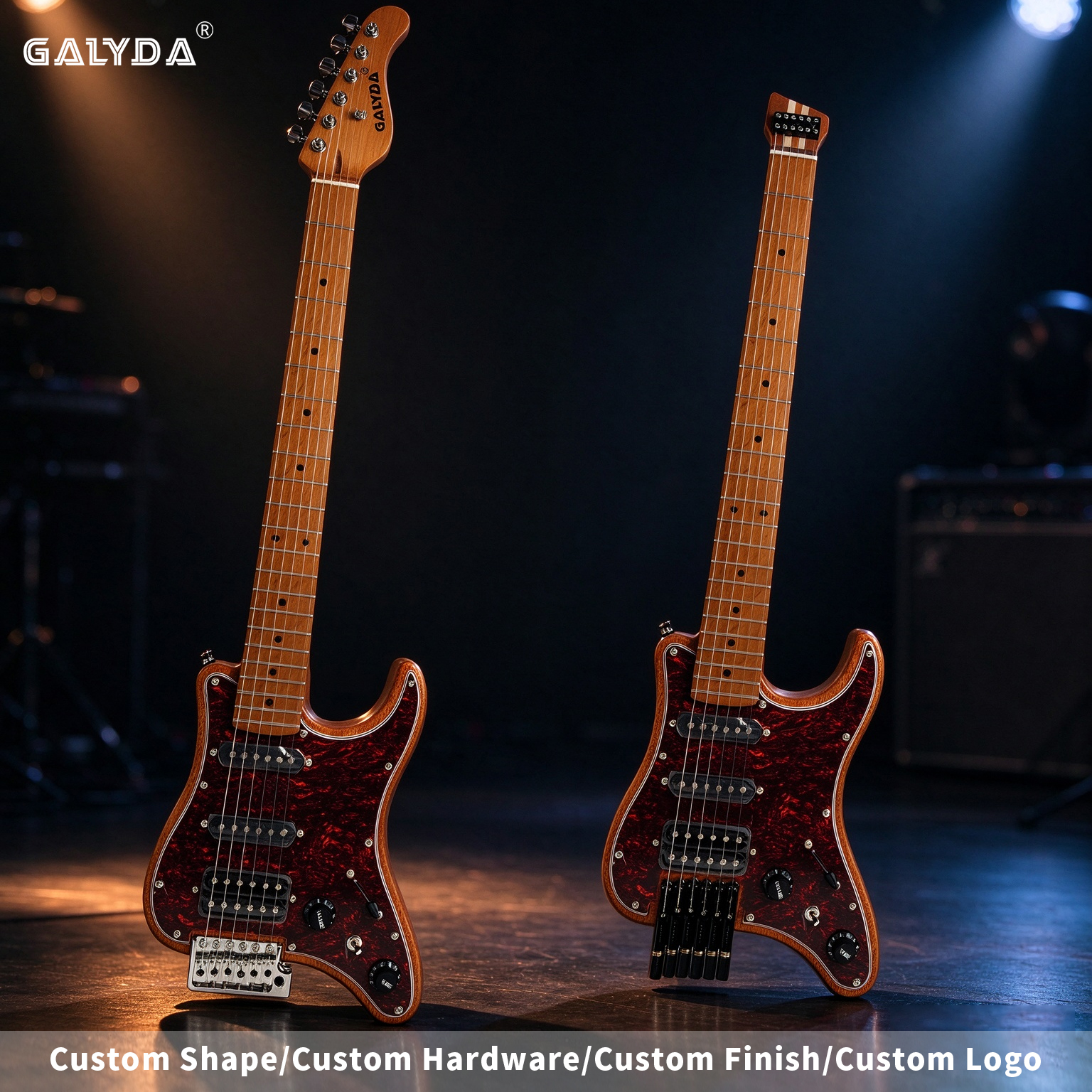
OEM ODM Electric Guitar SSH Pickups Unique Shape Custom Finish Custom Hardware Factory Custom

GALYDA Electric Guitar with Wood Texture Finish HSH Pickup Single-Action Tremolo Bridge ST Electric Guitar
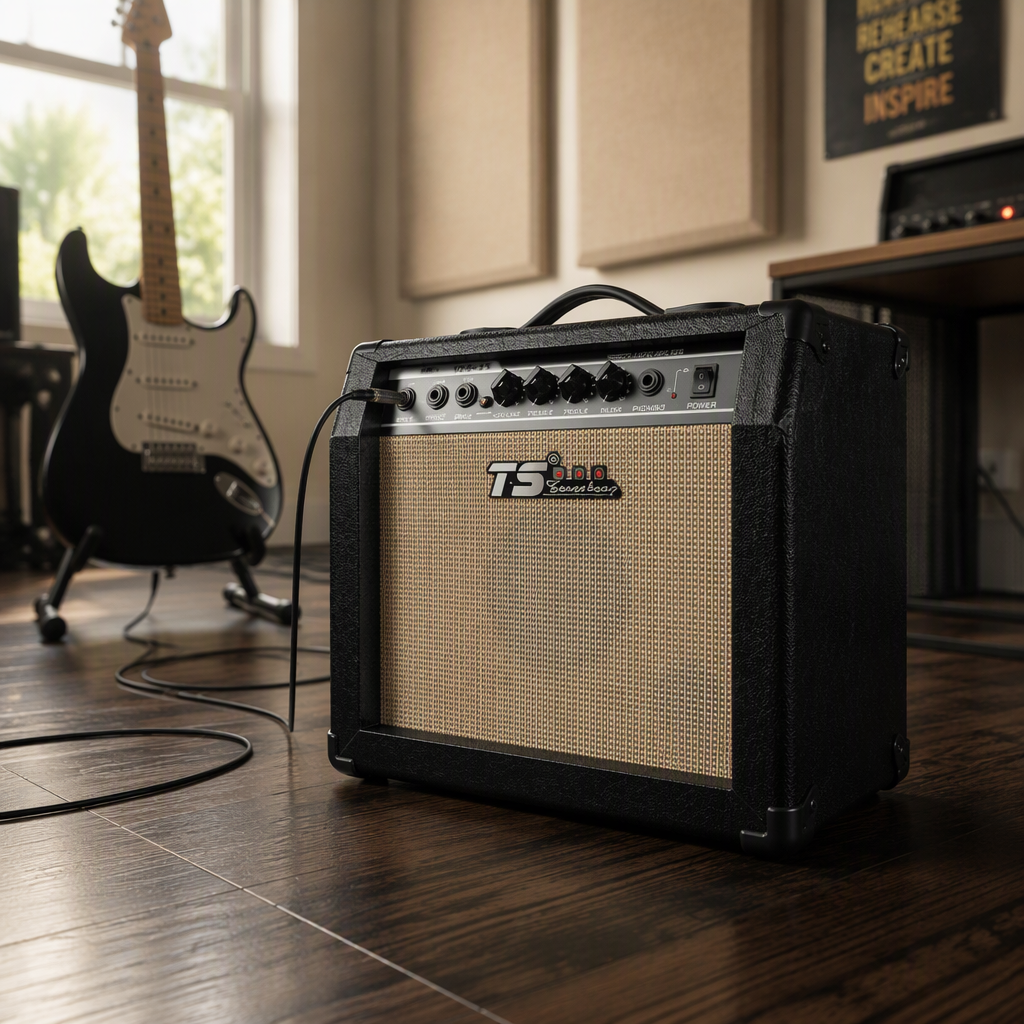
B-T Electric Guitar Amplifier Portable Rechargeable 15W 50W 100W for Music Performance
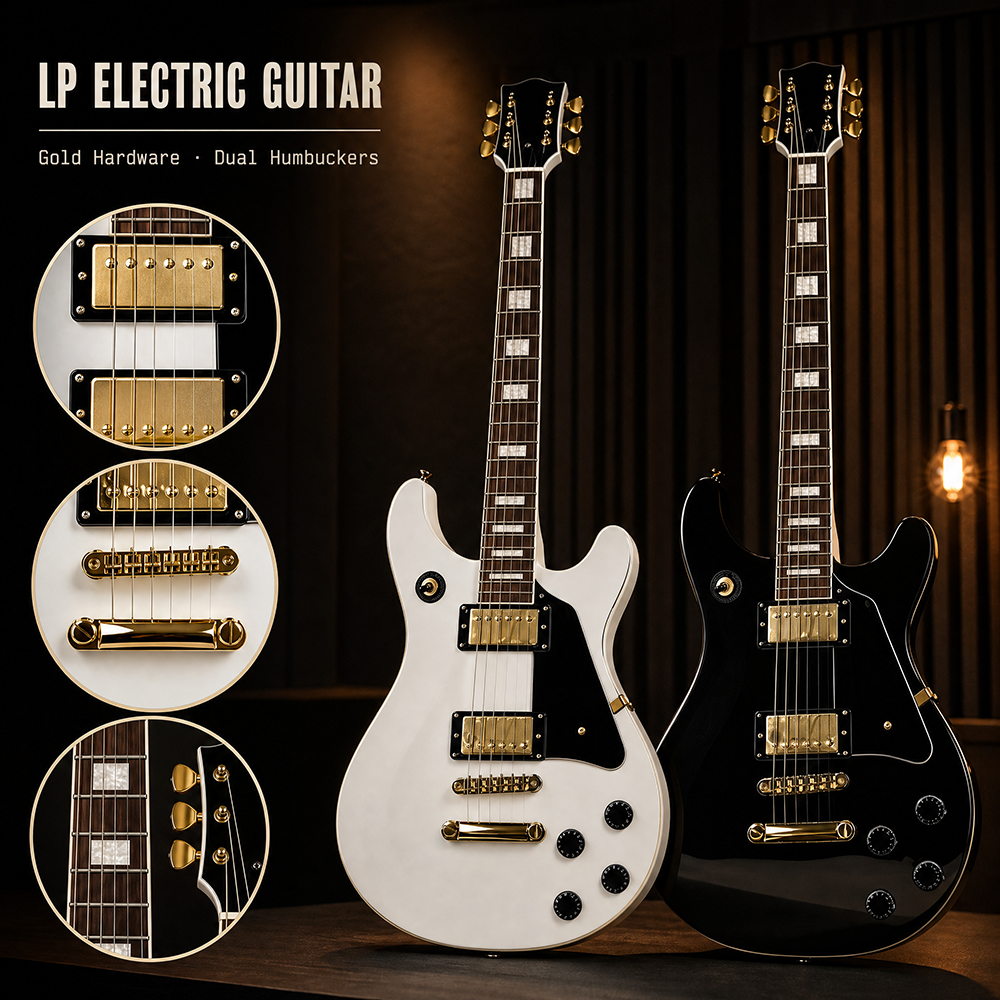
Factory Custom LP Electric Guitar Gloss Finish Solid Wood Electric Guitar OEM ODM
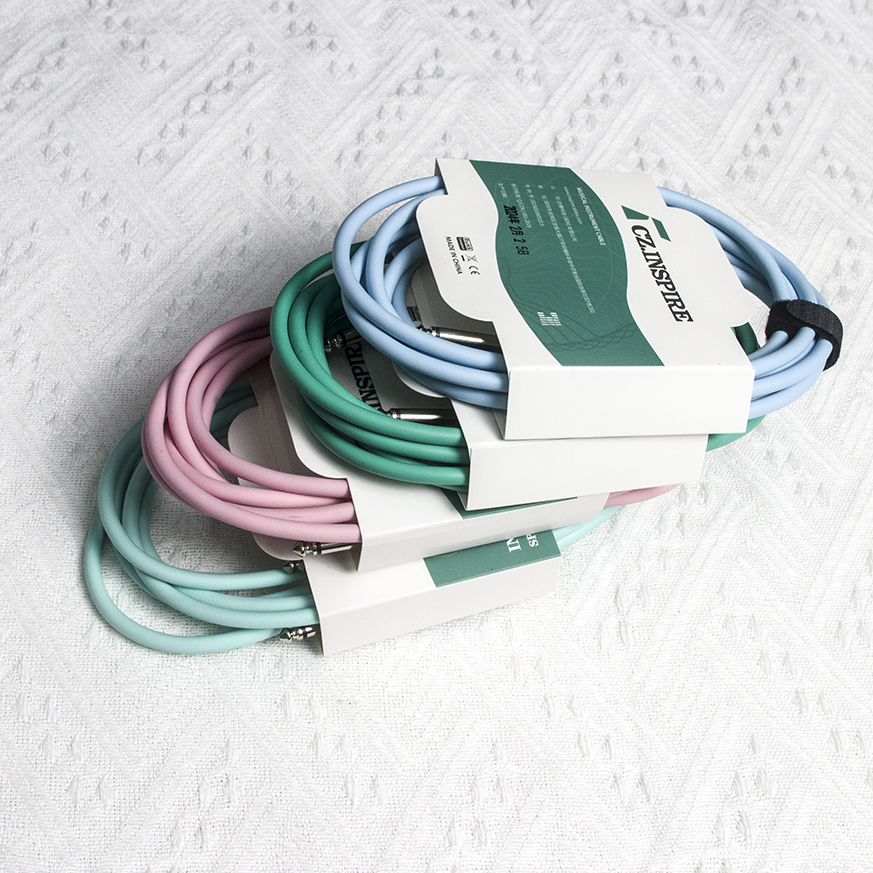
3 Meter Long Straight 6.35MM MONO JACK Guitar Cable 6.35mm Jack Instrument Aux Cable
AG Headless Electric Guitar With Maple Neck Acrylic Body and Small Double-wire Tremolo Bridge
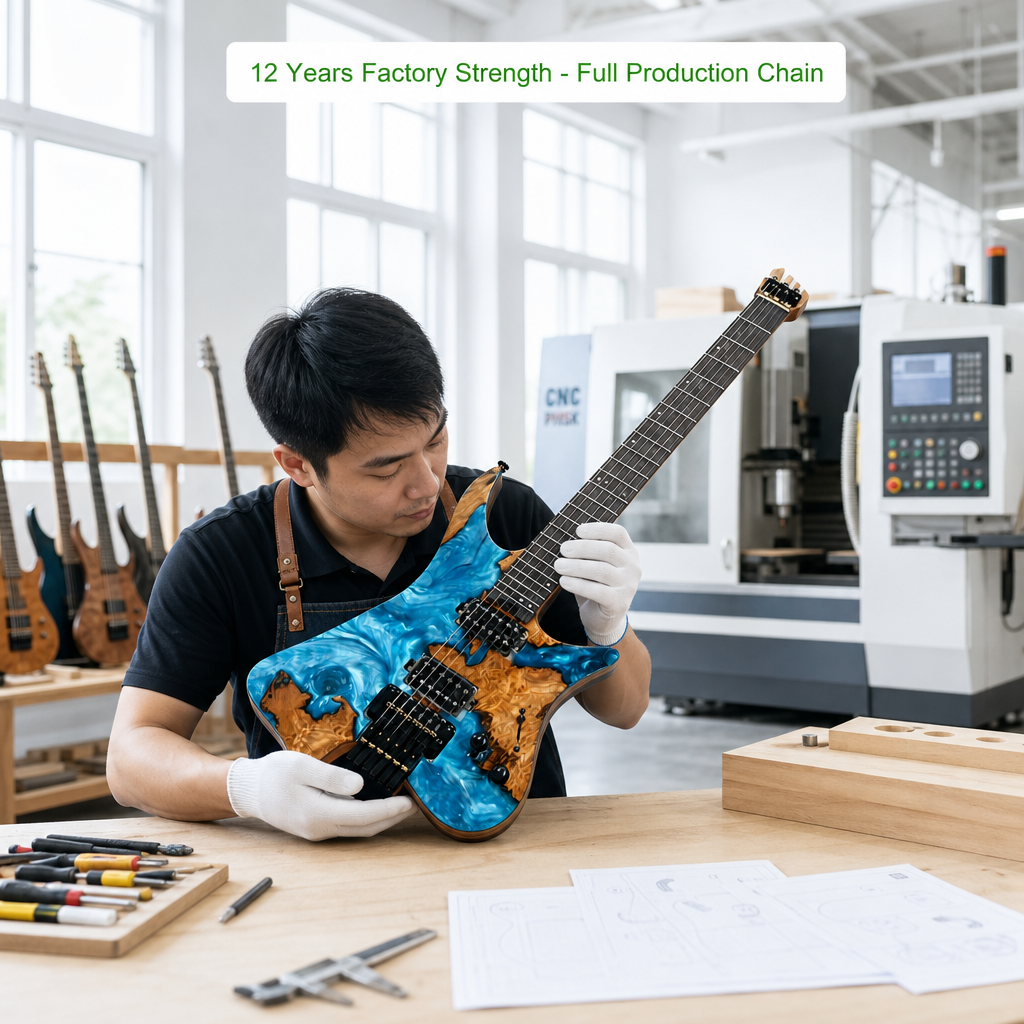
Headboard Electric Guitar With Bright Light High-quality Electric Guitar Factory OEM ODM Small Double-fret Bridge
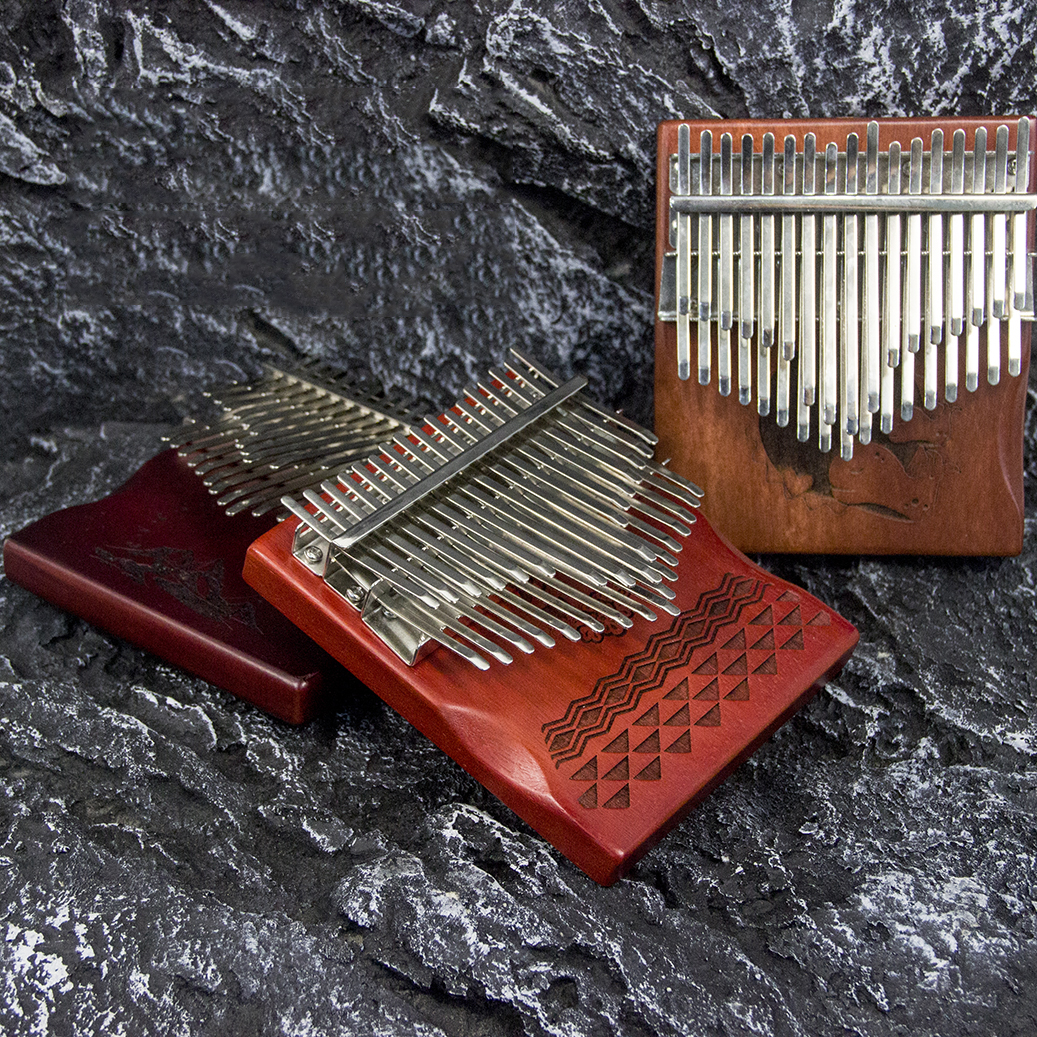
34-tone Kalinba Mahogany Solid Wood Thumb Piano with Two Layers of 34 Keys - Plucked Instrument
Precision Manufacturing & Global Supply Chain Excellence
An authoritative analysis of China's guitar manufacturing cluster, production capabilities, quality benchmarks, and strategic procurement frameworks for musical instrument brands, importers, and global distributors.
In the contemporary global musical instrument market, China represents over 70% of world electric and acoustic guitar manufacturing output. At the center of this industrial infrastructure is the Qiuchang region in Huiyang District, Huizhou, Guangdong Province—a world-class guitar manufacturing cluster renowned for tonewood sourcing integration, automated CNC machining, and specialized lutherie craftsmanship. Huizhou NFGF Musical Instrument Co., Ltd. (established in 2014) operates directly within this ecosystem, combining advanced industrial automation with meticulous hand-finishing to deliver OEM and ODM solutions for international private-label brands, Amazon power sellers, offline retail chains, and educational institutions.
This whitepaper details the structural dynamics of modern guitar manufacturing, offering procurement executives, product managers, and brand strategists concrete insights into tonewood selection, acoustic resonance optimization, electronic pickup coil engineering, quality assurance (QA) frameworks, and low-MOQ supply chain strategies designed to maximize profitability and minimize retail return rates.
Future B2B Procurement Trends in Guitar Manufacturing
How consumer preferences, supply chain agility, and technological shifts are reshaping global wholesale instrument sourcing.
1. Flexible & Agile Low-MOQ Sourcing
Global musical instrument distributors are abandoning traditional high-volume inventory models in favor of agile, low-MOQ (Minimum Order Quantity) test batches. Factories capable of offering sample orders starting from 1 piece for guitars and 2 pieces for ukuleles enable brands to validate market demand rapidly without tying up capital in heavy safety stock.
2. Thermally Treated "Torrefied" Tonewoods
Climate stability remains the paramount challenge in cross-border instrument shipping. The industry is moving heavily toward thermally treated maple (roasted maple) and vacuum kiln-dried basswood/mahogany. Lowering moisture content below 8-10% significantly reduces neck warping, fret sprout, and body cracking under extreme temperature variations.
3. Active & Smart Hybrid Electronics
Modern players expect versatile sonic palettes. Demand is surging for modular pickup systems (SSH and HSH pickup configurations with coil-splitting toggles), rechargeable onboard Bluetooth practice amps, built-in active noise reduction circuitry, and headboard ambient LED visuals tailored for live streaming performance.
4. Full Traceability & Environmental Compliance
International environmental regulations (including CITES wood compliance, REACH, RoHS, and CE/FCC certifications) require manufacturers to maintain complete audit trails for raw timber, non-toxic water-based polyurethane gloss coatings, and lead-free electronics assembly.
5. Multi-Instrument Bundle Sourcing
Retailers are expanding beyond electric guitars to capture entry-level music enthusiasts. Consolidating orders across complementary product categories—such as 34-key solid mahogany kalimbas, steel tongue drums, compact travel amplifiers, true-bypass mini pedals, and instrument cables—reduces freight overhead and simplifies vendor management.
6. Custom Branding & Unboxing Experience
Private label buyers require complete branding customization—from laser-engraved headstocks, custom truss rod covers, and pearloid pickguards to retail-ready color boxes with custom-molded EPS protective inserts designed to withstand harsh courier drop tests.
Product & Technical Development Trends in Guitar Production
How technical innovation, CNC automation, and advanced lutherie elevate instrument playable consistency.
1. Multi-Axis CNC Milling & Sub-Millimeter Tolerance
Traditional hand-carving methods, while artistic, frequently lead to neck-pocket inconsistencies and bridge misalignments that impair intonation. Modern China guitar factories utilize multi-axis CNC milling machines programmed to tolerances within ±0.05mm. This guarantees flawless neck-joint seating, precise fretboard radius profiling, and perfect pickup cavity routing across mass production runs.
2. Ergonomic Headless & Lightweight Body Architecture
Headless electric guitars represent one of the fastest-growing design categories globally. By relocating tuning hardware to a specialized double-wire bridge mechanism and utilizing compact body contours (or clear acoustic-grade acrylic materials), headless guitars achieve optimal weight balance, enhanced portability, and zero headstock dead-spots.
3. Electrostatic Multi-Coat Painting & UV Curing
Finishing defines the aesthetic allure and long-term durability of an instrument. Industrial spray booths utilizing electrostatic paint application combined with UV-cured polyurethane finish allow ultra-thin coat application. This maximizes body wood acoustic vibration and sustain while rendering the exterior resistant to humidity shifts, chemical scratches, and yellowing over time.
4. Automated Fret Dressing & Plek-Grade Leveling Standards
Fret buzz and rough fret edges are the primary causes of customer complaints in online guitar retail. Advanced factories incorporate multi-stage fret beveling, hand ball-end crowning, and automated tension leveling to ensure smooth string bending and ultra-low playability action out of the box.
The 8-Stage Controlled Manufacturing Process
Every instrument passing through Huizhou NFGF undergoes an eight-phase in-house quality assurance workflow from raw wood selection to final playability setup.
Kiln Drying & Moisture Control
Selected basswood, mahogany, maple, and spruce tonewoods are dried to an optimal 8%-12% moisture level to prevent cracking and bowing.
Automated CNC Milling
Body contours, neck profiles, fret slots, and internal electronic cavities are carved with high-precision CNC routers.
Neck Jointing & Alignment
Precision fitting of bolt-on or set-neck joints, ensuring exact string angle alignment with the bridge axis.
Multi-Stage Hand Sanding
Sequential hand-sanding from 240-grit to 800-grit sandpapers to eliminate tool marks and create an ultra-smooth surface for painting.
Controlled Spray Painting
Application of sealer, color coats (sunburst, wood texture, solid, or metallic finishes), and high-durability clear topcoats.
High-Gloss Buffing
Multi-wheel polishing compound application yielding a deep, glass-like mirror finish across guitar bodies and headstocks.
Electronics & Hardware Assembly
Installation of humbucker/single-coil pickups, pots, 5-way pickup switches, tuning machines, and tremolo bridge hardware.
Acoustic & Playability Setup
100% inspection of fret leveling, action height, neck relief, intonation calibration, amplifier noise testing, and protective packing.
Why Global Importers Partner with Huizhou NFGF
Combining factory-direct cost advantages with verified quality compliance and comprehensive OEM/ODM custom services.
SGS On-Site Verified Supplier
Our facility undergoes rigorous third-party auditing by SGS Group. Verified parameters include factory area, production machinery, monthly output capacity, incoming raw material control, and finished product quality management systems.
Robust R&D & 100+ Patents
Our dedicated engineering department continuously develops novel body ergonomic shapes, unique headstock aesthetics, LED electronic integration, and specialized bridge hardware, holding over 100 design patents and intellectual property copyrights.
Full OEM / ODM Custom Menu
Customization spans all levels: custom headstock logo silk-screening/laser engraving, custom tonewood selection (Basswood, Mahogany, Spruce, Rosewood, Maple), pickup wiring configurations (SSS, SSH, HSH), custom finishes, and private label packaging.
Frequently Asked Questions (FAQ) for B2B Sourcing
Get direct, authoritative answers to essential manufacturing, order MOQ, certification, quality control, and shipping inquiries.
What is the minimum order quantity (MOQ) for OEM/ODM guitar production? +
Our factory supports flexible MOQ tiers to assist brand owners and wholesalers. Standard electric guitar, bass, and acoustic guitar models support sample orders starting from 1 piece. Ukuleles start from 2 pieces, steel tongue drums from 10 pieces, and small accessories like kalimbas, picks, or cables from 100 pieces. Fully custom OEM logo production runs typically range from 10 to 50 pieces depending on hardware complexity.
Can you apply custom logos, private label branding, and unique packaging? +
Yes. We offer both minor customization (headstock decal/laser-engraved logos, custom truss rod covers, and customized box printing) and complete design-based ODM manufacturing (custom body shape, specific pickup winding, custom neck profile radius, wood selection, and hardware plating in chrome, black, or gold).
Is your manufacturing facility independently audited and verified? +
Yes. Huizhou NFGF Musical Instrument Co., Ltd. is on-site verified by SGS Group. The audit covers our physical plant area (5,100 m²), manufacturing equipment, employee headcount (53+ dedicated personnel), incoming raw material inspection procedures, and finished goods QA testing protocols.
What product categories are available for container consolidation? +
We manufacture a complete stringed instrument and accessory ecosystem: electric guitars (adult & kids 39"/30" scale), electric basses, acoustic folk & classical guitars, ukuleles (soprano, concert, tenor), 34-key chromatic kalimbas, kazoos, carbon steel tongue drums, guitar mini amplifiers, true-bypass effect pedals, instrument cables, gig bags, and tuning accessories.
How does the factory prevent neck warping and fret sprout in humid/dry export climates? +
All raw tonewoods undergo kiln drying until moisture levels stabilize within 8% to 12%. Necks are reinforced with dual-action truss rods allowing precise double-direction relief adjustments. Additionally, we offer roasted maple neck options, which eliminate structural moisture and provide superior climate immunity during international ocean freight shipping.
What quality assurance checks take place before shipping? +
Every guitar undergoes a strict 4-step quality control check: (1) Raw wood moisture and grain inspection; (2) In-process CNC dimension and sanding check; (3) Post-paint surface finish check; (4) Final assembly playability setup—where luthiers test fret leveling, action height, intonation, pickup output, electronic shielding, and pot noise before cartoning.
What is the standard production lead time for sample and bulk orders? +
Sample orders for in-stock models ship within 3 to 7 business days. Custom sample prototypes take approximately 15 to 20 days. Standard bulk container orders (FCL/LCL) typically require 25 to 35 days, depending on custom finish and hardware customization details.
What international compliance certificates do your products hold? +
Our electric guitars, amplifiers, and effect pedals comply with CE and FCC standard certifications. All wooden materials are harvested in compliance with environmental forestry regulations, and electronic wiring uses RoHS-compliant lead-free solder.
Partner with China's Premier Guitar Factory
Download our complete 2025/2026 product catalog, request OEM custom quotes, or consult with our senior guitar engineering team today.
Get Catalog