Featured OEM Instruments & Professional Hardware
Direct-from-factory solutions audited by SGS. Explore our featured electric, acoustic, silent travel instruments, and high-precision stringed hardware available for worldwide wholesale.
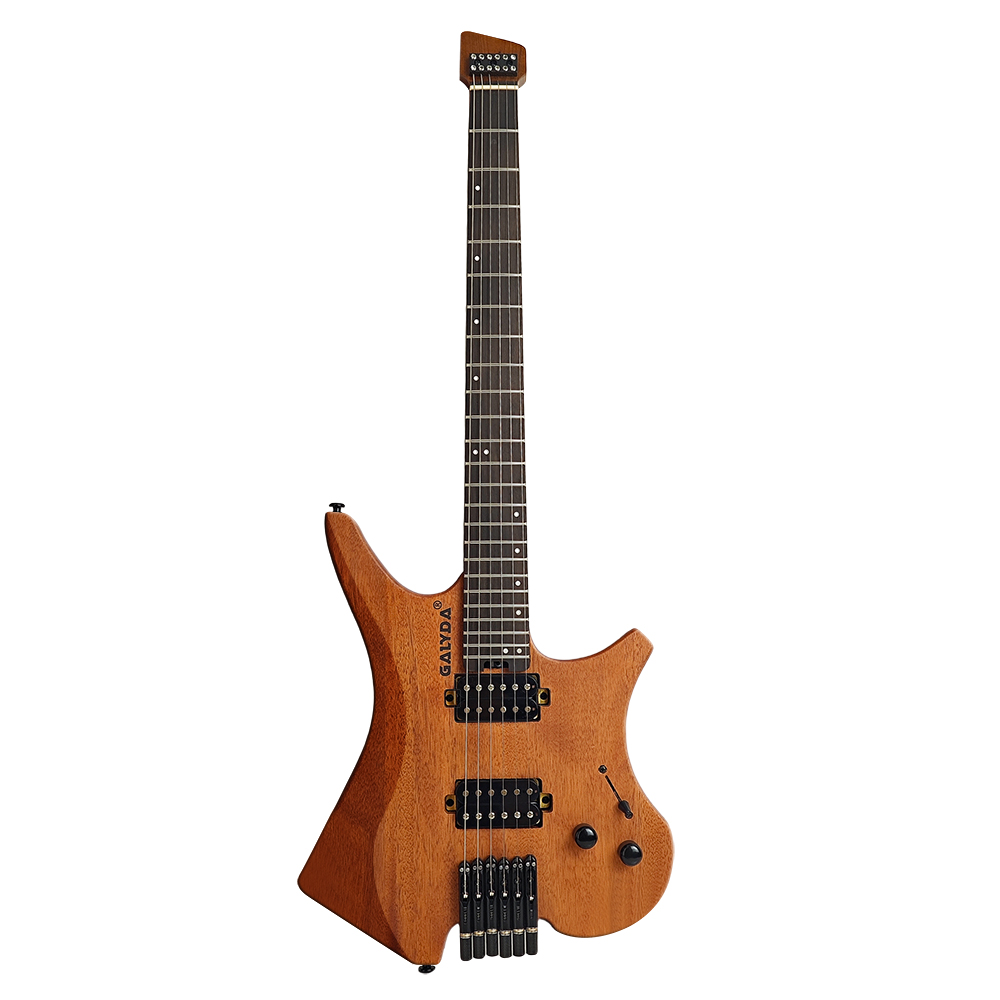
Wholesale G990 Headless Electric Guitar Kit Custom
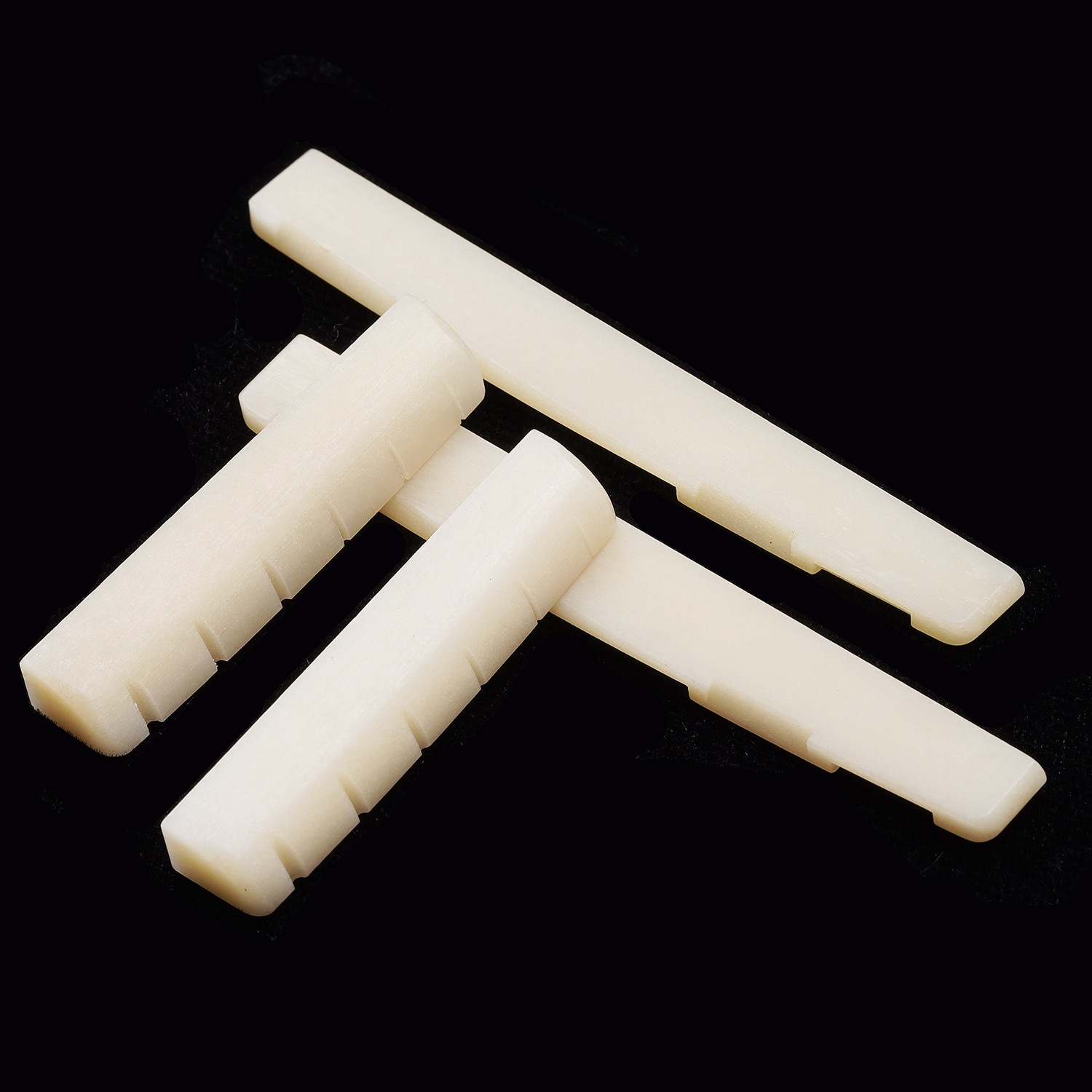
Acoustic Guitar Bone Nut Saddle 43mm 74mm
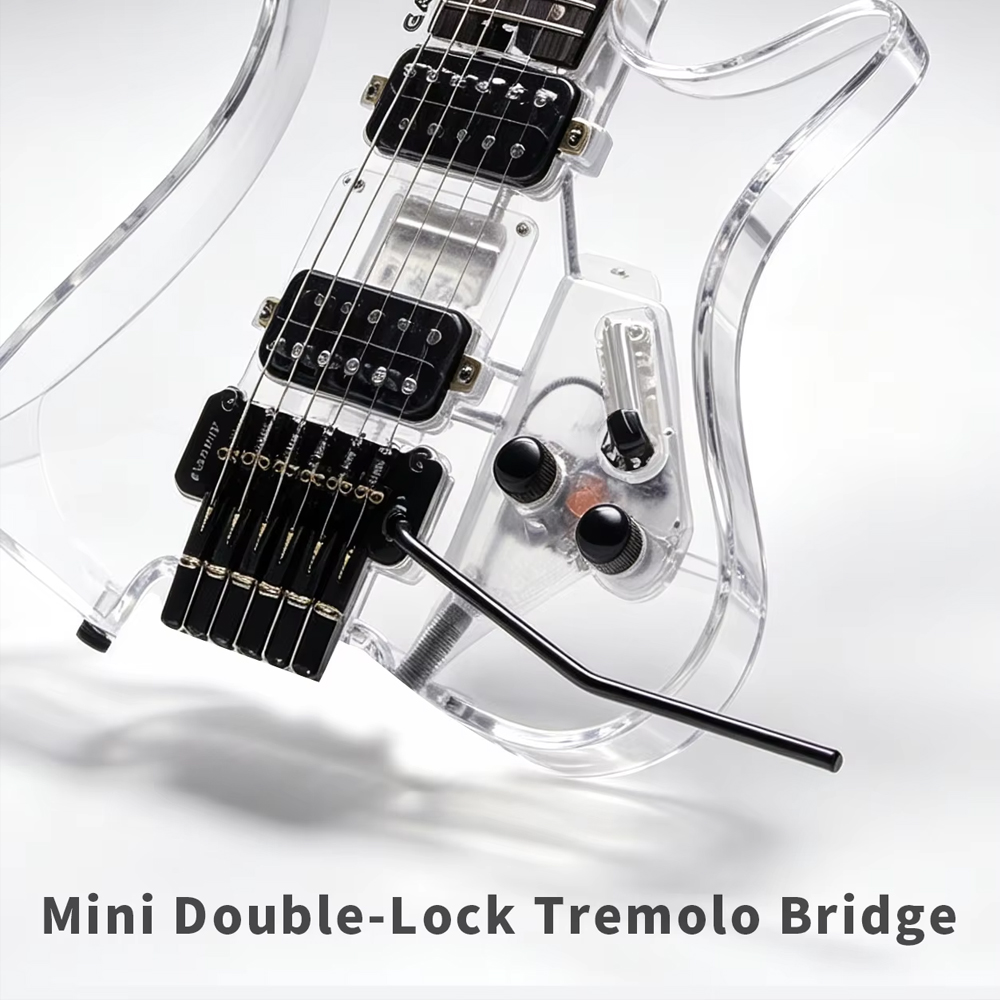
Silent Travel Guitar Acrylic Chorus Headless OEM
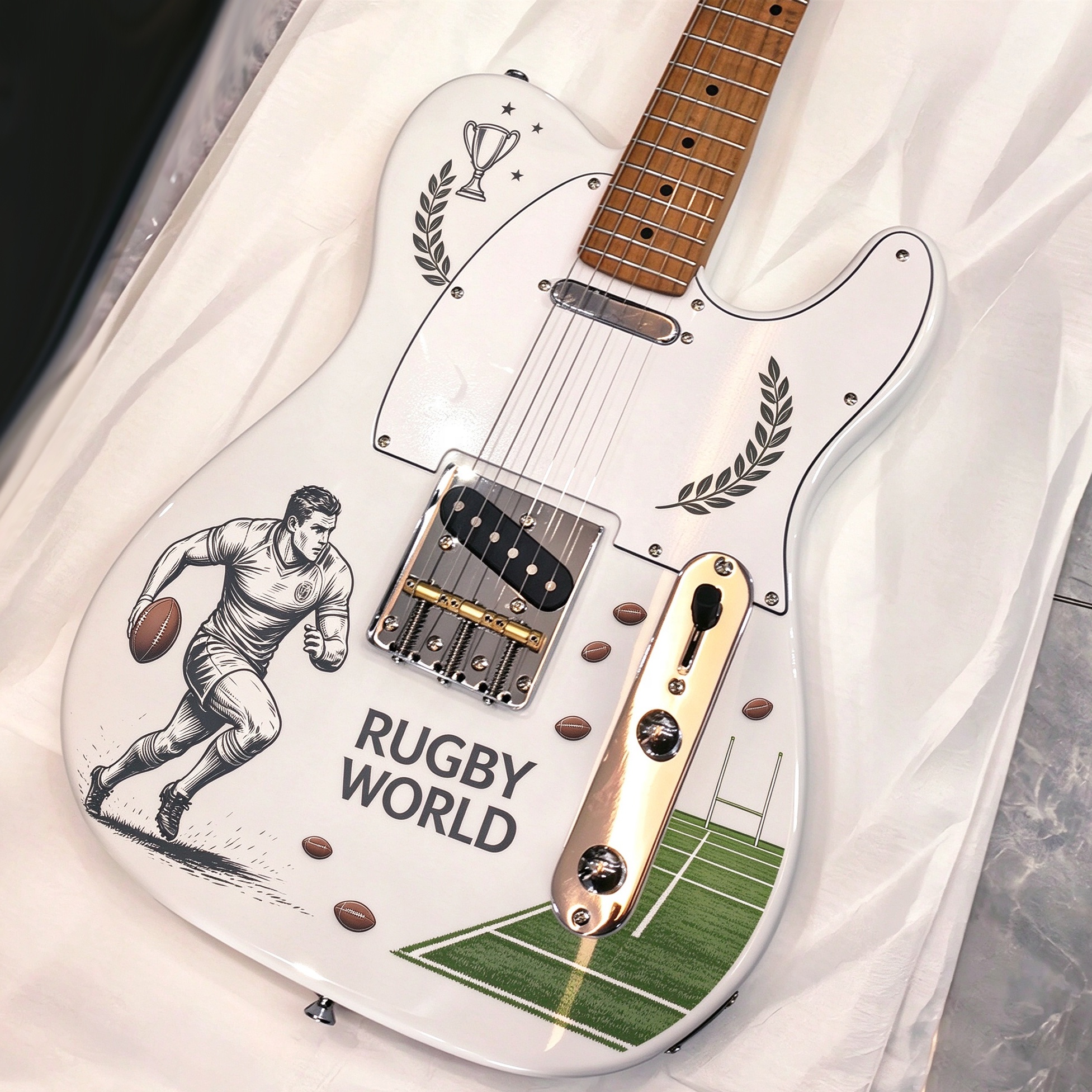
Custom TL Electric Guitar Roasted Maple Neck
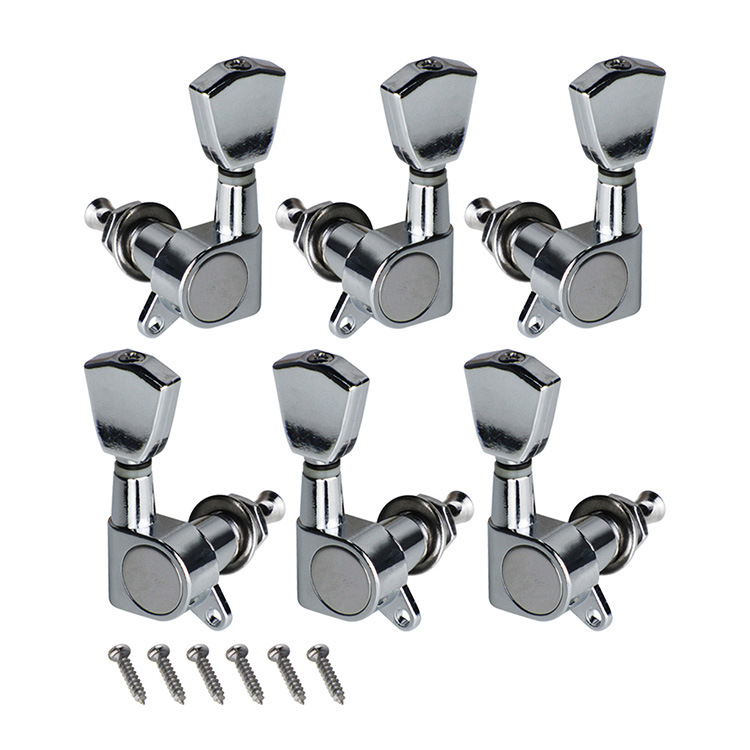
Acoustic Guitars Machine Heads Metal Tuning Pegs
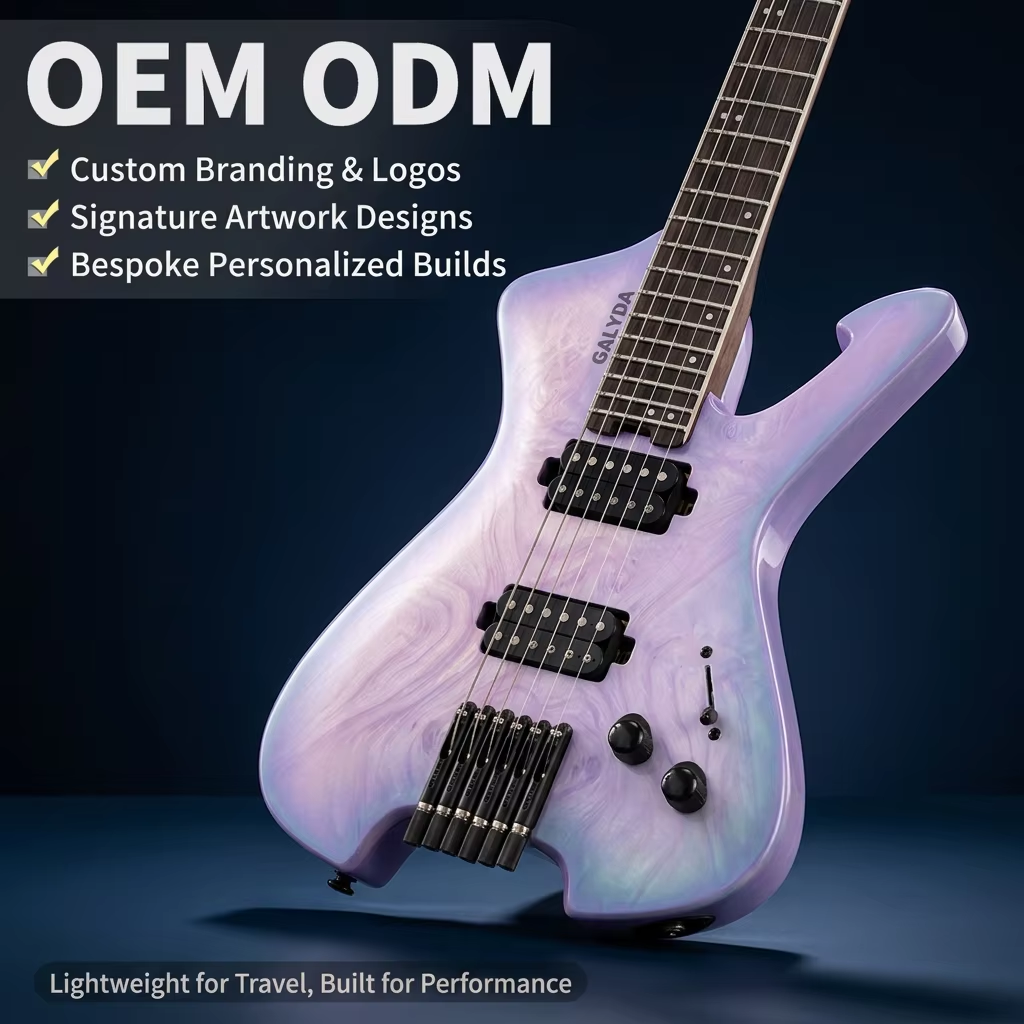
Custom Headless Electric Guitar Humbucker Pickups
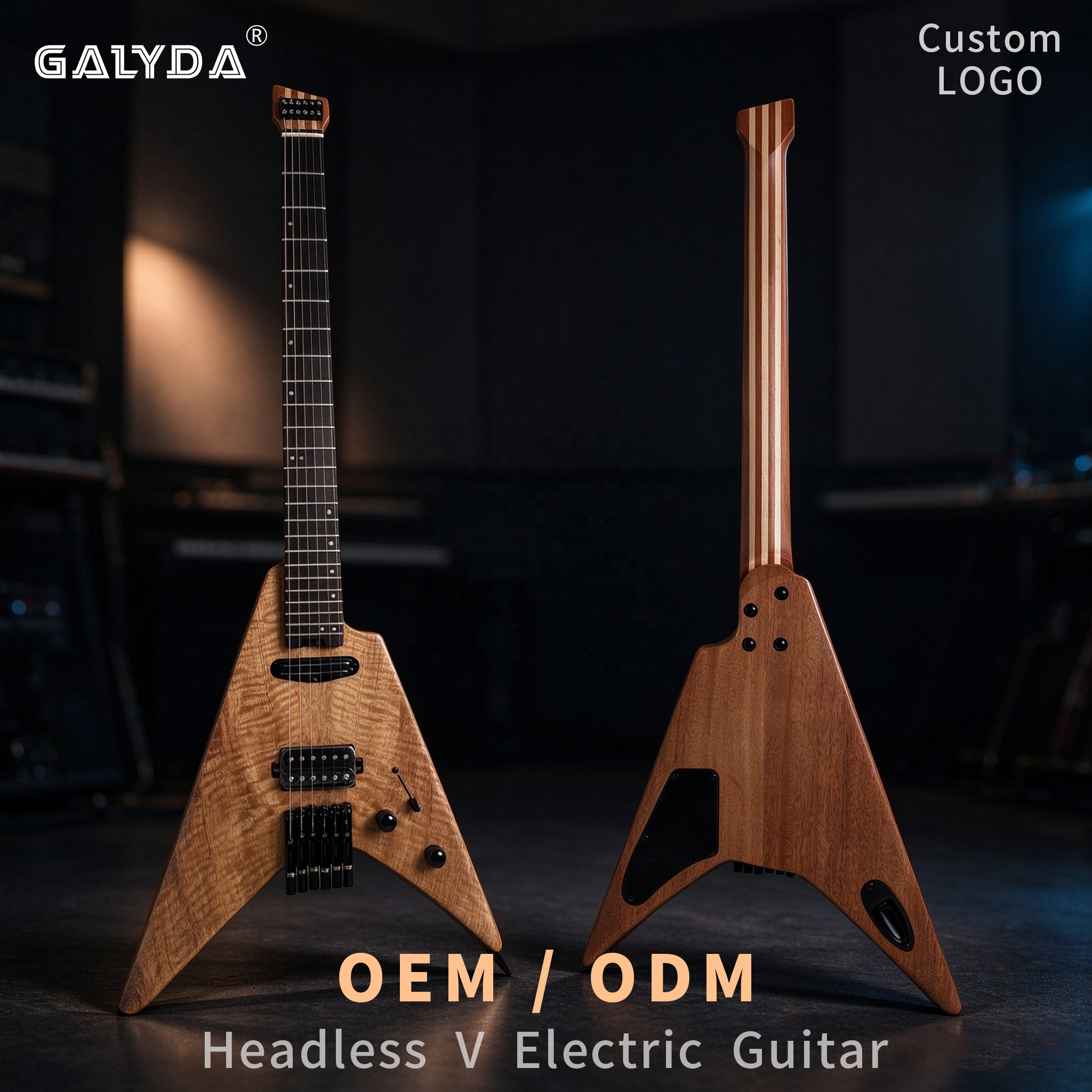
Headless V Shape Electric Guitar Mahogany Body
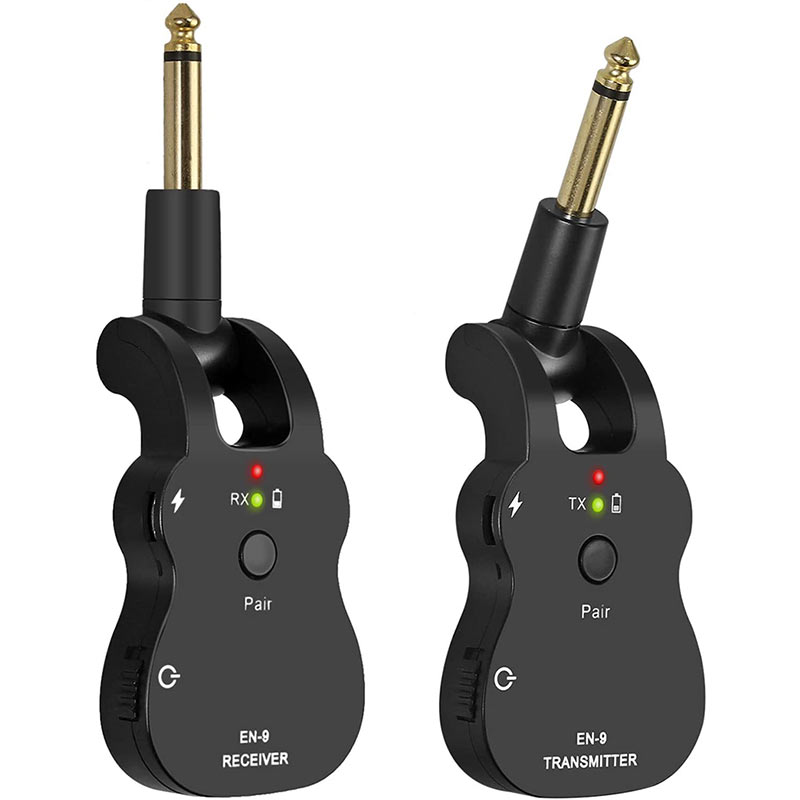
Digital Wireless Guitar Bass Audio Transmitter System
Carbon Fiber Composite Acoustics: Industrial Whitepaper
An executive technical evaluation for B2B instrument distributors, retail chain procurement directors, and musical instrument brand owners seeking high-margin acoustic consistency.
Acoustic Velocity & Structural Modulus
Traditional wooden ukuleles (such as Hawaiian Acacia Koa, Honduran Mahogany, or Sitka Spruce) rely on delicate organic fibers. These fibers are inherently non-uniform, prone to grain variance, and highly susceptible to ambient environmental fluctuations. In contrast, engineered Carbon Fiber Reinforced Polymers (CFRP) deliver a superior strength-to-weight ratio.
By weaving 3K carbon strands into a high-grade acoustic resin matrix, carbon fiber soundboards achieve an exceptionally high speed of sound transmission (~6,000 m/s compared to Spruce’s ~5,100 m/s). This mechanical rigidity yields brighter highs, extended sustain, and immediate low-end projection without requiring bulky internal bracing patterns that dampen sound vibration.
Climatic Immunity & Zero Humidity Warping
For global procurement managers, traditional tonewood instruments present a continuous warranty challenge. Wood expands and contracts under relative humidity (RH) shifts between 30% and 70%, leading to cracked soundboards, protruding fret ends, neck bowing, and costly return merchandise authorizations (RMAs).
China Carbon Fiber Ukuleles manufactured by Huizhou NFGF Musical Instrument Co., Ltd. exhibit total thermal stability across operational temperatures ranging from -20°C (-4°F) to 70°C (158°F). With 0% organic hygroscopic absorption, carbon composite ukuleles will never warp, crack, or lose neck intonation during oceanic container transport or extreme climate usage.
Material Performance Comparison Matrix
Empirical data comparing high-grade 3K Carbon Fiber Composite against premium traditional acoustic tonewoods:
| Evaluation Parameters | NFGF 3K Carbon Fiber Composite | Hawaiian Koa (Solid) | Honduran Mahogany | Laminate Plywood |
|---|---|---|---|---|
| Acoustic Velocity (m/s) | ~6,000 m/s (Ultra-Fast) | ~4,800 m/s | ~5,000 m/s | ~3,200 m/s (Dull) |
| Relative Humidity Tolerance | 0% - 100% RH (Immune) | 45% - 55% RH (Delicate) | 40% - 60% RH (Risk) | 60% - 80% RH |
| Thermal Resistance Range | -20°C to 70°C | 10°C to 35°C | 10°C to 35°C | 5°C to 40°C |
| Tensile Strength (MPa) | > 3,500 MPa | ~90 MPa | ~95 MPa | ~45 MPa |
| Maintenance & Humidification | Zero Maintenance Required | Humidifier Packs Required | Humidifier Packs Required | Minimal |
| Structural Consistency / Yield | 99.8% Automated Precision | Variable Grain Density | Variable Grain Density | Moderate Consistency |
Future Procurement Trends (2025–2030 Outlook)
Analyzing market shifts in consumer demand, manufacturing automation, micro-electronics integration, and sustainable polymer manufacturing.
1. Smart Acoustic Transducers & Onboard DSP
Modern players expect more than pure acoustic vibration. Future-ready carbon fiber ukuleles are increasingly equipped with integrated actuator pickups (vibration modules) that produce Reverb, Delay, and Chorus directly inside the unamplified carbon body. Wireless Bluetooth receiver connectivity allows backing track integration, converting the ukulele into a self-contained performance system.
2. Asymmetrical & Side Soundport Engineering
Carbon composite molding frees luthiers from traditional round center-soundhole constraints. Procurement trends show explosive demand for soundboards featuring asymmetrical off-axis soundholes combined with player-facing side soundports. This architectural modification improves monitor feedback for the performer while maintaining structural integrity across the upper bout.
3. High-Precision Injection Carbon Molding
Transitioning from manual hand-layup fiber sheets to automated high-pressure carbon composite injection molding allows manufacturers to produce seamless one-piece unibody ukuleles. This eliminates heel joints, neck seams, and glued bracing, significantly reducing labor assembly costs while achieving fret-level perfection on every production run.
Huizhou NFGF Musical Instrument Co., Ltd.
Established in 2014 in Qiuchang, Huiyang District, Huizhou City—the world-renowned epicenter of stringed instrument manufacturing—Huizhou NFGF Musical Instrument Co., Ltd. operates a modern 5,100 square meter industrial complex dedicated to high-precision OEM and ODM production.
With over 53 skilled technicians, automated CNC machining centers, specialized spray-finishing booths, and an independent electro-acoustic R&D lab, NFGF integrates raw composite synthesis, body casting, neck jointing, fret leveling, and acoustic frequency testing under one quality-controlled roof.
Holding more than 100 design patents, utility copyrights, and international safety compliance certifications (CE, FCC), NFGF serves top-tier distributors across North America, Europe, East Asia, and Australia.
Why Partner With NFGF China?
- Low MOQ Flexibility: Sample orders from 1-2 pieces; custom branded runs starting from low threshold volume.
- Complete Customization: Body shape, carbon weave style (3K, Twill, Forged Carbon), headstock branding, preamp electronics, and custom packaging.
- End-to-End Quality Control: 6-stage QC pipeline covering incoming raw resin testing to pre-shipment acoustic playability checks.
- Integrated Product Eco-System: One-stop container consolidation mixing carbon fiber ukuleles, electric guitars, headless basses, pedals, and string accessories.
Frequently Asked Procurement Questions (FAQ)
Essential technical, commercial, and logistics guidance for international buyers, importers, and brand procurement teams.
For standard stock models, our MOQ starts as low as 2 pieces for evaluation samples. For customized OEM orders featuring private-label headstock logos, custom body paint finishes, or bespoke gig bags, the standard baseline MOQ is 50 to 100 pieces per model depending on the degree of custom mold tooling required.
Carbon fiber composites offer significantly higher sound velocity and structural modulus than traditional timber. This results in crisper dynamic attack, enhanced high-frequency clarity, and noticeably greater volume projection. Furthermore, because carbon composite bodies are immune to internal humidity absorption, the instrument maintains identical tonal responsiveness regardless of weather conditions.
Yes. We offer fully integrated active/passive piezo transducer pickups, undersaddle mic combos, and onboard acoustic actuator DSP chips (providing built-in reverb, chorus, and delay). We also supply retail-ready custom packaging, including molded EVA hard-shell cases, padded nylon gig bags, color presentation boxes, custom cleaning cloths, and branded instruction manuals.
Our SGS verification confirms that Huizhou NFGF Musical Instrument Co., Ltd. is an authentic, audited custom manufacturer with genuine production facilities, verified employee capacities, legal land rights, and documented quality control procedures. This eliminates supply chain risk, ghost trading entities, and sub-standard manufacturing practices for international importers.
Custom OEM sample evaluation models are generally finalized and dispatched within 10 to 15 working days. Mass production lead times for full container loads (20ft/40ft HQ mixed with guitars, ukuleles, and accessories) typically range between 30 and 45 days upon artwork approval and deposit confirmation.
Request Direct Factory Quotation & OEM Specifications
Partner with China's leading carbon fiber ukulele and acoustic instrument manufacturer. Connect with our engineering and sales team today to discuss volume pricing, custom molding, and global logistics options.