Featured Musical Instruments & Wholesale Models
Precision-crafted string instruments, plucked gear, and acoustic accessories engineered in our Huizhou manufacturing base under strict Quality Assurance protocols.
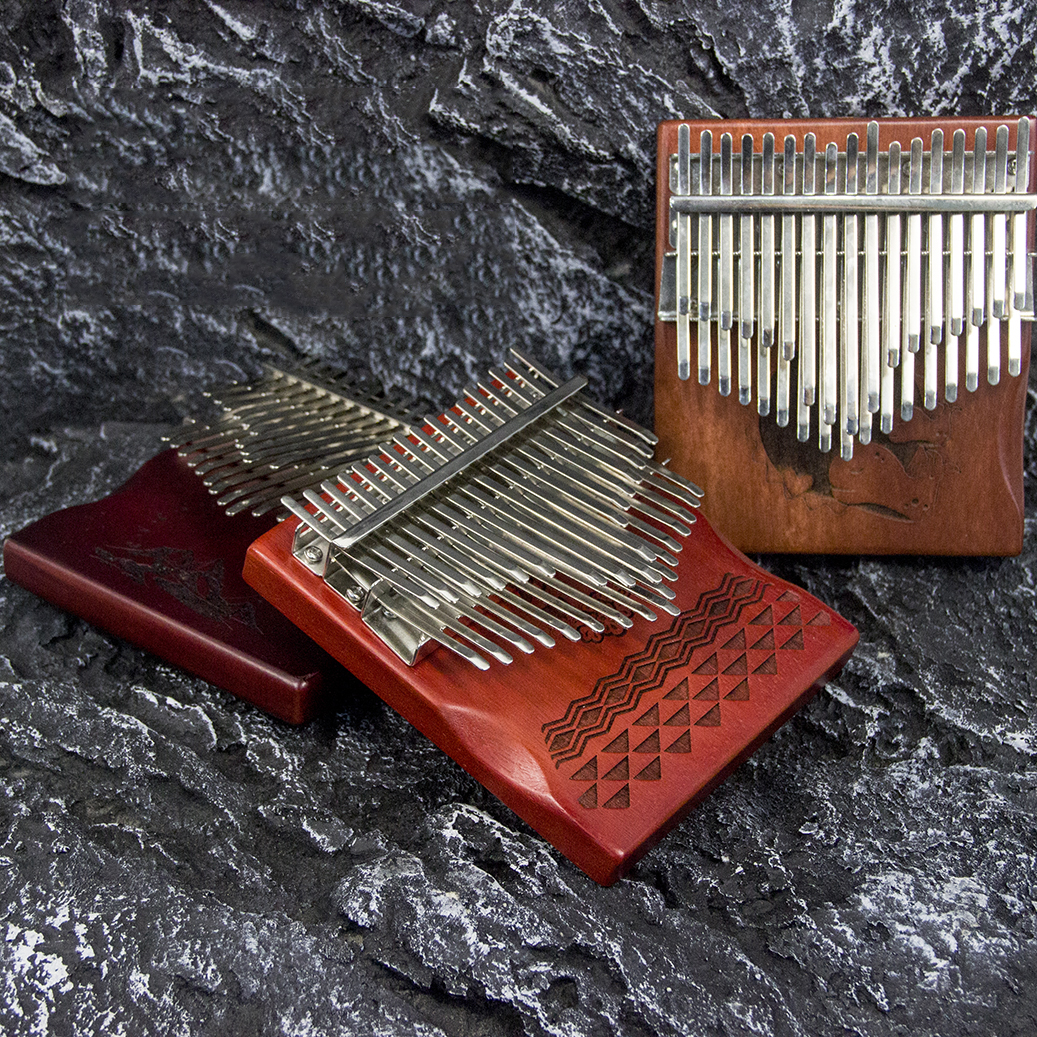
34-Tone Kalimba Mahogany Solid Wood Thumb Piano (Double Layer 34 Keys)

Professional In-Ear Monitor IEM HiFi Wired Earphones with Mic
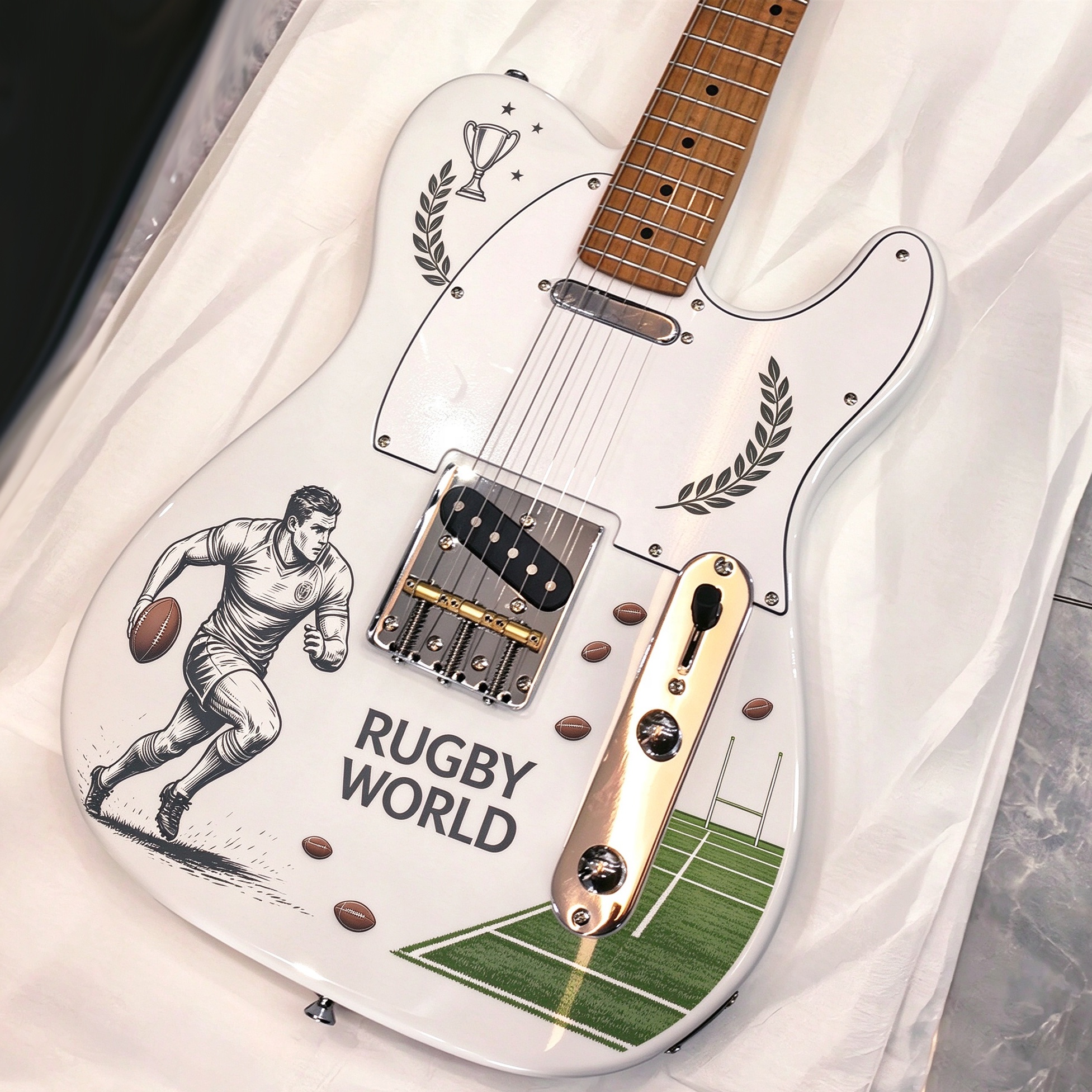
Custom TL Electric Guitar Sky Blue with Roasted Maple Neck
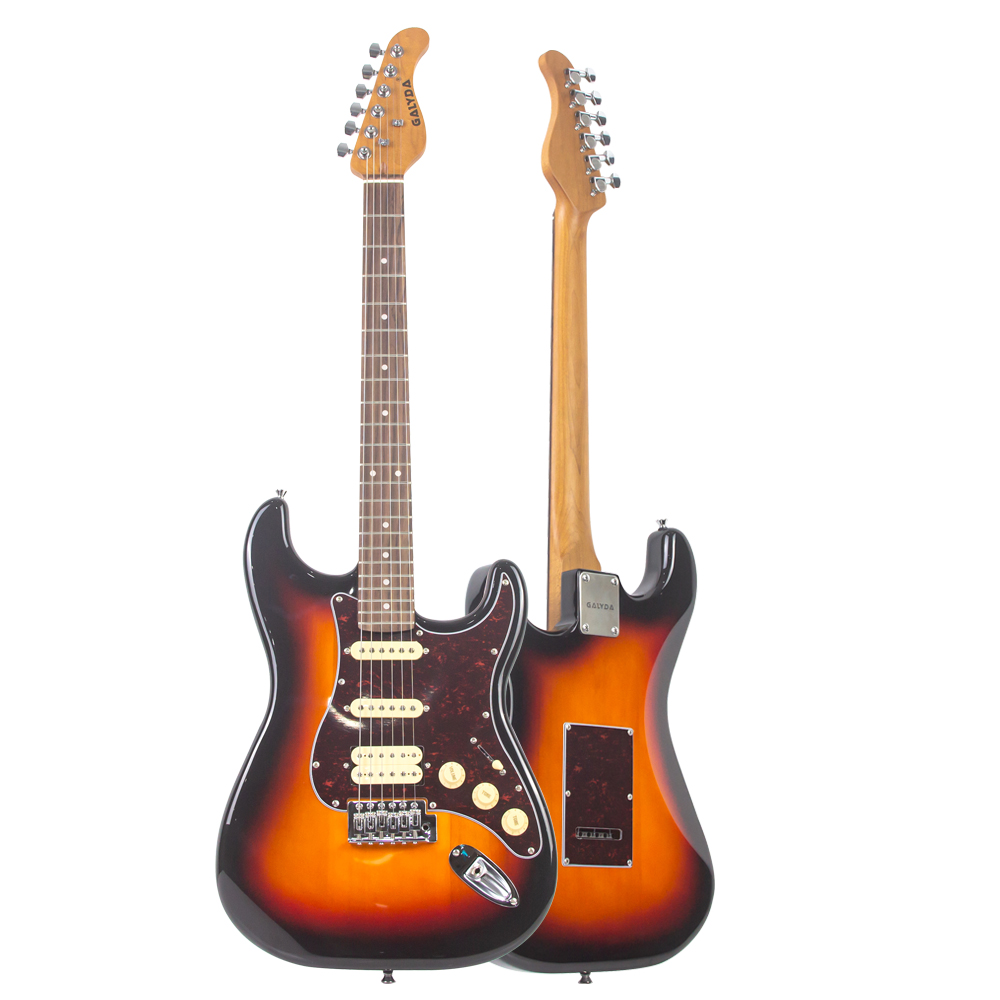
GALYDA 39-Inch Beginner Electric Guitar Set ST Series S-S-H
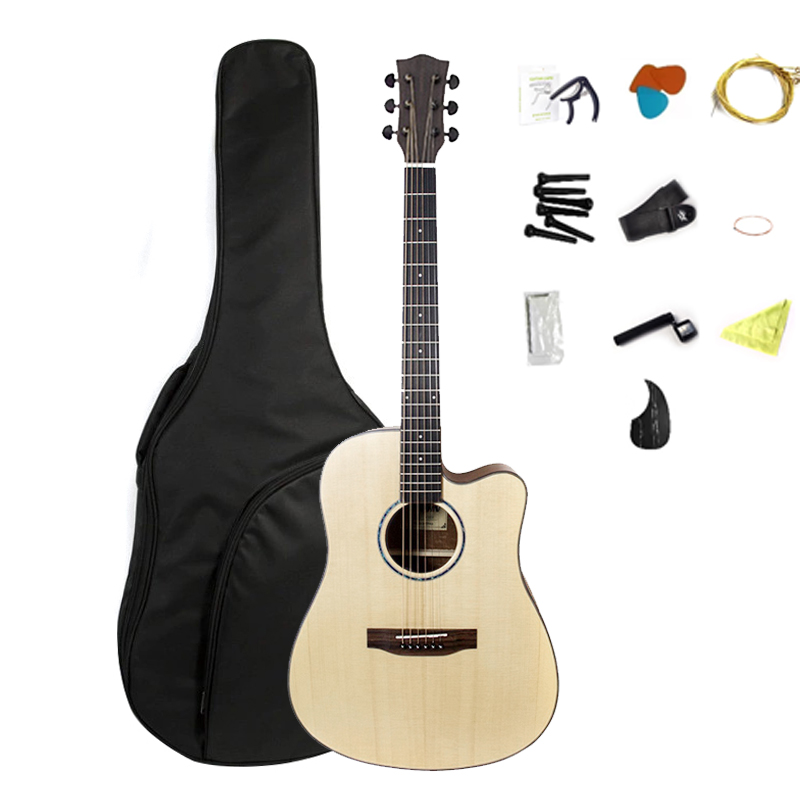
36/41 Inch Factory Direct Sales Folk Acoustic Guitar Set
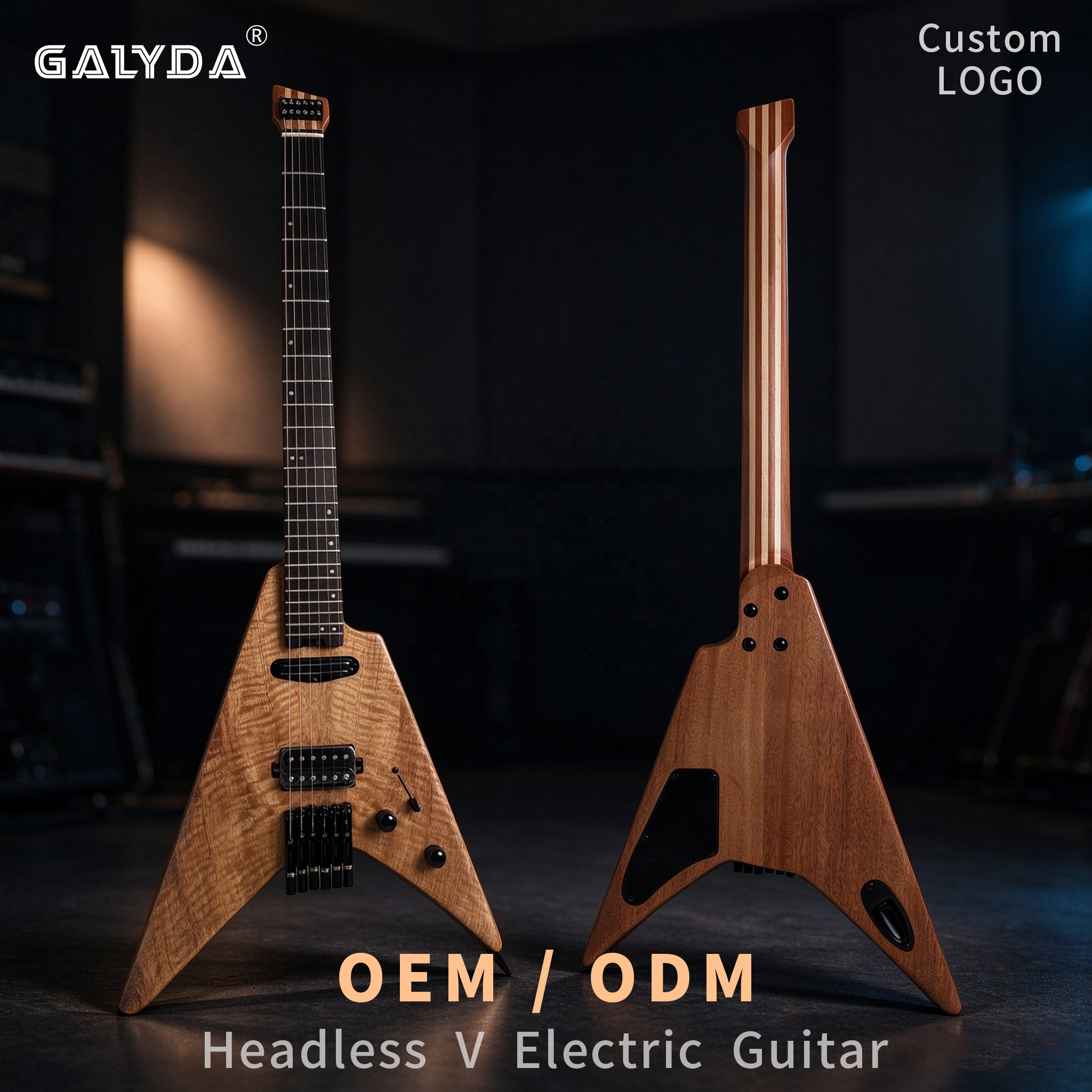
Headless V-Shape Electric Guitar 6-Strings Mahogany Body
AG Headless Electric Guitar Acrylic Body with Tremolo Bridge

GALYDA Electric Guitar GM Style SS Pickup Tremolo Bridge
Why Global Importers Partner with Huizhou NFGF Musical Instrument Co., Ltd.
Located in Qiuchang, Huiyang District, Huizhou — China's premier instrument manufacturing cluster — NFGF delivers uncompromised build quality, low MOQs, and integrated R&D capability.
SGS On-Site Verification
Independently audited by SGS Group. Our 5,100 m² workshop operates under certified standards covering raw tonewood moisture testing, incoming hardware inspection, in-process CNC tolerances, and final acoustic playability checks.
Precision CNC & Craftsmanship
We blend automated 5-axis CNC routing with traditional hand-sanding and hand-polishing techniques. This ensures flawless neck-to-body pocket fitting, consistent fretwork without dead spots, and mirror-like lacquer finishes.
Flexible OEM & ODM Scalability
Supporting low MOQs for market testing (starting from 1 piece on select guitars and 2 pieces on ukuleles), alongside full custom ODM engineering for body carves, custom active EQ circuits, and headstock silk-screening.
Acoustic-Electronic Integration Excellence
Unlike standard ukulele assemblers, NFGF operates specialized lines for active preamps, piezo pickup calibration, and low-frequency resonance tuning. Every Bass Ukulele (U-Bass) produced in our facility undergoes audio spectrum testing to guarantee thunderous sub-bass output without physical cabinet rattling or electrical hum.
Bass Ukulele Structural Design & Material Engineering
Information Gain Analysis: Understanding the acoustic mechanics, tonewood selection, string tension physics, and active pickup circuitry of modern 30-inch and 32-inch Bass Ukuleles.
1. Scale Length & Cabinet Resonance Physics
The modern Bass Ukulele (frequently referred to in the market as the U-Bass) bridges the gap between traditional 21-30 inch ukuleles and full-scale 34-inch electric bass guitars. Achieving rich, resonant low-frequency tuning (E1-A1-D2-G2) on a compact 20-inch to 23-inch scale length requires specialized internal bracing and acoustic chamber sizing.
Our engineering team utilizes modified X-bracing and fan-bracing patterns on solid mahogany and acacia tops. This structural reinforcement withstands high downward bridge pressure while allowing the soundboard to flex freely, producing deep acoustic fundamental tones before amplification.
2. Polyurethane / Polymeric Stranded vs. Silver-Wound Strings
Standard steel or nylon strings cannot achieve low E (41.2 Hz) on a short scale without excessive stiffness or floppiness. Modern B2B procurement demands options across two primary string technologies:
- Synthetic Polyurethane / Aquila Thundergut: Delivers upright double-bass warm, pillowy timbre with extreme tactile grip. Requires wider nut slots and custom bridge saddles.
- Metal Wound-on-Nylon Core: Offers acoustic-electric bass clarity, brighter attack, familiar string feel for traditional bassists, and superior tuning stability in changing climates.
| Spec Attribute | Standard Entry OEM Bass Ukulele | Professional All-Solid ODM Bass Ukulele | NFGF Custom B2B Export Standard |
|---|---|---|---|
| Body Tonewood | Laminated Mahogany / Sapele | Solid Acacia Koa / Solid Spruce Top | Grade-A Kiln-Dried Mahogany / Spruce |
| Scale Length | 20 Inch (508 mm) | 21 Inch (533 mm) / 23 Inch Baritone | 20-23 Inch Customizable Options |
| Onboard Electronics | Basic 2-Band EQ + Piezo Transducer | Active 3-Band EQ + LCD Tuner + Notch Filter | NFGF Custom Shielded Active Preamp (Low-Noise) |
| Neck Construction | Mahogany with Truss Rod | Roasted Maple with Dual-Action Truss Rod | Carbon-Fiber Reinforced Mahogany / Roasted Maple |
| Truss Rod & Action | Single-Action (1.5mm @ 12th fret) | Dual-Action (2.0-2.5mm Low-End Setup) | Precision CNC Slots + Hand-Dressed Frets |
Future Sourcing & Procurement Trends (2025–2030)
Macro-economic shifts, sustainability mandates, and evolving musician demands are reshaping how global distributors purchase China-manufactured string instruments.
Thermally Treated & Carbonized Tonewoods
With global climate variations causing neck warping during international ocean transit, buyers are increasingly demanding "Roasted" or "Carbonized" woods. Thermally vacuum-baked maple and mahogany lower wood equilibrium moisture content to 6%, virtually eliminating post-shipment warranty claims.
Smart Onboard Preamps & USB Recording
Next-generation Bass Ukuleles are moving away from simple analog piezo transducers. Future OEM orders emphasize built-in low-latency Bluetooth connectivity, direct OTG USB-C digital recording outputs, and onboard impulse response (IR) speaker modeling for direct-to-PA acoustic realism.
Strict Eco-Compliance & CITES Certification
Environmental customs regulations in the EU and North America require traceable timber sourcing. Leading manufacturers like NFGF utilize ethically harvested Mahogany, Walnut, and FSC-certified alternatives (such as HPL or Tech-Wood fingerboards) to bypass border delays.
Product Development & Acoustic Engineering Evolution
Eliminating Low-Frequency Feedback in Acoustic-Electric Basses
Because the Bass Ukulele produces long, powerful low-frequency soundwaves within a small body cavity, high-volume stage amplification often induces severe acoustic feedback loops around 80Hz - 160Hz. NFGF has introduced three factory-level solutions for our OEM partners:
Frequently Asked Questions for B2B Importers & Distributors
Everything you need to know about placing factory-direct OEM orders, sample testing, lead times, and customs documentation.
At Huizhou NFGF Musical Instrument Co., Ltd., we offer exceptionally flexible MOQ structures. Many electric guitar, electric bass, and acoustic models start from as low as 1 piece for evaluation samples. Solid wood and laminate ukuleles start from 2 pieces, steel tongue drums from 10 pieces, and small accessories or kalimbas from 100 pieces. For custom private-label branding (headstock decal, laser engraving, custom packaging), MOQs vary depending on the level of customization requested.
Yes. As a fully integrated manufacturer with in-house R&D engineers and 5-axis CNC routing machinery, we offer both minor OEM customization (logo placement, color finishes, pickguards) and full ODM design-based manufacturing. You can specify exact tonewood combinations (e.g., solid spruce top with mahogany back/sides), fretboard inlay artwork, active EQ circuit parameters, nut width, and scale length.
Wood moisture control is the single most critical factor in instrument manufacturing. All raw tonewoods entering our Huizhou facility are placed in automated steam kiln drying chambers until equilibrium moisture content reaches 6% to 8%. Furthermore, our assembly and lacquering workshops maintain strict humidity control (45%-55% RH) to ensure wood does not expand or shrink when shipped to cold or dry destinations worldwide.
Yes. Our facility underwent rigorous on-site audit and verification by SGS Group (latest verification completed November 2025). The audit covers raw material storage, production line workflow, supplier management protocols, and finished product inspection routines. Selected electronic instruments and active preamp models also hold CE and FCC certification marks for European and American import compliance.
Sample orders and in-stock wholesale items typically ship within 3 to 7 business days. Custom OEM production runs generally require 25 to 40 days depending on order volume, wood seasoning requirements, and complexity of the finish (e.g., high-gloss multi-layer sunburst vs. open-pore satin finish).
Every instrument passes through a 4-tier inspection matrix: (1) Incoming raw tonewood and hardware testing, (2) In-process dimensional checks following CNC routing and body sanding, (3) Post-lacquer inspection for finish smoothness, and (4) Final playability setup—where technicians adjust neck relief, string action height, intonation, and test electronic jack output before final export cartoon sealing.