Executive Procurement Analysis: The Global Steel String Guitar Landscape
A Data-Driven Engineering & Sourcing Benchmark for Wholesale Buyers, Retail Brands, and OEM Partners
The global stringed musical instrument market is undergoing a structural shift driven by advancements in automated woodworking, stringent international wood compliance regulations (such as CITES and Lacey Act enforcement), and evolving acoustic expectations from modern musicians. Choosing the right steel string guitar manufacturer requires looking beyond visual aesthetics to evaluate structural wood curing standards, internal bracing engineering, neck pocket tolerances, and scalable OEM customization capabilities.
For B2B procurement directors, brand owners, and music retail chains, securing a dependable manufacturing partner directly impacts gross profit margins, return rates, and customer lifetime value. High-volume guitar production requires managing wood moisture content (MC) precisely between 6% and 8% to prevent body warping, seam separation, and neck relief failure across varying global import climates.
This industry report outlines the benchmark evaluation framework for sourcing acoustic and electric stringed instruments, spotlights high-performance factory-direct assemblies, and examines future procurement strategies shaping the global music supply chain through 2030.
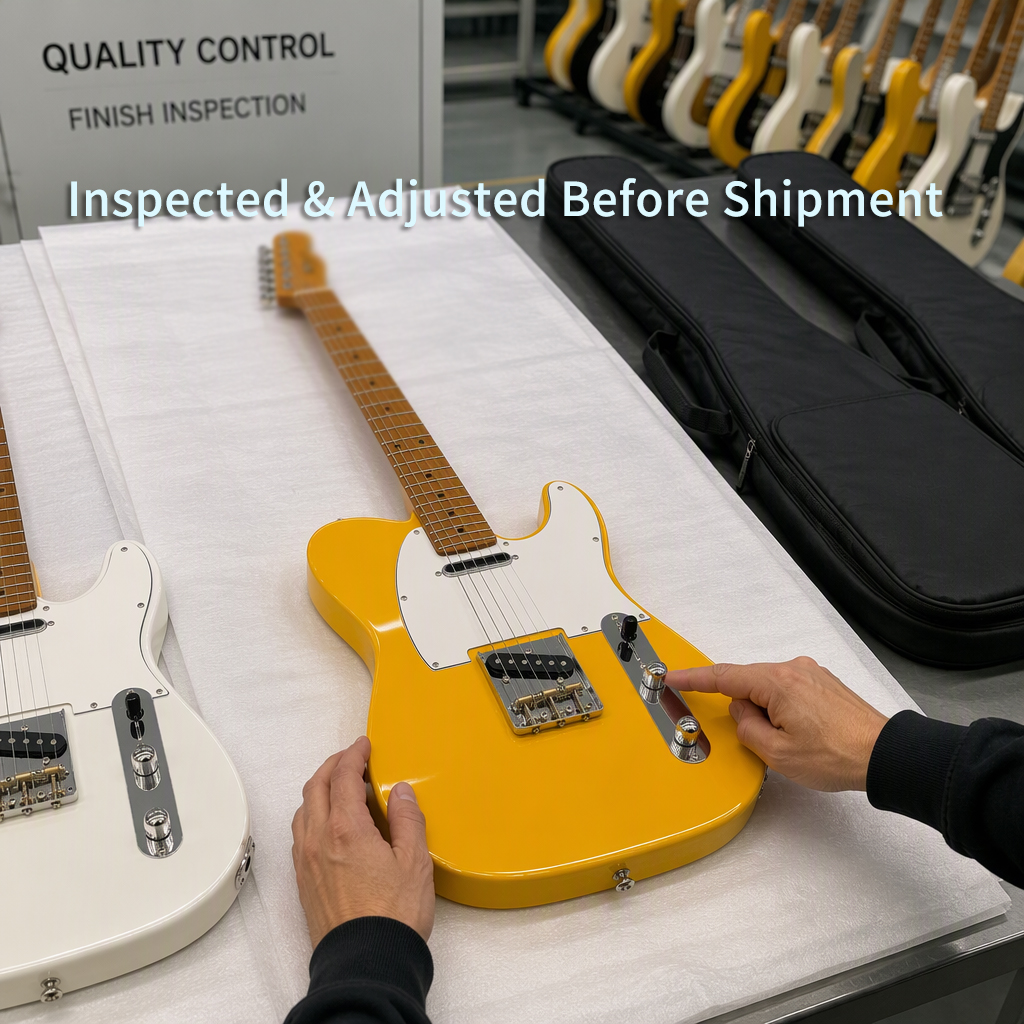
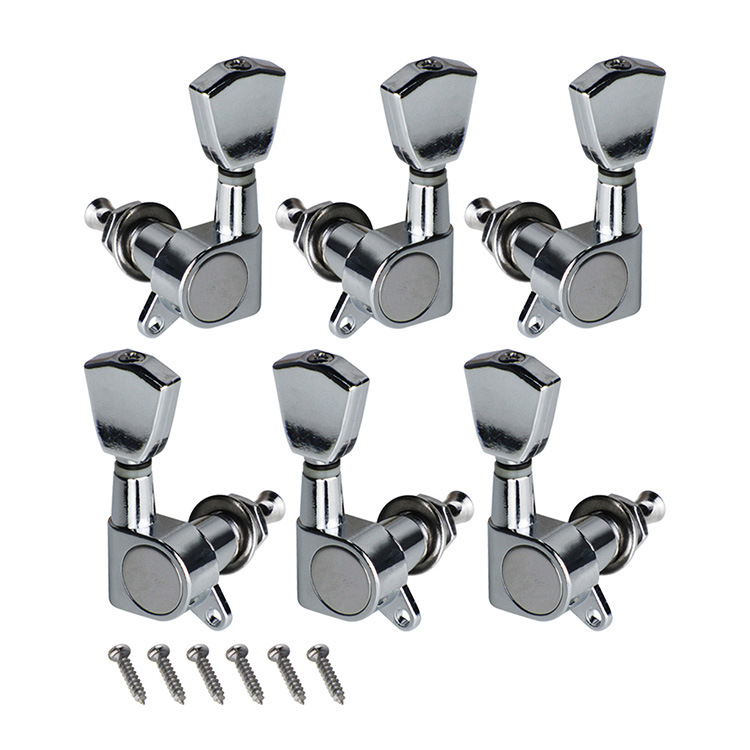
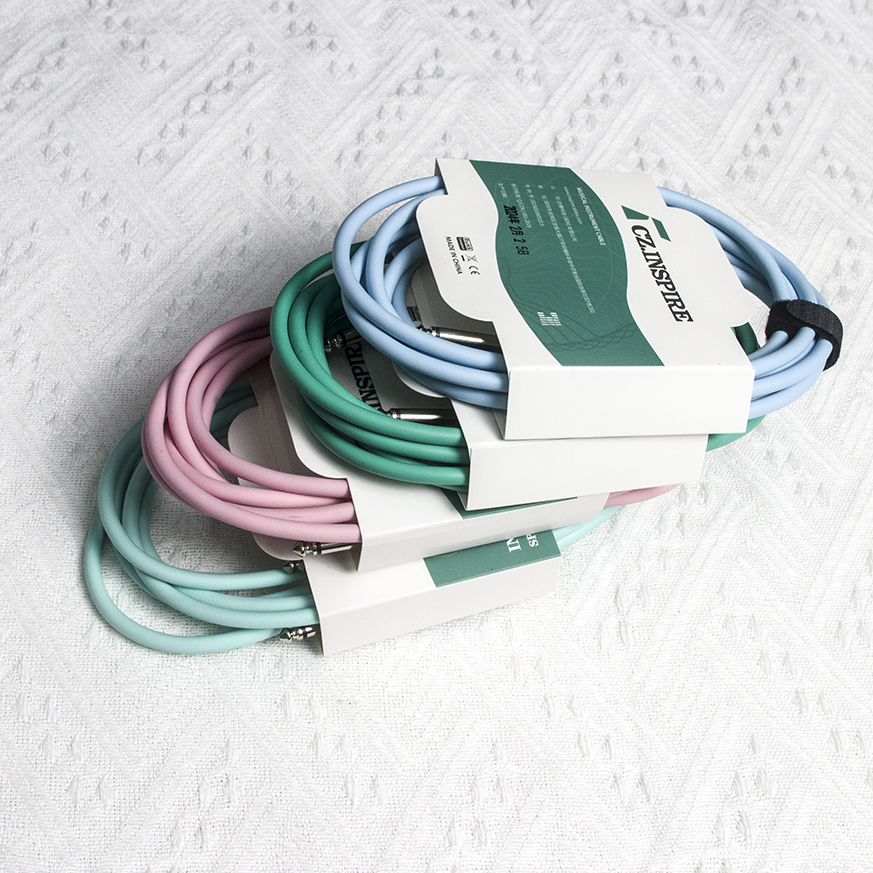
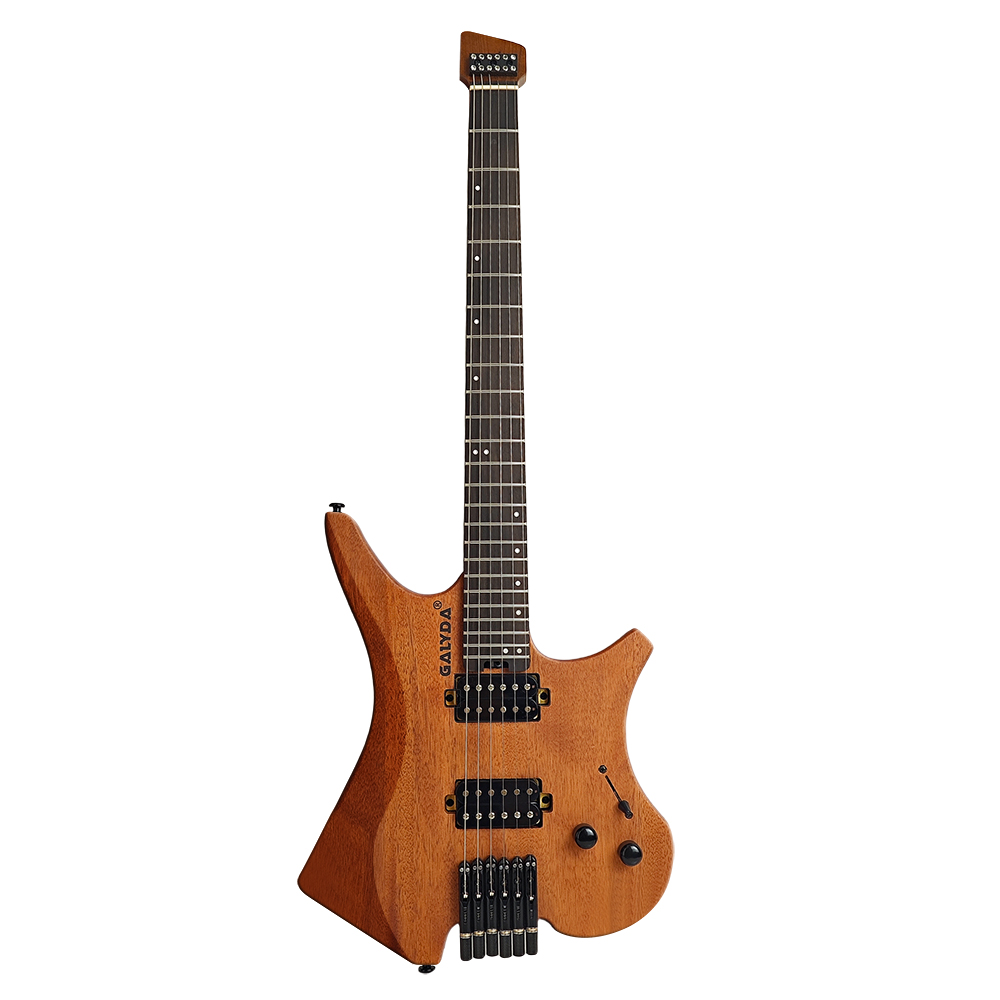
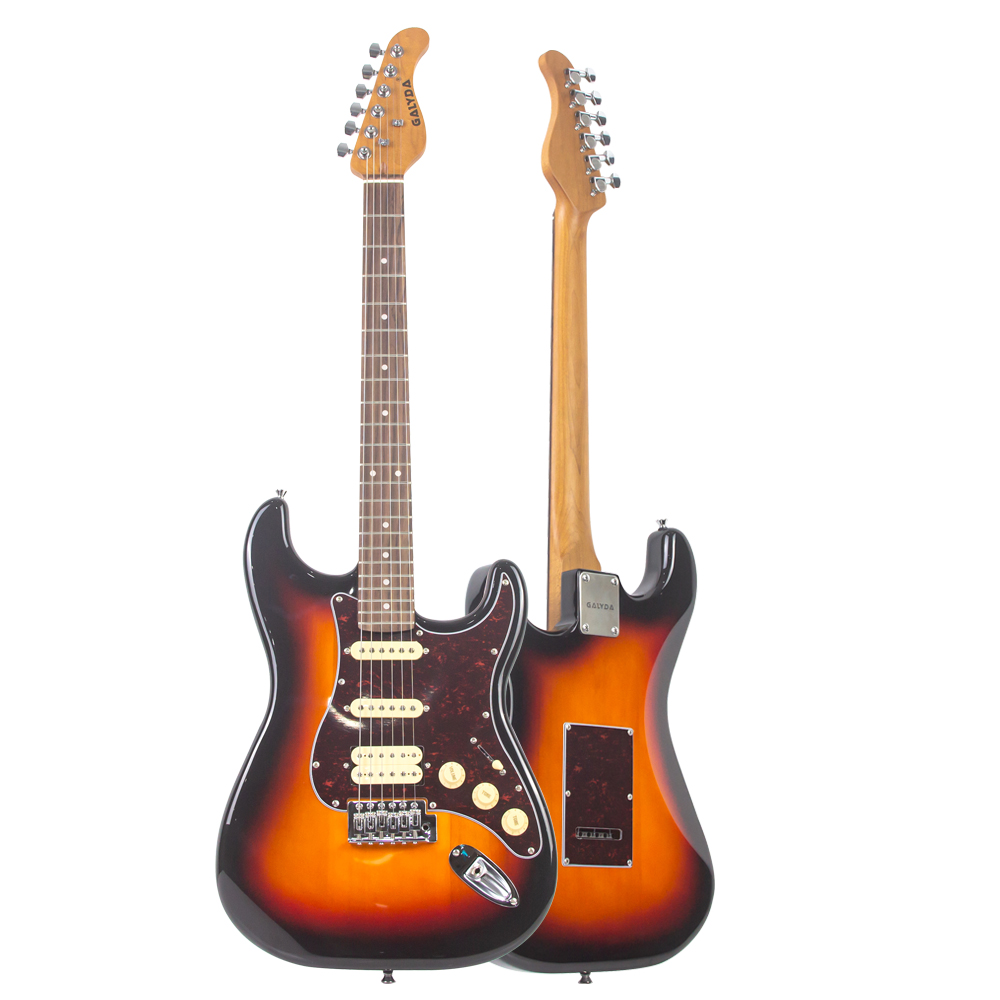
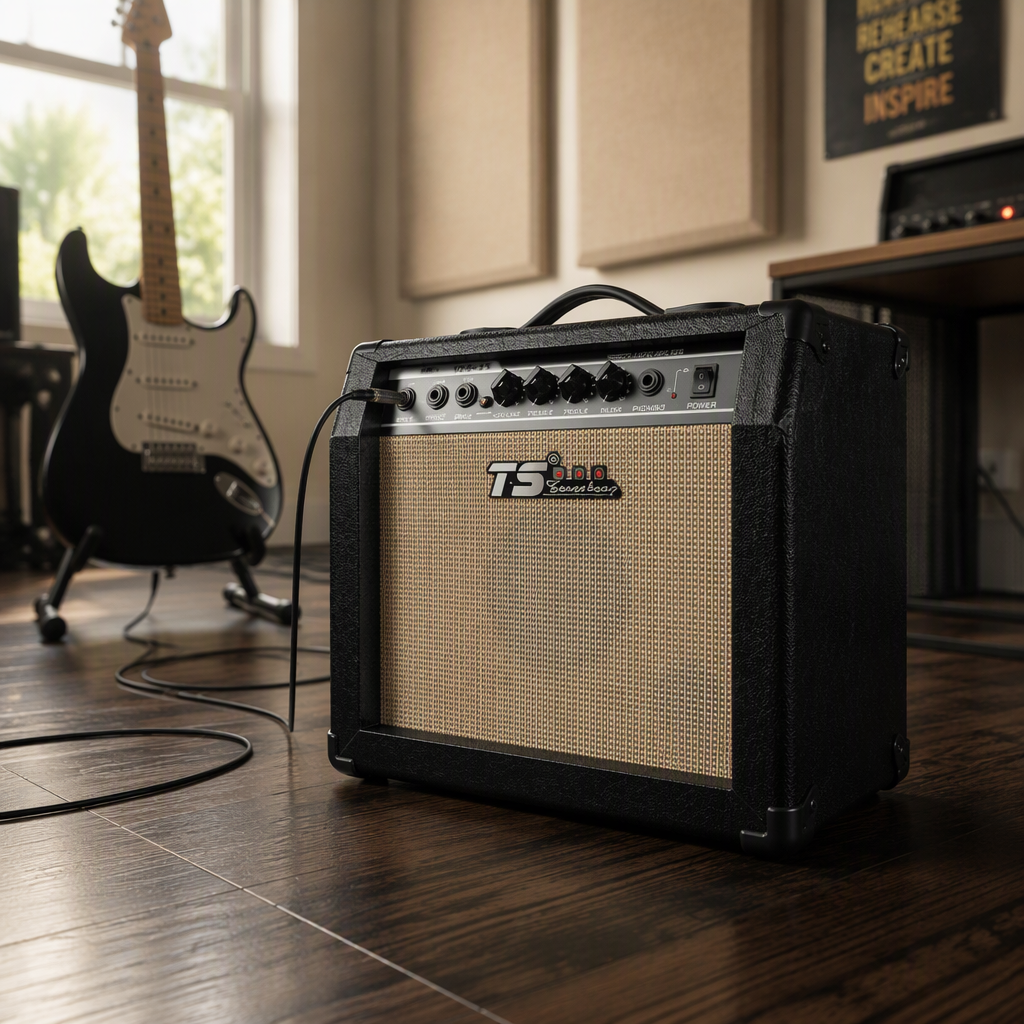
Featured Factory Products & OEM Instrument Assemblies
Precision-Engineered Electric Guitars, Acoustic Accessories, and Hardware Solutions Direct from Factory


Top 10 Steel String Guitar Manufacturers & Suppliers Benchmark
Evaluating Leading Global Instrument Builders & OEM Manufacturing Operations
When selecting a steel string guitar manufacturer for private label distribution, custom retail lines, or high-volume wholesale, buyers must balance craft heritage with automated mass-production consistency. Below is an engineering and supply chain analysis of the top 10 global suppliers dominating the acoustic and electric stringed instrument sector today.
1. Huizhou NFGF Musical Instrument Co., Ltd.
Primary Focus: Full-Scale OEM/ODM Manufacturing & Global Direct Export
Established in 2014 in Qiuchang, Huizhou (Guangdong’s premier musical instrument industrial cluster), NFGF operates a 5,100 m² SGS-verified production facility with 53 specialized luthiers and automated CNC lines. NFGF stands out in the OEM space by offering exceptionally flexible minimum order quantities (MOQs starting from 1 piece on select models), rapid prototyping, and complete custom branding across electric guitars, steel string acoustics, basses, ukuleles, and accessories. Their vertically integrated facility covers everything from automated wood drying to multi-stage hand sanding, electrostatic painting, and individual playability testing.
2. C. F. Martin & Company
Primary Focus: Legacy Acoustic Construction & Dreadnought Innovation
Pioneers of the X-bracing system and the iconic Dreadnought body shape, Martin Guitars remains a benchmark for premium steel-string acoustic tone. While their primary manufacturing is centered in Nazareth, Pennsylvania, and Nazareth, Mexico, their design standards set global expectations for acoustic resonance, dovetail neck joints, and traditional tonewood pairing.
3. Taylor Guitars
Primary Focus: Modern Precision CNC Engineering & V-Class Bracing
Taylor Guitars revolutionized acoustic guitar manufacturing by introducing advanced CNC milling, bolt-on NT neck joints, and modern UV-cured glossy finishes. Their V-Class bracing system established a new paradigm in acoustic projection and harmonic intonation across steel string instruments.
4. Gibson Brands, Inc.
Primary Focus: Classic American Steel-String Acoustics & Archtops
Famous for legendary models such as the J-45 and Hummingbird, Gibson’s acoustic division in Bozeman, Montana, focuses on vintage-style voicings, nitrocellulose lacquer finishes, and short-scale steel-string acoustic builds that deliver warm, midrange-focused acoustic projection.
5. Cor-Tek (Cort Guitars)
Primary Focus: High-Volume Contract Asian OEM Manufacturing
Headquartered in South Korea with massive production hubs in Indonesia and China, Cor-Tek is one of the largest contract instrument manufacturers in the world. They supply unbranded white-label acoustic and electric guitars to many top-tier global retail brands.
6. Yamaha Corporation
Primary Focus: Automated Quality Consistency & Entry-to-Pro Tier Range
Yamaha's acoustic instrument division is globally respected for stringent quality control and proprietary wood treatment processes such as Acoustic Resonance Enhancement (A.R.E.). Their FG and L series set benchmark quality standards for student and mid-tier acoustic guitars.
7. Ibanez (Hoshino Gakki)
Primary Focus: Modern Thin-Neck Ergonomics & Electro-Acoustics
Known for fast-playing electric necks, Ibanez applies the same ergonomic approach to modern steel-string electro-acoustic guitars. Features like slim neck profiles, deep cutaways, and onboard electronics make them popular for live performance lines.
8. Fender Musical Instruments Corp. (Paramount Series)
Primary Focus: Stage-Ready Steel-String Electrics & Hybrid Models
Fender’s acoustic presence combines historic body shapes with innovative hybrid acoustic-electric guitars (such as the Acoustasonic series), utilizing contract facilities in Asia and North America for global retail distribution.
9. Guild Guitars
Primary Focus: Jumbo Bodies & Historic 12-String Steel Acoustics
Guild has earned a strong reputation for structural durability, rich bass response, and iconic 12-string steel acoustic guitars. Under Cordoba Music Group ownership, Guild expanded its overseas production to offer accessible mid-market instruments.
10. Samick Musical Instruments
Primary Focus: High-Volume Asian Manufacturing Infrastructure
Operating sprawling facilities in Indonesia, Samick remains a foundational OEM supplier capable of producing vast quantities of beginner to intermediate steel-string guitars for private label clients across North America and Europe.
B2B Manufacturer Capabilities Comparison Matrix
Evaluating OEM Flexibility, Quality Certification, and Production Scalability
| Manufacturer / Supplier | Facility Verification | Primary OEM / ODM Support | Sample MOQ Flexibility | Key Advantage for B2B Buyers |
|---|---|---|---|---|
| Huizhou NFGF Musical Inst. | SGS On-Site Audited | Full OEM/ODM Customization | Low (1–10 pcs starting) | Direct factory contact, agile custom finishes, integrated electronics & accessories |
| Cor-Tek (Cort) | ISO 9001 / ISO 14001 | High-Volume Contract OEM | High (Container Scale) | Mass production scalability for major global brands |
| Yamaha Corporation | Internal Global Audits | Proprietary Brand Only | N/A (Distributor Model) | Strict internal quality standards and brand consumer trust |
| Samick Musical Inst. | ISO Certified Plants | White-Label OEM Contract | High (500+ unit runs) | Extensive woodworking infrastructure in Southeast Asia |
| C.F. Martin & Co. | Internal Standards | Branded Custom Shop | N/A (Boutique Dealer) | Prestige heritage and high-end collector value |
Enterprise Advantages: Why Sourcing Direct from Huizhou NFGF Drive Growth
Vertical Integration, Quality Assurance Protocols, and Prototyping Agility
1. SGS On-Site Verified Production Facilities
Huizhou NFGF Musical Instrument Co., Ltd. underwent comprehensive on-site facility verification by SGS Group (latest assessment November 2025). The audit verified raw material wood inspections, supplier quality management procedures, clean spray-booth environmental controls, and final playability testing standards. B2B importers gain complete compliance transparency without relying on unverified third-party trading intermediaries.
2. Precision Controlled Wood Curing & Kiln Drying Protocols
Wood is a living, breathing material. The primary root cause of neck warping, fret sprouted edges, and top belly bulging during ocean transit is unconditioned tonewood. NFGF maintains dedicated climate-controlled drying chambers, stabilizing wood moisture content (MC) strictly between 6% and 8% before CNC body profiling. Fingerboards of carbonized maple, rosewood, and ebony undergo stabilization treatment to guarantee smooth fret edges upon container arrival across North America, Europe, and Australia.
3. End-to-End One-Stop Procurement Efficiency
Instead of coordinating with separate factories for guitar bodies, tuning machine heads, mono cables, carry bags, and mini amplifiers, NFGF provides a fully integrated ecosystem. Importers can consolidate mixed SKU orders—combining steel-string acoustic guitars, ST/TL/LP style electrics, headless instruments, 4-string bass guitars, and metal tuning pegs into a single streamlined shipment to optimize freight costs.
4. Agile Low MOQ & Custom Prototyping
Traditional OEM guitar factories require initial orders of 300 to 500 units per color finish. NFGF lowers barrier to entry with sampling MOQs starting from 1 piece on select stock body shapes, allowing private label brands to test new market finishes, pickup configurations (Alnico-5 SSS, HSS, HSH), and carbonized neck options with minimal inventory risk.
Future Procurement Trends in Steel String & Guitar Manufacturing (2025–2030)
Key Strategic Shifts Reshaping the Global B2B Musical Instrument Supply Chain
Procurement directors must anticipate market trends to stay competitive. Over the next five years, five critical technological and environmental developments will redefine acoustic and electric steel-string guitar production:
1. Thermally Modified (Roasted) Tonewoods
Torrefaction bakes tonewoods in an oxygen-deprived kiln at high temperatures. This process crystallizes hemicellulose inside the wood cells, mimicking decades of natural aging. Roasted maple necks and roasted spruce tops provide extraordinary climate stability and enhanced acoustic resonance, dramatically reducing post-sale humidity warranty claims.
2. Eco-Friendly UV Curing Finishes
Global environmental regulations are phasing out high-VOC solvent nitrocellulose finishes in favor of ultra-thin, high-gloss UV-cured polyurethane coatings. Modern UV finishes cure instantly under ultraviolet lamps, forming a durable protective skin that preserves acoustic resonance while reducing factory carbon emissions and finishing turnaround times.
3. Wireless Electro-Acoustic Preamp Integration
The boundary between traditional acoustic projection and digital processing is blurring. Modern steel-string acoustic buyers increasingly demand onboard Bluetooth-enabled preamps, undersaddle piezo transducive pickups, and built-in acoustic reverb/delay effects that function without plugging into an external amplifier.
Product Engineering & Design Innovation Trends
Ergonomics, Carbon Fiber Reinforcements, and Modern Headless Architectures
In addition to raw tonewood selection, structural engineering upgrades are modernizing traditional steel string instrument profiles:
• Carbon Fiber Neck Reinforcement Rods: Modern steel-string acoustic and electric guitars increasingly incorporate dual carbon fiber stabilization rods alongside a dual-action steel truss rod. This hybrid neck architecture prevents twisting and maintains precise neck relief under high string tension or drastic climate shifts.
• Ergonomic Beveled Armrests & Contour Backs: Traditional sharp acoustic binding edges are giving way to smooth, CNC-machined wooden armrest bevels. These contours enhance player comfort during extended studio or live sessions while adding a premium aesthetic to mid-tier product lines.
• Headless Acoustic-Electric & Compact Travel Designs: Compact headless guitars (such as the G990 series) eliminate traditional headstocks, utilizing bridge-end mechanical tuning systems. This reduces overall instrument length by up to 20%, lowers shipping container cubic volume, and delivers a perfectly balanced, travel-friendly instrument for mobile musicians.
Frequently Asked Procurement Questions (B2B FAQ)
Clear Technical Answers for Import Buyers, Supply Chain Managers, and Retailers
What is the minimum order quantity (MOQ) for OEM/ODM guitar orders? +
At Huizhou NFGF, minimum order quantities are structured to support both emerging brands and large distributors. Stock electric guitar, bass, and acoustic models start from just 1 piece for evaluation samples. Custom branding runs (with logo placement, custom packaging, and graphic finishes) typically begin at 10 to 30 sets. Smaller accessory items like tuning pegs, mono cables, and guitar picks start from 100 units.
How does the factory control wood moisture content to prevent post-export warping? +
All raw tonewoods (Okoume, Poplar, Basswood, Spruce, Mahogany, Maple, Rosewood) undergo automated dehumidification and kiln drying until moisture levels stabilize strictly between 6% and 8%. Wood is seasoned in climate-monitored holding rooms before precision CNC shaping. This critical step prevents body swelling, neck bowing, and fret sprouting during transit through tropical or dry continental shipping routes.
Can we request fully customized body designs, wood species, and pickup configurations? +
Yes. NFGF provides comprehensive ODM engineering services. Clients can submit CAD drawings, physical samples, or detailed specification sheets. You can specify body top woods (e.g., flame maple veneers or solid spruce), neck profiles (C-shape, Modern D), pickups (Alnico-5 vs Ceramic, SSS/HSS/HSH), hardware finishes (Chrome, Matte Black, Gold), fingerboards (Rosewood, Carbonized Maple, Ebony), and custom nut widths.
How are quality control checks executed prior to export packaging? +
Quality assurance follows a strict 4-stage protocol: 1) Incoming raw tonewood MC and hardware tolerance checks; 2) In-process CNC milling, neck pocket joint, and hand-sanding inspection; 3) Post-paint polishing, finish clarity, and fret beveling reviews; 4) Final assembly setup—checking action height, truss rod neck relief, intonation, electronic grounding, and acoustic resonance prior to protective export carton packing.
What export certifications and environmental compliance standards are available? +
Huizhou NFGF is an SGS-verified facility. Electronic components, preamps, and amplifiers carry CE and FCC listings where applicable. All tonewoods used comply with international CITES regulations and Lacey Act requirements, providing legally compliant documentation for smooth customs clearance in North America, Europe, and Asia-Pacific markets.
What is the typical production lead time for sample prototypes and container orders? +
Standard sample orders for stock models ship within 7 to 12 working days. Custom OEM branded sample prototypes require approximately 20 to 30 days depending on finish complexity. Full container bulk production orders (FCL/LCL) are completed within 35 to 45 days after final sample and artwork approval.
Ready to Scale Your Instrument Line with a Direct Factory Partner?
Partner with an SGS-verified, 5,100 m² manufacturer in Huizhou. Request custom OEM specifications, wholesale pricing catalogues, and rapid sample production today.