
Executive Whitepaper: The Technical Standard for OEM Ukulele String Manufacturing
In the global musical instrument industry, string selection represents the definitive juncture between instrument construction and acoustic expression. As global demand for Soprano, Concert, Tenor, and Baritone ukuleles escalates across retail, educational, and professional artist channels, procurement directors and private-label brand owners require a rigorous technical framework when selecting Custom OEM Ukulele Strings Manufacturers & Factories.
The manufacturing of professional ukulele strings transcends basic synthetic extrusion. It requires deep expertise in polymer chemical composition, high-precision laser micrometer caliber gauging, precise mass-density linear distribution, and controlled tensile elongation profiles. For international brand buyers, sourcing directly from audited, vertically integrated Chinese manufacturers—such as Huizhou NFGF Musical Instrument Co., Ltd.—provides a massive competitive advantage in quality control, unit economics, and custom OEM packaging solutions.
Material Science & Polymer Technologies in OEM String Production
To formulate an authoritative OEM product strategy, supply chain managers must evaluate four core material classes utilized in modern ukulele string manufacturing. Each material delivers distinct vibrational characteristics, ambient moisture stability, and tactile feedback.
1. Fluorocarbon (Polyvinylidene Fluoride - PVDF)
PVDF fluorocarbon monofilaments possess a significantly higher physical density ($1.78\text{ g/cm}^3$) compared to traditional nylon ($1.14\text{ g/cm}^3$). This increased density permits thinner gauges at equivalent tension profiles, resulting in reduced air resistance during vibrational displacement, enhanced high-frequency harmonic brilliance, and exceptional dynamic projection. Furthermore, fluorocarbon features zero moisture absorption, guaranteeing pitch immunity across extreme humidity fluctuations.
2. Precision Rectified Extruded Nylon 6/66
Rectified nylon undergoes a specialized centerless grinding procedure after extrusion to eliminate microscopic outer circumference irregularities. Nylon 6/66 offers the classical warm tone, rich fundamental resonance, and tactile softness favored by traditional players and educational institutions. OEM factories utilize thermal annealing to stabilize molecular polymer alignment, mitigating fresh-string stretching periods.
3. Titanium-Infused Polyethylene Monofilaments
An advanced development in synthetic strings, titanium monofilaments combine structural polyamide matrixes with micronized titanium compound additive dispersion. This delivers a silky smooth tactile feel, elevated structural tensile strength, bright attack, and superior resistance to fret-wire abrasion.
4. Silver-Plated Copper Wound Nylon Cores (Low-G & Baritone)
For Tenor Low-G, Baritone (D-G-B-E tuning), and U-Bass configurations, pure monofilament cannot achieve sufficient linear mass without exceeding ergonomic elasticity thresholds. Advanced OEM facilities utilize multi-filament nylon cores precision-wrapped with silver-plated oxygen-free copper (OFC) wire, utilizing automatic tension-controlled winding lathes to prevent fret buzzing and winding separation.
| Material Type | Mass Density (g/cm³) | Tensile Yield (MPa) | Moisture Absorption | Acoustic Timbre Profile | Primary OEM Target Market |
|---|---|---|---|---|---|
| PVDF Fluorocarbon | 1.76 – 1.80 | 350 – 420 | <0.01% (Impervious) | Bright, crisp, high sustain | Pro Soloists, Premium Ukulele Brands |
| Rectified Nylon 6/66 | 1.13 – 1.15 | 80 – 110 | 4.5% – 8.0% | Warm, mellow, traditional | Beginner Kits, General OEM Bundles |
| Titanium Monofilament | 1.22 – 1.28 | 180 – 240 | <1.2% | Glass-like clarity, rapid response | Concert Stage Performance, Custom Luthiers |
| Silver-Plated OFC Wound | 4.50 – 6.20 (Composite) | N/A (Core Bound) | <0.5% (Coated) | Deep, resonance-rich low end | Tenor Low-G Sets, Baritone OEM Lines |
Future Procurement Trends in Ukulele Strings Sourcing (2025–2030)
As global supply chains navigate sustainability directives, evolving retail price points, and shifting consumer demographics, procurement executives must align with forward-looking factory technological capabilities. Below are the key structural trends shaping wholesale ukulele string manufacturing over the next decade.
International environmental regulations (EU REACH, RoHS, RoHS II) are driving demand for castor-oil derived bio-polymers. Bio-nylon string variants reduce petroleum reliance by up to 68% while delivering identical mechanical creep resistance and elastic memory.
For wound low-G strings and metallic core accessories, hyper-thin fluoropolymer sub-micron coatings (50–100 nanometers) are replacing thick traditional enamel films. This protects against sweat corrosion without deadening natural high-frequency string overtones.
Brands are abandoning generic stock gauge sets in favor of instrument-body optimized string tension profiles. Factories capable of custom-formulating tension calculations for solid koa, spruce, or laminate bodies enable brands to optimize resonance and playable neck relief.
Extending warehouse shelf-life to 3+ years, automated nitrogen-flushed foil packaging prevents polymer degradation and metal wire tarnish during transoceanic shipping and regional distribution storage.
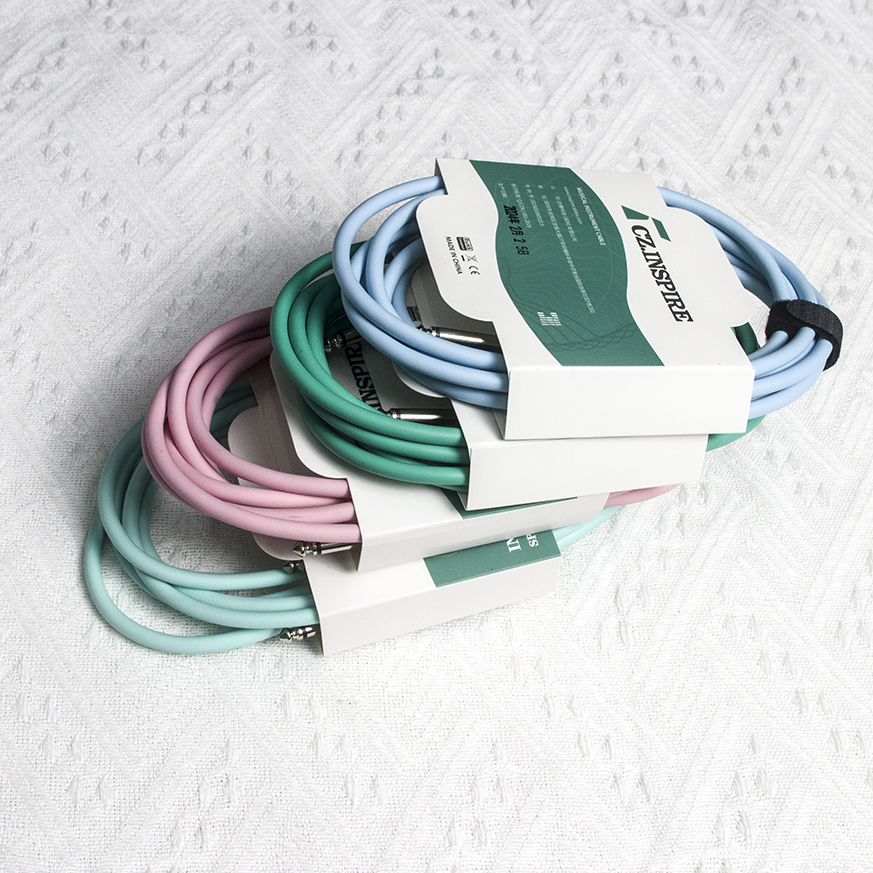
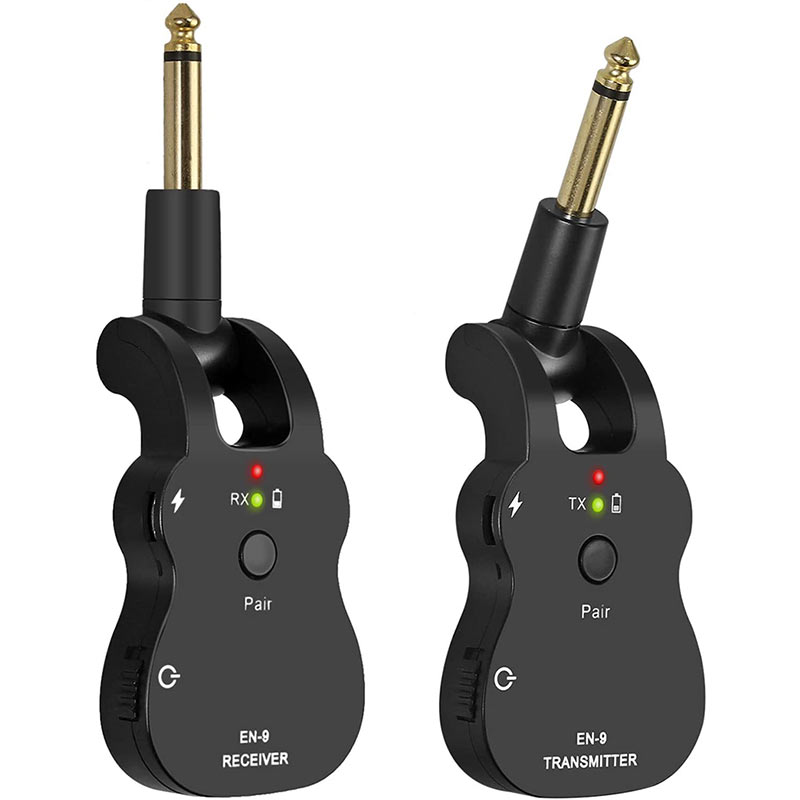
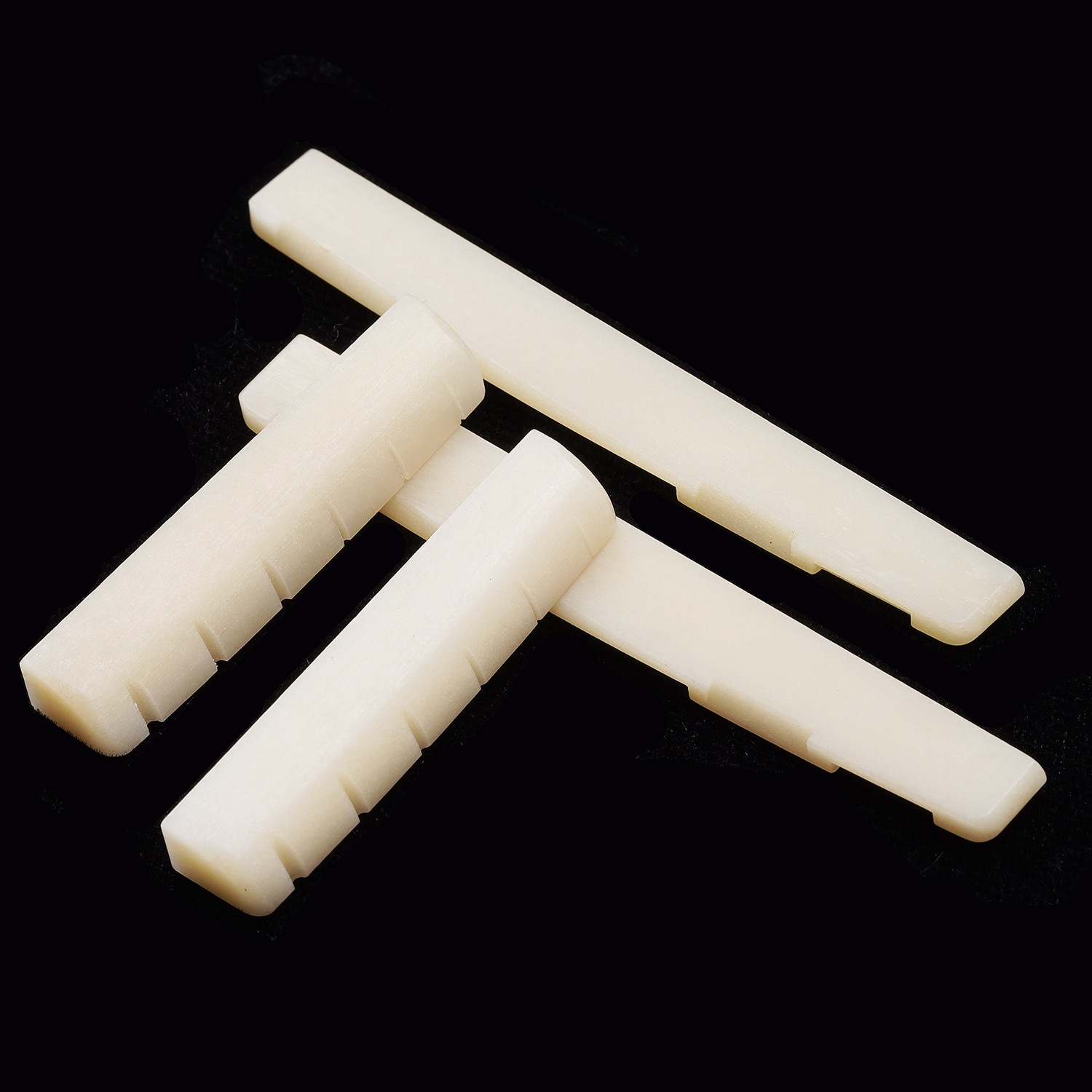
Major retail distributors are consolidating inventory logistics by sourcing full instrument ecosystem kits—combining custom-labeled ukulele strings, bone nuts/saddles, cables, pickups, and wireless transmitters from a unified OEM production partner.
Agile e-commerce brands require flexible production runs. Leading factories are offering low sample MOQs on standard gauges, enabling rapid market validation and reduced capital risk before committing to mass container orders.
Enterprise Advantage: Huizhou NFGF Musical Instrument Co., Ltd.
Selecting an OEM partner requires verifying physical manufacturing infrastructure, quality assurance systems, and corporate history. Established in 2014 in Qiuchang, Huiyang District, Huizhou City—Guangdong's premier musical instrument production hub—Huizhou NFGF Musical Instrument Co., Ltd. stands as a fully verified, vertically integrated custom manufacturing enterprise.
Spanning a modern 5,100 square-meter facility, NFGF integrates in-house product R&D, precision CNC woodworking, metal/polymer processing, painting, assembly, string winding, and rigorous pre-shipment quality control under a single unified management standard.
Factory Qualifications & Audit Specifications
Independently assessed on-site by SGS Group (latest audit November 2025). Operations undergo rigorous audit protocols covering raw material inspection, supplier management, process execution, and finished product quality verification.
Possesses over 100 design patents and copyrights engineered by our dedicated in-house R&D department, empowering brand partners with exclusive, non-infringing instrument designs and hardware solutions.
Every production batch undergoes multi-stage inspections: 100% incoming raw material check, in-process laser caliber verification after drawing/sanding, manual setup checks, dynamic acoustic resonance testing, and final drop-test carton packaging validation.
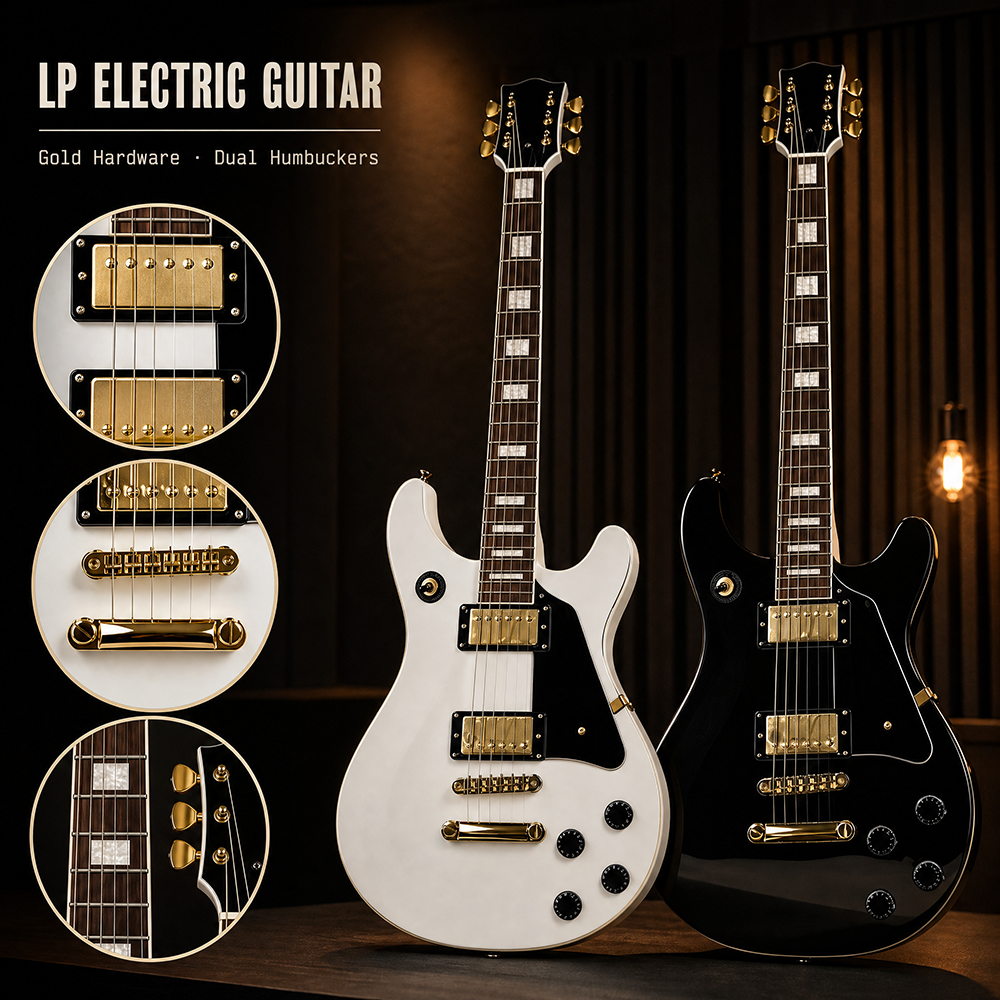
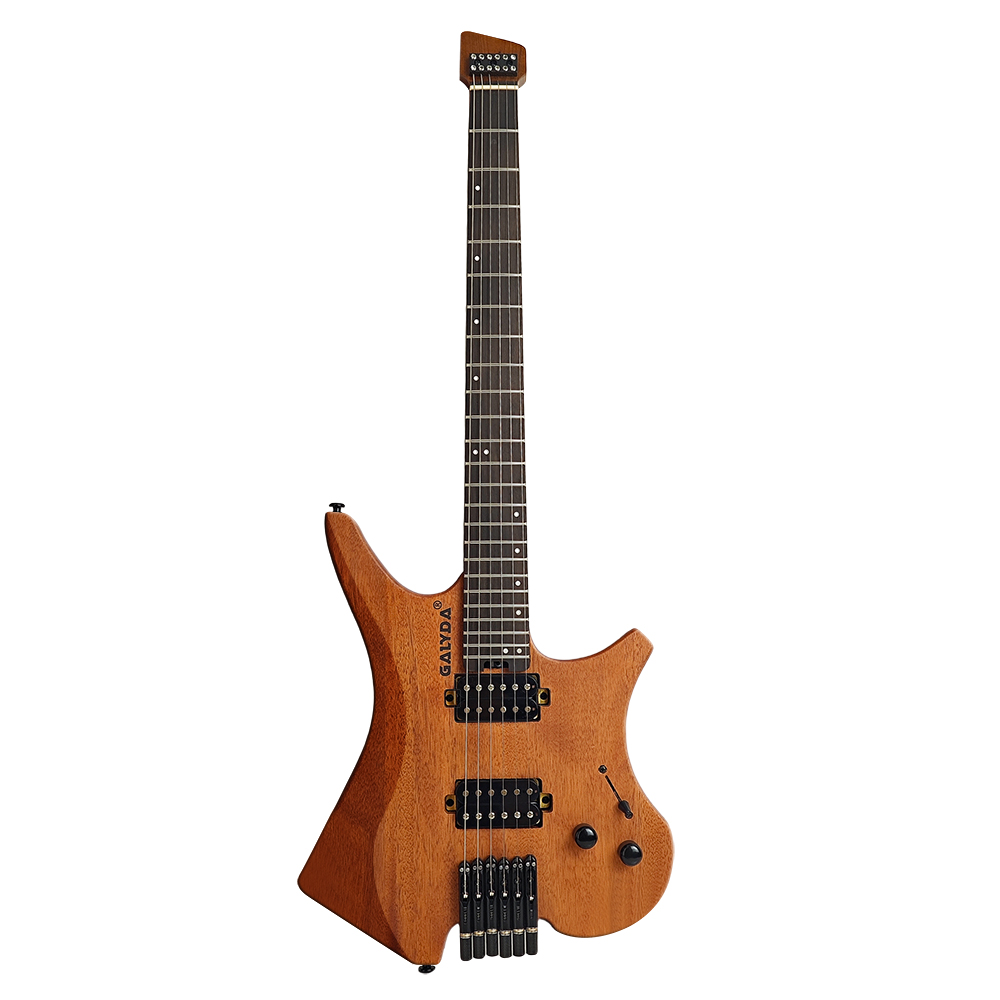
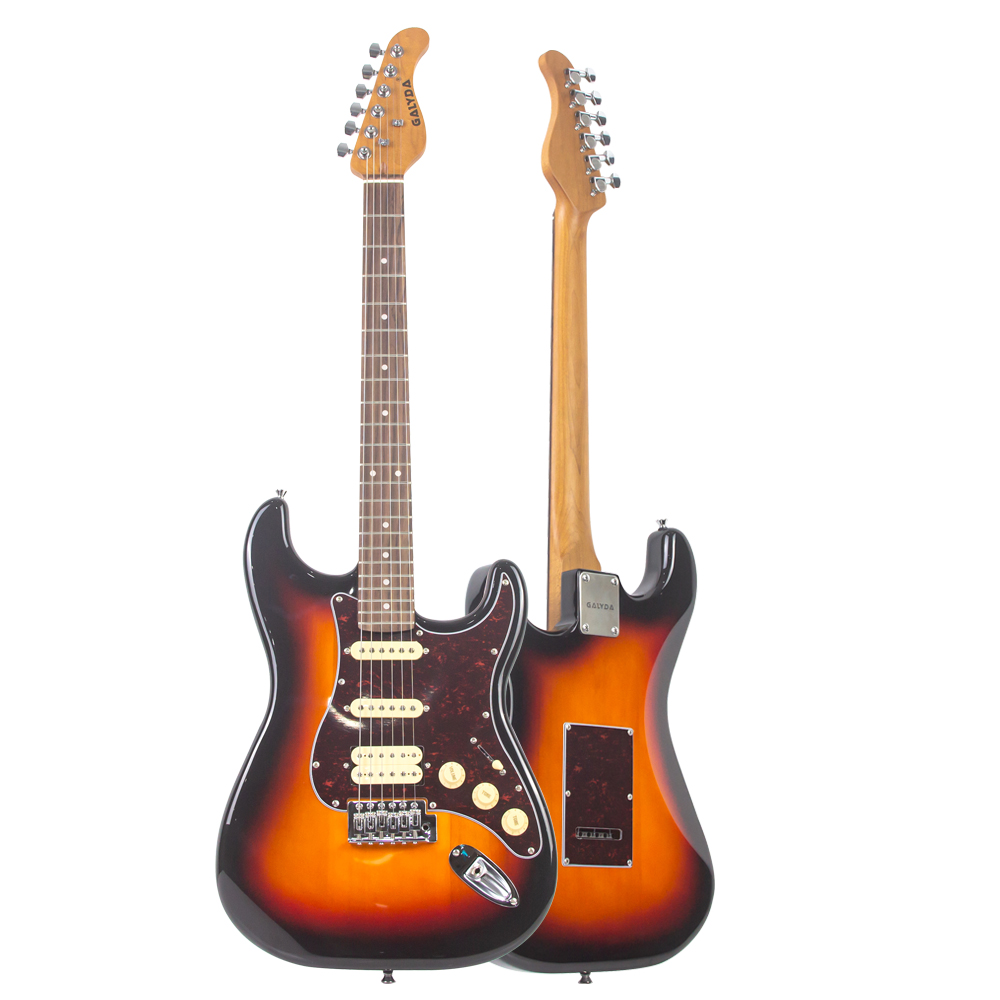
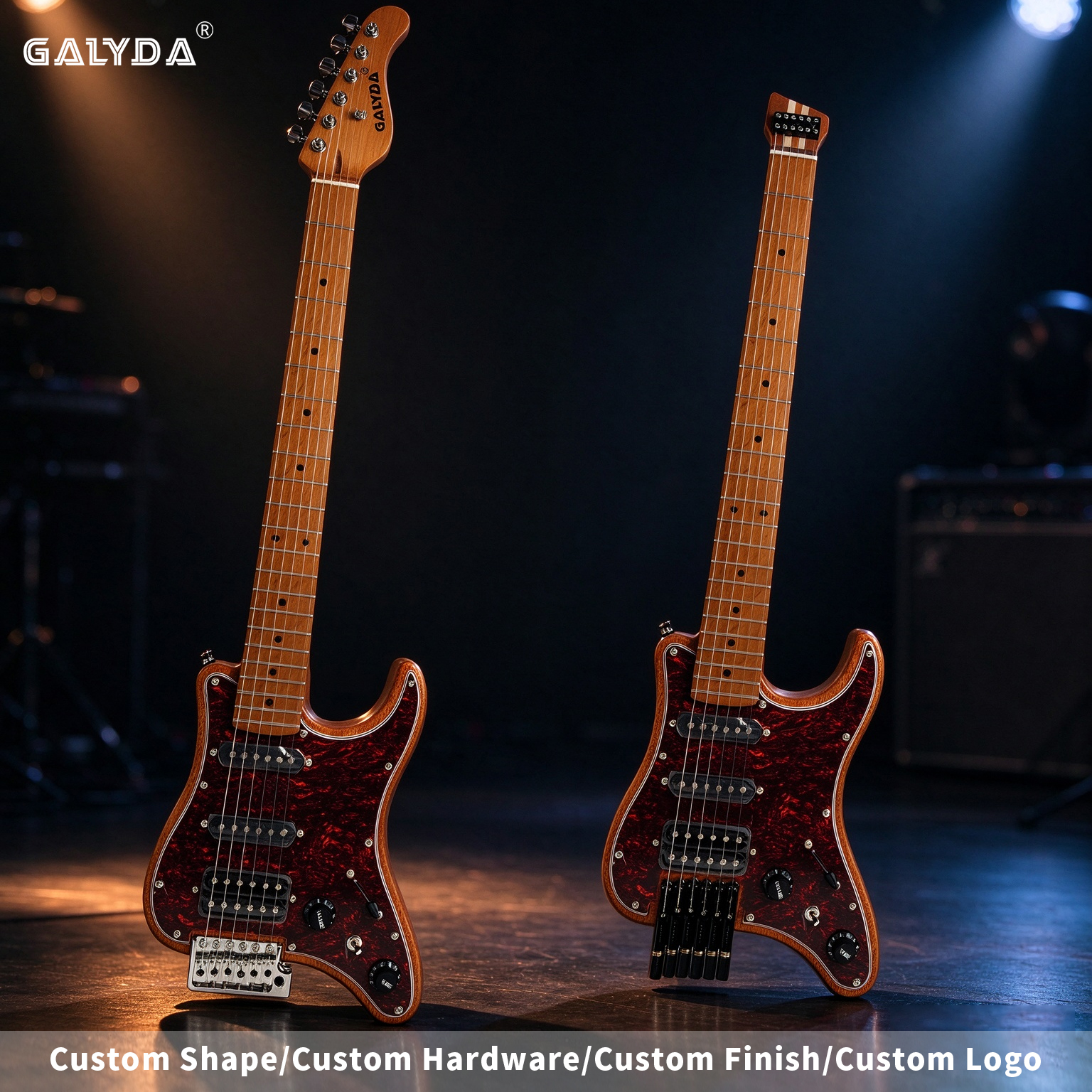
In addition to custom ukulele strings, NFGF's comprehensive manufacturing lines produce full-scale and kids electric guitars, electric basses, acoustic and classical guitars, kalimbas, steel tongue drums, kazoos, effect pedals, cables, bone nuts/saddles, and specialized musical accessories. This extensive product portfolio allows international buyers to streamline ocean freight logistics through consolidated full-container mixed shipments.
Step-by-Step OEM/ODM String & Accessory Procurement Workflow
To ensure seamless execution from initial concept to commercial port clearance, our engineering team adheres to a structured six-stage manufacturing protocol:
Client defines target ukulele scale lengths (Soprano 344mm, Concert 385mm, Tenor 432mm, Baritone 508mm), material preferences (PVDF/Nylon/Titanium), tension parameters, color tinting, and packaging artwork files.
Factory extrudes or winds custom sample sets within 5–7 working days. Samples undergo tension testing, laser diameter verification, and pitch-retention stroboscopic evaluation before dispatch to client.
Client conducts acoustic trial, playability testing, and retail packaging review. Upon written approval, factory establishes locked production master standards (PMS).
Mass monofilament drawing, centerless grinding, precision silver-plating winding, and automated color-coded ball-end attachment proceed under continuous optical inspection.
Strings are individually coiled and hermetically sealed inside nitrogen-purged moisture-barrier foil pouches, followed by custom printed inner display boxes and export cartons.
Full palletized shipments dispatched via FOB/CIF/DDP protocols with comprehensive SGS, CE, FCC, and origin certificate documentation provided for smooth customs clearance.
Frequently Asked Questions (FAQ) for OEM Buyers
Clear answers to crucial questions regarding minimum order quantities, factory certifications, custom branding options, and quality control procedures.