Featured Wholesale Products & Accessories
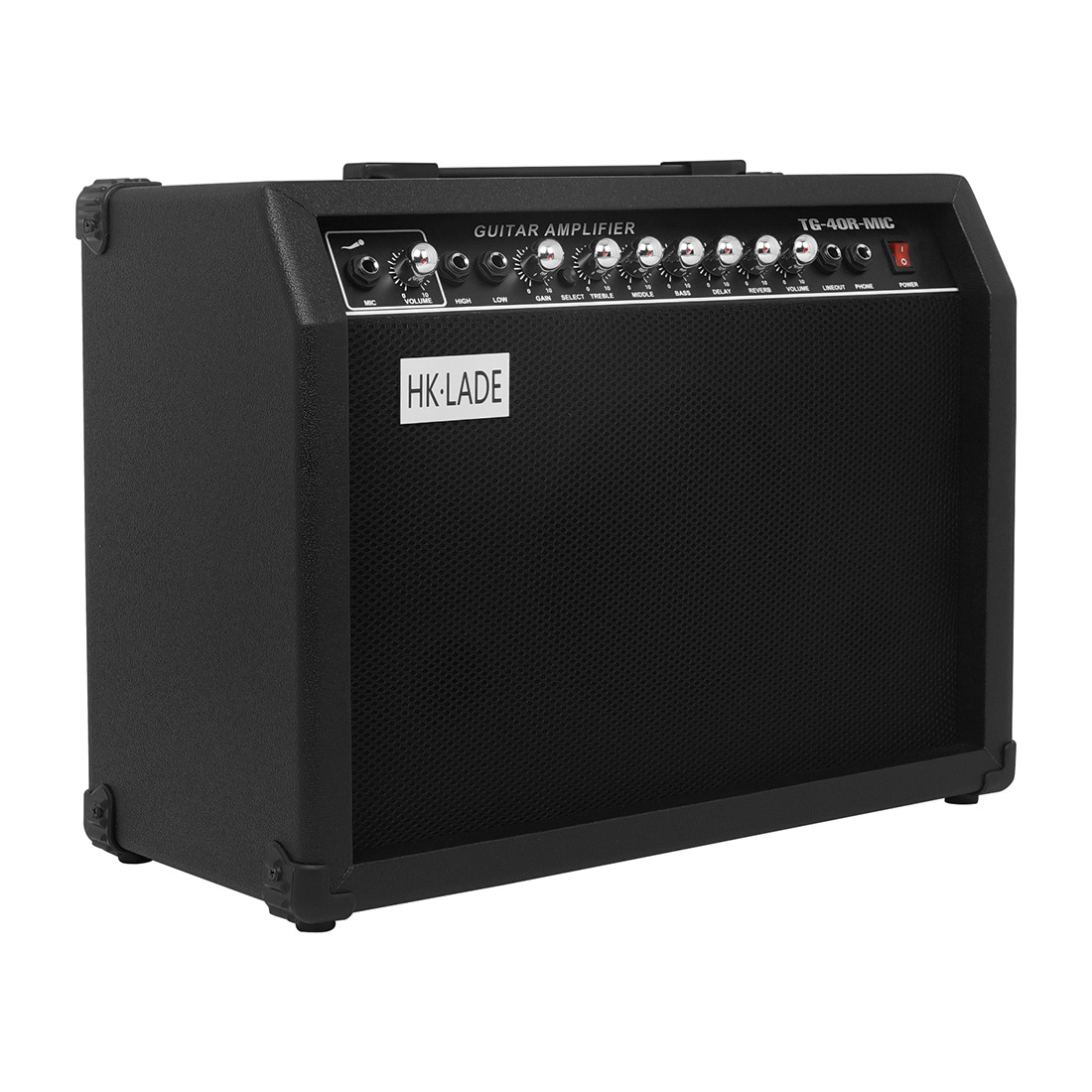
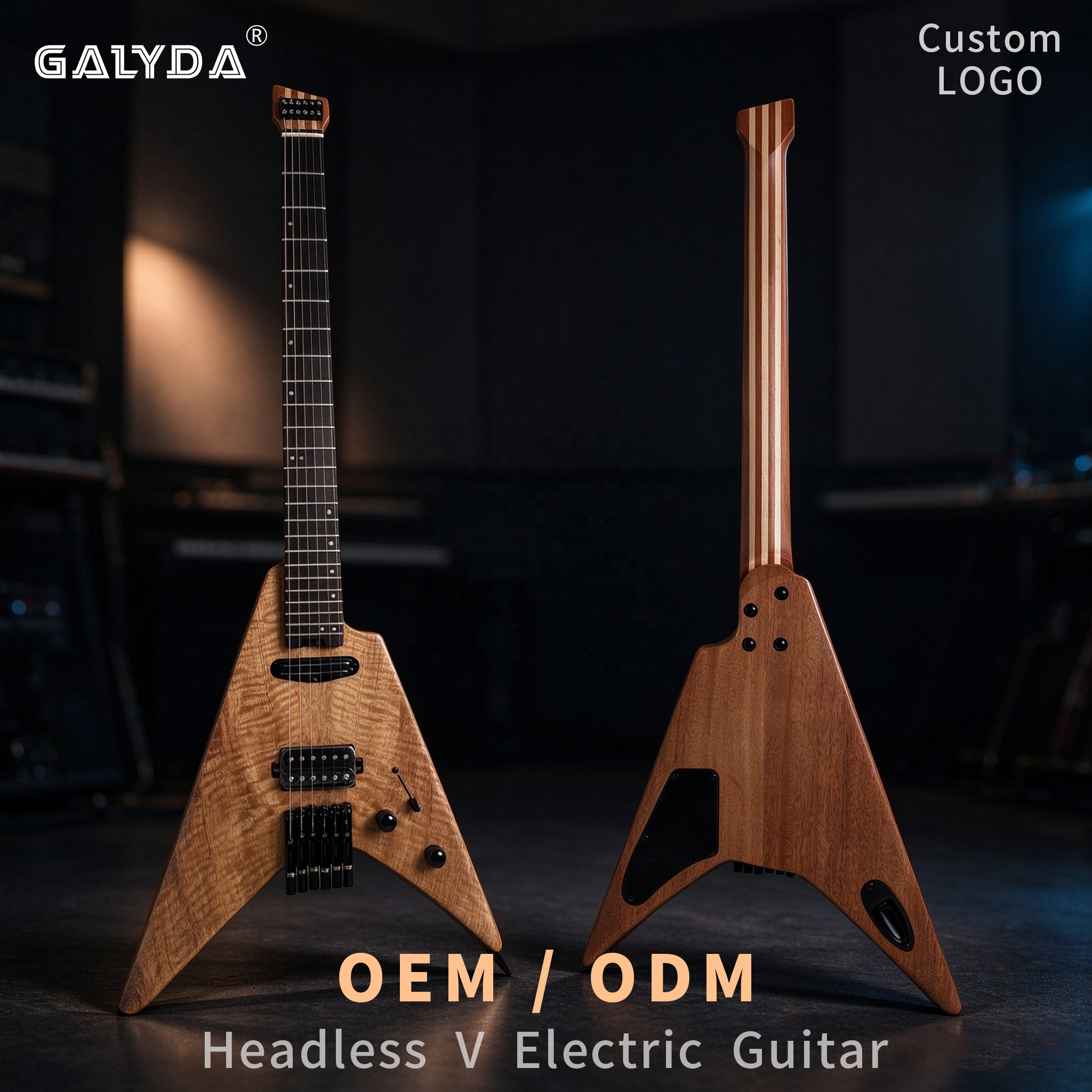
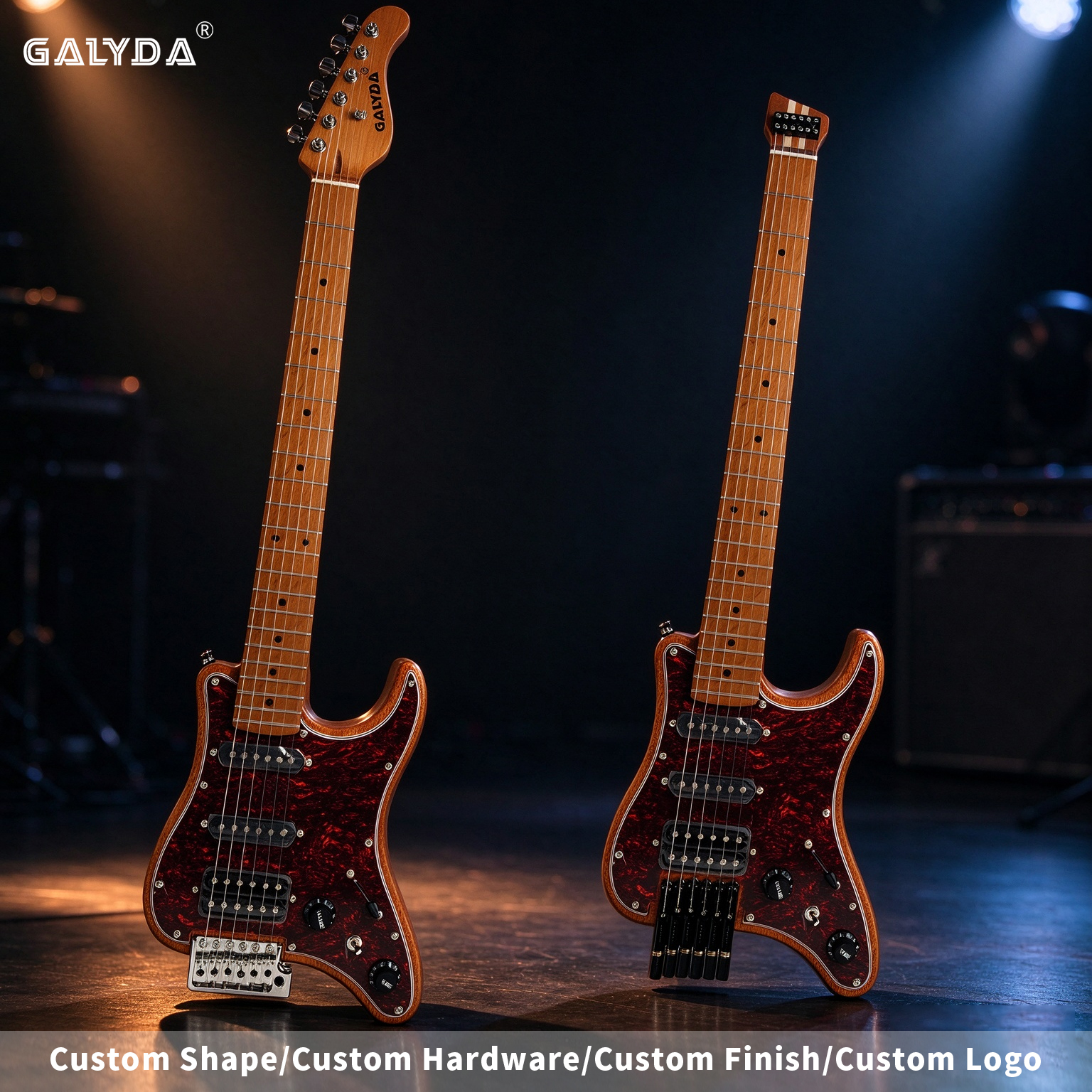
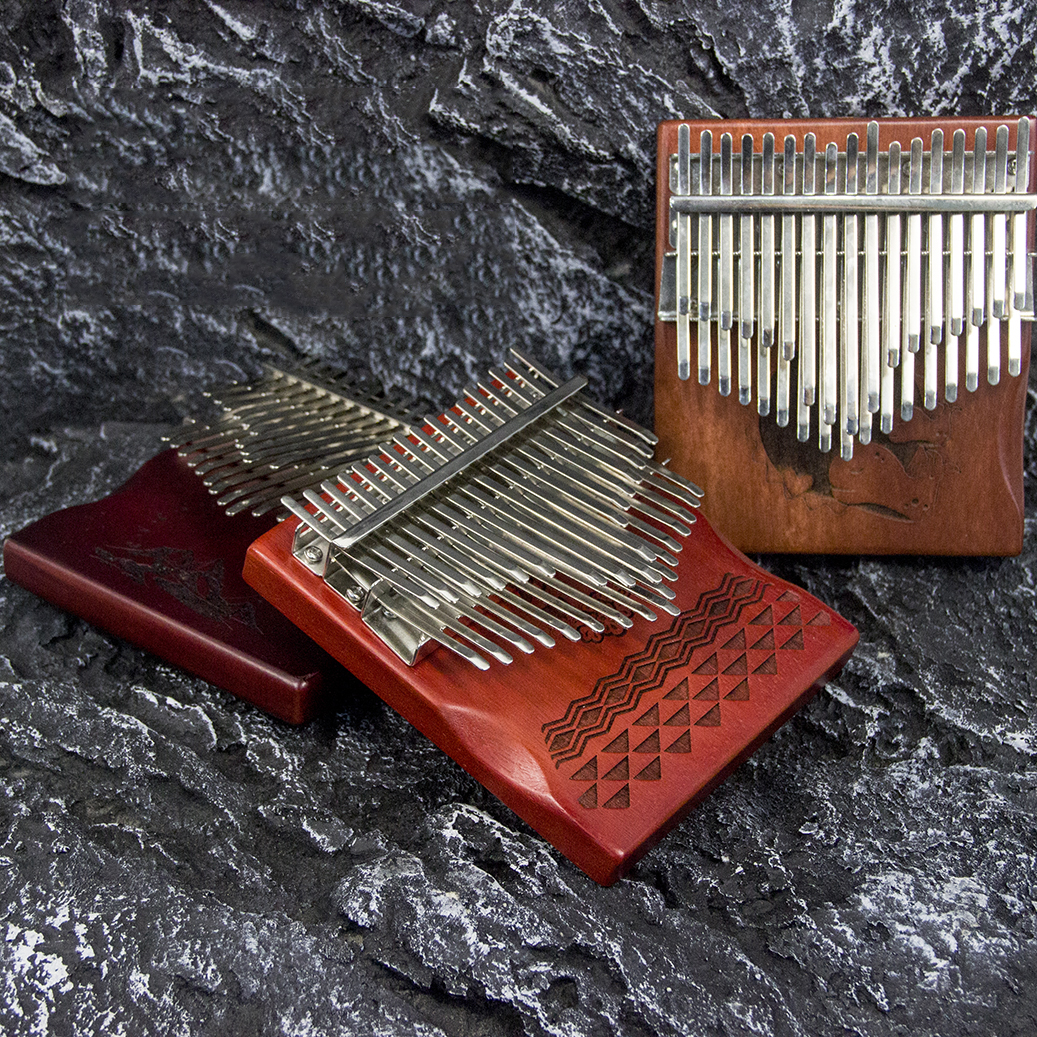
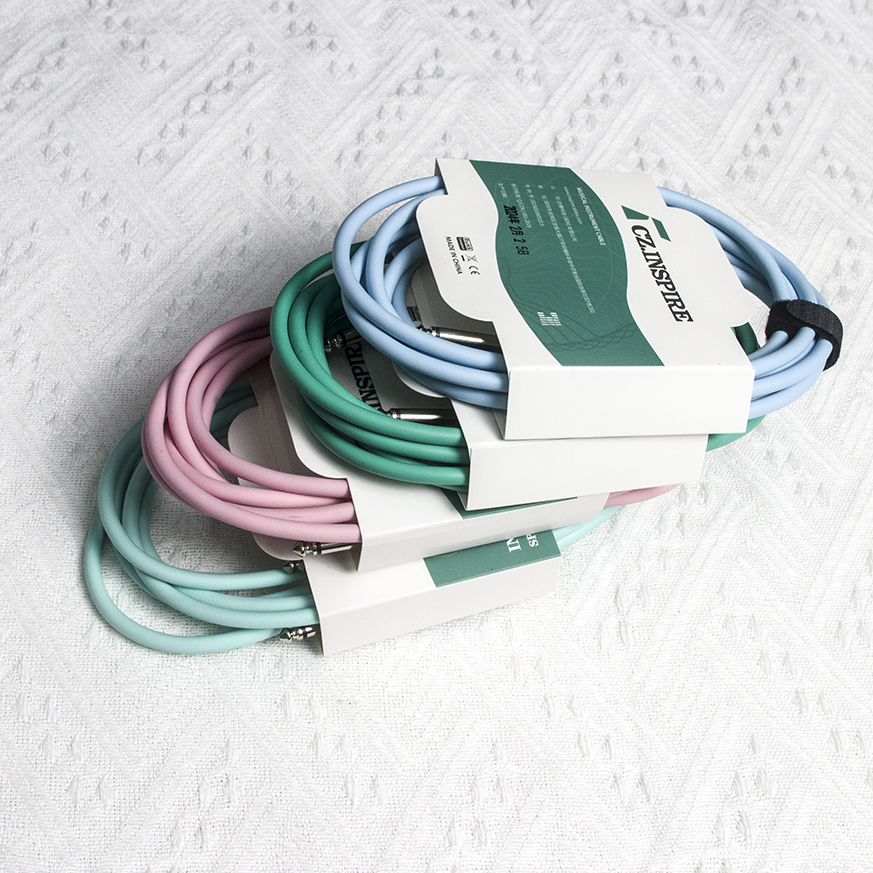
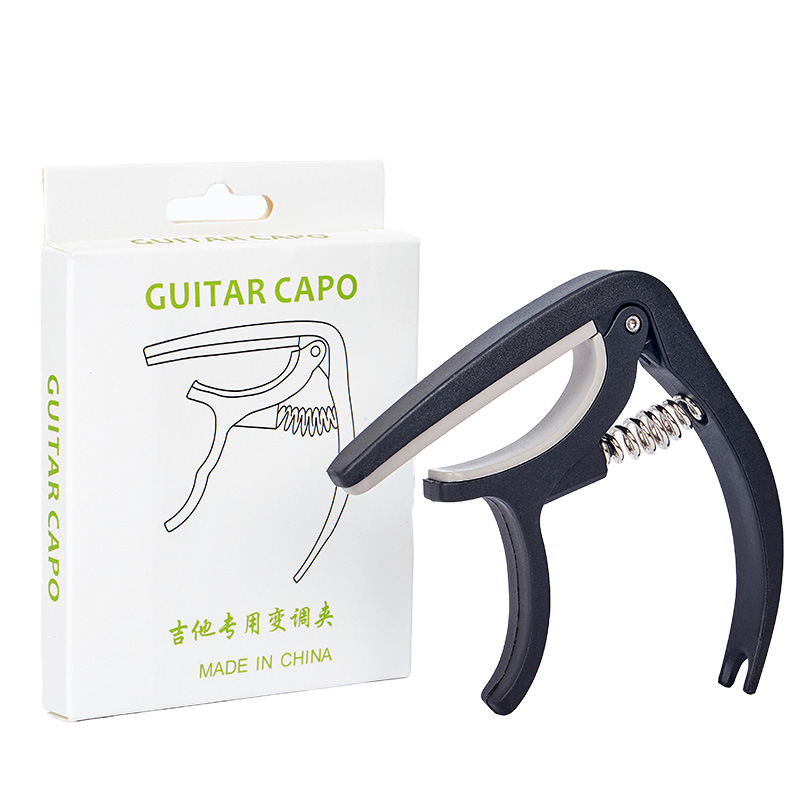
Explore our SGS-verified instrument lineup. Available for OEM/ODM private labeling with flexible MOQs.

Whitepaper: B2B Sourcing Guide for Custom OEM Tenor Ukuleles
As the global acoustic instrument market matures, international distributors, e-commerce brand owners, and musical chain retailers face increasing margin pressure and heightened consumer expectations regarding instrument tonality, physical ergonomics, and environmental compliance. Among the four primary ukulele sizing standards—Soprano (21-inch), Concert (23-inch), Tenor (26-inch), and Baritone (30-inch)—the Tenor Ukulele has registered the highest growth rate in commercial search volume and retail demand across North America, Europe, and the Asia-Pacific region.
With its expanded 26-inch scale length, deeper body cavity, wider fret spacing (typically 35mm to 38mm nut width), and higher string tension, the tenor instrument bridges the gap between classic Hawaiian strumming and complex fingerstyle solo performance. However, scaling private-label manufacturing for tenor ukuleles requires strict technical alignment with a specialized original equipment manufacturer (OEM) capable of delivering precise acoustic voicing, neck joint integrity, and kiln-dried humidity stabilization.
Information Gain Benchmark: Unlike off-the-shelf trading companies, Huizhou NFGF Musical Instrument Co., Ltd. integrates raw tonewood seasoning, automated 5-axis CNC neck carving, custom bracing voicing, and automated UV electrostatic lacquering under a single 5,100 m² SGS-verified roof in Qiuchang, Huizhou.
1. Acoustic Resonance Engineering: Scale Length & Volume Dynamics
The fundamental frequency response of a tenor ukulele is heavily dictated by its scale length (typically 430mm / 17 inches) and soundboard surface area. A tenor top plate must handle significantly more string tension (especially when tuned in Low-G configurations with wound strings) than smaller soprano models. OEM procurement officers must evaluate two primary structural factors:
- Soundboard Thickness & Gradation: Solid wood tops (such as AAA Grade Hawaiian Acacia Koa, Solid Spruce, or Solid African Mahogany) must be precision-planed to between 1.8mm and 2.2mm thickness depending on wood density. Over-built tops restrict resonance, causing a thin, muted tone, while under-built soundboards warp under long-term string tension.
- Bracing Geometry: Standard ladder bracing often fails to project mid-range frequencies. High-end custom OEM tenor ukuleles utilize modified parabolic fan bracing or lightweight lattice bracing. This structural architecture balances soundboard flexibility with structural durability, boosting low-end resonance and sustain by up to 35%.
2. Wood Seasoning & Climate Stabilization Metrics
The single primary driver of international return rates and warranty claims in stringed instrument manufacturing is wood movement caused by ambient humidity fluctuation. Cracking tops, fret sprout (sharp fret ends protruding from the fingerboard), and neck warping occur when raw timber is not properly stabilized prior to production.
At NFGF’s Huizhou facility, incoming tonewoods undergo a rigorous multi-stage conditioning protocol:
- Natural Air Drying: Timber billets are stacked and seasoned in temperature-controlled sheds for 6 to 18 months to release internal cellular stress.
- Kiln Dehumidification: Wood blocks enter computer-monitored vacuum kilns to bring internal moisture content down to an exact 8% – 10% tolerance band.
- Workshop Acclimation: Prior to CNC carving and gluing, raw components are conditioned in an environment-controlled workshop maintained strictly at 45%–55% Relative Humidity (RH) and 22°C.
Future Sourcing Trends for Custom Ukulele OEM/ODM
Key market developments shaping buyer demand and factory specifications over the next five years.
Smart & Hybrid Onboard Electronics
Demand is surging for tenor ukuleles equipped with built-in TransAcoustic pickups, rechargeable lithium-ion preamps, and internal actuators that produce reverb, delay, and chorus effects unamplified without requiring external speakers.
Ergonomic Body Modifications
Modern players favor premium ergonomic enhancements on 26-inch tenor bodies. Features like rounded wooden armrest bevels, Florentine cutaways for high-fret access, and dual soundports (side monitor holes) are becoming standard on mid-to-high end retail lines.
Sustainable & Certified Alternative Woods
With CITES regulations restricting traditional rosewoods and mahogany species, global brand owners are shifting toward sustainable alternatives such as Richlite/HPL fingerboards, Mango wood, Bamboo laminates, and FSC-certified Ebony replacements.
Low-MOQ Agility & Rapid Prototyping
E-commerce sellers require agile manufacturing with low minimum order quantities (starting from 1–2 pieces for high-end solid models and low batch counts for custom private logos) to test new markets without heavy upfront capital risk.
Factory Infrastructure: Huizhou NFGF Musical Instrument Co., Ltd.
Located in Qiuchang, Huiyang District, Huizhou, Guangdong—one of China’s premier stringed instrument manufacturing hubs—NFGF has established itself as an authoritative supplier combining industrial scalability with custom artisan craftsmanship since 2014.
Spanning 5,100 square meters of specialized production space, our integrated facility operates multiple dedicated lines for electric guitars, basses, acoustic guitars, classical guitars, ukuleles, kalimbas, steel tongue drums, effects pedals, and instrument accessories. Verified on-site by SGS Group (latest audit completed November 2025), our infrastructure provides global importers with total supply chain transparency.
Precision CNC Tooling
Automated 5-axis CNC routers carve body perimeters, neck heel dovetails, and truss rod channels to within a tight ±0.05mm tolerance, eliminating manual fitting inconsistencies.
In-House Tooling & Design Patents
Our engineering division holds over 100 original design patents and copyrights, giving OEM clients access to unique, protected headstock and body silhouettes.
Multi-Stage Quality Inspection
100% of finished instruments undergo strict physical checks: fret leveling under tension, nut action height setup, bridge shear strength test, and electronic continuity verification.
OEM Tenor Ukulele Technical Specification Matrix
Customizable options across product tiers for private label manufacturing.
| Specification Feature | Standard Retail Grade | Professional Performance Tier | Master Custom / Luthier Tier |
|---|---|---|---|
| Body Size & Scale | 26-Inch Tenor (430mm Scale) | 26-Inch Tenor (430mm Scale) | 26-Inch Tenor / Ergonomic Cutaway |
| Top Wood Options | Laminated Mahogany / Spruce | Solid AAA African Mahogany / Spruce | Solid Hawaiian Acacia Koa / Mango Wood |
| Back & Side Wood | Matching Wood Laminate | Solid Mahogany / Rosewood | Solid Select Hawaiian Koa / Flame Maple |
| Neck Construction | Mahogany with C-Profile Shape | 3-Piece Mahogany/Maple Reinforcement | Seamless Mahogany with Carbon Fiber Rods |
| Fingerboard & Bridge | Synthetic Wood / Tech Wood | Natural Indian Rosewood | Select Grade Black Ebony |
| Nut & Saddle Material | ABS Plastic / Synthetic Bone | Real Ox Bone (Unbleached) | Compensated Real Bone / Tusq |
| Rosette & Binding | Decal / ABS Binding | Genuine Abalone / Maple Binding | Custom Wooden Inlay & Beveled Armrest |
| Finish Options | Matte Satin / Open Pore | High-Gloss Polyurethane (PU) | Ultra-Thin UV Curing High Gloss |
| Onboard Electronics | Optional Piezo 3-Band EQ | Under-Saddle Piezo + Mic Blend | Smart TransAcoustic Active Pickup |
The 6-Step OEM Manufacturing Process
How we take your product concept from initial CAD drawing to mass production delivery.
1. Specification Briefing
Define body shape, scale length, target tonewoods, logo placement (headstock decal, silk-screen, laser engraving), and target price point.
2. 3D CAD & Engineering
Our R&D team generates precise 3D CAD blueprints for your custom headstock, bridge, neck profile, and internal bracing layout.
3. Sample Prototyping
We build a physical prototype in 15–20 days for your team to evaluate finish quality, acoustic resonance, fretwork, and action height.
4. Kiln Curing & CNC Milling
Upon sample sign-off, wood batches enter our climate-controlled kilns before automated 5-axis CNC machining begins batch production.
5. Hand Finishing & QC
Skilled luthiers perform hand sanding, fret dressing, multi-stage spray painting, high-gloss polishing, and acoustic voice setup.
6. Export Packaging
Instruments are packed in customized color boxes or drop-test approved mail-order packaging with humidity silica packets for ocean freight.
Frequently Asked Questions for Instrument Buyers
Clear technical answers to help sourcing directors streamline supplier evaluation.
What is the minimum order quantity (MOQ) for custom OEM Tenor Ukuleles? +
Our MOQ is designed to support both growing brands and established distributors. Standard inventory models start from as low as 1 to 2 pieces for initial evaluation. For minor customizations (such as laser-etched custom headstock logos or custom gig bag printing), MOQ starts at 50 to 100 pieces. Full custom design-based ODM runs (custom body shapes, unique bracing designs, or non-standard tonewood combinations) typically start at 200 pieces per batch.
How does Huizhou NFGF prevent fret sprout and neck warping during ocean transport? +
Wood stability is guaranteed through our 3-stage drying procedure. All tonewoods used in NFGF ukuleles are kiln-dried to an exact moisture content of 8%–10% RH. Furthermore, our assembly workshops maintain a strictly controlled relative humidity of 45%–55%. Fingerboards are treated with specialized wood sealants, and fret edges are crowned and dressed with precision tools to ensure smooth playability regardless of target market climate variations.
Is your factory independently verified by third-party audit agencies? +
Yes. Huizhou NFGF Musical Instrument Co., Ltd. is an on-site verified manufacturer audited by SGS Group (latest audit completed November 2025). The audit covers our 5,100 m² workshop space, raw material inspection procedures, machine capacity, supplier evaluation protocols, and finished goods quality control standards. Audit reports and documentation can be provided to prospective B2B clients upon inquiry.
What custom branding and packaging options are available for private label clients? +
We offer full private label branding services across every visual element of the instrument. Headstock logos can be applied using thin water-decal film under the lacquer, metallic silk-screen printing, deep laser engraving, or genuine mother-of-pearl / abalone shell inlays. We also manufacture custom soundhole labels, branded internal heel stamps, custom serial number neck plates, custom-printed retail cartons, heavy-duty padded gig bags, and branded accessory kits (tuners, capos, straps, picks).
What is the standard lead time for prototyping and mass production orders? +
Standard sample prototyping takes approximately 15 to 20 business days after CAD drawing approval. For full container mass production orders (such as 1,000 to 3,000 units), standard production lead time is 35 to 45 days. We also accommodate rush production orders for seasonal sales cycles upon consultation with our project managers.
Start Building Your Private Label Ukulele Line Today
Connect directly with our engineering team in Huizhou. Request technical spec sheets, tonewood samples, and factory-direct OEM pricing within 24 hours.