2014
Established Year
5,100 m²
SGS Verified Facility
100+
Patents & Design Rights
AQL 1.5
Precision QC Standard
1. The Strategic Imperative for Custom OEM Guitar Accessories Sourcing
The global musical instrument (MI) market is undergoing a structural transition driven by shifting consumer preferences, direct-to-consumer (D2C) brand expansion, and elevated expectations for hardware reliability. For musical instrument brands, wholesalers, and retail chains, procuring high-quality custom OEM guitar accessories and hardware components is no longer merely a matter of transactional unit costs. It is a fundamental driver of brand equity, customer retention, and post-sale warranty risk mitigation.
Guitar accessories—encompassing tuning machine heads, replacement tuning knob caps, precision bridge saddles, electronic pickguards, humbucking pickups, active preamps, and portable practice amplifiers—function as the tactile and sonic interfaces between the musician and the instrument. A single failing tuning machine or a loose potentiometer pot can lead to negative customer reviews, increased return rates (RMA), and irreparable harm to a brand's reputation.
B2B Procurement Insight: Leading global instrument brands now evaluate OEM manufacturers using holistic Total Cost of Ownership (TCO) frameworks. Factory-level quality control, low acoustic-to-mechanical tolerances, CITES-compliant wood sourcing, and RoHS/CE certified electronic assembly outweigh raw purchase price differentials by reducing international warranty claims by up to 34%.
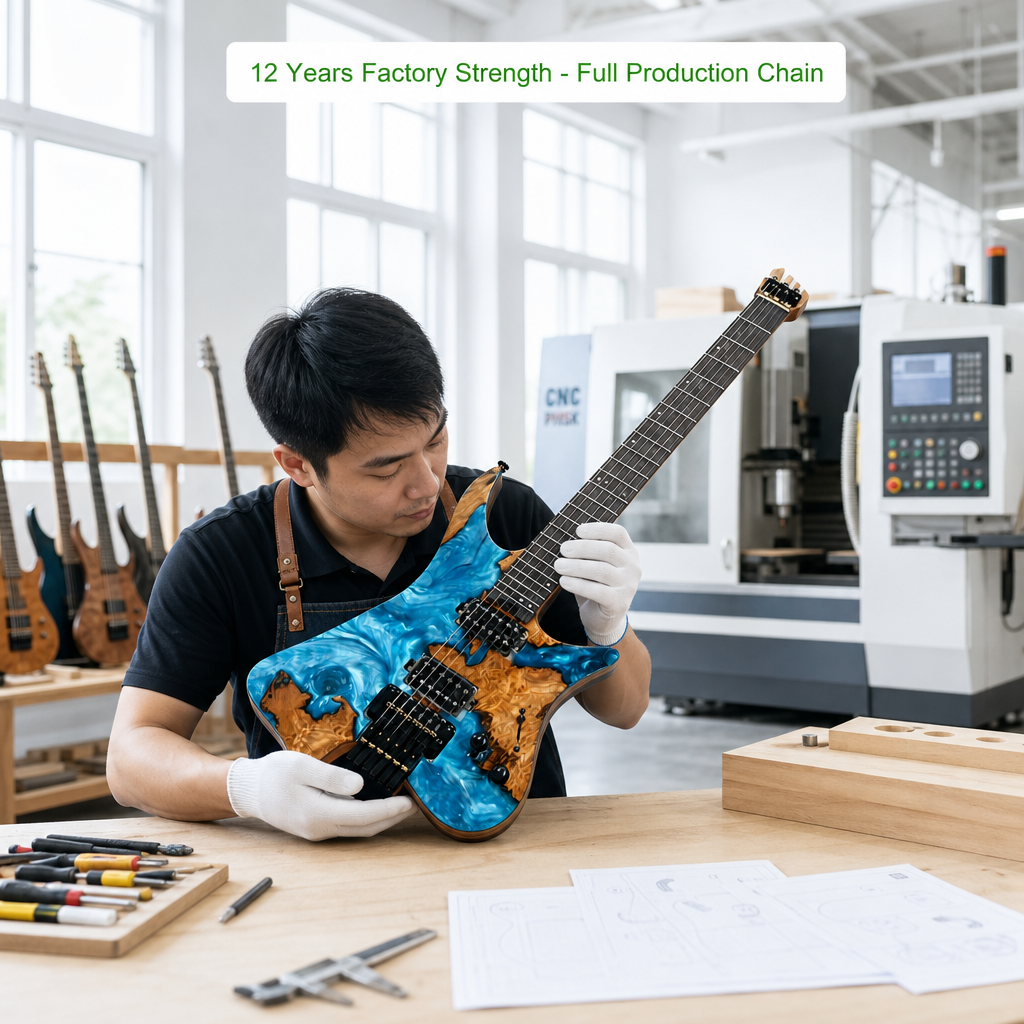
As a leading Chinese custom manufacturer located in Qiuchang, Huiyang District, Huizhou—the heart of Guangdong's elite instrument manufacturing cluster—Huizhou NFGF Musical Instrument Co., Ltd. provides comprehensive OEM and ODM manufacturing capabilities. Operating an SGS-verified 5,100 m² facility with integrated CNC machining, automated sanding, electroplating, and acoustic testing, NFGF bridges the gap between cost-efficient Asian volume production and stringent Western quality standards.
SGS On-Site Audited Facility
Independently assessed facility covering raw material moisture grading, CNC dimensional tolerances, multi-stage paint chamber cleanliness, and final electrical playability setup.
End-to-End Precision OEM/ODM
Complete design-to-delivery support: CAD/CAM engineering, rapid 3D prototyping, customized logo application (laser, silk-screen, inlay), and custom retail packaging.
100+ Patent Holdings & IP Protection
Robust intellectual property safeguard with hundreds of proprietary utility and design patents across electric guitar bodies, fanned-fret bridges, and mini amplifiers.
2. Engineering Standards in OEM Guitar Hardware & Accessory Manufacturing
Pro-tier guitar accessories require meticulous attention to metallurgical composition, electroplating endurance, and physical tolerances. Standard commercial hardware often suffers from metal fatigue, gear backlash, corrosion in high-humidity environments, or premature signal decay in electronic circuits. Below are the key manufacturing parameters maintained by NFGF during OEM production runs:
2.1 Metallurgical Tolerances & Bridge Engineering
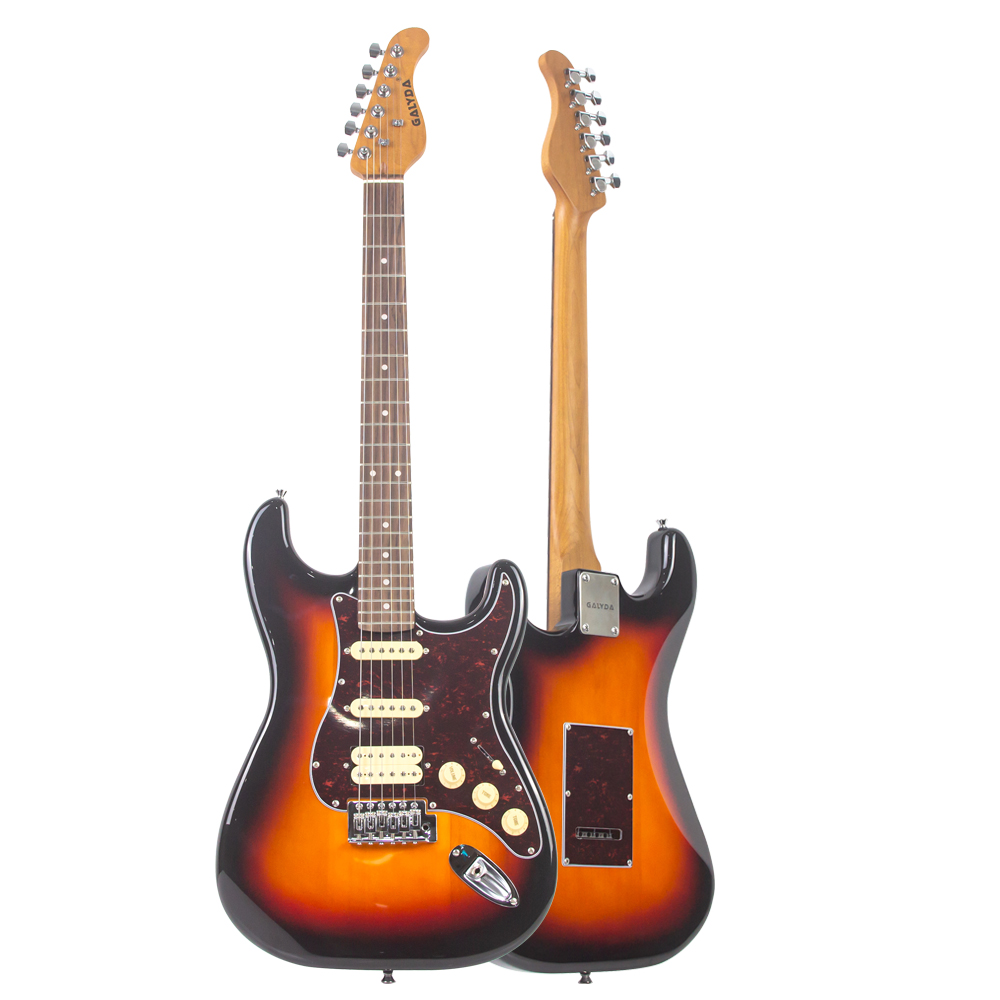
Bridge assemblies—whether hardtail, vintage 6-screw tremolos, or multi-scale fanned-fret systems—must withstand string tensions exceeding 150 lbs without micro-flexing. NFGF utilizes high-density zinc alloy, cold-rolled steel sustain blocks, and solid brass saddles. CNC milling maintains saddle radius tolerances within ±0.02mm, eliminating string buzz and uneven action across individual frets.
2.2 Salt-Spray Tested Plating & Surface Finishes
Guitar hardware is exposed to human sweat, hand oils, and fluctuating atmospheric humidity. All metal OEM components undergo a minimum 48-hour neutral salt-spray test (NSS) to verify electroplating integrity (Chrome, Black Nickel, Gold, and PVD Vacuum Coatings). This prevents surface oxidation, blistering, and pitting during maritime transit and long-term shelf storage.
2.3 Electrical Shielding and Signal-to-Noise Ratio (SNR)
For active electronics, rechargeable practice amplifiers, and humbucking pickups, microphonic feedback and radio frequency interference (RFI) represent severe failure modes. NFGF implements wax-potted copper coil windings, paraffin-beeswax dipping, dielectric conductive shielding paint, and Japanese-grade 500K/250K potentiometers to ensure hum-free audio output across high-gain operating environments.
| Component Group |
Material Specification |
Manufacturing Process |
Quality Benchmark / Testing |
| Tuning Machine Heads |
Zinc Alloy Body / Brass Gear (18:1 Ratio) |
Die-Cast Housing & Precision Hobbing |
Zero Backlash, 10,000 Rotation Stress Test |
| Replacement Knob Caps |
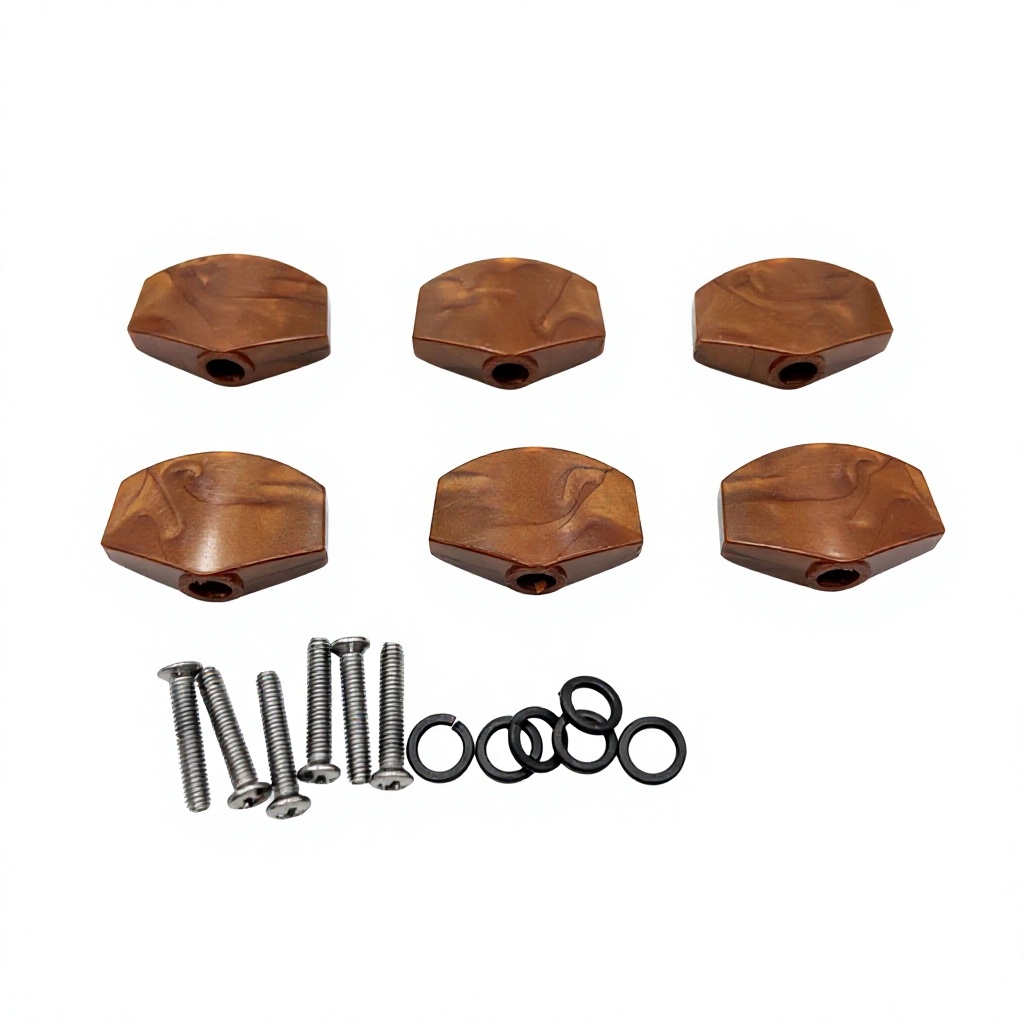
High-Impact ABS / Acrylic Resin |
Injection Molding & Hot Stamping |
Tight Metric/Imperial Potentiometer Fit |
| Rechargeable Amplifiers |
Flame-Retardant ABS + Li-ion Battery |
SMT Circuit Assembly & Acoustic Tuning |
CE, FCC, RoHS, UN38.3 Battery Safety |
| Fanned-Fret / Headless Bridges |
Anodized Aircraft Aluminum / Brass Saddles |
5-Axis CNC Precision Milling |
Intonation Range > 15mm, Smooth Threading |
| Pickups (HSS / Humbucker) |
Alnico V / Ceramic 8 Magnets, Enamel Wire |
Automated Coil Winding & Vacuum Waxing |
DCR Tolerance ±2%, Low Microphonic Noise |
3. Future Procurement Trends in the Guitar Accessories & Instrument Sector
As global supply chains normalize post-pandemic, B2B procurement managers must align their purchasing strategies with emerging technological and environmental trends. The next five years will transform how musical instrument accessories are manufactured, customized, and distributed globally.
Trend 1: Proliferation of Smart & Portable Rechargeable Peripherals
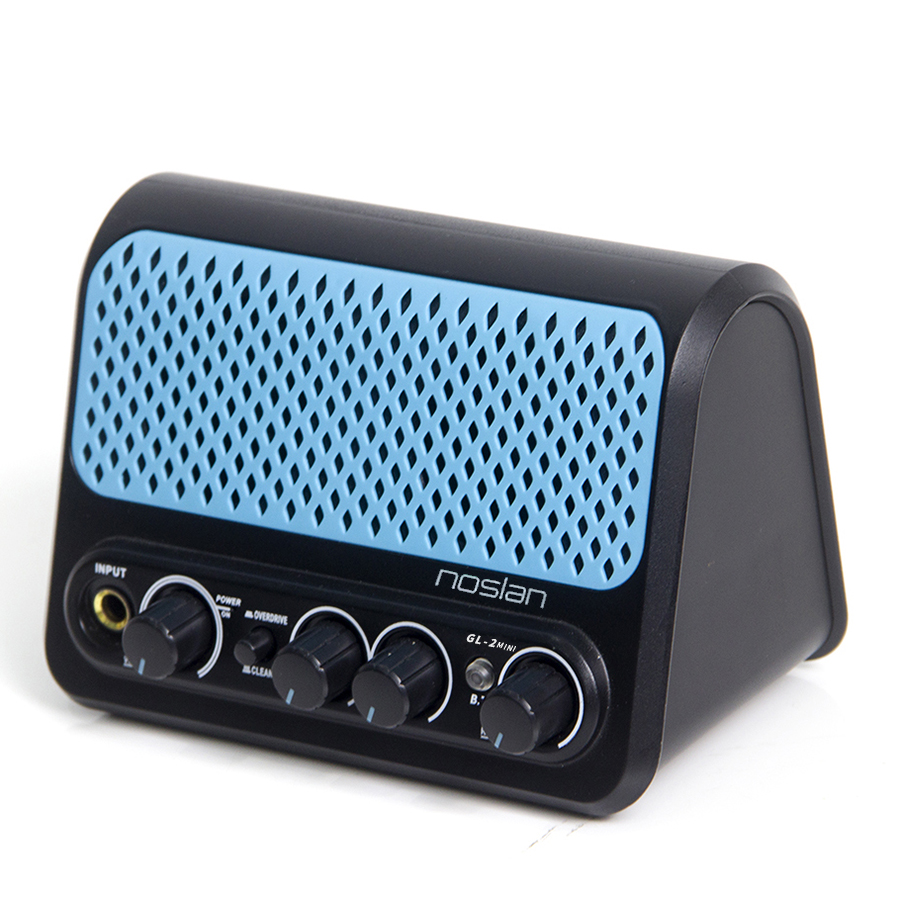
Musicians are rapidly migrating away from heavy vacuum-tube amplifiers and wall-powered practice gear toward ultra-portable, lithium-battery powered solutions. Compact 10-watt rechargeable mini-amps with integrated Bluetooth, onboard digital signal processing (DSP), distortion/reverb circuits, and USB-C fast charging are seeing year-over-year wholesale volume growth exceeding 28%. OEM buyers who integrate smart, rechargeable peripherals into starter guitar bundles capture higher retail margins than those offering traditional passive accessories.
Trend 2: Stringent Environmental Compliance & CITES-Alternative Tonewoods
International regulatory oversight regarding endangered timber species (under CITES Appendices) has reshaped stringed instrument manufacturing. Forward-thinking OEM suppliers are replacing traditional Rosewood and Ebony with thermo-treated (carbonized) maple, high-density richlite composites, and sustainably harvested tropical hardwoods like Poplar and Mahogany. Advanced kiln-drying technology reduces wood moisture content (MC) to a stable 8–10%, preventing neck warping and fret sprout during intercontinental shipping across varying climate zones.
Trend 3: Ergonomic Headless Architectures and Multi-Scale (Fanned-Fret) Systems
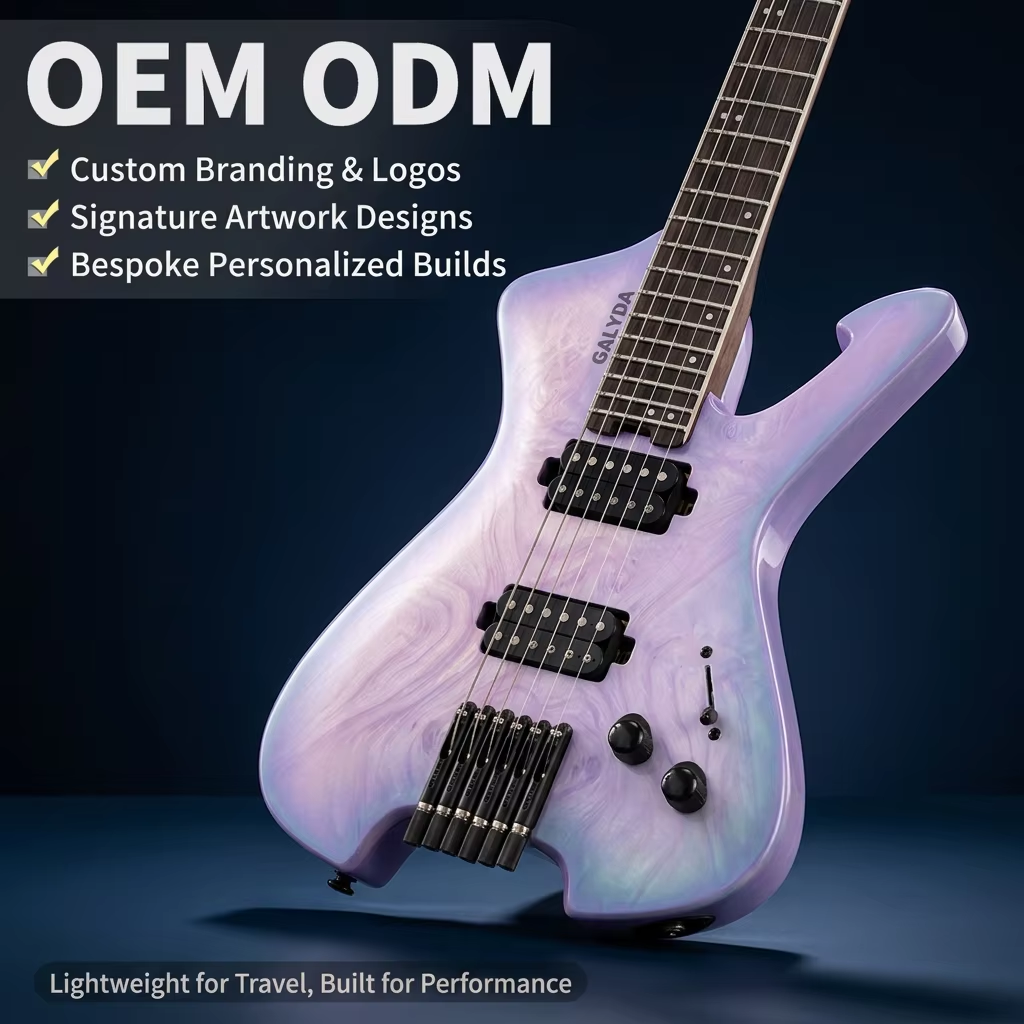
Headless guitars and basses, along with multi-scale fanned-fret fingerboards, have transitioned from niche custom shop curiosities to mainstream commercial categories. Driven by modern metal, progressive rock, and traveling musicians, headless instruments require custom specialized hardware—including top-locking nut assemblies and modular single-string bridges. OEM suppliers with in-house 5-axis CNC capability offer a decisive advantage to brands expanding into ergonomic, lightweight product lines.
Trend 4: Hyper-Personalization and D2C Private Labeling
E-commerce platforms enable niche MI brands to target segmented consumer demographics (e.g., beginner sets for kids, specialized artwork guitars, custom colored hardware). Consequently, OEM factories must provide agile MOQ frameworks (starting from 1 piece for standard samples to low-volume initial runs) alongside custom laser-engraved logos, specialized pickguard graphics, and fully branded retail packaging.
4. Industry Development Trends: Automation, Sustainability, and QC Integration
The musical instrument manufacturing sector in China is evolving from labor-intensive assembly to automated, data-driven production. Understanding these factory-level advancements helps procurement directors audit potential suppliers effectively.
4.1 Hybrid Manufacturing: CNC Precision Meets Hand Luthier Craft
While computer numerical control (CNC) routers guarantee exact body contours, truss rod channels, and pickup cavity dimensions, human touch remains irreplaceable for fret leveling, fingerboard edge rolling, and gloss lacquer polishing. The industry benchmark combines automated rough sanding with multi-stage hand-finishing, ensuring structural uniformity while retaining the organic tactile feel demanded by discerning players.
4.2 Dust-Free Automated Spray Painting and Eco-Friendly Finishes
Modern environmental regulations in Guangdong Province require enclosed, positive-pressure dust-free paint booths equipped with water-curtain filtration systems. High-gloss polyurethane (PU) and UV-cured acrylic coatings are replacing traditional nitrocellulose lacquers due to superior impact resistance, accelerated curing times, and zero volatile organic compound (VOC) emissions during mass production.
4.3 Closed-Loop Quality Control (AQL 1.5/4.0 Standards)
Leading OEM suppliers implement standardized Acceptance Quality Limit (AQL) protocols across four distinct production checkpoints:
- IQC (Incoming Quality Control): Spectrographic analysis of metal alloys, moisture meter verification of raw wood blocks, and component impedance testing.
- IPQC (In-Process Quality Control): Dimensional verification following CNC milling, neck joint pocket tolerances, and lacquer thickness measurements.
- FQC (Final Quality Control): Complete mechanical assembly, string action height setup (1.5mm at 12th fret), intonation adjustment, and electronics stress testing.
- OQC (Out-Going Quality Control): Drop-testing packaged master cartons to ISO 2248 export standards to guarantee zero transit damage.
5. Frequently Asked Questions (FAQ) for OEM Sourcing Managers
Below are authoritative responses to common questions encountered by global procurement officers, distributors, and brand managers sourcing custom guitar accessories and instruments.
What is the typical Minimum Order Quantity (MOQ) for custom OEM guitar accessories and instruments?
At Huizhou NFGF Musical Instrument Co., Ltd., flexible MOQ structures support both startup brands and established global distributors. Standard electric guitars, basses, and rechargeable amplifiers start from 1 piece for sampling and evaluation. Accessories such as tuning knob caps, picks, and straps generally start from 100 pieces for custom logo printing, while full custom-tooled hardware runs depend on the level of mold customization required.
Can NFGF apply custom logos, artwork, and packaging across all product categories?
Yes. We offer comprehensive OEM/ODM branding services. Headstock logos can be applied using waterslide decals, laser engraving, silk-screen printing, or mother-of-pearl inlays. For accessories and amplifiers, we customize outer housing colors, control knob labeling, instruction manuals, and retail color packaging including barcode labeling for Amazon FBA or direct retail logistics.
How does NFGF ensure international product compliance (CE, FCC, RoHS, CITES)?
All active electronic products—including our rechargeable 10-watt guitar amplifiers and active pedal effects—are built with CE, FCC, and RoHS compliant circuitry. Li-ion batteries feature UN38.3 air/sea transport safety certification. For wooden instruments, we utilize non-CITES timber species (such as engineered rosewood, carbonized maple, and poplar) to ensure frictionless customs clearance across North America, Europe, and Asia-Pacific.
What is the lead time for sample development and bulk mass production?
Standard product samples with logo customization typically ship within 7 to 15 business days. Fully custom ODM projects requiring new CAD drawings and body tooling take approximately 25 to 30 days. Mass production lead times generally range between 30 and 45 days depending on order volume and finish complexity.
Is NFGF an independently audited manufacturing facility?
Yes. Huizhou NFGF Musical Instrument Co., Ltd. is an on-site verified factory assessed by SGS Group (latest audit verified November 2025). Our audit reports confirm our 5,100 m² workshop area, production machinery count, employee safety standards, and strict quality control workflows.
Partner with an SGS-Verified OEM Guitar Manufacturer
Ready to scale your instrument brand or streamline your accessory supply chain? Contact our engineering team today to request product catalogs, technical drawings, and factory-direct wholesale quotes.
Inquire Now