Featured OEM/ODM String Instruments & Accessories
Direct factory wholesale options with flexible MOQs, customized branding, and certified acoustic performance.
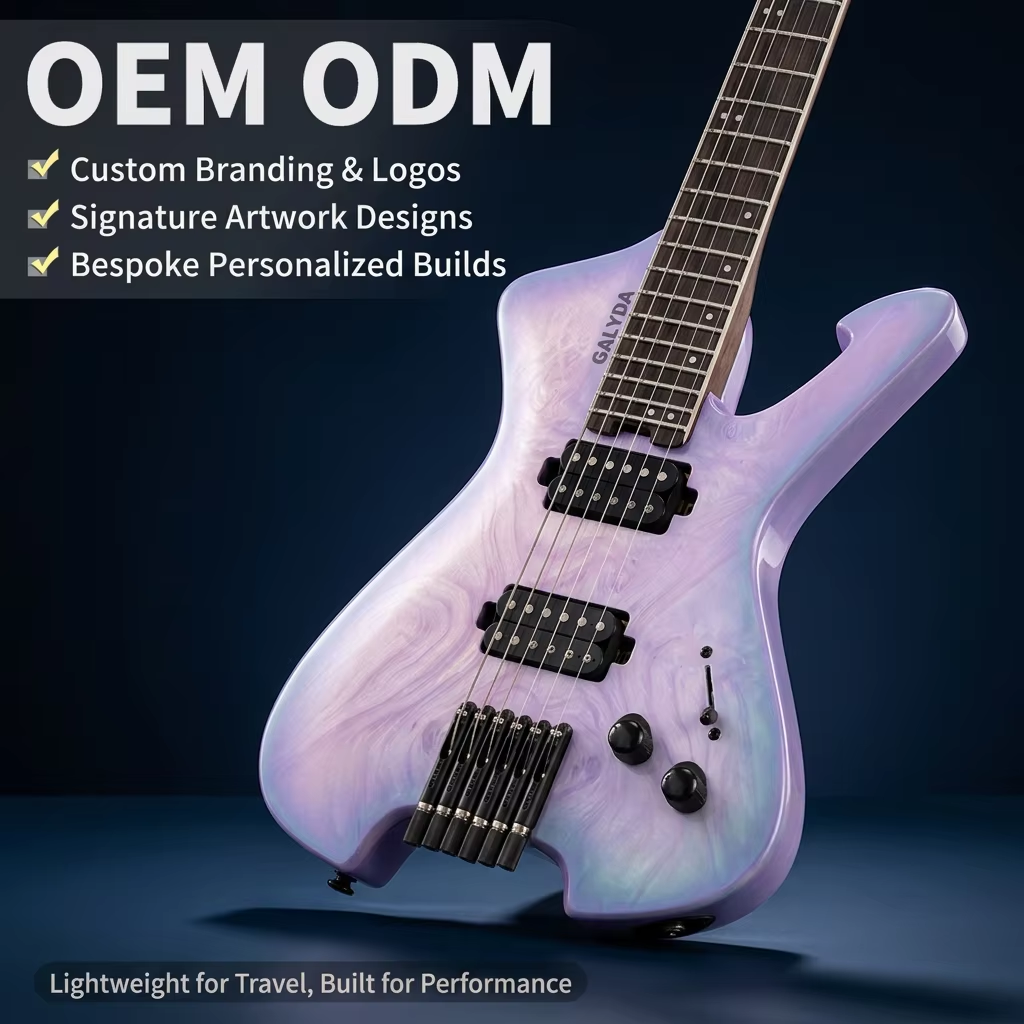
Factory Custom Headless Electric Guitar Artwork Humbucker Pickups
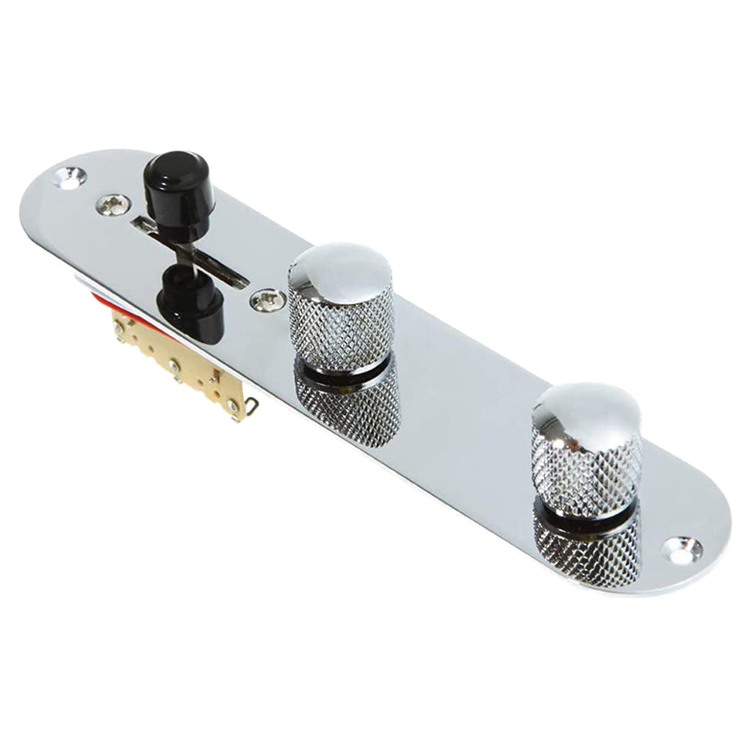
Fully Loaded Pre-Wired 3-Way Control Plate Wiring Harness

Professional HiFi In-Ear Monitor IEM Wired Earphones with Mic
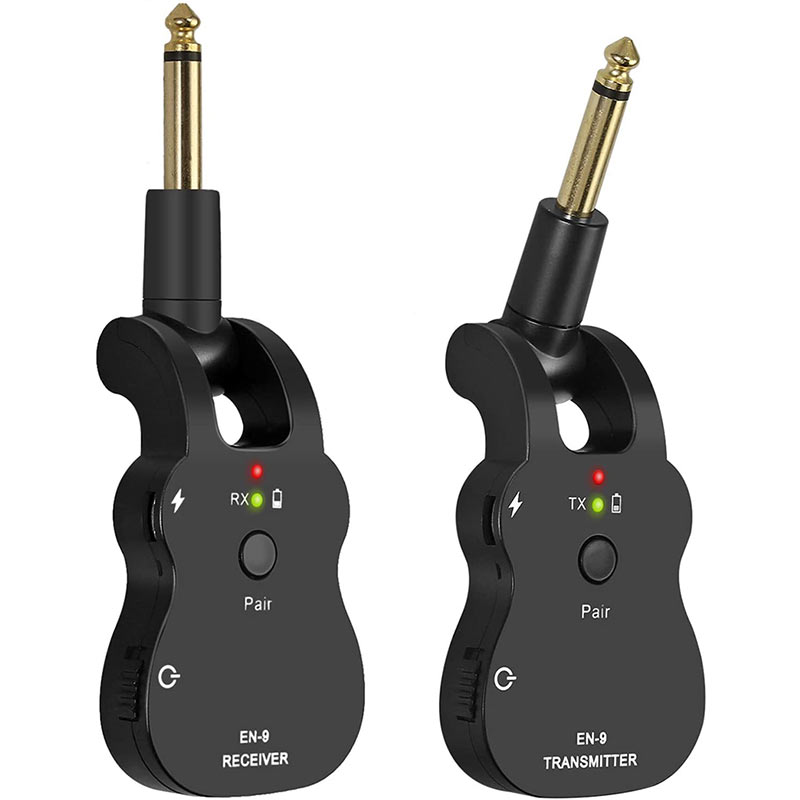
Digital Wireless Guitar Bass Audio Transmitter and Receiver System
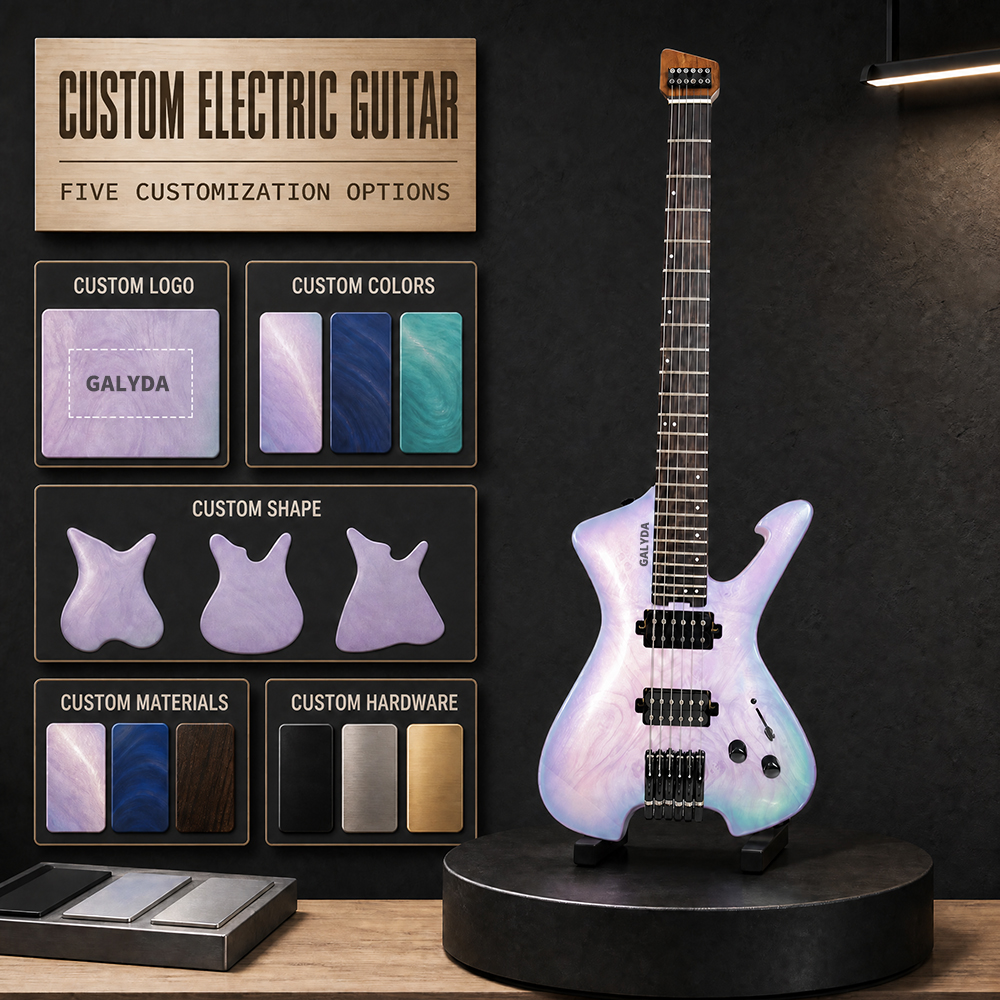
Headless 6-String Electric Guitar Carbonized Maple Neck Burl Veneer
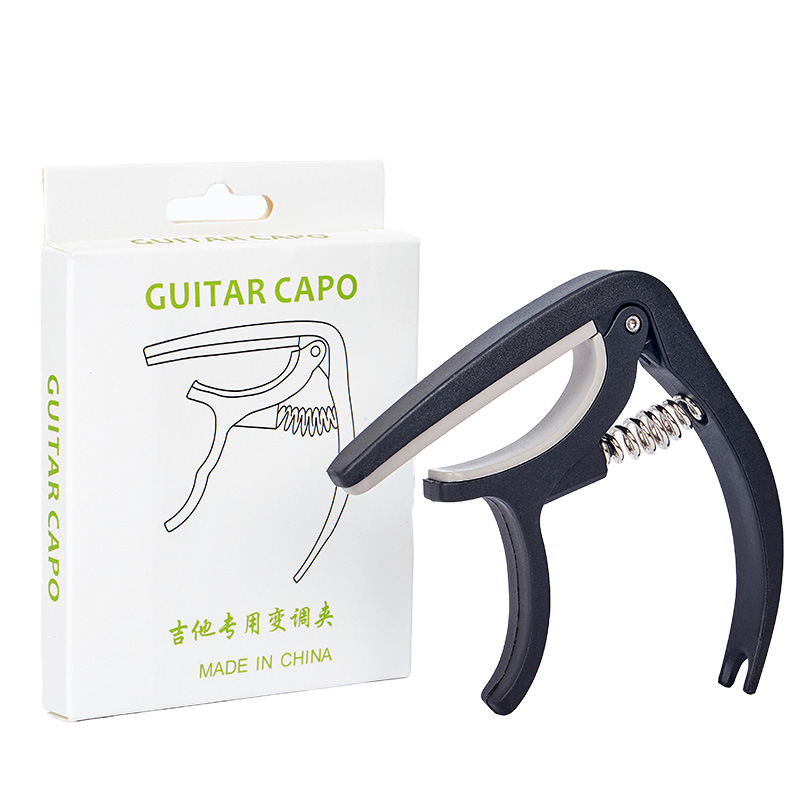
Wholesale Stringed Instrument Ukulele Capo & Clip Tuner Accessories

GALYDA Electric Guitar Tremolo Bridge SS Pickup Custom Logo
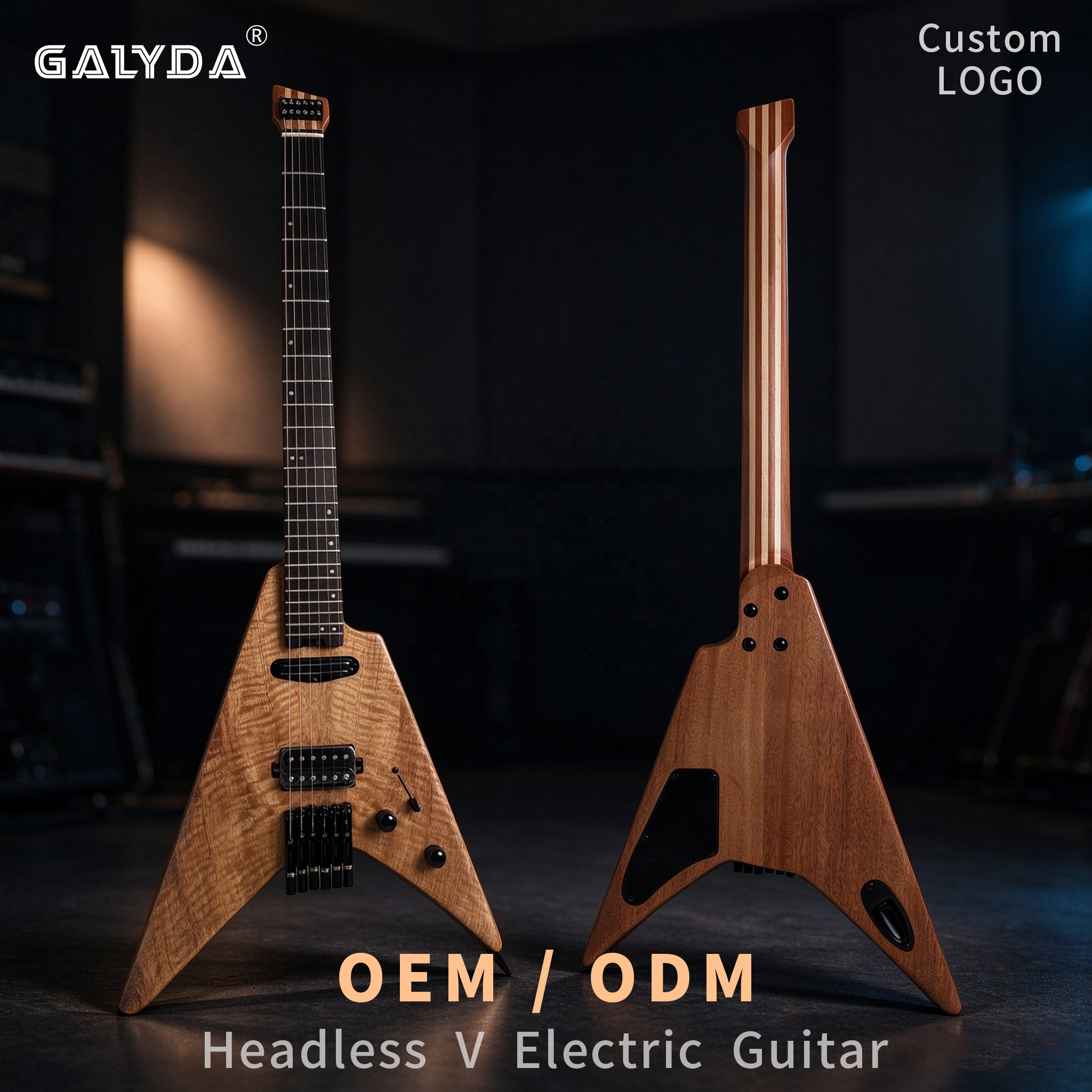
Headless V Shape Electric Guitar 6 Strings Mahogany Body
Executive Summary: The Evolving B2B Landscape for Wholesale Ukuleles
Over the past decade, the global ukulele market has transitioned from a niche novelty instrument category into an essential cornerstone of music education, retail musical instrument sales, and consumer lifestyle product lines. Driven by global demand for portable acoustic instruments and accessible stringed instrument education, international importers, distributors, and private-label brands require higher manufacturing precision, rigorous wood seasoning standards, and agile OEM supply chains.
As the primary epicenter of global musical instrument production, the Guangdong manufacturing cluster—specifically Huizhou—supplies over 70% of the world's fretted acoustic instruments. Sourcing directly from an established China wholesale ukulele manufacturer and factory allows international brand owners to bridge the gap between cost efficiency and industrial consistency. However, navigating tonewood grade selection, hygroscopic stability, neck joint engineering, and environmental compliance requires deep technical insight.
Technical Manufacturing Architecture: How High-Grade Ukuleles Are Built
Acoustic resonance in compact instruments depends heavily on structural mechanics. Unlike larger dreadnought guitars, a ukulele has a smaller soundboard area; thus, energy transmission from string vibration through the saddle and soundboard must occur with minimal dampening.
1. Precision Tonewood Selection & Kiln Seasoning
High-volume manufacturing begins with raw lumber processing. Premium models utilize tonewoods such as Hawaiian Koa (Acacia koa), Grade-A Acacia, Mahogany (Swietenia macrophylla/Khaya), Sitka Spruce (Picea sitchensis), and Ebony or Rosewood for fingerboards.
- Solid Top vs. Laminated Construction: Entry-level wholesale ukuleles utilize multi-ply laminate wood to offer structural durability against ambient humidity variations, ideal for educational institutions. Premium pro-tier ukuleles feature solid tonewood tops or all-solid acoustic chambers, maximizing harmonic overtones and velocity of sound propagation.
- Controlled Dehydration: Raw wood undergoes atmospheric seasoning followed by automated radio-frequency vacuum kiln drying. Moisture content is precisely calibrated to 8–10% for Western export markets (US/EU) to prevent post-shipment cracking.
2. Advanced CNC Machining & Lutherie Tolerances
Modern B2B instrument manufacturing replaces traditional inconsistent manual cutting with computer numerical control (CNC) routing. Body contours, neck profiles, dovetail neck joints, and fretboard slotting are executed to tolerances within ±0.05 mm.
- Dovetail & Bolt-on Neck Integrity: Achieving a zero-gap fit between the heel and body block ensures maximum sustain transfer. Precise CNC dovetail joints prevent string-tension shear failure over long-term usage.
- Fret Leveling & Beveling: Automated crown leveling paired with hand-dressed 35-degree fret end beveling eliminates "sprouting frets"—a common issue when instruments move between variable climate zones.
3. Acoustic Bracing & Resonance Physics
Internal top bracing balances structural strength against acoustical responsiveness. Factory luthiers employ specialized fan-bracing or parabolic ladder-bracing profiles scaled for Soprano (21"), Concert (23"), Tenor (26"), and Baritone (30") body volumes.
Why Global Brands Partner with Huizhou NFGF
Combining state-of-the-art automated equipment with seasoned lutherie experience in Guangdong's premier instrument cluster.
SGS-Verified Facility
Operated by Huizhou NFGF Musical Instrument Co., Ltd. (Est. 2014), our 5,100 m² plant in Qiuchang, Huiyang District, undergoes annual on-site audit verification by SGS Group for quality control and manufacturing capacity.
Full In-House Production
From kiln wood drying and CNC shaping to spray coating, hand polishing, electronics assembly, and playability testing—every process is controlled in-house without outsourcing.
100+ Patents & Compliance
Our dedicated R&D team holds over 100 design patents and copyrights. Selected product series maintain CE and FCC compliance documentation for international customs clearance.
Flexible OEM / ODM Customization
We provide low MOQ sampling starting from 1–2 pieces for stock body types, and micro-batch custom branding (laser headstock engraving, silk-screen logos, custom gig bags, and specialized tonewood options).
Multi-Category Supply Consolidation
Consolidate container shipments by mixing electric guitars, electric basses, acoustic guitars, ukuleles, kalimbas, steel tongue drums, effects pedals, and string accessories under one verified vendor.
Comprehensive Pre-Shipment QC
Every single instrument undergoes incoming wood MC testing, multi-point visual finish inspection, 12th-fret action setup (2.0–2.5mm target), intonation checking, and protective export packaging.
Global Procurement Trends: Sourcing Ukuleles in 2025–2030
The global musical instrument trade is undergoing structural changes driven by environmental regulations, technological integration, and changing retail inventory models. B2B buyers must align their procurement strategies with four key industry vectors:
1. Torrefied Tonewoods & Thermo-Treatment
Torrefaction (thermal baking in an oxygen-deprived environment) artificially ages tonewoods, caramelizing natural sugars and removing volatile resins. The result is a lighter, highly resonant soundboard with superior acoustic projection that is virtually immune to humidity fluctuations—a rapidly growing selling point in North American and European retail markets.
2. CITES Compliance & Sustainable Timber
With increasing international scrutiny under CITES regulations regarding rosewood (Dalbergia) species, leading manufacturers are transitioning to legal substitutes such as Tech-wood, Walnut, Laurel, or CITES-certified plantation-grown Ebony. Direct factory partners ensure complete lace-through chain-of-custody documentation for smooth customs clearance.
3. On-Board Smart Preamps & Transducer Pickups
Modern players expect acoustic-electric versatility. The integration of low-profile piezo transducers, under-saddle pickups, and soundhole-mounted rechargeable preamps (with built-in Bluetooth accompaniment or delay/reverb effects without external amps) represents a high-margin upsell opportunity for private label brands.
4. Agile Sourcing & Low-Inventory Procurement
Rather than committing capital to massive single-SKU warehouse stock, modern retailers and e-commerce sellers leverage factory partners offering lower minimum order quantities (MOQs). Mixing multiple sizes (Soprano, Concert, Tenor, Baritone) and accessories within a single consolidated pallet optimizes cash flow and inventory turnover.
Detailed OEM Specifications Checklist for Importers
When issuing a Request for Quotation (RFQ) to a China wholesale ukulele manufacturer, providing clear technical parameters accelerates sampling and prevents miscommunication. Below is the standard engineering specification framework used by our lutherie engineers:
| Specification Category | Standard Commercial Tier | Professional / Boutique Tier |
|---|---|---|
| Body Tonewood | Laminated Mahogany / Sapele / Basswood | Solid Hawaiian Koa / Solid Spruce Top / All-Solid Acacia |
| Neck Material | Okoume / Mahogany with truss rod (Tenor) | Carbon Fiber-Reinforced Mahogany / Maple |
| Finish Type | Open-Pore Matte Spray / High-Gloss PU Coating | Ultra-Thin UV-Cured High Gloss / Hand-Rubbed Oil |
| Nut & Saddle | ABS Plastic / Synthetic Bone | Real Ox Bone / Graph Tech NuBone / Tusq |
| String Brand | Factory Nylon Strings | Aquila SuperNylgut® / D'Addario EJ87 |
Frequently Asked Questions for Wholesale Sourcing
Essential technical and commercial answers to help importers streamline vendor selection and order placement.
What is the minimum order quantity (MOQ) for custom OEM ukulele orders? +
For standard stock models with minor branding adjustments (such as headstock laser-engraved or decal logos), our MOQ starts at just 2 to 10 pieces depending on the specific model. For fully customized body shapes, proprietary color finishes, or bespoke packaging, initial production runs typically require 50 to 100 pieces per SKU.
How does the factory prevent wood cracking and neck warping during ocean freight? +
All raw tonewoods undergo controlled kiln drying to achieve a stable equilibrium moisture content (EMC) of 8%–10%. Finished instruments are stored in climate-controlled assembly rooms (RH 45%–55%). Before sea freight, instruments are sealed with desiccant packs in heavy-duty 5-ply corrugated export cartons or padded gig bags to maintain environmental stability throughout transport.
Can we apply custom private-label branding to instruments and accessories? +
Yes. We offer multiple branding options including laser engraving, silk-screen printing, water-transfer decals, mother-of-pearl / abalone headstock inlays, custom branded soundhole interior labels, custom molded gig bags, and full-color retail box artwork design.
Is Huizhou NFGF independently verified by third-party inspection agencies? +
Yes. Our production plant and corporate profile are audited on-site by SGS Group. Inspection reports verify our 5,100 m² workshop floor, equipment count, production capacity, and strict incoming-material to finished-goods quality control procedures.
What lead time should we expect for sample orders vs. bulk container production? +
Evaluation samples for in-stock models ship within 3 to 7 business days. Custom OEM sample prototyping typically takes 15 to 20 days. Full commercial production runs generally take 30 to 45 days after final sample approval and deposit confirmation.
Can we mix different instrument categories into a single consolidated order? +
Absolutely. As a comprehensive instrument manufacturer, we encourage buyers to combine ukuleles, electric guitars, electric basses, acoustic guitars, kalimbas, steel tongue drums, and accessories within one shipment to optimize ocean freight costs and streamline container loading.
Partner with China's Premier Ukulele Factory
Elevate your brand's instrument line with precision CNC lutherie, stable tonewood seasoning, and factory-direct pricing. Contact our engineering team for immediate RFQ response, product catalogs, and sample prototyping.