Factory-Direct Instruments & Wholesale Kits
Direct from Huizhou NFGF Musical Instrument Co., Ltd. — Explore our core manufacturing portfolio built with strict CNC engineering and SGS-verified quality assurance.


Executive Summary: The Macro Transformation of China's Wholesale Ukulele Kit Industry
The global musical instrument market has experienced a fundamental structural shift over the past five years. Driven by expanding music education programs, the explosion of the DIY/craft hobbyist movement, and e-commerce channel maturity across North America, Europe, and Latin America, the demand for DIY Ukulele Kits and custom instrument manufacturing has reached unprecedented volume. B2B buyers—ranging from regional musical instrument brands and retail chain store importers to STEAM education distributors and Amazon FBA sellers—are rapidly upgrading their procurement criteria from basic price-per-unit metrics to total cost of quality (TCQ), structural consistency, and tonewood climate resilience.
Historically, entry-level ukulele kits were treated as novelty toys with high assembly failure rates, inaccurate fret scales, and unstable necks prone to warping during oceanic freight. Modern Chinese ukulele exporters and dedicated OEMs have revolutionized this sector through industrial-grade automation, computer numerical control (CNC) wood routing, strict relative humidity (RH) kiln drying protocols, and luthier-supervised assembly architecture.
Key Strategic Insight for Importers: Procurement excellence in DIY ukulele kits requires evaluating factory precision at the neck-to-body dovetail joint level and verifying tonewood moisture stabilization (8%–12% MC). Sub-standard kits result in high customer return rates due to bridge lift, fret sprout, and micro-intonation drift.
China's Guangdong province—specifically the Huiyang district in Huizhou—stands at the epicentre of this manufacturing evolution. Responsible for over 60% of world guitar and stringed instrument export volume, Huizhou's industrial ecosystem offers unmatched vertical integration. From quarter-sawn tonewood processing to automated spray painting and precision tuning-machine die casting, sourcing directly from audited Huizhou factories provides international buyers with a distinct margin and product reliability advantage.
Luthier Engineering Standards: What Defines a Professional DIY Ukulele Kit
A high-performance DIY Ukulele Kit is not merely a collection of loose wooden parts; it is an engineered pre-assembly system designed to yield a perfectly intonated musical instrument under beginner assembly conditions. Below are the critical engineering pillars maintained by top-tier Chinese exporters:
1. Tonewood Selection, Kiln Drying, and RH Conditioning
Wood is a dynamic, hygroscopic material that expands and contracts in response to ambient atmospheric moisture. In unconditioned raw wood, overseas container transport causes dramatic warping, top sinking, or fretboard shrinkage. Premier factories utilize multi-stage force-air kiln drying followed by a 30-day environmental equilibrium stabilization process, locking wood moisture content between 8% and 12%.
- Mahogany (Swietenia macrophylla / Entandrophragma utile): Preferred for neck and body constructions due to its warm mid-range resonance, structural stability, and excellent glue bonding properties.
- Spruce (Picea abies / Sitka): Highly favored for top soundboards in hybrid/solid-top kits requiring bright projection and high strength-to-weight ratio.
- Rosewood & Carbonized Maple: Ideal for fingerboards and bridges, providing high surface hardness to resist string wear and fret movement.
- Basswood / Poplar: High-density uniform grain option utilized for color-finish DIY kits where smooth paint sanding and lightweight hand feel are paramount.
2. Precision CNC Jointing & Scale Length Acoustics
Intonation accuracy depends entirely on scale length precision—the exact distance between the nut and the bridge saddle. If a fret slot is misaligned by even 0.2 mm, the higher registers will sound noticeably out of tune. Modern factories deploy 5-axis CNC routing machinery to carve fret slots, neck dovetails, and body mortises simultaneously.
Dovetail vs. Bolt-on Neck Joints in Ukulele Kits:
Traditional luthier kits feature precision-tapered CNC dovetail joints that slide snugly into the body block, allowing natural wooden resonance transfer without requiring mechanical screws. For educational STEAM kits, pre-drilled alignment pin joints or reinforced neck blocks are engineered to simplify home assembly while maintaining exact 12th-fret scale halving (13" Soprano, 15" Concert, 17" Tenor scales).
3. Pre-Fretted Fingerboard Beveling & Dressing
Fretwork is historically the most labor-intensive aspect of instrument assembly. Professional OEM kit manufacturers deliver pre-fretted fingerboards featuring nickel-silver or stainless steel frets pressed via hydraulic jigs. Fret ends are hand-beveled at 45 degrees and dressed to eliminate sharp edges ("fret sprout"), protecting end-users during final sanding and assembly.
OEM & ODM Customization Architecture for B2B Importers
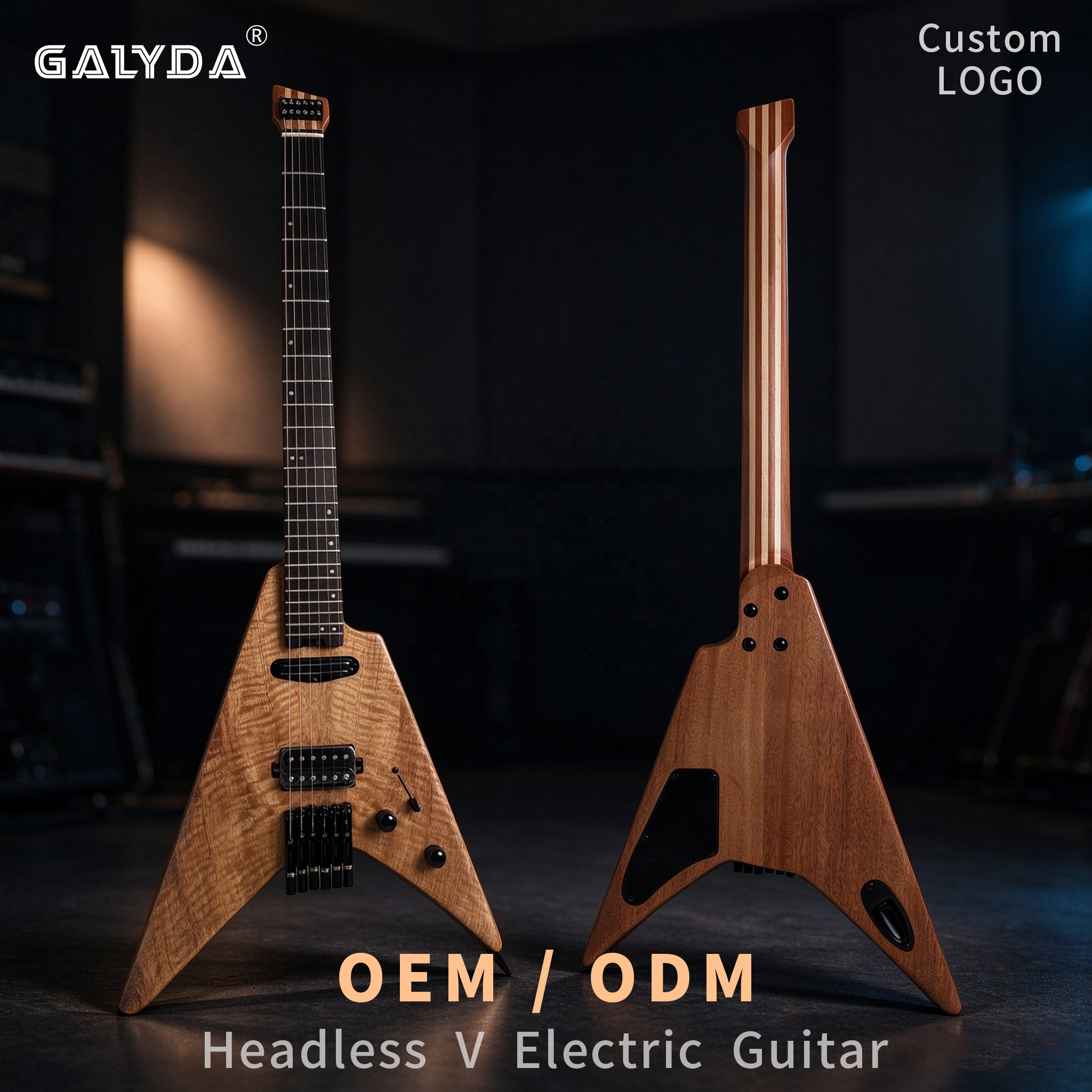
To establish a unique market presence, wholesale buyers require extensive white-label options. Chinese contract manufacturers offer structured OEM/ODM frameworks spanning minor branding customizations to complete custom body geometry and acoustic chamber prototyping.
| Ukulele Kit Category | Standard Dimensions | Recommended Tonewoods | Hardware & Strings Specs | Target Market & MOQ |
|---|---|---|---|---|
| Soprano DIY Kit (21") | Scale: 13.5" (343 mm) Frets: 12 - 15 |
Mahogany / Basswood / Poplar | Open-gear tuners, Nylon strings, ABS nut/saddle | Beginners, Schools, Gift Trade MOQ: 50 - 100 sets |
| Concert DIY Kit (23") | Scale: 15" (381 mm) Frets: 18 Nickel-Silver |
Sapele / Spruce Top / Rosewood | Sealed die-cast tuners, Aquila Supernyglut, Bone Nut | Retail Brands, Music Stores MOQ: 20 - 50 sets |
| Tenor DIY Kit (26") | Scale: 17" (432 mm) Frets: 18 - 20 Fitted |
Solid Spruce / Acacia / Mahogany | 18:1 ratio precision pegs, Fluorocarbon strings | Pro Enthusiasts, Luthier Shops MOQ: 10 - 30 sets |
| Solid-Body Electric Ukulele Kit | Scale: 15" - 17" Body: Solid Cutaway |
Mahogany / Okoume / Ash | Piezo Under-Saddle Pickup, Volume/Tone knobs, EQ | E-Commerce Brands, Niche Retail MOQ: 10 - 20 sets |
Branding and Packaging Customization Options
Leading exporters provide end-to-end white-label integration:
- Headstock Branding: High-resolution laser engraving, silk-screen printing, metallic gold foil decals, or custom mother-of-pearl inlay.
- Custom Retail Box Design: Full-color corrugated mailer packaging with customized interior EPE foam cutouts designed for drop-ship compliance (ISTA 3A packaging standards).
- Instructional Bundles: Custom-printed assembly manuals, multi-language guidebooks, and white-label QR-code video tutorial hosting.
- Accessory Packaging Options: Inclusion of branded padded gig bags, digital clip-on tuners, finishing oil/polishing cloths, soundhole rosettes, and custom picks.
Factory Overview: Huizhou NFGF Musical Instrument Co., Ltd.
Established in 2014 and situated in Qiuchang, Huiyang District, Huizhou, Guangdong, Huizhou NFGF Musical Instrument Co., Ltd. is an SGS-verified manufacturer integrating research, development, production, and international export of stringed instruments and accessories. Operating across a modern 5,100 square-meter production facility, NFGF serves over 50 global markets with an annual capacity exceeding hundreds of thousands of instruments.
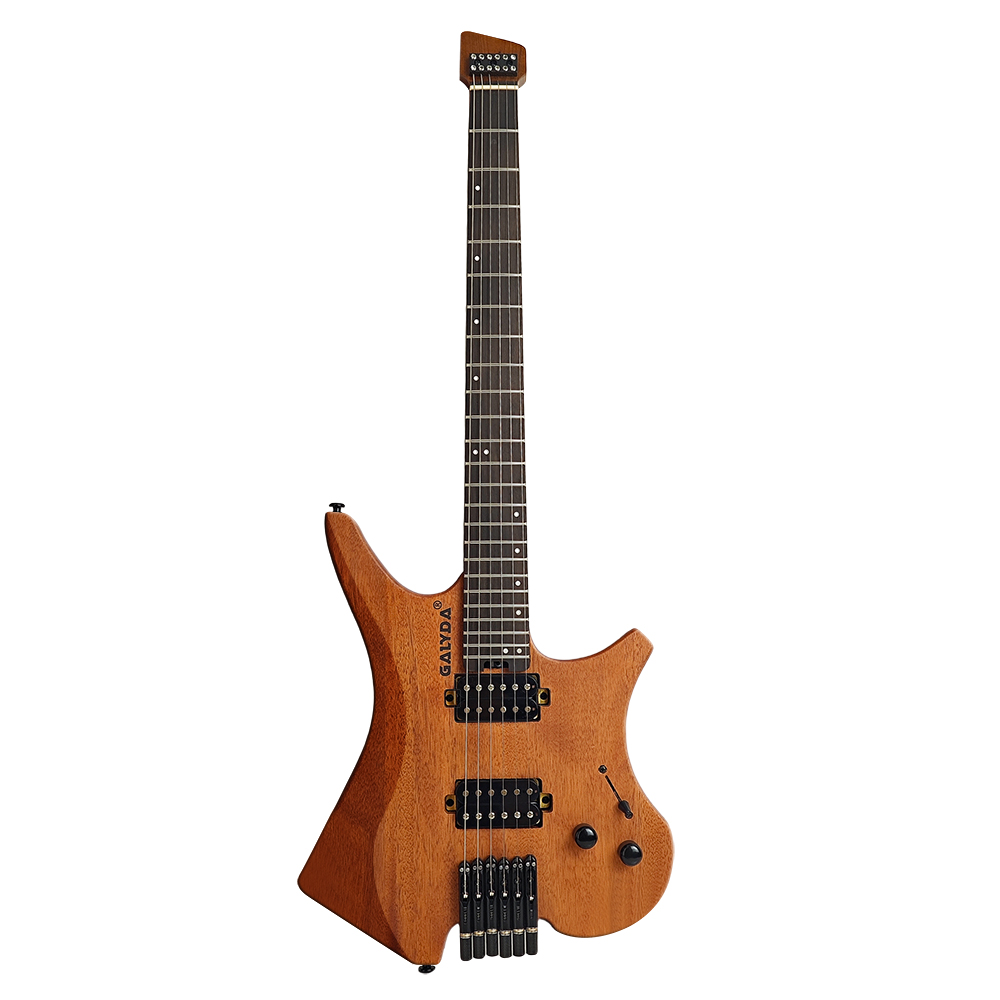
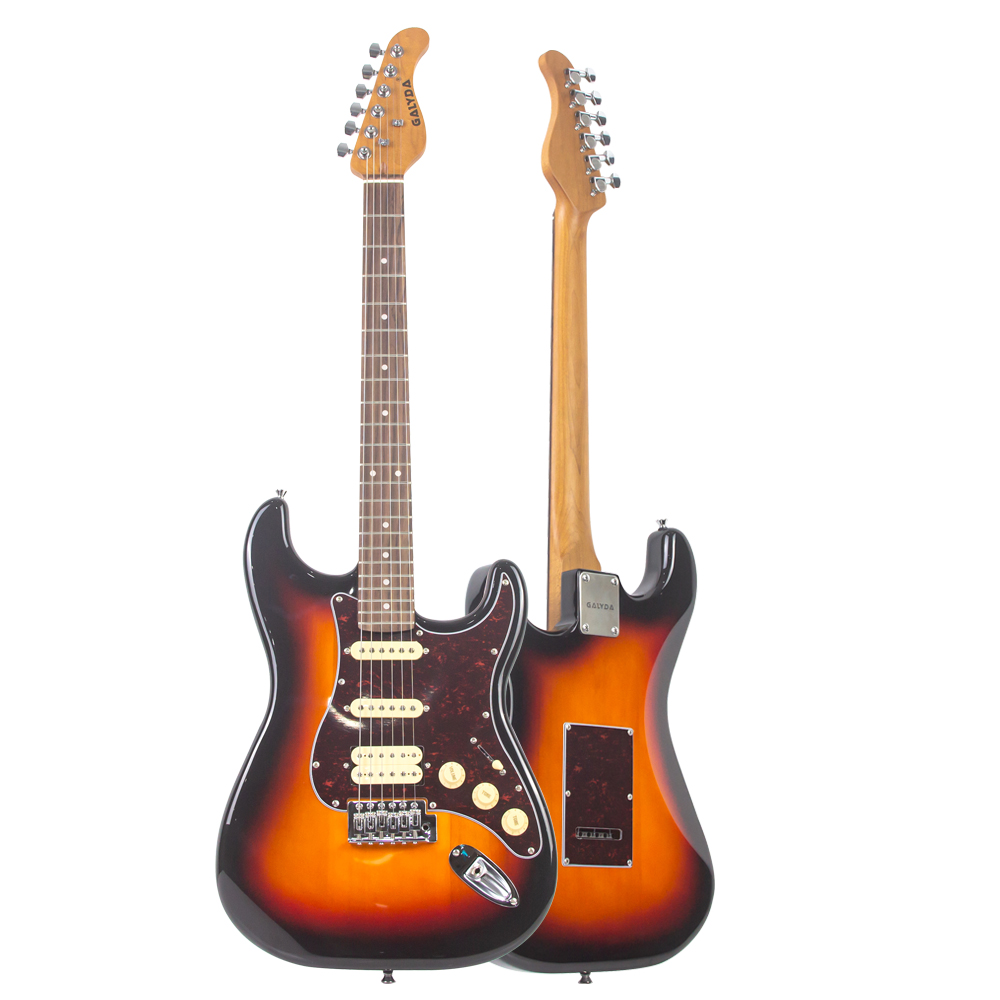
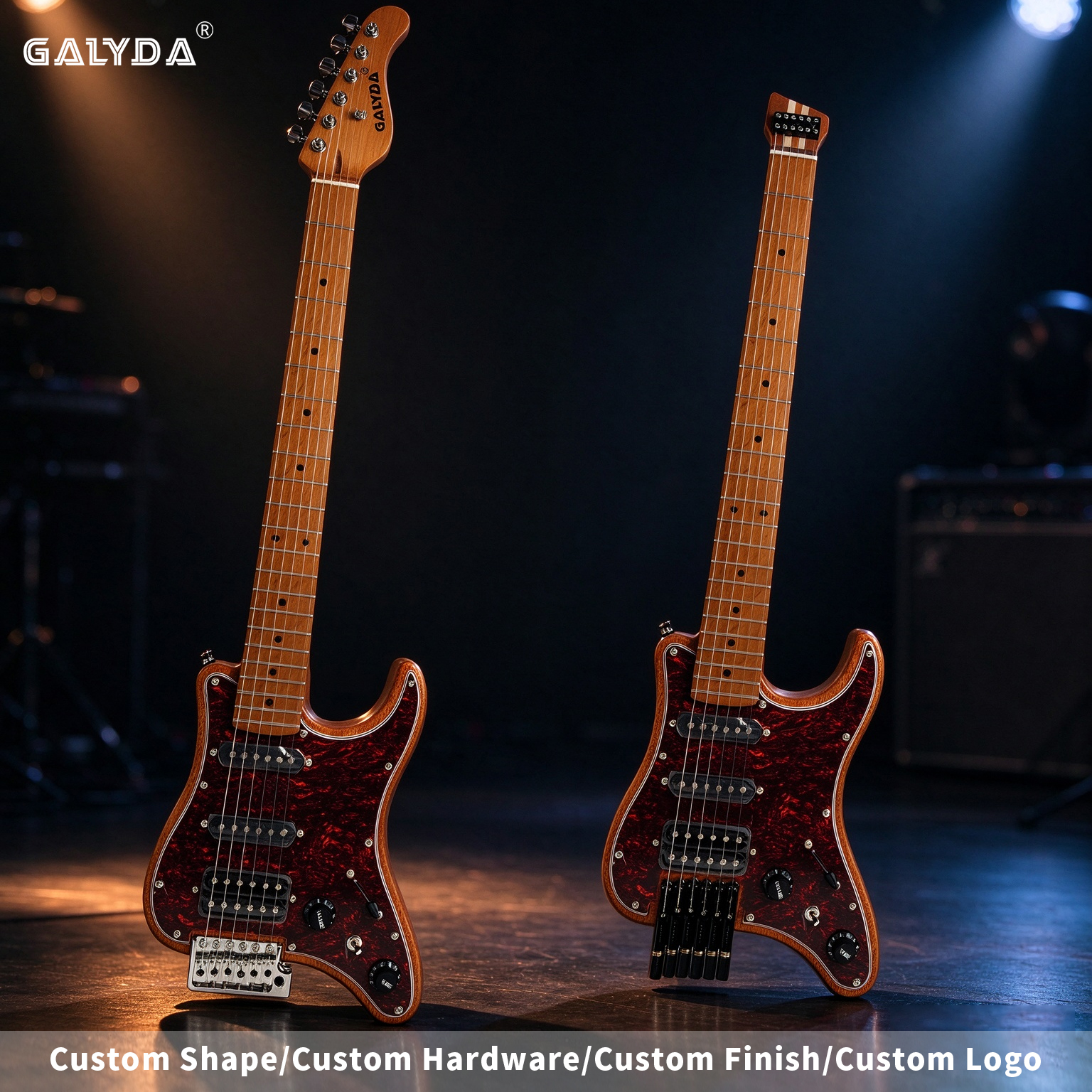
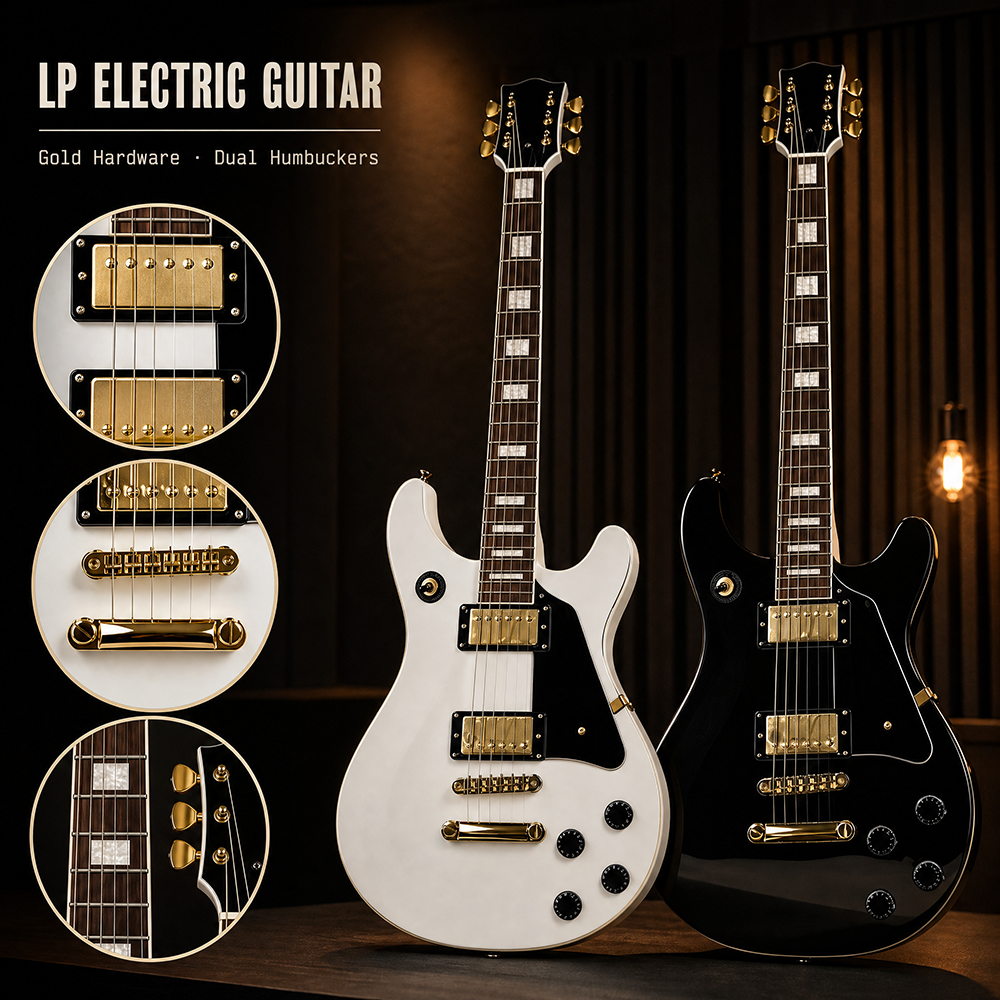
NFGF's production matrix encompasses electric guitars, electric basses, acoustic folk and classical guitars, ukuleles, kalimbas, steel tongue drums, effects pedals, and comprehensive instrument accessories. Backed by an in-house engineering team holding over 100 design patents and copyrights, NFGF provides contract manufacturing for global retail brands and OEM/ODM private labels.
SGS On-Site Verified
Independently audited manufacturing facility (latest verification Nov 2025) covering raw material inspection, supplier vetting, and rigorous finished product quality assurance.
Patent-Backed R&D
Dedicated luthier design team delivering original body contours, acoustic bracing innovations, and ergonomic DIY pre-assembly systems.
Low MOQ Flexibility
Enabling agile sourcing with sample orders starting from 1-2 pieces on select guitars/ukuleles, moving up to scalable container-load production.
End-to-End Quality Control Workflow
Every instrument produced within NFGF's facility undergoes a rigorous 8-stage manufacturing quality gate:
- Incoming Wood Inspection: Digital moisture meter verification and grain density sorting upon arrival.
- Kiln Conditioning: Environmental chamber treatment stabilizing moisture between 8% and 12%.
- CNC Precision Routing: Automated cutting of bodies, fret slots, neck pockets, and internal bracing.
- Hand Sanding & Surface Preparation: Multi-stage manual sanding up to 400-grit smoothness prior to finishing.
- Automated Spraying & Coating: Controlled application of poly, satin, or gloss finishes in dust-free booths.
- Mirror Polishing: Mechanical buffing ensuring high-depth visual clarity.
- Luthier Assembly & Wiring: String installation, nut/saddle slotting, pickup solder inspection, and action setup.
- Final Acoustic & Electronic Playability Test: 100% check of intonation, neck relief, electronic continuity, and shipping carton vibration resistance.
Future Sourcing & Procurement Trends in the Ukulele Supply Chain
As the B2B musical instrument marketplace evolves, procurement teams must align with emerging manufacturing technology, sustainability regulations, and changing end-user demographics. Below are four key trends shaping ukulele factory sourcing through 2030:
1. Rise of Smart & Acoustic-Electric Hybrid DIY Kits
Modern consumers increasingly demand versatile instruments. The traditional purely acoustic ukulele kit is giving way to pre-wired acoustic-electric hybrid sets. These kits feature pre-installed under-saddle piezo pickups, onboard preamps with integrated LED chromatic tuners, and USB-rechargeable lithium power units. Sourcing pre-wired pickup kits eliminates solder requirements for end users, significantly expanding market accessibility.
2. Sustainable Tonewoods & CITES Compliance Transparency
Environmental regulations regarding timber sourcing—such as CITES (Convention on International Trade in Endangered Species) and the U.S. Lacey Act—have made timber origin traceability mandatory for importers. Leading Chinese exporters are transitioning toward sustainable tonewood alternatives, including carbonized maple, thermally modified ash, and FSC-certified mahogany plantation wood. Thermally aged woods not only offer CITES compliance but also mimic the resonance of vintage instruments while offering superior humidity stability.
3. STEM & STEAM Curriculum Integration in Educational Procurement
Education accounts for a growing percentage of institutional ukulele orders. Schools are adopting ukulele assembly as part of multidisciplinary STEAM (Science, Technology, Engineering, Art, and Math) curricula. Buyers are sourcing specialized kits that incorporate acoustics measurement workbooks, wood-finishing customization tools (water-based non-toxic stains, woodburning pens), and modular assembly components that teach soundwave physics.
4. Automated Quality Verification & Drop-Ship Optimized Packaging
With cross-border e-commerce taking center stage, suppliers are re-engineering packaging formats. Factories now run transit simulation tests (vibration, 10-drop impact tests) to ensure unassembled kits reach consumers without neck breakage or bridge detachment. Furthermore, 3D laser scanners are being introduced on final inspection lines to verify fret height uniformity to within microns.
Frequently Asked Questions (FAQ) for B2B Importers
Answers to critical questions regarding OEM/ODM procurement, factory verification, lead times, and quality control when sourcing from China.
At Huizhou NFGF Musical Instrument Co., Ltd., flexibility is built into our supply chain. Standard electric guitars, basses, and acoustic models start from as low as 1 piece for sample testing. Ukulele production runs typically begin at 2 pieces for stock models, 20-50 sets for custom logo branding, and 100+ sets for complete custom tonewood and packaging specs.
We enforce strict moisture equilibrium conditioning (8%-12% MC) before machining. Unassembled wooden components are sealed in moisture-proof PE bags with industrial silica gel desiccants. Finished master cartons feature double-wall corrugated construction designed to withstand sea freight humidity fluctuations.
Yes. We offer complete OEM branding including headstock silk-screening, laser engraving, mother-of-pearl inlay, custom inner body labels, branded instruction manuals, and custom-printed retail packaging boxes with barcode integration.
Yes. NFGF's facility in Qiuchang, Huizhou was assessed on-site by SGS Group (latest audit November 2025). The evaluation covers material management, production line capacity, quality control procedures, and finished product testing compliance.
Our active electronics—including electric guitar active pickups, mini amplifiers, tuner pedals, and wireless guitar systems—comply with CE, FCC, and RoHS regulatory standards required for North American and European Union importation.
Sample orders ship within 7 to 15 days depending on stock and customization level. Standard OEM bulk orders generally require 30 to 45 days for manufacturing, finishing, and quality control pass-through.
Scale Your Musical Instrument Line with Direct Factory OEM/ODM
Request our full wholesale catalog, technical specifications, and factory-direct price list today. Our engineering team is ready to assist with custom prototyping and supply chain optimization.