Featured Wholesale OEM Catalogue
Factory-direct instruments, transmitters, and essential accessories engineered for global music retailers, distributors, and brand owners.
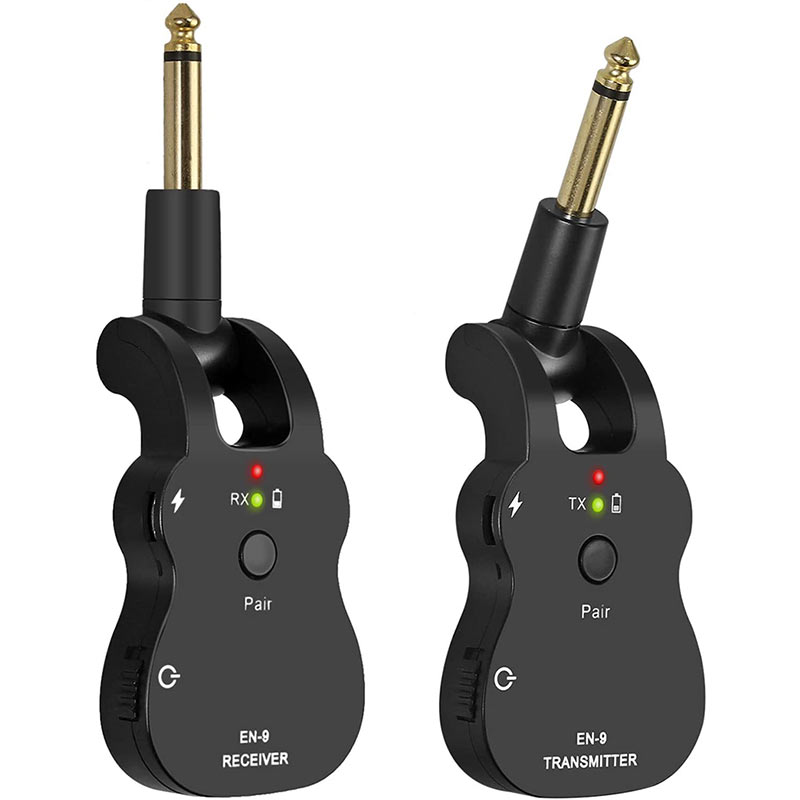

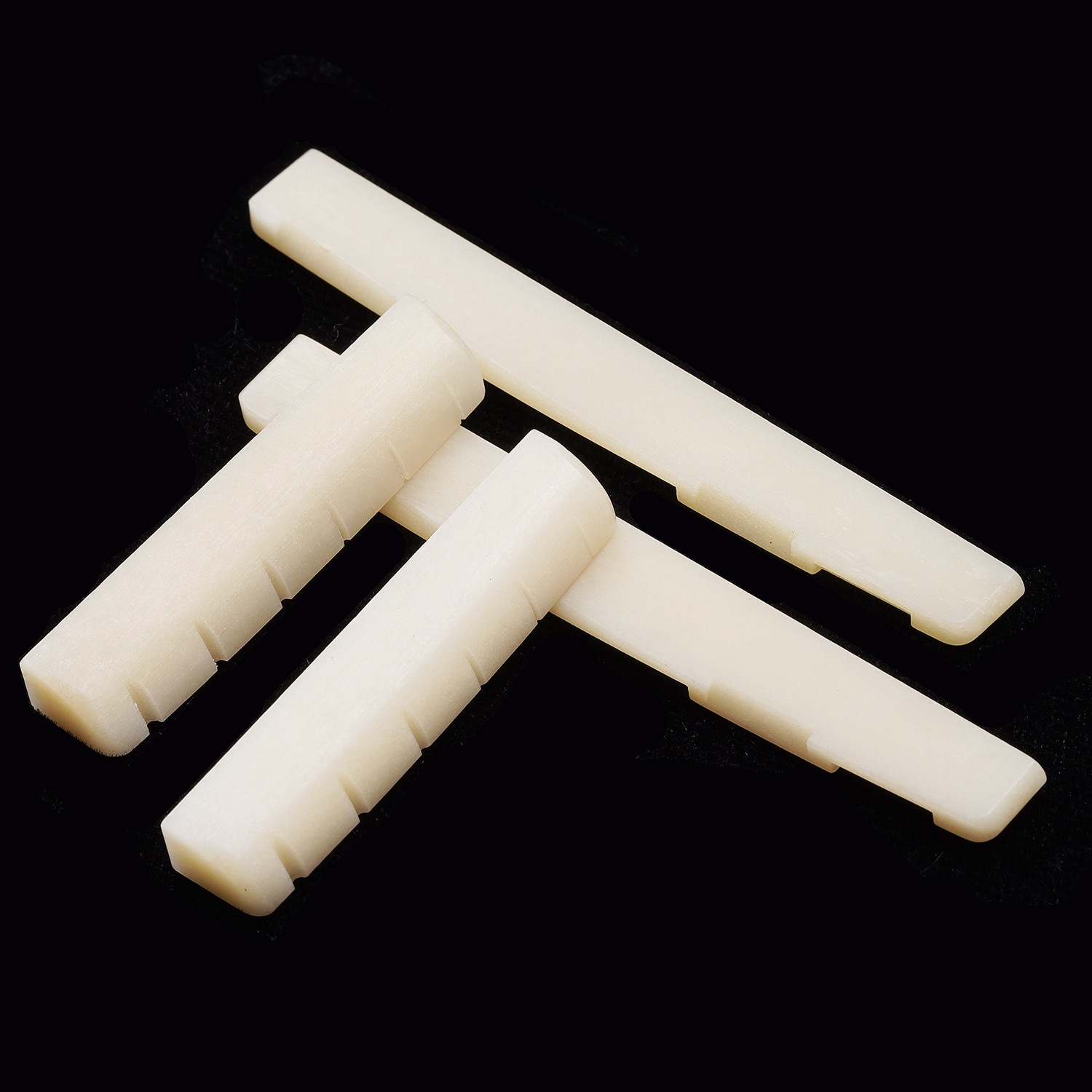
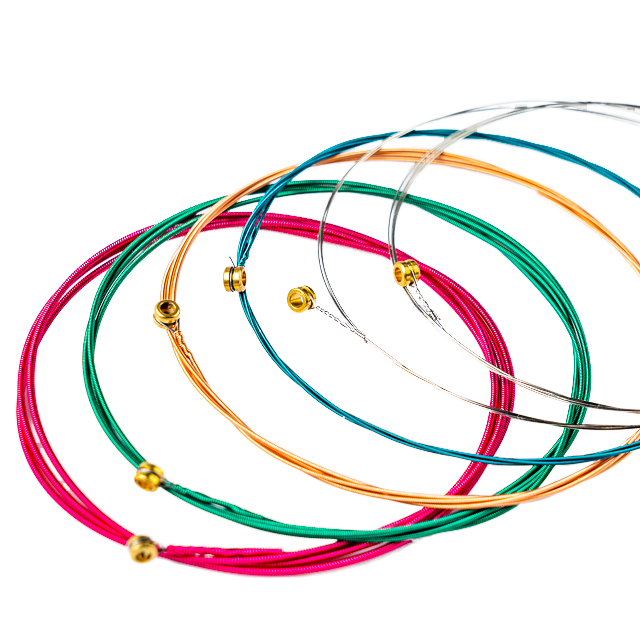

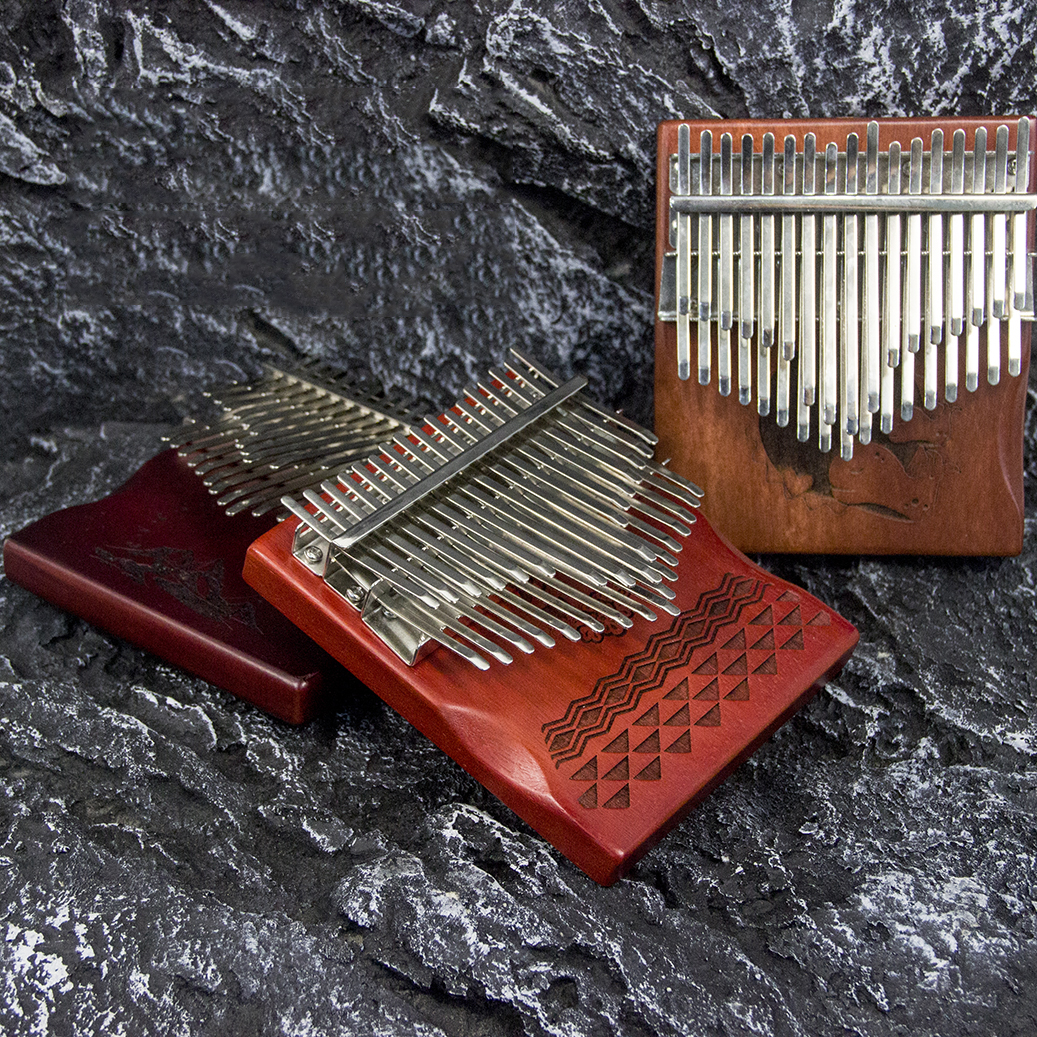
Enterprise Strengths & Direct Manufacturing Scale
Operating from Qiuchang, Huiyang District, Huizhou — China's world-renowned stringed instrument manufacturing hub — Huizhou NFGF Musical Instrument Co., Ltd. provides robust, scalable OEM/ODM infrastructure.
SGS On-Site Audited Quality
Our manufacturing setup undergoes rigorous third-party assessment by SGS Group. From kiln-drying tonewood moisture content to final acoustic resonance tuning, every step follows ISO-standardized workflows.
Customization & Design Flexibility
Supporting flexible MOQs starting from 1 to 2 pieces for baseline sample orders up to high-volume commercial container shipments. Full private-label support includes headstock laser etching, custom tonewood selection, and customized retail packaging.
Integrated Production Lines
Our facility integrates automated multi-axis CNC carving, dust-free automatic spray booths, hand-sanding stations, precision fret dressing, and computerized testing under one unified manufacturing ecosystem.
Strategic B2B Report: Material Science & Construction Standards for Beginner Ukuleles
The global entry-level stringed instrument market has undergone a fundamental transformation over the past decade. The modern beginner ukulele is no longer perceived as a simple novelty item or low-tier toy; it is now recognized as an ergonomically demanding, acoustically sensitive entry point into musical education. For wholesale importers, Amazon FBA sellers, regional music retail chains, and educational procurement procurement specialists, securing a manufacturing partner capable of maintaining strict dimensional tolerances while delivering high visual and acoustic appeal is essential to mitigating return rates and maximizing lifetime customer value.
1. Tonewood Selection & Acoustic Resonance Physics
Selecting the optimal tonewood for beginner ukuleles requires a calculated balance between acoustic performance, structural durability, material cost, and climate adaptability. In high-volume B2B manufacturing, three core wood species dominate beginner soprano (21"), concert (23"), tenor (26"), and baritone (30") instruments:
- Laminated Sapele & Mahogany: Offering exceptional structural stability across varied humidity zones, laminated Sapele (density ~640 kg/m³) and Mahogany (~540 kg/m³) provide warm mid-range projection, rich harmonic overtones, and superior resistance to cracking or surface checking during transit across climate zones.
- Sitka & Engelmann Spruce Tops: For premium beginner models, solid or laminated spruce tops provide a high strength-to-weight ratio. Spruce delivers fast dynamic response, crisp treble articulation, and heightened volume projection—ideal for educational ensembles.
- Acacia & Koa Equivalents: Highly sought after in retail markets for their striking figure and traditional Hawaiian aesthetic. Engineered laminates of Acacia provide visual luxury at scalable wholesale price points.
2. Precision Engineering: Fretwork, Intonation & Humidity Controls
A primary failure point in budget ukuleles sourced from unverified suppliers is improper neck-relief management and premature wood shrinkage, resulting in "fret sprout"—where metal frets protrude beyond the fingerboard edge, causing playability discomfort and safety returns. At Huizhou NFGF Musical Instrument Co., Ltd., our production methodology incorporates three technical safeguards:
- Scientific Kiln-Drying (8% – 12% Moisture Content): Raw timber undergoes multi-stage thermal cycle drying to achieve equilibrium moisture content tailored to destination export climates (North America, Western Europe, Australia).
- CNC Automated Neck Carving & Pocket Fitting: Neck-to-body dovetail joints are machined to tolerances within ±0.03 mm, ensuring maximum mechanical energy transfer from the strings to the soundboard while preventing neck joint fatigue over time.
- Crown-Dressed Fretwork & Action Calibration: Frets are press-fitted, diamond-beveled at 45 degrees, and hand-dressed. String height (action) is factory-set to a precision standard of 0.5mm at the 1st fret and 2.5mm at the 12th fret, delivering smooth playability for young learners without fret buzz.
Future Wholesale Procurement Trends
Anticipating macro shifts in consumer behavior, environmental regulations, and retail technology to optimize your stock allocation.
1. Eco-Compliant Finish Formulations
Global environmental mandates (including EU REACH, US CPSIA, and California Prop 65) are accelerating the phase-out of traditional high-VOC solvent lacquers. Strategic buyers are shifting toward ultra-thin waterborne UV curing finishes that enhance acoustic openness while ensuring full chemical compliance for kids' instruments.
2. Smart & Hybrid Starter Packages
Beginner purchasing decisions are increasingly dictated by complete learning ecosystems. Wholesale orders are transitioning from standalone instruments to bundled solution kits containing custom gig bags, digital tuners, capacitive pickup modules, and QR-linked online video lesson subscriptions.
3. Low-MOQ Private Labeling
E-commerce brand agility requires shorter supply chains with minimized capital tie-up. Leading China suppliers must support rapid prototyping and multi-SKU container consolidation—allowing distributors to test new colorways and body shapes with minimal inventory exposure.
Product Development & Technological Advancements
In response to evolving market preferences, Huizhou NFGF Musical Instrument Co., Ltd. continues to invest heavily in in-house research and engineering. Having secured over 100 design patents and structural copyrights, our technical roadmap focuses on three pivotal product innovations:
Ergonomic Neck Profiles & Beveled Armrests
Incorporating comfort-contour armrests and modified C-shape neck profiles traditionally reserved for boutique instruments into high-volume beginner models, dramatically improving player comfort during long practice sessions.
Integrated Wireless & Acoustic Preamp Pickups
Embedding lightweight, rechargeable wireless transmitters and acoustic transducers into ukulele bodies without adding excessive body mass, catering to content creators, buskers, and modern acoustic performers.
Frequently Asked Questions (FAQ)
Essential operational and technical insights for musical instrument importers, brand managers, and procurement officers.
What is the typical Minimum Order Quantity (MOQ) for custom OEM ukulele production?
For standard baseline inventory or sample evaluation, MOQs start from as low as 1 to 2 pieces. For full OEM custom branding—including custom laser-etched headstock logos, customized wood stains, branded soundhole labels, and custom color box packaging—the standard production MOQ starts at 50 to 100 sets depending on specific structural modifications.
How does Huizhou NFGF ensure quality consistency across large volume orders?
We execute a 4-Stage Quality Control Protocol: (1) Incoming Raw Material Inspection for wood moisture (8-12%) and hardware finish integrity; (2) In-Process Quality Checks following CNC milling and automated sanding; (3) Post-Assembly Playability Testing, where action, neck relief, and intonation are checked individually; and (4) Pre-Shipment Inspection adhering to AQL 1.0/2.5 sampling standards.
Are the tonewoods used compliant with global environmental laws (CITES, FSC, Lacey Act)?
Yes. All tonewoods used in our manufacturing plant—including Sapele, Mahogany, Maple, Spruce, and Rosewood synthetics—are legally sourced from certified sustainable forestry partners. We ensure full compliance with international CITES regulations and US/EU timber trade requirements to facilitate hassle-free customs clearance.
What are the standard production lead times for sample orders vs full container shipments?
Standard sample requests with custom logos are generally completed within 7 to 15 business days. Full container orders (20GP / 40HQ) typically carry a production cycle of 30 to 45 days from sample approval and deposit confirmation, depending on order complexity and current line scheduling.
Can we consolidate guitars, ukuleles, kalimbas, and accessories into a single shipment?
Absolutely. As an integrated manufacturer producing electric guitars, acoustic guitars, electric basses, ukuleles, kalimbas, steel tongue drums, and accessories, we encourage SKU consolidation in mixed container loads to minimize ocean freight cost per unit for our buyers.
Partner with China's Leading Ukulele & Stringed Instrument OEM Factory
Whether you are launching a new private-label brand, expanding your music school retail distribution, or looking to lower defect rates with an SGS-verified manufacturer, our engineering team is ready to assist.