Featured OEM / ODM Products & Accessories
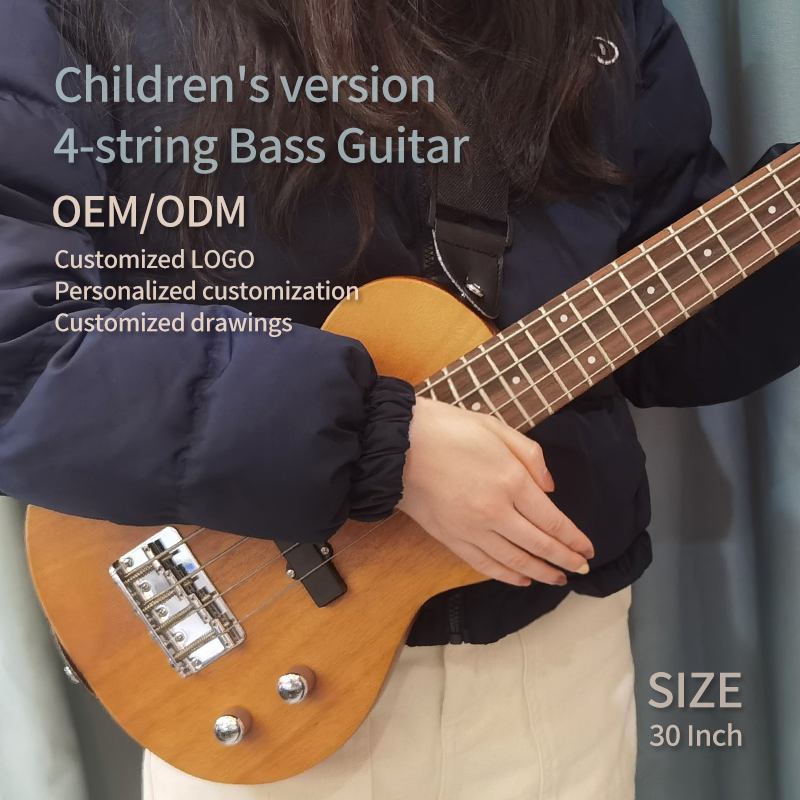
High Quality 30-inch Four-String Electric Bass Factory Direct OEM
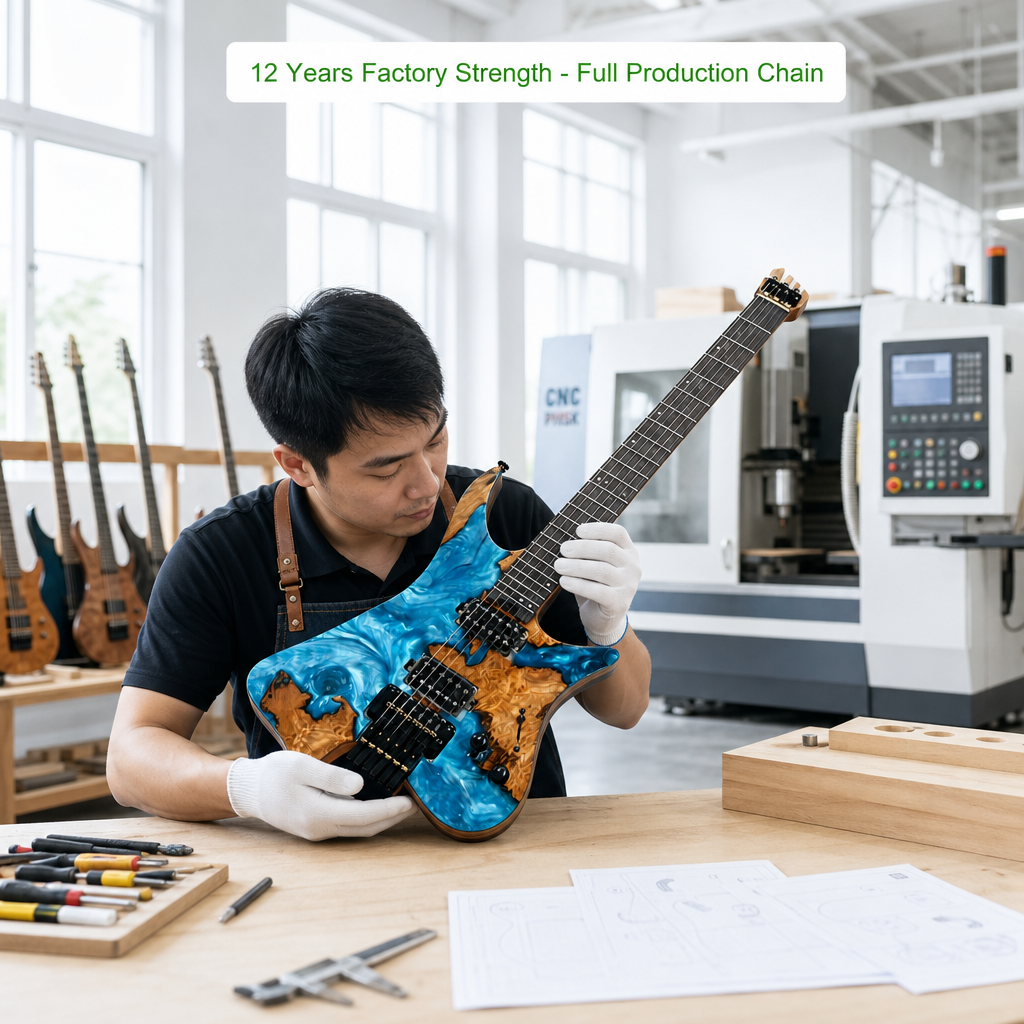
Headboard Electric Guitar With Bright Light High-quality OEM/ODM
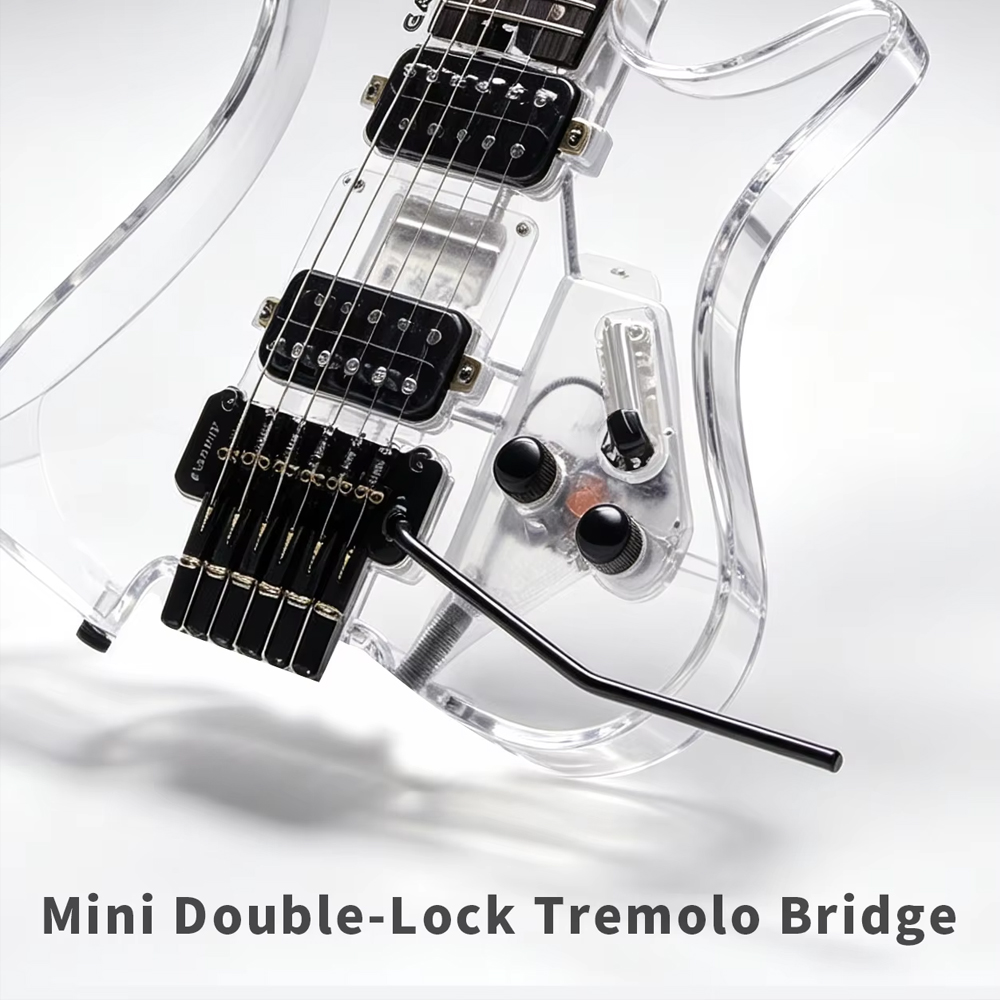
Silent Travel Guitar Africa Acrylic Chorus Headless Design Professional
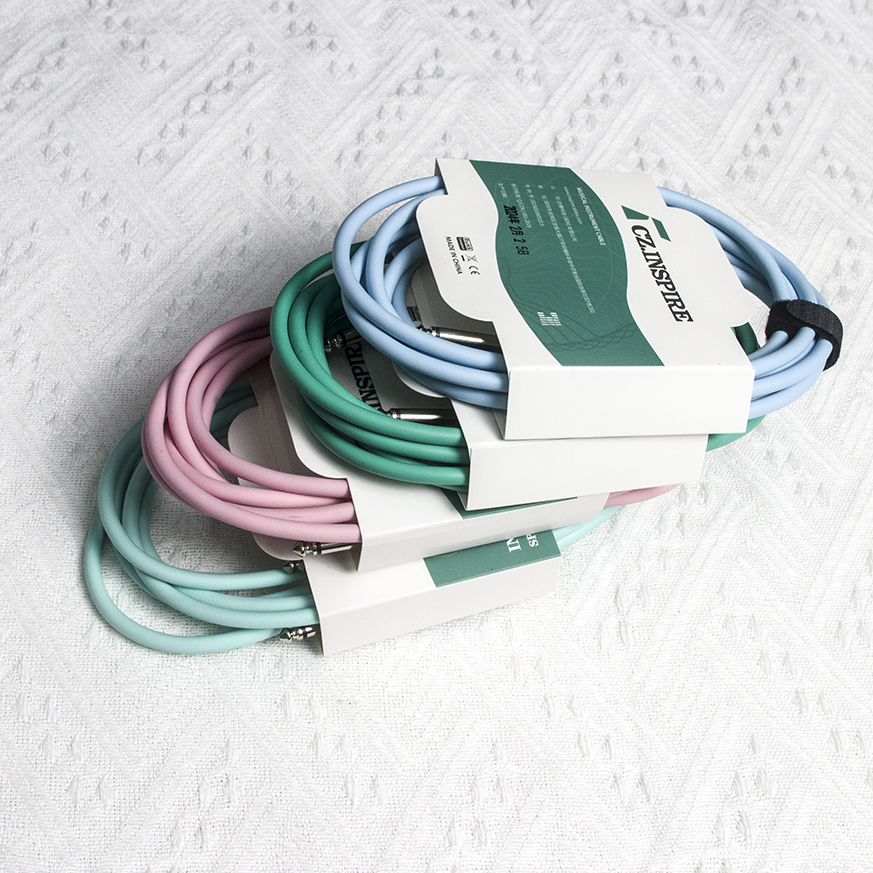
3 Meter Long Straight 6.35MM MONO JACK Instrument Cable
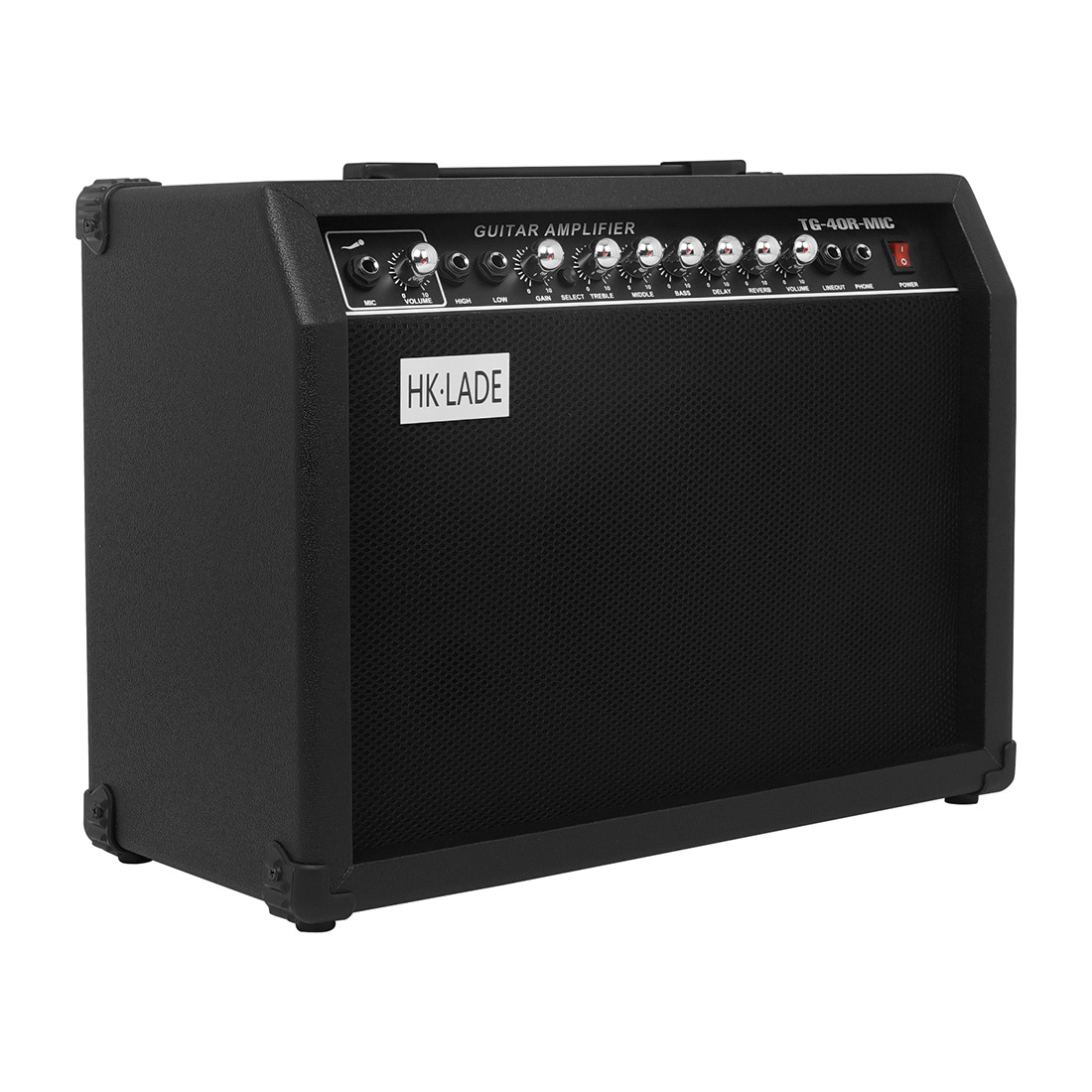
Portable Electric Guitar Bass Amplifier 40W Outdoor Performance Speaker
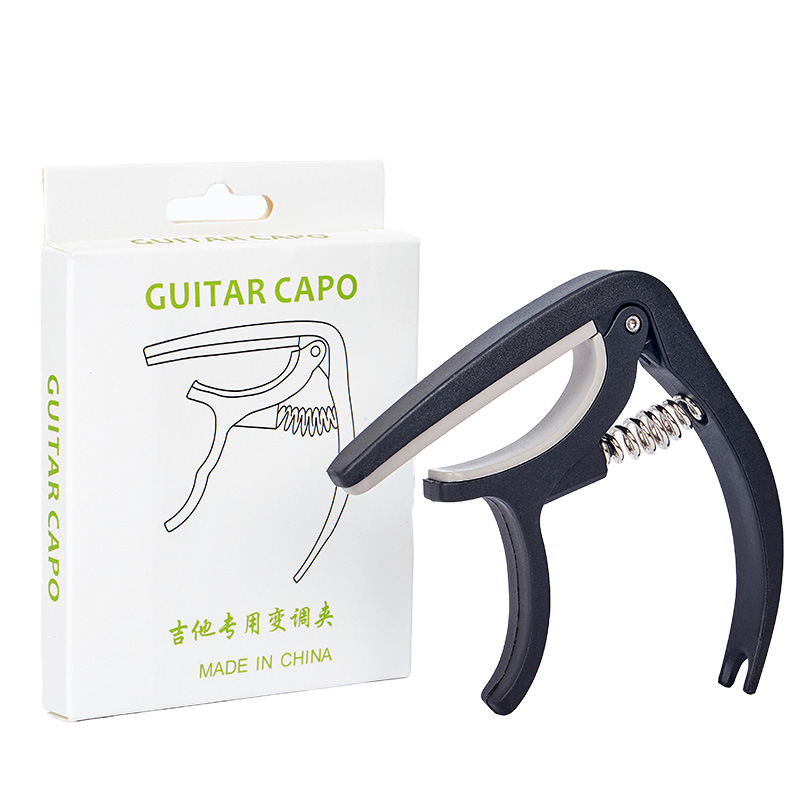
Wholesale Stringed Instrument Black Plastic Ukulele Tuner Clip Capo
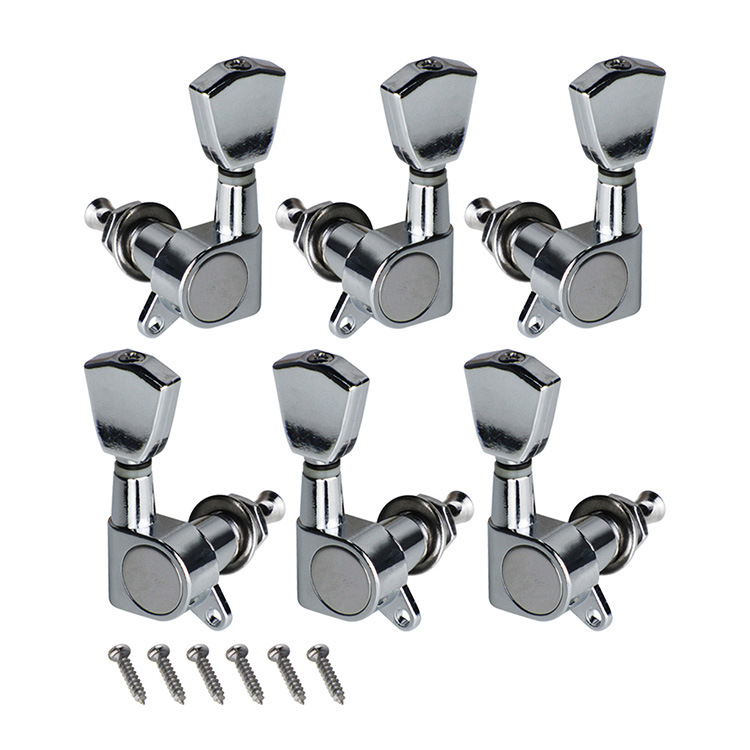
Factory Price Metal Tuning Pegs Machine Heads Tuner Direct Manufacturer
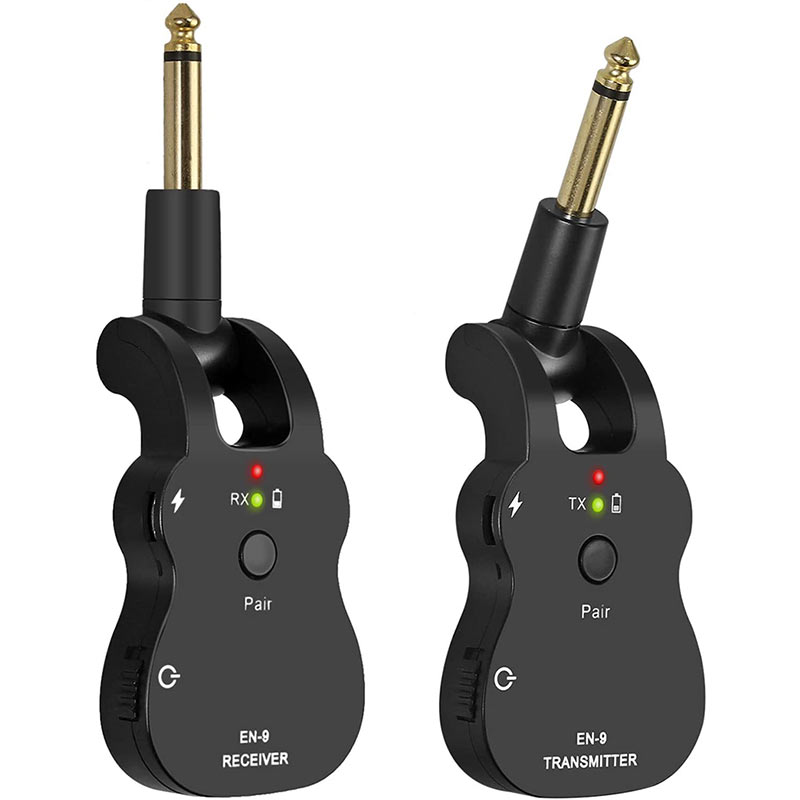
High Quality Digital Guitar Bass Wireless Audio Transmitter Receiver System
Executive Sourcing Overview: Navigating the Chinese Wooden Ukulele Ecosystem
The global musical instrument market has experienced a fundamental shift. Wooden ukuleles—once viewed as secondary novelty instruments—have evolved into high-margin acoustic products demanded by music schools, boutique brands, retail chains, and ecommerce sellers worldwide. Selecting a premier OEM/ODM manufacturing partner in China requires going beyond simple price-per-unit comparisons. Professional buyers evaluate industrial infrastructure, tonewood kiln-drying precision, automated CNC tolerances, climate control systems, and third-party compliance verification. This industry report outlines manufacturing benchmarks, product trends, procurement strategies, and enterprise capabilities from Huizhou NFGF Musical Instrument Co., Ltd., a primary industrial leader in China’s Guangdong instrument cluster.
1. Enterprise Value Proposition: Infrastructure, Technical Rigor & SGS Verification
Located in Qiuchang, Huiyang District, Huizhou—the heart of Guangdong’s premium musical instrument manufacturing belt—Huizhou NFGF Musical Instrument Co., Ltd. represents the modern era of Chinese instrument manufacturing. Established in 2014, NFGF integrates advanced R&D, precision automated woodworking, hand-craft luthier finishing, and direct global export under one unified management system.
Unlike trading companies or unverified workshops, NFGF operates an extensive 5,100 square meter standardized facility staffed by 53 specialized luthiers, technicians, and quality assurance engineers. The factory underwent rigorous on-site evaluation by SGS Group (audited November 2025), confirming compliance in raw material management, operational safety, in-process quality control, and pre-shipment testing standards.
In-House Manufacturing
Complete vertical integration: from raw tonewood log processing, multi-stage kiln drying, and computer-controlled CNC carving to painting, assembly, and acoustic setup.
SGS On-Site Audited
Fully certified facility transparency. Third-party inspection reports verify legal compliance, environmental handling, and reliable production capacity for overseas buyers.
Low MOQ Scalability
Flexible ordering structures: sample testing orders start from 1 to 2 pieces for select wooden ukuleles and guitars, allowing brand owners to validate market demand without high risk.
A core technical advantage of NFGF lies in its environmental stability control. Tonewoods used for wooden ukulele bodies—including Mahogany, Hawaiian Acacia, Spruce, Ebony, and Rosewood—are subject to precise kiln drying, maintaining a strict equilibrium moisture content (EMC) of 8% to 12%. This prevents cracking, neck warping, and fret sprouting when instruments are shipped to regions with radically different climates, such as North America, Northern Europe, or Australia.
2. Engineering & Tonewood Science: Acoustic Analysis of Wooden Ukuleles
In high-volume B2B manufacturing, understanding the physical and acoustic properties of tonewoods is essential for creating compelling product line architecture. The body of a wooden ukulele acts as a resonant soundboard where vibrational energy from the strings is transferred through the bridge, amplifying harmonic frequencies. NFGF's engineering department classifies wooden ukulele production into three distinct material tiers:
| Wood Tier | Common Tonewood Species | Acoustic Character | Humidity Tolerance | Target Retail Market Segment |
|---|---|---|---|---|
| Laminate Wood | Laminated Mahogany, Sapele, Basswood | Punchy, bright, consistent fundamental tone, slightly reduced sustain | High (Resistant to climate fluctuations) | Entry-level beginners, school music programs, travel series |
| Solid Top / Laminate B&S | Solid Sitka Spruce / Mahogany back | Enhanced projection, warm mid-range, greater dynamic response | Moderate (Requires baseline care) | Intermediate players, boutique retail brands, music store display lines |
| All-Solid Tonewood | Solid Hawaiian Koa, Solid Acacia, Solid Mahogany | Rich complex harmonics, deep sustain, expanding resonance over time | Controlled (Requires 45%-55% RH environment) | Professional performers, collector series, high-margin premium brands |
In addition to wood selection, structural internal bracing directly governs tonal output. NFGF utilizes CNC-milled fan-bracing and modified ladder-bracing systems tailored specifically to body scale sizes: Soprano (21-inch), Concert (23-inch), Tenor (26-inch), and Baritone (30-inch). By maintaining bridge plate tolerances to within ±0.05mm, NFGF ensures maximum acoustic transfer efficiency without sacrificing structural integrity against string tension.
3. Strategic Procurement Trends in the Global Ukulele Market (2025–2030)
To maintain competitive dominance, international buyers must adapt to rapid developments in consumer preferences, trade policies, and manufacturing methodologies. Industry data gathered across major retail channels points to four decisive procurement trends over the coming decade:
A. Sustainable Material Sourcing & FSC Compliance
Environmental compliance regulations—such as the EU Deforestation Regulation (EUDR), the US Lacey Act, and CITES timber tracking—have elevated wood origin documentation from a voluntary bonus to a mandatory import threshold. Top Chinese factories like NFGF are increasingly utilizing FSC-certified sustainable Mahogany, alternative Acacia species, and non-endangered fingerboard materials such as Techwood and high-density Laurel to eliminate supply chain bottlenecks at customs checkpoints.
B. Demand for Acoustic-Electric Hybrid Models & Smart Electronics
Modern ukulele players expect versatility. B2B buyers are ordering higher proportions of Concert and Tenor ukuleles equipped with under-saddle piezoelectric pickups, active EQ preamps, built-in digital tuners, and onboard Bluetooth accompaniment modules. Incorporating active electronics into wooden ukuleles allows brands to capture higher price points in both live performance and content-creation markets.
C. D2C-Optimized & Retail-Ready OEM Packaging
With the growth of e-commerce platforms and cross-border fulfillment centers, packaging engineering has become a core component of instrument procurement. Leading exporters now offer transit-tested drop-shipping packaging: double-wall corrugated cartons, high-density EPE foam cradles, pre-installed gig bags, and custom accessories (tuners, capos, extra nylon strings). This eliminates re-packaging overhead for importers and drastically lowers transit damage claims.
D. Rise of Micro-Customization & Low-MOQ Private Labeling
Traditional OEM models requiring 500+ units per single SKU are being replaced by dynamic low-MOQ contracts. Advanced laser engraving, precision silk-screening, and UV printing enable factories like NFGF to offer custom headstock logos, custom rosette inlays, and personalized neck plates starting at accessible order quantities. This allows distributors to quickly test niche market designs with minimal inventory exposure.
4. Product Development & Technical Design Trends
Product differentiation is key in a crowded marketplace. Successful musical instrument brands leverage technical innovations in body construction, fretboard ergonomics, and finishing techniques to capture consumer attention. Key design trends shaping modern wooden ukulele manufacturing include:
Comfort Cut & Armrest Inlays
Beveled lower-bout armrests crafted from contrasting wood (e.g., Ebony on Acacia) offer ergonomic comfort for long playing sessions while adding premium aesthetic appeal.
Side Soundhole Technology
Adding a secondary monitor soundhole on the upper bout directs acoustic resonance directly toward the player, creating a personal sonic feedback loop without diminishing forward projection.
Ultra-Thin Satin Finish
Transitioning from heavy high-gloss polyurethane to micro-thin open-pore satin coatings frees wood fibers to vibrate naturally, noticeably expanding low-end resonance and sustain.
5. Frequently Asked Questions (FAQ) for Global Instrument Buyers
Below are technical, financial, and logistical answers to common questions asked by international buyers, procurement officers, and brand owners evaluating Chinese wooden ukulele factories:
What is the baseline MOQ for custom OEM wooden ukuleles and stringed instruments?
At Huizhou NFGF Musical Instrument Co., Ltd., flexible production lines accommodate various order scales. Standard wholesale models—such as our 21/23/24/26/30-inch solid wood and laminate ukuleles—start at an accessible MOQ of just 2 pieces for sample evaluation. Electric guitars and bass guitars start from 1 piece, steel tongue drums from 10 pieces, and smaller accessories or kalimbas from 100 pieces. Full custom branding (custom headstock shapes, body colors, and private label boxes) typically starts between 50 to 100 units depending on technical complexity.
How does NFGF handle custom logo branding and original design (ODM) requests?
We offer two pathways for customization:
- Minor Customization (OEM): Applying your brand logo onto existing body molds via laser engraving, mother-of-pearl/abalone inlay, silk-screening, or metal badges, alongside customized packaging and accessory kits.
- Design-Based Customization (ODM): Developing complete proprietary instruments based on your CAD drawings or physical reference samples. Our engineering team modifies body contours, internal bracing patterns, tonewood pairings, neck profiles, and electronic configurations while securing your IP rights.
How are factory quality control and climate stability managed prior to shipping?
Every instrument produced in our 5,100 m² facility undergoes a strict four-stage quality assurance protocol:
- Raw Material Inspection: Kiln-dried wood moisture content is tested with digital hydrometers to maintain an 8%-12% threshold.
- Machining & Sanding Inspection: CNC neck joints, body binding, and fretboard leveling are checked for micron-level fit.
- Finish & Polish Control: Multi-layer spray coatings are checked for uniform thickness, color consistency, and clarity.
- Playability & Setup Verification: Prior to packing, trained luthiers adjust string action height (1.8mm–2.2mm at 12th fret), check intonation across all frets, verify electronics, and polish fret edges.
Is the factory independently verified by third-party inspection bodies?
Yes. Huizhou NFGF Musical Instrument Co., Ltd. is an SGS-verified Custom Manufacturer. SGS auditors conduct on-site evaluations covering production capacity, machinery maintenance, warehouse storage standards, employee working conditions, and quality management workflows (with the latest audit updated in November 2025). Furthermore, selected electric instruments, amplifiers, and pickups meet CE and FCC compliance requirements for import into European and North American markets.
What are the standard production lead times and international trade terms?
Sample orders in stock ship within 3 to 7 business days. Custom OEM sample runs generally take 15 to 25 days depending on tooling requirements. Full container load (FCL) or bulk LCL production orders typically take 30 to 45 days. We support flexible global trade terms including FOB (Shenzhen/Guangzhou), CIF, CFR, EXW, and DDP (Delivered Duty Paid) directly to your warehouse or fulfillment center.
Partner with a Lead Wooden Ukulele Manufacturer
Expand your catalog with SGS-verified instruments built to exact acoustic specifications. Contact our engineering and sales teams today to receive complete product catalogs, factory audit reports, and instant sample quotes.